


Oral Cancer Screening
- 2Specialists
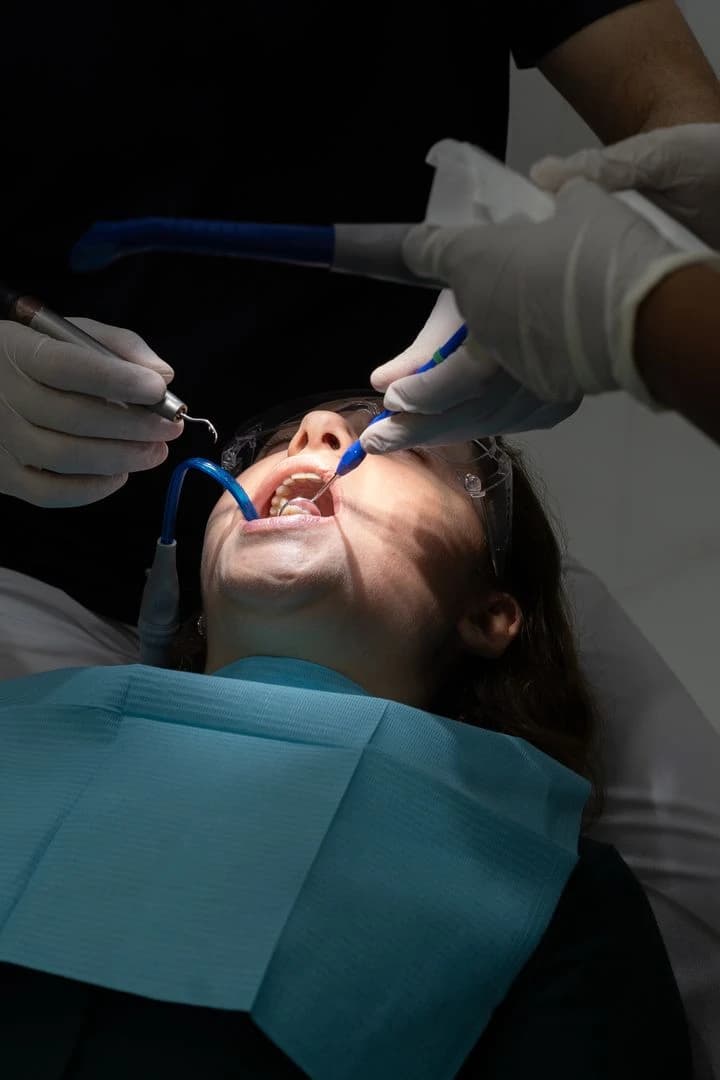
Oral cancer screening is a careful visual and physical examination of the mouth and surrounding tissues to identify unusual changes that may require monitoring, further testing, or specialist referral. At Bourgeois Dental Clinic in Dubai, oral-tissue assessment may be included as part of a comprehensive dental check-up or arranged when a patient notices a persistent ulcer, patch, lump, or other unexplained change.
What Is Oral Cancer Screening?
During oral cancer screening, the dentist examines areas including the lips, tongue, floor of the mouth, cheeks, gums, palate, throat, and nearby tissues. The neck and jaw area may also be checked when clinically appropriate.
The purpose of screening is not to provide a final diagnosis during the dental visit. It is to identify findings that may need documentation, review, additional investigation, or referral to an appropriate specialist.
What Changes Does the Dentist Look For?
The dentist may assess the mouth for:
- An ulcer that does not heal
- Red, white, or mixed-colour patches
- A lump, swelling, or area of unusual thickening
- Unexplained bleeding
- Changes in the surface texture of the mouth
- Persistent pain, burning, or numbness
- Difficulty moving the tongue or jaw
- Unexplained difficulty swallowing
- A persistent feeling that something is caught in the throat
- Changes affecting the lips or surrounding skin
Many oral changes are not cancer. They may be caused by trauma, infection, irritation, dental appliances, biting habits, or other conditions. However, persistent or unexplained findings should be assessed.
Who Should Consider Oral Cancer Screening?
Oral-tissue examination may be relevant for all adult patients as part of routine dental care. Additional attention may be appropriate for people with certain risk factors, including:
- Tobacco use in any form
- Heavy alcohol consumption
- A previous history of oral lesions
- Significant sun exposure affecting the lips
- Persistent irritation from a sharp tooth or damaged restoration
- A weakened immune system
- A personal history of head or neck cancer
- Unexplained oral changes that do not resolve
Risk factors do not mean that a person has cancer. They help the dentist decide whether closer monitoring or referral may be appropriate.
What Happens During the Screening?
- History review: The dentist asks about symptoms, how long the change has been present, tobacco or alcohol use, previous lesions, medical history, and relevant medications.
- Visual examination: The lips, tongue, cheeks, gums, palate, floor of the mouth, and throat area are examined under suitable lighting.
- Physical assessment: Selected tissues may be gently felt to check for unusual firmness, tenderness, swelling, or changes beneath the surface.
- Documentation: The dentist may record the size, appearance, location, and duration of a finding and may take a clinical photograph when appropriate.
- Follow-up plan: The area may be monitored, reviewed after removing a possible source of irritation, or referred for further investigation.
Can a Dentist Diagnose Oral Cancer During Screening?
No. A screening examination may identify a suspicious or unexplained change, but a definitive diagnosis usually requires specialist assessment and may involve a biopsy or laboratory examination of tissue.
The dentist's role is to identify concerning changes, explain the finding, and recommend an appropriate next step.
When Should a Mouth Ulcer Be Checked?
Mouth ulcers are common and often improve without treatment. However, an ulcer should be assessed if it persists, repeatedly returns in the same place, becomes larger, bleeds without explanation, or is associated with a lump, numbness, difficulty swallowing, or other unusual symptoms.
Do not delay assessment simply because the area is painless. Some significant oral changes may not cause pain during their early stages.
What Happens If an Unusual Area Is Found?
The dentist may:
- Remove or manage a possible source of irritation
- Arrange a follow-up examination
- Take photographs or measurements for comparison
- Recommend additional dental or medical investigations
- Refer the patient to an oral surgeon, oral medicine specialist, ENT doctor, or another appropriate professional
The recommended action depends on the appearance, location, symptoms, duration, and individual risk factors.
Oral Screening During a Dental Check-Up
An oral-tissue examination can form part of a comprehensive dental check-up. The same appointment may also include assessment of the teeth, gums, bite, restorations, and jaw.
Patients with tobacco-related staining, plaque, or gum inflammation may also benefit from professional teeth cleaning, although cleaning does not replace assessment of persistent oral changes.
How to Monitor Your Mouth at Home
Patients can support early awareness by noticing changes in the lips, tongue, cheeks, gums, and palate. Seek professional assessment if you find a persistent ulcer, patch, lump, unexplained bleeding, numbness, or another change that does not resolve.
Home observation is not a substitute for a professional examination, especially when symptoms persist or risk factors are present.
Oral Cancer Screening on Sheikh Zayed Road
Bourgeois Dental Clinic is located in Indigo Sky Building, Sheikh Zayed Road, Exit 41, near Al Thanya Street in Dubai. Our location is convenient for patients from Al Barsha, Umm Al Sheif, Umm Suqeim, Jumeirah, Al Quoz, Barsha Heights, The Greens, Dubai Marina, and nearby communities.
Book an oral examination if you have a persistent mouth ulcer, patch, lump, or another unexplained oral change.
Department
General Dentistry
Related Doctors


FAQ
Frequently Asked Questions
BOOK AN
Appointment
Working Hours
We are here to serve you