


Restoration Protection for Bruxism
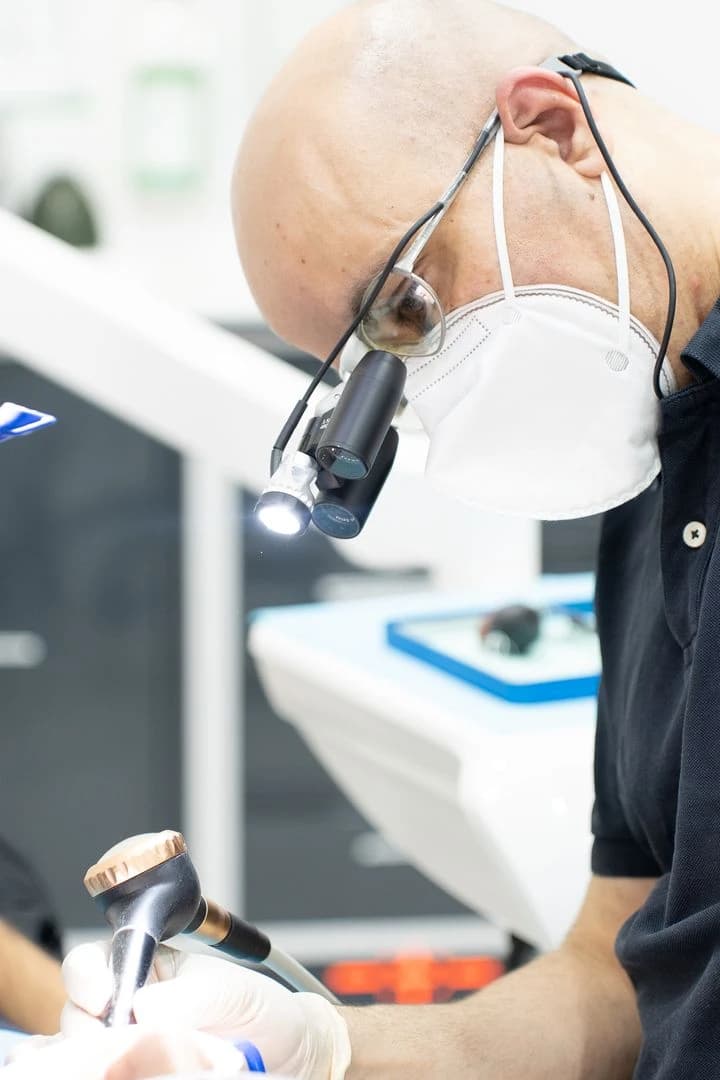
Restoration protection for bruxism focuses on reducing avoidable damage to fillings, crowns, veneers, bridges, implant restorations, dentures, and supporting natural teeth when clenching or grinding is suspected. Protection begins with diagnosis, because fractures and wear may also result from decay, material fatigue, trauma, acid erosion, poor support, restoration design, or clearly excessive local contacts.
At Bourgeois Dental Clinic in Dubai, the assessment considers the type and extent of dental work, remaining tooth structure, restoration materials, tooth wear, cracks, implant components, bite forces, jaw symptoms, sleep or daytime habits, medical factors, and previous complications.
No appliance or treatment can guarantee that dental restorations will never chip, loosen, wear, or fracture. The goal is to identify risk factors, reduce selected loading, maintain the dental work, and detect complications earlier.
Which Restorations Can Be Affected by Bruxism?
- Composite fillings and bonding
- Porcelain veneers
- Dental crowns
- Onlays and overlays
- Dental bridges
- Implant crowns and bridges
- Implant-supported dentures
- Complete and partial dentures
- Temporary restorations
- Full-mouth rehabilitation
What Types of Damage May Occur?
Heavy or repeated loading may contribute to:
- Composite wear
- Chipped porcelain
- Fractured veneers
- Cracked crowns
- Loose bridges
- Loose implant screws or attachments
- Fractured temporary restorations
- Denture wear or fracture
- Cracks in supporting natural teeth
- Repeated loss of bonding or cement retention
Does Restoration Damage Always Mean Bruxism?
No. Other causes may include:
- Dental decay beneath or beside a restoration
- Insufficient remaining tooth structure
- Material fatigue
- Trauma
- Acid erosion
- Food trapping
- Restoration design
- Loss of gum or bone support
- A clearly excessive local bite contact
- Age and cumulative use
A full assessment is required before attributing repeated failure solely to grinding.
What Happens During the Assessment?
- History review: Discussing grinding reports, daytime clenching, previous fractures, dental treatment, sleep, medication, diet, and trauma.
- Restoration examination: Checking margins, stability, cracks, chips, wear, looseness, and food trapping.
- Supporting-tooth assessment: Evaluating decay, cracks, root-canal history, tooth mobility, and remaining tooth structure.
- Implant-component assessment: Reviewing crowns, bridges, screws, attachments, and surrounding tissues.
- Tooth-wear assessment: Evaluating the location and pattern of wear throughout the mouth.
- Bite assessment: Checking restoration contacts during closing and selected movements.
- Muscle and joint review: Assessing jaw fatigue, tenderness, clicking, locking, and opening.
- Imaging when indicated: Dental X-rays may be recommended to assess roots, supporting bone, decay, or fractures.
- Protection plan: Discussing monitoring, repair, replacement, occlusal adjustment, splint therapy, or broader rehabilitation.
How Can Composite Bonding Be Protected?
Composite restorations can often be repaired, but repeated loading may cause:
- Surface wear
- Edge chipping
- Fracture
- Loss of polish
- Staining at damaged margins
- Separation from weakened tooth structure
Protection may include regular reviews, repair of small defects, controlled bite adjustment when clearly indicated, and a custom appliance for selected patients.
Can Bruxism Damage Porcelain Veneers?
Grinding or clenching may increase the risk of veneer chipping, fracture, debonding, or damage to the underlying tooth.
Risk depends on:
- Remaining enamel
- Veneer design and thickness
- Tooth alignment
- Bite contacts
- Material
- Habits
- Maintenance
- History of previous fractures
A night guard may be recommended after veneer treatment when clinically appropriate, but it cannot prevent every complication.
Can Crowns Break From Grinding?
Yes. Crowns may chip, fracture, loosen, or develop problems in the supporting tooth.
Repeated crown failure may require assessment of:
- Remaining tooth structure
- Decay
- Root condition
- Crown material
- Crown thickness
- Bite contacts
- Grinding patterns
- Opposing teeth or restorations
How Can Dental Bridges Be Protected?
Bridge protection may include:
- Checking supporting teeth
- Monitoring connectors and porcelain
- Assessing food trapping
- Reviewing cleaning beneath the bridge
- Checking for looseness or movement
- Evaluating heavy contacts
- Using an appliance when appropriate
Supporting teeth may still develop decay, cracks, or gum disease even when the bridge material itself does not decay.
How Does Bruxism Affect Implant Restorations?
Repeated loading may contribute to:
- Loose implant screws
- Chipped restorative material
- Fractured crowns or bridges
- Attachment wear
- Denture-component wear
- Mechanical complications
Implant stability, bone support, surrounding tissues, component condition, restoration design, and bite forces should all be assessed.
Can a Loose Implant Crown Simply Be Tightened?
Possibly, but the cause should be investigated first.
Repeated loosening may involve:
- Heavy contacts
- Grinding or clenching
- Component wear
- Screw damage
- Restoration design
- Implant position
- Loss of cement retention
Repeated tightening without correcting the cause may not provide a durable solution.
Can Bruxism Damage Dentures?
Clenching and grinding may contribute to:
- Worn denture teeth
- Denture-base fracture
- Clasp or attachment wear
- Pressure on supporting tissues
- Reduced stability
- Damage to implant attachments
Changes in fit, pain, cracks, or repeated fractures require assessment.
Can a Night Guard Protect Restorations?
A custom night guard or occlusal splint may provide a protective surface between the teeth and distribute selected contacts.
It does not necessarily stop grinding and cannot prevent:
- All restoration fractures
- Dental decay
- Acid erosion
- Trauma
- Gum or bone disease
- Every implant complication
Can a Guard Be Made Over Veneers, Crowns, or Implants?
Yes, when the dental work is stable and the appliance can be designed with appropriate coverage and pressure distribution.
The fit should be reviewed after any future treatment that changes the shape or position of the teeth.
Should the Bite Be Adjusted?
Adjustment may be appropriate when a restoration has a clearly excessive local contact that is associated with pain, fracture risk, or functional interference.
Extensive irreversible alteration of natural teeth should not be performed solely to stop bruxism. Complex bite changes require separate diagnosis and treatment planning.
Should Damaged Restorations Be Repaired or Replaced?
The decision depends on:
- Extent of damage
- Restoration material
- Condition of the supporting tooth
- Decay or infection
- Location of the fracture
- Appearance
- Bite forces
- Ability to clean and maintain the restoration
Small composite or porcelain defects may sometimes be repaired, while extensive damage may require replacement.
Can Restoration Failure Be Prevented Completely?
No. Dental materials are exposed to moisture, temperature changes, chewing, diet, bacteria, trauma, and repeated force.
Maintenance and protection may reduce risk and support earlier intervention, but all restorations can eventually require repair, adjustment, recementation, component replacement, or complete replacement.
How Are Restorations Monitored?
- Clinical examination
- Photographs
- Digital scans
- Dental X-rays when indicated
- Assessment of margins and contacts
- Review of chips, cracks, and wear
- Monitoring of implant components
- Night-guard inspection
- Comparison at maintenance visits
What Are the Risks and Limitations?
- Restorations may still fracture
- Grinding may continue despite a guard
- Supporting teeth may develop decay or cracks
- Implant components may loosen or wear
- A protective appliance may require adjustment or replacement
- Extensive damage may need complex rehabilitation
- Future maintenance and repair remain necessary
- Medical or sleep factors may require separate care
- Long-term success cannot be guaranteed
When Is Prompt Dental Care Needed?
Arrange prompt assessment for a fractured crown or veneer, loose bridge, loose implant component, severe biting pain, swelling, pus, a sharp restoration edge, a sudden bite change, or inability to use a denture safely.
Difficulty breathing or swallowing, rapidly spreading swelling, major facial trauma, neurological symptoms, severe weakness, confusion, or significant deterioration requires urgent medical care.
Bruxism Restoration Protection on Sheikh Zayed Road
Bourgeois Dental Clinic is located on the first floor of Indigo Sky Building, Sheikh Zayed Road, Exit 41, near Al Thanya Street in Dubai. The clinic is accessible from Al Barsha, Umm Al Sheif, Umm Suqeim, Jumeirah, Al Quoz, Barsha Heights, The Greens, Dubai Marina, and nearby communities.
Book a restoration-protection assessment for bruxism to evaluate crowns, veneers, bridges, fillings, implants, dentures, bite forces, repeated fractures, night-guard suitability, and maintenance needs.
Department
TMJ, Jaw Pain & Bruxism Care
FAQ
Frequently Asked Questions
BOOK AN
Appointment
Working Hours
We are here to serve you