


Scaling and Polishing
- 1Specialist
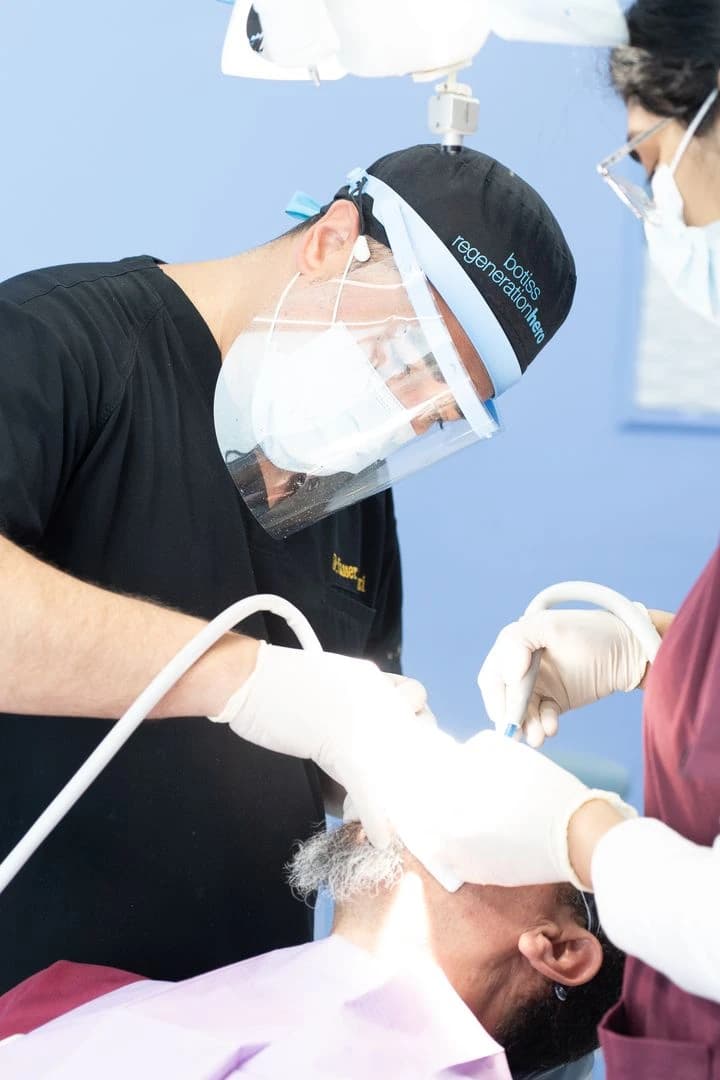
Scaling and polishing removes accessible dental calculus, plaque deposits, and selected external stains from the teeth. Scaling focuses on hardened deposits that cannot be removed through brushing alone, while polishing may smooth cleaned surfaces and reduce selected superficial staining when clinically appropriate.
At Bourgeois Dental Clinic in Dubai, the procedure is adapted to the amount and location of calculus, gum condition, tooth sensitivity, exposed root surfaces, dental restorations, implants, orthodontic appliances, medical history, and previous periodontal treatment.
Who May Benefit From Scaling and Polishing?
The procedure may be recommended for patients who have:
- Visible calculus around the teeth
- Plaque deposits that remain despite brushing
- Bleeding or mildly inflamed gums
- Selected external stains
- Persistent deposits behind the lower front teeth
- Deposits around crowns, bridges, or orthodontic appliances
- Difficulty cleaning certain areas
- A preventive dental-maintenance plan
What Is Dental Calculus?
Dental calculus, commonly called tartar, develops when plaque mineralises and hardens on the tooth surface. It may form above or below the gumline and cannot usually be removed completely with a toothbrush.
Calculus can create a rough surface that retains additional plaque and may contribute to gum inflammation when daily cleaning is inadequate.
What Is the Difference Between Scaling and Polishing?
- Scaling: Removes hardened calculus and plaque deposits using suitable hand or powered instruments.
- Polishing: Removes selected superficial stains and smooths cleaned tooth surfaces when appropriate.
Polishing is not always required on every tooth or during every appointment. Unnecessary or aggressive polishing should be avoided, especially around sensitive roots or selected restorative materials.
What Happens During the Appointment?
- History review: Discussing sensitivity, gum bleeding, medication, medical conditions, restorations, implants, and previous cleaning experiences.
- Gum assessment: Checking inflammation, bleeding, recession, plaque, calculus, and possible periodontal concerns.
- Deposit removal: Using suitable instruments to remove accessible calculus and plaque.
- Stain assessment: Identifying which discolouration is external and may respond to professional cleaning.
- Polishing when appropriate: Smoothing selected cleaned surfaces and removing superficial stains.
- Home-care guidance: Reviewing brushing, interdental cleaning, fluoride, and maintenance intervals.
Is Scaling and Polishing the Same as Deep Cleaning?
No. Routine scaling and polishing generally supports preventive maintenance and removes accessible deposits.
Periodontal deep cleaning is used for diagnosed gum disease and may involve cleaning beneath the gumline and treating root surfaces. Patients with deep periodontal pockets, bone loss, or advanced gum disease may require a separate periodontal treatment plan.
Does Scaling Hurt?
Many patients experience vibration, pressure, or mild temporary sensitivity rather than significant pain. Discomfort may be greater when:
- Gums are inflamed
- Calculus is extensive
- Root surfaces are exposed
- Teeth are already sensitive
- Cleaning has been delayed
- There are oral ulcers or tissue irritation
The technique can be adjusted, and suitable comfort measures may be discussed when clinically appropriate.
Can Scaling Damage Enamel?
Professional scaling performed with appropriate instruments and technique is designed to remove deposits without intentionally removing healthy enamel.
Patients may notice spaces or roughness after large deposits are removed because the calculus had previously covered parts of the tooth or filled areas between teeth.
Why Do Teeth Feel Different After Scaling?
After calculus removal, patients may notice:
- Smoother tooth surfaces
- Spaces that were previously filled by deposits
- Temporary sensitivity
- More awareness of exposed root surfaces
- Reduced gum swelling over time
Persistent pain or severe sensitivity should be assessed rather than assumed to be a normal result of cleaning.
Does Polishing Whiten Teeth?
Polishing may remove selected external stains from coffee, tea, food, or smoking and make the teeth appear cleaner or brighter.
It does not change the internal colour of the teeth in the same way as professional whitening treatment.
Can All Stains Be Removed?
No. Internal discolouration, enamel changes, old restorations, dental trauma, medication-related staining, and decay may not respond to polishing.
A separate dental assessment may be required to determine the cause and suitable treatment options.
Can Scaling Be Performed Around Crowns and Bridges?
Yes. Suitable instruments and techniques can be used around restoration margins and supporting teeth.
The appointment may also assess:
- Food trapping
- Gum inflammation
- Cleaning beneath bridges
- Decay risk around supporting teeth
- Restoration looseness or damage
Can Dental Implants Be Scaled?
Implants and implant restorations may require professional deposit removal using instruments and techniques selected to protect implant surfaces and surrounding tissues.
Implant maintenance should also review bleeding, inflammation, cleaning access, restoration stability, attachment components, and bite forces.
Can Scaling Be Done With Braces?
Yes. Brackets, wires, and orthodontic attachments may create additional areas for plaque and calculus accumulation.
Professional cleaning may be combined with advice on:
- Brushing around brackets
- Cleaning beneath wires
- Using interdental brushes
- Fluoride support
- Reducing frequent sugar exposure
How Often Is Scaling and Polishing Needed?
The interval depends on:
- Rate of calculus formation
- Gum health
- Previous periodontal disease
- Smoking
- Braces, implants, or restorations
- Medical conditions
- Dry mouth
- Daily brushing and interdental cleaning
There is no single cleaning interval that is suitable for every patient.
What Should I Do After Scaling and Polishing?
- Continue brushing twice daily
- Clean between teeth as demonstrated
- Use fluoride or sensitivity toothpaste when recommended
- Avoid smoking
- Limit frequent sugary and acidic drinks
- Follow any temporary dietary instructions
- Attend the recommended maintenance visit
- Report persistent pain, swelling, or sensitivity
What Are the Risks and Limitations?
- Temporary tooth sensitivity
- Minor gum bleeding
- Temporary tenderness
- Awareness of spaces after calculus removal
- Limited removal of deep deposits during routine treatment
- Incomplete removal of internal tooth discolouration
- Need for periodontal treatment
- Need for repeated maintenance as deposits reform
When Is Routine Scaling Not Enough?
Further assessment may be required for deep gum pockets, significant bone loss, tooth mobility, persistent swelling or pus, severe pain, advanced gum recession, loose implant restorations, or deposits extending deeply beneath the gums.
Difficulty breathing or swallowing, rapidly spreading facial or neck swelling, uncontrolled bleeding, or significant deterioration requires urgent medical care.
Scaling and Polishing on Sheikh Zayed Road
Bourgeois Dental Clinic is located on the first floor of Indigo Sky Building, Sheikh Zayed Road, Exit 41, near Al Thanya Street in Dubai. The clinic is accessible from Al Barsha, Umm Al Sheif, Umm Suqeim, Jumeirah, Al Quoz, Barsha Heights, The Greens, Dubai Marina, and nearby communities.
Book scaling and polishing for dental calculus, plaque deposits, external stains, gum bleeding, braces hygiene, implant maintenance, or personalised oral-hygiene guidance.
Department
Preventive Dentistry & Oral Hygiene
Related Doctors

FAQ
Frequently Asked Questions
BOOK AN
Appointment
Working Hours
We are here to serve you