


Single-Tooth Dental Implant
- 2Specialists
- 3Documented Cases
Cases
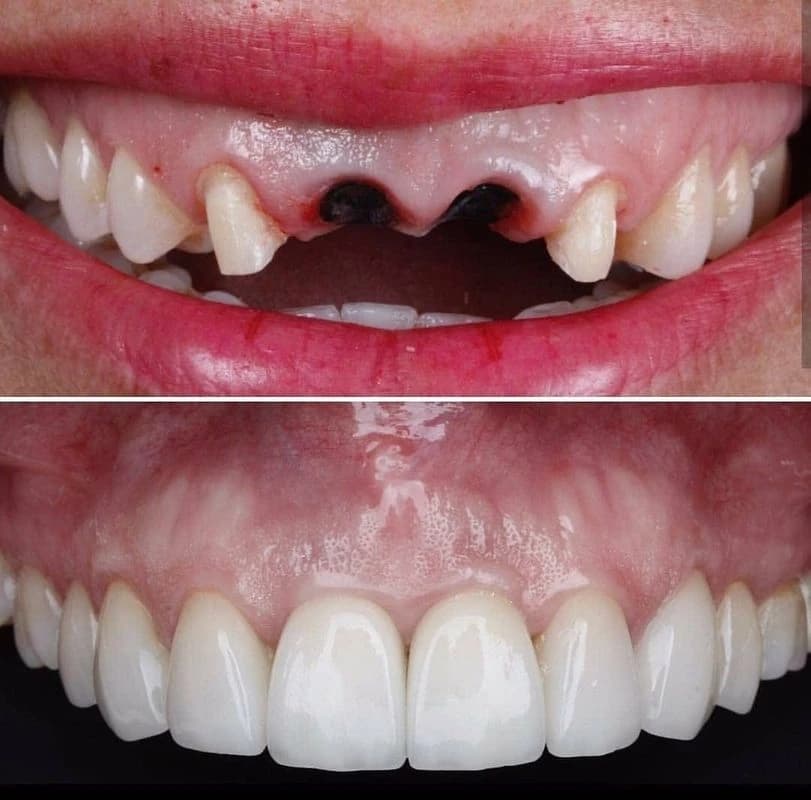
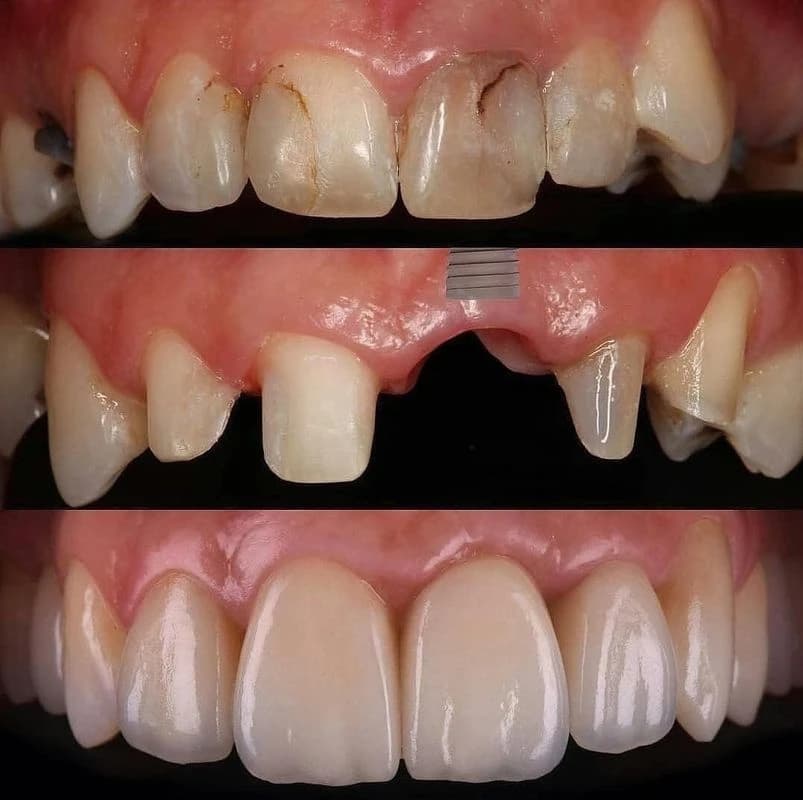
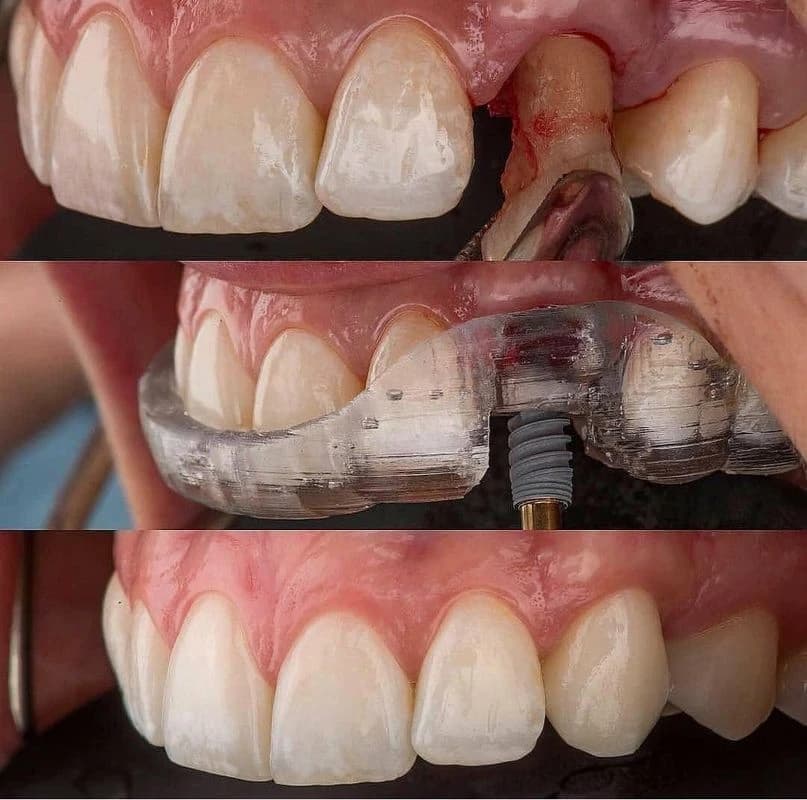
A single-tooth dental implant replaces one missing or non-restorable tooth using an implant fixture, connecting abutment, and individual dental crown. It may provide a fixed replacement without preparing neighbouring healthy teeth for a conventional bridge.
At Bourgeois Dental Clinic in Dubai, treatment planning evaluates the available bone, gum profile, neighbouring roots, bite forces, restorative space, smile line, medical history, and long-term cleaning requirements.
When May a Single-Tooth Implant Be Considered?
It may be considered when one tooth is missing because of:
- Tooth decay
- Dental trauma
- Root fracture
- Failed root canal treatment
- Advanced periodontal damage
- Congenital absence
- Previous extraction
- A tooth that cannot support a predictable restoration
What Are the Components of a Single Implant Tooth?
- Implant fixture: Placed within the jawbone.
- Abutment: Connects the implant to the crown.
- Implant crown: The visible replacement tooth.
The crown may be connected through a screw-retained or cement-retained design depending on the implant position, restoration, and clinical requirements.
What Are the Advantages of a Single Implant?
- Provides a fixed tooth replacement
- Does not always require preparation of neighbouring teeth
- Supports an individual crown
- Can restore chewing in the missing-tooth area
- Allows individual cleaning around the replacement
- May support the local gum and restorative profile
Benefits depend on successful integration, implant positioning, gum health, crown design, and maintenance.
What Are the Alternatives?
Alternatives may include:
- A conventional dental bridge
- A resin-bonded bridge in selected cases
- A removable partial denture
- Orthodontic space closure
- Maintaining the space without immediate replacement in selected situations
Each option has different effects on neighbouring teeth, cost, treatment time, cleaning, appearance, and longevity.
What Happens During the Assessment?
The dentist assesses:
- The missing-tooth space: Confirming adequate room for the implant and crown.
- Neighbouring teeth: Checking decay, restorations, gum health, and root position.
- Bone volume: Evaluating height, width, shape, and quality.
- Gum tissue: Reviewing thickness, recession, inflammation, and aesthetic profile.
- Bite forces: Checking chewing contacts and grinding.
- Smile line: Evaluating visible gum and tooth symmetry in front-tooth cases.
- Medical risk: Reviewing smoking, diabetes, medication, and healing factors.
Can an Implant Replace a Front Tooth?
Yes. Front-tooth implant treatment requires careful planning because the implant crown and gumline may be visible during smiling.
Planning considers:
- Bone thickness
- Gum thickness
- Smile line
- Neighbouring tooth shape
- Implant angle and depth
- Temporary tooth design
- Potential need for bone or gum grafting
Exact symmetry and complete preservation of the original gumline cannot be guaranteed.
Can an Implant Replace a Molar?
Yes. Molar implants are planned to manage stronger chewing forces and the available restorative space.
The dentist evaluates bone width, nerve or sinus position, crown size, bite forces, grinding, and the condition of the opposite teeth.
Can the Implant Be Placed Immediately After Extraction?
Immediate placement may be possible when the socket walls, surrounding bone, gum tissue, infection status, and primary implant stability are favourable.
A delayed approach may be recommended when infection, bone defects, soft-tissue damage, or stability concerns are present.
Will I Receive a Temporary Tooth?
A temporary replacement may be provided depending on the tooth position, implant stability, bite, bone, and cosmetic need.
Options may include a temporary implant crown, removable temporary tooth, bonded temporary tooth, or another non-loading design. A temporary restoration does not guarantee that the implant is ready for normal chewing.
Will I Need Bone Grafting?
Bone grafting may be recommended if the implant site is too narrow, damaged, or irregular.
Grafting may be completed before implant placement, at the same appointment, or after implant removal depending on the defect.
Will I Need Gum Grafting?
Soft-tissue grafting may be considered when the gums are thin, recessed, or insufficient to support the planned appearance and cleaning access.
Gum grafting does not guarantee perfect symmetry or complete tissue coverage.
How Is the Implant Placed?
- Local anaesthesia: The treatment area is numbed.
- Site preparation: The bone is prepared according to the implant plan.
- Implant insertion: The implant is placed in the planned position.
- Grafting when needed: Bone or soft tissue may be added.
- Healing: The implant is allowed to stabilise within the bone.
- Digital scan or impression: The implant position and gums are recorded.
- Final crown: The individual implant crown is fitted.
How Long Does the Treatment Take?
The timeline depends on extraction timing, bone grafting, implant stability, bone quality, gum healing, medical factors, and crown design.
Some treatments require several months between implant placement and the final crown.
Is the Procedure Painful?
Local anaesthesia is used during surgery. Temporary swelling, tenderness, bruising, jaw stiffness, or minor bleeding may occur afterward.
Discomfort varies according to extraction, grafting, implant position, and individual healing.
What Are the Risks?
- Infection
- Failure to integrate
- Bone or gum recession
- Damage to neighbouring teeth or roots
- Nerve or sinus complications
- Unfavourable implant position
- Gumline or appearance differences
- Loose screw or crown
- Crown chipping or fracture
- Peri-implant inflammation
- Need for grafting or additional treatment
- Need for implant removal
How Is the Implant Crown Designed?
The implant crown is shaped to support chewing, appearance, speech, gum health, and cleaning.
An overcontoured crown may make cleaning difficult, while an undercontoured restoration may compromise appearance or food control. The design must balance these requirements.
Can an Implant Crown Get a Cavity?
The implant crown does not develop tooth decay like natural enamel. However, neighbouring teeth can decay, and the implant crown may loosen, chip, fracture, or retain plaque.
How Long Does a Single Implant Last?
No exact lifespan can be guaranteed. Long-term performance depends on gum and bone health, cleaning, smoking, diabetes, bite forces, implant position, crown design, and maintenance.
The crown, screw, or abutment may require repair or replacement even when the implant remains integrated.
How Should a Single Implant Be Cleaned?
- Brush twice daily
- Clean carefully around the implant gumline
- Use interdental brushes where appropriate
- Use implant-safe floss when recommended
- Attend professional maintenance appointments
- Report bleeding, swelling, or movement promptly
What Are Warning Signs?
Arrange an assessment for:
- Bleeding around the implant
- Swelling or pus
- Persistent bad taste
- Gum recession
- Pain when chewing
- Movement of the crown
- Movement of the implant
- Chipping or fracture
- Food trapping around the crown
Single-Tooth Dental Implant on Sheikh Zayed Road
Bourgeois Dental Clinic is located on the first floor of Indigo Sky Building, Sheikh Zayed Road, Exit 41, near Al Thanya Street in Dubai. The clinic is convenient for patients from Al Barsha, Umm Al Sheif, Umm Suqeim, Jumeirah, Al Quoz, Barsha Heights, The Greens, Dubai Marina, and surrounding communities.
Book a single-tooth implant assessment for a missing front tooth, premolar, molar, or tooth that may require extraction.
Department
Dental Implants and Implant Dentistry
Related Doctors


FAQ
Frequently Asked Questions
BOOK AN
Appointment
Working Hours
We are here to serve you