


Tooth Sensitivity Treatment
- 2Specialists
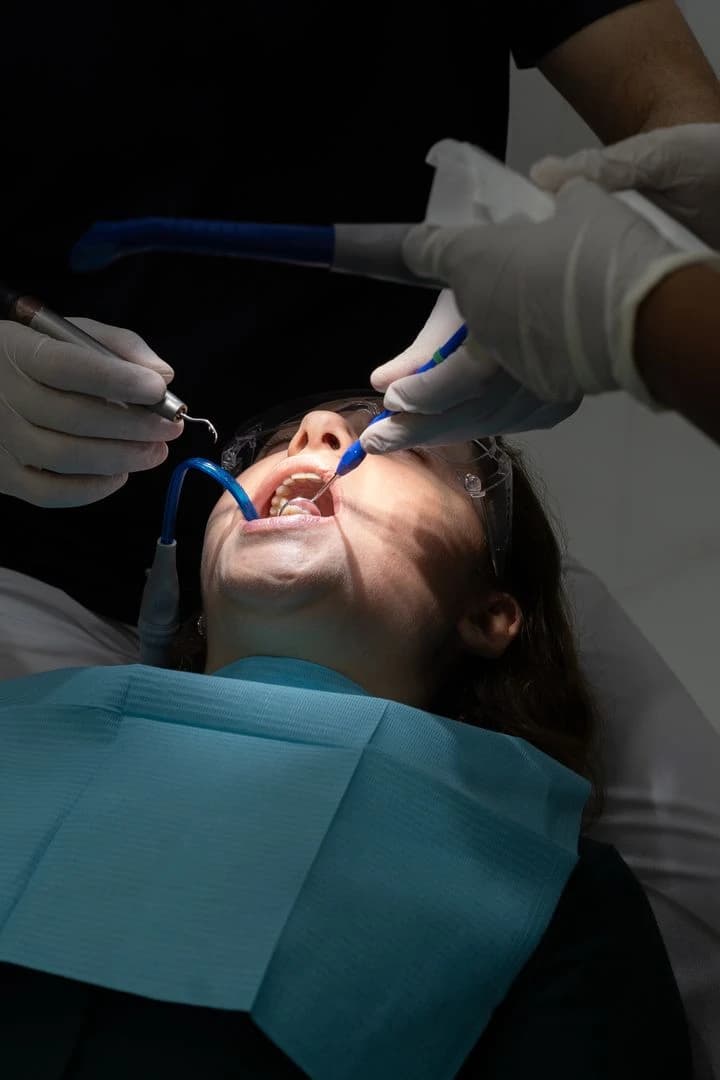
Tooth sensitivity is discomfort triggered by cold, heat, sweet foods, brushing, air, touch, or pressure. It may affect one tooth or several teeth and can range from a brief sharp sensation to pain that continues after the trigger is removed. At Bourgeois Dental Clinic in Dubai, treatment begins by identifying the underlying cause rather than only reducing the symptom.
What Causes Sensitive Teeth?
Tooth sensitivity can have several causes, including:
- Enamel wear caused by aggressive brushing
- Acid erosion from foods, drinks, or reflux
- Gum recession and exposed tooth roots
- Tooth decay
- A cracked or fractured tooth
- A loose, worn, or leaking filling
- Grinding or clenching
- Recent teeth whitening
- Recent dental treatment
- Gum disease
- Inflammation or infection inside the tooth
- Tooth wear around the gumline
Because different conditions can produce similar symptoms, a dental examination is important before choosing treatment.
What Does Tooth Sensitivity Feel Like?
Patients may describe:
- A sharp sensation when drinking cold water
- Pain with hot drinks or food
- Discomfort when eating sweets
- Sensitivity during brushing or flossing
- Pain when breathing cold air
- Discomfort when biting or chewing
- A lingering ache after the trigger is removed
The pattern, duration, and location of the symptom can help the dentist identify the likely cause.
How Is Tooth Sensitivity Diagnosed?
The dentist reviews when the sensitivity started, which triggers cause it, how long it lasts, and whether it affects one tooth or multiple teeth.
The assessment may include:
- Examination for tooth decay
- Checking for cracks or fractures
- Assessment of fillings and restorations
- Evaluation of gum recession and exposed roots
- Assessment of enamel wear or erosion
- Evaluation of bite forces and grinding
- Temperature or pressure testing when appropriate
- Dental X-rays when clinically necessary
How Is Tooth Sensitivity Treated?
Treatment depends on the diagnosis and may include:
- Desensitizing toothpaste
- Professional fluoride treatment
- Changes to brushing technique
- A softer toothbrush
- Reducing frequent acidic food and drink exposure
- A tooth-coloured filling
- Composite bonding over an exposed or worn area
- Replacement of a damaged restoration
- Gum treatment
- A custom night guard for grinding
- Root canal treatment when the dental pulp is irreversibly affected
Can Gum Recession Cause Sensitive Teeth?
Yes. Gum recession can expose the root surface, which does not have the same enamel protection as the visible crown of the tooth. Exposed roots may respond strongly to temperature, touch, sweet foods, or brushing.
Management depends on the cause and severity of recession and may include improved brushing technique, desensitizing products, fluoride, bonding, gum care, or referral for periodontal treatment.
Can Teeth Whitening Cause Sensitivity?
Professional or home whitening can cause temporary sensitivity in some patients. The risk may depend on the condition of the enamel, exposed roots, the whitening product, concentration, application method, and treatment frequency.
Patients with existing sensitivity should have their teeth assessed before whitening. The dentist may recommend treating the underlying problem or adjusting the whitening approach.
Can Grinding Cause Sensitivity?
Grinding and clenching may contribute to enamel wear, small cracks, gumline defects, and stress on the teeth. These changes can lead to sensitivity or pain when biting.
Patients with signs of grinding may benefit from bruxism assessment and a custom night guard.
When Does Sensitivity Need Urgent Assessment?
Seek prompt dental care if sensitivity:
- Becomes severe or continuous
- Continues long after the trigger is removed
- Wakes you from sleep
- Is associated with swelling
- Occurs after a tooth fracture or injury
- Is accompanied by fever or facial swelling
- Causes pain when biting
- Is concentrated in one tooth and becoming worse
These symptoms may indicate a deep cavity, crack, infection, damaged restoration, or inflammation inside the tooth.
How to Reduce Tooth Sensitivity at Home
- Use a soft-bristled toothbrush
- Brush gently rather than using heavy pressure
- Use fluoride toothpaste
- Consider a desensitizing toothpaste when advised
- Limit frequent acidic foods and drinks
- Avoid brushing immediately after acidic exposure
- Do not use whitening products without appropriate guidance when sensitivity is active
- Seek assessment if symptoms persist
Can Sensitive Teeth Be Permanently Treated?
Many cases can be controlled or treated successfully, but the result depends on the cause. Sensitivity caused by brushing technique or mild enamel wear may improve with preventive changes, while decay, cracks, damaged fillings, or infection require specific dental treatment.
Symptoms may return if the underlying risk factor, such as grinding or acidic exposure, continues.
Tooth Sensitivity Treatment on Sheikh Zayed Road
Bourgeois Dental Clinic is located in Indigo Sky Building, Sheikh Zayed Road, Exit 41, near Al Thanya Street in Dubai. Our clinic is convenient for patients from Al Barsha, Umm Al Sheif, Umm Suqeim, Jumeirah, Al Quoz, Barsha Heights, The Greens, Dubai Marina, and nearby areas.
Book a tooth-sensitivity assessment to identify the cause and discuss appropriate treatment options.
Department
General Dentistry
Related Doctors


FAQ
Frequently Asked Questions
BOOK AN
Appointment
Working Hours
We are here to serve you