


Wisdom-Tooth Pain and Infection Assessment
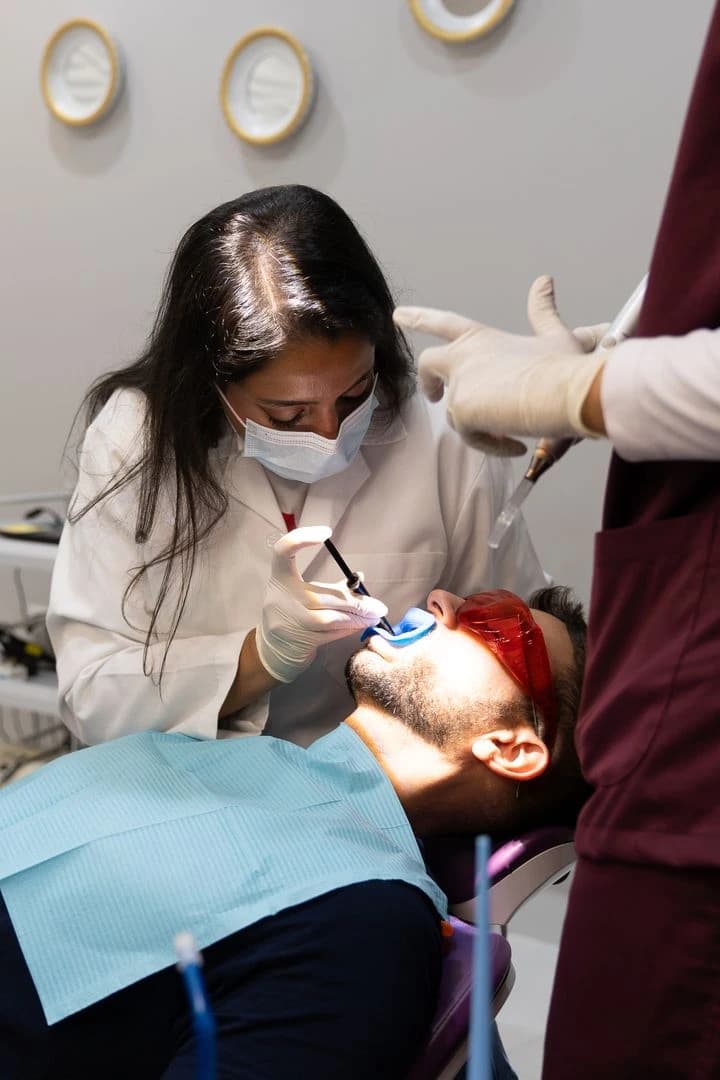
A wisdom-tooth pain and infection assessment identifies whether symptoms are caused by inflammation around a partially erupted tooth, dental decay, gum infection, food trapping, impaction, damage to a neighbouring tooth, trauma from the opposing tooth, or another condition.
At Bourgeois Dental Clinic in Dubai, the assessment reviews pain location, swelling, pus, bad taste, fever, mouth opening, swallowing discomfort, tooth position, gum condition, neighbouring teeth, previous episodes, medical history, and whether urgent hospital care is required.
Not every wisdom tooth needs removal. Some can be cleaned, monitored, restored, or maintained when they are healthy, functional, and accessible for hygiene.
What Causes Wisdom-Tooth Pain?
- Inflammation around a partially erupted tooth
- Food and plaque trapping beneath the gum flap
- Dental decay
- Gum or periodontal infection
- An impacted tooth pressing against nearby tissues
- Damage to the second molar
- A cyst or other jaw condition
- Trauma from the opposing tooth
- Cheek biting
- A cracked wisdom tooth
What Is Pericoronitis?
Pericoronitis is inflammation or infection of the gum surrounding a partially erupted tooth, commonly a lower wisdom tooth.
Possible symptoms include:
- Pain at the back of the mouth
- Swollen gum
- Bad taste
- Pus
- Difficulty opening the mouth
- Pain when swallowing
- Cheek swelling
- Fever or feeling unwell
Which Symptoms Need Prompt Assessment?
- Severe or increasing pain
- Facial or jaw swelling
- Pus or persistent bad taste
- Difficulty opening the mouth
- Pain when swallowing
- Fever with worsening dental symptoms
- Swelling spreading towards the neck
- Repeated infection episodes
- Pain or decay in the neighbouring tooth
- Difficulty cleaning the area
What Happens During the Assessment?
- Emergency screening: Checking breathing, swallowing, facial swelling, mouth opening, fever, and general health.
- Symptom history: Reviewing pain, duration, previous episodes, bad taste, medication, allergies, and medical conditions.
- Dental examination: Assessing the wisdom tooth, gum flap, pus, decay, swelling, cheek trauma, and neighbouring teeth.
- Periodontal assessment: Checking gum pockets, food trapping, and support around the wisdom and adjacent teeth.
- Imaging when indicated: Dental X-rays may be used to assess tooth position, roots, bone, decay, neighbouring teeth, and nearby anatomical structures.
- Immediate-care plan: Discussing cleaning, irrigation, drainage, medication when indicated, bite relief, or referral.
- Long-term plan: Considering monitoring, restoration, gum management, or extraction.
Can Wisdom-Tooth Infection Spread?
Yes. Infection may spread into the cheek, jaw, throat, or deeper facial and neck spaces.
Seek urgent hospital care for:
- Difficulty breathing
- Difficulty swallowing
- Rapidly spreading swelling
- Severe limitation in mouth opening
- Swelling extending towards the neck
- Severe weakness or confusion
- Major deterioration
Can Pericoronitis Improve Without Extraction?
Sometimes. An initial episode may improve with:
- Professional cleaning
- Irrigation beneath the gum flap
- Improved home cleaning
- Management of trauma from the opposing tooth
- Medication when clinically indicated
- Monitoring eruption and access
Repeated episodes may indicate that extraction or another definitive treatment should be considered.
Are Antibiotics Always Needed?
No. Localised inflammation may respond to cleaning and treatment of the local cause.
Antibiotics may be considered when infection is spreading, swelling is increasing, systemic symptoms are present, or medical factors justify their use.
Can a Wisdom Tooth Be Filled?
Possibly. A filling may be suitable when:
- The tooth is accessible
- The decay can be removed safely
- The tooth contributes to function
- The surrounding gum can be maintained
- The tooth position allows effective cleaning
- Sufficient healthy structure remains
Extraction may be more appropriate when decay is extensive, access is poor, or repeated infection continues.
Can the Tooth Next to the Wisdom Tooth Be Damaged?
Yes. An impacted wisdom tooth may contribute to:
- Decay on the back surface of the second molar
- Gum-pocket formation
- Bone loss
- Root damage in selected cases
- Food trapping
- Repeated inflammation
The neighbouring tooth should be assessed carefully during treatment planning.
Does Every Impacted Wisdom Tooth Need Removal?
No. A symptom-free impacted tooth may sometimes be monitored when it is not causing disease and can be reviewed appropriately.
Removal may be considered when there is:
- Repeated infection
- Decay
- Damage to a neighbouring tooth
- A cyst or other pathology
- Unmanageable gum disease
- Persistent pain linked to the tooth
- Another clear clinical indication
When Is Urgent Extraction Considered?
Urgent extraction may be discussed when the tooth is severely decayed, fractured, repeatedly infected, associated with an abscess, damaging the neighbouring tooth, or presenting another significant clinical risk.
In some cases, the acute infection is stabilised first and extraction is planned after swelling and mouth opening improve.
What Is Assessed Before Wisdom-Tooth Extraction?
- Tooth position
- Root number and shape
- Bone coverage
- Relationship to nearby nerves
- Relationship to the sinus for upper teeth
- Condition of the neighbouring tooth
- Medical and bleeding risks
- Mouth opening
- Infection and swelling
Can Wisdom-Tooth Extraction Affect a Nerve?
Lower wisdom-tooth roots may be close to nerves that supply sensation to the lower lip, chin, teeth, or tongue.
Altered sensation may be temporary or, less commonly, persistent. Imaging and referral may be recommended when the relationship appears close or complex.
Can an Upper Wisdom Tooth Affect the Sinus?
Upper wisdom-tooth roots may be close to the maxillary sinus. Extraction may rarely create communication with the sinus or require additional precautions.
What Is Coronectomy?
Coronectomy is a specialised procedure in which the crown of a selected lower wisdom tooth is removed while part of the roots is intentionally retained to reduce nerve-injury risk.
It is not appropriate for every tooth and requires careful assessment, suitable tooth condition, imaging, and follow-up.
Can Wisdom Teeth Cause Headache or Jaw Pain?
Wisdom-tooth inflammation may cause local jaw discomfort or referred pain, but headaches and general jaw pain have many possible causes.
The symptoms should not be attributed to wisdom teeth without examination.
What Should I Do Before the Appointment?
- Keep the area gently clean
- Rinse according to professional guidance
- Avoid pressing or cutting the swollen gum
- Avoid placing aspirin or chemicals on the area
- Choose softer foods if chewing is uncomfortable
- Seek urgent care if swelling, fever, breathing, or swallowing symptoms develop
What Happens After Wisdom-Tooth Extraction?
Temporary symptoms may include pain, swelling, bruising, bleeding, jaw stiffness, and difficulty chewing.
Patients should follow instructions regarding:
- Bleeding control
- Oral hygiene
- Food and hydration
- Smoking and tobacco avoidance
- Medication
- Activity
- Follow-up
What Are the Risks and Limitations?
- Pain, swelling, bleeding, and bruising
- Dry socket
- Infection
- Limited mouth opening
- Damage to a neighbouring tooth or restoration
- Sinus involvement with upper teeth
- Temporary or persistent altered sensation with selected lower teeth
- Root fracture
- Need for surgical referral
- Recurrence when definitive treatment is not completed
When Is Hospital Care Required?
Seek urgent medical care for breathing or swallowing difficulty, rapidly spreading facial or neck swelling, severe limitation in mouth opening, swelling around the eye, severe weakness, confusion, uncontrolled bleeding, or significant deterioration.
Wisdom-Tooth Emergency Assessment on Sheikh Zayed Road
Bourgeois Dental Clinic is located on the first floor of Indigo Sky Building, Sheikh Zayed Road, Exit 41, near Al Thanya Street in Dubai. The clinic is accessible from Al Barsha, Umm Al Sheif, Umm Suqeim, Jumeirah, Al Quoz, Barsha Heights, The Greens, Dubai Marina, and nearby communities.
Book a wisdom-tooth pain and infection assessment for pain at the back of the mouth, swollen gums, bad taste, pus, facial swelling, difficulty opening, decay, or repeated infection.
Department
Dental Emergencies & Urgent Dental Care
FAQ
Frequently Asked Questions
BOOK AN
Appointment
Working Hours
We are here to serve you