

Teeth Whitening Before Veneers or Bonding in Dubai: Which Comes First?
If your smile plan includes both teeth whitening and a cosmetic restoration, the order matters. Whitening changes the shade of natural enamel, while composite bonding, veneers, crowns and existing fillings do not whiten in the same way. Planning the final tooth colour before a restoration is made can therefore produce a more harmonious result.
At Bourgeois Dental Clinic in Dubai, treatment sequencing begins with an examination rather than a fixed formula. The dentist checks tooth and gum health, existing restorations, sensitivity, enamel condition and the changes you want to see. Dr. Nour can then help coordinate a cosmetic plan in which whitening, bonding or veneers are used only where they add value.
Quick Answer: Should Whitening Usually Come First?
If you want your natural teeth to become lighter and are also planning new composite bonding or veneers, whitening is commonly considered first. Once the selected shade has settled, the new restoration can be matched to it. This does not mean that every patient needs whitening or that treatment must always follow the same sequence. Teeth with decay, cracks, leaking fillings, active gum inflammation or other urgent problems may need care before elective whitening.
The central principle is simple: decide the intended background shade of the smile before permanently selecting the colour of restorations that will not respond to whitening.
What Does Teeth Whitening Change?
Professional teeth whitening in Dubai is designed to lighten stains within natural tooth structure. It may be considered for staining associated with food, drinks, tobacco or natural darkening, provided the mouth is suitable for treatment. The response varies between people and even between teeth.
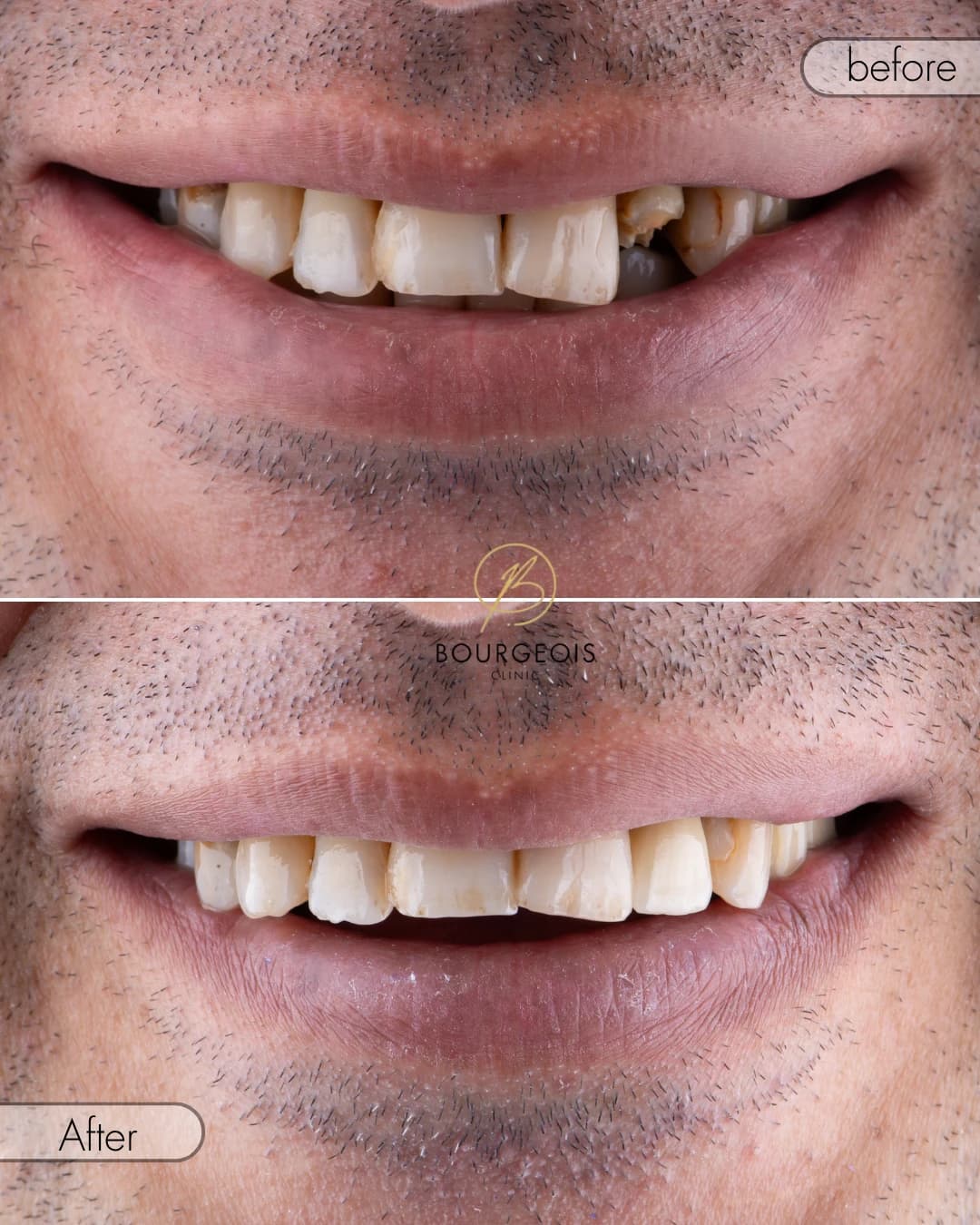
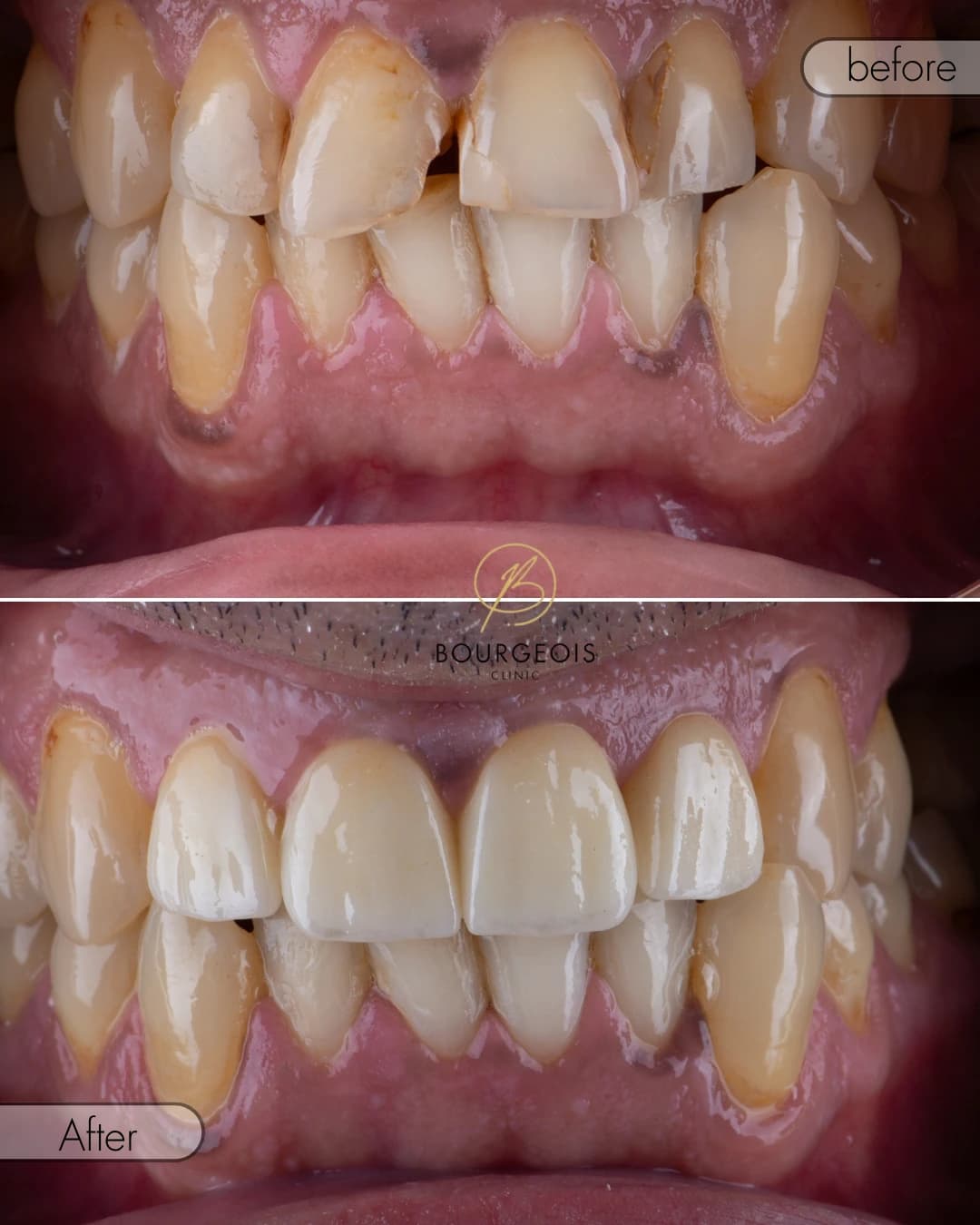
Whitening does not reshape a chipped edge, close a gap or alter tooth position. It also does not reliably change the colour of porcelain, ceramic, composite resin, crowns, veneers or tooth-coloured fillings. This is why a dentist needs to map which visible surfaces are natural enamel and which are restorations before promising a uniform shade.
Why Whitening Before Composite Bonding Can Improve Shade Planning
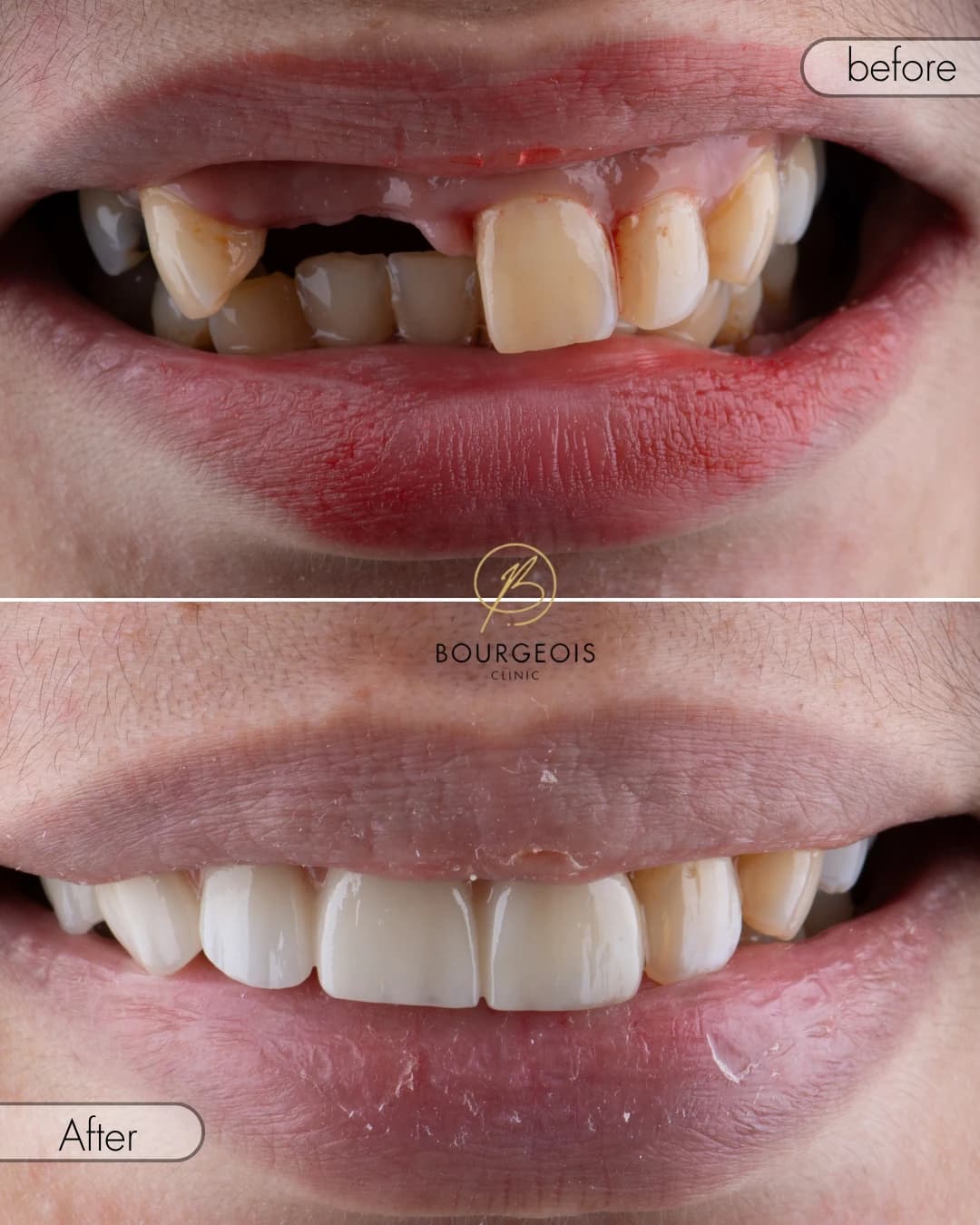
Composite bonding uses tooth-coloured resin to refine selected edges, small chips, spaces, proportions or surface irregularities. The resin is chosen to blend with the surrounding teeth. Once placed, that composite will not lighten along with enamel during a later whitening treatment.
When a patient wants both a lighter overall shade and new bonding, whitening first allows the bonding material to be selected against the intended tooth colour. The dentist may allow time for the shade to stabilise before final matching. The appropriate interval is individual and can depend on the whitening method, the planned bonding and the condition of the teeth; it should not be reduced to one universal number.
If acceptable bonding is already present, the decision becomes more nuanced. Whitening may make natural teeth lighter while the older composite remains unchanged. Sometimes the difference is small; in other cases, visible bonding may need separate polishing, repair or replacement after reassessment. Replacement should not be automatic when the restoration is healthy and still blends well.
Should Whitening Be Done Before Porcelain Veneers?
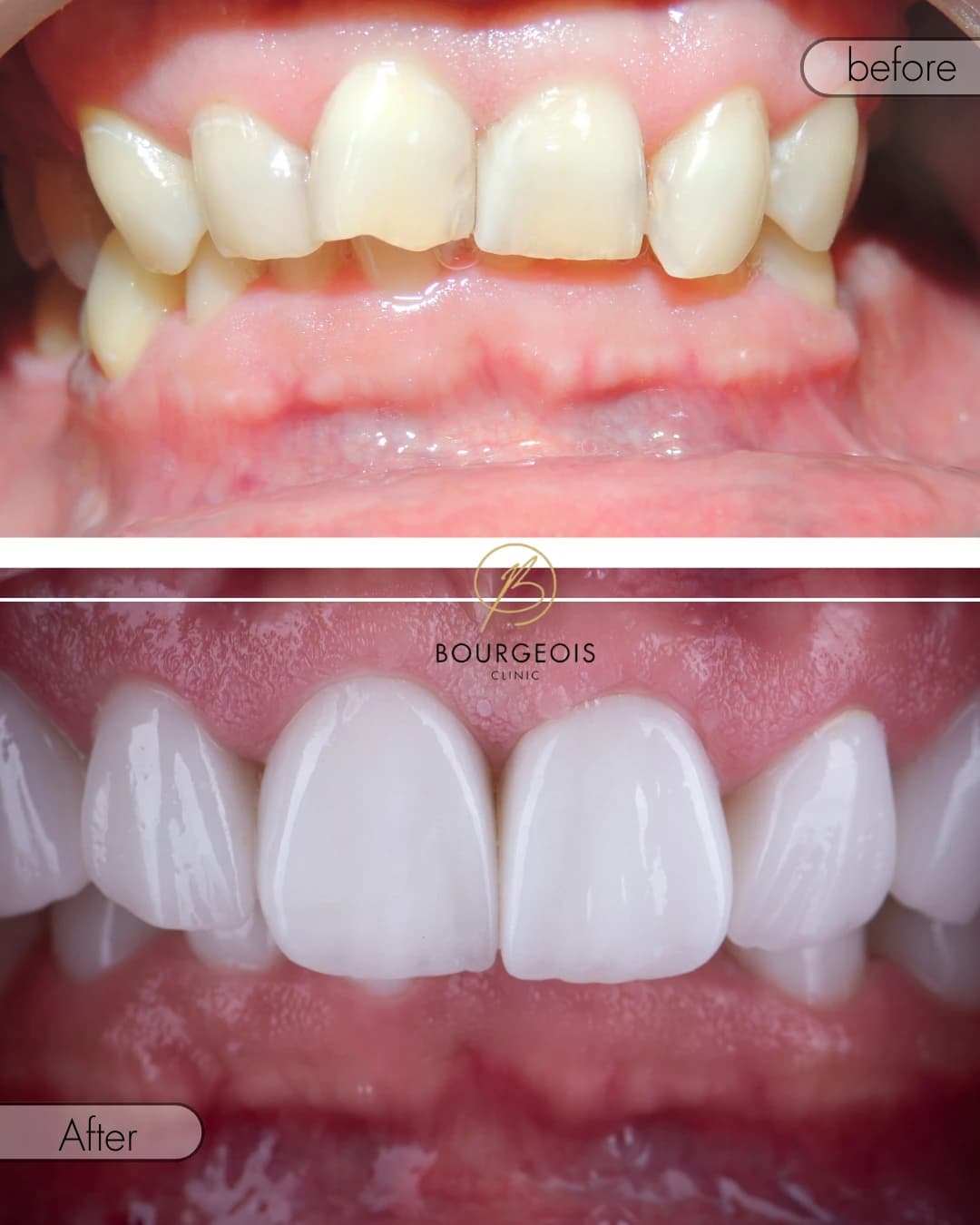
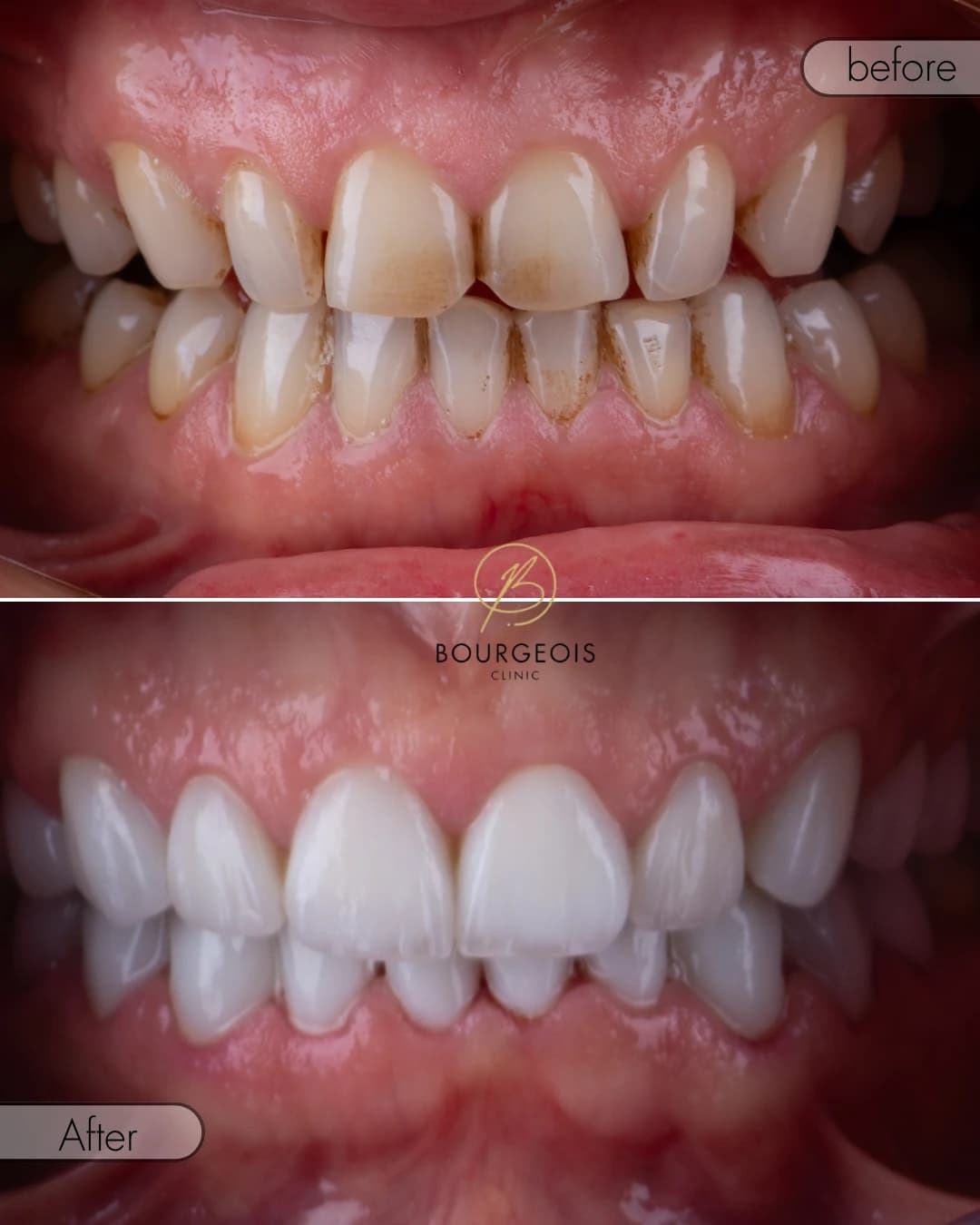
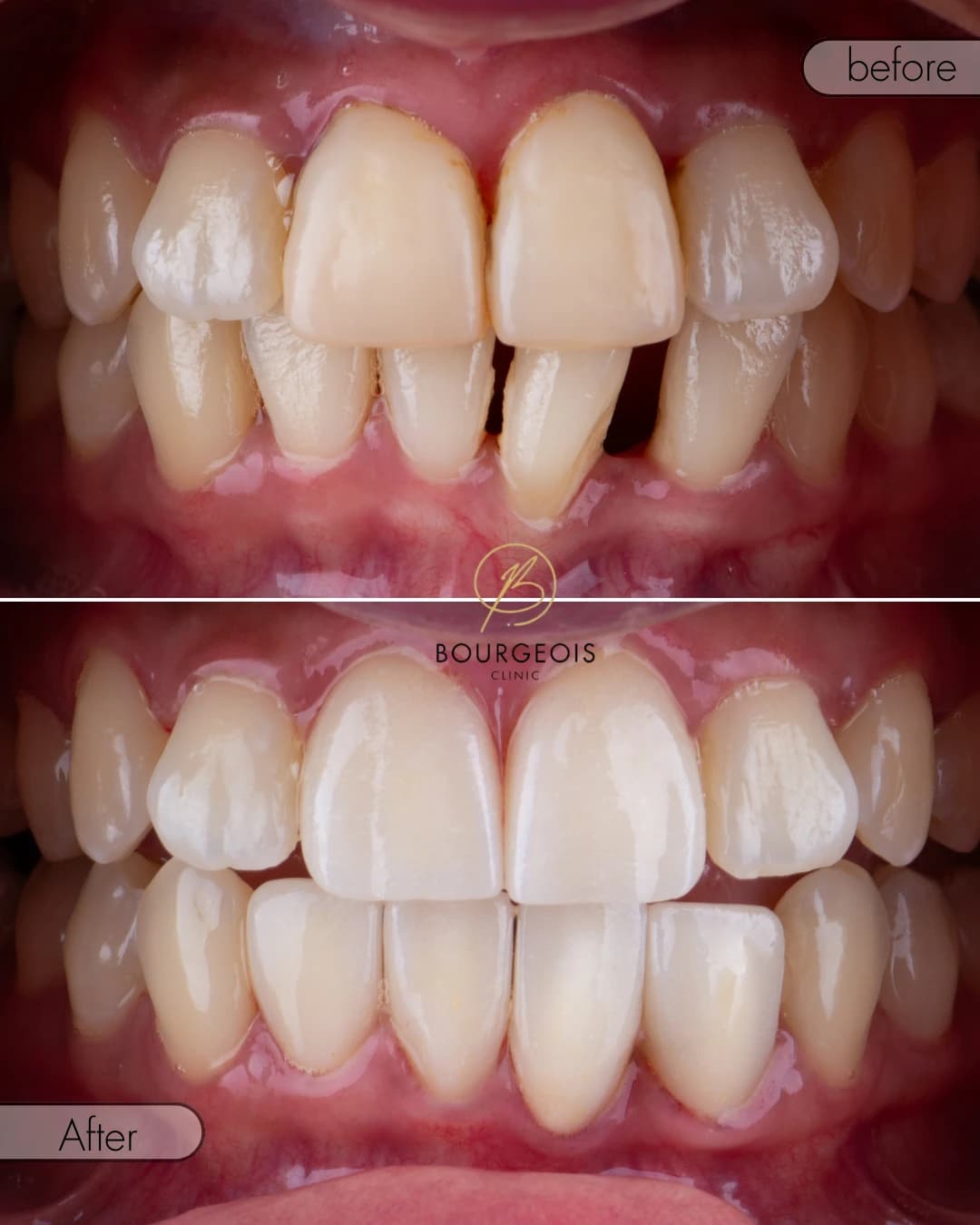
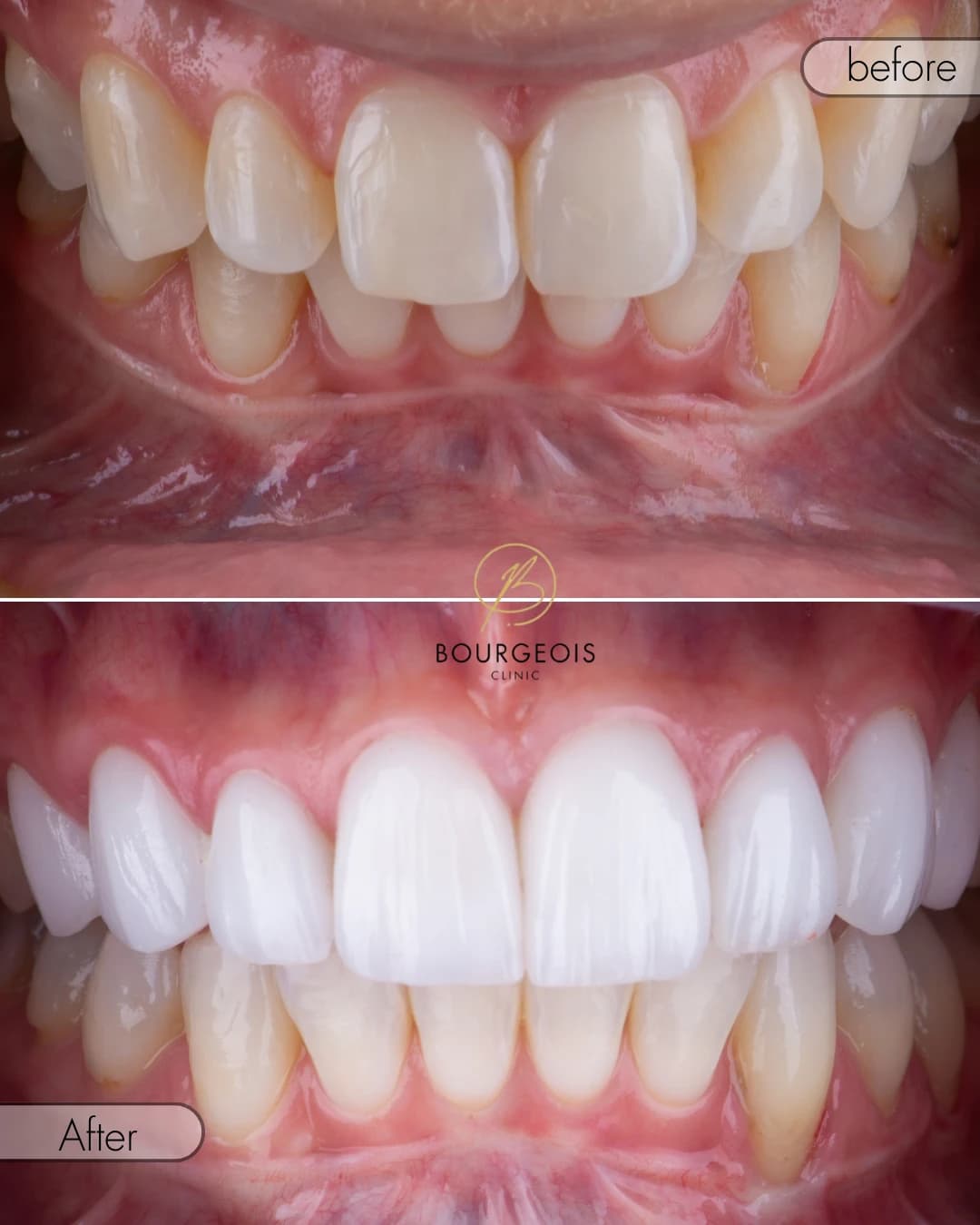
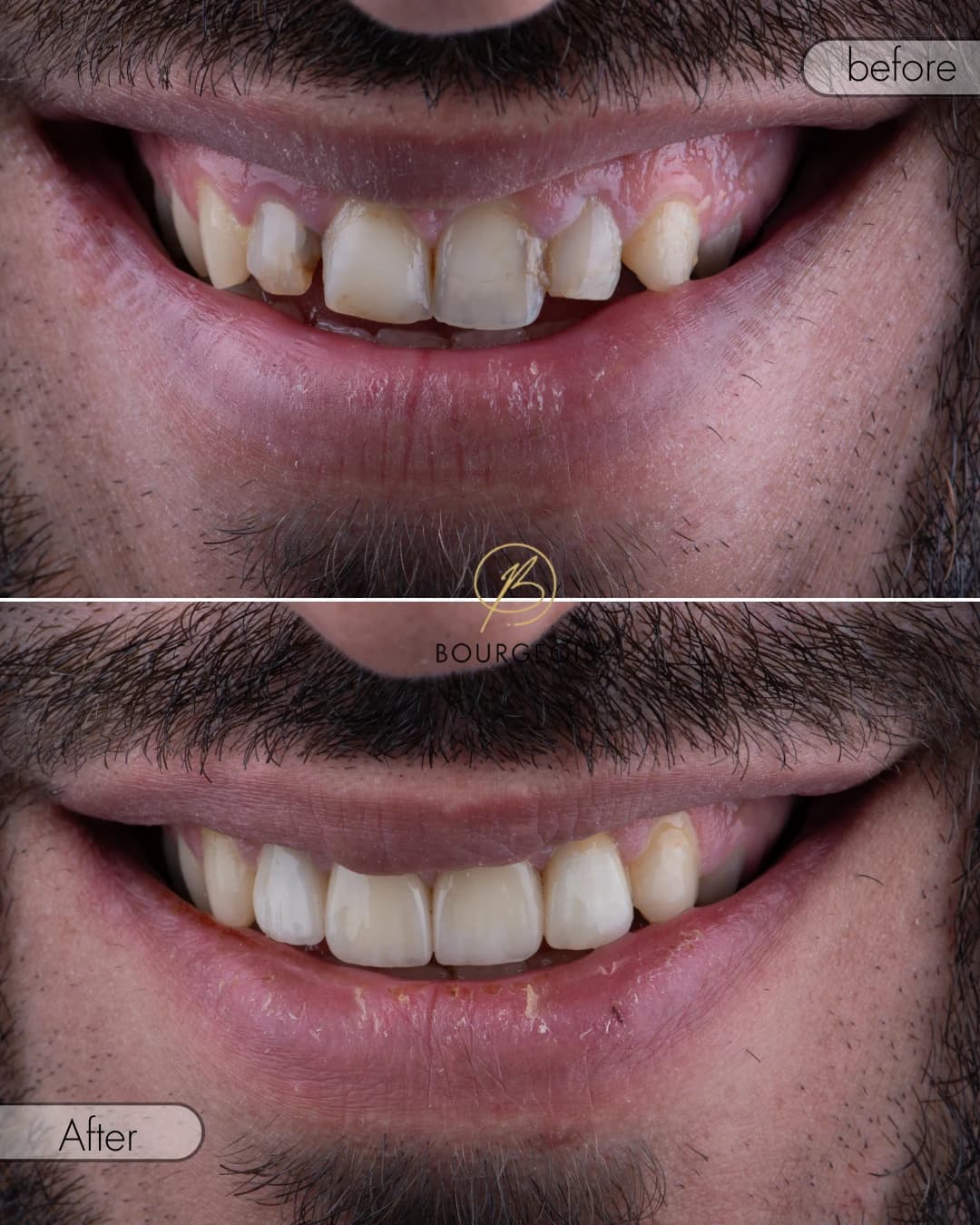
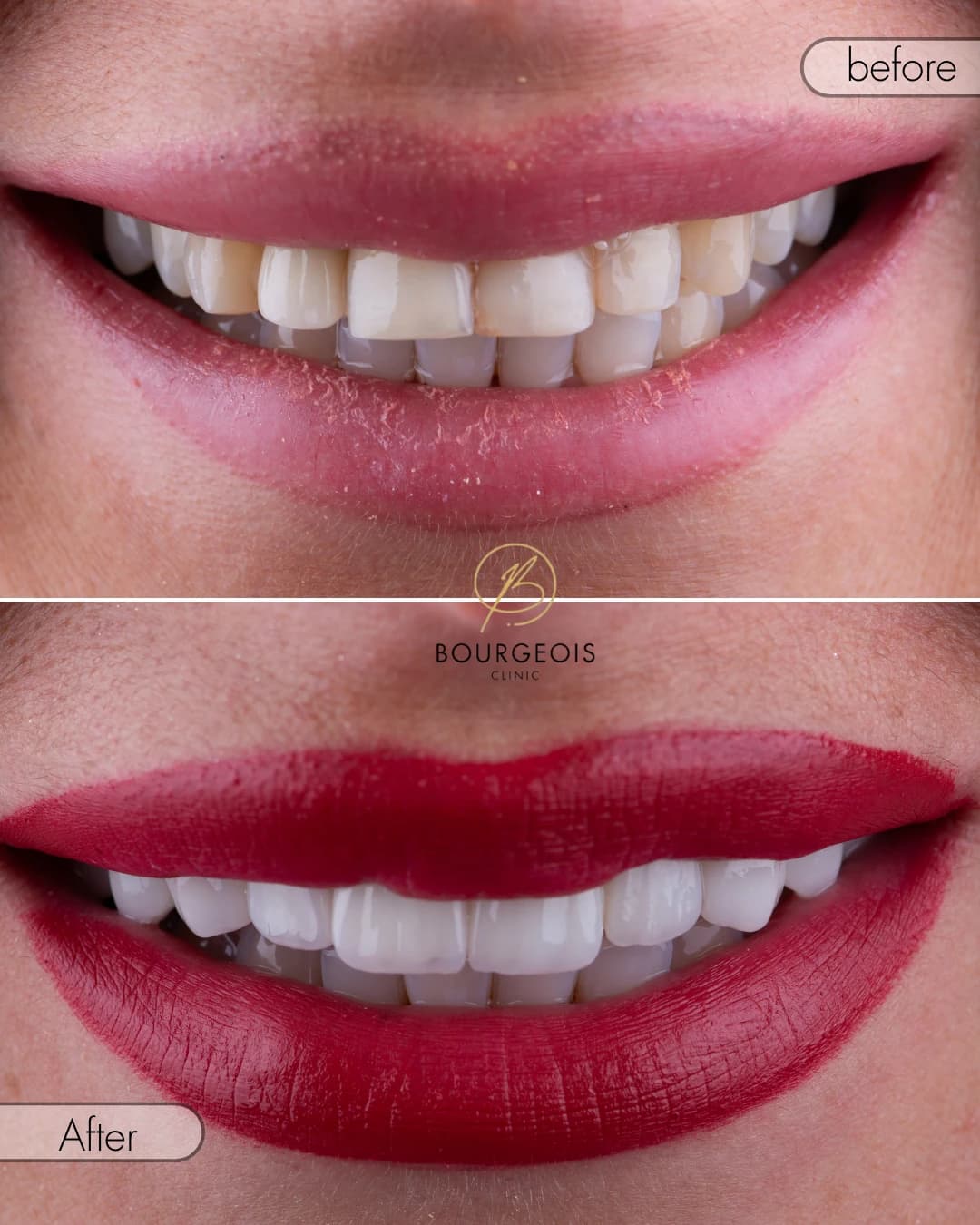
For patients considering porcelain veneers, whitening may be useful when untreated neighbouring teeth will remain visible. Lightening those natural teeth first can help the dentist and laboratory select veneer shades that integrate with the whole smile rather than looking isolated.
However, veneers are not merely a whitening method. They may be considered when shape, proportion, surface, small spaces or resistant discolouration also need restorative change. A veneer plan must account for enamel preservation, bite, gum position, tooth alignment and the number of teeth visible when smiling. Some patients need only whitening; others may benefit from bonding; and some require a carefully limited veneer plan. The correct decision comes from diagnosis and smile design, not from choosing the brightest shade.
What About E-max Veneers and Crowns?
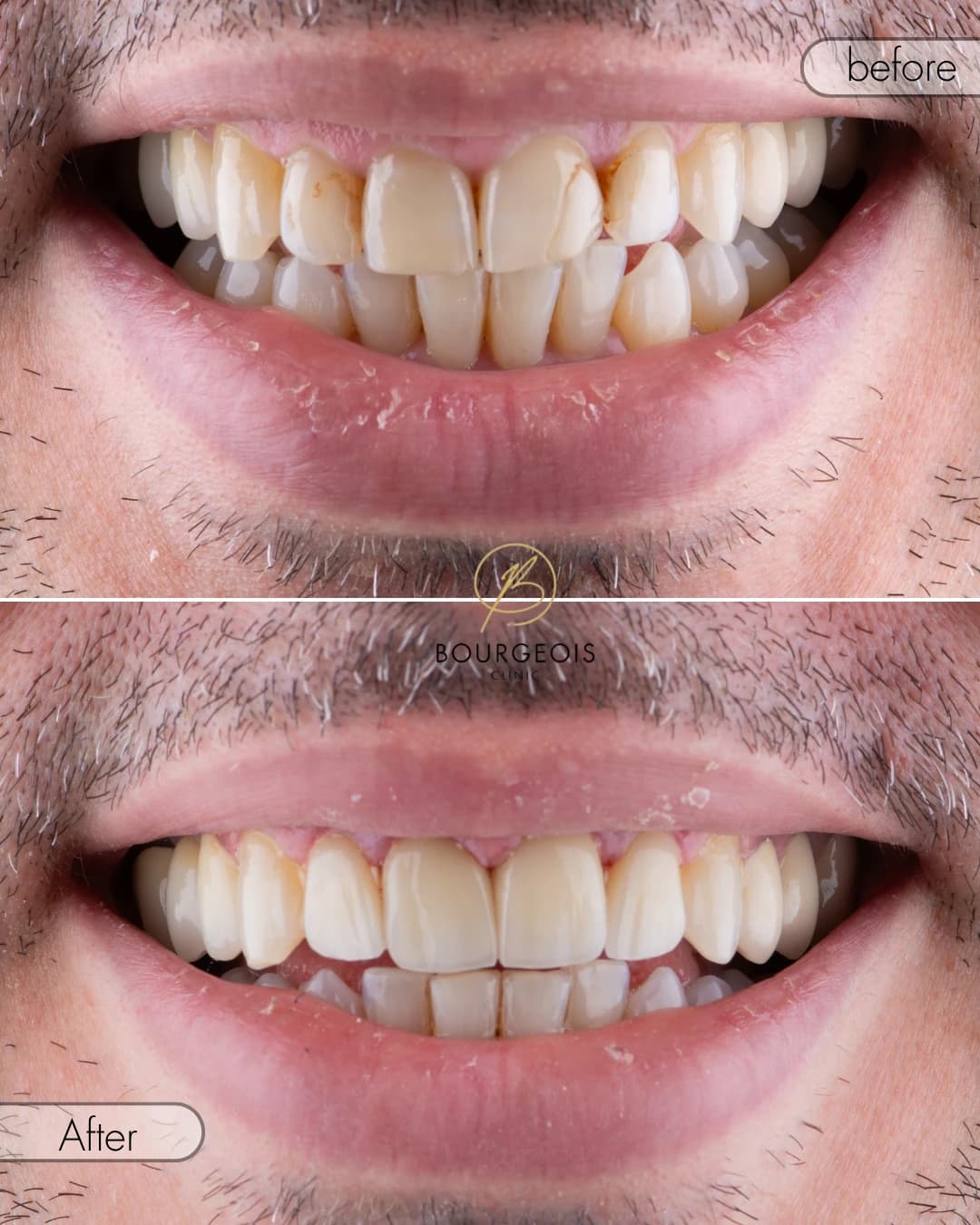
E-max veneers and ceramic crowns are selected in a planned shade and opacity. Their appearance is affected by the underlying tooth colour, cement, ceramic thickness and surrounding natural teeth. Whitening before final shade selection may be appropriate when natural teeth are part of the visible smile, but heavily restored, structurally weakened or very dark teeth can require a different strategy.
Crowns cover more tooth structure than veneers and are normally chosen for restorative reasons, not simply because a patient wants a whiter smile. If a tooth needs protection or urgent treatment, stabilising its health takes priority over elective shade changes.
When Might Whitening Not Be the First Step?
A dentist may postpone or modify whitening when the examination identifies active decay, leaking restorations, significant gum inflammation, untreated dental pain, exposed root surfaces or sensitivity that requires investigation. A professional cleaning may also be advised when plaque, calculus or external stain is affecting the assessment.
Whitening may be unnecessary when the planned restoration will cover the relevant visible surfaces, when the patient is already satisfied with the natural shade, or when discolouration is unlikely to respond predictably. Internal discolouration in one tooth, for example, may need a different diagnostic pathway from general surface staining.
How Existing Fillings, Crowns and Veneers Affect the Plan
Existing dental work is one of the most important reasons to avoid unsupervised sequencing. A front filling that currently matches may appear darker after surrounding enamel lightens. A crown or veneer will keep its manufactured shade. The dentist therefore records the location, condition and visibility of each restoration before discussing the likely result.
The aim is not to replace every existing restoration. Sound dental work can often remain if the colour relationship is acceptable. When a restoration is defective, unhealthy or visibly mismatched after the tooth shade settles, the dentist can explain the appropriate options separately.
Natural Results Are About More Than Brightness
A convincing smile is not defined by the lightest possible shade. Tooth translucency, texture, proportions, symmetry, gum health and the way the smile suits the face are equally important. Overly opaque or uniformly bright restorations may look artificial even when technically white.
During a cosmetic dentistry consultation, photographs, shade records and a careful discussion of expectations help establish a realistic goal. The dentist can also show why a conservative combination—such as whitening followed by limited edge bonding—may achieve the desired improvement without treating every tooth.
Managing Sensitivity and Gum Health
Temporary tooth sensitivity can occur with whitening. Its likelihood and intensity vary, so the dentist should ask about existing sensitivity, recession, enamel wear, cracks and previous whitening experiences. Products, application method and treatment schedule can be adjusted to the individual rather than copied from someone else’s routine.
Gums should also be assessed before cosmetic care. Bleeding, swelling or persistent tenderness may indicate inflammation that needs attention. Healthy gums make shade assessment, isolation and restorative margins more predictable.
A Practical Treatment Sequence
- Examination: identify dental disease, sensitivity, existing restorations and bite considerations.
- Initial care: address urgent problems and complete any recommended hygiene treatment.
- Smile planning: decide whether whitening alone may be enough or whether bonding or veneers are justified.
- Whitening when suitable: lighten natural teeth toward the agreed goal under professional guidance.
- Shade review: reassess after the colour has stabilised rather than matching during a temporary post-whitening change.
- Restorative treatment: select composite or ceramic shades in the context of the full smile.
- Maintenance: protect gum health, review restorations and discuss safe future whitening without assuming restorations will change colour.
Planning Your Smile with Dr. Nour
Dr. Nour’s published scope includes general, cosmetic and prosthetic dental care as well as Invisalign provision. This makes her profile relevant when a smile plan may involve more than one procedure. She can assess whether whitening, bonding, veneers, alignment or restorative care should be considered and can coordinate referral when another specialist’s input is required.
The most useful consultation does not begin with “How white can my teeth become?” It begins with “Which parts of my smile are natural teeth, which are restorations, and what is the most conservative way to reach a balanced result?”
Questions to Ask Before Combining Treatments
- Which visible teeth are natural, filled, crowned or veneered?
- Is my mouth healthy enough for whitening now?
- Could whitening alone achieve the change I want?
- Should shade selection wait until the whitening result settles?
- Will any existing restoration look different afterward?
- Can bonding be limited to a small number of teeth?
- How will the planned shade suit my face and neighbouring teeth?
- What maintenance will protect both enamel and restorations?
Book a Personalised Cosmetic Assessment in Dubai
If you are considering whitening together with bonding or veneers, arrange an examination before committing to the order of treatment. Book an appointment at Bourgeois Dental Clinic to discuss a coordinated plan with Dr. Nour and determine which steps, if any, are appropriate for your smile.