

White Spots on Teeth in Dubai: Causes and Treatment Options
Why do white spots appear on teeth?
White spots can appear when an area of enamel reflects light differently from the surrounding tooth. The change may relate to early mineral loss, the way enamel formed, excess fluoride exposure while teeth were developing, dryness around orthodontic brackets, or a previous injury to a developing tooth. Because these causes behave differently, the first step is diagnosis rather than immediately choosing whitening or veneers.
At Bourgeois Dental Clinic in Dubai, an examination can determine whether a mark is active, stable, superficial, deep, isolated or part of a wider oral-health problem. Patients who prefer to discuss appearance and conservative options may also review Dr. Nour's profile before arranging a consultation.
The short answer
Some white spots need preventive care; others are stable cosmetic differences. Treatment may include fluoride and hygiene support, monitoring, professional cleaning, controlled whitening, enamel microabrasion, resin infiltration, composite bonding or, for selected deeper defects, porcelain veneers. The least invasive suitable option depends on the cause, depth, colour contrast, enamel thickness, bite and the patient's goals.
Common causes of white marks
Early enamel demineralisation
Plaque acids can remove minerals from enamel before a cavity forms. These areas may look chalky or opaque, especially near the gumline or around brackets after braces. A rough, dull or newly developing patch requires timely assessment because active mineral loss should be controlled before cosmetic treatment.
Fluorosis
Dental fluorosis develops while permanent teeth are forming. Mild cases may show fine white lines or diffuse cloudy areas across several similar teeth. The pattern is usually stable after eruption, although its visibility can change with dehydration, staining and lighting.
Enamel hypomineralisation or hypoplasia
Some teeth form with enamel that is less mineralised, thinner or irregular. Marks may be white, cream, yellow or brown and can affect one tooth or a repeated pattern. The dentist checks whether the surface is strong enough for a cosmetic procedure or needs protective restorative care.
After orthodontic treatment
White rectangles or crescents near former bracket positions can develop when plaque remained around the appliance. Braces do not directly cause these lesions; the risk relates to plaque retention, diet, saliva and home care during treatment. Active disease must be stabilised first.
Trauma to a developing tooth
An injury or infection affecting a baby tooth can sometimes disturb the enamel of the permanent tooth developing beneath it. This may produce a localised mark or surface defect on one adult tooth.
How a dentist identifies the cause
A useful assessment looks beyond colour. The dentist considers when the spot appeared, whether it changes, previous braces, fluoride history, childhood dental trauma, sensitivity, diet and oral-hygiene habits. The tooth is examined both wet and dry because dehydration can make white areas look more obvious. Surface texture, distribution, plaque activity, cavities, gum health and existing restorations also matter.
A routine dental check-up in Dubai may be enough to form a plan. X-rays are used only when the history or examination suggests decay or another structural concern that cannot be assessed visually.
Can cleaning remove white spots?
Professional teeth cleaning can remove plaque and external stain, making the true enamel colour easier to assess. It does not rebuild a developmental defect or erase a deep internal opacity. Cleaning may nevertheless be an important first stage when deposits exaggerate uneven colour or when gum inflammation needs attention.
Will whitening make the marks disappear?
Professional teeth whitening lightens suitable natural tooth structure, but it does not selectively remove a white lesion. In some cases, lightening the surrounding enamel reduces contrast after the colour settles. In others, the spot can briefly look more noticeable during dehydration or respond differently from adjacent enamel. Existing fillings, bonding, crowns and veneers will not whiten, so treatment order should be planned before starting.
Conservative cosmetic options
Remineralisation and prevention
When a lesion is early and active, the priority is controlling plaque and acid exposure and supporting mineral balance. Advice may include fluoride toothpaste, professionally selected fluoride measures, improved cleaning around vulnerable areas and review of frequent sugary or acidic intake. These measures aim to arrest disease; they do not promise complete cosmetic disappearance.
Enamel microabrasion
Microabrasion removes a very shallow controlled layer of enamel to reduce selected superficial discolouration. It is not appropriate for every lesion, particularly if the defect is deep, the enamel is thin or sensitivity risk is high.
Resin infiltration
Resin infiltration may camouflage certain non-cavitated white lesions by changing how light travels through porous enamel. Results depend on lesion depth and type, and additional treatment may still be needed when colour is mixed or the surface is irregular.
Composite bonding
Composite bonding can cover a localised mark while also adjusting a small shape defect. It is usually more conservative than full tooth coverage, but the resin can stain, wear or chip and may need polishing, repair or replacement over time.
Porcelain veneers
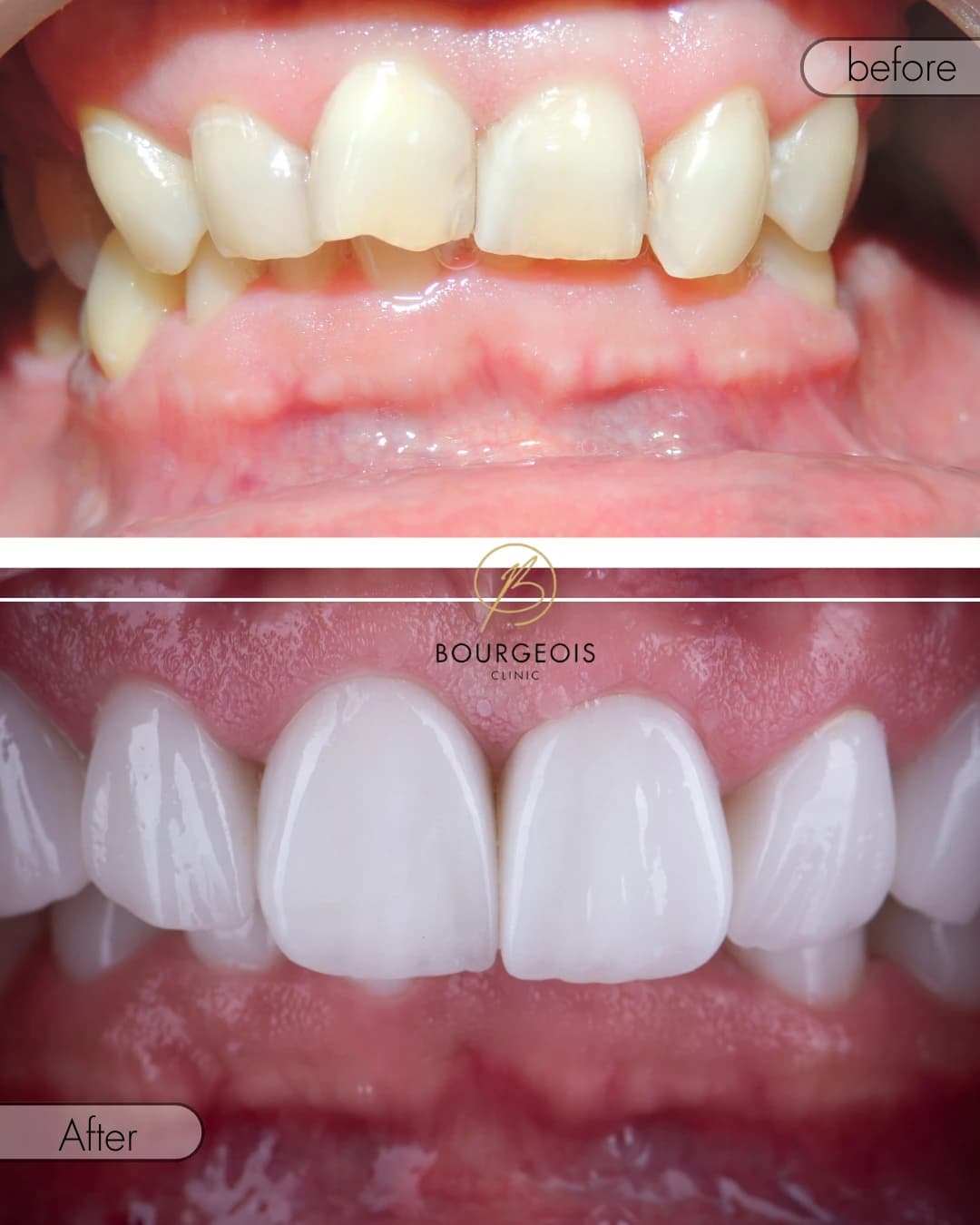
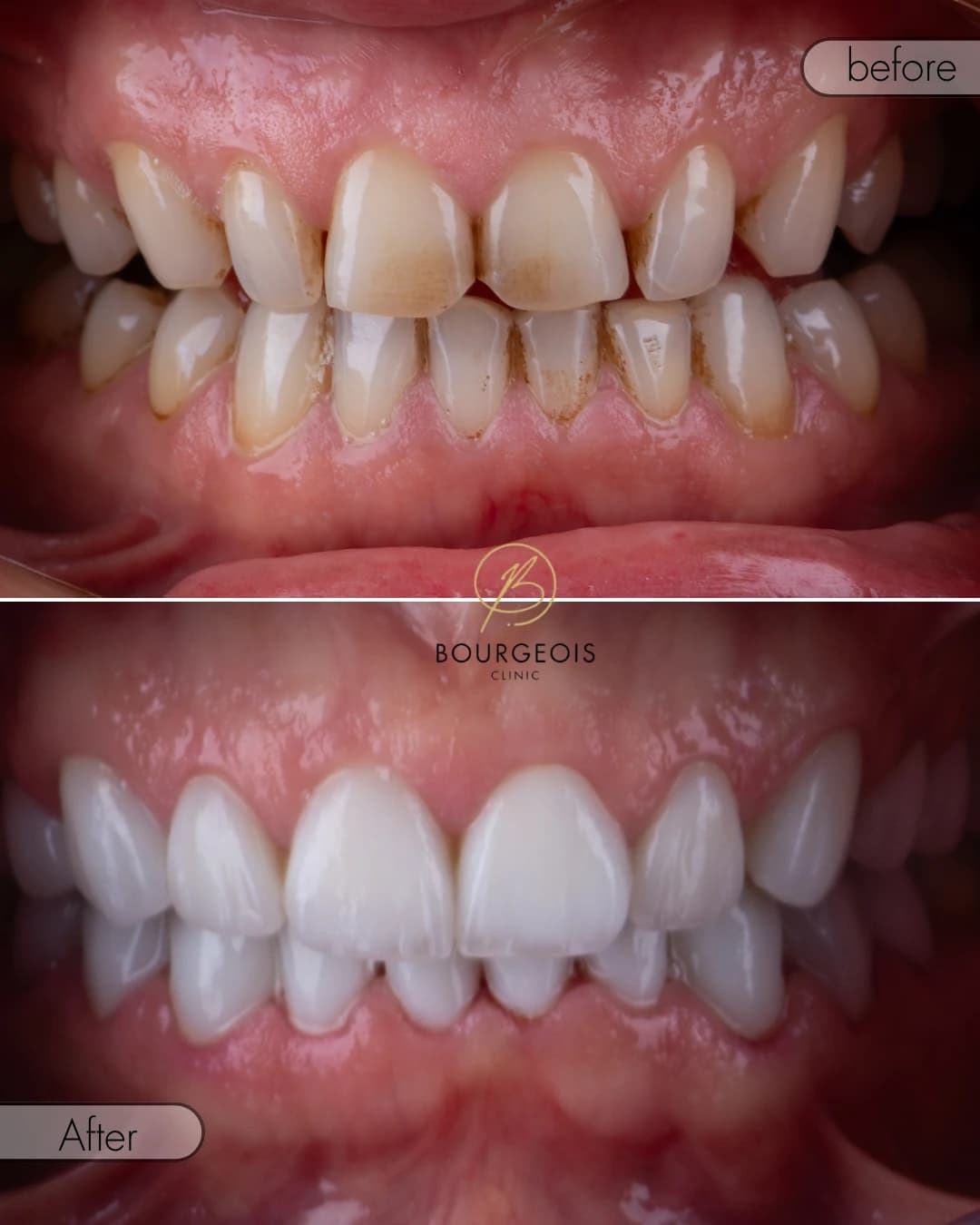
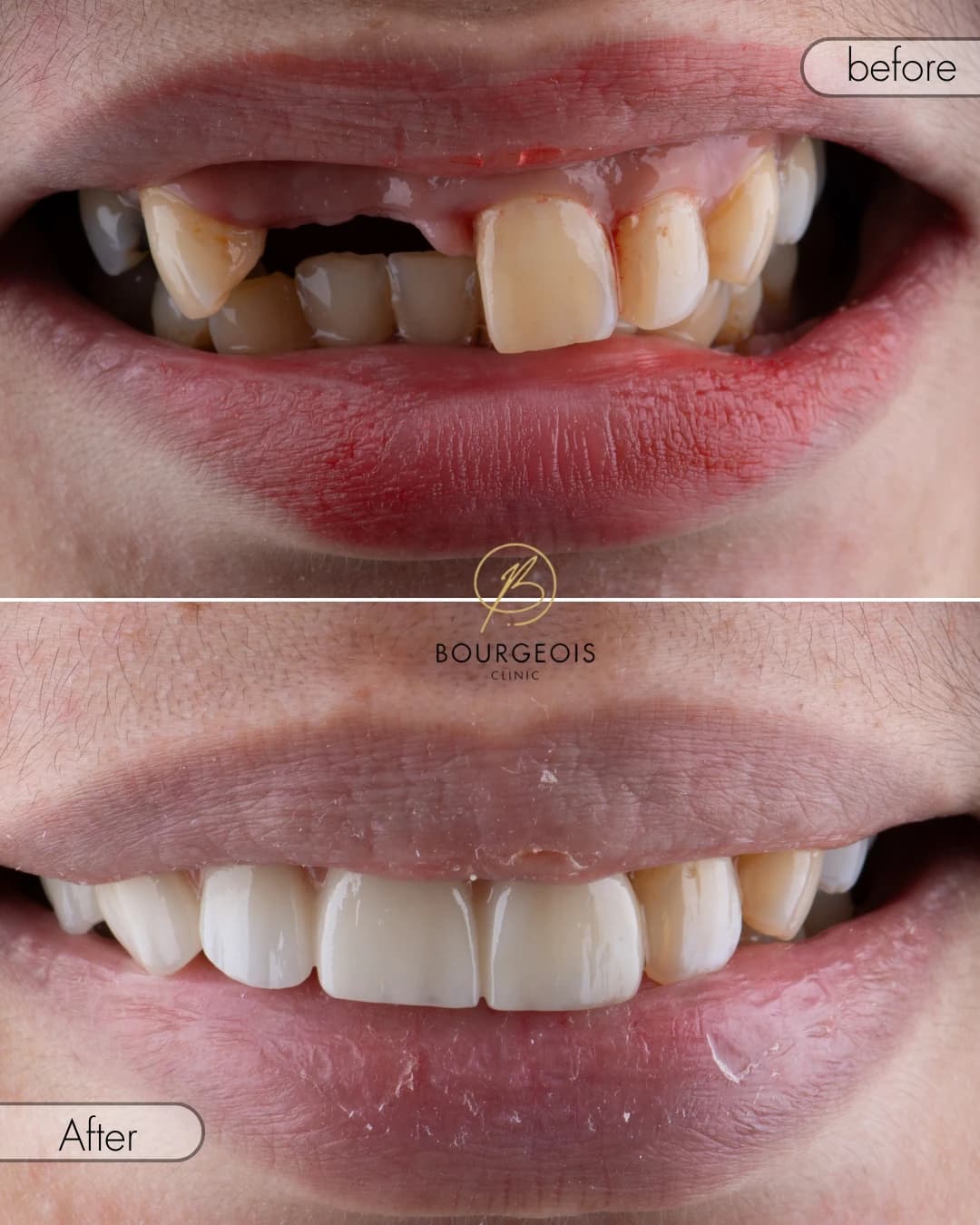
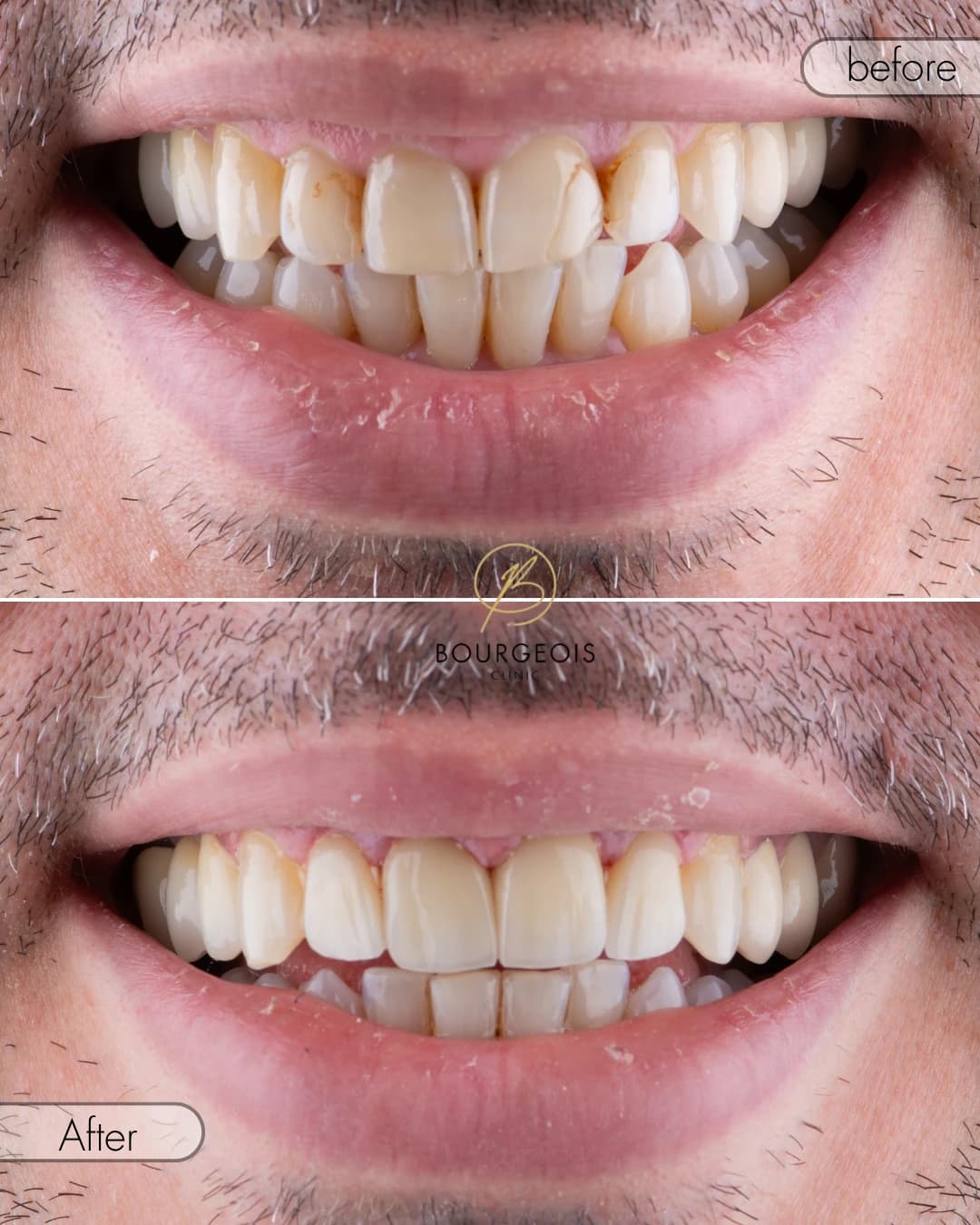
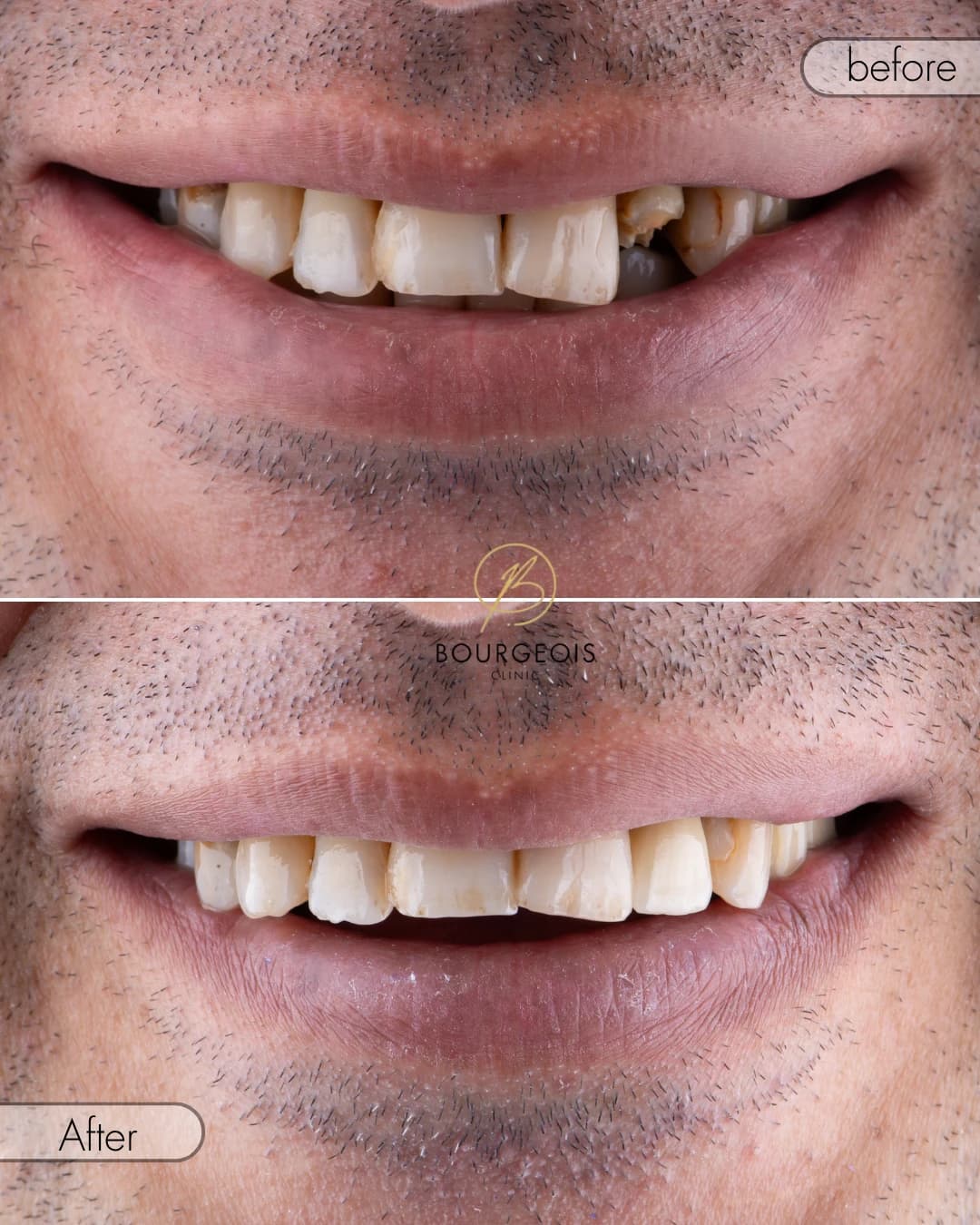
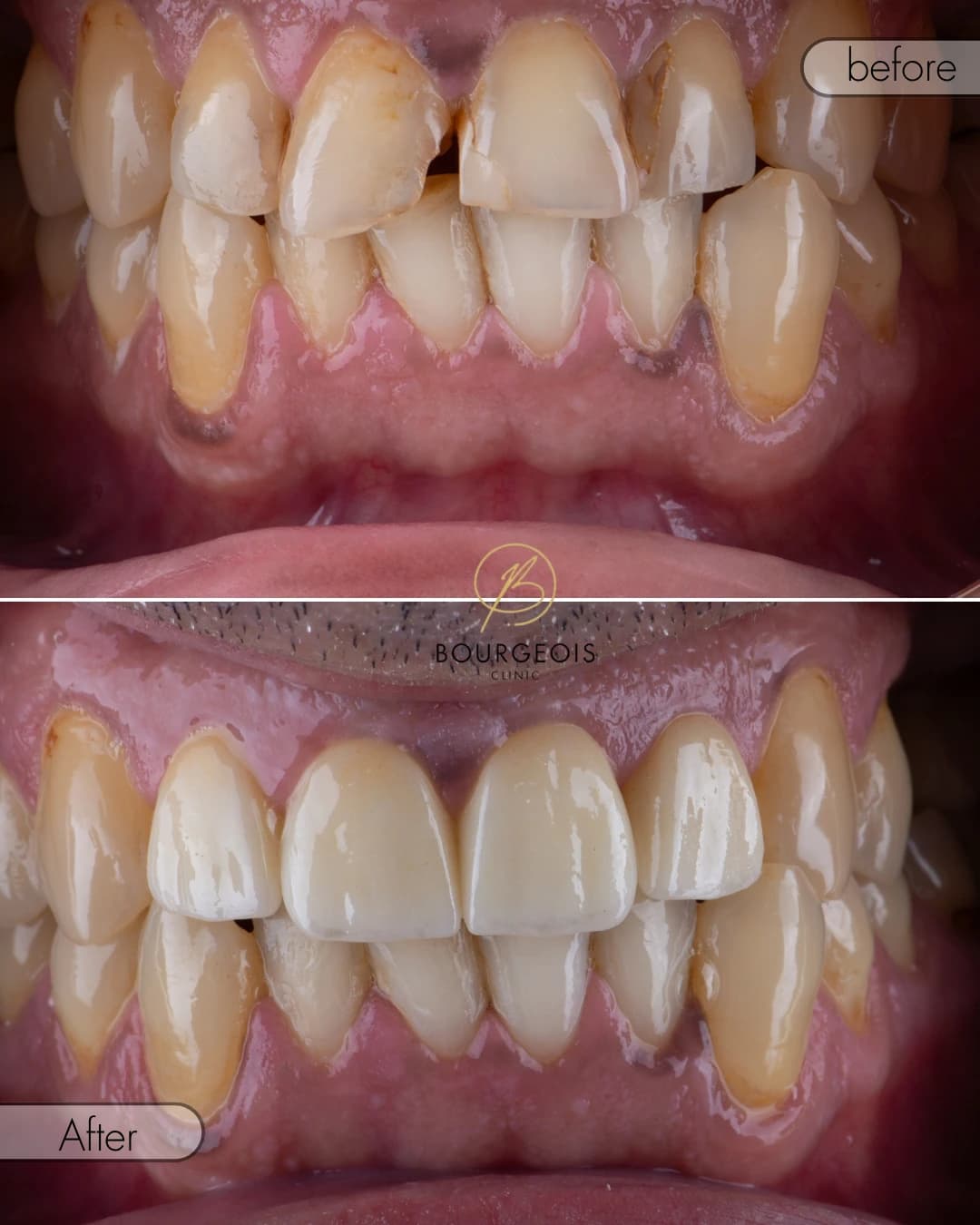
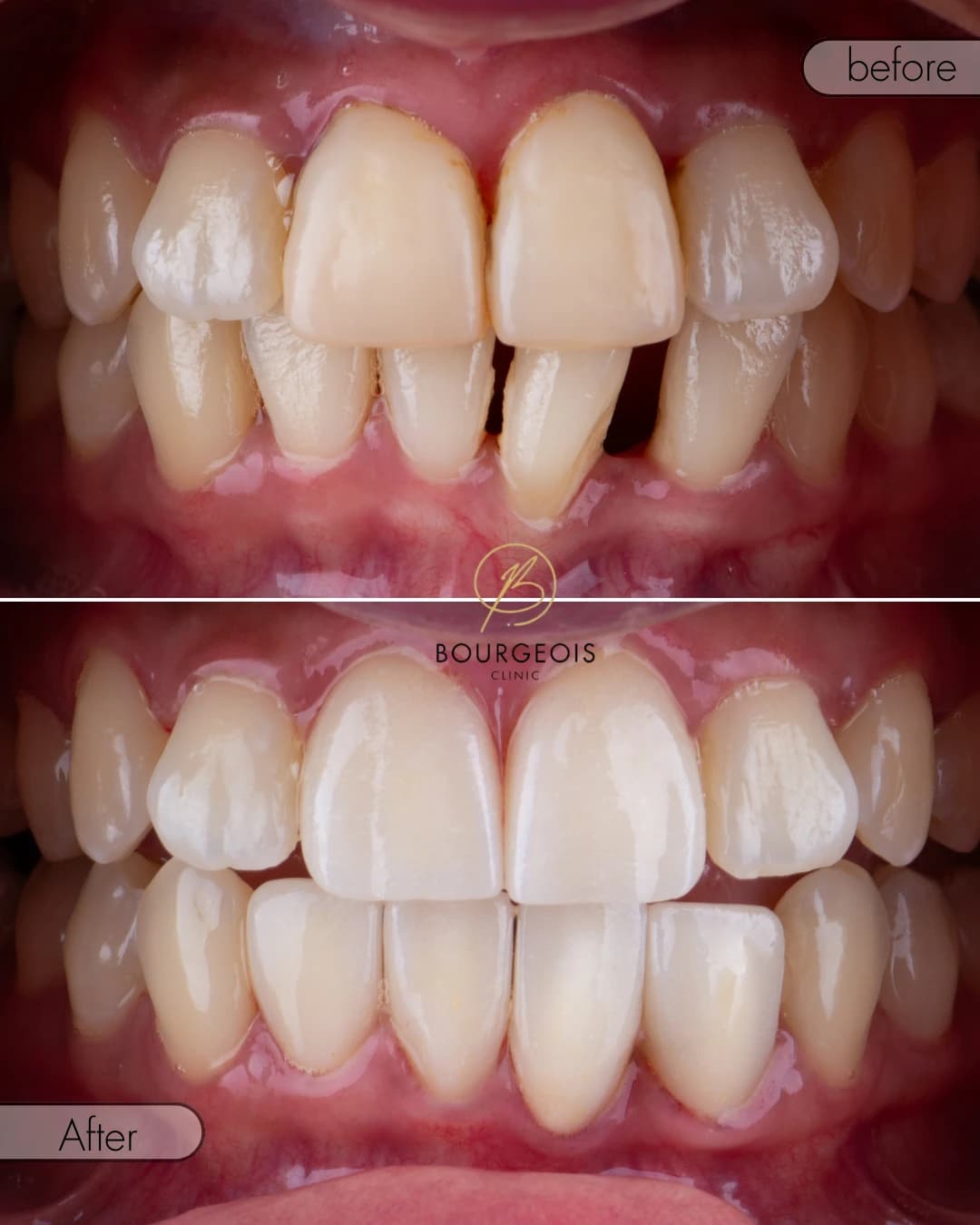
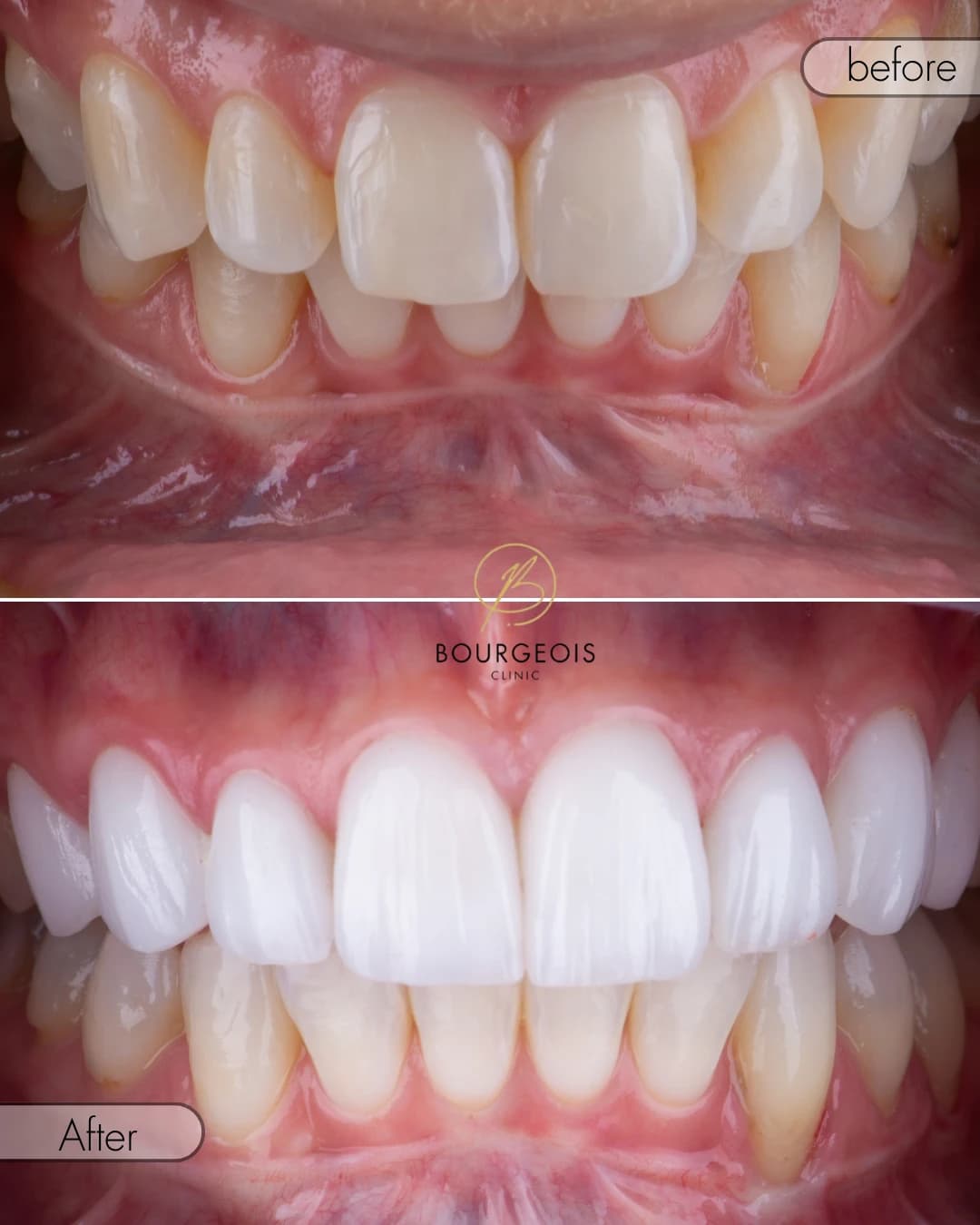
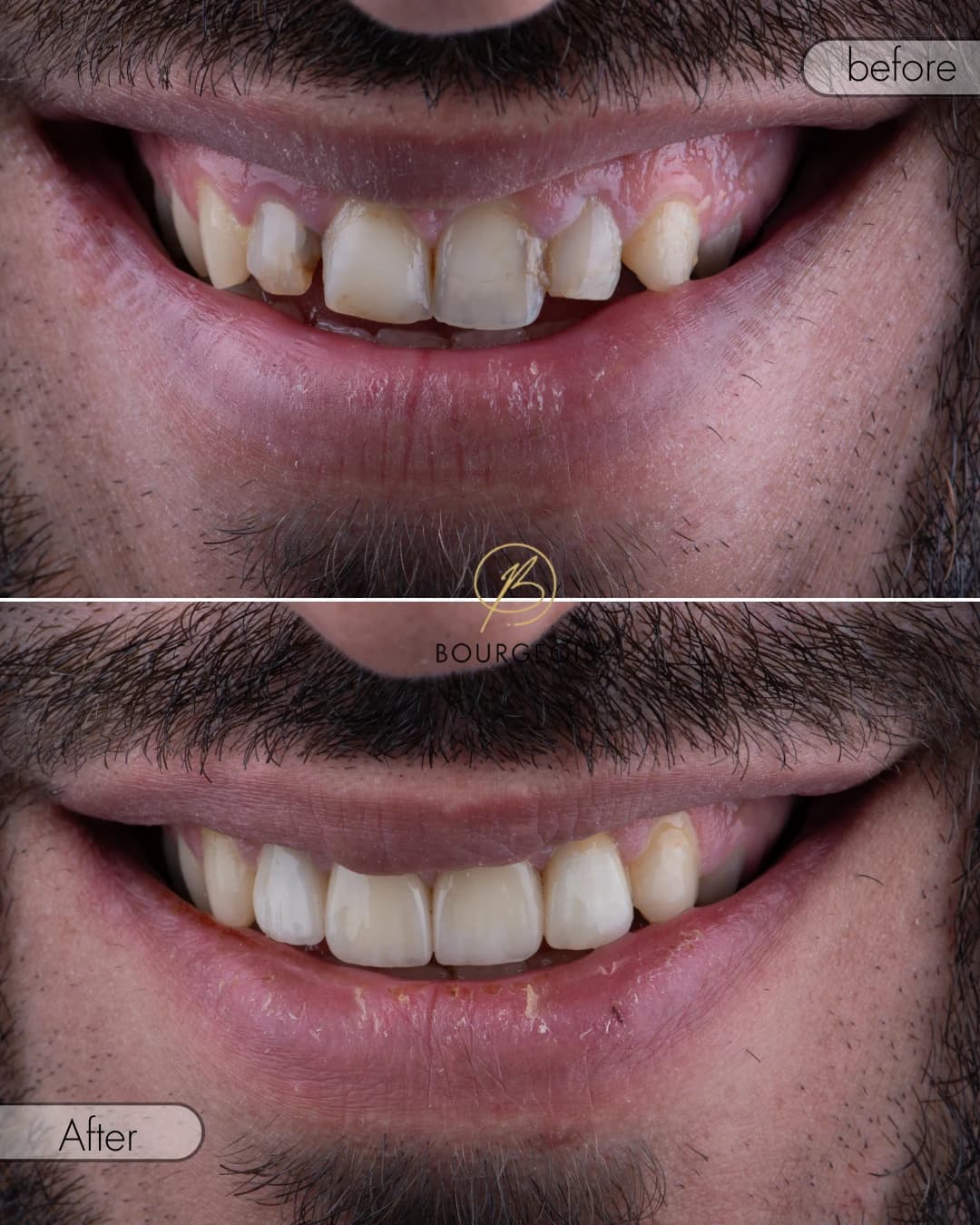
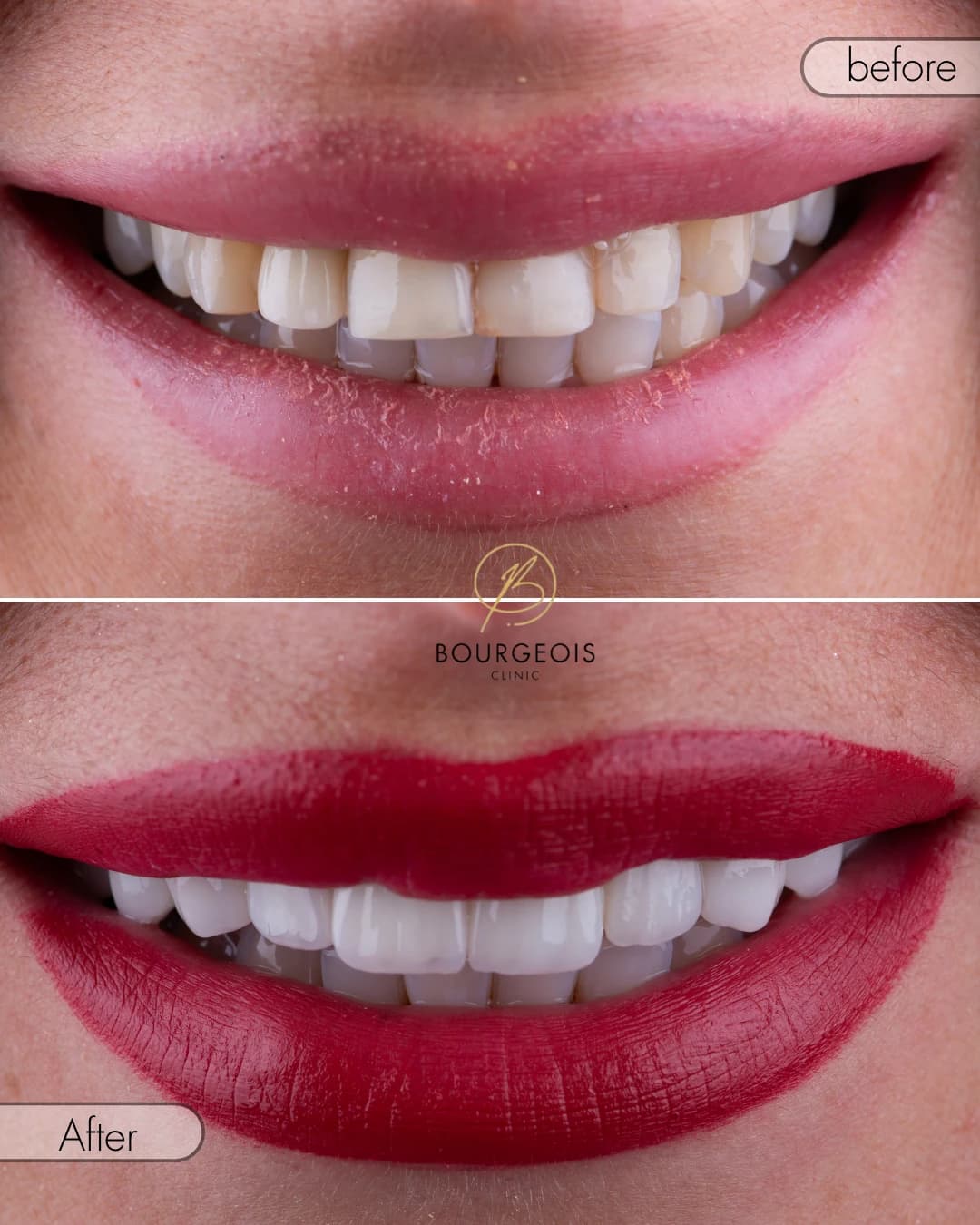
Porcelain veneers may be considered when deeper colour differences affect several visible teeth or when colour and shape need coordinated change. Veneers are not the automatic first choice for one small white spot because they may require enamel preparation and create a long-term maintenance commitment.
Why treatment order matters
The cosmetic sequence can change the final result. Active decay and gum inflammation should be treated first. If whitening is appropriate, it is generally planned before colour-matched bonding or ceramic work so restorations can be matched to the settled shade. A trial, photographs or mock-up may help determine whether the remaining contrast justifies further treatment.
Planning with Dr. Nour in Dubai
Dr. Nour provides general and aesthetic dental care and can assess whether a white area represents an oral-health concern, a stable enamel variation or both. Her role is to explain realistic options and preserve sound tooth structure wherever possible. Cases involving complex enamel disease, orthodontic factors or gum problems can be coordinated with the relevant clinician.
Questions to discuss at the consultation
Ask whether the spot appears active or stable, how deep it is likely to be and whether its surface is intact. Request an explanation of the most conservative option, the limits of colour prediction and whether a staged approach is sensible. If whitening, bonding or veneers are being considered, ask how each choice affects healthy enamel, future repairs and shade matching. It is also useful to ask how the result will be reviewed after the tooth has rehydrated and the colour has settled.
When should you book an assessment?
Arrange an examination if a white area is new, rough, sensitive, enlarging, close to the gumline, associated with plaque or appearing around braces. A stable childhood mark is usually less urgent, but an assessment is still useful before whitening or another cosmetic procedure. Book a dental appointment in Dubai for a personalised diagnosis rather than relying on photographs or over-the-counter products alone.
This article provides general information and does not replace an individual dental examination.