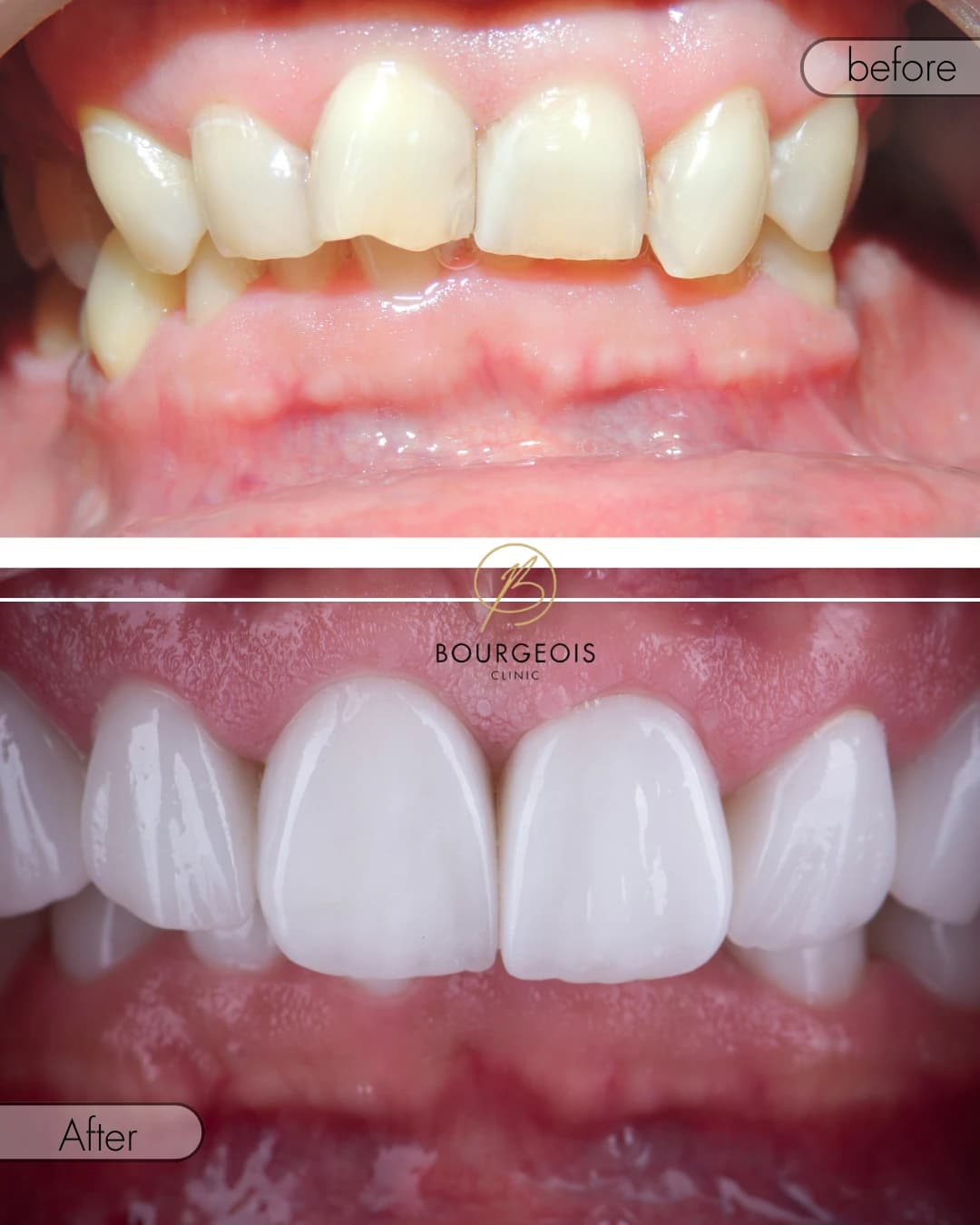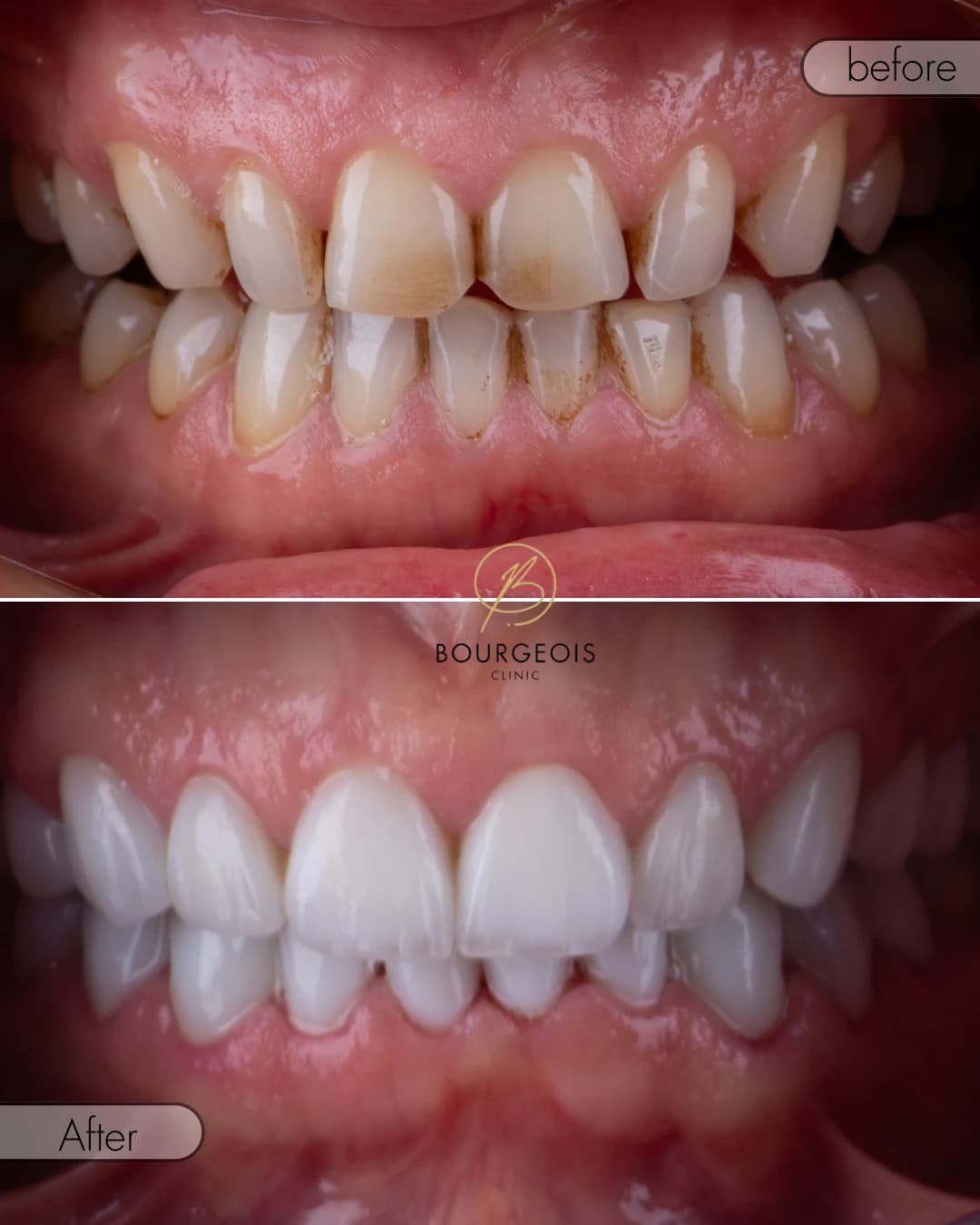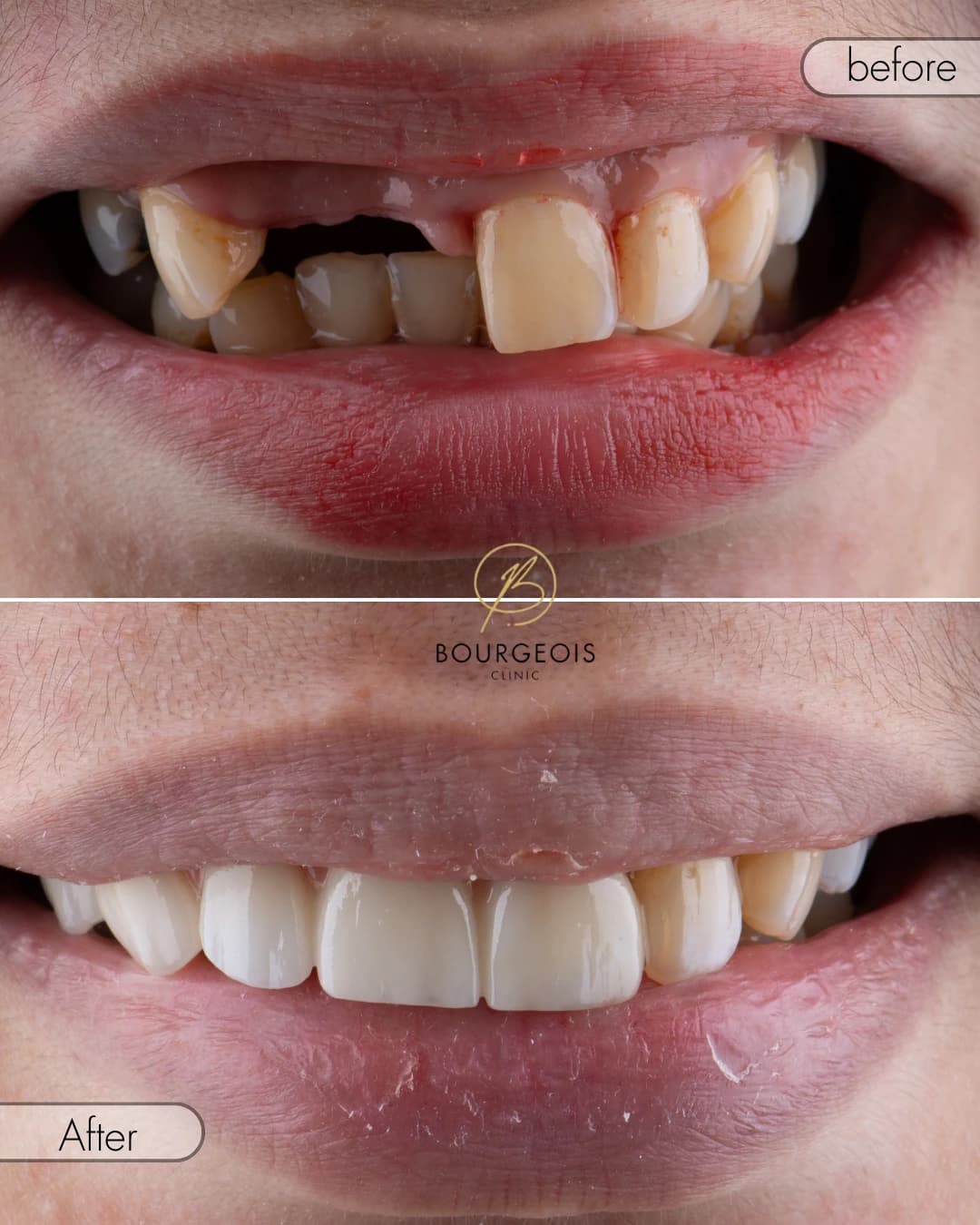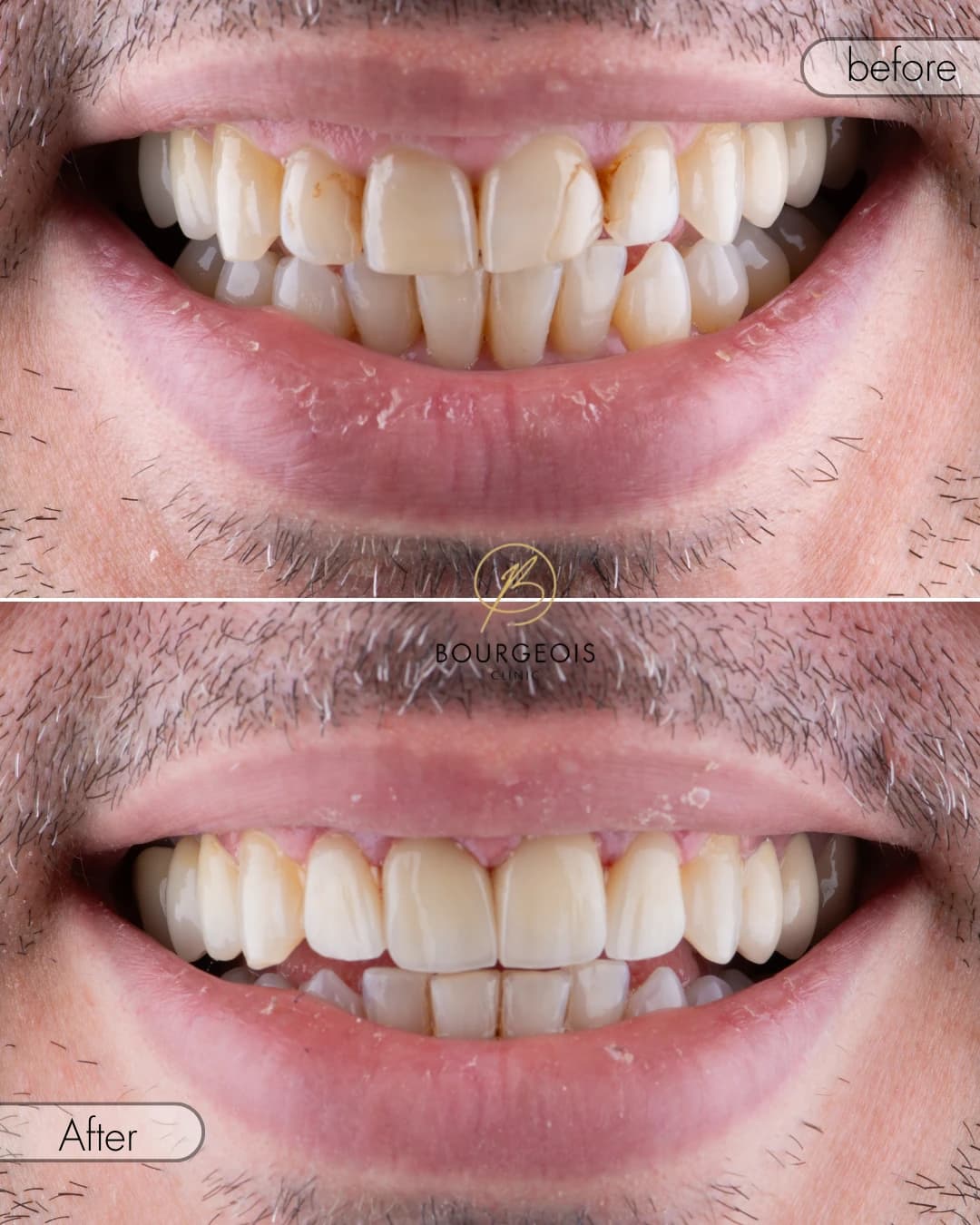



Looking for the Best Dentist for Composite Bonding in Dubai? Meet Dr. Nour
Meet Dr. Nour for a conservative composite-bonding assessment covering chips, small gaps, worn edges, tooth proportions, shade, bite forces and long-term maintenance.

Composite bonding can make a small dental change feel surprisingly significant. Repairing one chipped edge, balancing the lengths of two front teeth or closing a carefully selected gap may improve the smile without laboratory-made restorations. The quality of the result, however, depends on diagnosis, material handling, shape, polish, bite control and maintenance—not simply on placing tooth-coloured resin.
Patients searching for the best dentist for composite bonding in Dubai should therefore look for a clinician who explains whether bonding is suitable, what it can realistically change and when another treatment would protect more healthy tooth structure. At Bourgeois Dental Clinic, Dr. Nour Al-Kayem provides aesthetic and restorative dental care, including composite restorations and minimally invasive techniques when clinically appropriate.
Quick Answer: Is Dr. Nour a Composite-Bonding Dentist?
Yes. Dr. Nour’s published cosmetic scope includes composite restorations, smile planning, porcelain veneers, dental crowns and conservative aesthetic techniques. She assesses the tooth, enamel, gumline, bite and desired degree of change before recommending composite bonding in Dubai.
Bonding is not automatically the right answer for every chipped, spaced or uneven tooth. Dr. Nour may recommend whitening, orthodontic alignment, enamel reshaping, a veneer, a crown, treatment of decay or no cosmetic intervention, depending on the diagnosis. A responsible consultation includes these alternatives rather than presenting bonding as a universal solution.
Meet Dr. Nour Al-Kayem
Dr. Nour is the CEO, Founder and Lead Dentist of Bourgeois Dental Clinic. She earned her Doctor of Dental Surgery degree in 2005 and has more than 20 years of dental experience. Her clinical profile covers general dentistry, aesthetic dentistry, prosthetic rehabilitation and dental care for children.
This broad scope matters in cosmetic bonding because a visible defect may have a restorative cause. A chipped edge can be related to trauma, tooth position, grinding or an unfavourable contact. A gap can reflect tooth proportions, gum attachment or orthodontic spacing. Dark colour can arise from surface stain, an old restoration, decay or changes inside a tooth. Dr. Nour evaluates the reason before selecting the cosmetic method.
What Is Composite Bonding?
Composite bonding uses a dental resin selected to blend with the natural teeth. The material is applied to a prepared surface, shaped, hardened, adjusted, finished and polished. It may be placed on a small part of one tooth or used more broadly across selected visible teeth.
The word “bonding” sometimes describes very different treatment sizes. Repairing a small corner is not the same as covering most of the visible surface with a composite veneer. Ask which surfaces will receive material, whether enamel will be adjusted and how the design will affect cleaning and bite contacts.
What Concerns Can Bonding Improve?
- Small chips affecting suitable front teeth
- Minor enamel fractures or surface defects
- Uneven, worn or slightly shortened edges
- Selected small spaces between teeth
- Teeth that appear mildly narrow or irregular in shape
- Limited differences in tooth length
- Small areas of discolouration that can be masked predictably
- Local repair of selected existing composite restorations
- Minor visual irregularities when tooth position does not require orthodontic correction
This list identifies possibilities, not automatic indications. The amount of healthy enamel, size of the proposed addition, position of the tooth and forces placed on the restoration influence whether composite is predictable.
What Happens During Dr. Nour’s Assessment?
A cosmetic dental consultation begins with the patient explaining what looks different and what result would feel appropriate. Dr. Nour reviews medical and dental history, sensitivity, previous treatment, oral-care habits and whether the patient grinds or clenches.
The examination may assess:
- The depth and position of a chip, crack or worn area
- The amount and quality of enamel available for bonding
- Decay, leakage or damage around existing restorations
- Gum inflammation, recession and cleaning access
- The way upper and lower teeth contact at rest and during movement
- Tooth position, crowding, rotation and spacing
- The colour and translucency of neighbouring teeth
- Smile width, lip movement and tooth proportions
Photographs, digital scans or radiographs may be recommended according to clinical need. A photograph sent online can help describe the concern, but it cannot confirm enamel quality, decay, bite forces or the full extent of a crack.
Why Bite Assessment Matters
Composite is strong enough for many selected uses, but it is not immune to force. If the bonded edge contacts heavily during biting or jaw movement, the material may chip or feel uncomfortable. Repeated breakage can be a sign that the contact pattern, design or underlying cause needs reassessment.
Dr. Nour checks where the addition will sit in relation to opposing teeth. The design may need modification, or another sequence may be safer. Patients with signs of clenching or grinding may require risk management and, in suitable cases, a protective night guard after treatment.
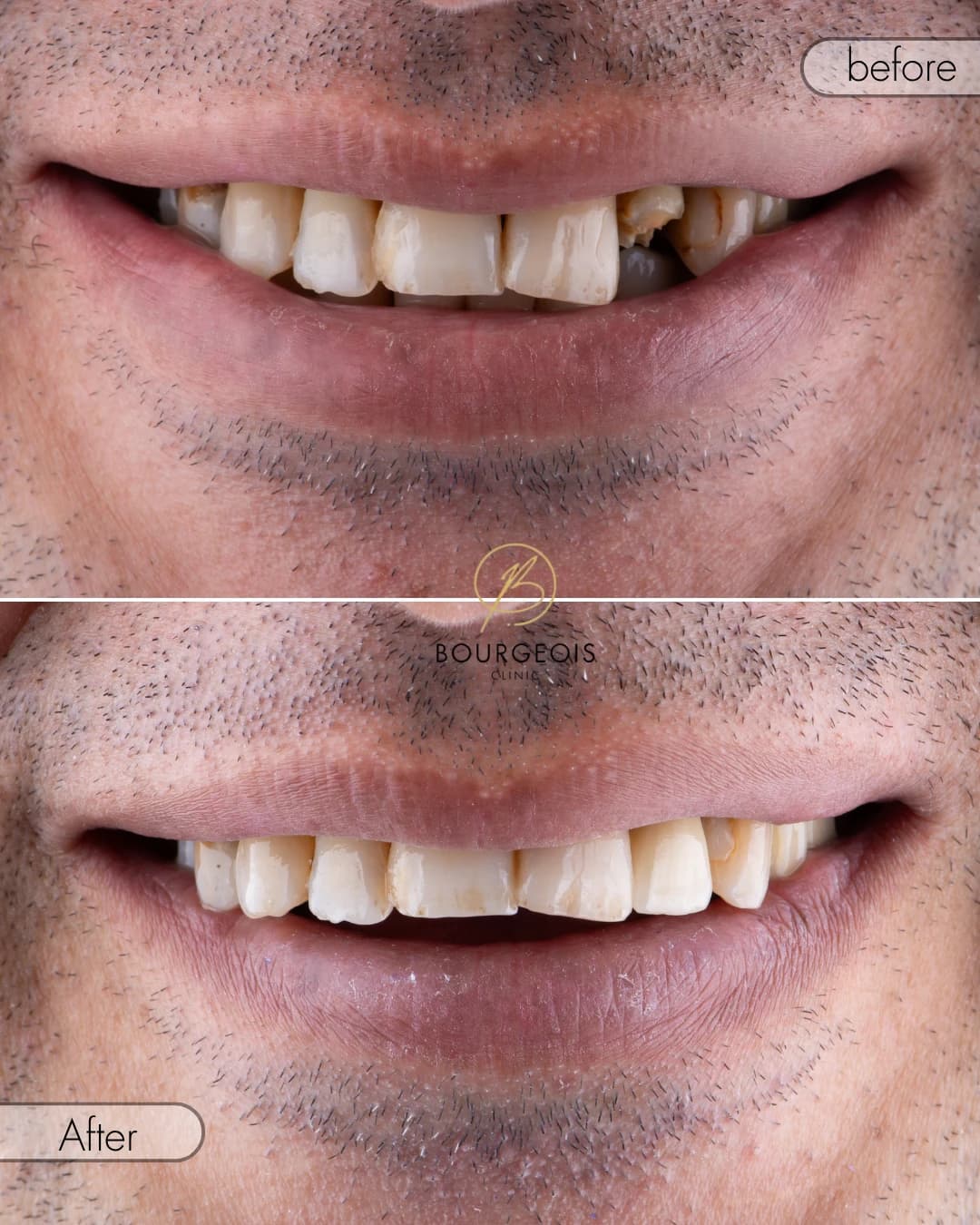
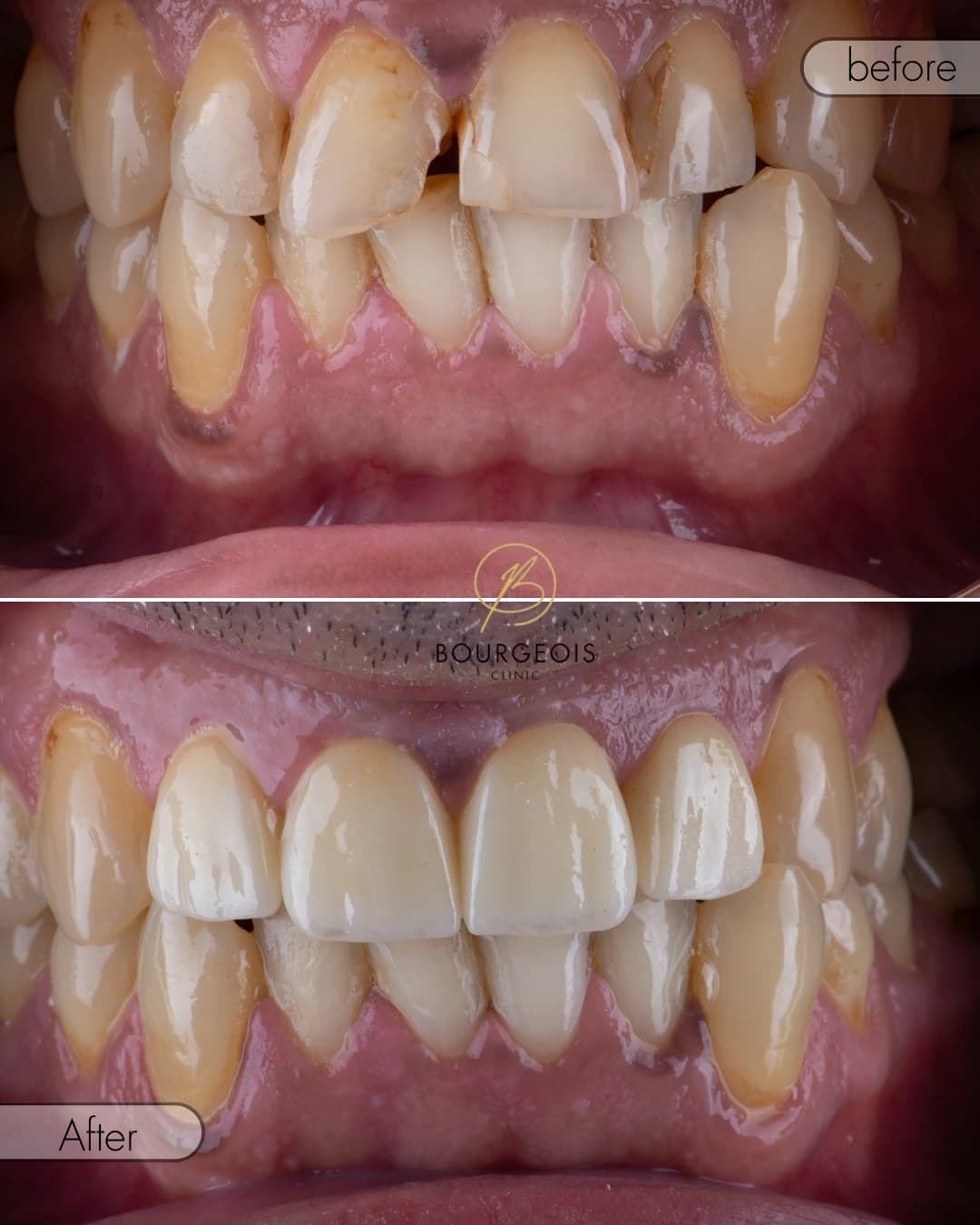
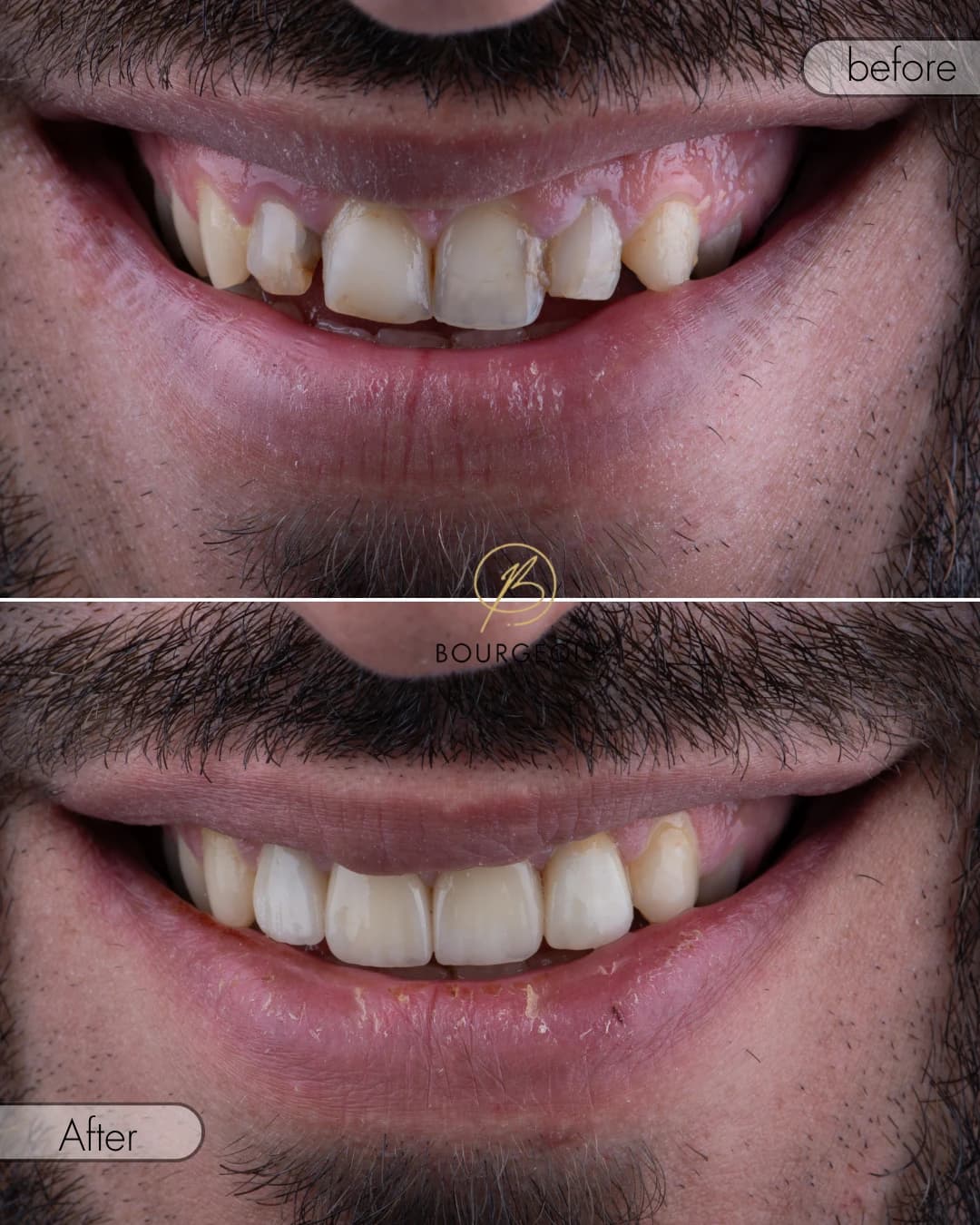
Bonding for a Chipped Front Tooth
A small uncomplicated chip may sometimes be restored by adding composite to rebuild the missing contour. Before treatment, the dentist should determine whether the damage is limited to enamel or extends more deeply. Pain, sensitivity, mobility, colour change or a history of trauma may require further investigation.
Matching one front tooth involves more than selecting a shade tab. The dentist considers translucency, opacity, surface texture, line angles and the way light reflects from the neighbouring tooth. The final restoration is then finished and polished so its edge and surface are smooth and cleansable.
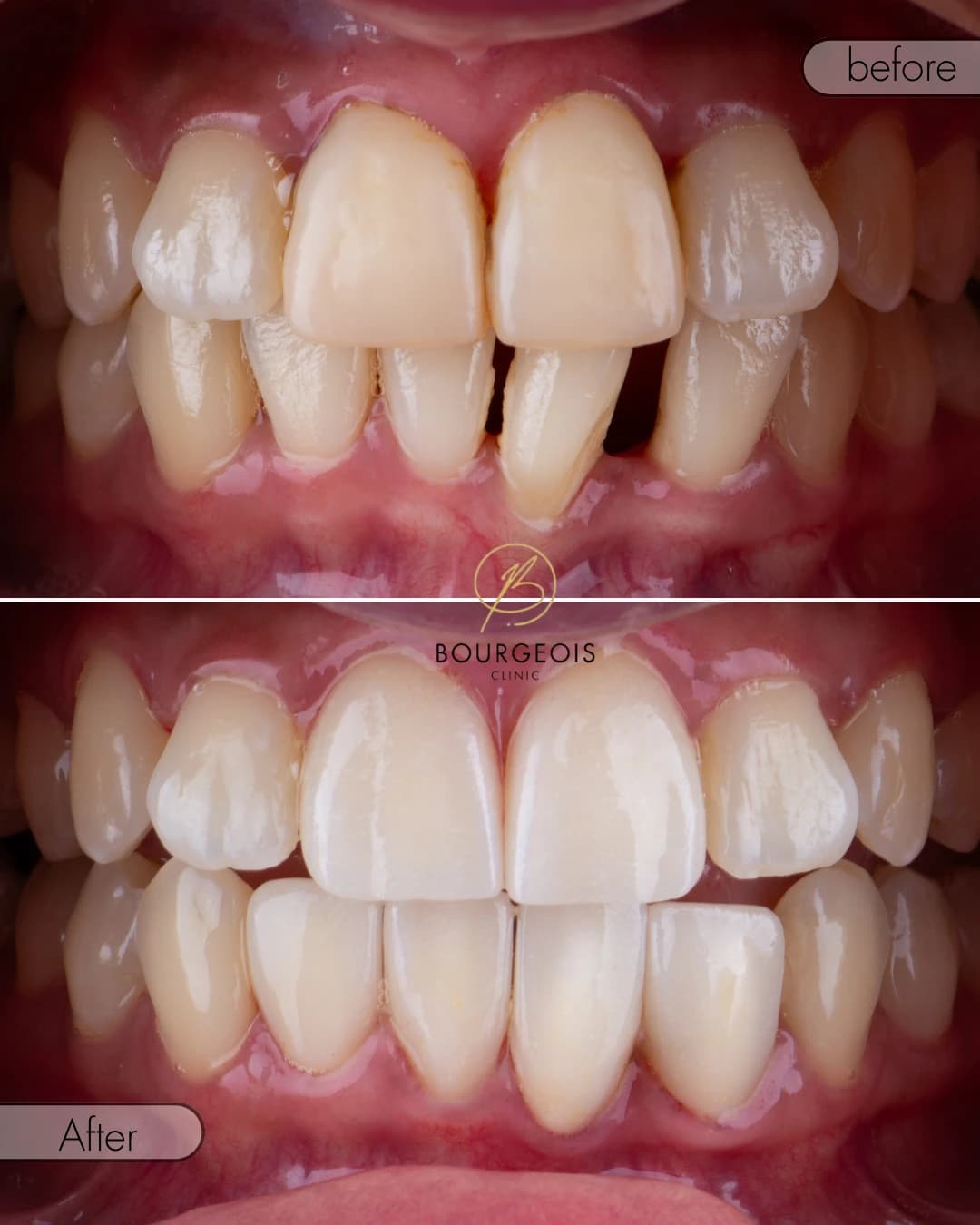
Can Composite Bonding Close Gaps?
Selected small gaps can be reduced by adding material to the adjacent teeth. The final widths must remain proportionate, the contact area should allow cleaning and the bite must accommodate the additions. Closing a space without measuring tooth proportions can make the teeth appear too wide or create a food-trapping area.
Larger gaps, several spaces, prominent frenum attachment, tooth-size differences or tooth-position problems may need a different or combined plan. Clear aligners or another orthodontic approach can physically move suitable teeth rather than simply increasing their visible width.
Edge Bonding for Worn or Uneven Teeth
Edge bonding may rebuild selected worn incisal edges or balance mild differences in length. The dentist should first consider why the edges changed. Grinding, an unstable contact, acidic exposure, nail biting, trauma or natural variation can require different management.
Adding material without addressing an active cause can lead to repeated wear or fracture. In more extensive wear, a broader diagnostic plan may be needed to understand available space and the effect of restoring several teeth rather than treating each edge independently.
Composite Bonding and Tooth Reshaping
Bonding adds material; cosmetic tooth reshaping removes a controlled amount of enamel. A carefully selected smile plan can use one method or a limited combination. For example, a small prominence may be smoothed while a neighbouring deficient edge is built up.
Enamel removal is irreversible, even when the amount is small. Dr. Nour should explain where reduction is proposed and whether it is needed for shape, surface preparation or bite clearance. “No shaving” should not be promised before examining the teeth.
Does Composite Bonding Require Tooth Shaving?
Many suitable bonding cases require little or no removal of healthy enamel because composite is added directly. Minor preparation may still be necessary to remove unsupported enamel, clean a damaged surface, improve the transition, create restorative space or establish suitable bonding conditions.
The relevant question is not only whether a drill is used, but how much tissue will be changed and why. A conservative plan preserves sound tooth structure while avoiding an overbuilt restoration that feels bulky or interferes with the bite.
Whitening Before Bonding
Composite resin does not whiten after it has been placed. When a patient wants lighter natural teeth as well as bonding, professional teeth whitening is often considered first. After the colour stabilises, the composite shade can be selected to coordinate with the lighter teeth.
Completing bonding first and whitening later may leave the restoration darker than the surrounding enamel. Existing fillings or bonding should also be assessed because they may need polishing, repair or replacement if the final colour difference becomes visible.
When Orthodontics May Be More Conservative
Bonding can modify the outline of a tooth, but it cannot move the tooth or root. Using resin to disguise significant rotation, crowding or protrusion may require excessive material on one side and produce an unnatural contour. It may also make daily cleaning more difficult.
When position is the main issue, orthodontic treatment may create a better foundation. At Bourgeois Dental Clinic, Dr. Samer Hassoun, Specialist Orthodontist, assesses suitable alignment and bite concerns. Dr. Nour can then coordinate limited bonding after tooth movement when shape or edge differences remain.
Composite Bonding or Porcelain Veneers?
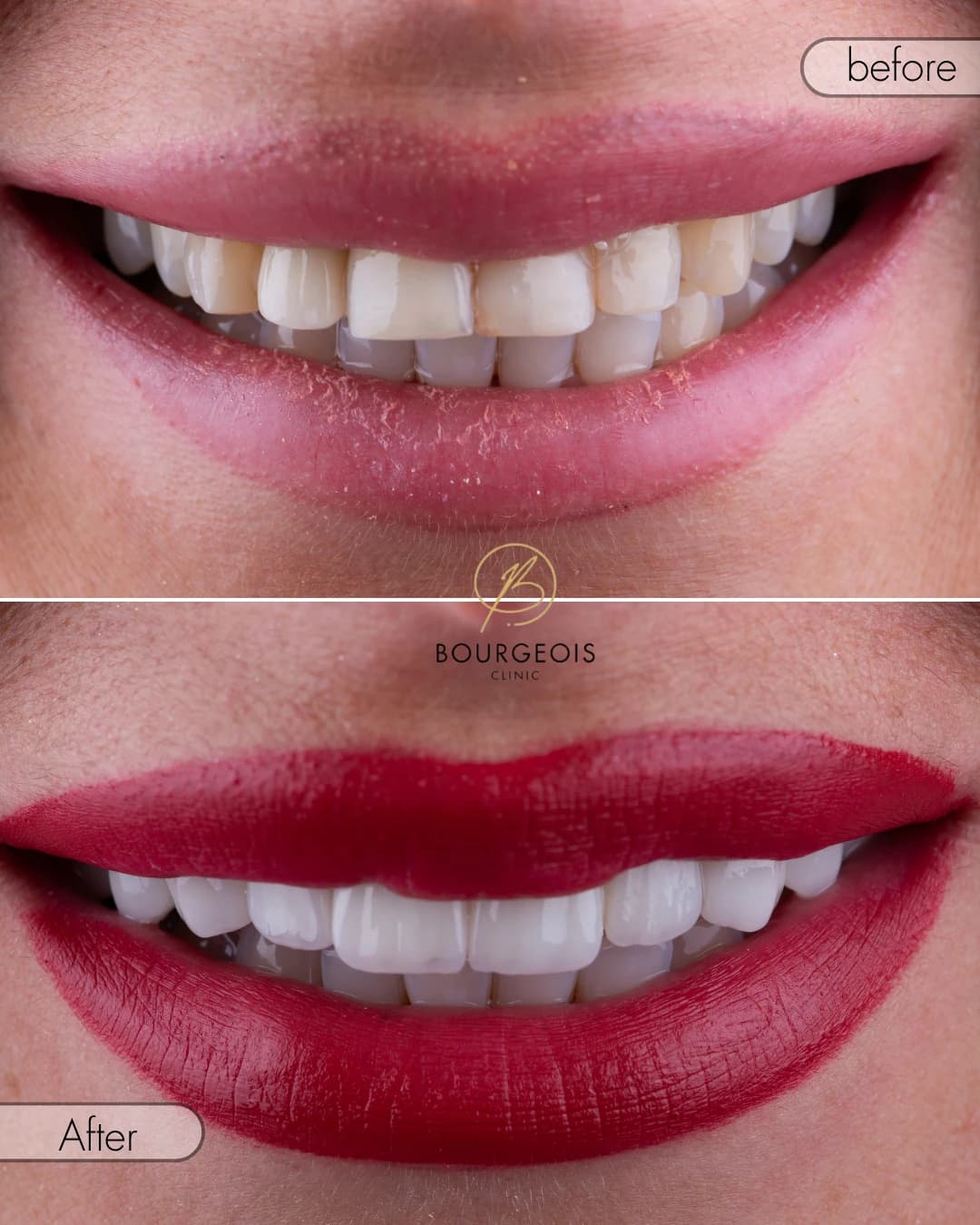
Bonding is applied directly and can be a conservative choice for smaller additions, limited defects and patients who accept periodic polishing or repair. Porcelain veneers are laboratory-made ceramic restorations that may offer broader control of colour, shape and proportions across several suitable front teeth.
Neither option is universally superior. Composite may stain or wear more readily, while veneers commonly involve more stages, higher initial cost and possible enamel preparation. The decision should reflect the size of the required change, tooth condition, bite, maintenance expectations and patient priorities.
Bonding Is Not a Substitute for a Crown
A tooth with extensive structural loss, a large failing restoration, a significant crack or another major restorative problem may not be reliably managed by adding cosmetic resin to the front. Such a tooth needs a restorability assessment. A crown, onlay or another treatment may be more appropriate depending on the remaining structure.
Conversely, healthy teeth should not receive full-coverage crowns merely to create uniformity when a smaller intervention can satisfy the goal. Dr. Nour evaluates each tooth separately rather than assigning the same restoration to an entire smile.
How Is Composite Bonding Completed?
The precise workflow varies, but treatment may include:
- Confirming oral health, indications and the desired change
- Selecting shades and planning tooth proportions
- Cleaning and isolating the treatment area
- Completing any necessary conservative surface preparation
- Conditioning the surface and applying the bonding system
- Layering and shaping the composite resin
- Hardening the material with the appropriate curing light
- Adjusting contacts and checking the bite
- Finishing surface transitions and polishing
- Reviewing home care and maintenance
The number of teeth, amount of material, need for a mock-up and complexity of shade matching affect appointment length. Extensive changes may be divided into planning and treatment visits.
What Makes Bonding Look Natural?
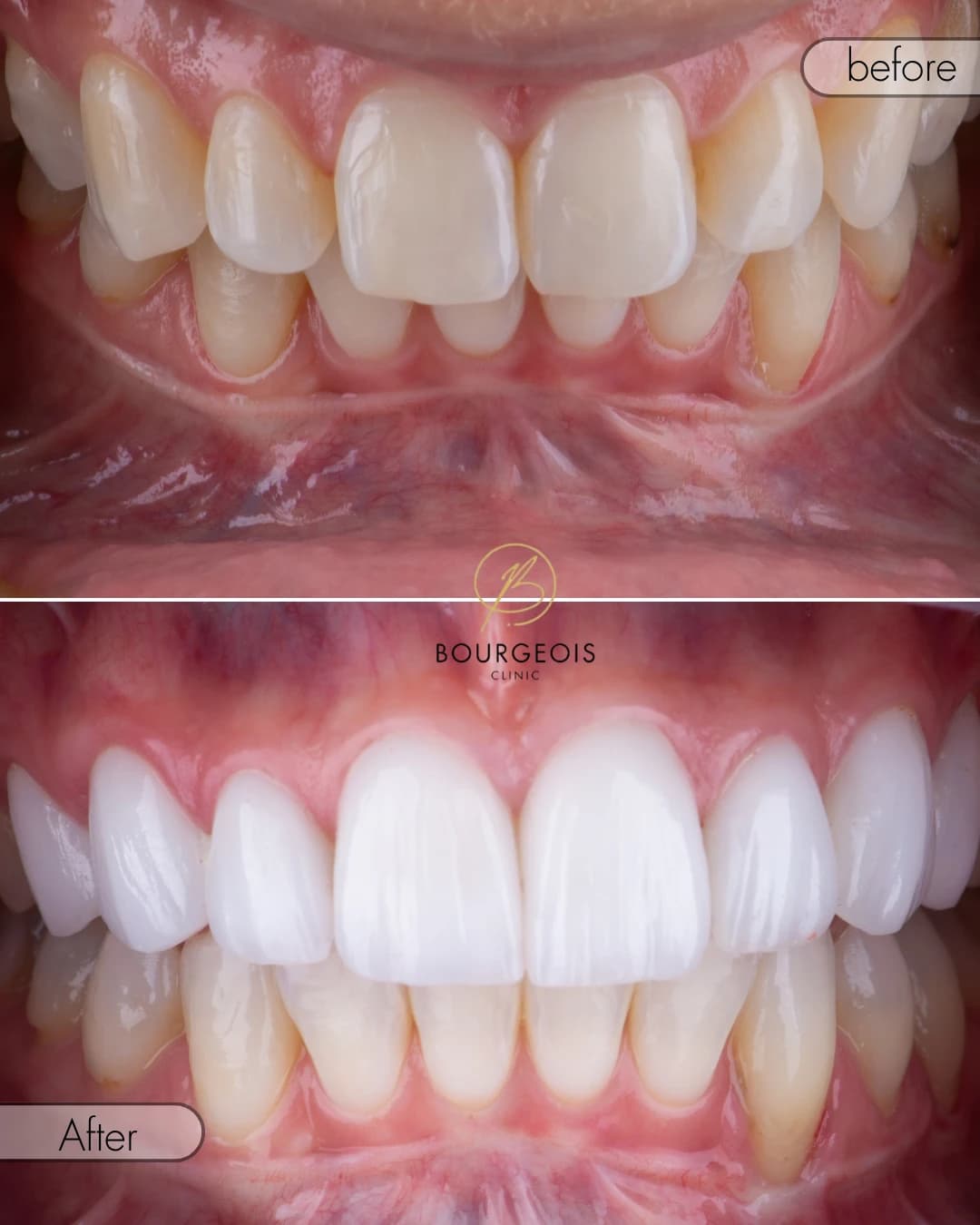
A natural result depends on proportion, symmetry, texture, translucency and integration with the entire smile. The longest or whitest tooth is not automatically the most attractive. Front teeth have different roles and shapes, and the design should fit the patient’s facial features and preferred level of change.
Composite technique also matters. Layer thickness, contour, polish and the transition from resin to enamel influence how light behaves and how easy the area is to clean. Patients should communicate whether they want an almost invisible repair, a subtle improvement or a more noticeable cosmetic transformation.
Can You Preview the Result?
For a small chip, the intended contour may be straightforward. For several teeth or larger changes, photographs, measurements, a digital concept or a trial mock-up may support communication. A preview helps discuss length and proportion but should not be treated as an exact guarantee.
Ask which features can be adjusted during the appointment and whether a review visit is planned. Swelling, dryness, lip position and viewing angle can influence immediate appearance, so final assessment may include function and cleaning as well as photographs.
How Long Does Composite Bonding Last?
There is no fixed lifespan. Longevity varies with the size and location of the restoration, amount of supporting enamel, bite contacts, grinding, diet, smoking, oral hygiene, biting habits and maintenance. A tiny repair and a broad composite veneer do not carry identical risks.
Bonding may gradually stain, lose surface shine, wear, chip or detach. Some defects can be polished or repaired locally; others require replacement. Patients should choose bonding with an understanding that ongoing care is part of the treatment.
Possible Risks and Limitations
- Temporary sensitivity or altered awareness of the tooth
- Chipping, fracture, wear or loss of material
- Surface staining or reduction in polish
- Visible colour difference as natural teeth change
- Rough or bulky contours if finishing or design is inadequate
- Food trapping or gum irritation around unsuitable contacts
- Bite interference requiring adjustment
- Need for polishing, repair or future replacement
- Limited ability to mask severe discolouration or correct major position problems
No dentist can responsibly promise that composite will never stain or break. Dr. Nour can explain case-specific risks and how the intended design may reduce them.
How to Care for Composite Bonding
- Brush twice daily with fluoride toothpaste and a suitable technique
- Clean between bonded teeth every day
- Avoid biting ice, pens, fingernails, bones and packaging
- Do not use front teeth as tools
- Limit tobacco and frequent strongly coloured foods or drinks
- Attend examinations and professional hygiene visits as advised
- Use a prescribed protective appliance when recommended
- Arrange assessment if the bonding becomes sharp, mobile, painful or visibly damaged
Professional polishing can improve selected surface changes, but it cannot correct every deep stain, recurrent decay or structural defect. Do not attempt to reshape or polish bonding at home.
How Much Does Composite Bonding Cost in Dubai?
Cost depends on the number of teeth, size of each addition, complexity of the design, shade layering, repairs to existing work, diagnostic records and whether preliminary whitening, gum care or orthodontics is needed. A small single-tooth repair and a multi-tooth cosmetic plan should not be expected to have the same fee.
Request a written quotation after assessment. It should identify which teeth are included, whether the proposed treatment is a small repair, edge bonding or broader composite coverage, and what review or polishing arrangements apply. Choosing only by price per tooth can obscure differences in scope.
Questions to Ask a Composite-Bonding Dentist
- What is causing the chip, gap, wear or shape difference?
- Is my enamel, gum health and bite suitable for bonding?
- Would whitening or alignment improve the plan first?
- Which surfaces and how many teeth will receive composite?
- Will any enamel be removed, and why?
- How will tooth proportions and shade be selected?
- What is the risk of staining or fracture in my case?
- Could the bonding be repaired if a small area chips?
- What habits should I change after treatment?
- What maintenance is included or recommended?
Warning Signs When Comparing Offers
- Confirming treatment from a photograph without checking the bite or enamel
- Offering the same number of bonded teeth to every patient
- Promising that bonding will never stain, chip or need maintenance
- Using bonding to hide major crowding without discussing orthodontics
- Closing a gap without considering tooth width and cleaning access
- No explanation of whitening sequence or colour limitations
- No assessment of repeated chipping, wear or grinding
- Pressure to treat healthy teeth that do not contribute to the concern
Book a Composite-Bonding Consultation with Dr. Nour
Bourgeois Dental Clinic is located in Office No. 5 on the first floor of Indigo Sky Building, Sheikh Zayed Road, Exit 41, near Al Thanya Street in Dubai. The clinic is accessible from Umm Al Sheif, Al Barsha, Umm Suqeim, Jumeirah, Al Quoz, Barsha Heights, The Greens, Dubai Marina and surrounding areas.
Book an appointment with Dr. Nour to assess a chip, small gap, worn edge or tooth-shape concern. She can explain whether composite bonding is appropriate, what alternatives exist, how the result will be maintained and what the personalised treatment will cost.
Editorial note: “Best dentist for composite bonding in Dubai” is used as a patient search phrase, not as a universal clinical ranking. This article is educational and does not replace examination, diagnosis or individual advice. Suitability and outcomes vary according to oral health, anatomy, treatment design, habits and maintenance.