


Cosmetic Tooth Reshaping
- 5Specialists
- 8Documented Cases
Cases
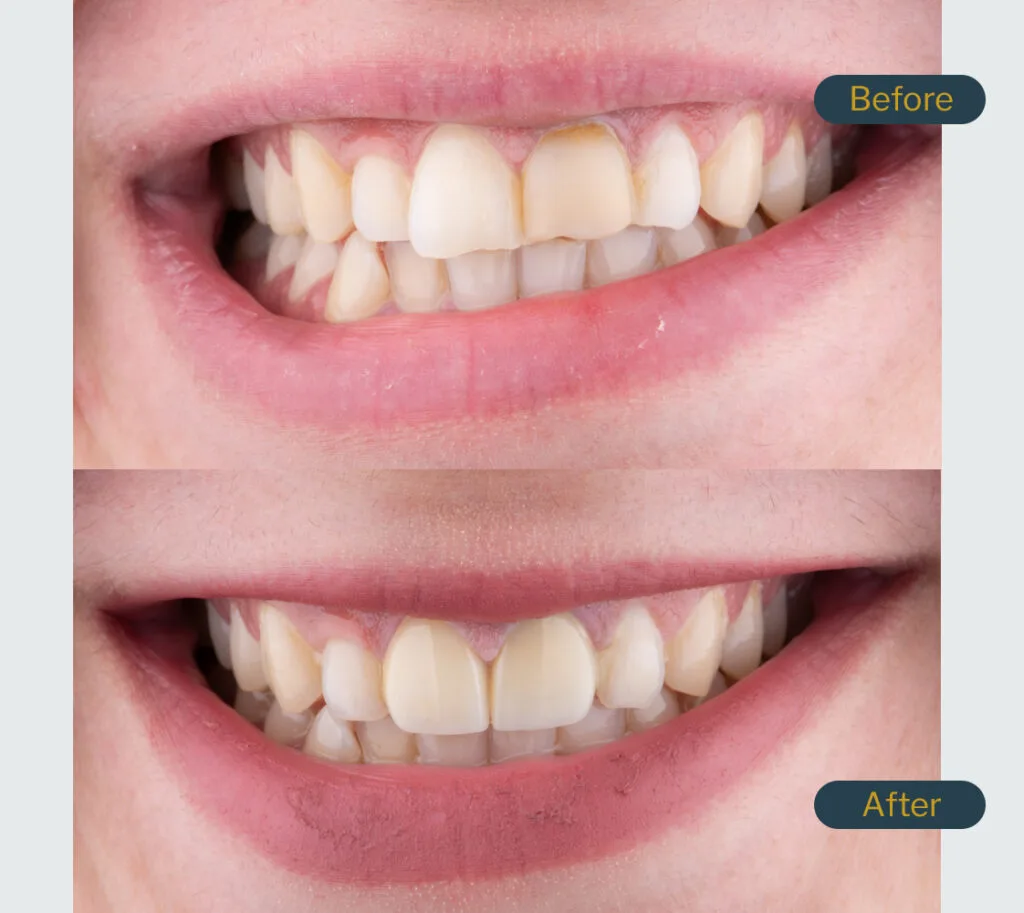
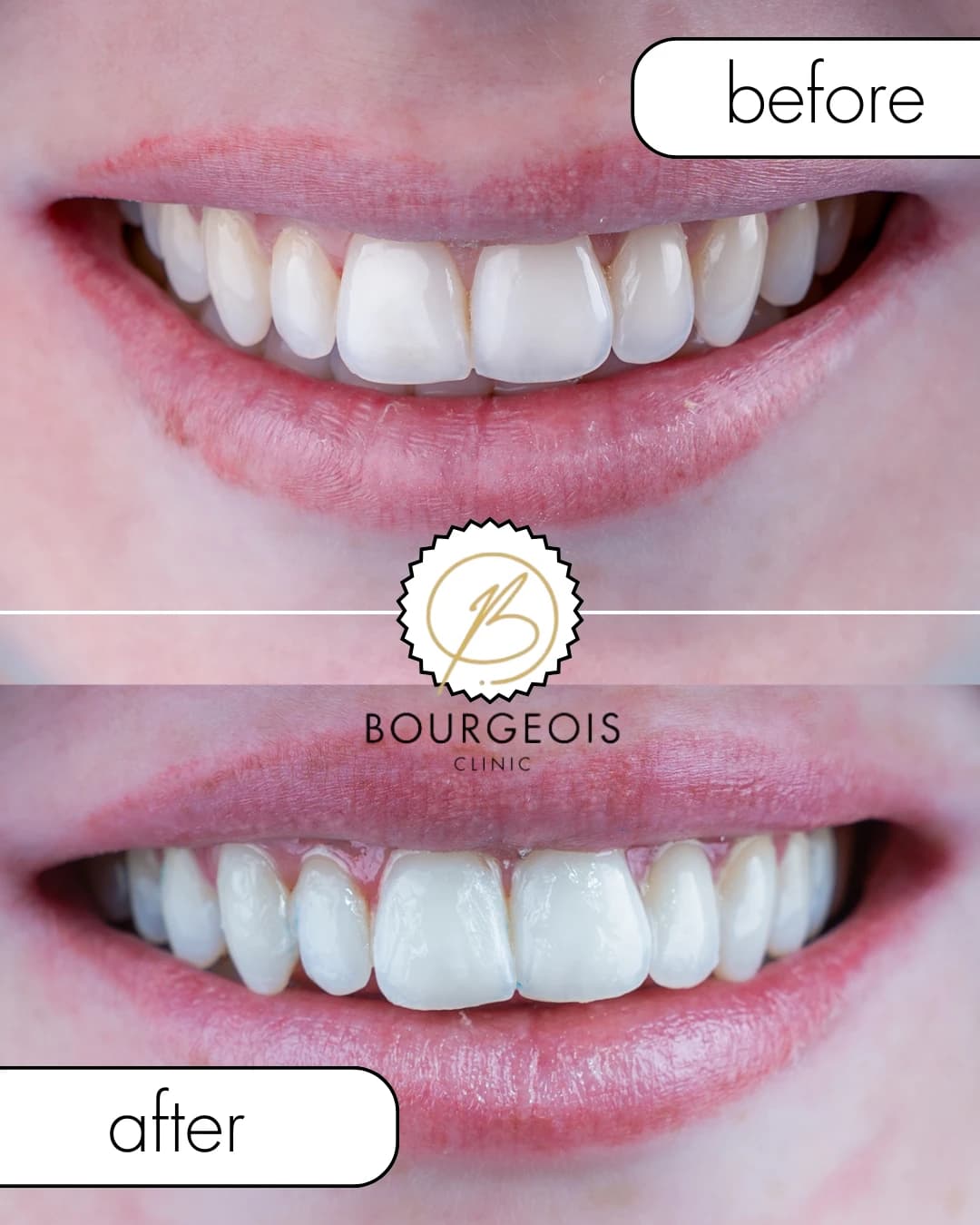
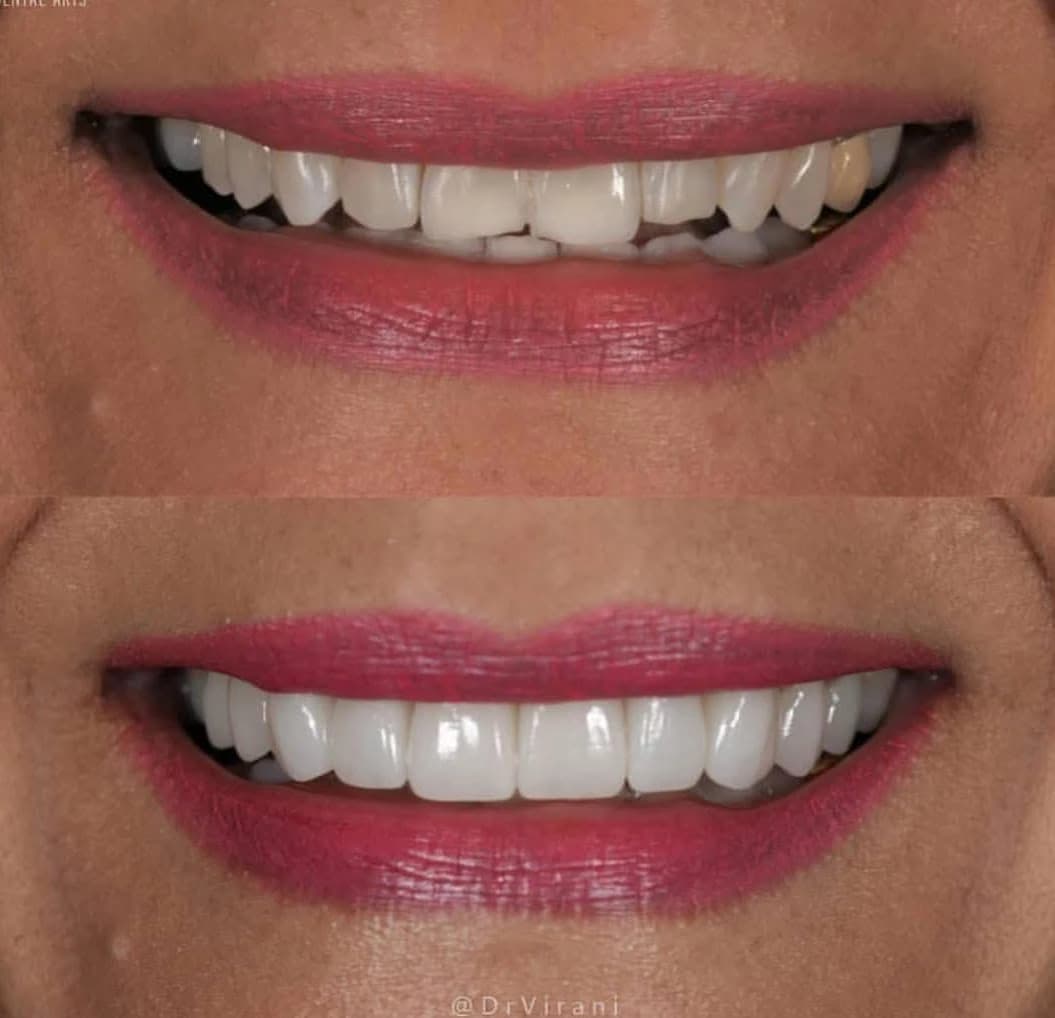
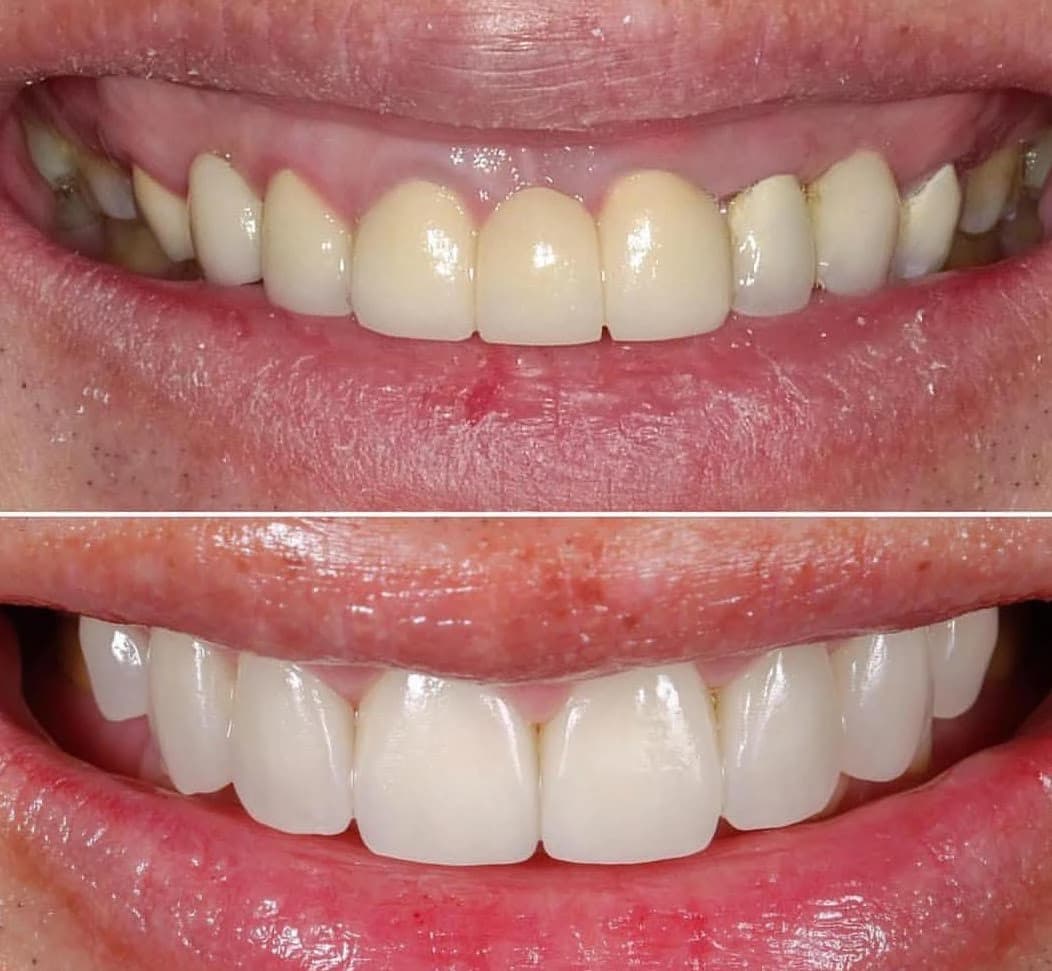
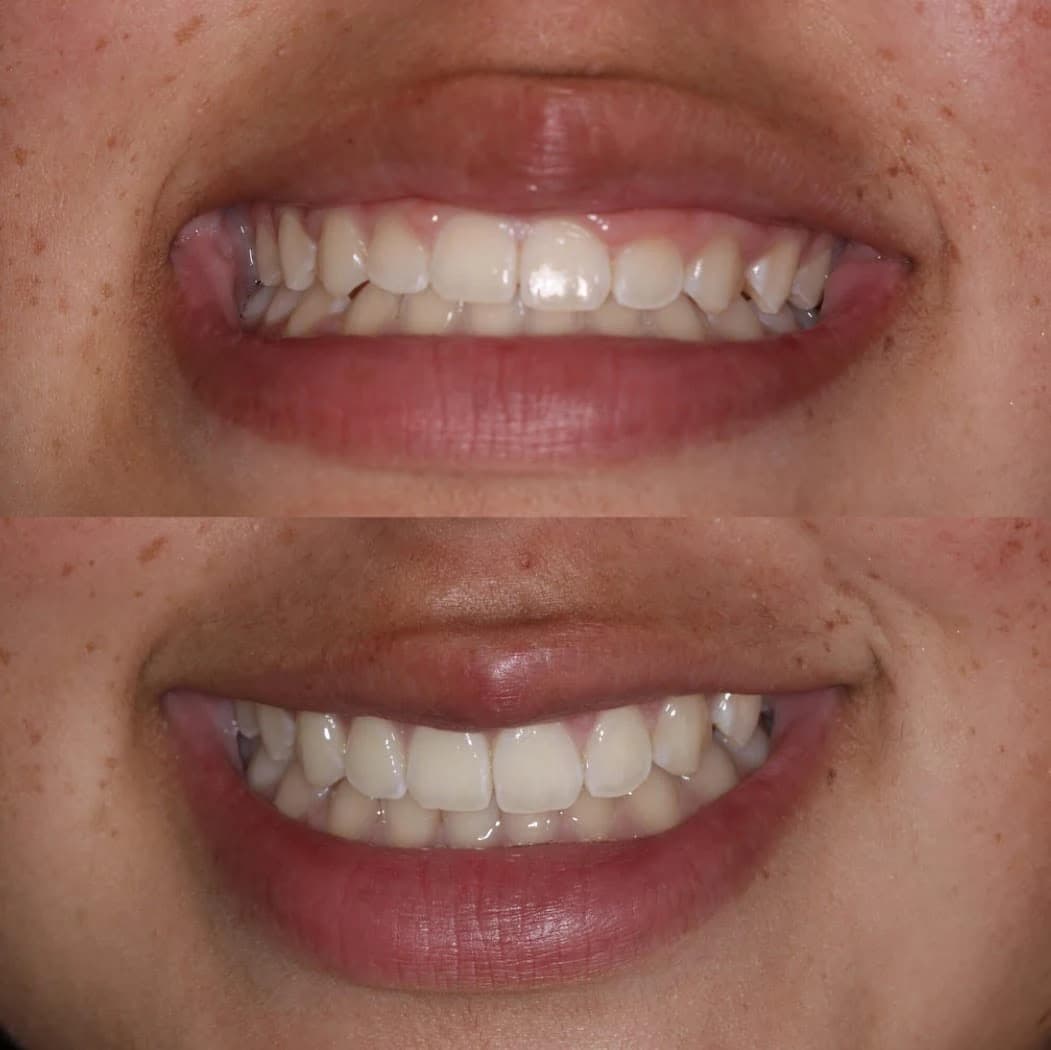
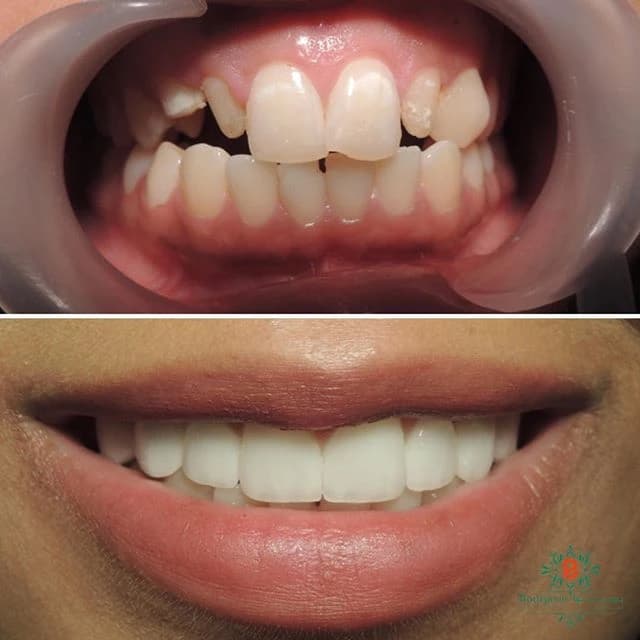
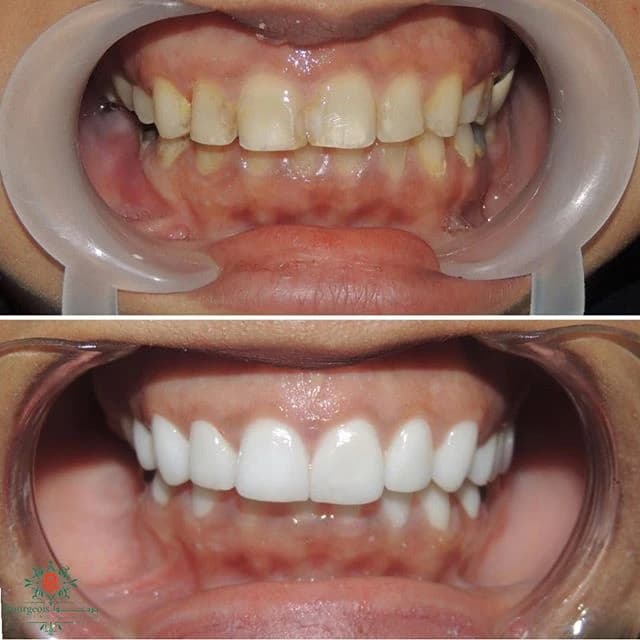
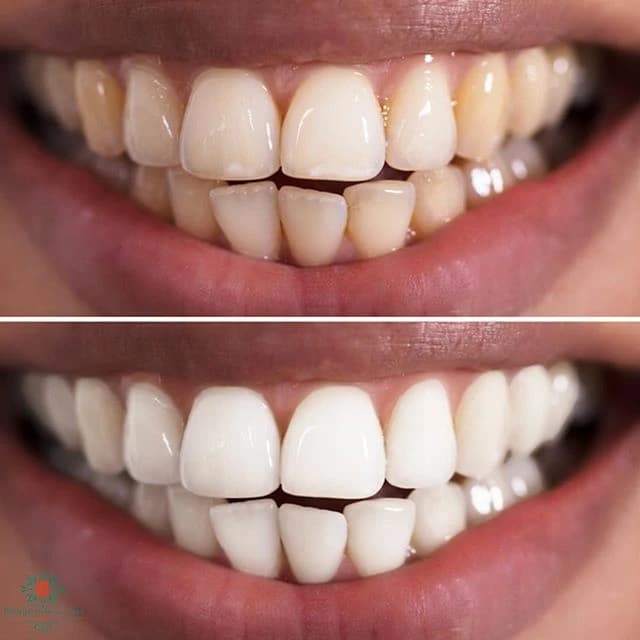
Cosmetic tooth reshaping is a conservative procedure that makes small, controlled adjustments to selected enamel edges to improve tooth shape, symmetry, or smoothness. At Bourgeois Dental Clinic in Dubai, reshaping is recommended only when sufficient healthy enamel is available and the planned change will not negatively affect the bite, tooth strength, or sensitivity.
What Is Cosmetic Tooth Reshaping?
Cosmetic tooth reshaping, also called enamel contouring or odontoplasty, involves carefully smoothing or adjusting small amounts of enamel.
It is generally used for minor cosmetic concerns rather than major changes in tooth position, colour, length, or structure.
What Can Tooth Reshaping Improve?
The procedure may be considered for:
- Slightly uneven front-tooth edges
- Small enamel chips
- Pointed or sharp tooth corners
- Minor differences in tooth length
- Small surface irregularities
- Selected overlapping enamel edges
- Minor asymmetry between neighbouring teeth
- Rough enamel areas that can be safely smoothed
Reshaping is not appropriate for large fractures, severe wear, deep cracks, major tooth-length differences, significant crowding, or structural weakness.
Who May Be Suitable for Tooth Reshaping?
Suitable patients generally have healthy teeth, sufficient enamel thickness, stable oral health, and a cosmetic concern that can be improved through a very small adjustment.
The procedure may not be suitable when there is:
- Thin or severely worn enamel
- Significant tooth sensitivity
- Deep cracks or fractures
- Large fillings near the area
- Active tooth decay
- Weak tooth structure
- Severe grinding or clenching
- A bite that places heavy forces on the planned edge
- A need for significant tooth movement or lengthening
What Happens During the Consultation?
The dentist discusses what appears uneven, pointed, long, or irregular and assesses whether a small enamel adjustment can produce a balanced result.
The examination may include:
- Tooth-health assessment: Checking for decay, cracks, sensitivity, and restorations.
- Enamel evaluation: Determining whether sufficient enamel is present.
- Bite assessment: Reviewing how the teeth contact during biting and jaw movement.
- Symmetry analysis: Comparing neighbouring teeth, edges, and visible proportions.
- Alternative-treatment discussion: Considering bonding, veneers, orthodontics, or restorative treatment when reshaping alone is insufficient.
- Expected-result discussion: Explaining how small the change must remain to preserve tooth structure.
How Is Tooth Reshaping Performed?
The procedure may include:
- Marking the areas planned for adjustment
- Using fine dental instruments to remove a controlled amount of enamel
- Smoothing sharp or uneven edges
- Checking tooth symmetry and proportions
- Reviewing the bite
- Finishing and polishing the enamel surface
The exact technique and amount of adjustment depend on the tooth and the cosmetic objective.
Does Tooth Reshaping Require Anaesthesia?
Enamel does not contain nerves, so minor reshaping may not require local anaesthesia. However, the dentist must remain within the safe enamel limits.
If the procedure involves a damaged filling, sensitive tooth structure, decay, or a deeper defect, another treatment and anaesthesia may be required.
Is Tooth Reshaping Painful?
Minor enamel contouring is generally well tolerated. Patients may notice vibration or pressure during treatment but should not feel pain when only enamel is adjusted.
Any new or persistent sensitivity after treatment should be assessed.
Is Tooth Reshaping Permanent?
Yes. Enamel that has been removed does not grow back. For this reason, the procedure must remain conservative and carefully planned.
The result may still change over time because of tooth wear, grinding, chipping, ageing, or changes in the bite.
Can Tooth Reshaping Make Teeth Shorter?
Small adjustments can reduce a slightly long or uneven edge, but the amount is limited by enamel thickness, tooth proportions, smile appearance, and bite function.
Removing too much enamel can increase sensitivity, weaken the edge, or create an unnatural tooth shape.
Can Tooth Reshaping Make Teeth Longer?
No. Reshaping removes a small amount of enamel and cannot add length. Teeth that appear short may require composite bonding, composite veneers, porcelain veneers, orthodontics, or gum contouring.
Can Tooth Reshaping Fix Chipped Teeth?
Very small enamel chips may sometimes be smoothed and blended. Larger chips generally require composite bonding or another restorative treatment to replace lost tooth structure.
The dentist must check whether the chip is superficial or part of a deeper crack.
Can Tooth Reshaping Correct Crooked Teeth?
It may improve the appearance of very minor edge irregularities, but it does not move teeth or correct significant crowding, rotation, or bite problems.
Orthodontic treatment may be more appropriate when the cosmetic concern is primarily related to tooth position.
Tooth Reshaping or Composite Bonding?
Reshaping removes a small amount of enamel to smooth or adjust the tooth. Composite bonding adds tooth-coloured material to increase length, width, or volume.
Some patients may benefit from a combination of limited reshaping and bonding to improve balance while preserving natural tooth structure.
Tooth Reshaping or Veneers?
Reshaping is appropriate for very minor edge or shape concerns. Veneers cover a larger visible surface and can make broader changes in colour, shape, proportions, spacing, and symmetry.
Veneers involve more extensive treatment and maintenance, so a conservative reshaping option may be preferred when it can achieve the patient's goal safely.
Can Teeth Grinding Affect the Result?
Yes. Grinding and clenching can cause new wear, chips, cracks, and changes in the tooth edges.
Patients with visible grinding signs may need bruxism assessment or a custom night guard.
How to Care for Reshaped Teeth
- Brush twice daily with fluoride toothpaste
- Clean between the teeth every day
- Avoid biting ice, pens, fingernails, and hard objects
- Do not use the teeth to open packaging
- Manage grinding and clenching
- Attend routine dental examinations
- Seek assessment if an edge chips or becomes sensitive
- Follow any polishing or maintenance advice
Can Reshaping Be Included in a Smile Makeover?
Yes. Small enamel adjustments may be combined with whitening, bonding, veneers, or gum contouring as part of a smile-design plan.
The dentist should coordinate the sequence so that tooth shape, shade, gumline, and restorations remain balanced.
Cosmetic Tooth Reshaping on Sheikh Zayed Road
Bourgeois Dental Clinic is located in Indigo Sky Building, Sheikh Zayed Road, Exit 41, near Al Thanya Street in Dubai. Our clinic is accessible from Al Barsha, Umm Al Sheif, Umm Suqeim, Jumeirah, Al Quoz, Barsha Heights, The Greens, Dubai Marina, and nearby communities.
Book a cosmetic tooth-reshaping consultation to determine whether conservative enamel contouring or another cosmetic option is suitable.
Department
Cosmetic Dentistry
Related Doctors



FAQ
Frequently Asked Questions
BOOK AN
Appointment
Working Hours
We are here to serve you