


Smile Design
- 4Specialists
- 8Documented Cases
Cases
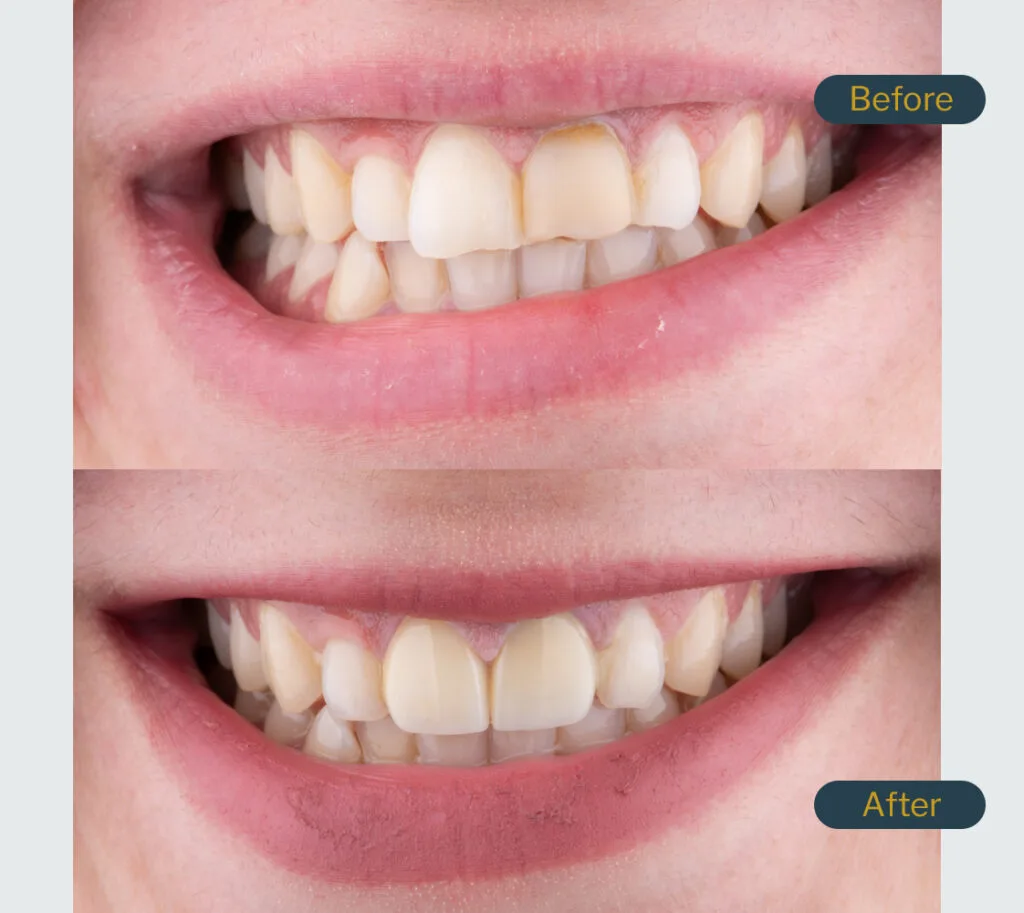
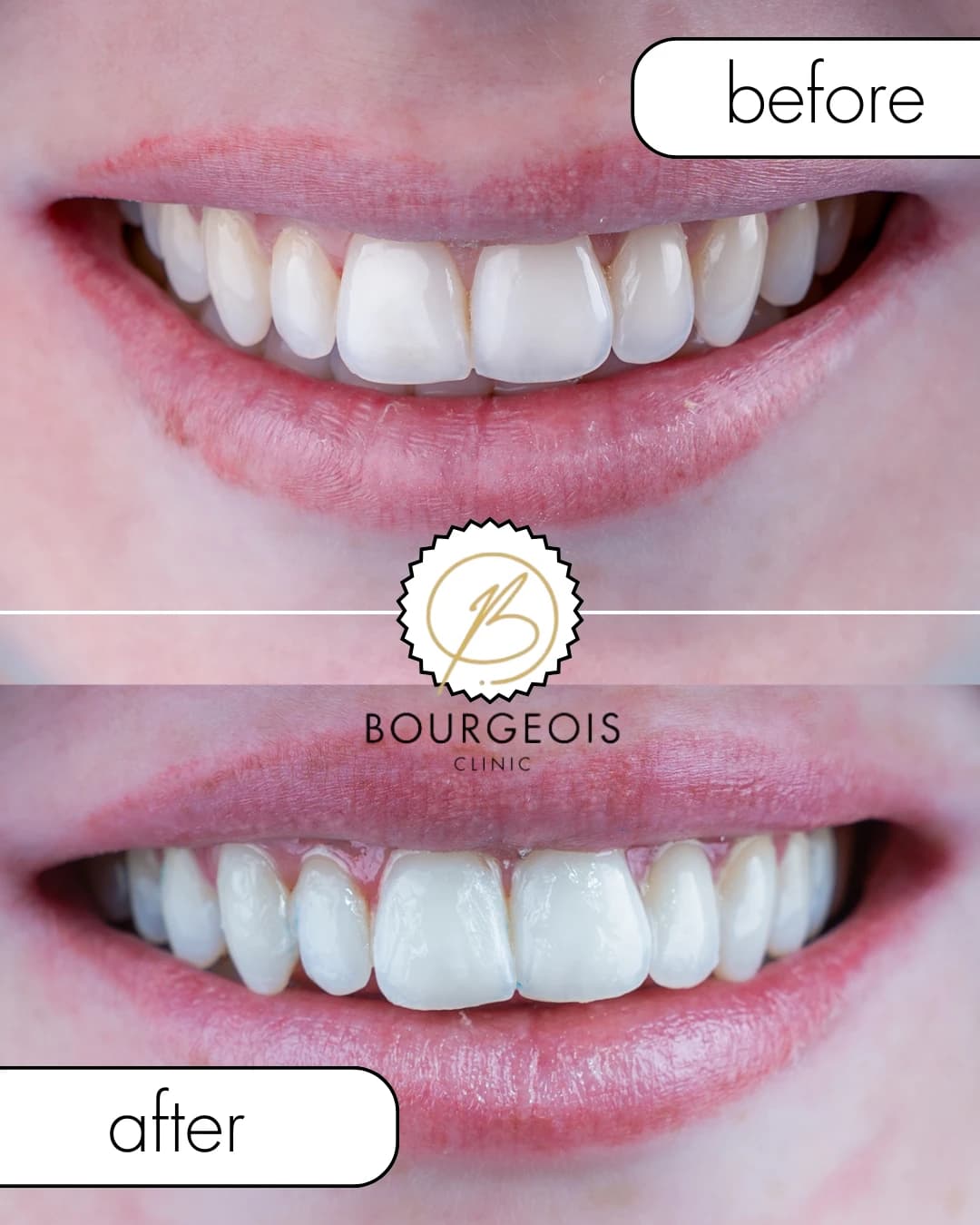
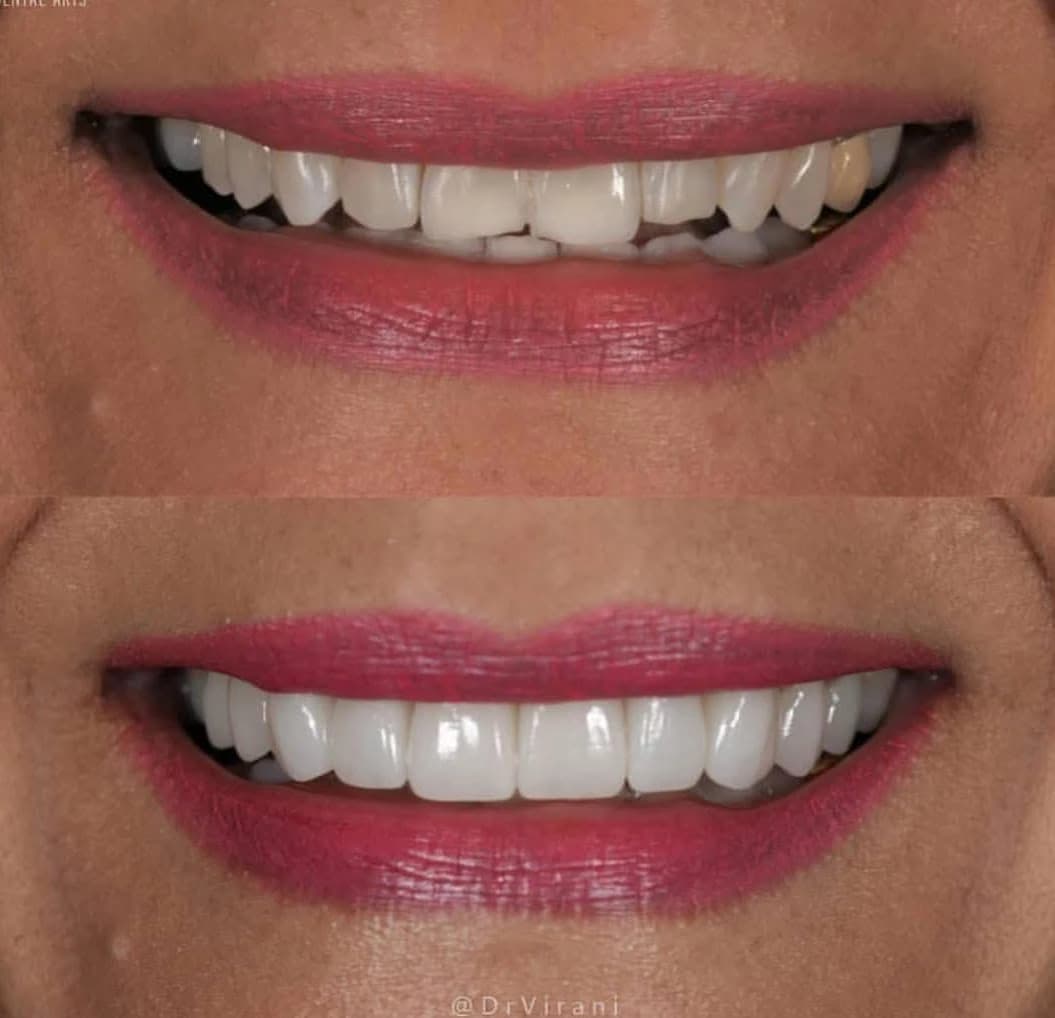
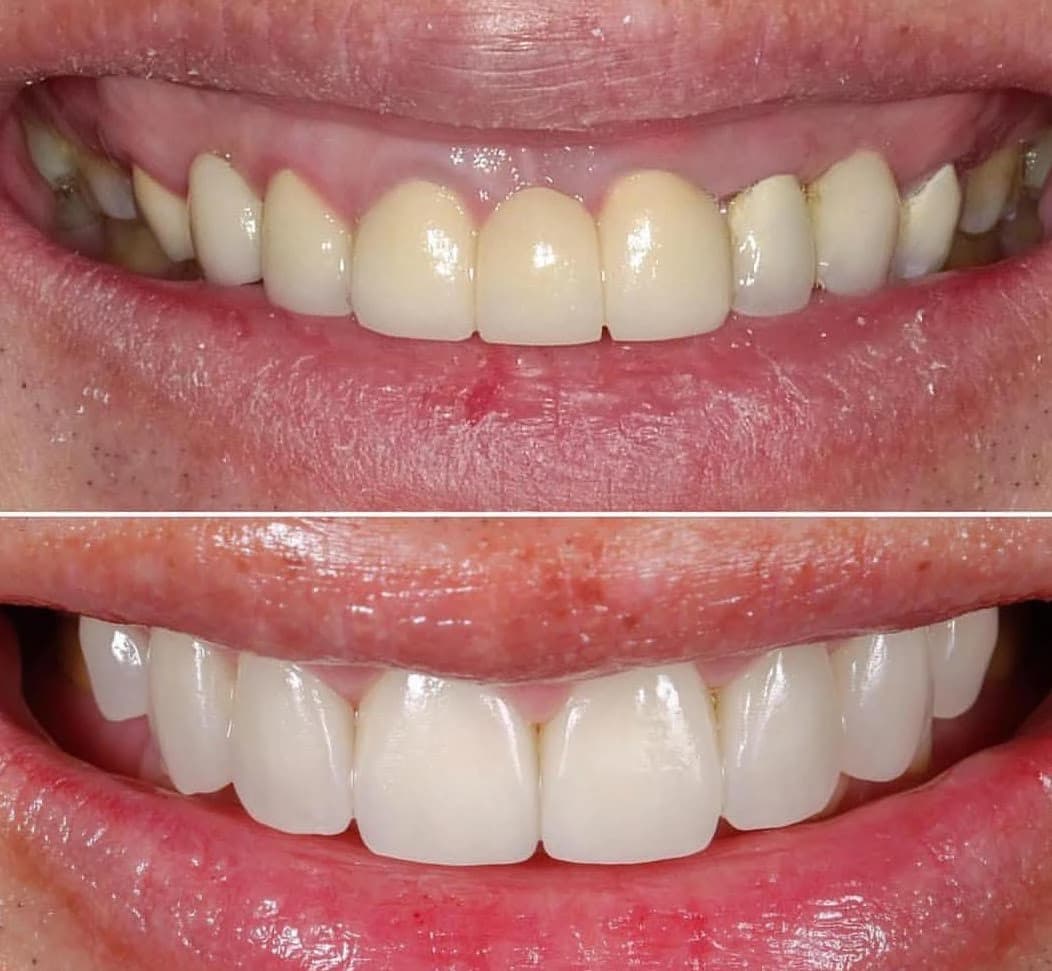
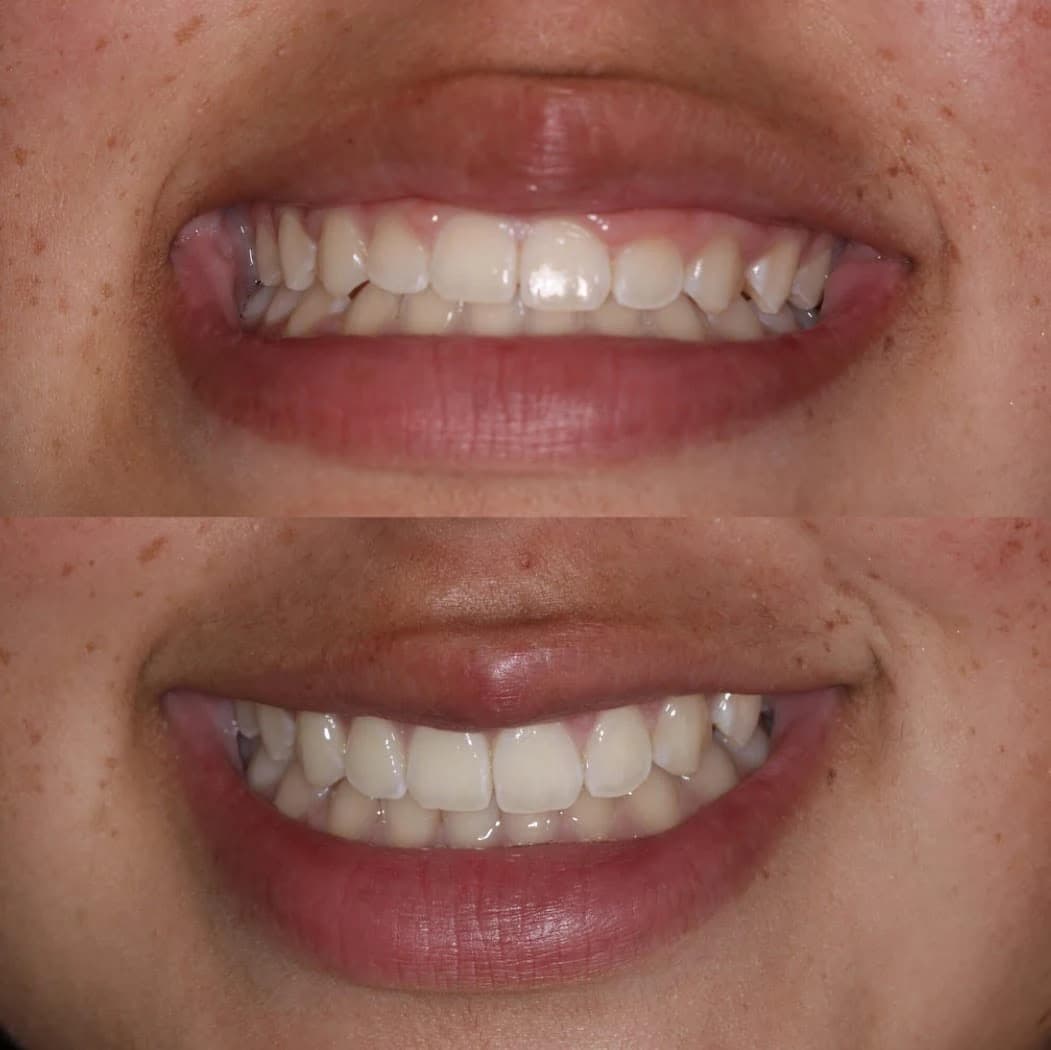
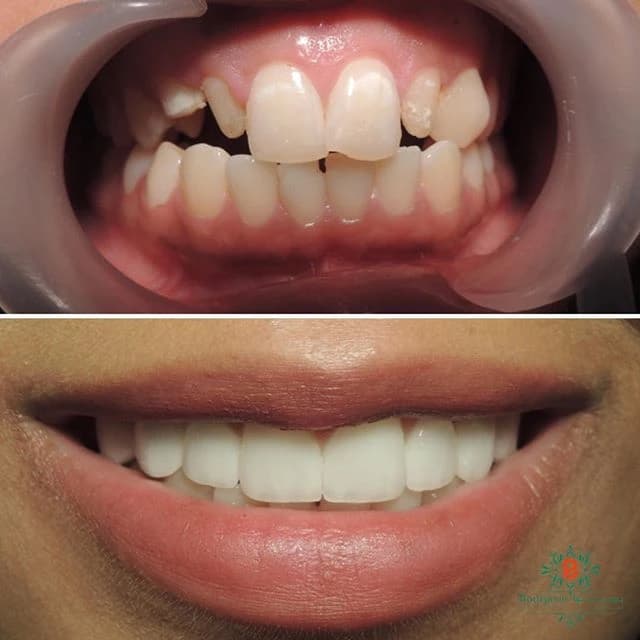
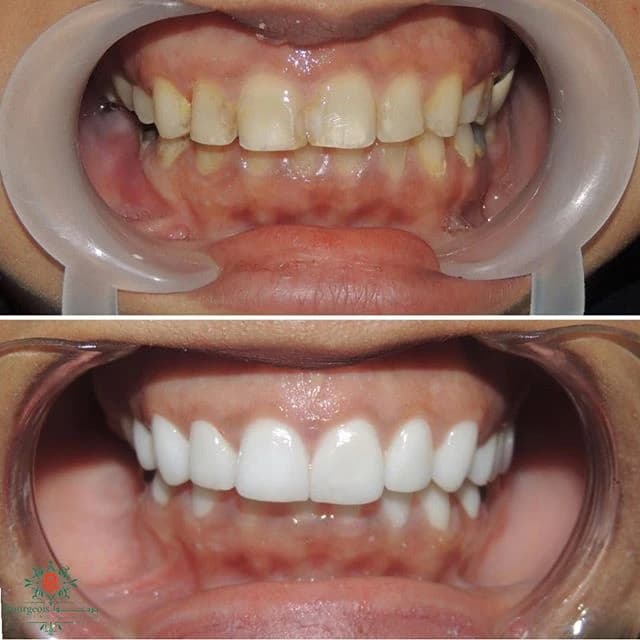
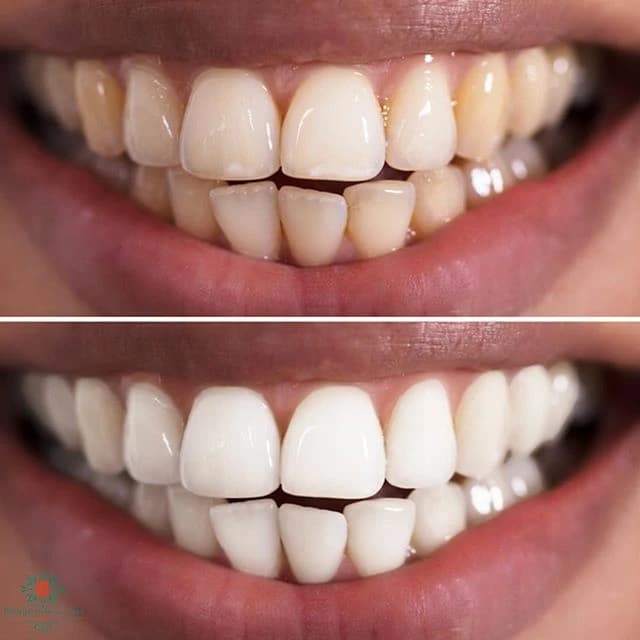
Smile design is a personalized planning process used to evaluate how the teeth, gums, lips, bite, and facial proportions work together. At Bourgeois Dental Clinic in Dubai, smile design helps guide cosmetic treatment so that decisions about tooth shape, shade, length, symmetry, and gum appearance are based on the individual patient.
What Is Smile Design?
Smile design is not one specific dental procedure. It is the planning stage used before treatments such as veneers, composite bonding, whitening, gum contouring, orthodontics, crowns, or a complete smile makeover.
The goal is to create a coordinated plan rather than treating each cosmetic concern separately. The dentist considers the appearance of individual teeth as well as how the full smile relates to the lips and face.
Who May Benefit from Smile Design?
Smile design may be useful for patients concerned about:
- Uneven tooth shapes or sizes
- Teeth that appear too short or too narrow
- Discoloured or mismatched teeth
- Small gaps between teeth
- Minor crowding or rotation
- Chipped or worn tooth edges
- An uneven gumline
- Excessive gum display
- Old crowns, fillings, or veneers that do not match
- Asymmetry between the right and left sides of the smile
- Multiple cosmetic concerns requiring a combined plan
What Features Are Evaluated?
A personalized smile analysis may consider:
- Tooth colour: Natural shade, staining, discolouration, translucency, and existing restorations.
- Tooth shape: Rounded, square, tapered, or irregular forms and how they relate to facial features.
- Tooth proportions: The relationship between tooth width and length and the balance between neighbouring teeth.
- Tooth edges: Wear, chips, unevenness, and the relationship between the front teeth and lower lip.
- Smile midline: The relationship between the centre of the teeth, lips, and face.
- Alignment and spacing: Crowding, rotation, gaps, and tooth position.
- Gumline: Gum symmetry, tooth exposure, recession, pigmentation, and excessive gum display.
- Lip movement: How much tooth and gum are visible while smiling and speaking.
- Facial proportions: How the planned smile relates to the face rather than being evaluated in isolation.
- Bite and function: Tooth contacts, jaw movement, grinding, and forces that may affect the treatment.
How Does Smile Design Begin?
The process begins with a cosmetic dental consultation. The dentist discusses your concerns, preferred level of change, previous dental treatment, sensitivity, grinding habits, and expectations.
A clinical examination is then completed to assess the health and structure of the teeth and gums. Photographs, scans, impressions, X-rays, or other records may be recommended according to the treatment being considered.
What Is Digital Smile Design?
Digital planning may use dental photographs, scans, measurements, and software to help visualize proportions and communicate possible changes. It can support discussions about tooth shape, length, shade, and symmetry.
Digital smile design is a planning tool rather than a guarantee of an exact final result. Clinical conditions, natural tooth structure, gum health, materials, bite, healing, and technical factors may influence the completed treatment.
Can I Preview the Planned Smile?
Depending on the treatment and available workflow, a preview may be created using digital images, a diagnostic wax-up, a model, or a temporary mock-up placed over the teeth.
A mock-up may help the patient and dentist evaluate tooth length, shape, smile fullness, speech, and general appearance before final treatment decisions are made.
What Treatments Can Be Included in a Smile-Design Plan?
The plan may involve one treatment or several coordinated procedures, including:
- Professional teeth whitening
- Composite bonding
- Composite veneers
- Porcelain veneers
- E-max veneers
- Cosmetic tooth reshaping
- Gum contouring
- Gum depigmentation
- Orthodontic treatment
- Replacement of old restorations
- Restorative crowns or other treatment when required
How Is Tooth Shade Selected?
Shade selection should consider the patient's preferences, natural tooth colour, skin tone, lip colour, age, existing restorations, and desired level of brightness.
A very bright shade may suit some patients, while others prefer natural variation and translucency. The most appropriate choice is discussed rather than automatically selecting the lightest possible shade.
How Is Tooth Shape Selected?
Tooth shape is influenced by the natural teeth, facial features, age, smile style, and personal preference. Some patients prefer softer rounded edges, while others prefer more defined or square forms.
The design should also consider function. Tooth length and edge position can affect speech, bite, and forces on the restorations.
Does Smile Design Require Tooth Preparation?
Smile design itself does not require tooth preparation because it is a planning process. The amount of preparation depends on the selected treatment.
Whitening and orthodontics may not require removal of tooth structure. Composite bonding may require minimal or no preparation in selected cases. Veneers or crowns may require varying degrees of preparation depending on the tooth position, material, existing damage, and treatment objectives.
Can Smile Design Correct Crooked Teeth?
Smile design can help compare cosmetic and orthodontic options. Minor visual irregularities may sometimes be improved with bonding or veneers, but significant crowding, rotation, or bite problems may require orthodontics.
A responsible plan should avoid unnecessary tooth reduction when tooth movement would offer a healthier option.
How Does the Gumline Affect the Smile?
The gumline influences visible tooth length and smile symmetry. Uneven or excessive gum display may make teeth appear short or unbalanced.
Selected patients may benefit from gum contouring or periodontal treatment. Gum health must be assessed before any cosmetic gum procedure.
How Does Grinding Affect Smile Design?
Grinding and clenching can damage natural teeth, bonding, veneers, and crowns. Signs of tooth wear or heavy bite forces must be considered before treatment.
The dentist may recommend bruxism treatment and a custom night guard to help protect the planned result.
How Long Does the Smile-Design Process Take?
The planning time depends on the complexity of the case and the records required. A simple plan involving whitening and minor bonding may be completed more quickly than a comprehensive case involving veneers, gum treatment, orthodontics, and restorative work.
Is Smile Design Permanent?
The design is a plan, while the durability depends on the treatments selected. Whitening may require maintenance, composite may need polishing or repair, and ceramic restorations may eventually need replacement.
Changes in gums, tooth position, bite, age, and oral health can also affect the appearance of the smile over time.
How to Maintain a Designed Smile
- Brush twice daily with fluoride toothpaste
- Clean between the teeth every day
- Attend recommended dental and hygiene appointments
- Avoid biting hard objects
- Reduce habits that cause staining
- Manage grinding and clenching
- Wear a night guard when recommended
- Follow specific care instructions for bonding, veneers, whitening, or gum treatment
Smile Design on Sheikh Zayed Road
Bourgeois Dental Clinic is located in Indigo Sky Building, Sheikh Zayed Road, Exit 41, near Al Thanya Street in Dubai. Our location is convenient for patients from Al Barsha, Umm Al Sheif, Umm Suqeim, Jumeirah, Al Quoz, Barsha Heights, The Greens, Dubai Marina, and nearby communities.
Book a smile-design consultation to discuss tooth shape, shade, proportions, gum aesthetics, and suitable cosmetic treatment options.
Department
Cosmetic Dentistry
Related Doctors




FAQ
Frequently Asked Questions
BOOK AN
Appointment
Working Hours
We are here to serve you