


Composite Veneers
- 4Specialists
- 8Documented Cases
Cases
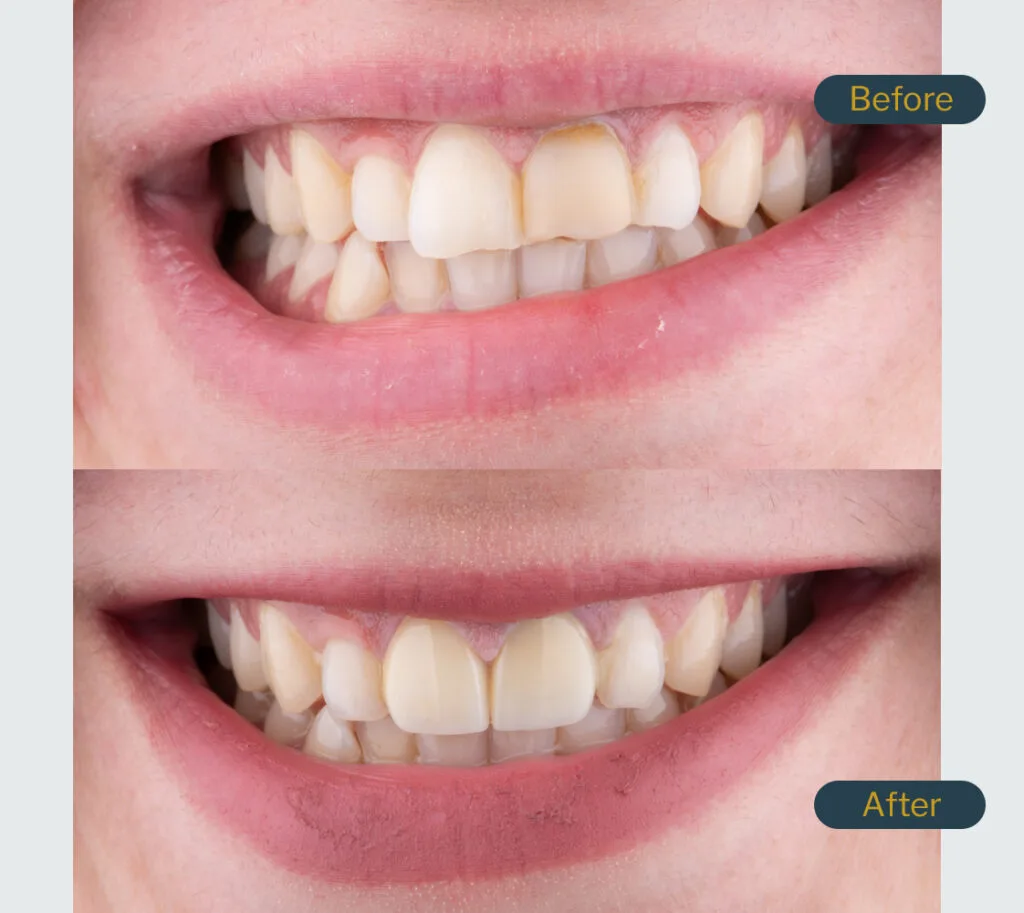
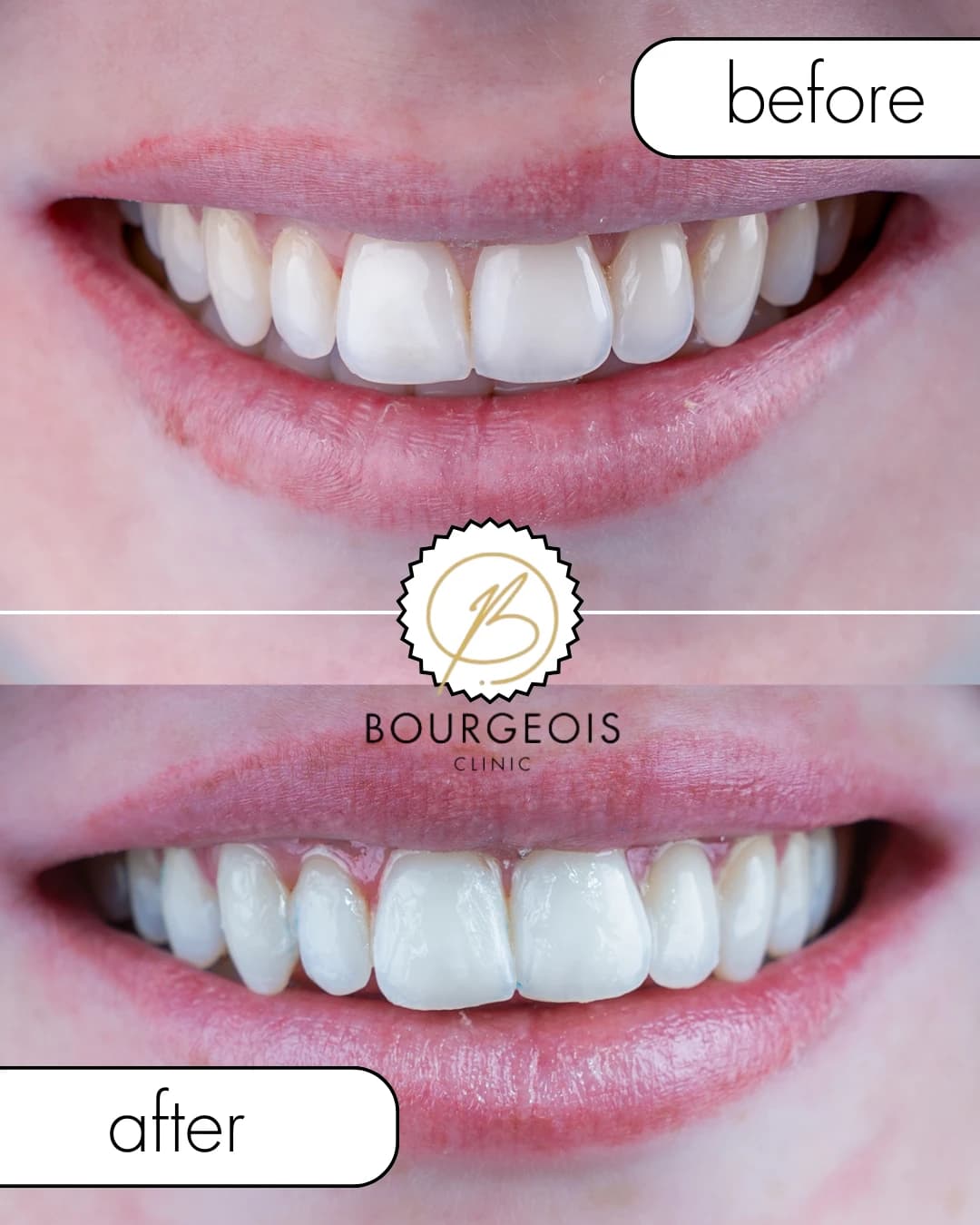
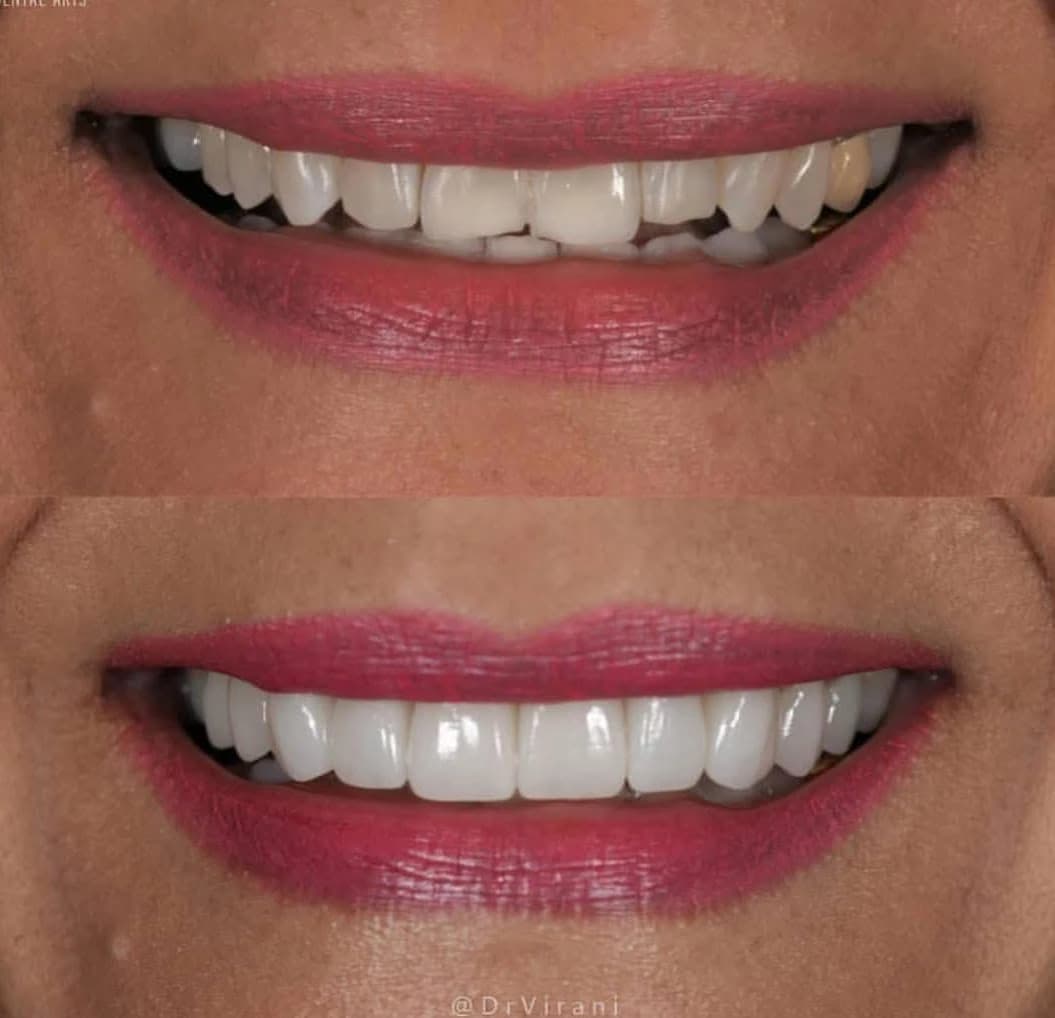
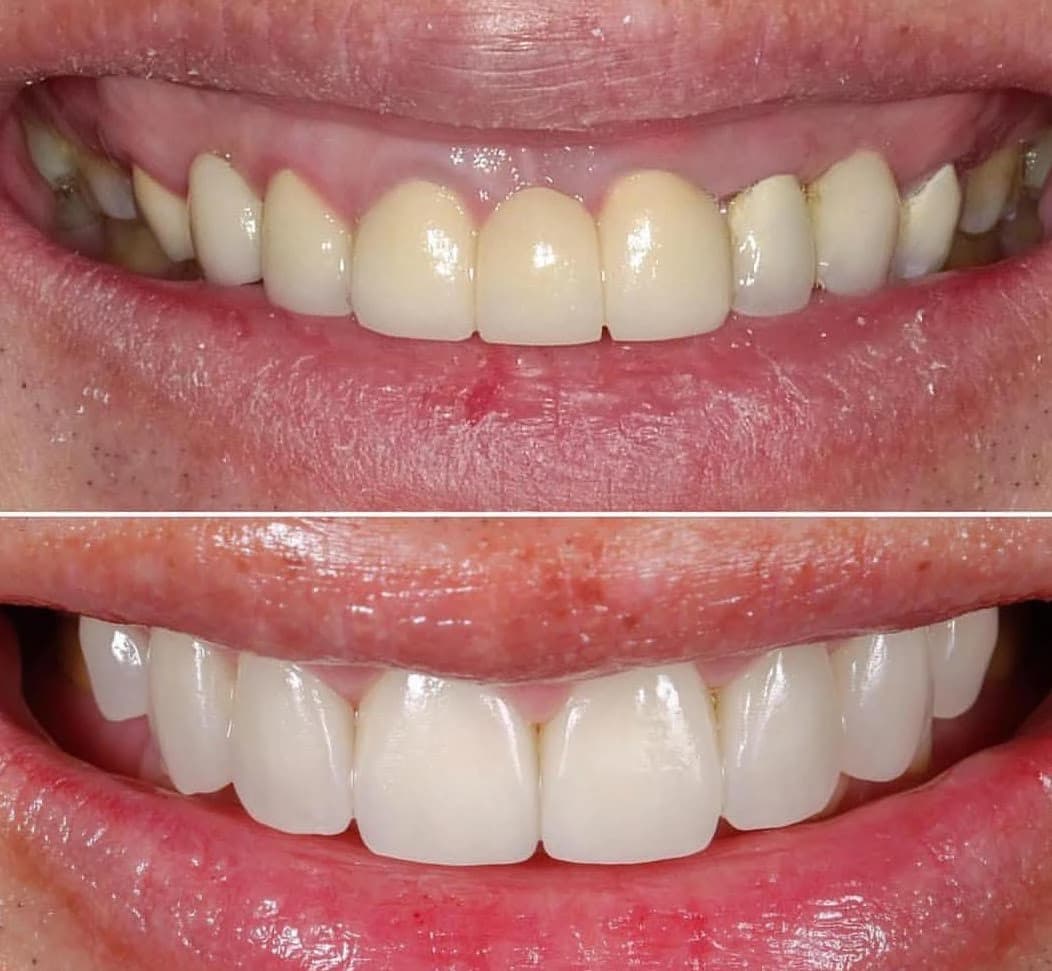
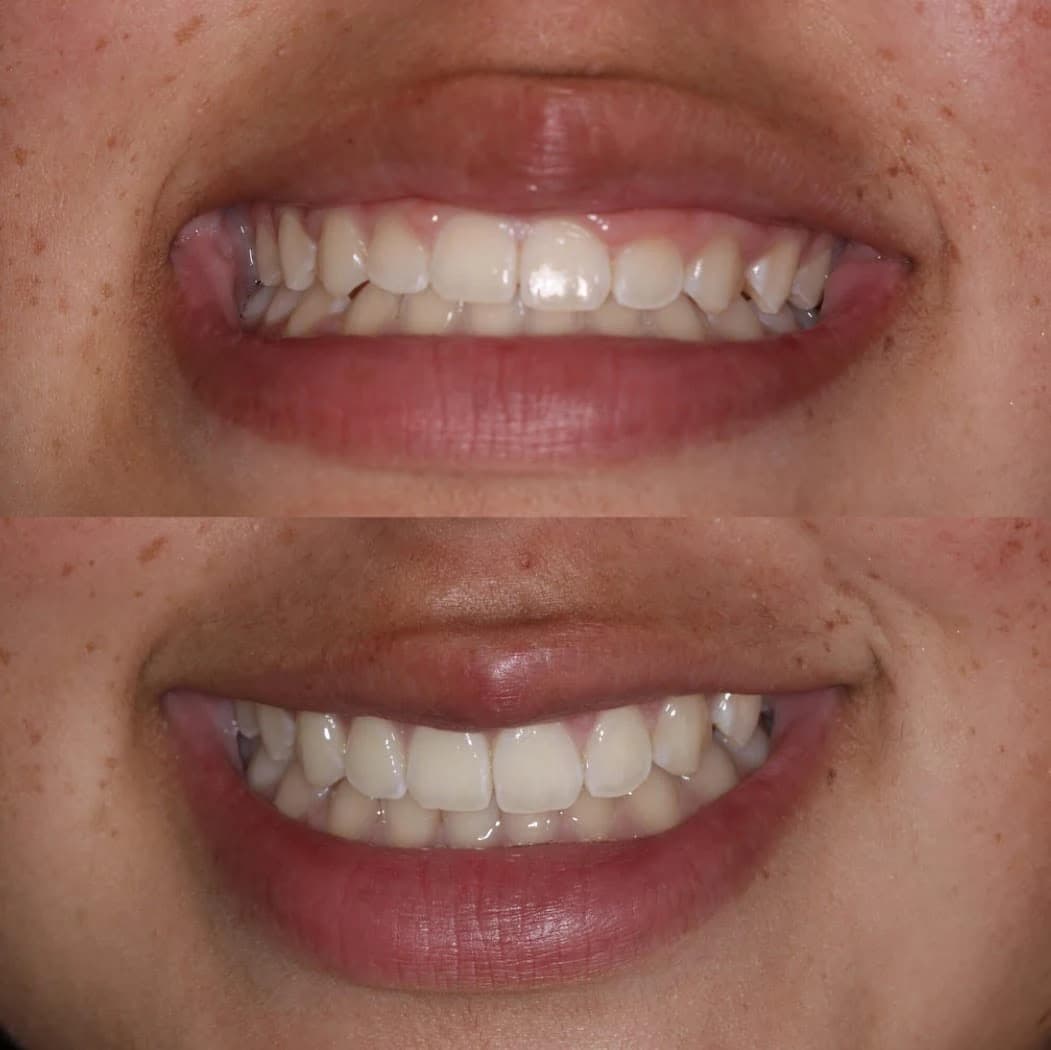
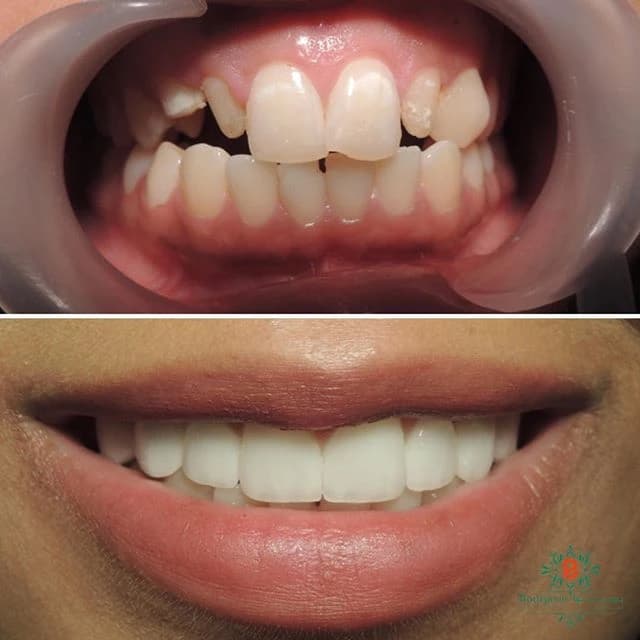
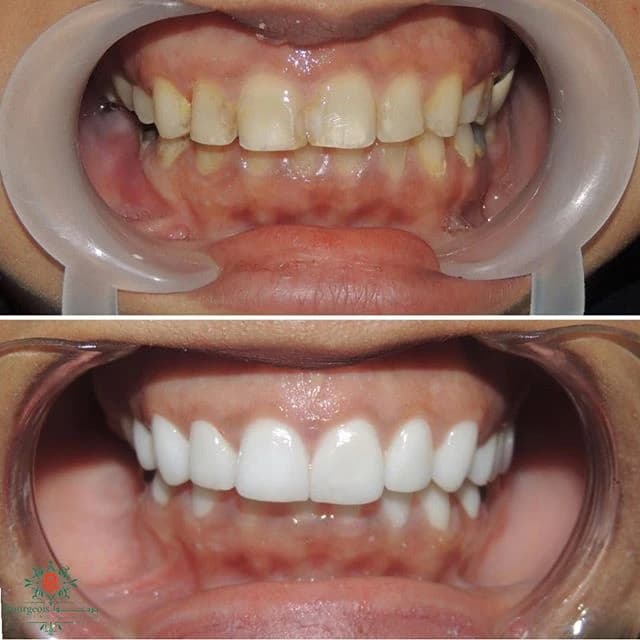
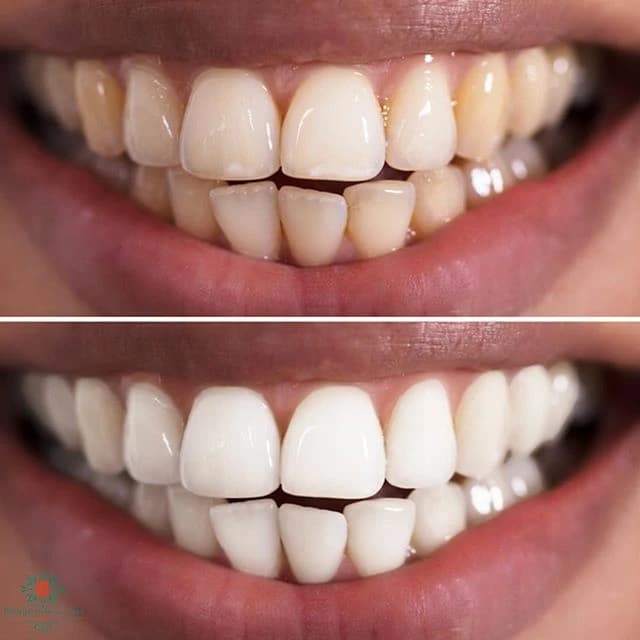
Composite veneers are tooth-coloured resin restorations applied directly over a larger portion of the visible surface of suitable front teeth. They may be used to improve tooth colour, shape, length, proportions, spacing, and symmetry. At Bourgeois Dental Clinic in Dubai, treatment begins with an assessment of the teeth, gums, enamel, bite, existing restorations, and cosmetic goals.
What Are Composite Veneers?
Composite veneers are created using dental composite resin, which is applied, shaped, hardened, finished, and polished directly on the teeth. Unlike porcelain veneers, they are usually completed without sending the restorations to a dental laboratory.
The treatment may involve one tooth, several teeth, or the visible front section of the smile. The number of teeth treated depends on the smile width, tooth condition, colour differences, alignment, and desired result.
What Can Composite Veneers Improve?
Composite veneers may be considered for suitable patients with:
- Uneven or irregular tooth shapes
- Minor chips and worn tooth edges
- Small gaps between front teeth
- Teeth that appear short or narrow
- Selected tooth discolouration
- Minor visual alignment concerns
- Differences in tooth length or proportions
- Old composite restorations that require replacement
- Several cosmetic concerns affecting the front teeth
Composite veneers are not appropriate for every condition. Significant crowding, major tooth damage, deep decay, severe discolouration, large existing fillings, or heavy grinding may require orthodontics, ceramic veneers, crowns, or other restorative treatment.
Who May Be Suitable for Composite Veneers?
Potential candidates generally have healthy or appropriately treated teeth and gums, adequate tooth structure, realistic expectations, and a bite that can support the restorations.
The dentist may need to address the following before treatment:
- Active tooth decay
- Gum inflammation or periodontal disease
- Dental infection
- Large cracks or fractures
- Unstable or failing restorations
- Significant crowding or rotation
- Severe grinding or clenching
- Insufficient space for the planned composite
- Poor oral hygiene
What Happens During a Composite-Veneer Consultation?
The dentist discusses what you would like to improve and whether you prefer a subtle, natural result or a brighter and more uniform smile.
The assessment may include:
- Dental examination: The teeth are checked for decay, cracks, sensitivity, previous treatment, and remaining tooth structure.
- Gum assessment: Gum health, recession, inflammation, and gumline symmetry are reviewed.
- Tooth-colour assessment: Natural shade, staining, discolouration, and existing restorations are considered.
- Shape and proportion analysis: Tooth width, length, edges, and relationship to neighbouring teeth are evaluated.
- Bite assessment: Tooth contacts, jaw movement, grinding, and clenching are assessed because they can affect durability.
- Smile planning: Photographs, digital scans, or a smile-design assessment may be used when several teeth are involved.
- Treatment discussion: Alternatives, preparation, expected maintenance, limitations, and future repair needs are explained.
How Are Composite Veneers Applied?
The exact technique varies according to the number of teeth and planned changes. Treatment commonly includes:
- Shade selection: The dentist selects a composite shade that matches the natural teeth or the planned smile colour.
- Tooth preparation: The surfaces are cleaned and prepared. Limited enamel adjustment may be needed in selected areas.
- Adhesive placement: Dental bonding materials are applied to support attachment of the composite.
- Layering: Composite resin is placed in controlled layers to build the planned shape and colour.
- Shaping: Each tooth is contoured according to the desired width, length, edge form, and symmetry.
- Hardening: The material is cured using a dental light.
- Finishing and polishing: The surfaces, edges, and transitions are refined and polished.
- Bite check: The dentist reviews tooth contacts and adjusts the composite when necessary.
Do Composite Veneers Require Tooth Shaving?
Many selected cases require little or no removal of healthy tooth structure. However, minor preparation may be necessary to remove an old restoration, smooth an uneven surface, create space, or avoid making the finished teeth appear bulky.
The amount of preparation depends on the tooth position, colour, shape, existing restorations, and intended change.
What Is the Difference Between Composite Veneers and Composite Bonding?
Composite bonding commonly refers to localised additions used to repair a chip, close a small gap, reshape an edge, or correct a limited defect.
Composite veneers generally cover a larger portion of the visible tooth surface and may be selected when broader changes in colour, shape, length, or proportions are planned.
Both treatments use composite resin, and the terminology may overlap. The dentist determines the appropriate extent of treatment according to the condition of each tooth.
Composite Veneers or Porcelain Veneers?
Composite veneers are applied directly and may require fewer appointments and less tooth preparation. They can often be repaired by adding or reshaping material.
Porcelain veneers are ceramic restorations produced through a laboratory workflow. They may provide different surface characteristics and greater resistance to colour change, but they usually involve more treatment stages and may require greater preparation.
Composite may stain, lose polish, chip, or wear sooner than ceramic. The preferred option depends on tooth condition, bite, cosmetic goals, maintenance expectations, timeline, and budget.
Can Composite Veneers Close Gaps?
Small spaces may be improved by carefully widening the neighbouring teeth with composite. The dentist must assess tooth proportions, gum health, bite, contact points, and access for cleaning.
Large or multiple spaces may be better treated with orthodontics or a combined orthodontic and cosmetic plan.
Can Composite Veneers Improve Tooth Colour?
Composite can cover selected areas of discolouration and change the visible shade of suitable teeth. However, very dark underlying teeth may require thicker material, additional preparation, or another treatment.
If the natural teeth will be whitened, whitening is generally completed before selecting the final composite shade because whitening does not lighten existing composite.
Can Composite Veneers Correct Crooked Teeth?
They may improve the visual appearance of minor irregularities, rotations, or uneven tooth shapes. Significant crowding, protrusion, or bite problems may require orthodontic treatment.
Adding composite to poorly positioned teeth without adequate space can make the smile appear bulky and may affect the bite or gum health.
Do Composite Veneers Stain?
Composite resin can gradually develop surface staining from tobacco, coffee, tea, strongly coloured foods, and other habits. Professional polishing may improve selected external stains.
Deeper colour changes, worn surfaces, or significant staining may require repair, resurfacing, or replacement.
How Long Do Composite Veneers Last?
The lifespan depends on the amount of composite, tooth location, bite forces, grinding, oral hygiene, diet, smoking, staining habits, and maintenance.
Composite veneers may chip, stain, wear, become rough, or lose their polish over time. They should be considered maintainable restorations rather than permanent or maintenance-free treatment.
Can Teeth Grinding Damage Composite Veneers?
Yes. Grinding and clenching can increase the risk of chipping, cracking, wear, and debonding, particularly around the biting edges.
Patients with signs of bruxism may need bruxism treatment and a custom night guard to help protect the restorations.
Can Composite Veneers Be Repaired?
Selected chips, worn sections, rough areas, and local defects can often be repaired by adding new composite or reshaping the restoration.
Extensive damage, recurrent decay, repeated failure, major colour changes, or deterioration across several teeth may require complete replacement or consideration of another restorative material.
How to Care for Composite Veneers
- Brush twice daily with fluoride toothpaste
- Clean between the teeth every day
- Avoid biting ice, pens, fingernails, and hard objects
- Do not use the teeth to open packaging
- Limit tobacco and frequent staining habits
- Attend recommended polishing and review appointments
- Manage grinding and clenching
- Use a night guard when advised
- Seek assessment if the composite chips, becomes rough, changes colour, or feels uncomfortable
Composite Veneers on Sheikh Zayed Road
Bourgeois Dental Clinic is located in Indigo Sky Building, Sheikh Zayed Road, Exit 41, near Al Thanya Street in Dubai. Our clinic is convenient for patients from Al Barsha, Umm Al Sheif, Umm Suqeim, Jumeirah, Al Quoz, Barsha Heights, The Greens, Dubai Marina, and nearby communities.
Book a composite-veneer consultation to assess tooth colour, shape, spacing, alignment, and suitable cosmetic treatment options.
Department
Cosmetic Dentistry
Related Doctors




FAQ
Frequently Asked Questions
BOOK AN
Appointment
Working Hours
We are here to serve you