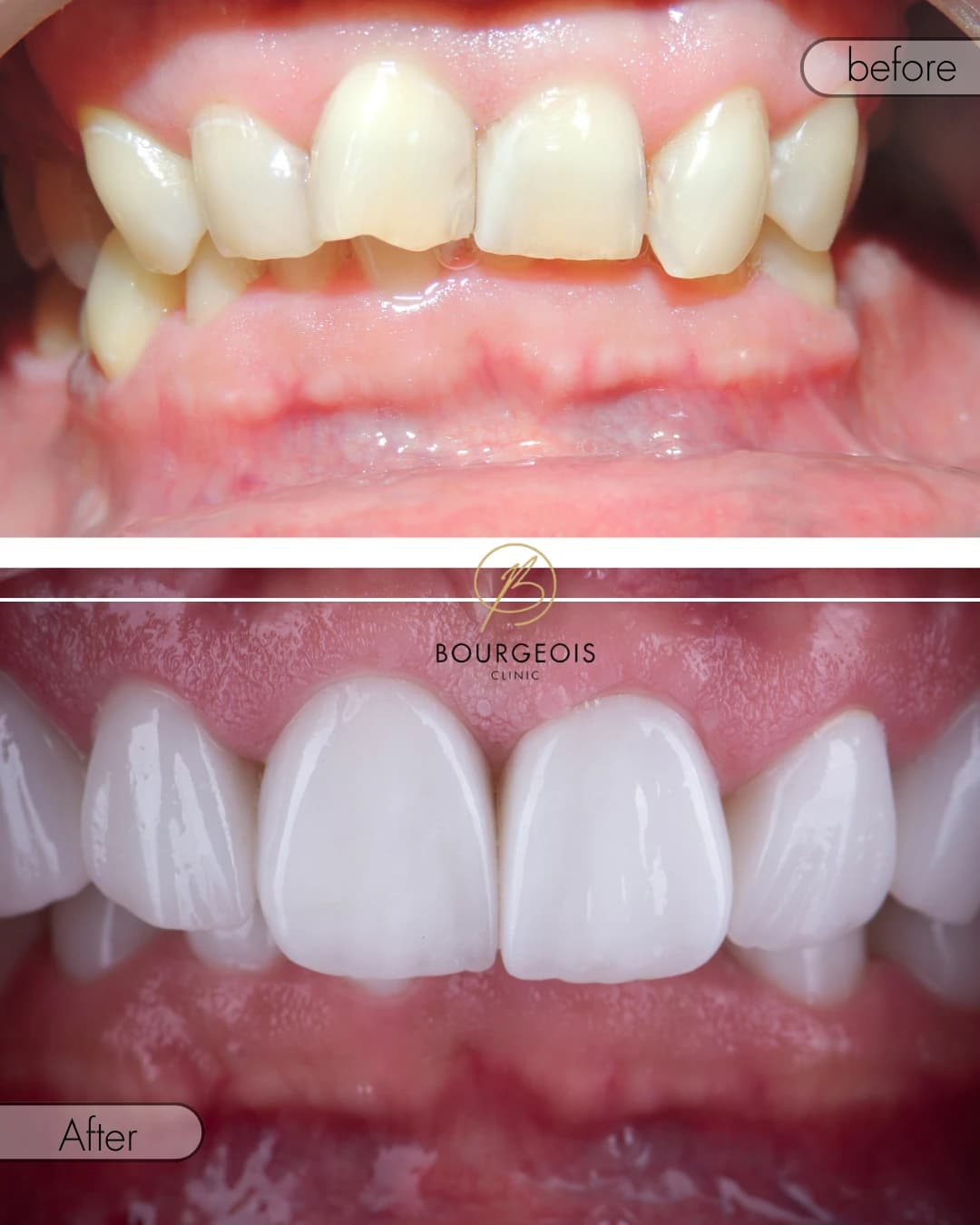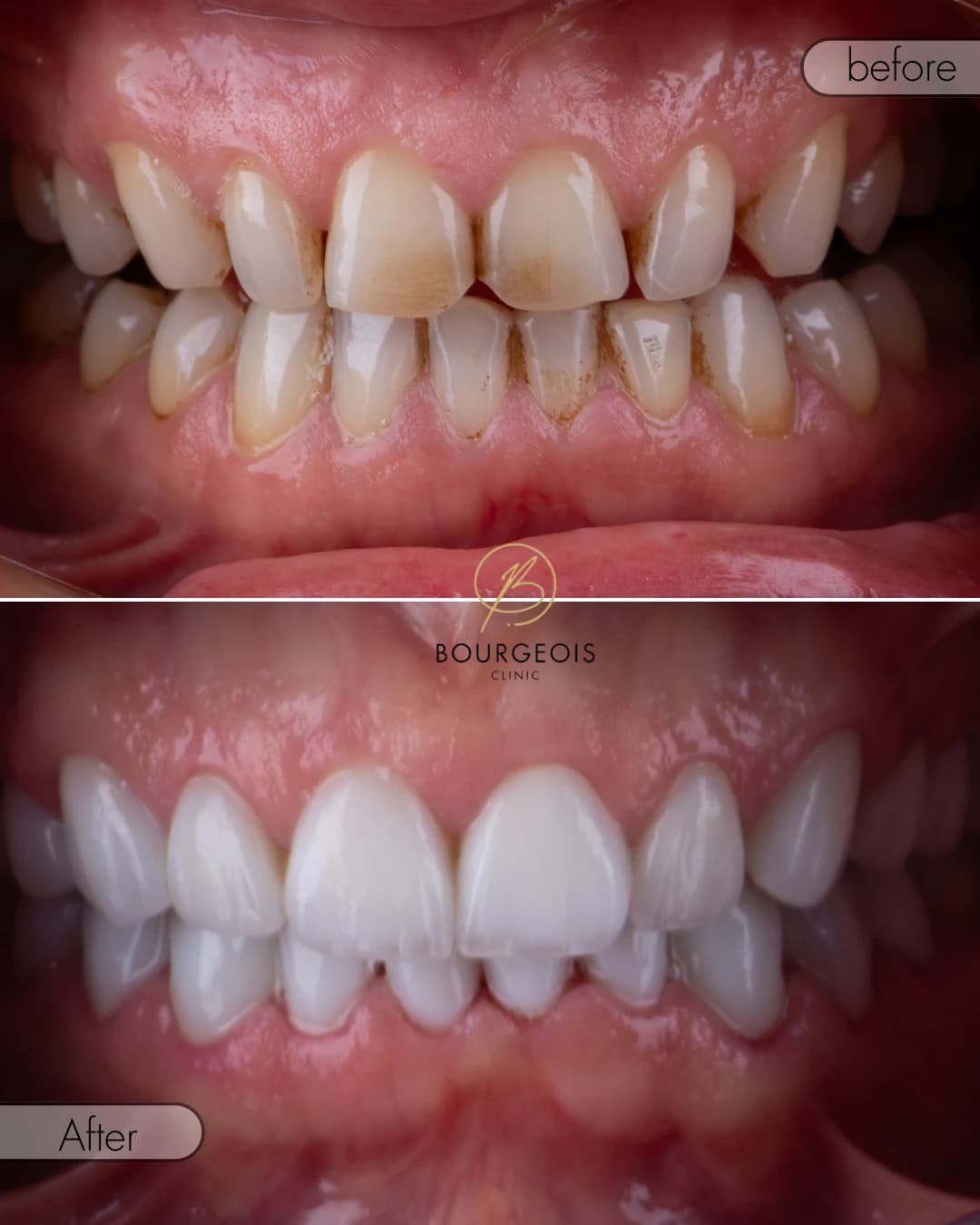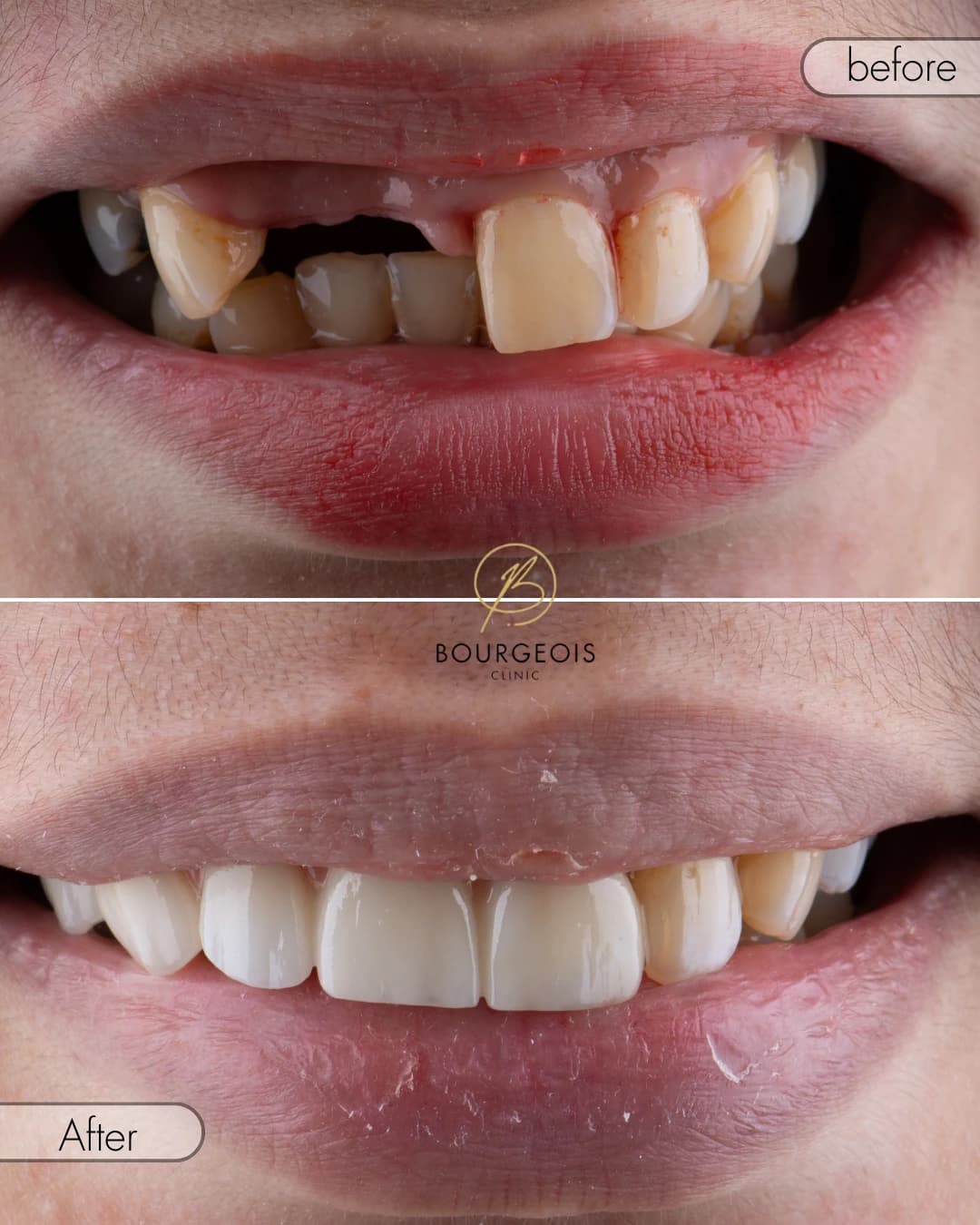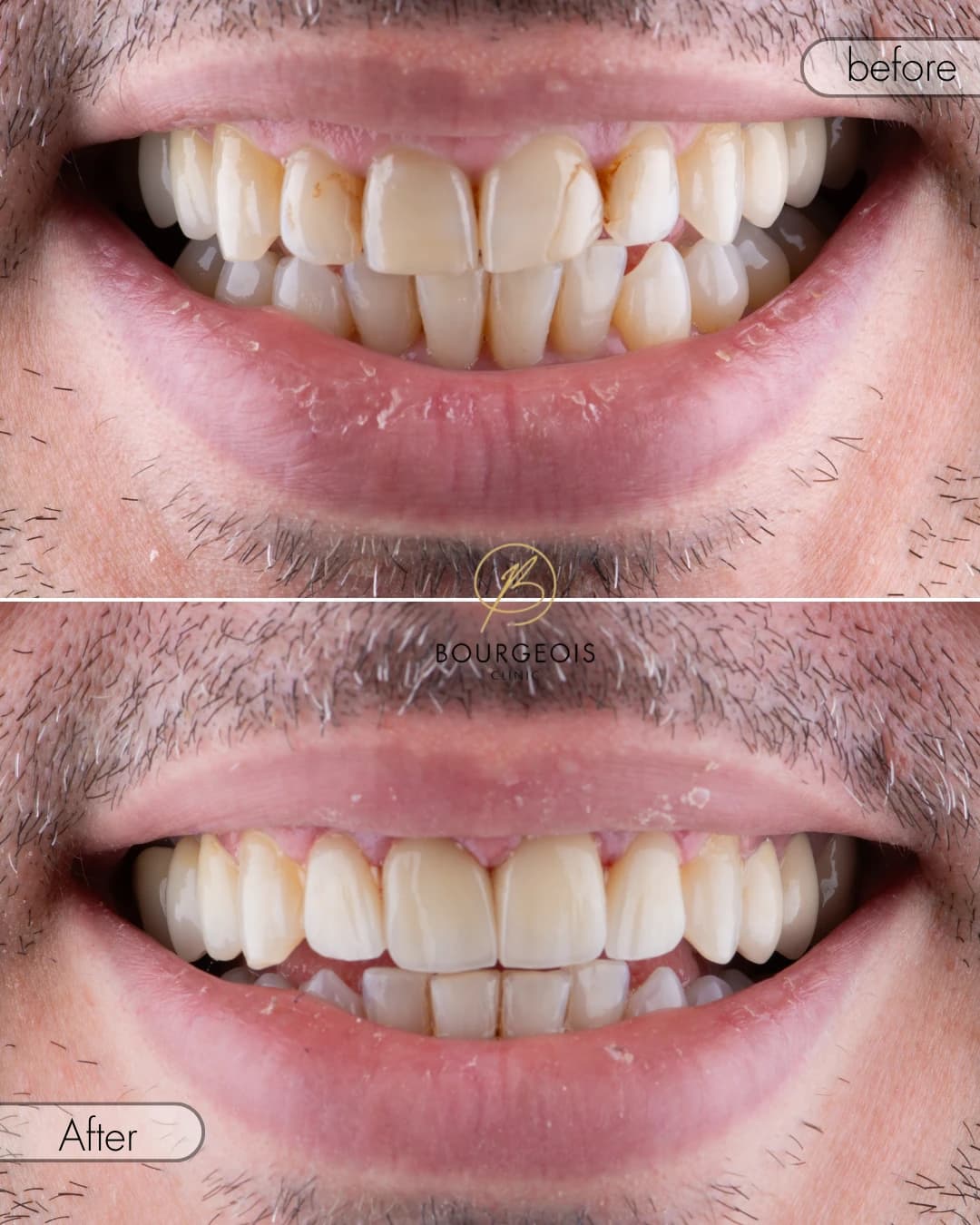



Looking for the Best Dentist for Nervous Patients in Dubai? Meet Dr. Nour
Meet Dr. Nour at Bourgeois Dental Clinic for anxiety-conscious dental care built around calm communication, patient control, staged treatment and nitrous oxide sedation when suitable.

Fear of dental treatment is common, but it can make a routine problem feel impossible to face. Some patients postpone appointments for years because they fear pain, injections, dental sounds, loss of control, bad news or being judged about the condition of their teeth. Searching for the best dentist for nervous patients in Dubai is therefore less about finding a dentist who promises a completely sensation-free visit and more about finding one who listens, assesses the cause of anxiety and builds a realistic plan at a manageable pace.
At Bourgeois Dental Clinic, Dr. Nour Al-Kayem is the CEO, Founder and Lead Dentist. Her profile describes an individualised approach based on detailed assessment, clear communication and treatment suitability. It also states that she is certified in nitrous oxide sedation, which may be considered for selected patients who experience dental anxiety or have difficulty tolerating treatment.
Quick Answer: Can Dr. Nour Help Nervous Dental Patients?
Yes. Dr. Nour can assess anxious patients, discuss what makes treatment difficult and plan supportive measures around the individual. These may include clear explanations, an agreed stop signal, shorter or staged appointments, additional time, careful pain control and nitrous oxide sedation when clinically appropriate.
No single technique is suitable for everyone. Behavioural support and conscious sedation can complement each other, but each appointment still requires an individual review of health, anxiety, treatment needs and safety. Severe dental phobia, complex medical needs or treatment requiring another level of sedation may need referral to an appropriate specialist or hospital-based service.
Dental Nervousness Is Not the Same for Everyone
One patient may feel mildly uneasy before a checkup but remain able to continue. Another may experience intense fear, avoid booking, feel unwell in the waiting room or struggle to tolerate an examination. Some people are comfortable with cleaning but fear injections; others worry most about cost, embarrassment or hearing that many procedures are required.
A useful first question is not simply “Are you nervous?” but “Which part of the visit feels hardest?” Understanding the trigger helps the dentist choose practical support rather than assuming every anxious patient needs sedation.
| Possible anxiety trigger | Support that may be discussed |
|---|---|
| Fear of pain | Explanation of anaesthesia, testing numbness and agreeing how discomfort will be reported |
| Fear of injections | Step-by-step discussion, topical measures where appropriate and avoiding unexpected actions |
| Loss of control | A clear stop signal, planned breaks and permission to pause |
| Dental sounds or smells | Advance warning, distraction and shorter exposure when practical |
| Embarrassment | Non-judgmental language and focus on the next achievable health step |
| Bad previous experience | Time to describe what happened and agree what should be different |
| Uncertainty about cost | A written, prioritised plan before elective treatment begins |
Meet Dr. Nour Al-Kayem
Dr. Nour earned her Doctor of Dental Surgery degree in 2005 and leads Bourgeois Dental Clinic in Dubai. Her published clinical scope includes general dentistry, aesthetic dentistry, prosthetic rehabilitation and dental care for children.
This broad scope can be helpful for patients who have delayed care and now need several concerns assessed together. Instead of discussing only the tooth that hurts, the visit can establish what is urgent, what can wait, which treatment may be combined and when another dentist or specialist should become involved.
Her profile also records certification in nitrous oxide sedation. This qualification supports assessment of an additional anxiety-management option, but it does not mean sedation should be used automatically or that it replaces diagnosis, local anaesthesia or good communication.
Your First Visit Does Not Have to Begin with Treatment
For a nervous patient without an urgent problem, the first appointment may focus on conversation, examination and planning. Tell the clinic about your anxiety when booking so reasonable time can be arranged and the dentist understands that building trust is one of the goals.
During a dental checkup in Dubai, Dr. Nour may review medical history, medicines, allergies, symptoms, previous dental experiences and the specific situations that trigger fear. The clinical examination can then be paced according to what is safe and achievable.
Photographs, scans or radiographs may be recommended when they provide information needed for diagnosis. Records should be selected according to clinical need, not used as a substitute for listening to the patient or explaining the findings.
A Stop Signal Can Restore a Sense of Control
Many nervous patients fear being unable to pause once a procedure begins. Before treatment, the dentist and patient can agree on a simple signal, such as raising a hand. The team should explain when it is safe to stop immediately and when an instrument may first need to be removed carefully.
A stop signal works best when both sides respect it. The patient agrees to communicate early rather than waiting until anxiety becomes overwhelming, while the dental team acknowledges the signal, pauses and clarifies what is needed before continuing.
Clear Explanations Without Too Much Information
Some patients feel calmer when every step is explained. Others become more anxious when they hear detailed descriptions. The dentist can ask how much information the patient prefers and whether explanations should come before the appointment, immediately before each step or only when requested.
Good communication avoids surprises while remaining proportionate. It should cover what the patient may feel, how long a step may take, what sounds or pressure are normal and which sensations should be reported. Promising that the patient will feel absolutely nothing can damage trust if pressure, vibration or temporary sensitivity occurs.
Local Anaesthesia and Sedation Have Different Roles
Local anaesthesia is used to numb the treatment area and control procedural pain. Sedation is used to reduce anxiety and improve tolerance. A relaxed patient may still require local anaesthesia for a procedure, and a numb mouth does not automatically remove fear.
Understanding this distinction helps patients ask the right questions. Before treatment, ask how numbness will be achieved and checked, what sensations may remain and what anxiety-management options are being considered separately.
What Is Nitrous Oxide Sedation?
Nitrous oxide mixed with oxygen is a form of conscious inhalation sedation. It is breathed through a nasal mask to help selected patients feel calmer while remaining responsive. Suitability, administration, monitoring and recovery instructions must be determined by the treating clinician.
Dr. Nour’s profile states that nitrous oxide may be considered for suitable patients who experience dental anxiety, have difficulty tolerating treatment or need additional support during a procedure. It is not required for every nervous patient and may be unsuitable in some medical, respiratory or treatment circumstances.
Assessment Before Nitrous Oxide
The dentist needs an accurate medical history before deciding whether inhalation sedation is appropriate. Patients should report health conditions, medicines, allergies, pregnancy, recent illness, blocked nose or congestion, breathing concerns and previous reactions to sedation or anaesthesia.
The team should explain preparation instructions, monitoring, expected sensations, alternatives and what happens after the appointment. Follow the clinic’s instructions regarding food, medicines, transport, driving and return to normal activity rather than relying on general advice from another patient or online post.
Behavioural Support and Sedation Can Work Together
Sedation is not a replacement for respectful communication. A patient may still benefit from a stop signal, predictable explanations, comfortable pacing and gradual exposure. Likewise, behavioural techniques are not a test of willpower; some patients need additional clinical support to complete necessary care safely.
The most appropriate approach may change between procedures. A checkup may be manageable without sedation, while a longer or more invasive appointment may require a different plan. Each treatment episode should be reviewed rather than assuming that one decision applies forever.
Creating a Staged Treatment Plan
When anxiety has led to delayed care, the full treatment list can feel overwhelming. The General Dentistry Department can help organise findings into clear priorities:
- Urgent: pain, swelling, infection, trauma or a problem at risk of worsening quickly.
- Disease control: decay, gum inflammation, hygiene needs and temporary stabilisation.
- Definitive treatment: fillings, root-canal care, crowns, extractions or other necessary procedures.
- Elective improvement: whitening, veneers or other cosmetic goals after health is stable.
- Maintenance: recalls and preventive care based on individual risk.
A written sequence lets the patient see that everything does not have to happen at once. It also clarifies which appointments may be short, which may need sedation and which require a specialist.
If You Have Not Visited a Dentist for Years
Embarrassment is a major barrier for many adults. A professional dental consultation should focus on the current condition and the next useful step, not shame the patient for past avoidance. Honest information remains necessary, but it can be delivered respectfully.
Tell the dentist how long it has been and what stopped you from attending. This information may change how the examination is paced and how the plan is presented. The first goal may be relief and stability rather than completing an ideal full-mouth plan immediately.
Managing an Urgent Dental Problem When You Are Anxious
Severe pain, facial swelling, dental trauma or suspected infection should not be postponed solely because of fear. Contact the clinic and describe both the symptoms and the anxiety so the team can plan the assessment appropriately.
An emergency dental consultation in Dubai aims to identify the cause, assess urgency and discuss immediate options. Facial swelling with breathing or swallowing difficulty, uncontrolled bleeding, serious injury or severe illness may require emergency medical care rather than a routine dental appointment.
Preparing for a Calmer Appointment
- Tell the clinic about your anxiety when booking.
- Choose a time when you are less rushed or fatigued.
- Write down your main fears, medicines, allergies and questions.
- Ask whether a consultation-only visit is reasonable when the problem is not urgent.
- Agree on a stop signal before the examination or procedure.
- Follow the clinic’s preparation instructions exactly if sedation is planned.
- Avoid self-medicating with alcohol, sedatives or someone else’s prescription.
- Ask in advance whether you need an escort or should avoid driving.
Questions to Ask Dr. Nour
- Which part of my treatment is urgent?
- Can the first visit focus on examination and planning?
- How will we communicate if I need to stop?
- What sensations should I expect during the procedure?
- How will local anaesthesia be given and checked?
- Could shorter or staged appointments work for me?
- Is nitrous oxide suitable for my health and treatment?
- What alternatives exist if it is not suitable?
- Who will monitor me if sedation is used?
- What preparation, transport and aftercare instructions apply?
- What is included in the written treatment cost?
- When would you refer me for specialist anxiety or sedation care?
Warning Signs When Choosing Anxiety-Conscious Dental Care
- Guaranteeing a painless or fear-free result before assessment
- Dismissing anxiety as childish or refusing reasonable questions
- Recommending sedation without reviewing medical history
- Presenting sedation as a replacement for local pain control
- No explanation of alternatives, monitoring or recovery instructions
- Pressuring the patient into extensive elective treatment immediately
- No referral pathway for complex medical needs or severe dental phobia
- An unclear quotation that excludes sedation, investigations or follow-up
Book a Dental Anxiety Consultation with Dr. Nour
Bourgeois Dental Clinic is located in Office No. 5 on the first floor of Indigo Sky Building, Sheikh Zayed Road, Exit 41, near Al Thanya Street in Dubai. Patients visit from Umm Al Sheif, Al Barsha, Umm Suqeim, Jumeirah, Al Quoz, Barsha Heights, The Greens, Dubai Marina and neighbouring communities.
Book an appointment with Dr. Nour and mention that you feel nervous about dental treatment. The clinic can begin by assessing your concern, oral-health needs and the support that may make care manageable. Nitrous oxide suitability and any need for specialist referral are confirmed individually.
Editorial note: “Best dentist for nervous patients in Dubai” is used as a search phrase and does not represent a universal ranking. Anxiety-management methods, sedation suitability and treatment outcomes vary between patients and procedures.