

Food Trapping Between Teeth in Dubai: Causes and Dental Treatment
Why does food keep getting stuck in the same place?
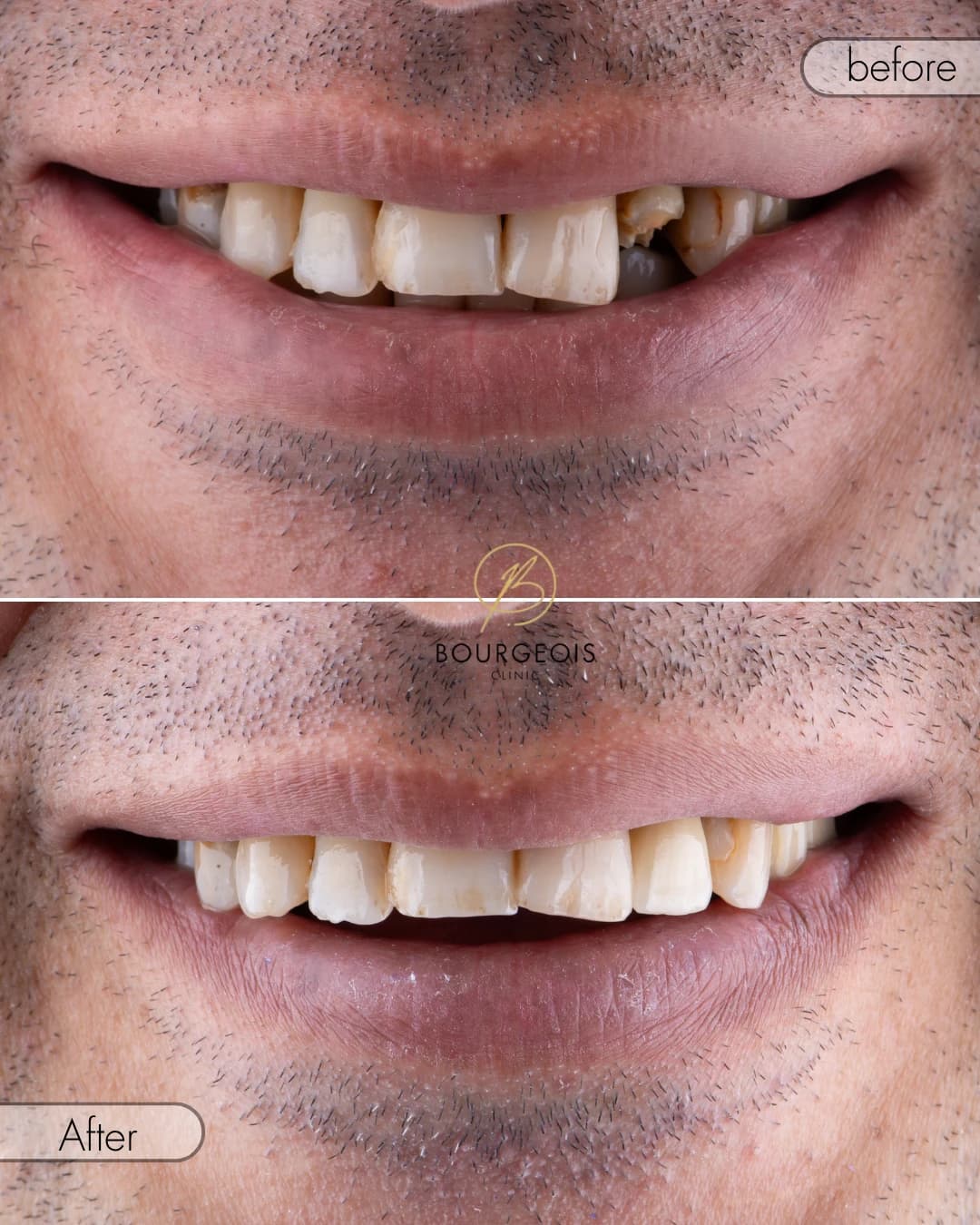
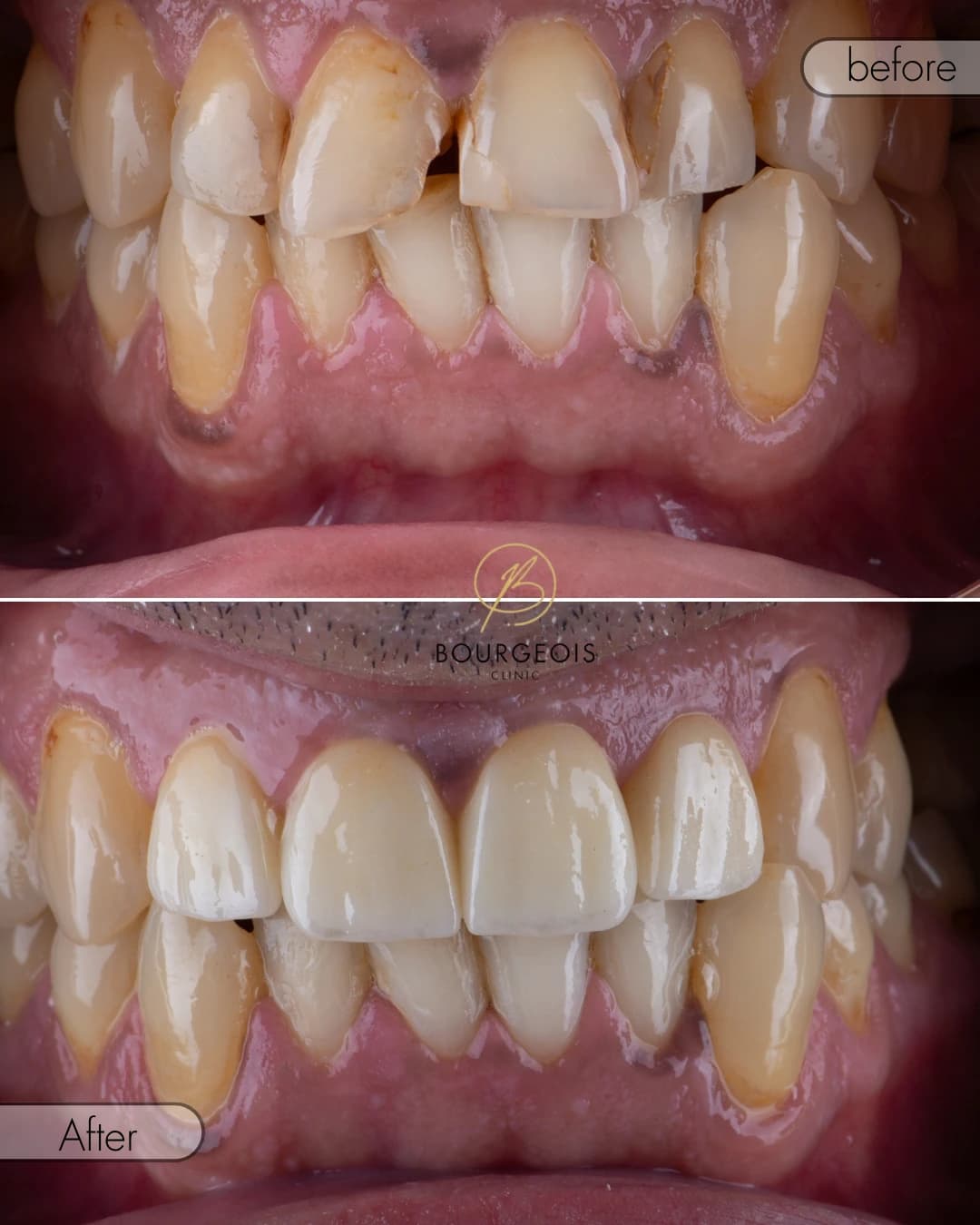
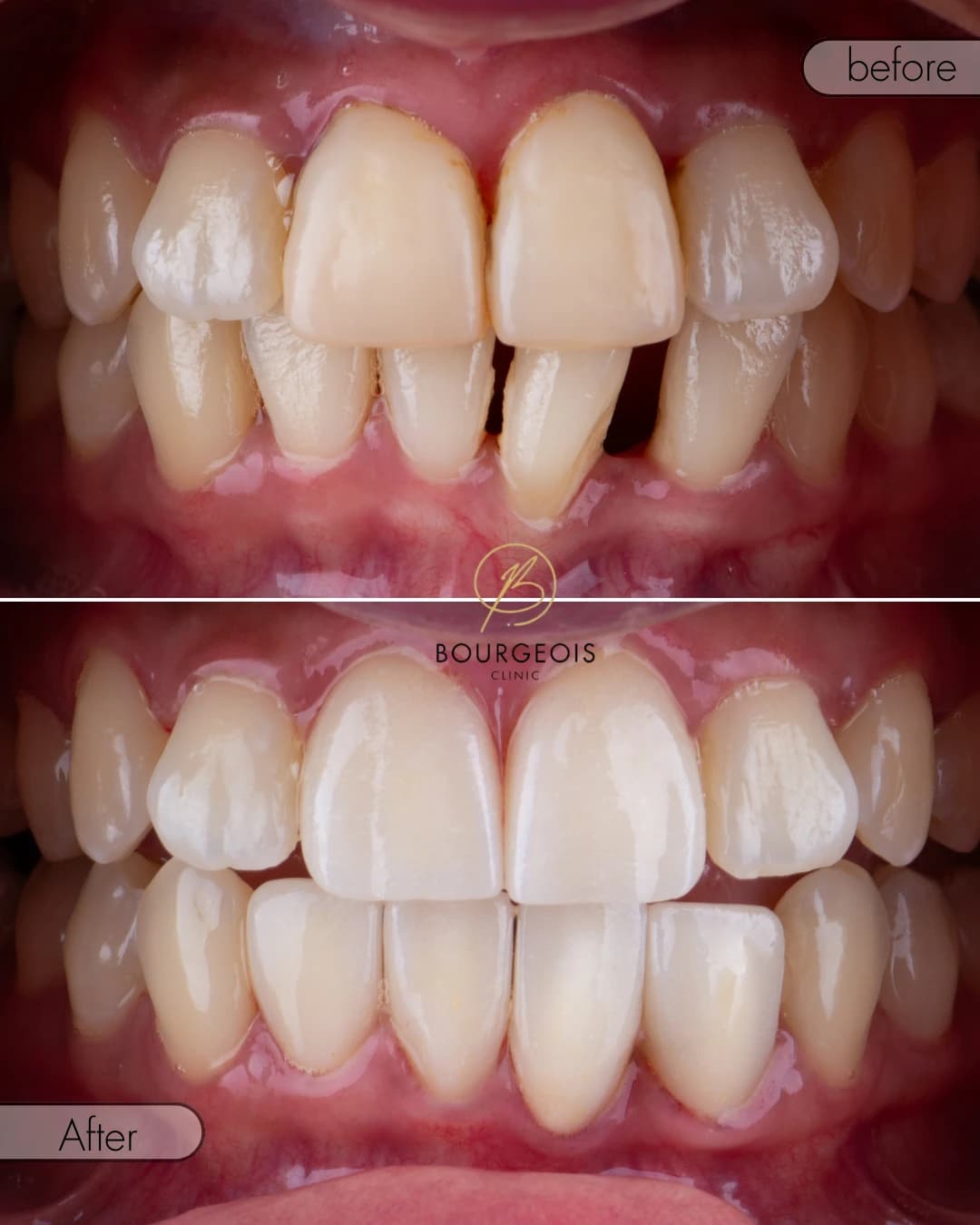
Occasional food between teeth is normal. Repeated trapping in the same site is different: it may mean the contact between two teeth has opened, a filling or crown has changed shape, a tooth has moved, the gum has receded, or bone support has been affected. The food itself is not the diagnosis.
At Bourgeois Dental Clinic in Dubai, the goal is to identify why the space retains food before selecting treatment. A general and aesthetic dentist such as Dr. Nour can begin the examination and coordinate periodontal, orthodontic, restorative or implant input when the cause extends beyond one tooth.
The short answer
Persistent food trapping should be checked when it causes bleeding, tenderness, bad taste, sensitivity, pain or repeated need to force floss through the area. Treatment might involve improving home cleaning, replacing a defective filling, adjusting a restoration, managing gum disease, correcting tooth position or replacing a missing tooth. Closing a visible space without finding its cause can create a bulky restoration or leave disease untreated.
Common causes
An open contact between neighbouring teeth
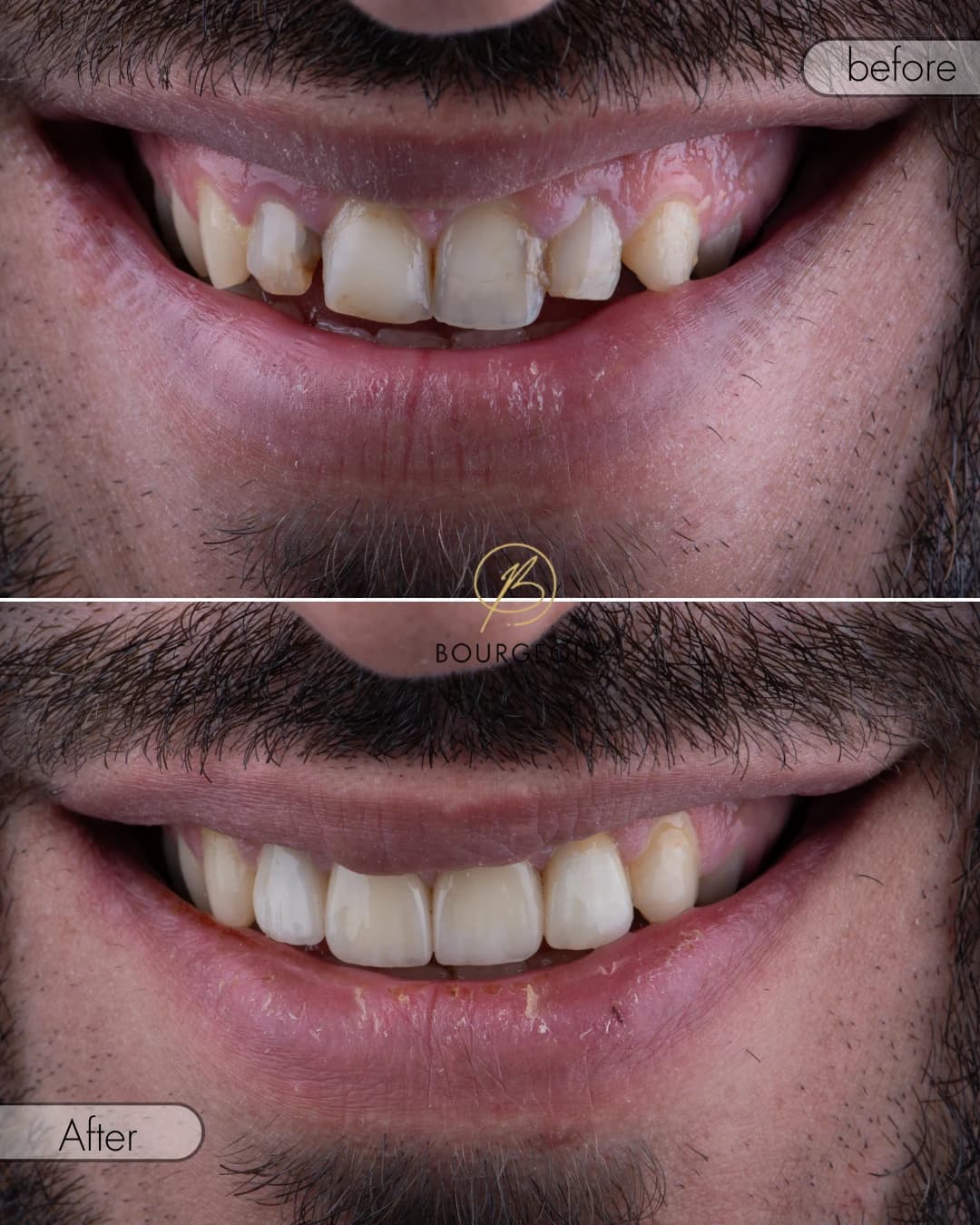
Healthy neighbouring teeth usually touch at a defined contact point that helps direct food away from the gum. A naturally open contact, tooth movement or an incorrectly shaped restoration can allow fibres and meat to pack into the space during chewing.
A worn, broken or poorly contoured filling
A filling may fracture, wear or lose the contour that supports the contact. Decay can also undermine the edge. The solution is not simply to add material from the outside; the dentist must check the filling, remaining tooth and bite. The clinic's guide to tooth-coloured fillings and old-filling replacement explains why not every ageing filling needs the same treatment.
A crown or bridge contact problem
A crown may have an open side contact, or surrounding teeth may shift after it was fitted. Food may also collect beneath a bridge if the underside is not cleaned with the appropriate aid. Persistent trapping around a restoration should be assessed rather than managed indefinitely with toothpicks.
Gum recession or periodontal disease
When gum tissue recedes, larger spaces can open near the roots. Periodontitis may also reduce the bone and tissue supporting teeth, allowing movement and new gaps. Bleeding, mobility, swelling or a widening space are reasons for a periodontal assessment. The relevant team is available through the periodontics and gum-treatment department.
Tooth drifting, crowding or bite changes
Teeth can tilt or rotate after loss of a neighbouring tooth, inconsistent retainer wear or changes in supporting tissues. A contact that looks small from the front may be open farther back. Orthodontic treatment may be more appropriate than widening the teeth with restorations when position is the primary cause.
A missing tooth
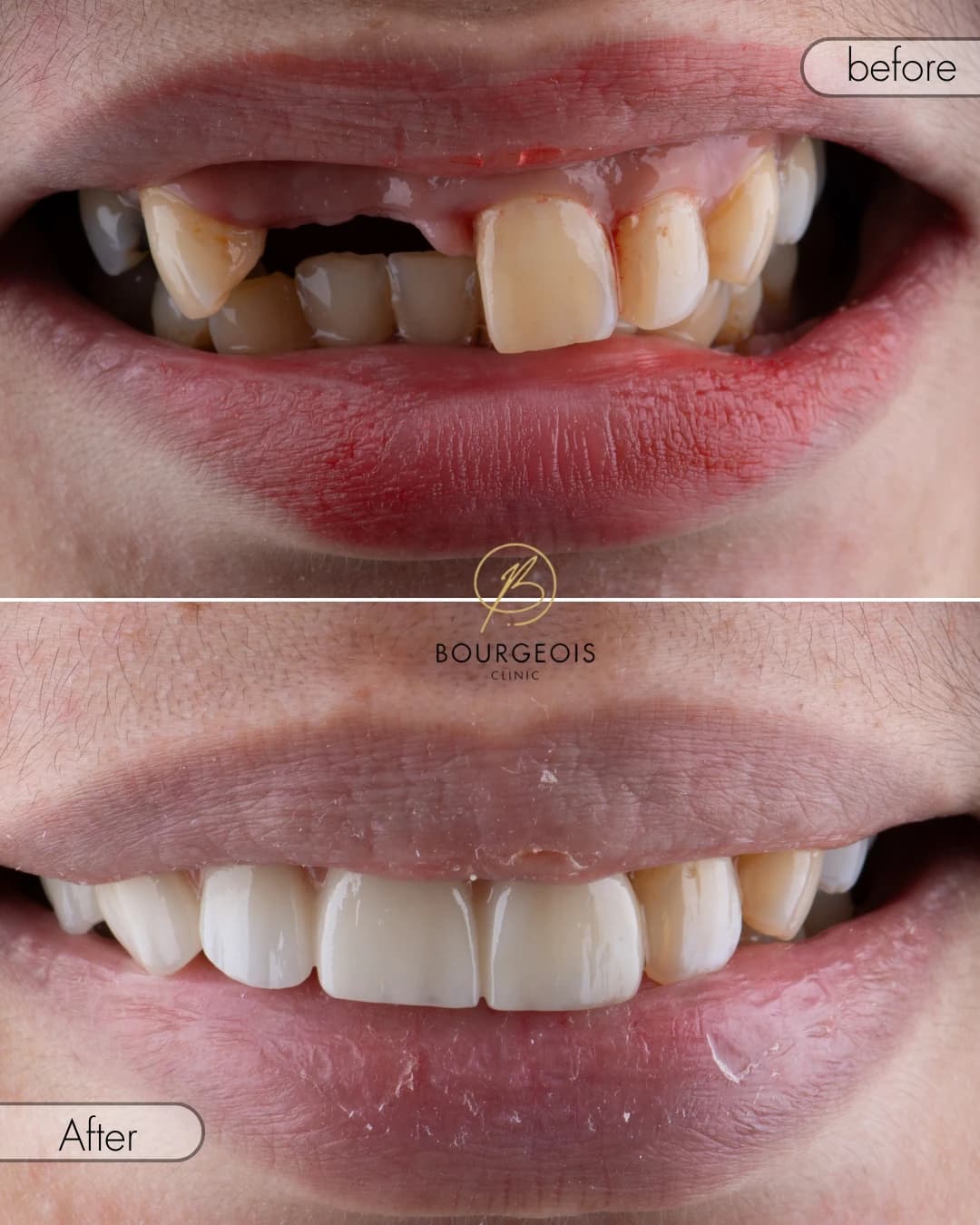
An unreplaced space can allow adjacent teeth to tip and the opposing tooth to move, changing contacts and food pathways. Replacement planning may include a bridge, denture or implant depending on oral health, available bone, bite and patient priorities. The dental implant department assesses suitability when an implant is being considered.
What happens during the examination?
The dentist asks which foods trap, how long it has happened and whether the site bleeds, smells, hurts or catches floss. The area is examined for cavities, defective margins, cracks, gum inflammation, pocket depth and tooth movement. Floss and thin contact strips may test how tightly neighbouring teeth meet. Bite contacts are assessed because chewing forces can separate or damage restorations.
Dental X-rays may be recommended when decay, bone loss, root shape or the edge of a restoration cannot be fully evaluated visually. A dental check-up also reviews other sites so the plan is not based on one symptom alone.
Can cleaning solve the problem?
Professional cleaning removes deposits and helps inflamed gums recover, but it cannot recreate a missing contact or replace lost bone. It may be the first stage when plaque and calculus make the area sore or difficult to assess. The team can demonstrate floss, interdental brushes, water flossers or bridge threaders suited to the shape of the space.
When a filling or crown may need treatment
If a defective restoration is responsible, the dentist considers whether it can be adjusted, repaired or must be replaced. The decision depends on decay, fracture, margin quality, remaining tooth structure and how the new contact can be shaped. Replacing a sound crown solely because food catches nearby may be unnecessary if tooth movement or gum change is the real cause.
When orthodontics may help
Clear aligners or braces may close or redistribute spaces when teeth have drifted or when several contacts are affected. The orthodontist must consider the bite and root positions, not just the visible gap. Retention after movement is important because contacts can reopen.
Why the gap should not be closed automatically
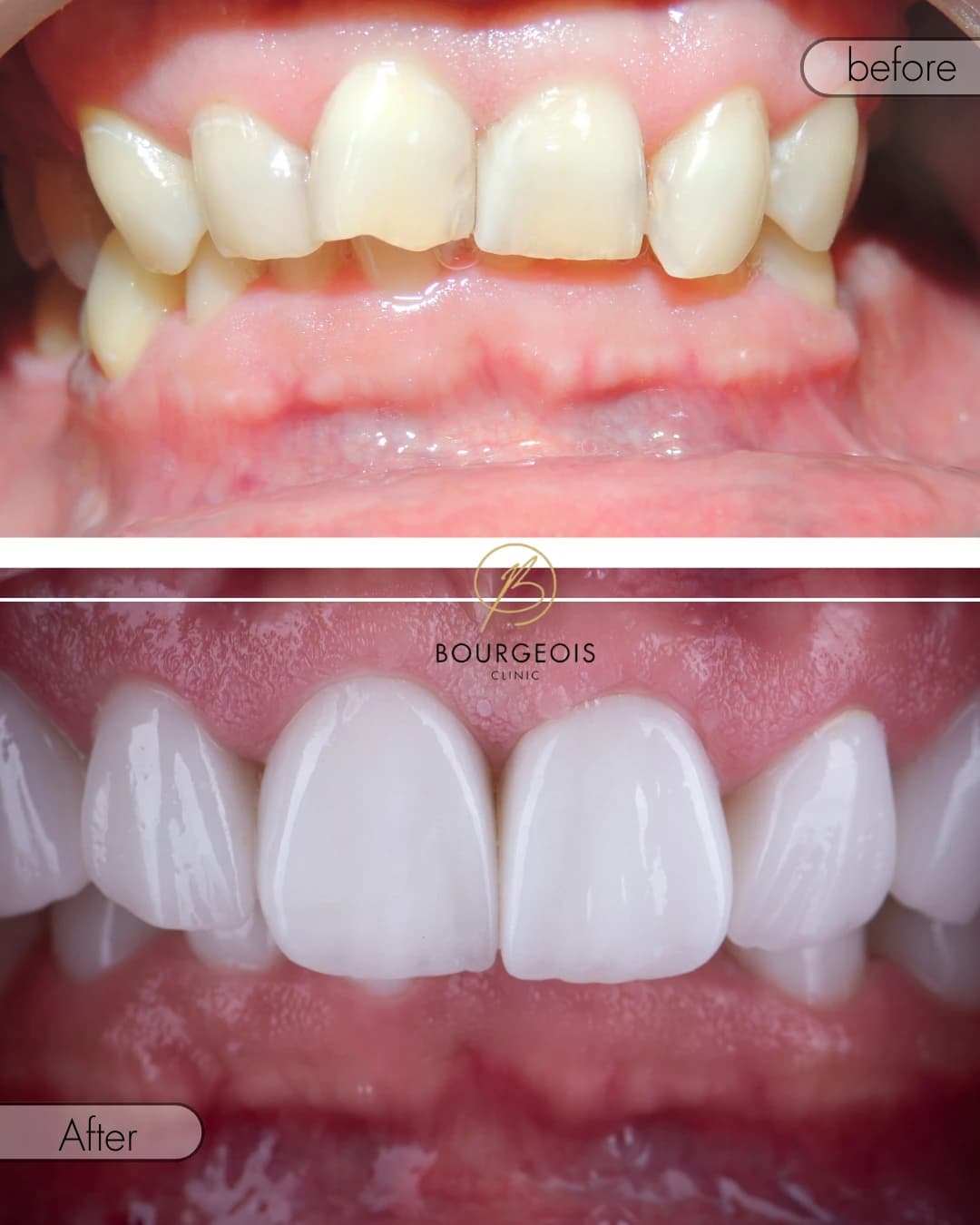
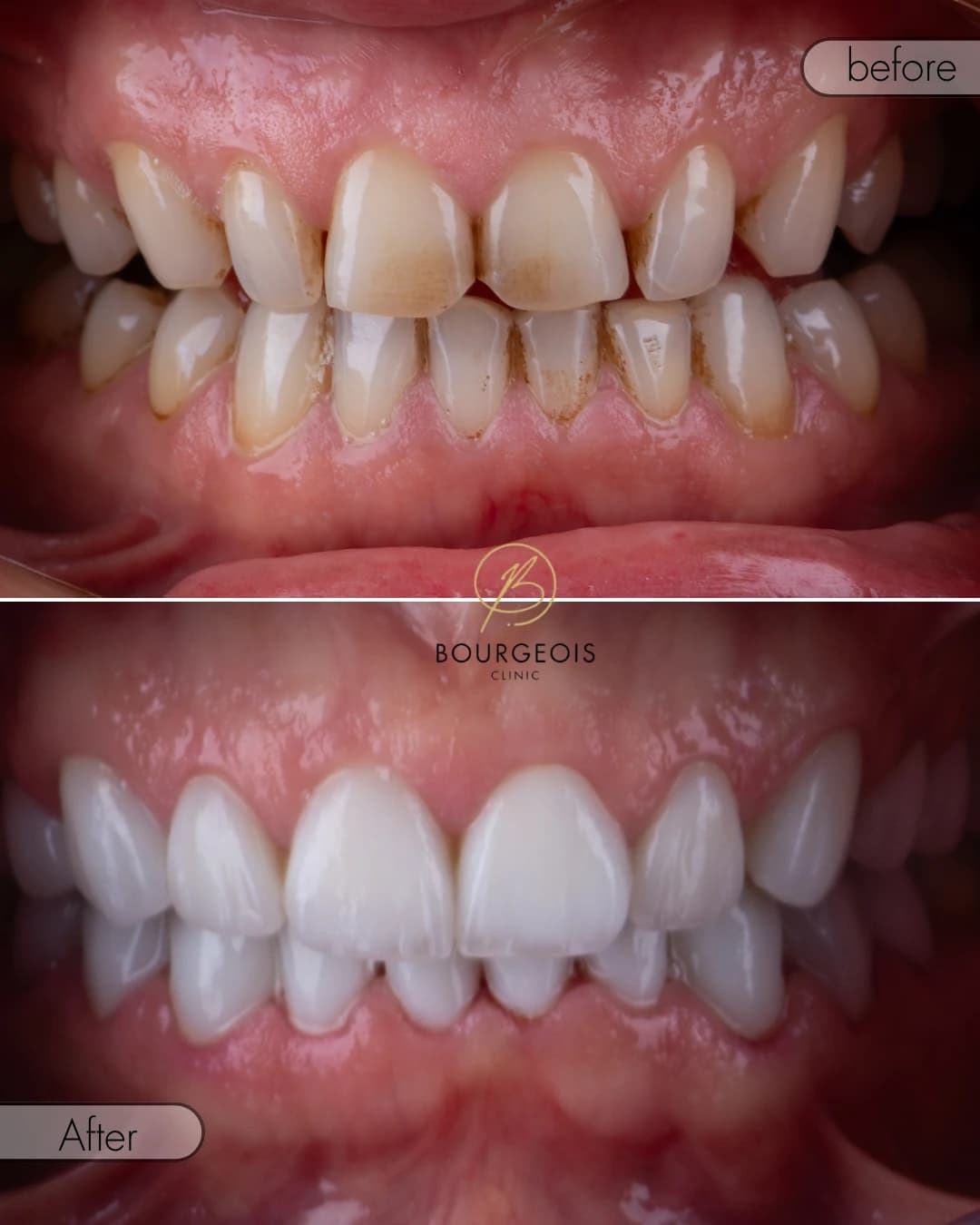
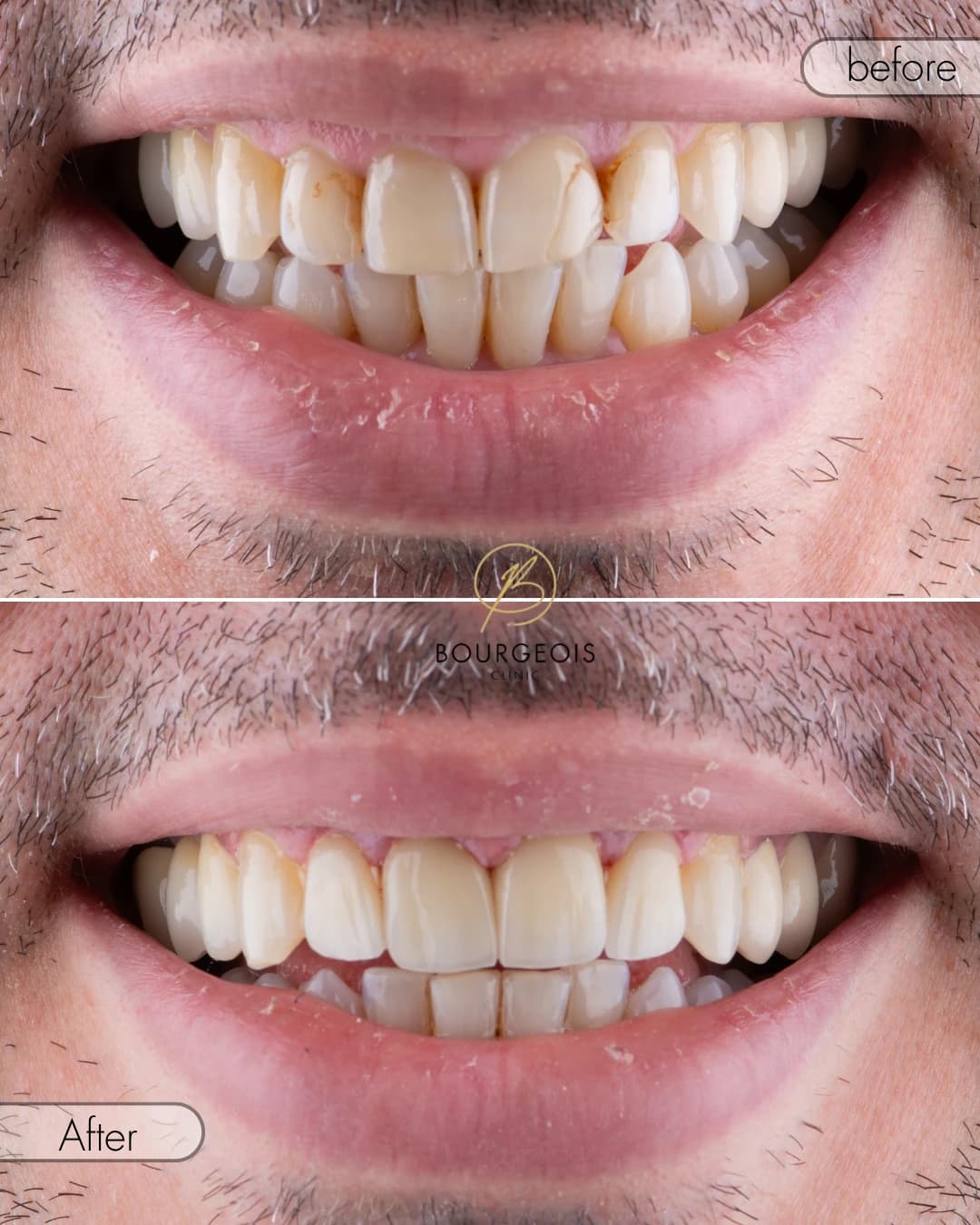
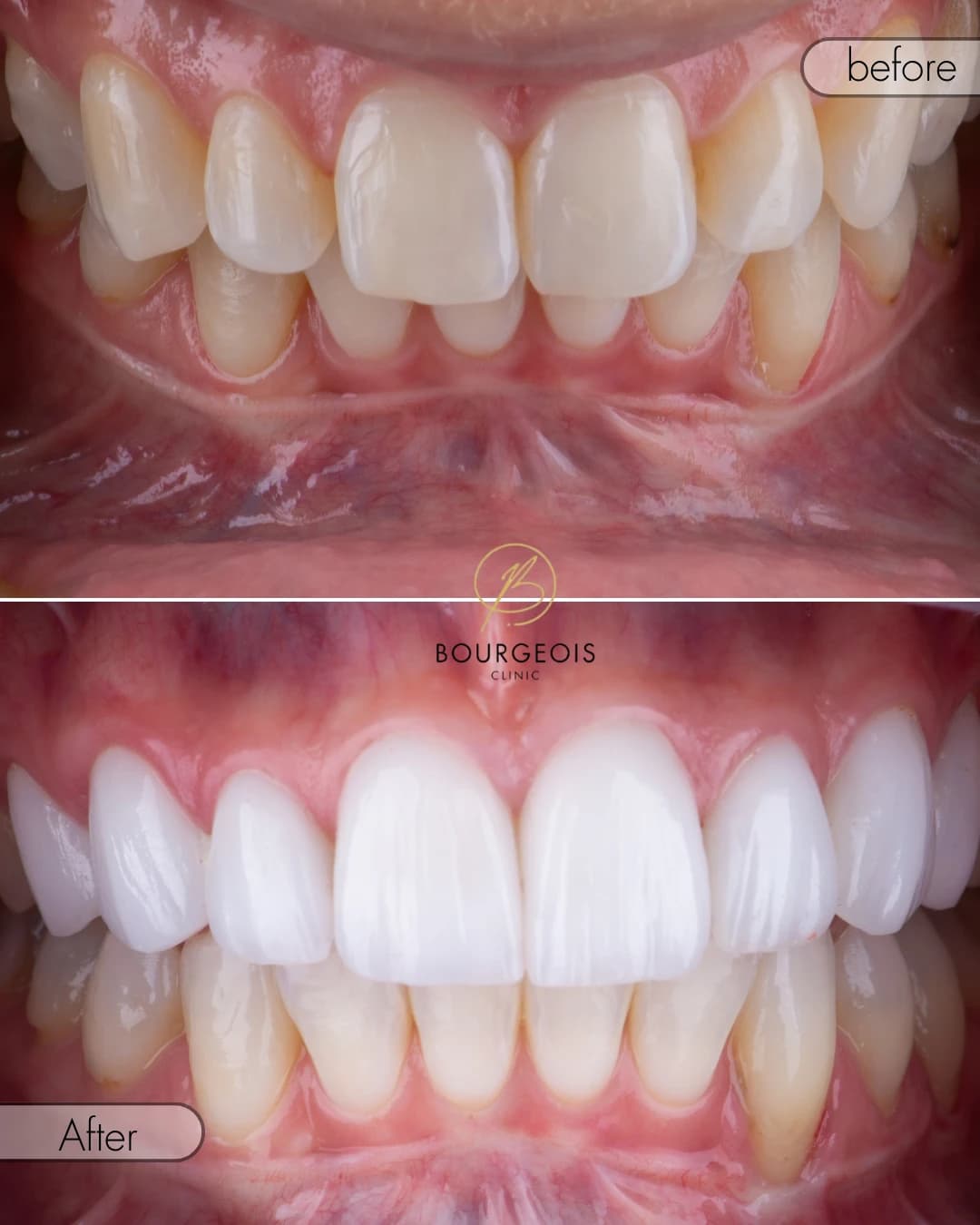
A visible space can tempt patients to request bonding immediately, but closing it may not restore a functional contact. If gum tissue has receded, an overly wide restoration can trap plaque or look unnatural. If teeth are moving because of periodontal disease, masking the gap does not stabilise them. If a neighbouring tooth is missing, widening one crown may worsen proportions. The plan should address the level at which food enters, the direction of chewing force and the cleansability of the final contour.
What can you do until the appointment?
- Clean gently after meals with floss or an appropriately sized interdental brush.
- Do not force sharp toothpicks beneath the gum.
- Note whether the area bleeds, tastes unpleasant or is sensitive.
- Avoid repeatedly snapping floss into sore tissue.
- Seek earlier care for swelling, severe pain, a loose tooth or a broken restoration.
Home care controls debris but does not correct a structural contact problem. If floss tears or shreds at the same point, mention it because a rough margin or decay may be present.
Planning care with Dr. Nour
Dr. Nour can evaluate the tooth surfaces, existing fillings and crowns, gum condition, bite and cosmetic impact of an open space. Minor restorative causes may be addressed directly, while suspected periodontal disease, significant tooth movement or implant needs can be coordinated with the appropriate specialist. This prevents a cosmetic closure from hiding a more important problem.
Book a food-trapping assessment in Dubai
Food trapping that recurs for several weeks or begins suddenly deserves an examination, especially when it is accompanied by bleeding, odour, pain or mobility. Book an appointment at the clinic on Sheikh Zayed Road, Exit 41, and explain the exact location and triggers.
This guide is general information and does not replace a dental or periodontal diagnosis.