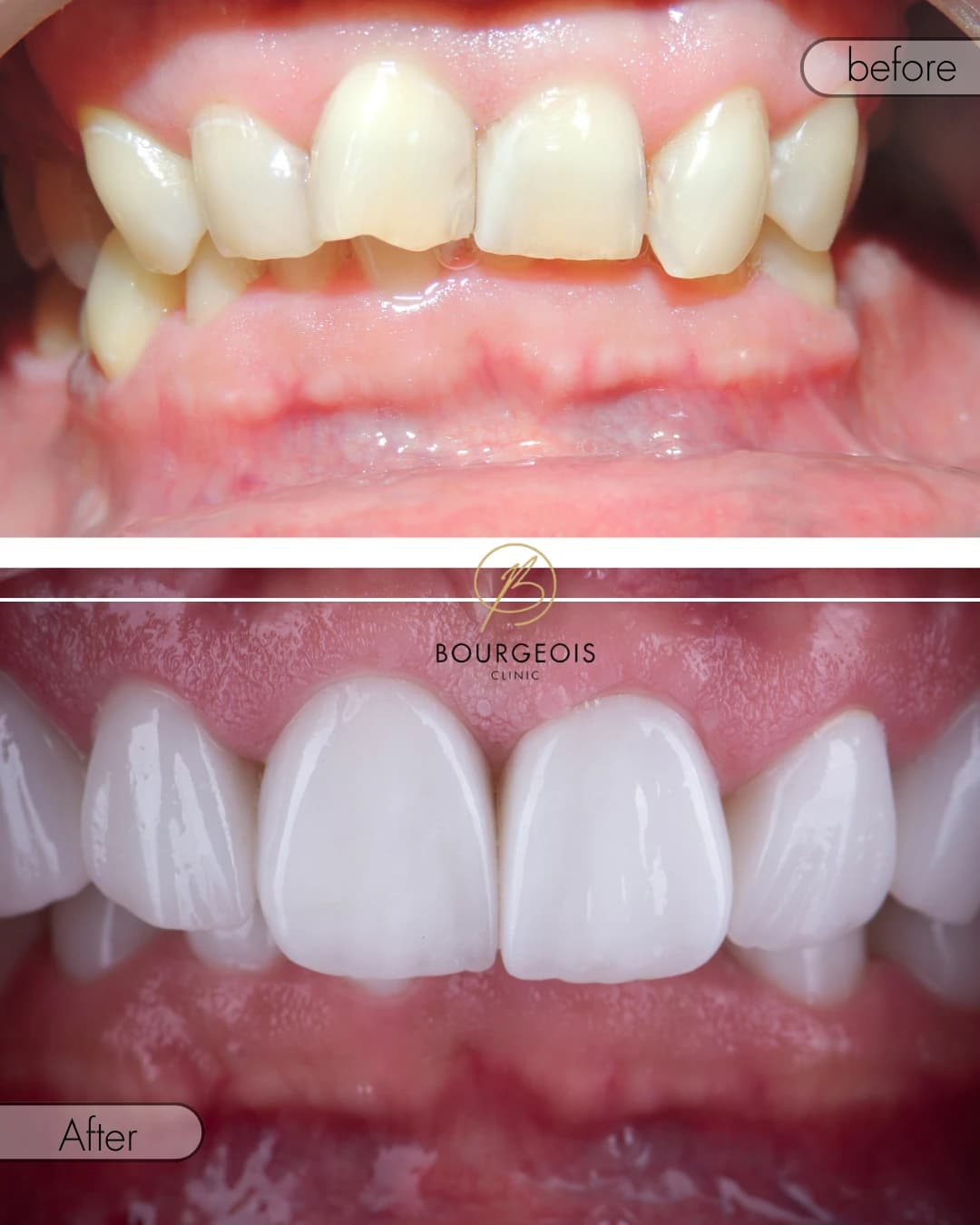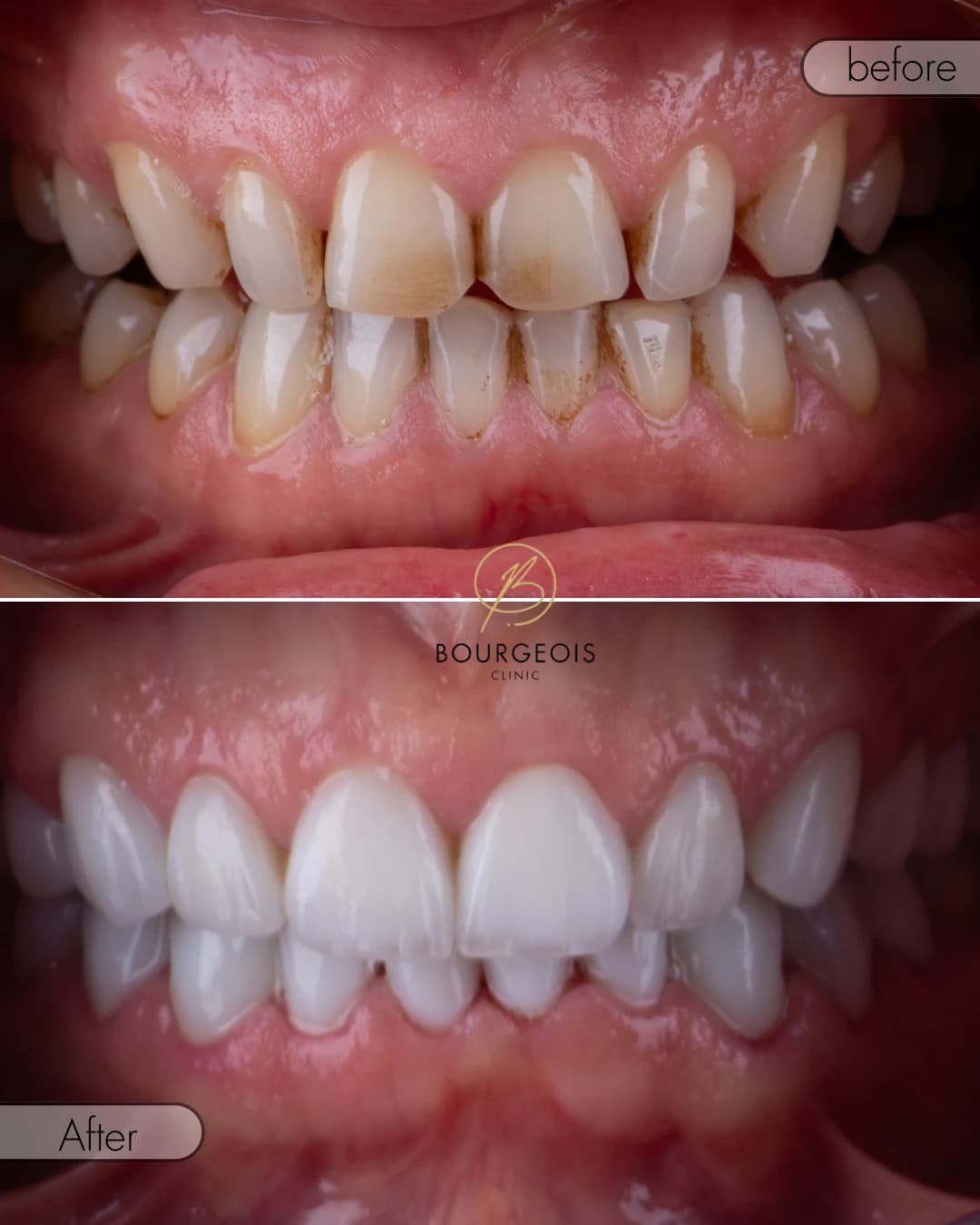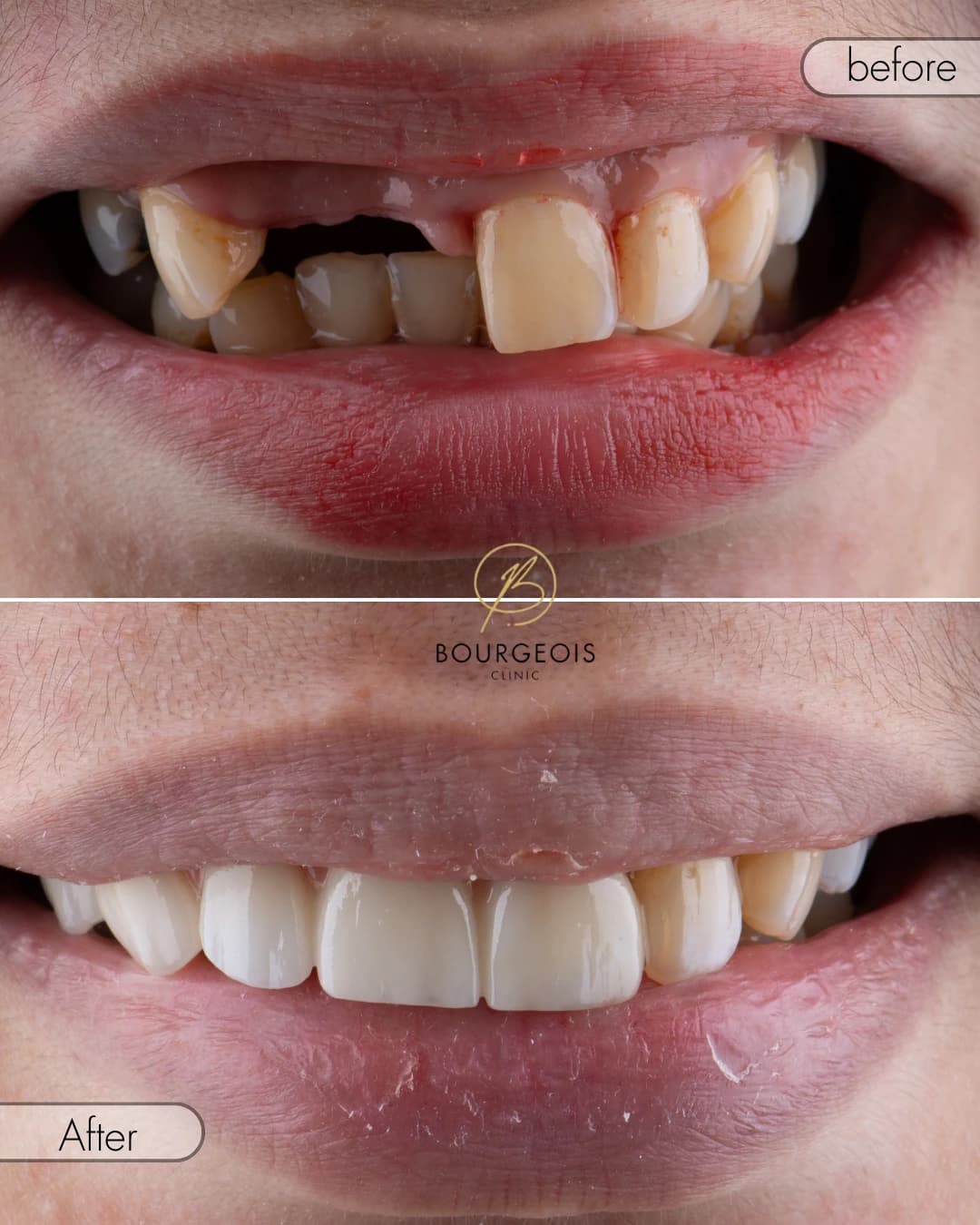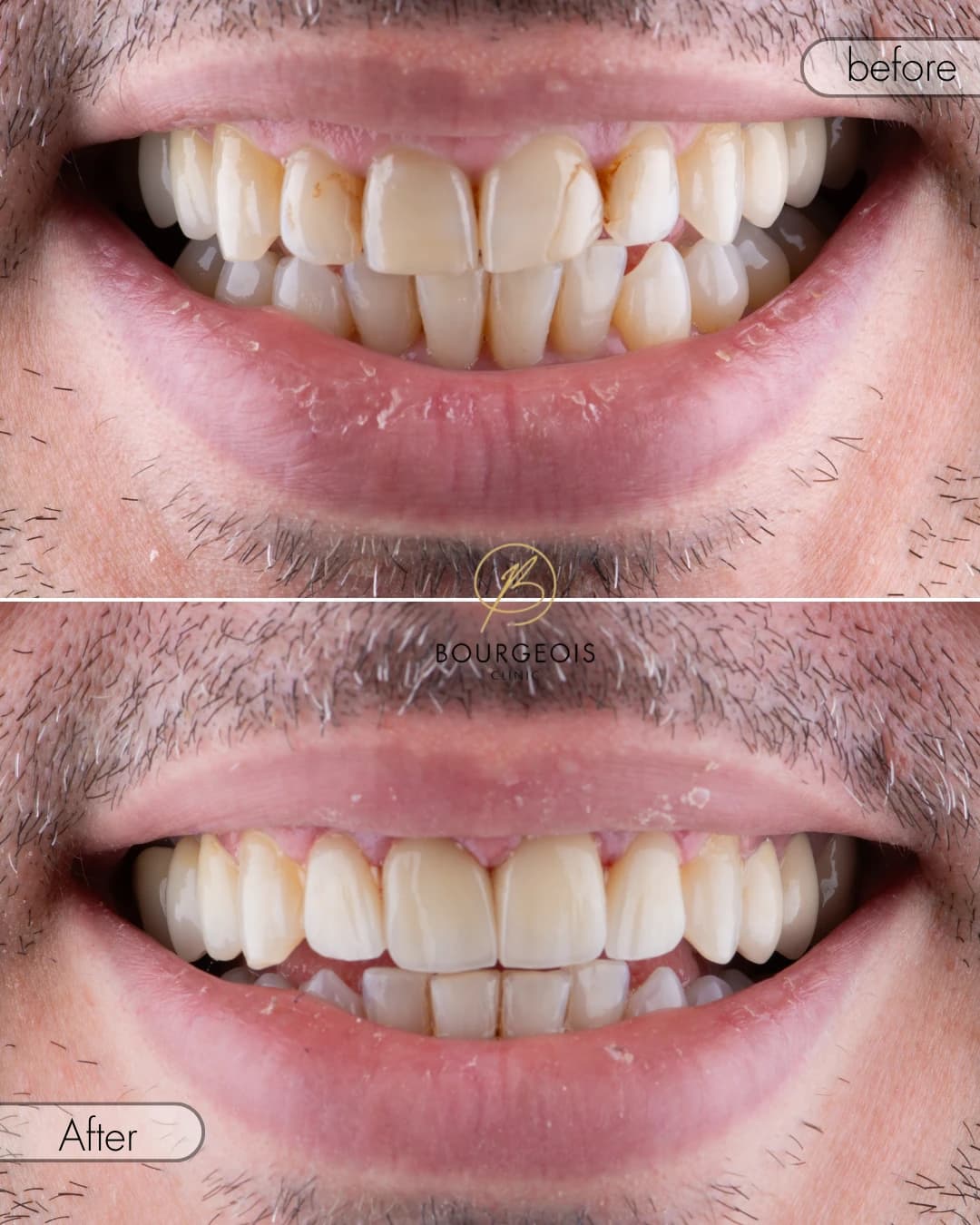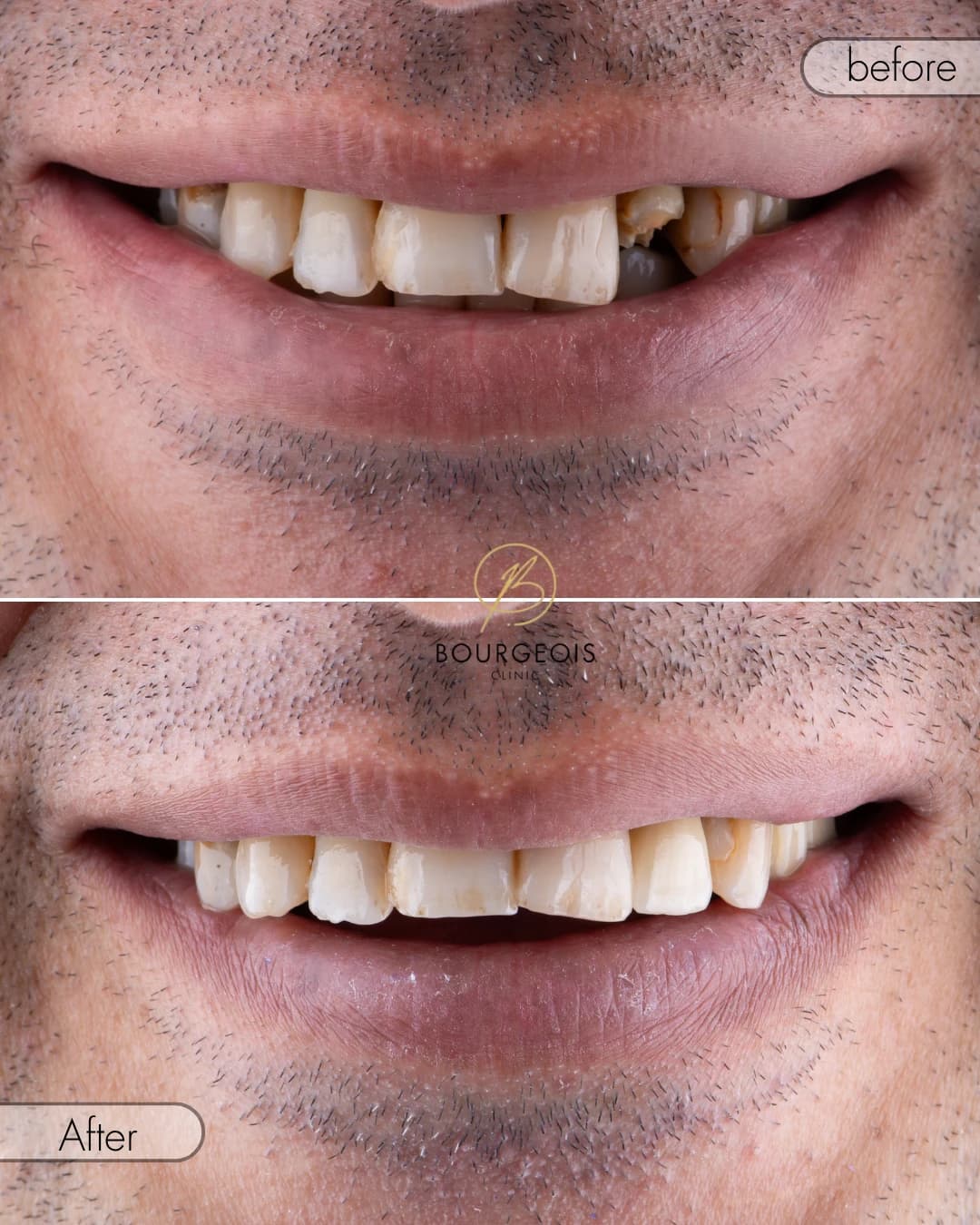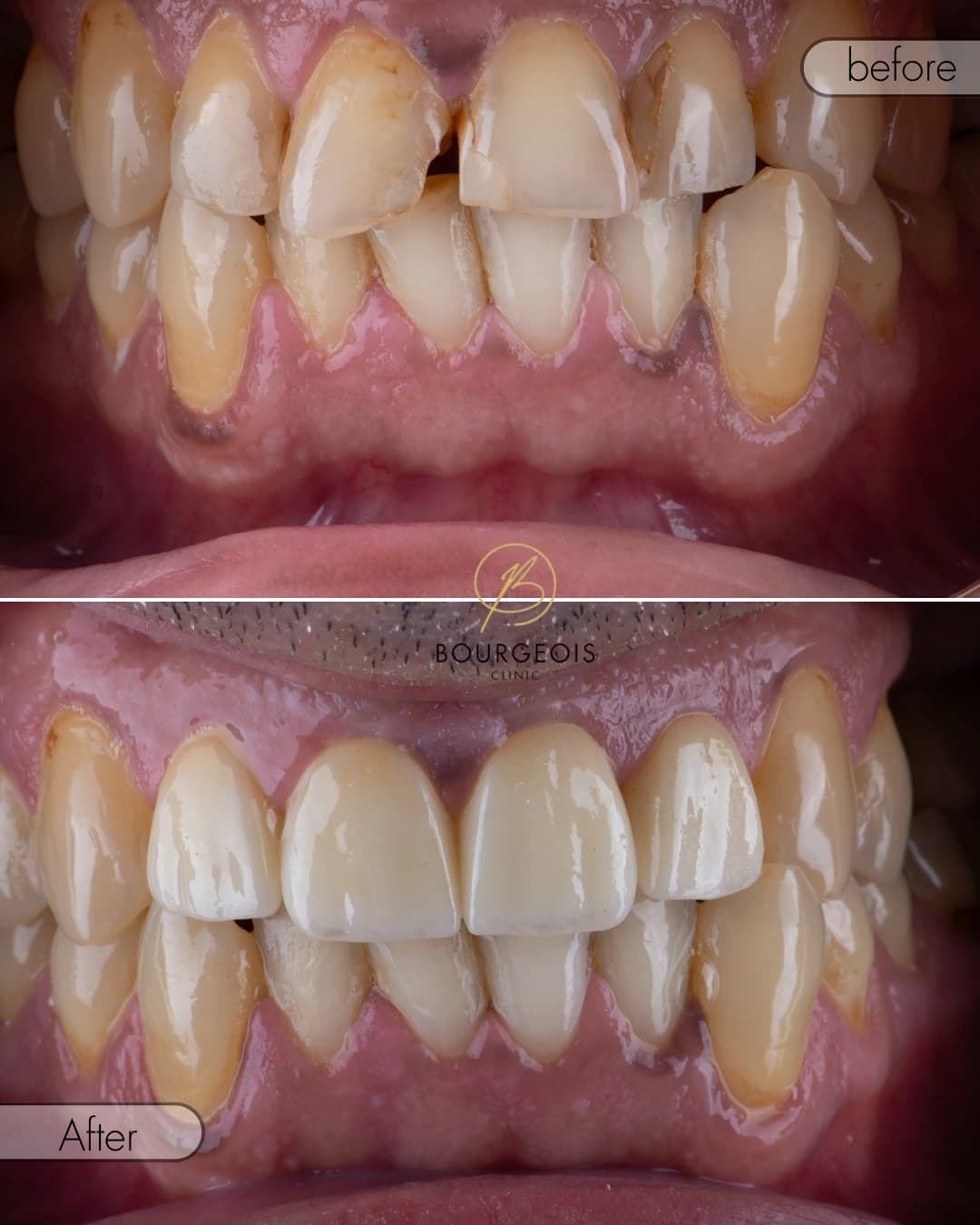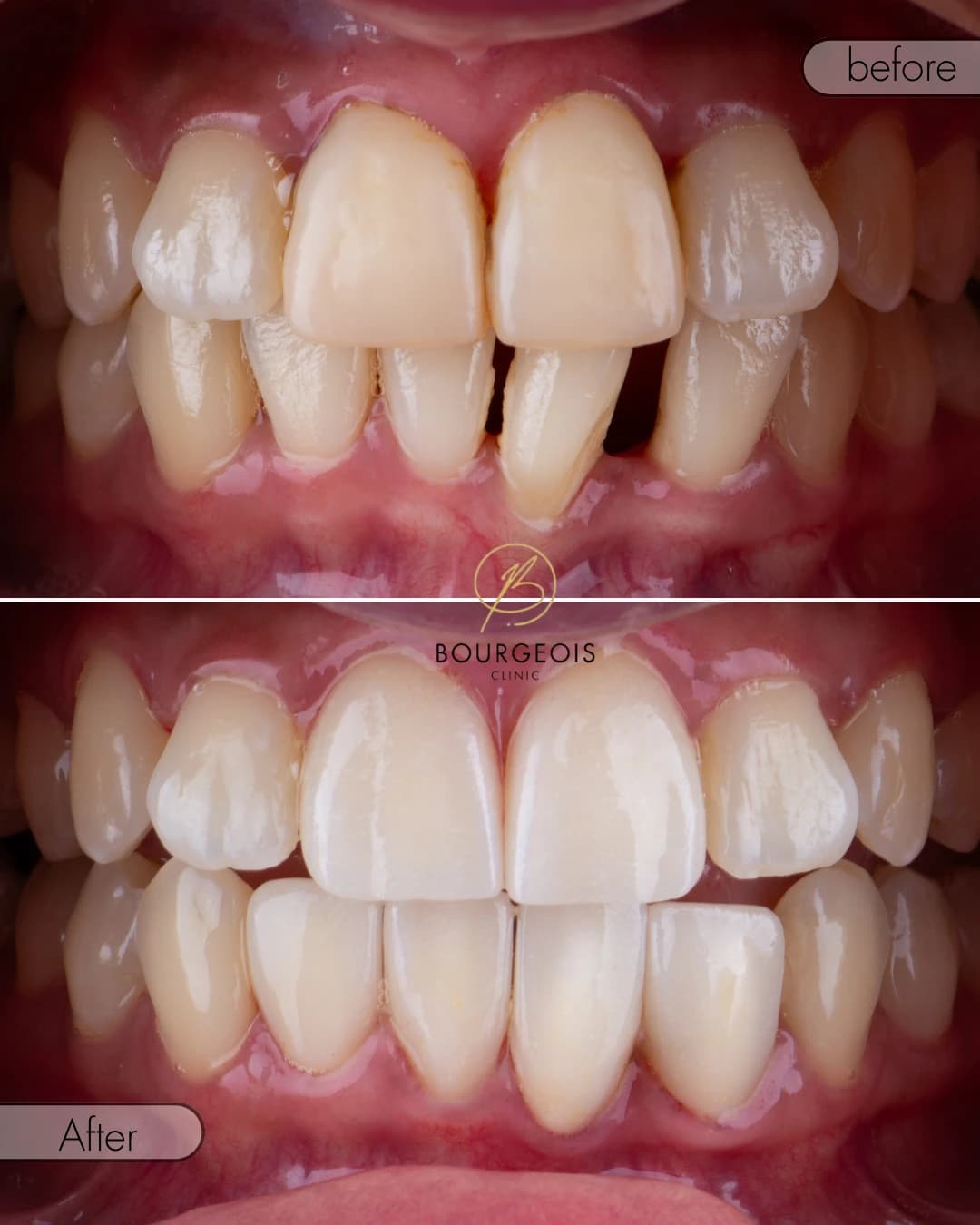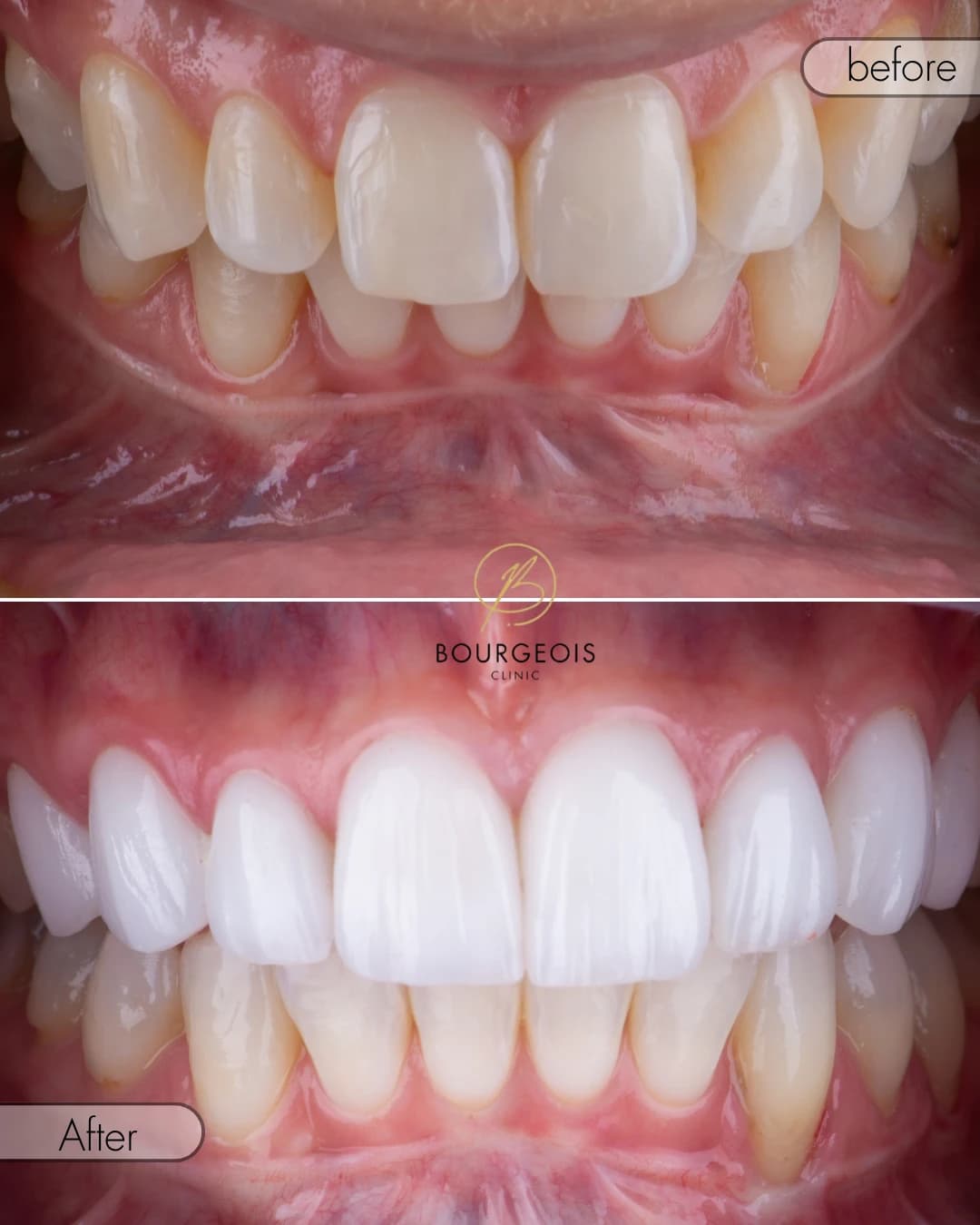



Tooth-Coloured Fillings in Dubai: When Should an Old Filling Be Replaced?
An old filling should not be replaced because of age alone. Learn how dentists choose between monitoring, repair, replacement and a different restoration.
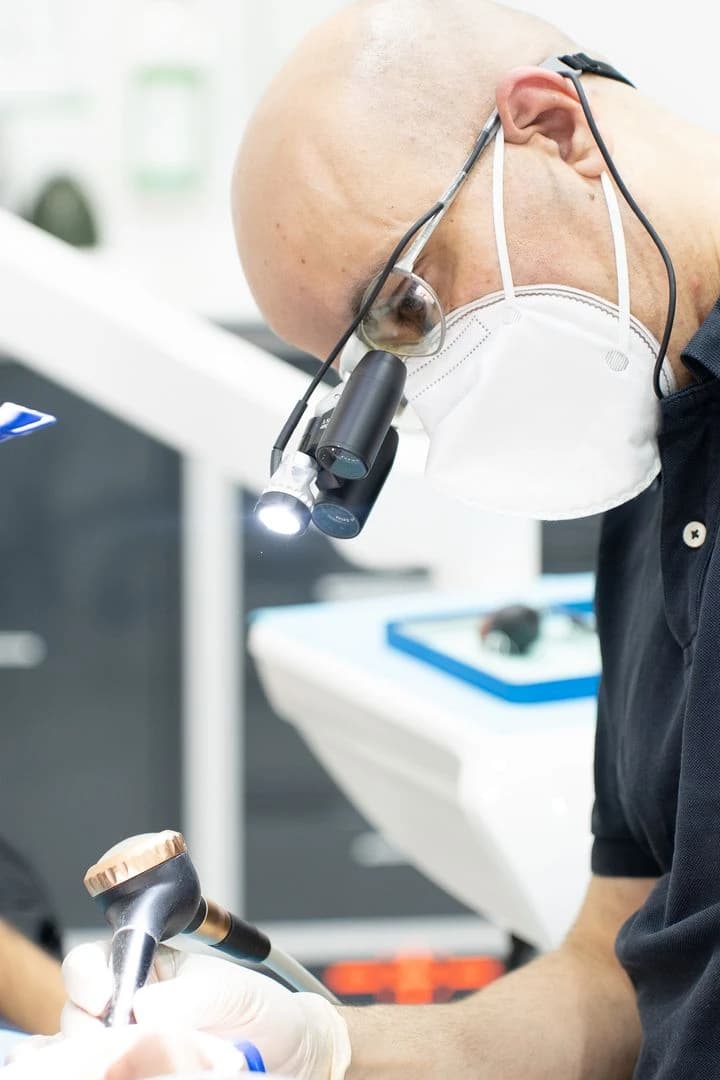
An old dental filling does not need replacement simply because it has reached a certain birthday. Some restorations remain functional for years, while others develop a crack, open margin, recurrent decay, wear or a bite problem that needs attention. The decision should be based on the tooth, the restoration and the clinical findings—not age alone.
At Bourgeois Dental Clinic in Dubai, an existing filling can be examined as part of a dental check-up or a focused visit for pain, sensitivity, food trapping or a visible defect. The dentist may recommend monitoring, smoothing, sealing, a local repair, complete replacement or a different restoration. Choosing the least invasive predictable option can help preserve sound tooth structure.
Quick Answer: When Does an Old Filling Need Treatment?
An old filling may need treatment when there is decay at its edge or underneath it, a fracture in the filling or tooth, a loose or missing section, a gap that traps food, persistent bite pain, an overhang that affects gum health, or wear that no longer protects the tooth. Aesthetic staining by itself does not always mean the seal has failed.
Not every defect requires complete replacement. A small, accessible chip or local margin defect may sometimes be repaired after assessment. A large weakened tooth may need an inlay, onlay or crown instead of a bigger direct filling. If the dental pulp is inflamed or infected, restorative treatment alone may not address the problem.
What Is a Tooth-Coloured Filling?
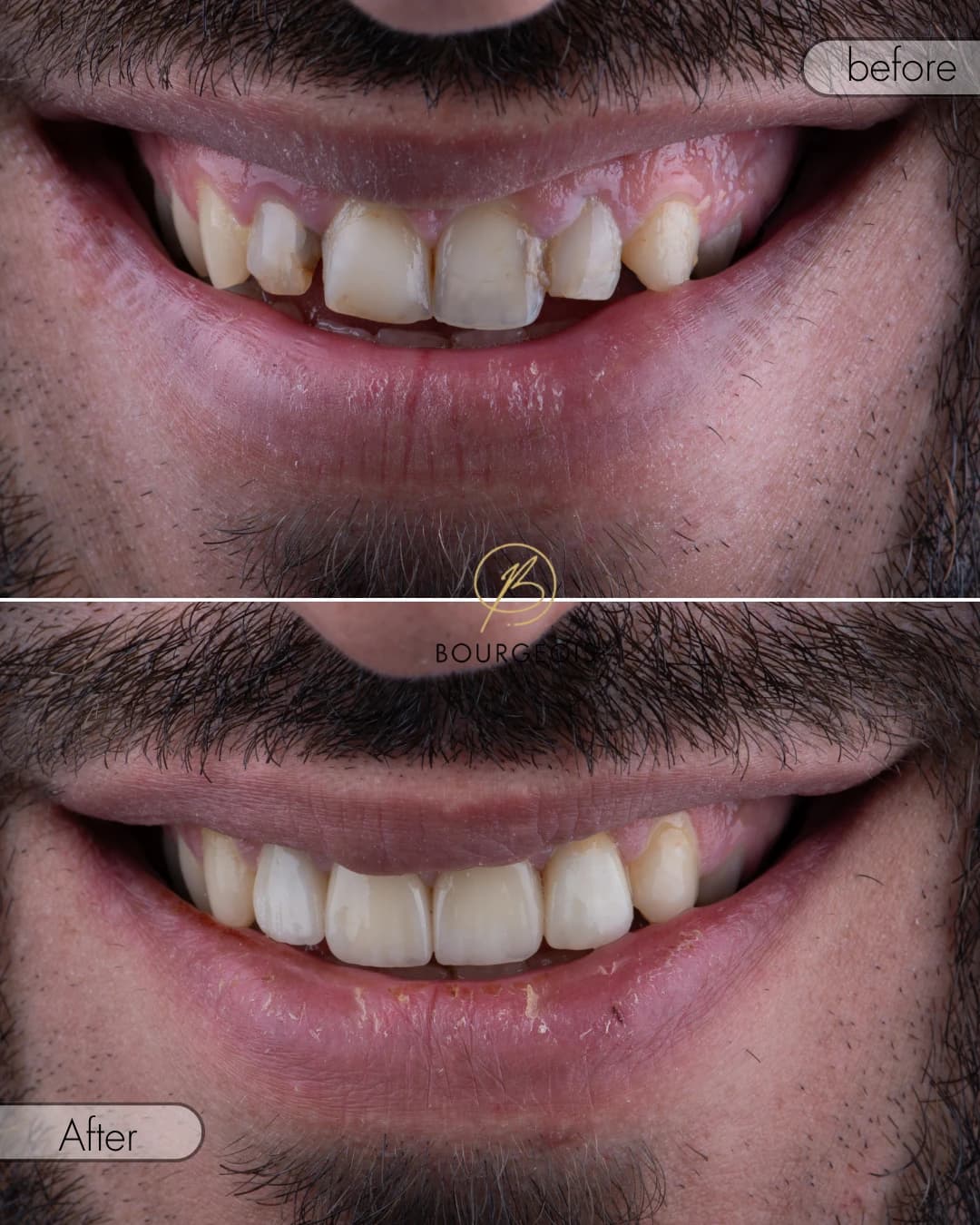
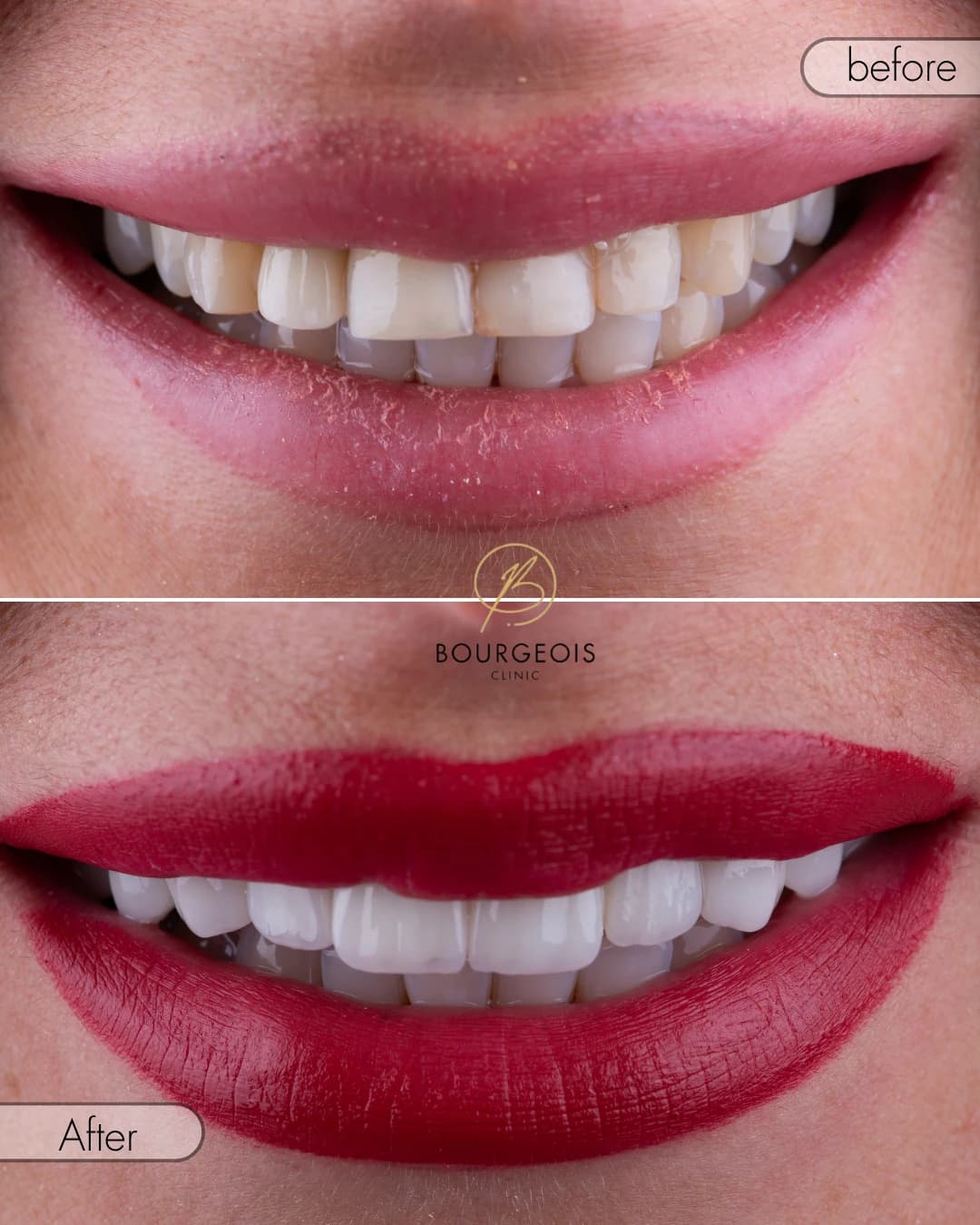
A tooth-coloured filling in Dubai is commonly made from composite resin, a material that can be bonded to prepared tooth structure and shaped to restore form and function. It is available in different shades and translucencies, which allows the restoration to be blended with the surrounding tooth where conditions permit.
Composite can treat many small and moderate cavities, replace a lost portion of tooth, repair selected chips and replace certain defective restorations. Suitability depends on the size and location of the defect, remaining tooth structure, moisture control, bite forces, decay risk and access for bonding. “White filling” describes appearance; it does not mean every material or technique is identical.
Why Fillings Do Not Last Forever
A filling works in a demanding environment. It is repeatedly exposed to chewing forces, temperature changes, moisture, acids and bacterial plaque. Teeth also flex slightly under load. Over time, the restoration or surrounding tooth can wear, chip or fracture, and the bonded margin may deteriorate.
Longevity varies widely with restoration size, tooth position, material, technique, clenching or grinding, diet, dry mouth, cleaning, decay activity and attendance for review. For this reason, a universal replacement date is not clinically useful. A small filling in a low-risk mouth and a large filling in a heavily loaded molar should not be judged by the same timetable.
Symptoms That Should Be Assessed
- Pain when biting or when releasing the bite
- New or increasing sensitivity to cold, heat or sweet foods
- Food repeatedly trapping beside the filling
- A rough, sharp or mobile edge
- A visible crack, chip, hole or missing piece
- Floss catching, shredding or tearing at one contact
- Swelling, a gum spot, bad taste or persistent bad breath from one area
- A change in the way the teeth meet
These symptoms can come from the filling, but they may also result from a cracked tooth, decay elsewhere, gum inflammation, exposed roots or pulp disease. The pattern, duration and triggers help guide the examination. Severe spontaneous pain, facial swelling, fever, difficulty swallowing or breathing, or dental trauma needs prompt assessment.
What a Dentist Checks Around an Old Filling
A focused examination may include:
- The filling’s margins, contour, contact and surface
- Signs of fracture, movement, wear or missing material
- Recurrent decay or softened tooth structure
- Food trapping and gum response near the restoration
- Bite contacts and signs of grinding or clenching
- Pulp tests when sensitivity or pain is reported
- Dental radiographs when clinically indicated
- The amount and quality of tooth structure remaining
Radiographs can reveal some decay, bone changes and the depth of a restoration, but they do not show every crack or margin defect. Visual examination, magnification, bite testing, transillumination and symptoms may provide additional information. Sometimes the full extent of a problem becomes clear only after the defective material is removed.
Monitoring: When No Immediate Treatment May Be Needed
A filling may be monitored if it remains stable, functional and cleanable, with no active decay, significant fracture or concerning symptoms. Minor surface staining, a small colour mismatch or an old restoration that looks different from the surrounding tooth is not automatically a reason to remove it.
Monitoring should be active, not forgotten. The dentist may document the appearance, use photographs or appropriate radiographs, check the bite and compare findings at future visits. The review interval depends on decay risk, symptoms, restoration size and the uncertainty of the finding.
Repair: When a Localised Fix May Be Considered
Repair aims to correct a limited defect while retaining the serviceable part of the restoration. It may be considered for a small chip, localised wear, marginal defect or accessible area of recurrent decay when the remaining filling and tooth are sound enough to support a predictable result.
The surface must be cleaned and prepared so new material can bond appropriately. The dentist also needs to understand why the defect occurred. Adding composite to an overloaded restoration without addressing the bite may lead to another fracture. Repair is not appropriate when the defect is extensive, the restoration is loose, decay is widespread or the remaining tooth is too weak.
Replacement: When the Whole Filling May Need Removal
Complete replacement may be recommended when a large part of the restoration has failed, decay extends beneath multiple margins, the filling is loose, the tooth or restoration is extensively fractured, or a local repair would not produce a reliable seal and contour.
Removing a restoration also removes some additional tooth structure, even with careful technique. The replacement decision should therefore have a clear clinical reason. Before treatment, ask which finding makes full removal preferable and what will happen if the cavity is larger or closer to the pulp than expected.
Could the Tooth Need an Inlay, Onlay or Crown Instead?
As a direct filling becomes larger, the remaining cusps may have less support. Replacing it with an even larger filling is not always the most protective choice. A dental inlay or onlay is made outside the mouth and can replace a selected portion of the tooth, while an onlay may cover one or more weakened cusps.
A dental crown covers more of the prepared tooth and may be considered when damage is extensive, after some root-canal treatments or when the remaining structure needs broader protection. Crowns require more tooth preparation than conservative direct repairs, so the choice should follow the structural problem rather than appearance alone.
What If the Tooth Nerve Is Affected?
Deep decay, cracks and repeated restorative procedures can irritate the dental pulp. Brief cold sensitivity may be reversible, but spontaneous pain, lingering thermal pain, pain that wakes you, swelling or tenderness may indicate a more significant pulpal or periapical problem.
If the pulp cannot recover or infection is present, root-canal assessment may be required before the final restoration. Replacing only the filling would not remove infection inside the root canal system. In other cases, the tooth may be too fractured or decayed to restore predictably, and extraction alternatives should be discussed.
Old Metal Fillings: Must They Be Replaced with White Fillings?
A serviceable metal restoration does not necessarily need removal solely to change its colour. The dentist should evaluate its condition, the surrounding tooth, symptoms and the consequences of replacement. Elective replacement can expose a larger cavity and may increase the risk of sensitivity or pulpal irritation.
If a metal filling is defective, the replacement material is selected from the remaining tooth structure, cavity size, isolation, bite and aesthetic needs. Composite is useful in many cases, but an indirect restoration may be more suitable for a heavily restored or structurally weakened tooth.
Why Moisture Control Matters for Composite Fillings
Composite bonding is sensitive to contamination. Saliva or bleeding can interfere with the adhesive process. The clinical team may use cotton rolls, suction, retraction or a rubber dam where appropriate to create a clean, dry working field.
Preparation should remove disease and unsupported material while preserving sound tooth where possible. The composite is then placed and light-cured according to the selected system, shaped to rebuild the tooth and contact, finished, polished and checked in the bite. Good shade matching is valuable, but seal, contour, contact and function remain essential.
What to Expect After a New Filling
Local anaesthetic may leave the lip, cheek or tongue numb for a period after treatment. Avoid biting the numb tissues and follow the clinic’s eating instructions. A tooth can feel temporarily different after a filling, especially if the cavity was deep.
Contact the clinic if the tooth meets first or feels high, because an elevated bite may cause discomfort and strain. Also arrange review for worsening or lingering sensitivity, spontaneous pain, swelling, a broken edge or difficulty flossing. Some symptoms settle as the pulp recovers, but persistent pain should be evaluated rather than repeatedly covered with desensitising products.
How to Protect Fillings and the Surrounding Teeth
- Brush twice daily with fluoride toothpaste
- Clean between the teeth every day
- Limit frequent sugary or acidic snacks and drinks
- Attend dental check-ups according to your risk
- Discuss dry mouth, reflux and relevant medications
- Do not use teeth to open packaging or bite very hard objects
- Ask about grinding protection if there are signs of bruxism
- Seek care early if a filling becomes loose, sharp or painful
No home routine makes a restoration permanent, but controlling plaque, decay activity and excessive forces can support both the filling and the remaining tooth.
What to Do If a Filling Breaks or Falls Out
Keep the area clean, avoid chewing hard foods on that side and arrange assessment. Do not place household glue or an unapproved material in the cavity. A temporary dental product may sometimes be used according to its instructions while waiting, but it does not replace examination.
The lost or broken filling service can assess whether the tooth needs a temporary seal, direct repair, replacement filling, indirect restoration, pulp treatment or another plan. Urgency depends on pain, swelling, sharp edges, remaining structure and risk of further fracture.
Planning a Filling with Dr. Nour
Dr. Nour’s profile includes general, aesthetic and restorative dental care. During a filling assessment, the focus is not only matching the shade; it is determining whether the tooth can be treated conservatively, controlling disease and rebuilding a cleanable shape and stable bite.
When a case requires endodontic, periodontal, surgical or other specialist input, care can be coordinated within the clinic. This is particularly relevant when a seemingly simple broken filling is connected to a crack, gum problem, pulp symptoms or substantial loss of tooth structure.
Questions to Ask Before Replacing an Old Filling
- What specific defect or disease did you find?
- Can the filling be monitored, smoothed, sealed or repaired?
- Why is complete replacement preferable in this case?
- How much healthy tooth remains?
- Would a filling, inlay, onlay or crown best manage the structure?
- Is the pulp likely to recover, and what symptoms should I watch for?
- Are there bite or grinding factors that need attention?
- How will the contact, contour and shade be checked?
Book a Filling Assessment in Dubai
Bourgeois Dental Clinic is located on Sheikh Zayed Road, Exit 41, near Al Thanya Street in Dubai. Patients from Umm Al Sheif, Al Barsha, Umm Suqeim, Jumeirah, Al Quoz, Barsha Heights, The Greens and Dubai Marina can arrange general and restorative dental care.
Book a dental appointment if an old filling feels different, traps food, has chipped or is causing sensitivity. Bring any recent radiographs or treatment information available. The dentist can explain whether monitoring, repair, replacement or a different restoration is appropriate.
Editorial note: This guide is general education and cannot diagnose a defective filling. Treatment decisions require examination and, when indicated, dental radiographs or additional tests.