

Lost or Broken Filling in Dubai: What to Do and Treatment Options
What should you do if a dental filling falls out?
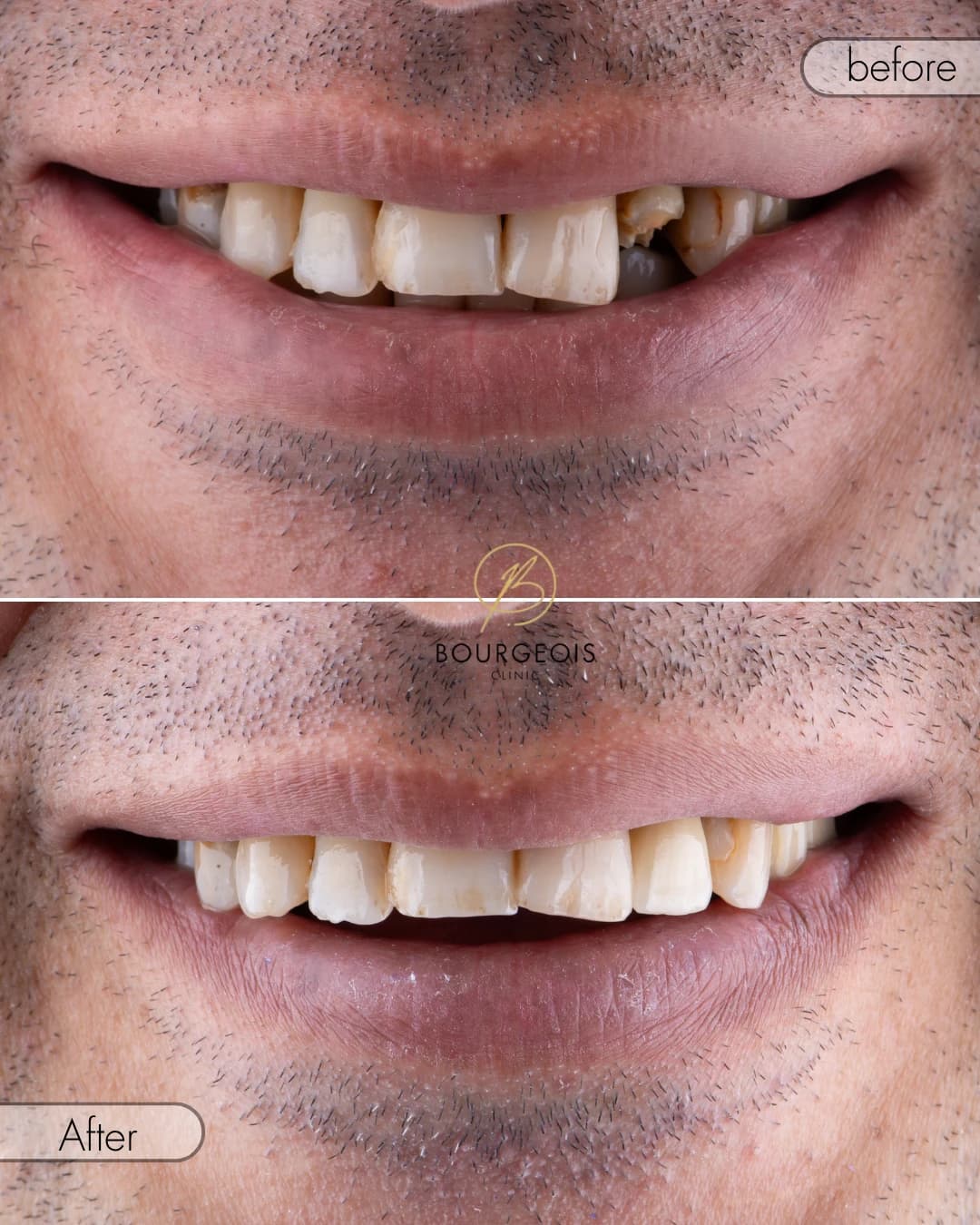
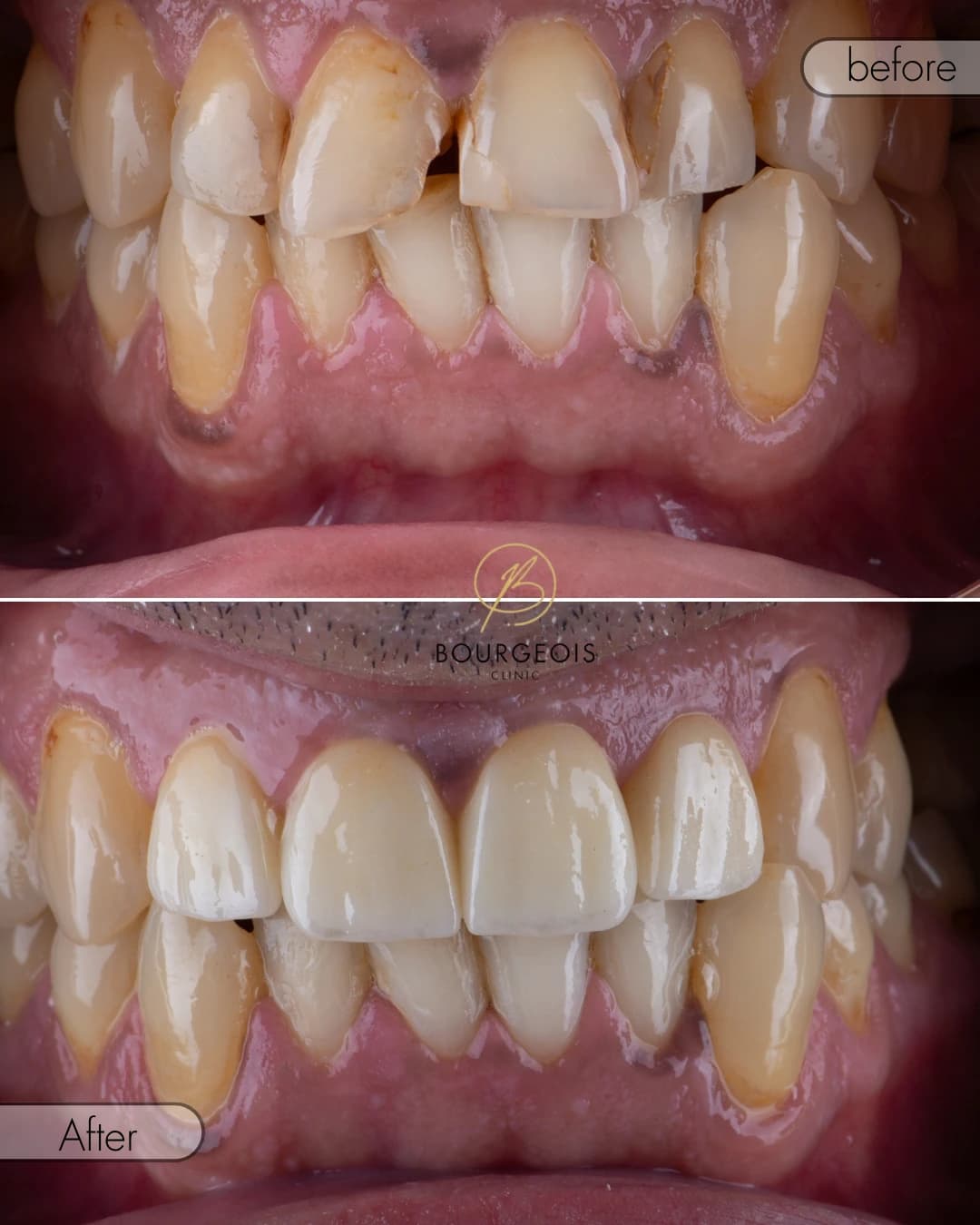
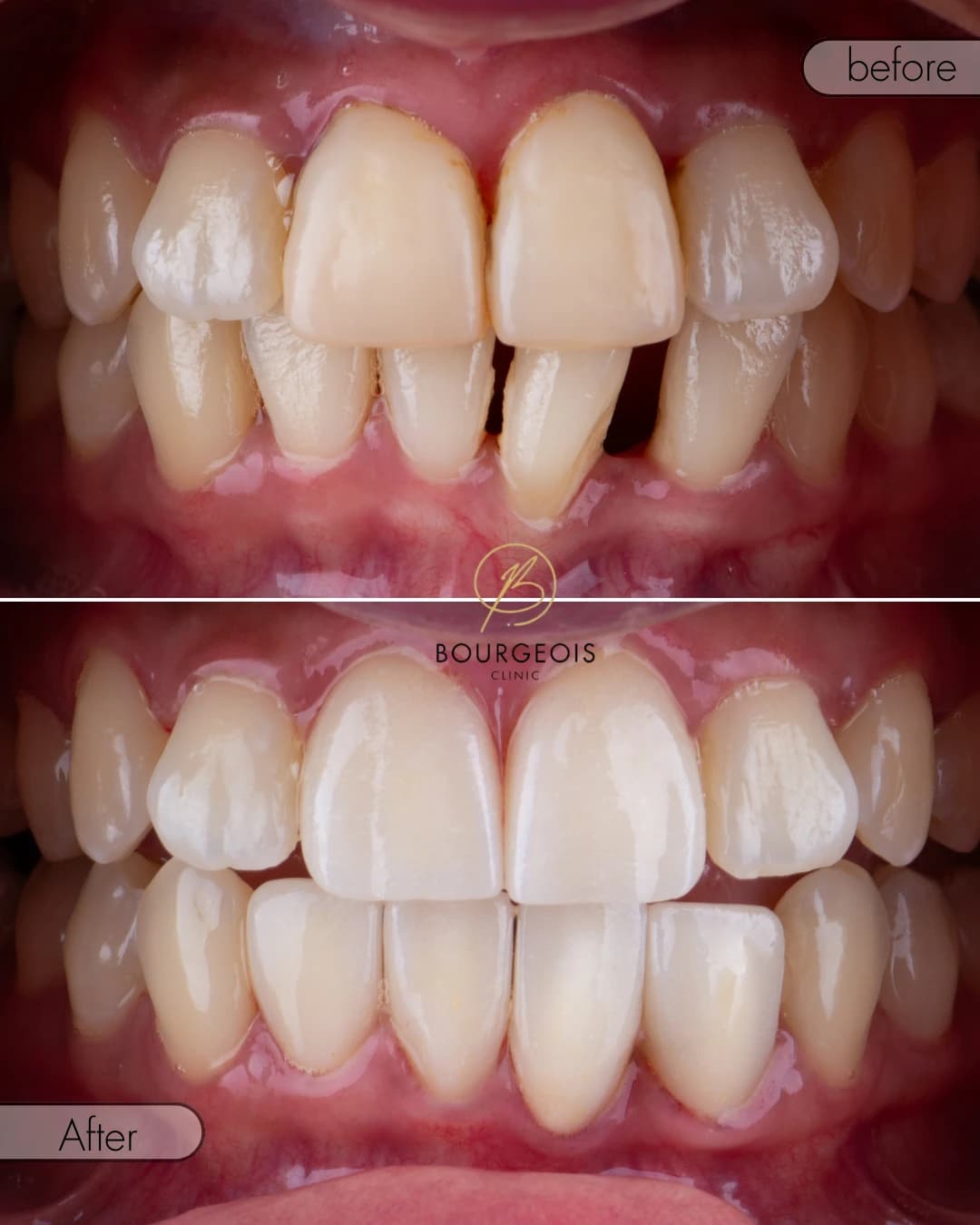
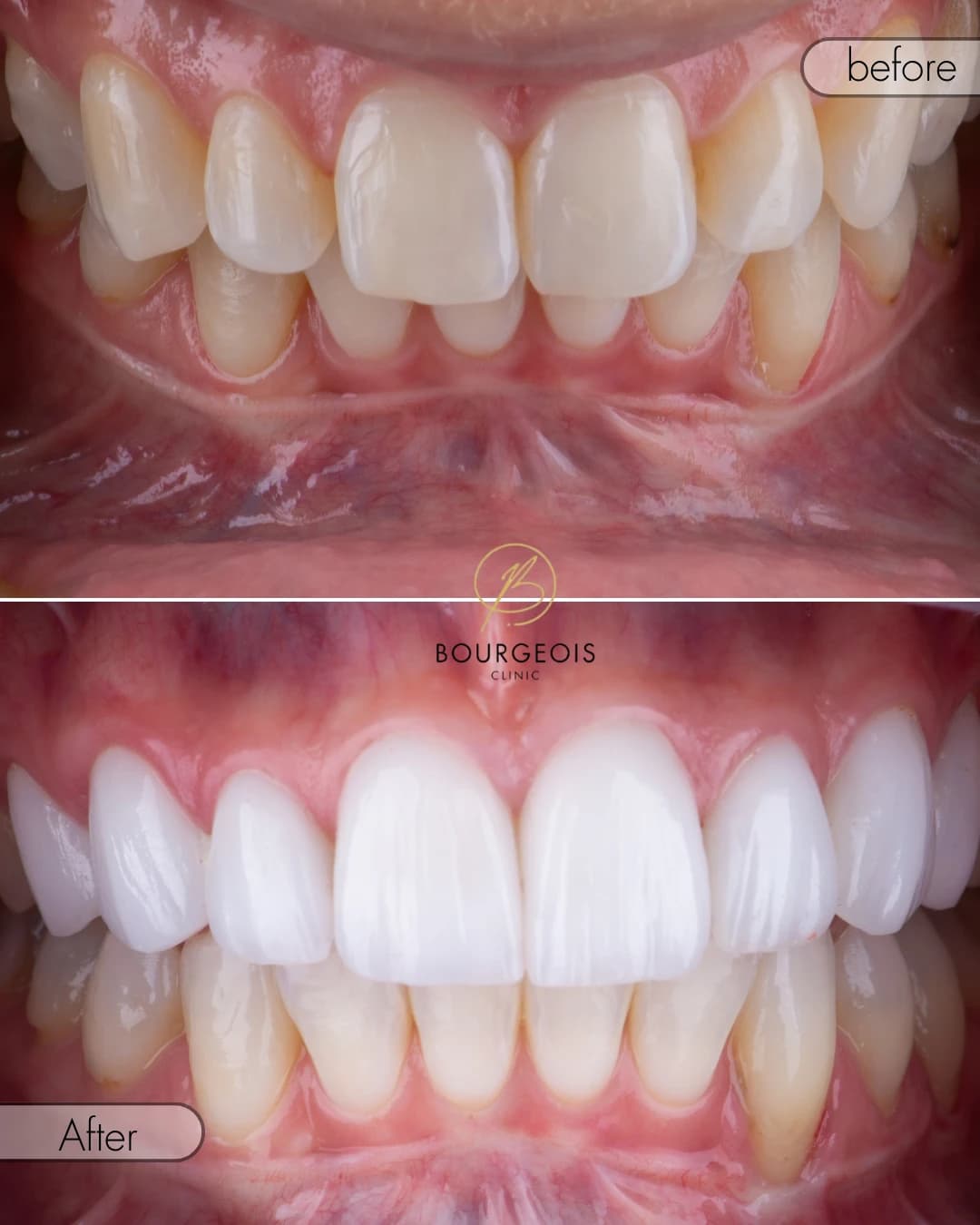
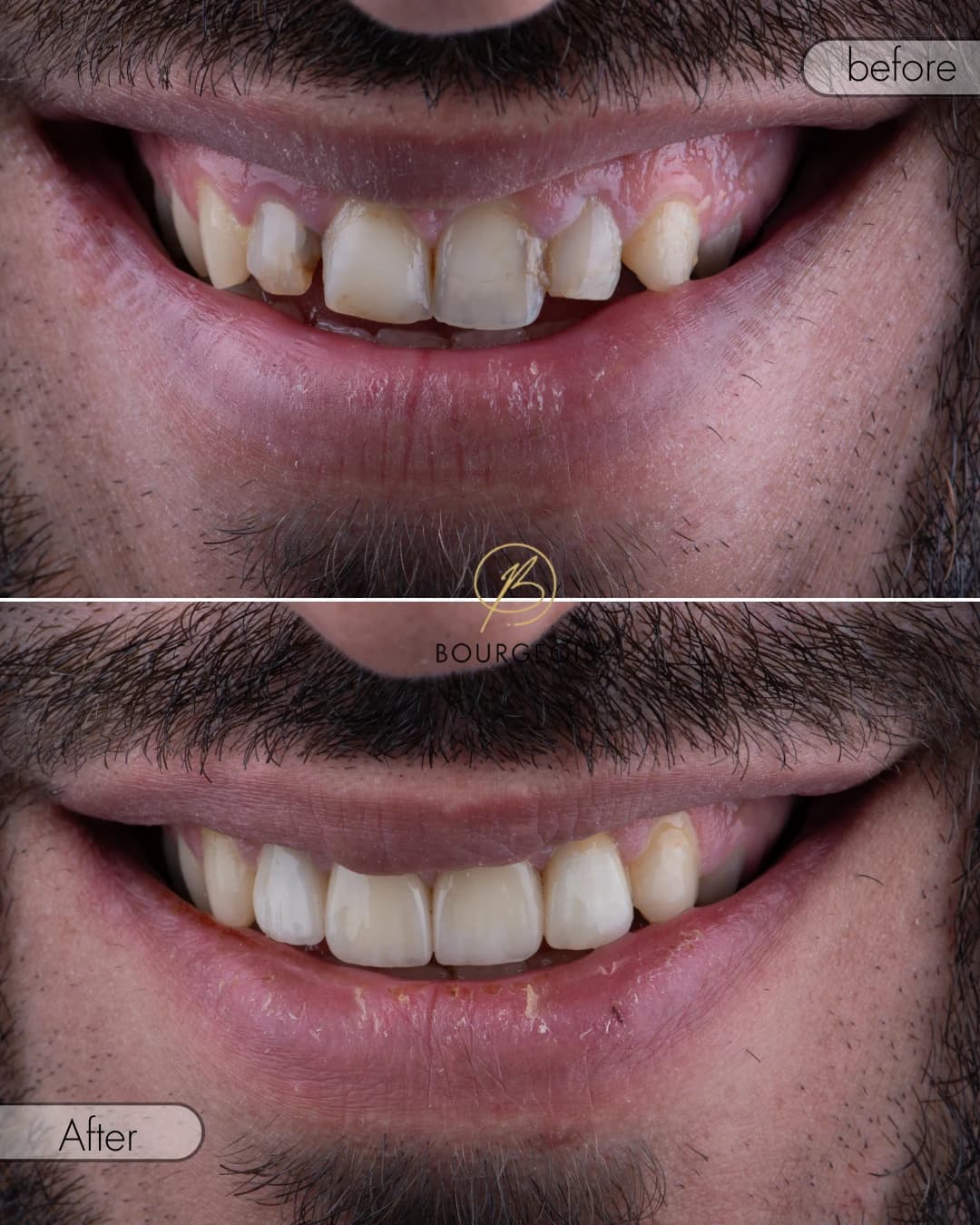
A lost or broken filling can leave a rough edge, collect food or expose sensitive dentine. Some teeth remain comfortable; others react to cold, sweets or biting. The missing material is only part of the problem: the dentist must determine whether the filling fractured, decay developed underneath, or the remaining tooth cracked.
At Bourgeois Dental Clinic in Dubai, a damaged filling is assessed together with the remaining tooth and bite. Dr. Nour can begin the general and restorative examination and coordinate endodontic or advanced restorative treatment when required.
The short answer
Keep the area clean, avoid chewing hard foods on that side, save a large loose piece if it can be collected safely, and arrange dental care. Do not place household glue, aspirin, sharp objects or an unsuitable material in the cavity. Seek prompt care when pain, swelling, a sharp fracture or significant sensitivity is present.
Why do fillings break or fall out?
- Wear over years of chewing.
- Heavy bite forces, grinding or clenching.
- New decay weakening the tooth around the filling.
- A crack in the tooth or fractured cusp.
- A large restoration supported by limited remaining structure.
- Biting ice, hard sweets, bones or non-food objects.
- Changes at the bond or margin.
- Trauma to the tooth.
A filling that looks small from above may extend farther within the tooth. Its failure does not automatically mean the original treatment was incorrect; materials and tooth structure are exposed to changing forces and disease risk over time.
Safe steps before the appointment
- Rinse gently with water and brush around the area without forcing bristles into a deep cavity.
- Clean between neighbouring teeth carefully so food does not remain packed.
- Chew on the other side and avoid hard, sticky, very hot or very cold foods if they trigger pain.
- If an edge cuts the tongue, temporary dental wax may protect the soft tissue until care is available.
- Use pain medicine only according to the label and your medical suitability; ask a pharmacist or doctor when uncertain.
Temporary filling materials sold for emergency use are not a substitute for diagnosis. If used, they should follow the product instructions and should not be forced deeply into a painful tooth.
When is a broken filling urgent?
Arrange urgent dental assessment for facial swelling, fever, severe spontaneous pain, trauma, uncontrolled bleeding, a large tooth fracture, pain that prevents biting, or a gum swelling beside the tooth. Difficulty breathing or swallowing and rapidly spreading facial swelling require urgent medical attention.
What happens during the examination?
The dentist asks when the filling failed, whether a piece of tooth came with it and what triggers symptoms. The examination checks decay, cracks, pulp signs, gum condition, bite contacts and the amount of healthy structure remaining. X-rays may be recommended to assess areas that cannot be seen directly.
The lost or broken filling emergency service focuses on stabilising the tooth and selecting a definitive or temporary step based on the diagnosis.
Can the tooth simply receive another filling?
A new tooth-coloured filling may be suitable when decay and defective material can be removed while enough sound tooth remains to support a reliable restoration. The contact with neighbouring teeth and the bite must be shaped carefully.
Repeatedly enlarging a filling can leave less supporting tooth. When the defect is extensive, another option may protect the remaining structure more predictably.
When might an inlay or onlay be considered?
An inlay or onlay is a laboratory or digitally produced restoration that replaces a larger area while covering selected weakened cusps when appropriate. It does not cover the entire tooth like a crown. Suitability depends on the defect, margin position, remaining enamel and bite.
When might a crown be recommended?
A dental crown may be considered when the tooth is heavily restored, significantly weakened, cracked or has lost substantial structure. A crown requires more tooth coverage and is not automatically necessary whenever a filling breaks.
Could the tooth need root-canal treatment?
If decay, fracture or previous treatment has irreversibly affected the pulp, root-canal care may be required before the final restoration. Signs can include lingering temperature pain, spontaneous pain, swelling or tenderness, but tests are needed. Root canal treatment treats internal disease; it does not rebuild the missing outer tooth.
What if the tooth cannot be restored?
Extraction may be discussed when a fracture extends too deeply, decay leaves insufficient sound structure or infection cannot be predictably managed. The decision should include the consequences of tooth loss and replacement options. Extraction is not the routine response to a lost filling.
How can future failure risk be reduced?
Maintain daily cleaning, reduce frequent sugar exposure, attend recommended examinations and avoid using teeth to open packaging. If grinding or heavy bite forces are present, discuss assessment and protection. Reviews can identify wear, recurrent decay or cracks before a restoration fails completely.
What information helps at the emergency visit?
Tell the clinic when the filling was placed, whether a piece of tooth came away, what triggers the pain and whether biting feels different. Bring the fragment in a clean container if it was recovered safely, but do not delay care to search for it. A current medication list and details of allergies are important if pain relief, local anaesthetic or further treatment may be required.
The first visit may provide definitive treatment, or it may stabilise the tooth while tests and planning continue. Deep decay, an uncertain crack or significant pulpal symptoms sometimes require review before the final restoration. Ask what was found, which warning signs require earlier contact, what foods to avoid temporarily and when the tooth can be used normally. Clear aftercare protects both comfort and the new restoration.
Protecting a temporary repair
If a temporary material is placed, follow the specific eating and cleaning instructions. Avoid testing it with hard or sticky foods, but continue careful plaque removal around the tooth. A temporary repair has a defined purpose and review period; it should not be treated as a permanent solution simply because pain settles.
Planning treatment with Dr. Nour
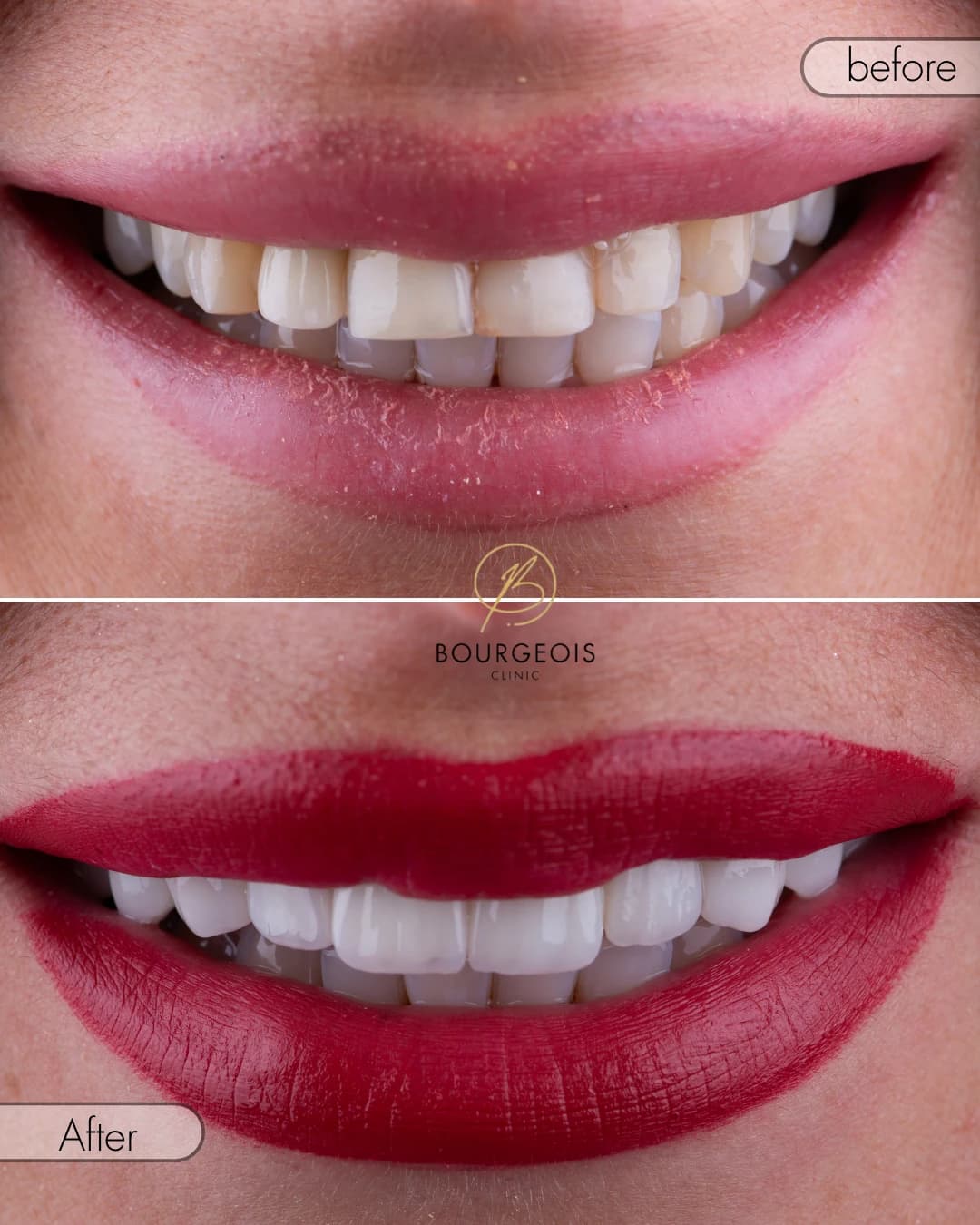
Dr. Nour can assess whether the tooth needs a replacement filling, protective restoration, pulp testing or another clinician's input. She can also evaluate visible fillings in the smile and match restorative colour when health and structure permit. The priority remains preserving sound tissue and restoring a cleanable, comfortable contour.
Book an appointment in Dubai
Do not wait for severe pain if food is entering the cavity or an edge is sharp. Book a dental appointment at the clinic on Sheikh Zayed Road, Exit 41, and describe whether the tooth is painful, sensitive or fractured.
This guide provides general information and does not replace examination, X-rays or individual medical advice.