


Broken Tooth Restoration
- 2Specialists
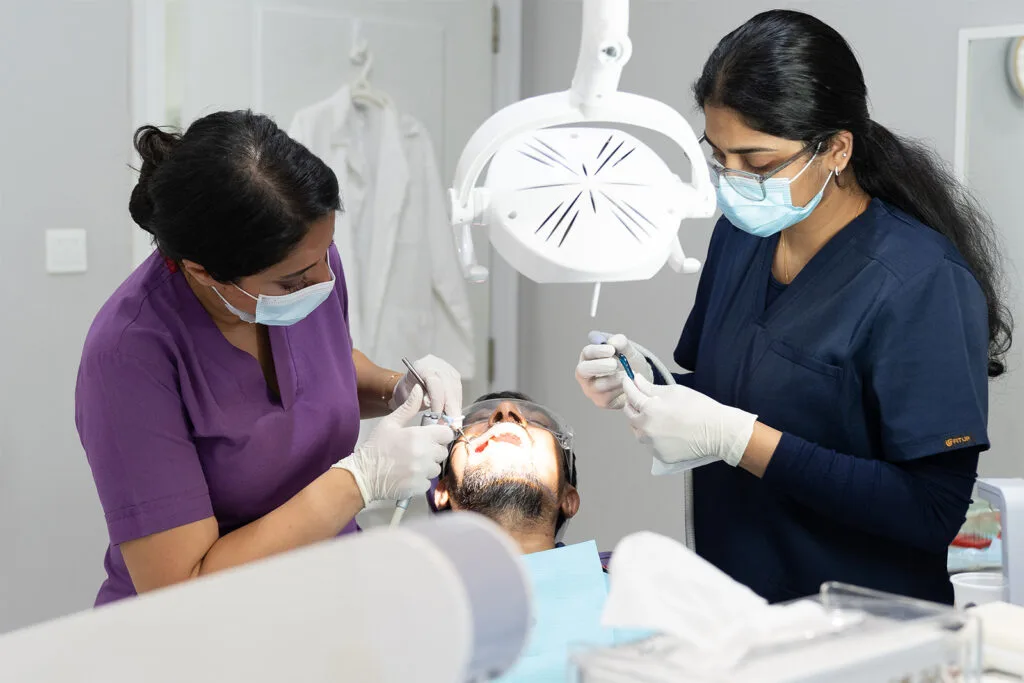
A broken tooth requires professional assessment because treatment depends on the size, depth, location, direction, and cause of the fracture. At Bourgeois Dental Clinic in Dubai, restoration may involve smoothing, composite bonding, a filling, inlay, onlay, veneer, crown, root canal treatment, or another procedure according to the condition of the tooth.
What Is a Broken Tooth?
A broken tooth may involve a small enamel chip, a fractured cusp, a crack extending through the tooth, a split tooth, or a fracture affecting the root.
Some fractures are visible, while others cause pain only during chewing or after exposure to hot, cold, or sweet foods.
What Causes Teeth to Break?
Common causes include:
- Biting hard foods or objects
- Dental trauma or accidents
- Large or old fillings
- Untreated tooth decay
- Teeth grinding or clenching
- Weakened teeth after root canal treatment
- Long-term tooth wear
- Sudden temperature changes
- Using teeth to open packaging
- Sports injuries
- Insufficient protection around weakened tooth structure
What Symptoms Can a Broken Tooth Cause?
Symptoms may include:
- A visible missing piece of tooth
- A sharp or rough edge
- Pain when biting or releasing pressure
- Sensitivity to cold, heat, sweets, or air
- Intermittent pain that is difficult to locate
- Food trapping around the damaged area
- Swelling of the gum
- Bleeding after trauma
- A loose restoration
- Discolouration after injury
Some cracks cause few symptoms initially but may progress over time.
Is a Broken Tooth a Dental Emergency?
A broken tooth should be assessed promptly, especially when there is severe pain, bleeding, swelling, trauma, a large missing section, an exposed nerve, tooth movement, or difficulty closing the mouth.
Urgent assessment is particularly important when the fracture follows an accident or involves a permanent front tooth.
What Should I Do Immediately After Breaking a Tooth?
- Rinse the mouth gently with clean water
- Save any broken tooth fragment if possible
- Avoid chewing on the affected side
- Use a cold compress externally if swelling is present
- Do not place aspirin directly on the tooth or gum
- Avoid very hot, cold, hard, or sugary foods
- Contact the dental clinic for assessment
A broken fragment may sometimes be useful for evaluation, although it cannot always be reattached.
How Is a Broken Tooth Diagnosed?
The dentist asks when and how the tooth broke and whether pain occurs during chewing, temperature exposure, or spontaneously.
The assessment may include:
- Visual examination: Checking the missing structure, fracture line, fillings, and surrounding gum.
- Bite testing: Assessing whether pressure triggers pain.
- Sensitivity testing: Evaluating the response of the dental pulp.
- Periodontal examination: Checking whether a crack extends below the gumline.
- Dental X-rays: Looking for decay, root problems, bone changes, and selected fracture signs.
- Magnification or illumination: Helping identify subtle crack lines.
- Restorability assessment: Determining whether enough healthy structure remains to restore the tooth.
How Can a Small Chipped Tooth Be Repaired?
A very small enamel chip may be smoothed through cosmetic tooth reshaping when sufficient enamel remains.
A larger cosmetic chip may be repaired using composite bonding. Suitability depends on the chip size, bite, enamel, tooth position, and whether a deeper crack is present.
When Is a Dental Filling Used?
A tooth-coloured filling may repair selected fractures where the damaged area is limited and sufficient surrounding tooth structure remains.
Large fractures or weakened cusps may require more extensive coverage than a direct filling can provide.
When Is an Inlay or Onlay Used?
Inlays and onlays may be considered for selected back teeth when a fracture or failed filling affects a larger area but enough healthy tooth structure remains to avoid a full crown.
An onlay can cover one or more weakened cusps to improve support.
When Does a Broken Tooth Need a Crown?
A dental crown may be recommended when the tooth is significantly weakened, heavily filled, cracked, fractured, or restored after root canal treatment.
The crown covers and rebuilds the prepared tooth but cannot save every fracture. A crack extending deeply below the gumline or through the root may make restoration unpredictable.
When Is Root Canal Treatment Needed?
Root canal treatment may be required when the fracture exposes the dental pulp or causes irreversible inflammation or infection inside the tooth.
Possible signs include severe spontaneous pain, prolonged temperature sensitivity, swelling, tenderness, or changes around the root.
After root canal treatment, the tooth may require a crown or another protective restoration.
Can a Broken Tooth Need Extraction?
Extraction may be necessary when the fracture extends deeply through the root, the tooth is split, insufficient structure remains, infection cannot be predictably managed, or the supporting tissues are severely damaged.
When extraction is required, replacement options may include a dental implant, bridge, or removable denture according to the patient's condition.
Can a Broken Tooth Be Left Untreated?
Leaving a broken tooth untreated may allow the fracture to worsen, expose sensitive tooth structure, increase food trapping, allow decay, irritate the tongue or cheek, or lead to inflammation or infection.
Even a painless chip should be assessed if it has a sharp edge, affects the bite, or involves a large restoration.
Can the Broken Piece Be Reattached?
In selected cases, a clean and suitable tooth fragment may be reattached. The dentist must assess the fragment, tooth structure, fracture pattern, contamination, bite, and long-term predictability.
When reattachment is not appropriate, bonding or another restorative method may be used.
Can Teeth Grinding Cause Repeated Breakage?
Yes. Grinding and clenching can create repeated stress, especially around large fillings, thin enamel, cracked cusps, veneers, crowns, and previous repairs.
Patients may need bruxism treatment and a custom night guard after the damaged tooth is stabilised.
How Long Does a Broken-Tooth Repair Last?
Longevity depends on the fracture size and location, remaining structure, selected restoration, bite forces, grinding, oral hygiene, diet, and maintenance.
A repaired tooth may require future polishing, repair, root canal treatment, crown replacement, or another procedure if the fracture progresses or the restoration fails.
How to Protect a Restored Tooth
- Avoid biting hard foods and objects
- Do not use teeth to open packaging
- Brush twice daily with fluoride toothpaste
- Clean between teeth every day
- Manage grinding and clenching
- Use a sports mouthguard when appropriate
- Wear a night guard when recommended
- Attend regular dental examinations
- Seek assessment if pain, movement, sensitivity, or another fracture develops
Broken-Tooth Restoration on Sheikh Zayed Road
Bourgeois Dental Clinic is located on the first floor of Indigo Sky Building, Sheikh Zayed Road, Exit 41, near Al Thanya Street in Dubai. The clinic is convenient for patients from Al Barsha, Umm Al Sheif, Umm Suqeim, Jumeirah, Al Quoz, Barsha Heights, The Greens, Dubai Marina, and surrounding communities.
Book a broken-tooth assessment to determine whether bonding, a filling, onlay, crown, root canal treatment, or another restorative option is appropriate.
Department
Restorative Dentistry
Related Doctors


FAQ
Frequently Asked Questions
BOOK AN
Appointment
Working Hours
We are here to serve you