


Bruxism-Related Tooth-Wear Assessment
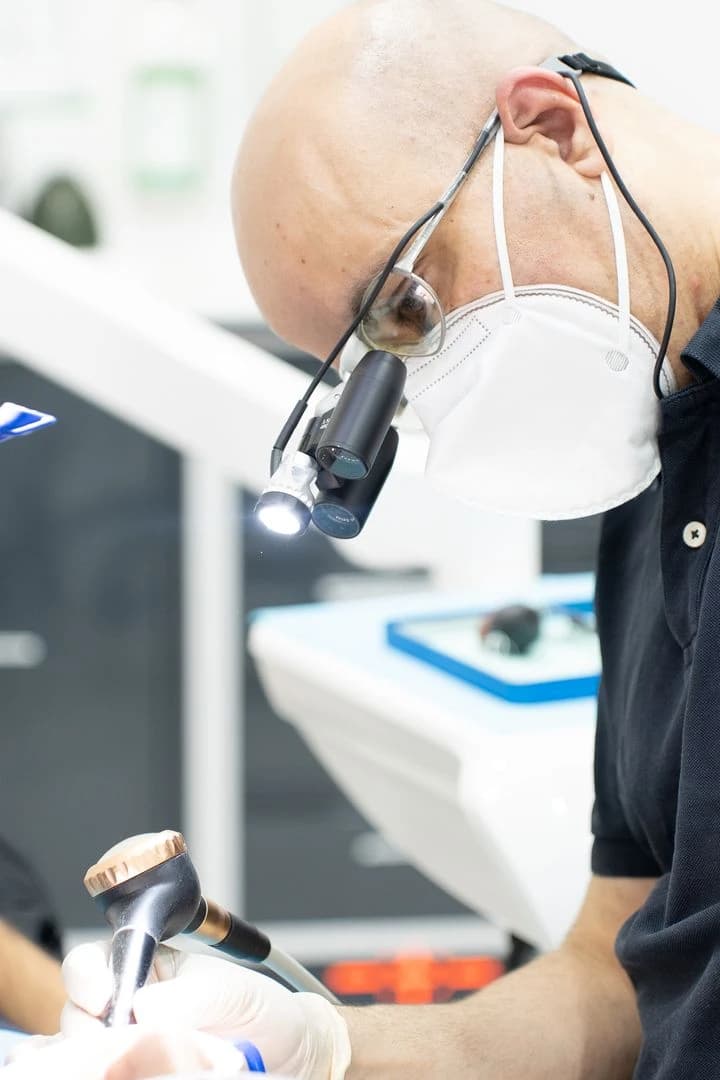
A bruxism-related tooth-wear assessment evaluates the pattern, severity, activity, and possible causes of lost tooth structure. It helps distinguish wear associated with clenching or grinding from acid erosion, abrasive habits, ageing, tooth anatomy, previous trauma, and contact with dental restorations.
At Bourgeois Dental Clinic in Dubai, the assessment reviews tooth appearance, sensitivity, cracks, restoration damage, bite relationships, jaw-muscle symptoms, diet, reflux or vomiting history, medication, dry mouth, oral-hygiene habits, and reported sleep or daytime grinding.
Visible wear does not automatically prove that active bruxism is currently occurring. The pattern must be interpreted with the patient’s history, symptoms, photographs, scans, restorations, and changes over time.
Who May Benefit From a Tooth-Wear Assessment?
Assessment may be appropriate for patients who notice:
- Flattened or shortened teeth
- Chipped front teeth
- Loss of natural tooth shape
- Increased tooth sensitivity
- Repeated filling, crown, or veneer fractures
- Visible grooves or worn chewing surfaces
- Changes in the bite
- Morning jaw-muscle fatigue
- Reported night-time grinding
- Daytime clenching
- Difficulty chewing certain foods
- Aesthetic concerns related to worn teeth
What Types of Tooth Wear May Be Considered?
- Attrition: Tooth structure lost through tooth-to-tooth contact.
- Erosion: Chemical loss caused by dietary or gastric acids.
- Abrasion: Mechanical wear from external habits or objects.
- Abfraction-like cervical defects: Non-carious loss near the gumline that may involve several contributing factors.
- Restorative wear: Wear or fracture affecting fillings, crowns, veneers, bridges, or implant restorations.
More than one process may be present in the same patient.
What Happens During the Assessment?
- History review: Discussing grinding, clenching, diet, acidic drinks, reflux, vomiting, brushing habits, occupation, medication, sleep, and previous dental treatment.
- Clinical examination: Assessing the location, depth, symmetry, and appearance of tooth wear.
- Crack and fracture review: Checking enamel, fillings, crowns, veneers, bridges, implants, and supporting teeth.
- Sensitivity assessment: Evaluating exposed dentine, cracks, decay, recession, or pulpal symptoms.
- Bite assessment: Reviewing contacts, available restorative space, and functional changes.
- Jaw-muscle and joint review: Checking fatigue, tenderness, clicking, locking, and movement.
- Records: Using photographs, digital scans, impressions, or models when useful for comparison.
- Imaging when indicated: Dental X-rays may be recommended to assess roots, decay, restorability, or other concerns.
- Management plan: Discussing monitoring, prevention, protection, repair, rehabilitation, or referral.
Does Tooth Wear Confirm Bruxism?
No. Tooth wear is cumulative and may reflect past or current factors.
Possible causes include:
- Sleep or awake bruxism
- Frequent acidic drinks
- Gastric reflux
- Repeated vomiting
- Abrasive brushing
- Holding objects between the teeth
- Age and long-term function
- Restoration materials contacting opposing teeth
- Developmental enamel differences
A diagnosis should not rely on wear alone.
How Is Active Wear Identified?
Possible indicators of ongoing change may include:
- Recent photographs showing progression
- Differences between digital scans
- New fractures or chips
- Fresh-looking wear surfaces
- Increasing sensitivity
- Rapid restoration wear
- New bite or appearance changes
Monitoring over time may be necessary when activity is uncertain.
Can Acid Erosion Occur With Bruxism?
Yes. Acid exposure may soften tooth surfaces, while grinding or clenching may increase mechanical loss of the weakened structure.
Possible acid sources include:
- Soft drinks
- Energy and sports drinks
- Citrus drinks
- Frequent acidic sweets
- Gastric reflux
- Repeated vomiting
- Occupational or dietary exposure
Medical symptoms related to reflux or repeated vomiting should be discussed with an appropriate healthcare professional.
Can Tooth Wear Cause Sensitivity?
Yes. Sensitivity may occur when enamel becomes thin or dentine is exposed.
However, sensitivity may also be caused by:
- Dental decay
- Cracked teeth
- Gum recession
- Leaking restorations
- Root inflammation
- Recent dental treatment
Persistent, severe, or localised sensitivity requires diagnosis.
Can Tooth Wear Change the Bite?
Extensive wear may reduce tooth height, alter contacts, create limited space for restorations, or change chewing function.
The mouth may also adapt gradually, so the visible amount of wear does not always indicate the same level of functional difficulty in every patient.
How Are Worn Teeth Monitored?
Monitoring may use:
- Clinical photographs
- Digital scans
- Dental models
- Measurements of tooth height or wear areas
- Review of cracks and restoration damage
- Comparison of bite contacts
- Assessment of night-guard wear
Can a Night Guard Prevent Further Wear?
A night guard or occlusal splint may protect selected teeth and restorations from direct tooth-to-tooth contact.
It does not necessarily stop grinding and cannot prevent damage caused by acids, decay, trauma, or every form of loading. The appliance requires suitable design, fit, bite adjustment, and review.
When Do Worn Teeth Need Restorative Treatment?
Restoration may be considered when wear causes:
- Pain or persistent sensitivity
- Structural weakness
- Repeated fractures
- Difficulty chewing
- Loss of restorative space
- Significant aesthetic concern
- Damage to existing dental work
- Progressive loss of tooth structure
Options may include bonded composite, onlays, crowns, veneers, or a broader rehabilitation plan depending on the teeth and diagnosis.
What Is Additive Treatment?
Additive treatment aims to rebuild selected worn areas with limited removal of additional healthy tooth structure when clinically appropriate.
Suitability depends on:
- Remaining enamel and dentine
- Available space
- Bite forces
- Wear activity
- Appearance goals
- Restoration material
- Ability to maintain and repair the result
When Is Bite Rehabilitation Considered?
Extensive wear affecting many teeth, chewing function, tooth height, restorative space, or appearance may require a coordinated bite-rehabilitation assessment.
Complex care may involve temporary restorations, bonded restorations, onlays, crowns, missing-tooth replacement, orthodontics, root-canal treatment, gum care, or referral according to the findings.
Can Worn Teeth Be Made to Look Exactly as They Did Before?
Not always. Treatment is influenced by remaining tooth structure, colour, alignment, bite, gum position, previous restorations, materials, and available space.
The aim is to create a clinically appropriate balance between protection, function, appearance, maintenance, and preservation of remaining tooth structure.
What Are the Risks and Limitations?
- The cause may involve several factors
- Wear may continue despite treatment
- Restorations may chip, fracture, or wear
- Some teeth may require root-canal treatment
- Sensitivity may persist
- Extensive treatment may require several stages
- A night guard may require adjustment or replacement
- Medical assessment may be needed for acid exposure or sleep concerns
- Future repair or replacement may be necessary
When Is Prompt Dental Care Needed?
Arrange prompt assessment for a fractured tooth, severe sensitivity, spontaneous pain, pain when biting, swelling, pus, a loose restoration, sudden bite change, or rapidly progressing damage.
Difficulty breathing or swallowing, rapidly spreading swelling, major facial trauma, neurological symptoms, severe weakness, confusion, or significant deterioration requires urgent medical care.
Tooth-Wear Assessment on Sheikh Zayed Road
Bourgeois Dental Clinic is located on the first floor of Indigo Sky Building, Sheikh Zayed Road, Exit 41, near Al Thanya Street in Dubai. The clinic is accessible from Al Barsha, Umm Al Sheif, Umm Suqeim, Jumeirah, Al Quoz, Barsha Heights, The Greens, Dubai Marina, and nearby communities.
Book a bruxism-related tooth-wear assessment for worn, shortened, sensitive, chipped, or fractured teeth, repeated restoration damage, grinding concerns, or restorative planning.
Department
TMJ, Jaw Pain & Bruxism Care
FAQ
Frequently Asked Questions
BOOK AN
Appointment
Working Hours
We are here to serve you