


Daytime Clenching Assessment
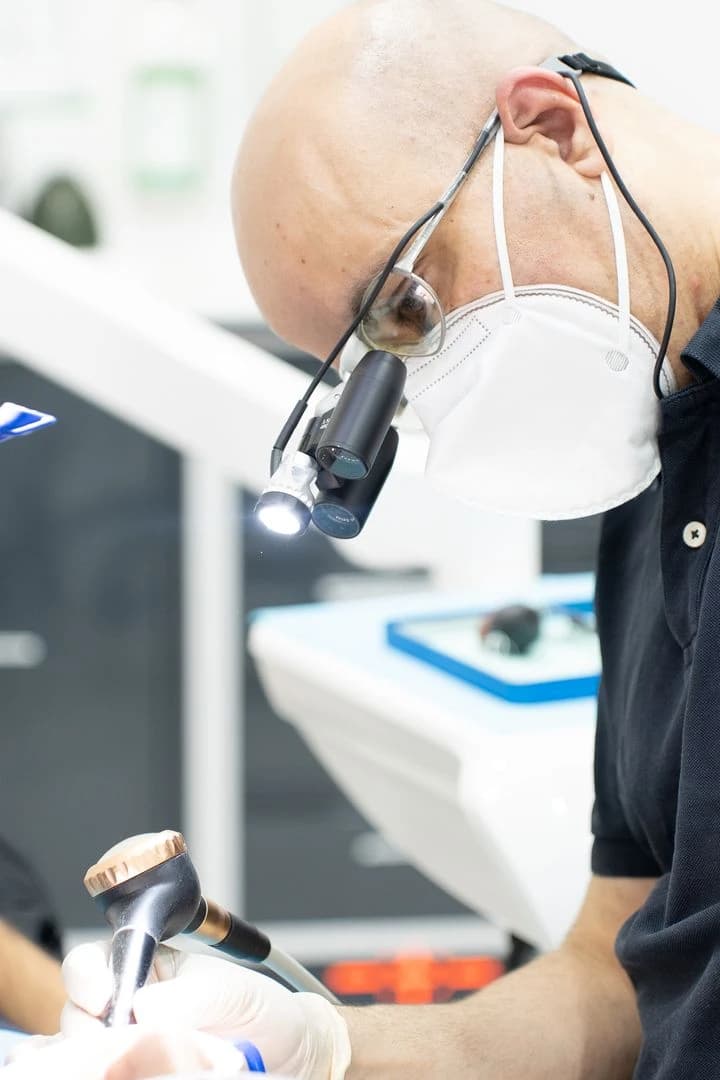
A daytime-clenching assessment evaluates repeated non-functional tooth contact, jaw bracing, and muscle tension during waking hours. These habits may occur during concentration, stress, driving, computer work, exercise, lifting, studying, or other daily activities.
At Bourgeois Dental Clinic in Dubai, the assessment reviews jaw-muscle discomfort, tooth wear, sensitivity, headaches, restoration damage, work habits, stress-related patterns, dental pain, medication, sleep symptoms, and whether additional medical, sleep, pain, or behavioural support is appropriate.
Daytime clenching is not always caused by an abnormal bite. Irreversible bite treatment should not be used routinely to manage a behavioural jaw-tension habit without a separate dental indication.
What Is Daytime Clenching?
Daytime or awake clenching may include:
- Holding the teeth together when not eating
- Tightening the chewing muscles
- Bracing the lower jaw
- Pressing the tongue against the teeth
- Maintaining prolonged jaw tension
- Clenching during concentration, exercise, or stress
Many patients are unaware of the habit until muscle fatigue or dental symptoms develop.
Who May Benefit From an Assessment?
Assessment may be useful for patients who:
- Notice frequent tooth contact during the day
- Develop jaw fatigue by the afternoon or evening
- Experience temple or cheek-muscle tenderness
- Have tooth sensitivity or cracks
- Repeatedly damage fillings, crowns, or veneers
- Clench during work, driving, gaming, exercise, or studying
- Experience morning and daytime jaw tension
- Have headaches that require broader assessment
- Use a night guard but continue to clench while awake
- Want practical habit-awareness strategies
What Happens During the Assessment?
- Habit history: Reviewing when clenching occurs, how long it lasts, and which activities or situations trigger it.
- Symptom review: Discussing jaw fatigue, headaches, sensitivity, pain, stiffness, and restoration damage.
- Dental examination: Checking wear, cracks, fractures, fillings, crowns, veneers, implants, and bite-related trauma.
- Muscle and joint assessment: Evaluating tenderness, fatigue, opening, clicking, and movement.
- Dental-pain review: Identifying infection, damaged teeth, or unstable restorations that may contribute to guarding.
- Medical and medication review: Considering health conditions, medication, stimulants, and sleep concerns.
- Behavioural-pattern assessment: Identifying work, stress, posture, exercise, and concentration triggers.
- Management plan: Creating practical reminders, habit modification, dental protection, treatment, or referral recommendations.
What Is a Healthy Resting Jaw Position?
For many patients, the jaw rests with the lips gently together or relaxed, the teeth slightly apart, and the tongue resting comfortably without forceful pressure.
The exact resting position varies, and patients should avoid forcing the jaw into an uncomfortable posture.
Why Does Daytime Clenching Cause Muscle Fatigue?
Chewing muscles are designed to work intermittently during eating and speaking. Prolonged tension may contribute to:
- Cheek or temple discomfort
- Jaw fatigue
- Limited comfortable opening
- Awareness of facial tension
- Pain during chewing
- Headache symptoms in selected patients
Muscle pain may also have other causes and should not automatically be attributed to clenching.
Can Daytime Clenching Damage Teeth?
Repeated loading may contribute to:
- Tooth wear
- Enamel chipping
- Cracked teeth
- Tooth sensitivity
- Composite wear
- Crown or veneer fracture
- Loose implant components
- Restoration damage
The pattern and cause of damage should be assessed before treatment.
What Triggers Daytime Clenching?
Possible triggers may include:
- Concentration
- Stress or anxiety
- Driving
- Computer or phone use
- Gaming
- Weight training
- Physical exertion
- Pain or dental discomfort
- Caffeine or stimulants
- Selected medication
- Habitual posture or jaw bracing
The presence of a trigger does not prove that it is the only cause.
How Can Awareness Be Improved?
Patients may use:
- Phone reminders
- Computer-screen notes
- Habit-tracking applications
- Regular posture and jaw checks
- Triggers linked to routine activities
- Brief relaxation pauses
- Awareness during driving or exercise
The aim is to reduce unnecessary prolonged tooth contact rather than create constant anxiety about jaw position.
Can Stress Management Help?
Stress-management strategies may reduce muscle tension for some patients, but stress should not be assumed to explain all symptoms.
Appropriate support may include relaxation techniques, exercise modification, sleep improvement, or consultation with a qualified healthcare professional when stress or anxiety requires broader care.
Does Posture Cause Jaw Clenching?
Workstation or head-and-neck posture may influence muscle comfort in some patients, but posture alone does not explain every jaw symptom.
Persistent neck, shoulder, or postural concerns may be referred for physiotherapy or medical assessment.
Can a Night Guard Treat Daytime Clenching?
A night guard is primarily worn during sleep and does not directly change daytime behaviour.
Some patients may require dental protection at night while separately working on awareness and behavioural strategies during the day. Wearing a splint continuously without professional guidance may affect comfort, speech, hygiene, or tooth contacts.
Should I Wear an Appliance During the Day?
Daytime appliance use is not suitable for every patient and should be prescribed only after assessment.
Potential considerations include:
- Diagnosis
- Dental stability
- Speech requirements
- Oral hygiene
- Risk of tooth movement
- Appliance design
- Ability to attend follow-up
Can Bite Adjustment Stop Daytime Clenching?
There is no guarantee that changing tooth contacts will stop a behavioural or muscle-activity habit.
Minor adjustment may be considered when a recent restoration is clearly too high and causes localised symptoms. Extensive reshaping of healthy teeth is not a routine first-line treatment for daytime clenching.
Can Medication Contribute to Clenching?
Selected medication may be associated with increased jaw-muscle activity in some patients. Medication should not be stopped or changed without guidance from the prescribing clinician.
The timing of symptoms may be documented and discussed with the appropriate medical professional.
Can Dental Pain Cause Jaw Bracing?
Yes. Patients may hold the jaw rigidly or avoid movement when they have:
- Toothache
- Cracked teeth
- A high restoration
- Dental infection
- Jaw-joint pain
- Muscle injury
- Recent trauma
The underlying condition should be treated rather than managed only with habit reminders.
How Is Tooth Wear Monitored?
Monitoring may include:
- Clinical photographs
- Digital scans
- Dental models
- Review of cracks or fractures
- Assessment of restoration wear
- Comparison at future visits
A bruxism-related tooth-wear assessment may be recommended when wear is extensive or progressing.
Can Headaches Be Caused by Daytime Clenching?
Jaw-muscle tension may contribute to selected headache patterns, but headaches have many dental, neurological, visual, vascular, medical, and musculoskeletal causes.
New, severe, sudden, persistent, or neurological headaches require appropriate medical assessment.
What Management May Be Recommended?
- Habit awareness
- Behavioural reminders
- Resting-jaw guidance
- Temporary reduction of prolonged chewing
- Conservative comfort measures
- Review of exercise or work triggers
- Treatment of dental pain or unstable restorations
- Night-time dental protection when indicated
- Physiotherapy or medical referral
- Follow-up to monitor symptoms and tooth wear
Visit jaw-pain self-care guidance for conservative daily recommendations.
What Are the Limitations of Treatment?
- Habit change requires consistent awareness
- Symptoms may have more than one cause
- A night guard does not stop daytime behaviour
- Tooth damage may continue if loading remains high
- Stress, medication, sleep, or medical factors may require additional care
- Improvement cannot be guaranteed
- Symptoms may return during stressful or concentrated activities
- Restorative treatment may be required for damaged teeth
When Is Prompt Assessment Needed?
Arrange prompt dental care for severe pain, a cracked or fractured tooth, swelling, pus, pain when biting, a loose crown or implant component, sudden bite change, persistent jaw locking, or increasing difficulty opening.
Difficulty breathing or swallowing, major facial trauma, rapidly spreading swelling, neurological symptoms, severe weakness, confusion, chest pain, or significant deterioration requires urgent medical care.
Daytime-Clenching Assessment on Sheikh Zayed Road
Bourgeois Dental Clinic is located on the first floor of Indigo Sky Building, Sheikh Zayed Road, Exit 41, near Al Thanya Street in Dubai. The clinic is accessible from Al Barsha, Umm Al Sheif, Umm Suqeim, Jumeirah, Al Quoz, Barsha Heights, The Greens, Dubai Marina, and nearby communities.
Book a daytime-clenching assessment for repeated tooth contact, jaw tension, muscle fatigue, sensitivity, tooth wear, restoration damage, work-related habits, or personalised behavioural guidance.
Department
TMJ, Jaw Pain & Bruxism Care
FAQ
Frequently Asked Questions
BOOK AN
Appointment
Working Hours
We are here to serve you