


Jaw-Joint and Muscle Assessment
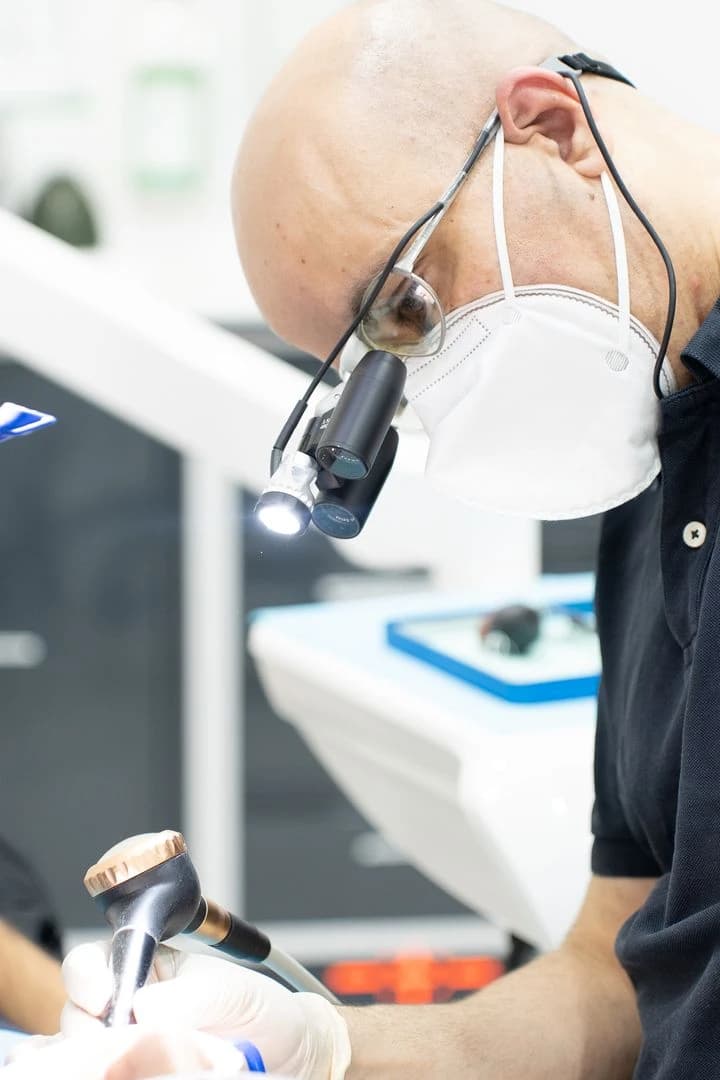
A jaw-joint and muscle assessment examines the temporomandibular joints, chewing muscles, jaw movement, teeth, and related symptoms. It may help differentiate muscle-related discomfort, joint-related symptoms, dental pain, trauma, and conditions that require further medical or specialist evaluation.
At Bourgeois Dental Clinic in Dubai, the assessment is personalised according to the location and duration of pain, mouth-opening limitation, clicking, locking, headaches, sleep, clenching, grinding, medical history, previous injuries, dental treatment, and functional difficulty.
What Structures Are Assessed?
The examination may consider:
- Right and left temporomandibular joints
- Muscles used for chewing
- Muscles around the temples, cheeks, and jaw
- Jaw opening and side-to-side movement
- Teeth and bite contacts
- Dental restorations and implants
- Oral tissues
- Neck or postural factors when relevant to referral decisions
Who May Benefit From This Assessment?
Assessment may be appropriate for patients with:
- Pain around one or both jaw joints
- Cheek or temple muscle tenderness
- Jaw fatigue while eating
- Reduced mouth opening
- Clicking, popping, or grinding sounds
- Temporary jaw locking
- Morning muscle discomfort
- Pain after prolonged dental treatment
- Symptoms after facial trauma
- A change in the bite
- Clenching or grinding signs
- Repeated tooth or restoration fractures
What Happens During the Assessment?
- History: Reviewing symptom location, duration, severity, triggers, trauma, locking, sleep, headaches, medication, and previous care.
- Observation: Assessing facial symmetry, resting jaw position, swelling, and movement pattern.
- Opening measurement: Evaluating comfortable and maximum opening when appropriate.
- Movement review: Observing deviation, deflection, side-to-side movement, and forward movement.
- Joint-sound assessment: Identifying clicking, popping, or coarse sounds during selected movements.
- Muscle examination: Assessing tenderness and whether pressure reproduces familiar symptoms.
- Dental review: Checking infection, cracks, wear, restorations, impacted teeth, and other dental pain sources.
- Bite review: Assessing contacts and recent changes without assuming that the bite is the cause of every symptom.
- Further-investigation plan: Deciding whether monitoring, imaging, conservative care, or referral is appropriate.
How Is Mouth Opening Evaluated?
The dentist may observe:
- Comfortable opening
- Maximum opening when safe
- Pain during movement
- Deviation to one side
- Sudden restriction
- Locking or catching
- Change after gentle repeated movement
Opening measurements vary between individuals. A number should be interpreted together with symptoms, function, trauma history, and changes over time.
What Do Jaw-Joint Sounds Mean?
Jaw sounds may include clicking, popping, crepitus, or grinding.
They may be associated with:
- Movement of the joint disc
- Joint-surface changes
- Ligament or soft-tissue movement
- Previous trauma
- Normal variation without disease
A sound alone does not confirm severity. Pain, locking, progressive limitation, and functional problems are more important when deciding whether treatment or referral is needed.
How Is Muscle Pain Assessed?
The chewing muscles may be examined for:
- Tenderness
- Fatigue
- Asymmetry
- Firmness or tension
- Pain during chewing or opening
- Reproduction of familiar symptoms
Muscle tenderness may be influenced by clenching, prolonged chewing, stress, sleep, posture, trauma, medical conditions, or other factors.
Can Dental Problems Mimic TMJ Pain?
Yes. Dental decay, root infection, cracks, abscesses, impacted teeth, gum disease, and damaged restorations may cause pain that feels like joint or muscle pain.
Dental causes should be assessed before symptoms are attributed solely to a temporomandibular disorder.
Can Ear Pain Be Evaluated During a Dental Assessment?
The jaw joint is located close to the ear, and some patients experience discomfort in that area. However, hearing loss, ear discharge, dizziness, fever, or ear infection symptoms require medical assessment.
A dental examination cannot replace an ear, nose, and throat evaluation when a non-dental cause is suspected.
Can Headaches Be Related to Jaw Muscles?
Muscle tension and clenching may contribute to some headache patterns, but headaches have many possible causes.
New, severe, sudden, persistent, or neurological headaches require appropriate medical evaluation rather than being attributed automatically to the jaw.
When Is Imaging Considered?
Imaging may be considered when there is:
- Recent trauma
- Suspected fracture
- Persistent limitation
- Progressive locking
- Possible bone or joint change
- Severe asymmetry
- Suspected dental infection
- Unexplained bite alteration
- Symptoms requiring specialist planning
The appropriate imaging method depends on whether the clinical question involves teeth, bone, or soft joint tissues.
What Conservative Care May Be Recommended?
Depending on the findings, care may include:
- Monitoring
- Temporary chewing modification
- Avoiding extreme mouth opening
- Daytime clenching awareness
- Conservative comfort measures
- Selected movement guidance
- A night guard or splint when appropriate
- Treatment of dental infection or damaged teeth
- Review of sleep or medical factors
- Referral for physiotherapy or specialist care
Visit jaw-exercise and mobility guidance for information about exercise suitability.
Can Muscle Pain Be Treated With a Splint?
An occlusal splint may help selected patients, particularly when tooth protection or controlled contacts are part of the treatment objective.
It cannot guarantee symptom relief and may be unsuitable when the diagnosis is unclear, dental disease is untreated, or the patient cannot attend follow-up.
What if the Jaw Locks?
Temporary locking may occur during opening or closing. Persistent locking or inability to open or close normally requires prompt assessment.
Do not force the jaw repeatedly or begin aggressive exercises without evaluation, particularly after trauma or when pain and swelling are increasing.
When Is Referral Appropriate?
- Persistent or severe pain
- Recurrent locking
- Progressive limitation
- Major trauma
- Suspected inflammatory joint disease
- Neurological symptoms
- Complex facial pain
- Sleep-related breathing concerns
- Need for advanced imaging
- Need for physiotherapy or pain management
- Limited response to conservative care
What Are the Limitations of the Assessment?
- One visit may not identify every cause
- Symptoms may involve more than one structure
- Jaw sounds do not always match symptom severity
- Imaging or medical assessment may still be required
- Muscle tenderness is not specific to one diagnosis
- Symptoms may change over time
- Follow-up may be necessary before a final diagnosis is made
When Is Prompt Dental Care Needed?
Arrange prompt dental assessment for severe pain, swelling, pus, trauma, persistent locking, inability to open or close normally, a fractured tooth, or a sudden bite change.
When Is Urgent Medical Care Needed?
Seek urgent medical care for difficulty breathing or swallowing, rapidly spreading swelling, major facial injury, suspected jaw fracture, loss of consciousness, neurological symptoms, severe weakness, confusion, or significant deterioration.
Jaw-Joint and Muscle Assessment on Sheikh Zayed Road
Bourgeois Dental Clinic is located on the first floor of Indigo Sky Building, Sheikh Zayed Road, Exit 41, near Al Thanya Street in Dubai. The clinic is accessible from Al Barsha, Umm Al Sheif, Umm Suqeim, Jumeirah, Al Quoz, Barsha Heights, The Greens, Dubai Marina, and nearby communities.
Book a jaw-joint and muscle assessment for pain, tenderness, clicking, locking, restricted opening, chewing fatigue, bite changes, trauma, clenching, or grinding symptoms.
Department
TMJ, Jaw Pain & Bruxism Care
FAQ
Frequently Asked Questions
BOOK AN
Appointment
Working Hours
We are here to serve you