


Occlusal-Splint Adjustment and Review
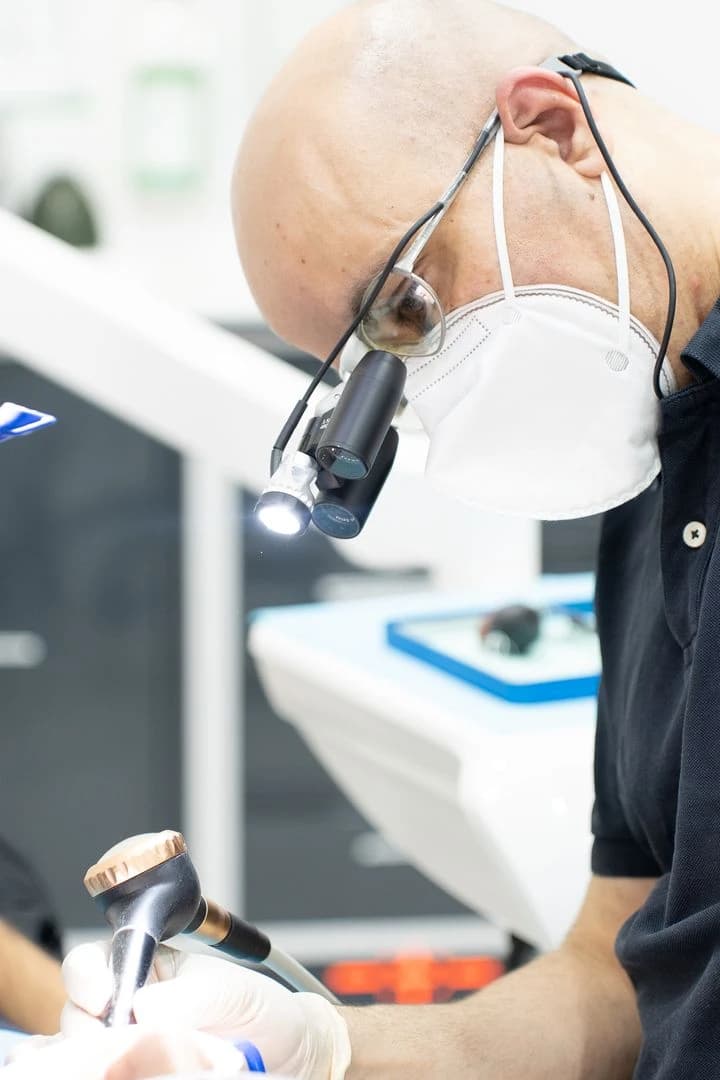
Occlusal-splint adjustment and review checks whether a night guard or dental splint continues to fit safely, contact the teeth appropriately, remain comfortable, and meet its original treatment objective. Dental treatment, tooth movement, appliance wear, grinding, restoration changes, or changes in the jaw muscles and joints can alter how a splint fits over time.
At Bourgeois Dental Clinic in Dubai, the review may include the appliance material, retention, tooth coverage, bite contacts, wear pattern, hygiene, gum response, symptom changes, and the condition of the teeth and restorations beneath the appliance.
A splint should not be adjusted at home by heating, cutting, bending, filing, or grinding it. Uncontrolled modification may damage the appliance, create uneven tooth contacts, irritate tissues, or reduce its protective function.
When Should an Occlusal Splint Be Reviewed?
A review may be appropriate when:
- The appliance feels loose
- The splint has become unusually tight
- It no longer seats fully over the teeth
- The bite feels different after removal
- A tooth or gum becomes painful
- Jaw symptoms have increased
- The appliance has cracked, chipped, or worn through
- A filling, crown, veneer, bridge, or implant restoration has changed
- Dental treatment has been completed since the splint was made
- The appliance develops persistent odour or staining
- The patient has not had the splint reviewed for an extended period
What Happens During the Review?
- Symptom update: Discussing jaw pain, clenching, grinding, headaches, locking, tooth sensitivity, sleep, and changes since the previous visit.
- Dental examination: Checking teeth, gums, restorations, mobility, decay, fractures, and sensitivity.
- Appliance inspection: Assessing cracks, thinning, rough areas, distortion, discolouration, and hygiene.
- Fit assessment: Checking whether the splint seats completely and remains stable without excessive pressure.
- Bite-contact assessment: Reviewing how the opposing teeth contact the appliance during closing and selected jaw movements.
- Tissue assessment: Checking for gum irritation, pressure areas, ulcers, or tooth discomfort.
- Adjustment when appropriate: Refining selected areas using controlled clinical techniques.
- Use and cleaning review: Updating wearing instructions, storage, hygiene, and warning signs.
- Replacement decision: Determining whether repair, continued monitoring, or a new appliance is more suitable.
Why Can a Splint Become Tight?
A splint may feel tighter because of:
- Minor tooth movement
- Changes after dental treatment
- Material distortion
- Incorrect storage or exposure to heat
- Changes in gum position
- Incomplete seating
- Damage to the internal appliance surface
A very tight appliance should not be forced into position because it may place unwanted pressure on the teeth or restorations.
Why Can a Splint Become Loose?
Possible causes include:
- Material wear
- Tooth movement
- Changes to fillings, crowns, or veneers
- Fracture or distortion
- Reduced retention
- An appliance made before orthodontic or restorative treatment
A loose appliance may move during sleep, reduce protection, irritate tissues, or create a swallowing concern if it becomes significantly unstable.
Is It Normal for the Bite to Feel Different After Removing the Splint?
A brief awareness of altered contacts may occur in some patients immediately after removal, but the bite should not remain significantly or progressively different.
Arrange a review when:
- The change lasts for an extended period
- One tooth contacts much earlier than before
- The teeth no longer meet normally
- Pain develops while biting
- The change is becoming more noticeable
- The appliance has been worn for longer periods than instructed
Can an Occlusal Splint Move Teeth?
An appropriately designed and monitored full-coverage splint aims to minimise unwanted tooth movement, but poorly fitting, damaged, partial-coverage, or unsupervised appliances may increase the risk of changing tooth positions or contacts.
Regular review is particularly important when the appliance does not cover all intended teeth or when the patient has active orthodontic, periodontal, or restorative concerns.
Can a Damaged Splint Be Repaired?
Minor surface areas may sometimes be adjusted, but repair suitability depends on:
- Appliance material
- Location and extent of damage
- Remaining thickness
- Fit and retention
- Hygiene condition
- Changes to the teeth
- Original design
A heavily cracked, distorted, thin, or unstable appliance may require replacement.
What Do Wear Marks on a Splint Mean?
Wear marks may demonstrate where the teeth have contacted the appliance, but they do not measure the exact frequency or severity of grinding.
Wear patterns may help the dentist assess:
- Areas of repeated contact
- Material thinning
- Restoration loading
- Need for adjustment
- Whether replacement should be considered
- Changes compared with previous reviews
Does Splint Wear Mean Bruxism Is Getting Worse?
Not necessarily. Wear depends on appliance material, thickness, duration of use, bite contacts, grinding patterns, cleaning, and the age of the appliance.
The splint should be assessed with symptoms, tooth wear, restoration damage, and other clinical findings.
Can a Splint Cause Tooth Pain?
Tooth discomfort may occur if the appliance:
- Places uneven pressure on selected teeth
- Does not seat completely
- Has distorted
- Contacts a cracked or infected tooth
- Fits over a loose restoration
- Has become excessively tight
Tooth pain may also result from decay, cracks, gum disease, root inflammation, or restoration problems and requires diagnosis.
Can a Splint Irritate the Gums?
Yes. Rough edges, excessive extension, poor cleaning, plaque retention, or an altered fit may contribute to irritation.
Persistent redness, bleeding, ulceration, swelling, or pain should be assessed. The appliance may need adjustment, professional cleaning, or replacement.
How Should an Occlusal Splint Be Cleaned?
- Rinse it after use
- Brush it gently with a soft brush
- Use cleaning products compatible with the material
- Avoid boiling or very hot water
- Avoid highly abrasive toothpaste unless specifically advised
- Allow the appliance to dry according to instructions
- Store it in a clean, ventilated case
- Clean the storage case regularly
- Bring the splint to dental appointments
Can Denture Cleaners Be Used?
Some appliance-cleaning products may be suitable, while others may damage, discolour, soften, or roughen particular materials.
Cleaning instructions should match the appliance material and the dentist’s recommendation.
How Long Does an Occlusal Splint Last?
There is no fixed lifespan. Replacement depends on:
- Grinding and clenching activity
- Material and thickness
- Frequency of use
- Changes in the teeth or restorations
- Cleaning and storage
- Cracks or distortion
- Fit and bite stability
- Orthodontic or restorative treatment
Can the Same Splint Be Used After a New Crown or Filling?
The appliance should be checked after dental treatment that changes the shape of a tooth.
A small modification may sometimes restore the fit, while substantial changes may require a new scan, impression, or appliance.
Can I Continue Wearing a Cracked Splint?
A cracked appliance may become sharp, lose stability, fracture further, or create a swallowing risk.
Stop use and arrange a review when the splint is split, significantly cracked, distorted, or no longer retained safely.
Does Splint Adjustment Treat the Cause of Bruxism?
No. Adjustment improves appliance fit and contacts but does not necessarily remove factors contributing to sleep grinding or daytime clenching.
Bruxism may involve sleep physiology, stress-related habits, medication, stimulants, alcohol, tobacco, sleep-related breathing concerns, or other factors. Visit bruxism and teeth-grinding assessment for a broader evaluation.
Can a Splint Cure TMJ Symptoms?
No cure can be guaranteed. A suitable appliance may support selected patients, but clicking, pain, muscle fatigue, locking, or headaches may continue or require other care.
Persistent symptoms may require TMJ and jaw-pain consultation, physiotherapy, imaging, medical evaluation, pain management, or specialist referral.
What Are the Risks and Limitations?
- Symptoms may not improve
- Grinding may continue
- The appliance may wear or fracture
- Tooth or bite changes may occur with poor fit or unsupervised use
- Adjustments may not correct major distortion
- A new appliance may be required
- Dental disease may need separate treatment
- Regular monitoring remains necessary
- Medical or specialist care may still be appropriate
When Is Prompt Assessment Needed?
Arrange prompt dental care for severe tooth pain, swelling, pus, a fractured tooth, a loose restoration, persistent jaw locking, a sudden bite change, a splint that cannot be removed safely, or an appliance that has fractured into loose pieces.
Difficulty breathing or swallowing, rapidly spreading facial or neck swelling, major trauma, neurological symptoms, severe weakness, confusion, or significant deterioration requires urgent medical care.
Occlusal-Splint Review on Sheikh Zayed Road
Bourgeois Dental Clinic is located on the first floor of Indigo Sky Building, Sheikh Zayed Road, Exit 41, near Al Thanya Street in Dubai. The clinic is accessible from Al Barsha, Umm Al Sheif, Umm Suqeim, Jumeirah, Al Quoz, Barsha Heights, The Greens, Dubai Marina, and nearby communities.
Book an occlusal-splint adjustment and review for a loose, tight, damaged, uncomfortable, worn, or poorly fitting night guard, bite changes, tooth pressure, gum irritation, or updated dental treatment.
Department
TMJ, Jaw Pain & Bruxism Care
FAQ
Frequently Asked Questions
BOOK AN
Appointment
Working Hours
We are here to serve you