


Bruxism and Teeth-Grinding Assessment
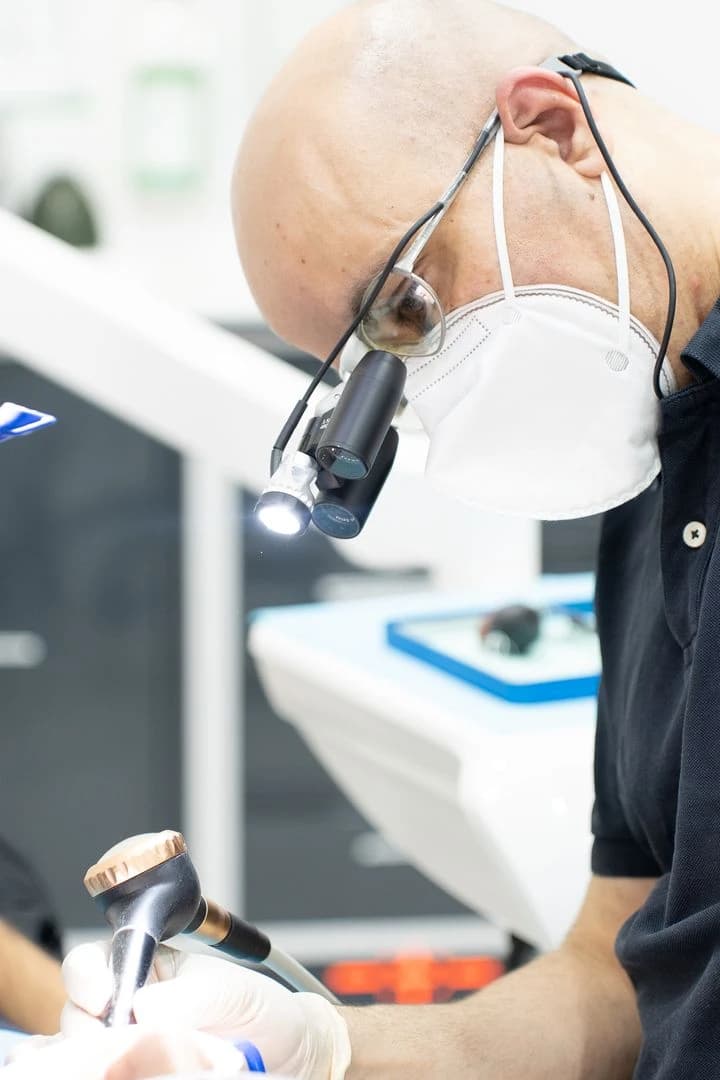
A bruxism and teeth-grinding assessment evaluates signs of clenching, grinding, or bracing the jaw during sleep or wakefulness. The examination reviews tooth wear, cracks, sensitivity, muscle fatigue, jaw symptoms, restoration damage, sleep concerns, medication, and habits that may contribute to excessive dental loading.
At Bourgeois Dental Clinic in Dubai, bruxism is assessed carefully because worn teeth, fractured restorations, morning discomfort, and jaw tension can have several causes. A single sign does not always confirm active grinding.
What Is Bruxism?
Bruxism is repetitive jaw-muscle activity that may involve:
- Clenching the teeth
- Grinding the teeth
- Bracing or holding the jaw rigidly
- Repeated non-functional tooth contact
It may occur while awake or during sleep. Sleep and awake bruxism may have different patterns and contributing factors.
Who May Benefit From a Bruxism Assessment?
Assessment may be useful for patients who:
- Are told they grind their teeth during sleep
- Notice daytime clenching
- Wake with jaw-muscle fatigue
- Have flattened or shortened teeth
- Experience repeated chipping or fractures
- Break fillings, crowns, veneers, or implant restorations
- Have unexplained tooth sensitivity
- Develop frequent jaw tension
- Have a night guard that no longer fits
- Have completed extensive cosmetic or restorative treatment
What Signs May Suggest Bruxism?
- Flattened chewing surfaces
- Shiny wear facets
- Chipped enamel
- Cracked teeth
- Shortened front teeth
- Worn composite or porcelain
- Repeated loose implant components
- Morning jaw-muscle discomfort
- Tooth sensitivity
- Indentations along the tongue or inner cheek
- Reported grinding sounds
- Awareness of daytime tooth contact
These signs may also be influenced by acid erosion, tooth anatomy, diet, trauma, ageing, restoration design, or other causes.
What Happens During the Assessment?
- History review: Discussing grinding reports, daytime clenching, sleep, stress, medication, stimulants, alcohol, smoking, pain, and previous appliances.
- Tooth-wear assessment: Examining the location, pattern, depth, and possible causes of wear.
- Crack and fracture assessment: Checking natural teeth, fillings, crowns, bridges, veneers, implants, and dentures.
- Muscle and joint review: Assessing tenderness, fatigue, clicking, locking, and movement.
- Bite assessment: Reviewing contacts and restoration loading without assuming that an abnormal bite caused the bruxism.
- Dental-risk review: Checking decay, erosion, exposed roots, sensitivity, and gum health.
- Sleep and medical review: Identifying symptoms that may require evaluation by an appropriate medical or sleep professional.
- Management planning: Discussing monitoring, habit awareness, protective appliances, restorative care, maintenance, or referral.
What May Contribute to Bruxism?
Possible contributing factors include:
- Sleep physiology
- Stress or concentration-related habits
- Selected antidepressants or other medication
- Caffeine or stimulants
- Alcohol
- Smoking or nicotine use
- Sleep-related breathing disorders
- Neurological or movement conditions
- Pain or discomfort
- Individual behavioural patterns
Bruxism is not always caused by tooth alignment or bite irregularities.
What Is the Difference Between Sleep and Awake Bruxism?
- Sleep bruxism: Occurs during sleep and may involve rhythmic or sustained jaw-muscle activity.
- Awake bruxism: Occurs during waking hours and may involve clenching, bracing, or repeated tooth contact during concentration, stress, work, driving, or exercise.
Patients may have one or both patterns.
Can Tooth Wear Confirm Active Grinding?
Not by itself. Tooth wear shows that material has been lost, but it does not always prove that active grinding is currently occurring.
Wear may result from:
- Tooth-to-tooth contact
- Dietary acid exposure
- Gastric acid exposure
- Abrasive habits
- Previous episodes of grinding
- Age and cumulative use
- Restoration materials contacting natural teeth
A broader bruxism-related tooth-wear assessment may be recommended.
Can Bruxism Cause Tooth Sensitivity?
Grinding and clenching may contribute to sensitivity through enamel wear, cracks, exposed dentine, gum recession, or heavy loading.
Sensitivity can also result from decay, leaking restorations, root inflammation, erosion, or recent treatment. Persistent or localised sensitivity requires diagnosis.
Can Bruxism Damage Dental Restorations?
It may increase the risk of:
- Composite wear or fracture
- Porcelain chipping
- Crown or veneer fracture
- Bridge damage
- Loose implant screws or components
- Denture wear
- Natural-tooth cracks beneath restorations
Visit restoration protection for bruxism for maintenance and protective options.
Can Bruxism Affect Dental Implants?
Bruxism does not cause tooth decay around an implant, but heavy or repeated loading may contribute to wear, screw loosening, chipping, fracture, or other prosthetic complications.
Implant stability, restoration design, component condition, bite forces, and surrounding tissues should be assessed before treatment is selected.
Can a Night Guard Stop Grinding?
Not necessarily. A night guard or occlusal splint mainly creates a protective barrier and redistributes selected contacts.
Grinding may continue because it can be influenced by sleep physiology, stress, medication, stimulants, alcohol, breathing or sleep conditions, and other factors.
Who May Be Suitable for a Night Guard?
A custom appliance may be considered when:
- Natural teeth or restorations require protection
- There is repeated chipping or wear
- Selected muscle or joint symptoms may benefit
- The patient can maintain and attend follow-up
- The teeth and gums are sufficiently stable
- The appliance can be designed without creating harmful pressure
Untreated decay, infection, loose teeth, significant gum disease, or unstable restorations may need attention before appliance therapy.
What Is Daytime Clenching Management?
Management may include:
- Becoming aware of non-functional tooth contact
- Allowing the jaw to rest when not chewing or swallowing
- Using behavioural reminders
- Reducing prolonged jaw bracing
- Reviewing work, exercise, and concentration habits
- Addressing dental pain or unstable restorations
- Seeking further assessment when symptoms persist
Visit daytime clenching assessment for more information.
Can Medication Be Related to Grinding?
Selected medications may be associated with changes in jaw-muscle activity in some patients. Medication should not be stopped or changed without guidance from the prescribing clinician.
The dentist may recommend discussing timing, symptoms, and alternatives with the appropriate medical professional.
Can Bruxism Be Related to Sleep Apnoea?
Bruxism and sleep-related breathing conditions may occur in the same patient, but one does not automatically confirm the other.
Medical or sleep assessment may be appropriate when there is:
- Loud snoring
- Witnessed pauses in breathing
- Choking or gasping during sleep
- Excessive daytime sleepiness
- Morning headaches
- Unrefreshing sleep
- High blood pressure or other risk factors
A conventional night guard is not a treatment for obstructive sleep apnoea.
Can Worn Teeth Be Restored?
Selected worn or fractured teeth may be repaired with bonded restorations, onlays, crowns, or other treatments depending on remaining structure, bite, appearance, and available space.
Extensive wear may require a separate bite-rehabilitation or full-mouth treatment plan. Restoring wear without addressing contributing factors may increase the risk of repeated damage.
How Is Bruxism Monitored?
Monitoring may include:
- Clinical photographs
- Digital scans or dental models
- Review of tooth-wear progression
- Assessment of restoration damage
- Night-guard wear patterns
- Muscle and joint symptoms
- Patient awareness of daytime habits
- Sleep or medical follow-up when indicated
Can Bruxism Be Permanently Cured?
A permanent cure cannot be guaranteed. Bruxism may vary over time with sleep, stress, health, medication, habits, and other factors.
Management focuses on reducing harm, protecting teeth and restorations, addressing modifiable contributors, and monitoring symptoms.
What Are the Risks and Limitations of Management?
- Grinding may continue despite a guard
- Tooth wear may have several causes
- Restorations may still chip or fracture
- Appliances may wear, break, or require replacement
- Muscle or joint symptoms may not improve
- Medication or sleep factors may require medical care
- Daytime habits require consistent awareness
- Complex wear may require restorative treatment
- Symptoms may recur after improvement
When Is Prompt Dental Care Needed?
Arrange prompt assessment for a fractured tooth, severe sensitivity, pain when biting, swelling, pus, a loose crown or implant component, sudden bite change, persistent jaw locking, or severe jaw pain.
When Is Urgent Medical Care Needed?
Seek urgent medical care for difficulty breathing or swallowing, major facial trauma, rapidly spreading swelling, neurological symptoms, loss of consciousness, chest pain, severe weakness, confusion, or significant deterioration.
Bruxism and Teeth-Grinding Assessment on Sheikh Zayed Road
Bourgeois Dental Clinic is located on the first floor of Indigo Sky Building, Sheikh Zayed Road, Exit 41, near Al Thanya Street in Dubai. The clinic is accessible from Al Barsha, Umm Al Sheif, Umm Suqeim, Jumeirah, Al Quoz, Barsha Heights, The Greens, Dubai Marina, and nearby communities.
Book a bruxism and teeth-grinding assessment for clenching, grinding, tooth wear, sensitivity, jaw fatigue, repeated restoration damage, sleep concerns, or night-guard planning.
Department
TMJ, Jaw Pain & Bruxism Care
FAQ
Frequently Asked Questions
BOOK AN
Appointment
Working Hours
We are here to serve you