


Orthodontic and Braces Emergency Care
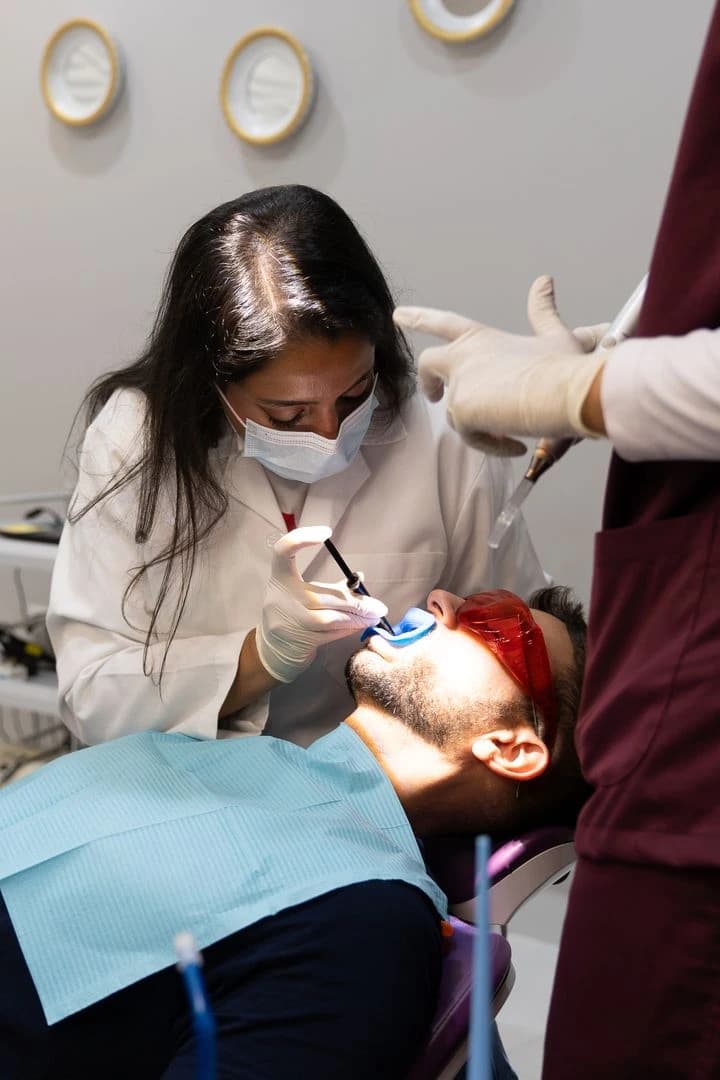
Orthodontic and braces emergency care assesses broken, loose, displaced, or painful orthodontic components that injure the mouth, interfere with eating, affect tooth movement, or create a swallowing or inhalation concern. Urgent care may involve stabilising the appliance, covering or repositioning a wire, removing an unsafe loose component, protecting oral tissues, assessing dental trauma, and coordinating further orthodontic treatment.
At Bourgeois Dental Clinic in Dubai, the dental team evaluates the appliance, teeth, gums, lips, cheeks, tongue, bite, pain severity, trauma history, and whether the problem can be managed safely in the clinic or requires orthodontic, medical, or hospital referral.
Not every orthodontic problem is a medical emergency. Mild pressure after an adjustment may be expected, while severe pain, dental trauma, uncontrolled bleeding, rapidly increasing swelling, or breathing difficulty requires prompt assessment.
Which Orthodontic Problems May Need Urgent Care?
- A wire cutting the cheek, lip, or tongue
- A loose or detached bracket
- A displaced molar band
- A broken archwire
- A loose spring, hook, or elastic attachment
- A damaged clear aligner
- A broken or displaced retainer
- A removable appliance that no longer fits
- Severe pain not explained by expected adjustment pressure
- Dental trauma while wearing braces
- A loose component that may be swallowed
- Concern that a component has entered the airway
What Happens During the Emergency Assessment?
- Urgency screening: Checking breathing, swallowing, bleeding, swelling, trauma, and possible inhalation of a component.
- Appliance assessment: Identifying broken wires, loose brackets, displaced bands, sharp edges, and damaged retainers or aligners.
- Dental examination: Checking tooth movement, fractures, looseness, decay, gum injury, and bite changes.
- Soft-tissue assessment: Evaluating ulcers, cuts, swelling, and irritation of the lips, cheeks, tongue, or gums.
- Stabilisation: Covering, repositioning, shortening, securing, or removing an unsafe component when clinically appropriate.
- Trauma assessment: Arranging dental imaging or further care when teeth have been injured.
- Follow-up planning: Coordinating repair, replacement, or continued orthodontic treatment.
What Should I Do With a Poking Wire?
A wire that irritates the cheek or tongue may sometimes be temporarily covered with orthodontic wax.
Until assessment:
- Keep the area clean
- Use orthodontic wax according to its instructions
- Avoid repeatedly bending or pulling the wire
- Avoid cutting the wire unless specifically instructed by a dental professional
- Arrange prompt care if the wire causes persistent injury or bleeding
Can I Cut an Orthodontic Wire at Home?
Cutting a wire at home may create a sharp loose piece that can be swallowed or inhaled. It may also damage the appliance or alter tooth movement.
Only attempt appliance modification when specifically instructed by the treating dental professional and when the recommended method can be followed safely.
What if a Bracket Becomes Loose?
A loose bracket may remain attached to the wire or move freely.
Avoid twisting or removing it without advice. The bracket may require:
- Temporary stabilisation
- Removal if it is unsafe
- Rebonding
- Replacement
- Adjustment of the wire
- Review of the tooth beneath it
What if a Molar Band Comes Loose?
A loose band may trap food, irritate the gum, move during chewing, or allow decay to develop around the tooth.
Do not push it repeatedly into place. Prompt assessment is recommended, especially if the band is painful, mobile, or at risk of being swallowed.
What if the Archwire Breaks?
A broken archwire may become sharp, stop engaging selected teeth, or interfere with treatment.
Temporary management may include:
- Covering the sharp end
- Repositioning the wire
- Removing an unstable segment
- Replacing the wire
- Adjusting the appliance
Is Pain After Braces Adjustment Normal?
Mild to moderate pressure or tenderness may occur after fitting or adjusting braces and often improves gradually.
Assessment is recommended when pain is:
- Severe or increasing
- Localised to one tooth
- Associated with swelling or pus
- Caused by a sharp or broken component
- Associated with dental trauma
- Preventing eating, drinking, or sleeping
- Persisting longer than expected
What if a Clear Aligner Cracks?
A cracked aligner should be assessed when it:
- Has sharp edges
- No longer fits fully
- Is split into unstable pieces
- Causes tooth or gum pain
- Has become distorted
- Cannot be removed safely
Do not heat, glue, bend, or reshape an aligner at home. The treatment provider may recommend continued use, replacement, temporary use of another tray, or a new scan depending on the case.
What if a Retainer Breaks or Stops Fitting?
A broken or poorly fitting retainer may allow unwanted tooth movement or irritate oral tissues.
Do not force a tight retainer onto the teeth. Assessment may involve:
- Repair
- Adjustment
- Replacement
- A new digital scan or impression
- Review of tooth movement
Can an Orthodontic Appliance Damage a Tooth?
Appliances may occasionally contribute to:
- Enamel damage
- Decay around brackets or bands
- Gum irritation
- Root or tooth sensitivity
- Unexpected tooth movement
- Trauma when a component breaks
Good cleaning and regular orthodontic and dental reviews remain important throughout treatment.
What if Dental Trauma Occurs While Wearing Braces?
Trauma may injure the teeth, roots, supporting bone, lips, gums, and orthodontic appliance.
Urgent assessment may include:
- Checking tooth mobility or displacement
- Assessing fractures
- Dental imaging
- Stabilising teeth
- Adjusting or removing appliance components
- Treating soft-tissue injuries
- Coordinating orthodontic follow-up
Visit loose or displaced tooth after trauma when a tooth moves or changes position.
What if a Bracket or Wire Is Swallowed?
Many small swallowed components pass through the digestive system without complication, but medical advice may still be appropriate depending on the component, symptoms, and patient history.
Seek urgent medical care for:
- Breathing difficulty
- Persistent coughing
- Wheezing
- Chest pain
- Choking
- Difficulty swallowing
- Severe abdominal pain
- Vomiting or significant deterioration
What if a Component Is Inhaled?
A suspected inhaled component is a medical emergency. Breathing symptoms, coughing, wheezing, or chest discomfort require urgent hospital assessment.
Can Orthodontic Wax Treat the Problem Permanently?
No. Wax may temporarily cover a sharp area, but it does not repair a broken wire, loose bracket, damaged retainer, or displaced band.
How Can Orthodontic Emergencies Be Reduced?
- Avoid hard and sticky foods when advised
- Do not bite pens, ice, or hard objects
- Wear a sports mouthguard during contact activities
- Clean carefully around brackets and bands
- Store aligners and retainers in their cases
- Do not wrap appliances in tissues where they may be discarded
- Attend scheduled orthodontic and dental reviews
- Report loose components before they worsen
What Are the Risks and Limitations?
- Emergency care may provide temporary stabilisation only
- The appliance may require specialist orthodontic repair
- Tooth movement may be interrupted
- A new retainer or aligner may be required
- Soft-tissue irritation may take time to heal
- Dental trauma may require long-term monitoring
- Loose components may present swallowing or inhalation risks
- Treatment outcomes depend on the appliance and injury
When Is Hospital Care Required?
Seek hospital care for breathing difficulty, suspected inhalation, choking, major facial trauma, uncontrolled bleeding, loss of consciousness, suspected jaw fracture, severe neurological symptoms, or rapidly spreading swelling.
Orthodontic Emergency Care on Sheikh Zayed Road
Bourgeois Dental Clinic is located on the first floor of Indigo Sky Building, Sheikh Zayed Road, Exit 41, near Al Thanya Street in Dubai. The clinic is accessible from Al Barsha, Umm Al Sheif, Umm Suqeim, Jumeirah, Al Quoz, Barsha Heights, The Greens, Dubai Marina, and nearby communities.
Book urgent orthodontic and braces care for broken wires, loose brackets, displaced bands, damaged aligners or retainers, oral injuries, severe appliance pain, or dental trauma.
Department
Dental Emergencies & Urgent Dental Care
FAQ
Frequently Asked Questions
BOOK AN
Appointment
Working Hours
We are here to serve you