


Dental Care During Pregnancy in Dubai: A Practical Safety Guide
Preventive, diagnostic and necessary restorative dental care can generally be provided during pregnancy. Tell the dental team your due date, health history and medicines.
Can you visit the dentist while pregnant?
Yes. Preventive care, diagnosis and necessary restorative treatment can generally be provided during pregnancy. Delaying pain, decay, infection or gum disease simply because a patient is pregnant may allow a manageable problem to become more difficult.
At Bourgeois Dental Clinic in Dubai, pregnant patients are assessed individually. Tell the team that you are pregnant, your expected due date, current medicines, allergies and whether your obstetrician has identified any medical concern. Dr. Nour provides general dental care and can plan treatment around comfort, urgency and health needs.
Why can pregnancy affect teeth and gums?
Hormonal changes can make the gums respond more strongly to plaque, so redness, swelling and bleeding may become more noticeable. This is often called pregnancy gingivitis. Pregnancy itself does not make every tooth unhealthy, but changes in diet, snacking, nausea, vomiting, reflux, dry mouth or a reduced cleaning routine can alter cavity and erosion risk.
A localised overgrowth of gum tissue can occasionally develop during pregnancy. It should be examined rather than self-diagnosed because not every lump or bleeding area has the same cause.
When is the best time for a dental checkup?
A checkup can be arranged at any stage when there is a concern. Many patients find the middle months more physically comfortable for planned care because nausea may have improved and lying back may be easier than later in pregnancy. Comfort is not the same as a medical rule: urgent problems should be assessed when they occur.
A dental checkup and consultation may include a review of symptoms, gums, teeth, existing restorations, bite and home care. The plan can prioritise prevention and necessary treatment while postponing genuinely elective care when appropriate.
Is professional dental cleaning suitable during pregnancy?
Professional cleaning can help remove plaque and calculus that brushing cannot fully control. The extent of cleaning depends on gum findings: routine scaling and polishing are different from periodontal treatment for deeper pockets or bone loss.
Bleeding gums should not be accepted as unavoidable. Gentle home care and a professional cleaning assessment may improve plaque control, while persistent swelling or deep pockets need a periodontal diagnosis.
Are dental X-rays allowed during pregnancy?
Dental imaging may be used when it is clinically justified and the result is needed for diagnosis or treatment. The dentist selects the smallest appropriate field and avoids unnecessary repeat images. Pregnancy should be disclosed before imaging so the need and technique can be reviewed.
An X-ray is not ordered merely because a standard schedule says it is due. It may be important when pain, trauma, infection, decay or treatment planning cannot be assessed adequately by examination alone.
Can local anaesthetic be used?
Local anaesthesia is commonly used for necessary dental care during pregnancy. The dentist reviews the patient’s medical history, stage of pregnancy, procedure and any obstetric advice before selecting the drug and dose. Adequate pain control can make care safer and less stressful than attempting treatment without effective numbness.
Do not start, stop or substitute prescription or over-the-counter medicines without advice from an appropriate clinician. A familiar painkiller may still be unsuitable at a particular stage of pregnancy or with another health condition.
What dental treatment should not be delayed?
Severe pain, swelling, dental infection, an abscess, a broken tooth, spreading gum infection and trauma require prompt assessment. Necessary fillings, root-canal treatment or extraction may be considered when clinically indicated. The risks of untreated disease are weighed against the planned procedure.
Difficulty breathing or swallowing, rapidly increasing facial or neck swelling, swelling around the eye, major trauma, uncontrolled bleeding, confusion or serious deterioration requires urgent hospital medical care.
What may be postponed?
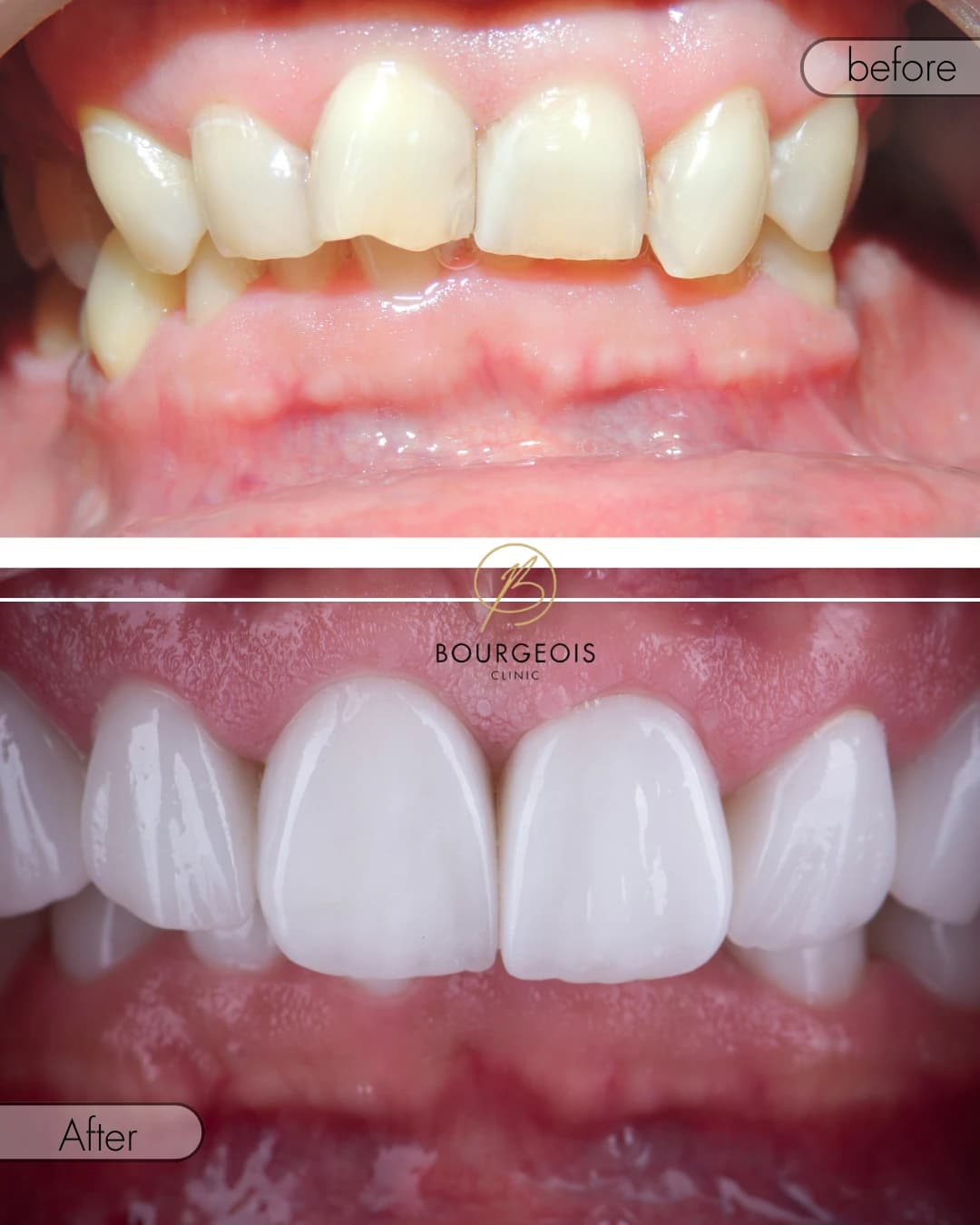
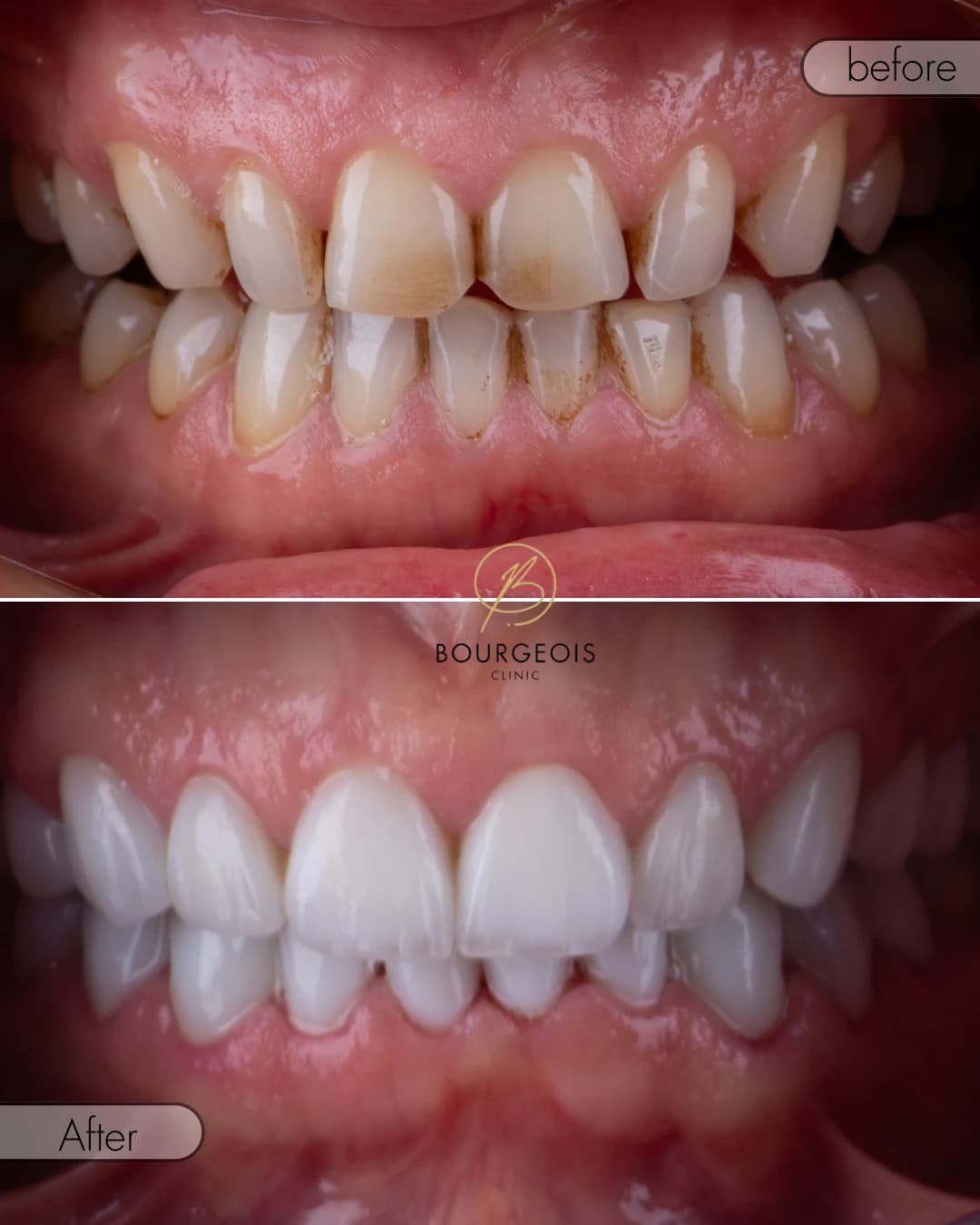
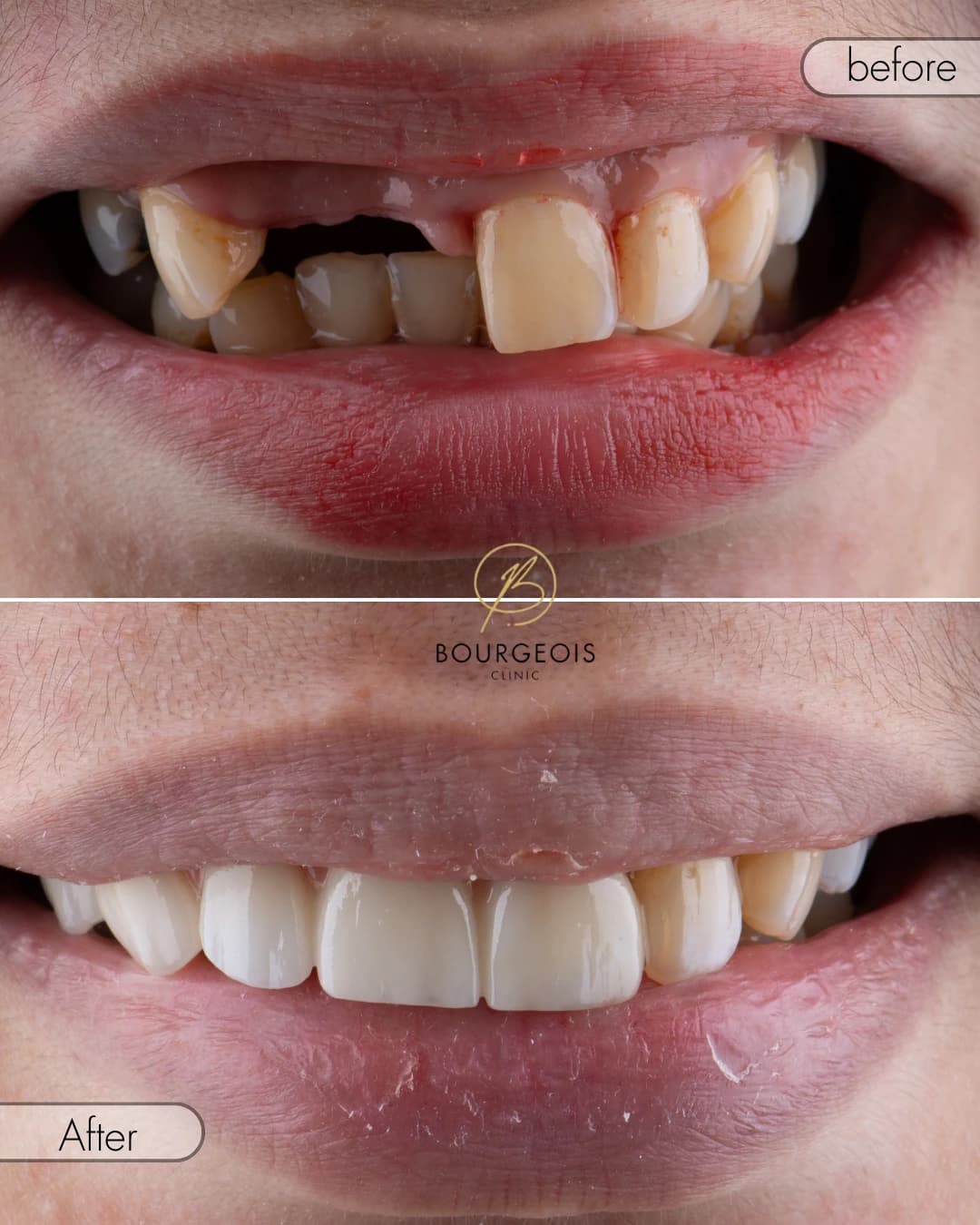
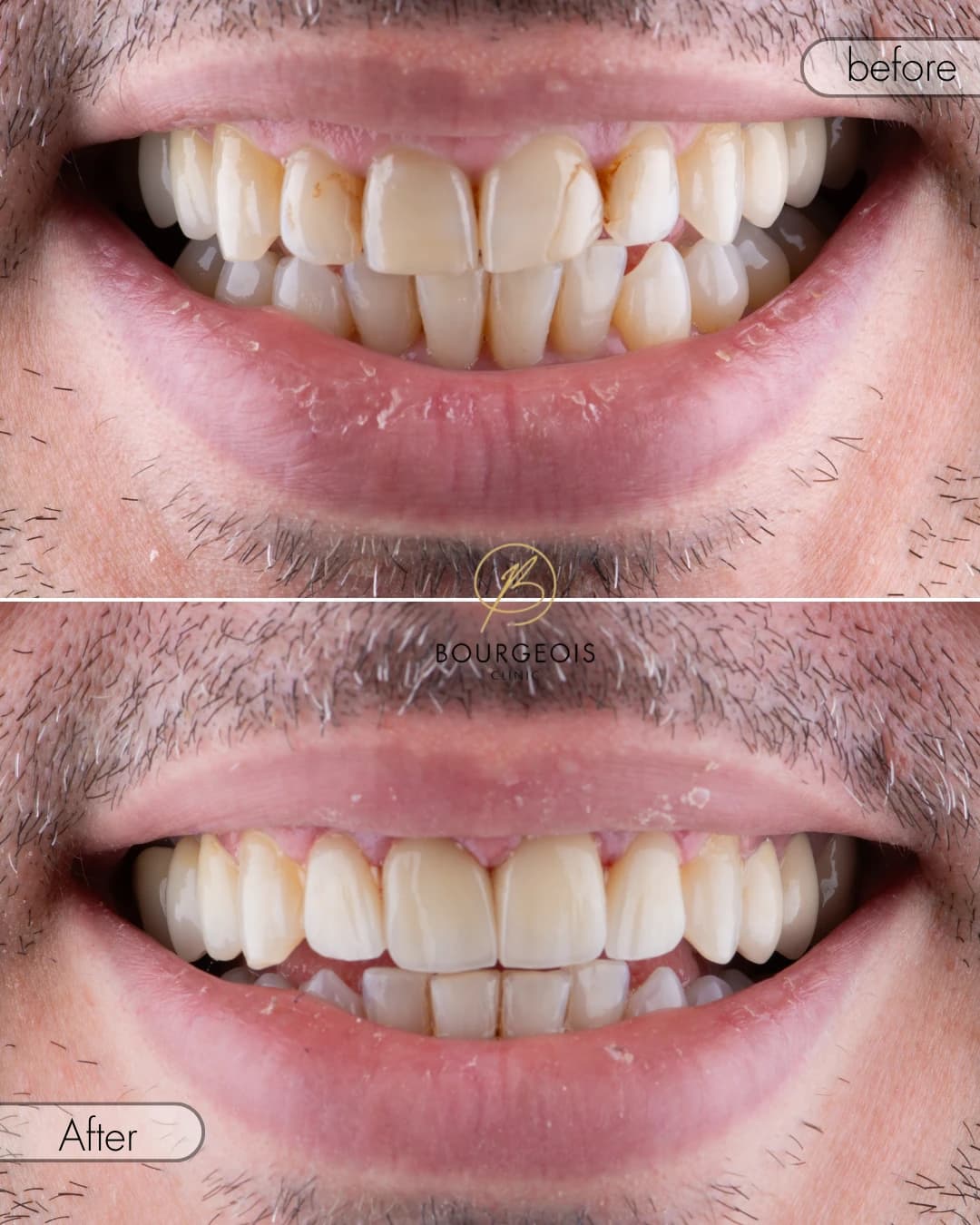
Purely elective treatment that is not needed for health or function may sometimes be scheduled after pregnancy if that is more comfortable and clinically reasonable. Examples can include selected cosmetic changes. Postponement is individual; a cosmetic-looking problem may still hide decay, a fracture or gum disease that needs attention.
How should morning sickness and reflux be managed?
Vomiting and gastric reflux expose enamel to acid. Do not brush immediately after vomiting because the surface may be temporarily softened. Rinse with water or a dentist-recommended neutralising rinse, then wait before brushing gently with fluoride toothpaste.
Frequent small meals may help nausea, but repeated sugary or acidic snacks and drinks can raise dental risk. Sip water, choose less cariogenic snacks when possible and discuss fluoride or erosion prevention if vomiting is frequent.
How can you care for gums at home?
- Brush twice daily with fluoride toothpaste and a soft brush.
- Clean between teeth every day using a suitable method.
- Angle the brush gently toward the gumline rather than avoiding bleeding areas.
- Limit frequent sugar exposure and rinse after acid episodes.
- Attend the personalised recall recommended for your gum and cavity risk.
The clinic’s Preventive Dentistry and Oral Hygiene Department can support cleaning technique, fluoride planning and risk-based follow-up.
Should your obstetrician be contacted?
Most routine dental decisions can be made from the dental and medical history. Communication with the obstetrician may be useful when the pregnancy is medically complex, there are concerns about blood pressure, bleeding, medication, anaesthesia, infection, preterm risk or another condition that changes care.
Bring an accurate medication list and do not assume that every symptom is caused by pregnancy. Dental pain still needs a dental diagnosis.
How can the dental chair be made more comfortable?
Later in pregnancy, lying completely flat for a long appointment may feel uncomfortable or cause light-headedness in some patients. Tell the team immediately if you feel dizzy, nauseated, short of breath or unwell. The chair position can be adjusted, short breaks can be added and treatment can be divided when clinically reasonable.
Comfort planning also includes scheduling at a time of day when nausea is usually lower, allowing bathroom breaks and avoiding unnecessarily long visits. These changes do not replace medical assessment; sudden breathlessness, chest pain, fainting or serious symptoms need appropriate medical care.
Is a dental visit useful before trying to become pregnant?
A pre-pregnancy checkup can identify active decay, gum inflammation, failing restorations or wisdom-tooth problems before they become urgent. It also provides time to review brushing, fluoride, diet and recall needs. Pregnancy does not require a perfect mouth, but resolving known disease beforehand may make care simpler and more comfortable.
Planning care with Dr. Nour
Dr. Nour can review oral-health concerns before, during or after pregnancy, explain which findings need treatment and build a plan around comfort and urgency. Where specialist care is required, she can coordinate the appropriate referral within the clinic.
Book pregnancy-conscious dental care in Dubai
Book a dental appointment at Bourgeois Dental Clinic on Sheikh Zayed Road, Exit 41. Mention pregnancy and any urgent symptoms when arranging the visit so the team can plan appropriately.