

Acid Erosion on Teeth in Dubai: Signs, Causes and Treatment Options
What is acid erosion on teeth?
Acid erosion is the gradual chemical loss of tooth structure caused by acids that are not produced directly by dental plaque. Dietary acids may come from soft drinks, energy drinks, citrus, sour sweets or frequent flavoured water. Internal acids may reach the mouth through gastric reflux or repeated vomiting. Once enamel is lost, it does not grow back.
At Bourgeois Dental Clinic in Dubai, worn teeth are assessed for all possible contributors rather than attributing them to one habit. Dr. Nour can begin a general and aesthetic evaluation and coordinate medical, restorative or specialist input when needed.
The short answer
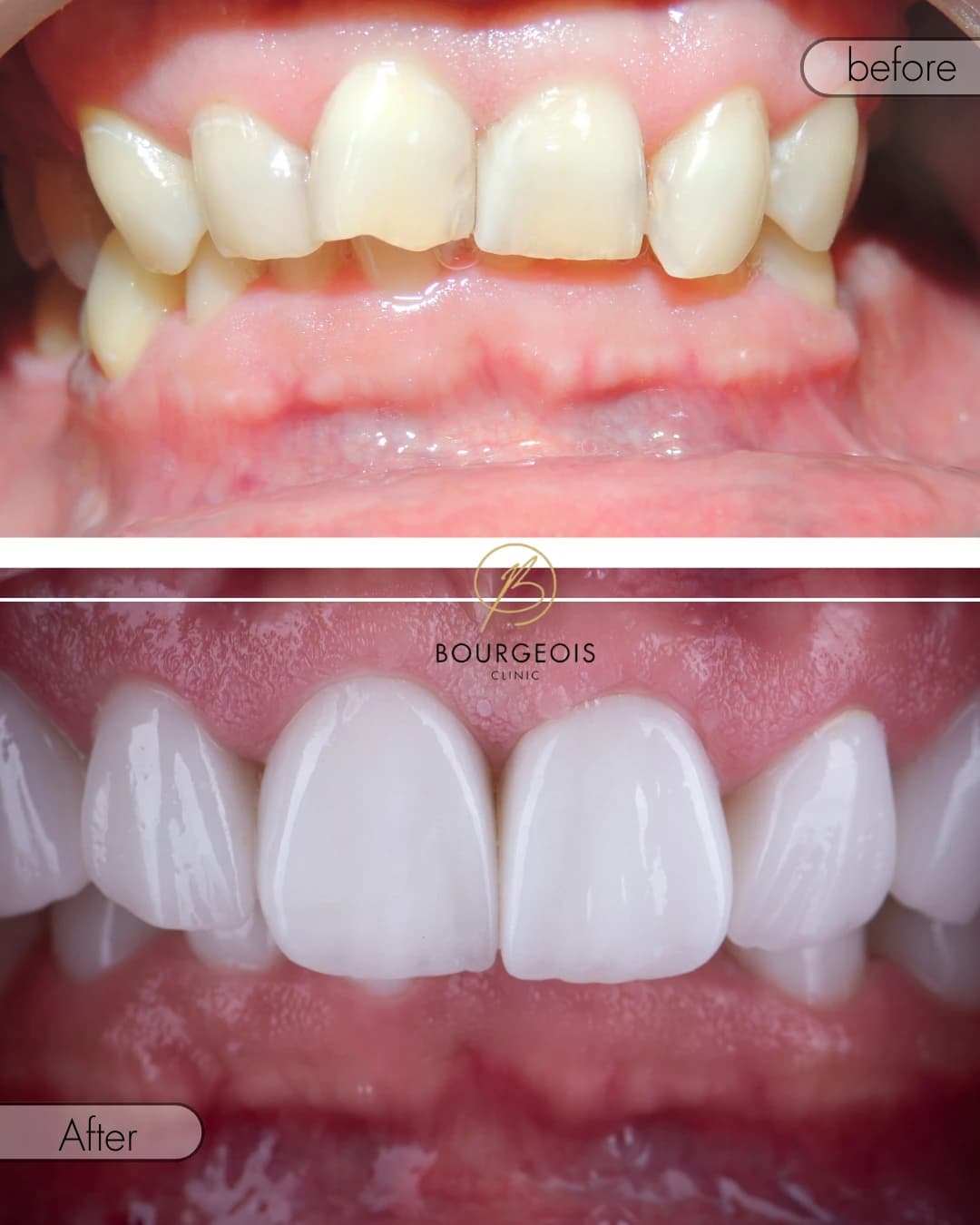
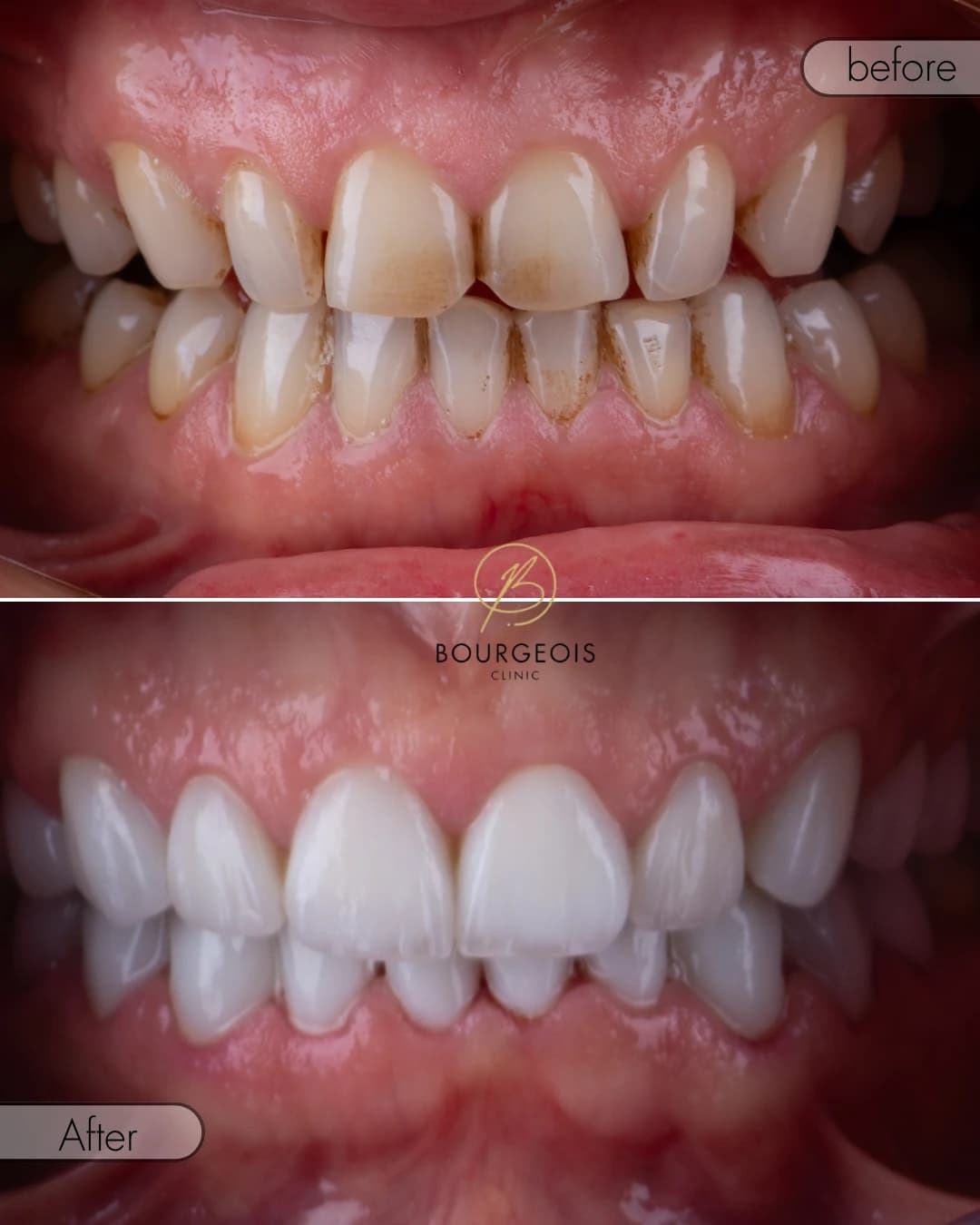
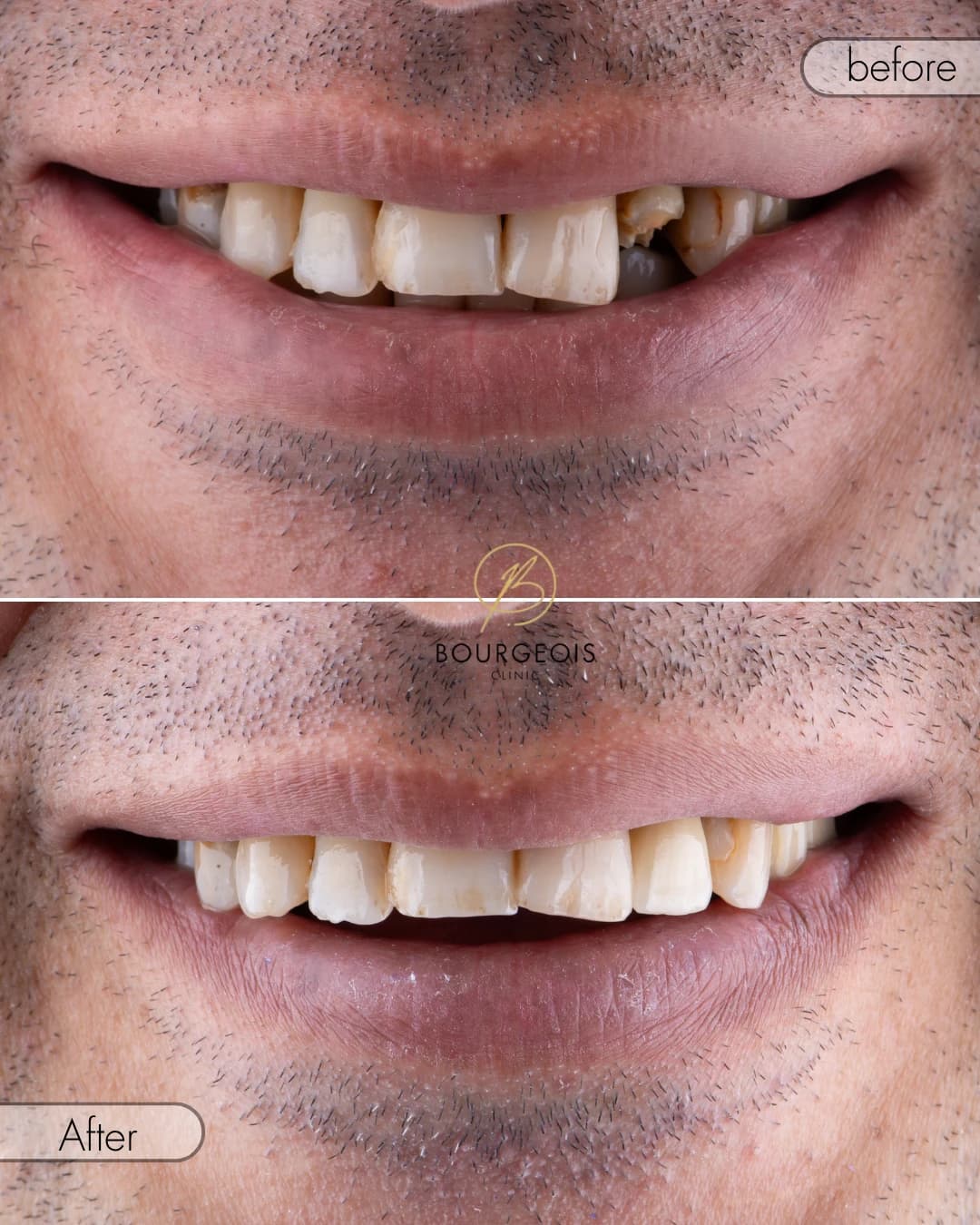
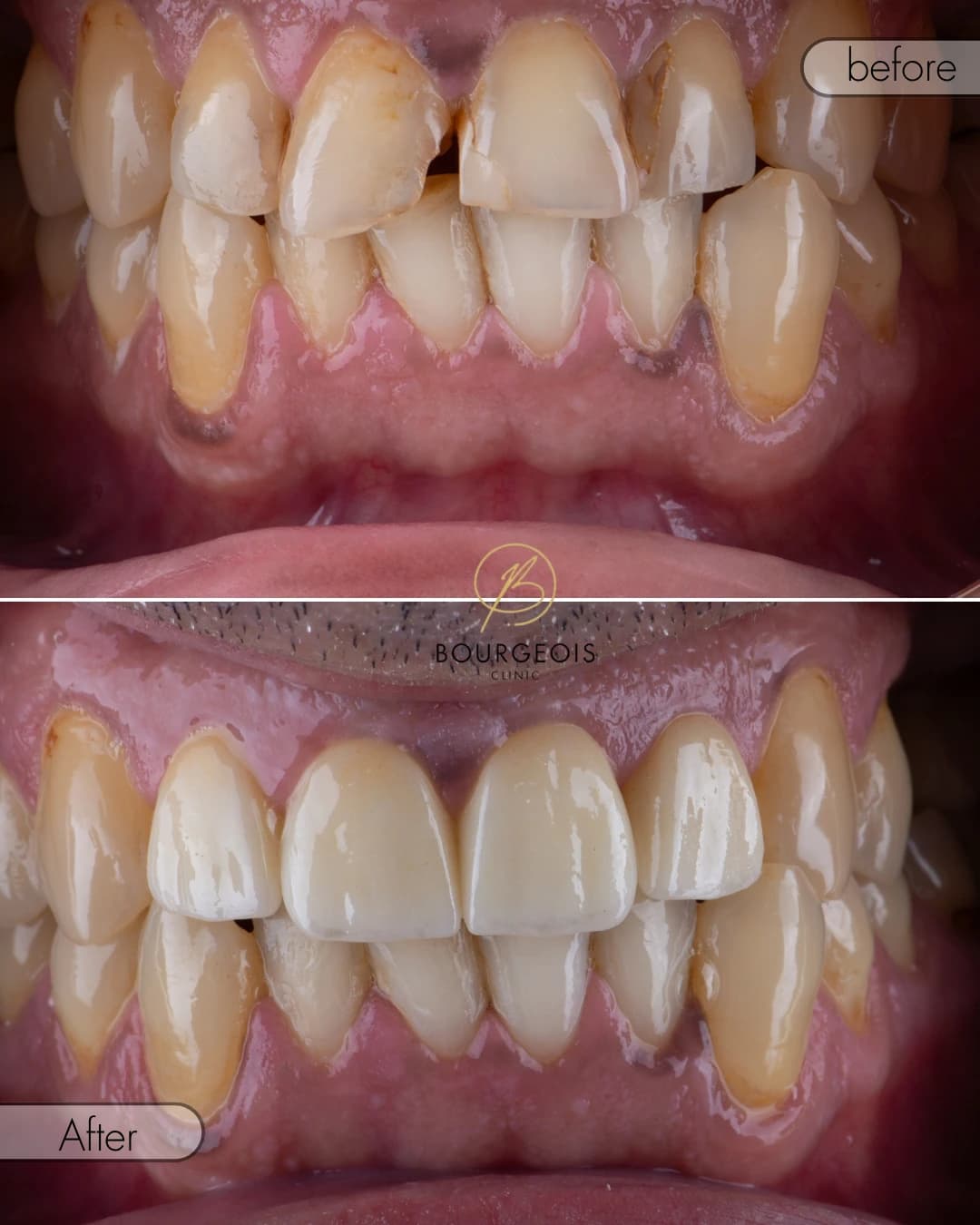
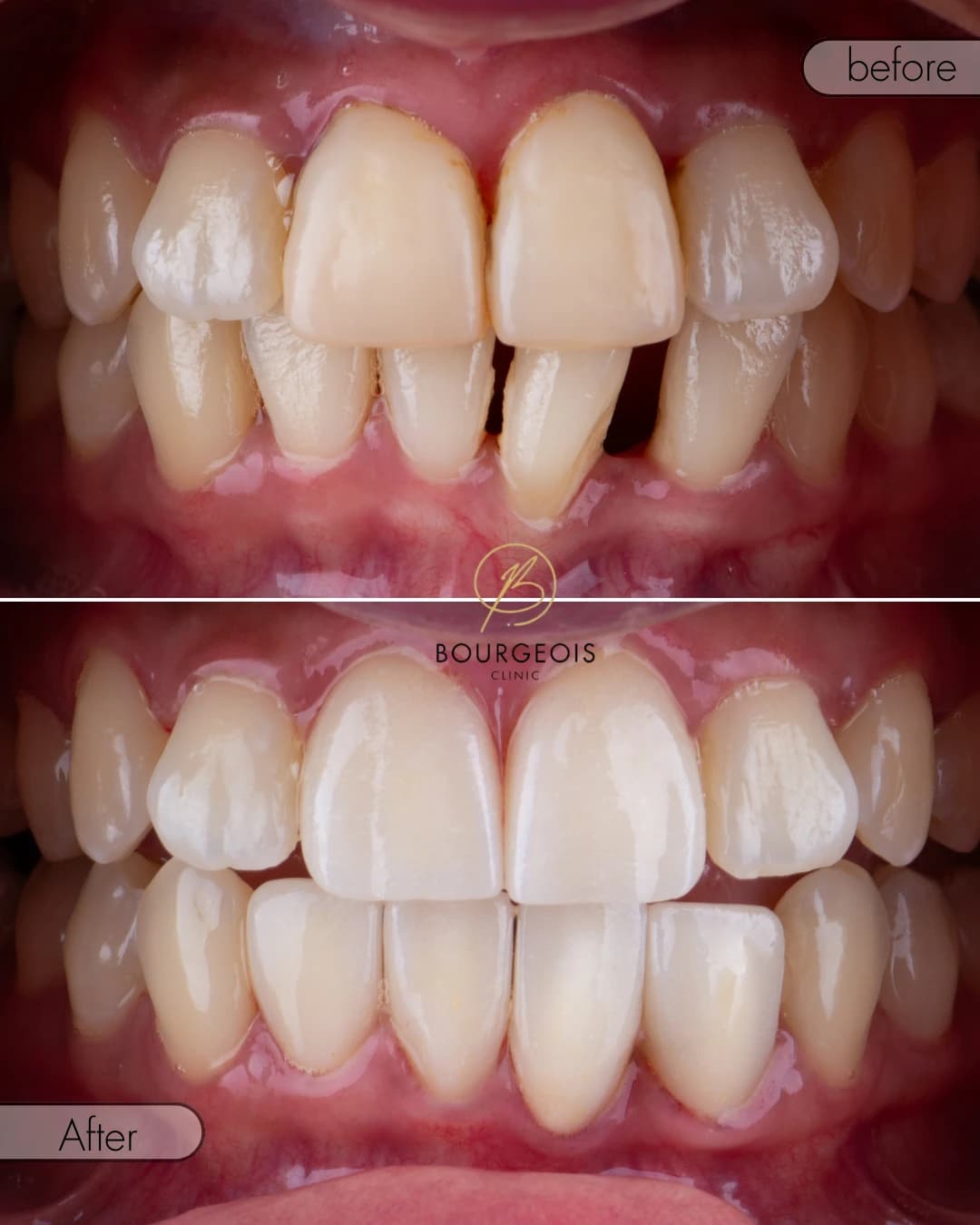
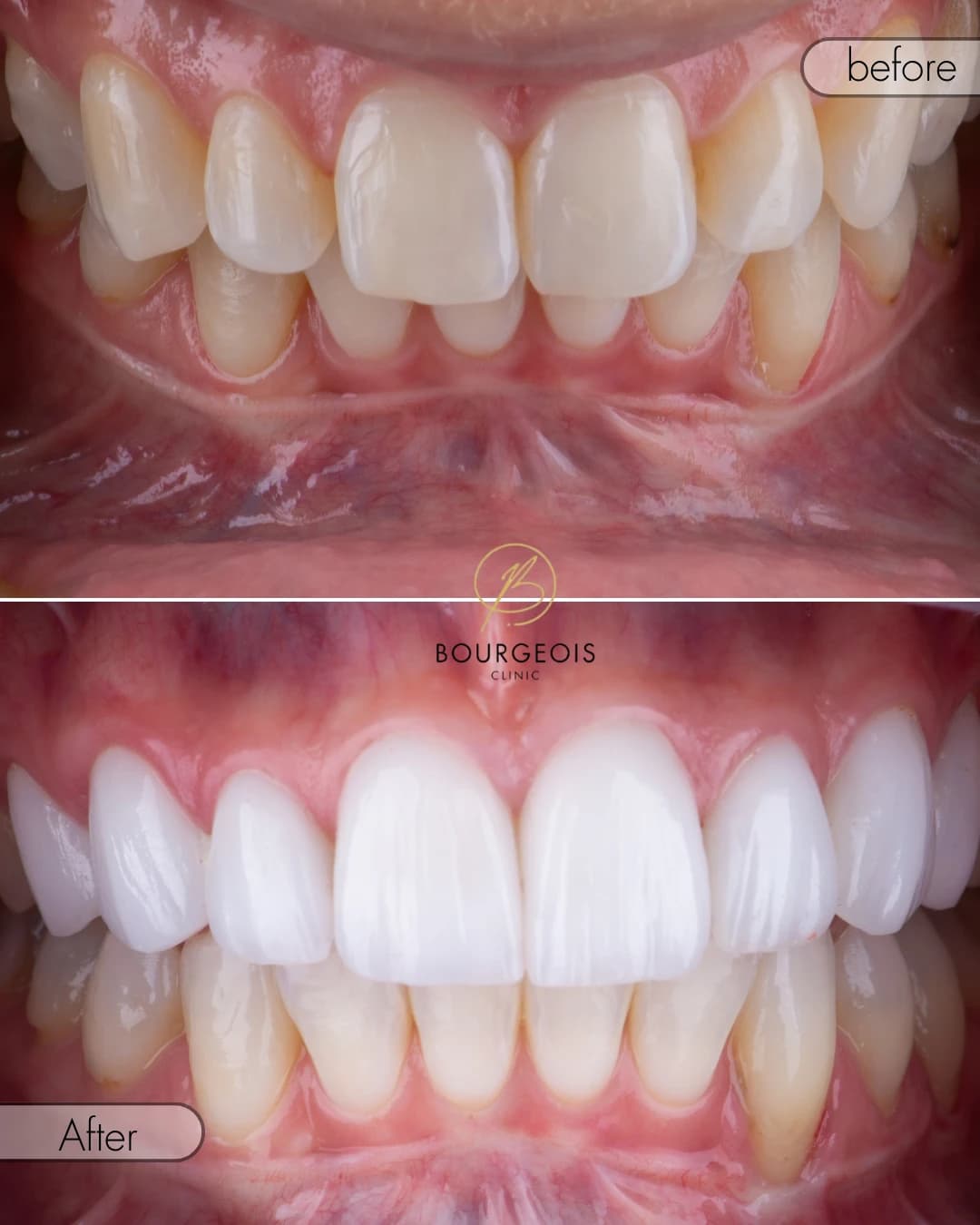
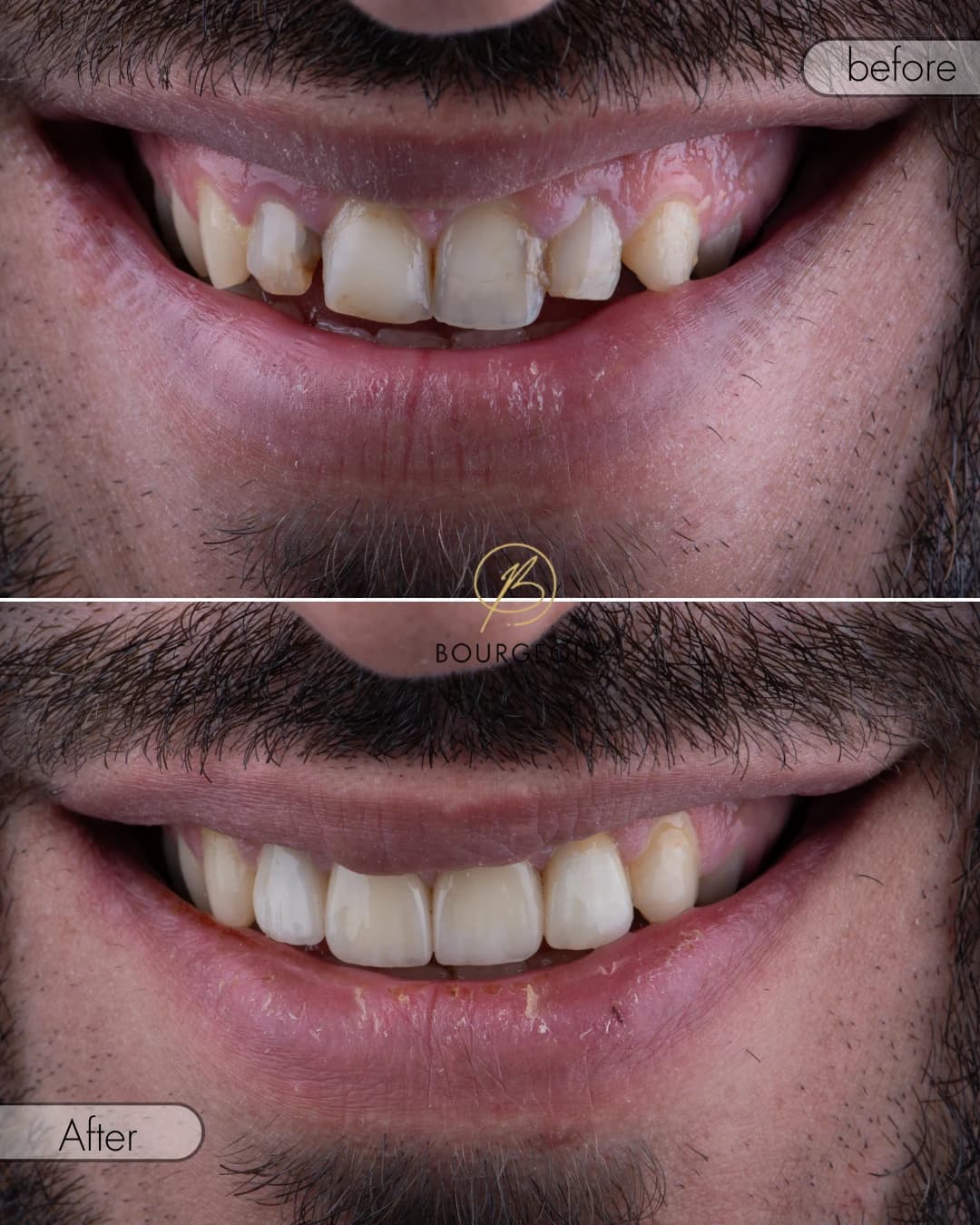
Early erosion may appear as smooth, shiny or rounded surfaces. As it progresses, teeth can look thinner, shorter or more yellow, and may become sensitive or chip. Management starts by identifying and reducing the acid source, supporting saliva and fluoride protection, and monitoring progression. Bonding, onlays, veneers, crowns or broader rehabilitation may be considered when lost structure affects comfort, strength, function or appearance.
How erosion differs from tooth decay
Dental decay develops when plaque bacteria metabolise sugars and create acids in local areas, eventually producing a cavity. Erosion is direct chemical dissolution from external or internal acid exposure and can affect broader smooth surfaces. A patient can have erosion and decay at the same time, so diagnosis should not rely on appearance alone.
Common dietary sources
- Carbonated soft drinks, including many sugar-free varieties.
- Energy and sports drinks.
- Frequent citrus fruit, juice or lemon water.
- Sour sweets and acidic snacks.
- Vinegar-based drinks or concentrated wellness products.
- Holding or swishing acidic drinks around the teeth.
- Sipping acidic beverages slowly throughout the day.
Frequency and contact time matter. Consuming an acidic drink with a meal is different from repeatedly sipping it for hours. Sugar-free does not necessarily mean acid-free.
Internal acid exposure
Gastro-oesophageal reflux, recurrent vomiting and selected eating or medical conditions can expose teeth to gastric acid. The pattern may be more pronounced on surfaces facing the tongue, but patterns vary. Dental care can protect and restore teeth, while the underlying medical issue requires assessment by an appropriate healthcare professional.
Do not stop medication or attempt to diagnose reflux from tooth wear alone. Tell the dentist about symptoms, diagnoses and medicines so care can be coordinated safely.
Signs of possible erosion
- Smooth, silky or highly polished enamel areas.
- Rounded edges and shallow depressions on chewing surfaces.
- Teeth appearing shorter, thinner or more translucent.
- A warmer or yellower appearance as dentine becomes more visible.
- Cold or sweet sensitivity.
- Fillings appearing raised as surrounding tooth structure wears.
- Repeated chipping or loss of edge detail.
- Changes visible when compared with older photographs or scans.
Why grinding can make the problem more complex
Acid-softened tooth structure may be more vulnerable to mechanical wear from grinding, clenching or abrasive habits. However, visible wear does not prove current bruxism. The tooth-wear assessment service reviews diet, medical history, bite, muscles, restorations and changes over time.
How is acid erosion diagnosed?
The dentist documents the location, depth and symmetry of wear and asks about drinks, eating pattern, reflux, vomiting, medicines, dry mouth, brushing and grinding. Photos, scans or models may create a baseline for monitoring. X-rays can assess decay, restorations and pulp concerns when indicated, but they do not measure every early surface change.
Preventing further loss
- Reduce the frequency and contact time of acidic drinks.
- Use water as the main between-meal drink.
- Avoid holding or swishing acidic liquids around the mouth.
- Rinse with water after exposure and wait before brushing softened surfaces.
- Use fluoride toothpaste and a gentle brushing technique.
- Discuss dry mouth and saliva-support measures with the dental team.
- Seek medical advice for reflux or repeated vomiting.
The preventive dentistry department can help tailor fluoride, cleaning and dietary guidance to individual risk.
Can sensitivity from erosion be treated?
Management may include desensitising toothpaste, professionally selected fluoride, protective coatings or restoration of exposed areas. The tooth-sensitivity service also checks for decay, cracks, recession and pulp disease so symptoms are not attributed to erosion without evidence.
Restorative options
Composite bonding
Composite bonding can rebuild selected worn edges and protect localised exposed areas with limited additional tooth removal in suitable cases. It is repairable but may wear, stain or chip and needs maintenance.
Inlays and onlays
Partial-coverage restorations may rebuild larger worn chewing surfaces while preserving sound structure. Space, bite, remaining enamel and activity of the wear process influence suitability.
Veneers and crowns
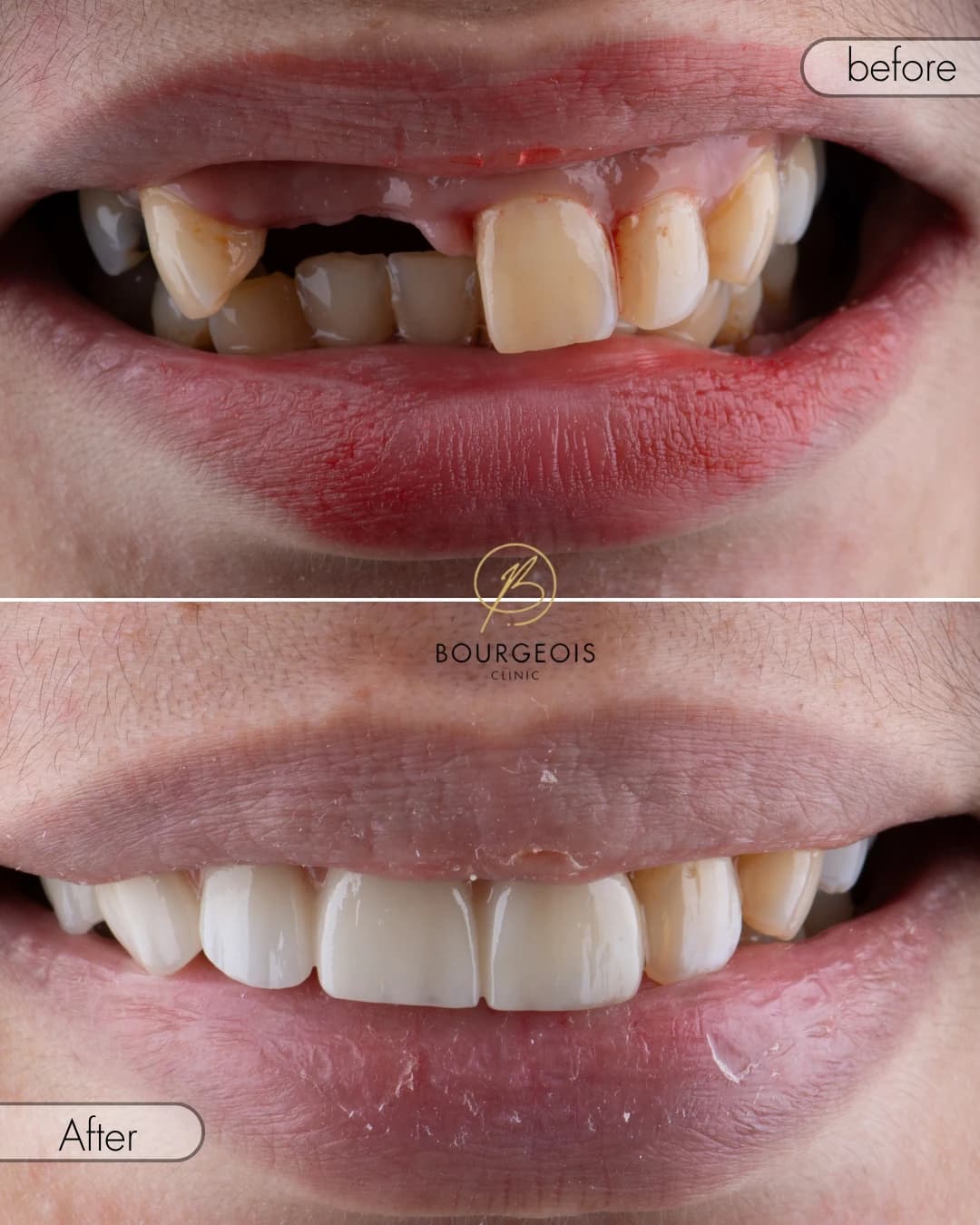
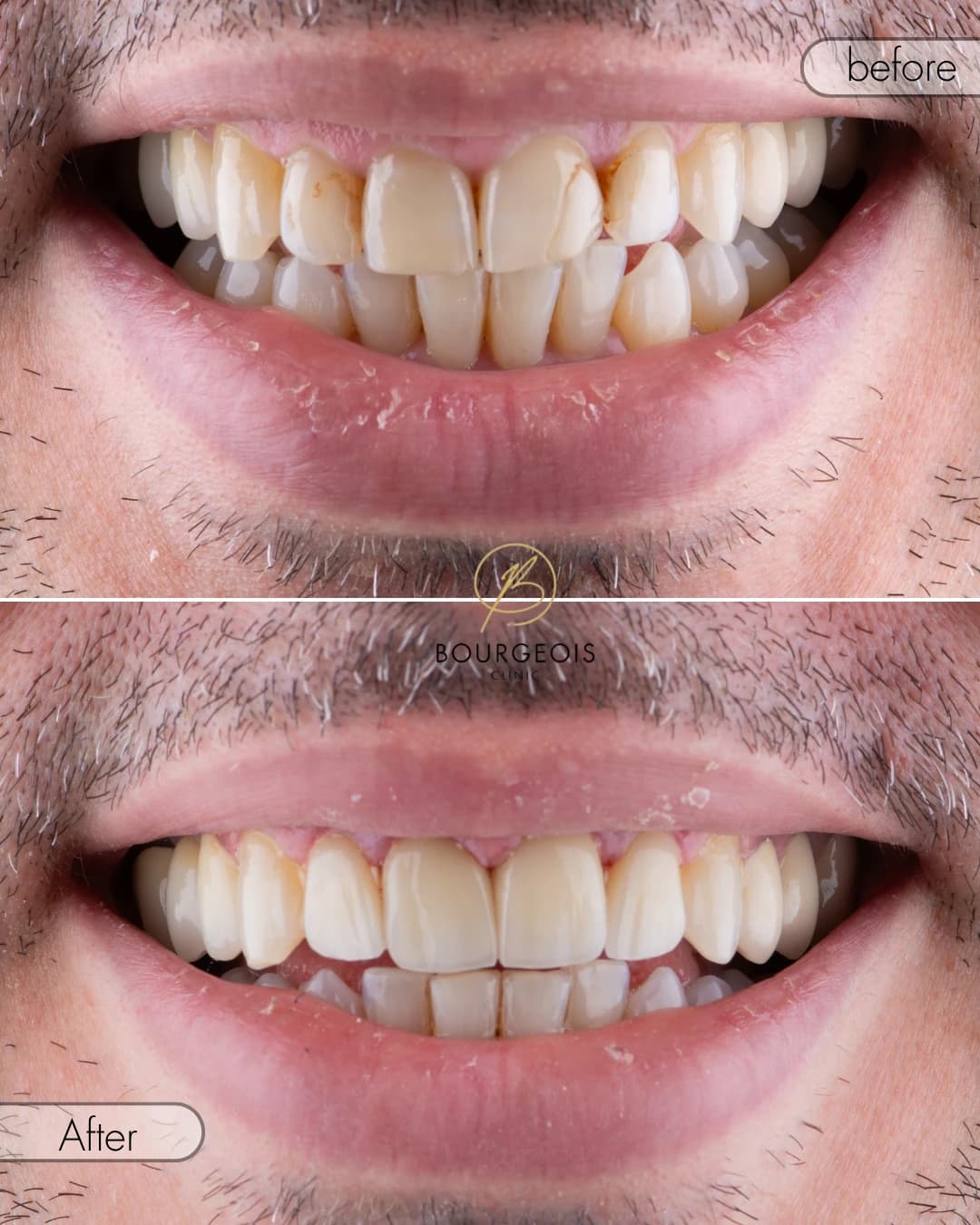
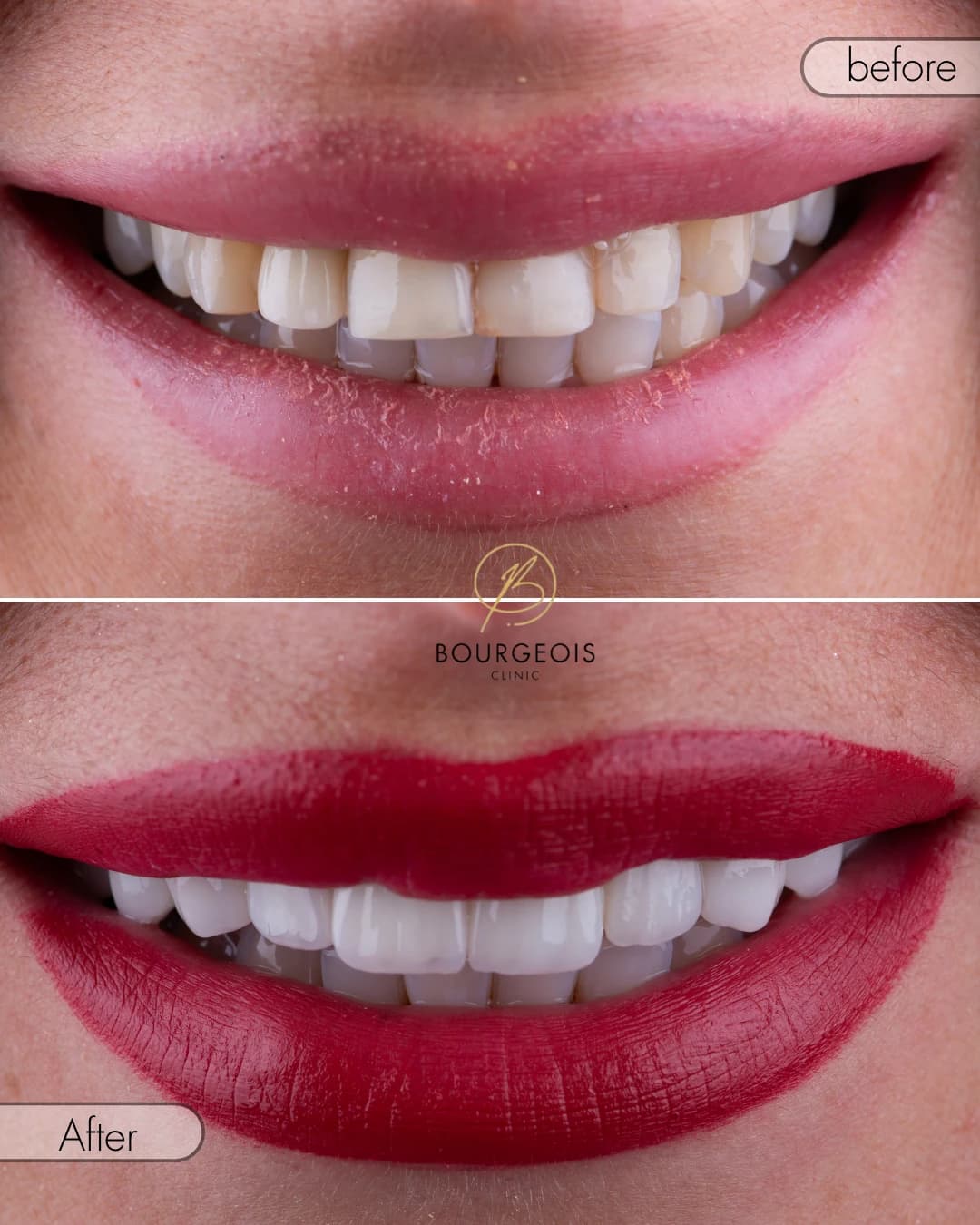
Porcelain veneers may address selected front surfaces when colour and shape are also involved, while crowns provide broader coverage for substantially weakened teeth. Neither should be placed simply to hide active erosion without controlling its source.
When is full-mouth planning considered?
Generalised wear can change tooth height, bite contacts and restorative space. A staged full-mouth rehabilitation assessment may use temporary additions or mock-ups to test appearance, speech, comfort and function before definitive work. Not every patient with erosion needs extensive treatment.
Why monitoring matters before major restoration
Restoring worn teeth before controlling the acid source can place new materials into the same damaging environment. Baseline photographs, digital scans and clinical measurements allow the team to compare change over time. If the wear is stable and symptoms are manageable, monitoring and prevention may preserve more natural structure than immediate extensive treatment. If progression continues, the record helps show where and how quickly it is occurring.
A trial phase can also clarify complex plans. Additive mock-ups or temporary restorations may test tooth length, bite contacts, speech and cleaning before definitive ceramics are chosen. This does not guarantee a particular result, but it creates information and allows adjustments. The sequence should address active acid exposure, decay and gum health before the final aesthetic details.
What to bring to the assessment
A three-day drink diary, a medicine list and details of reflux or vomiting can make the history more accurate. Older photographs may reveal gradual shortening that is hard to notice day by day. Mention sports drinks, supplements, lemon water and dry-mouth symptoms even if they seem unrelated.
Planning with Dr. Nour
Dr. Nour can document tooth wear, review its cosmetic and functional effects and discuss conservative monitoring or additive restoration. When medical acid exposure, complex bite change or advanced structural loss is suspected, she can coordinate the relevant professional before irreversible treatment.
Book an erosion assessment in Dubai
Arrange assessment if teeth appear thinner, shorter, yellower, increasingly sensitive or repeatedly chipped. Bring a list of drinks, medicines and relevant medical symptoms. Book a dental appointment on Sheikh Zayed Road, Exit 41.
This article provides general information and does not replace dental or medical diagnosis.