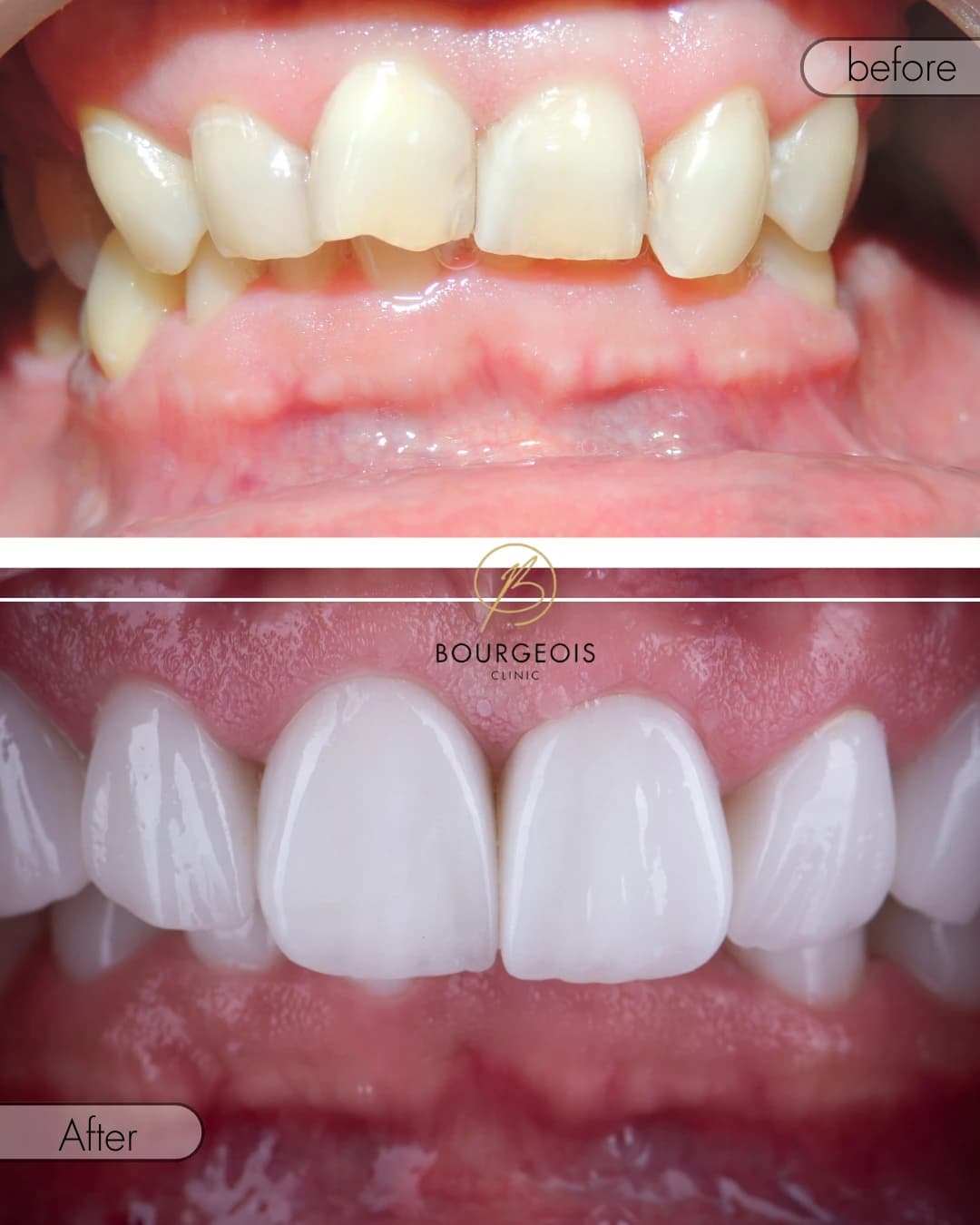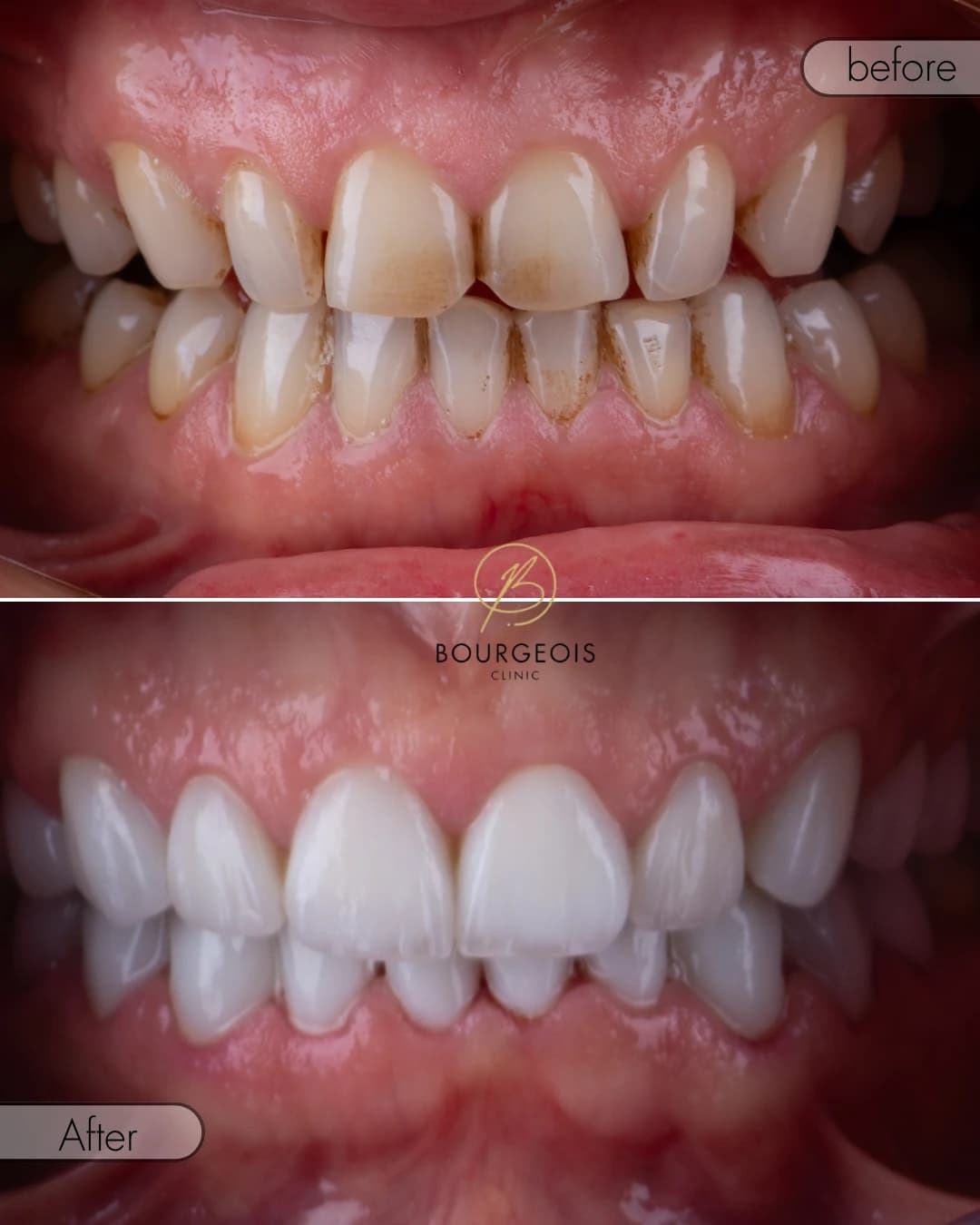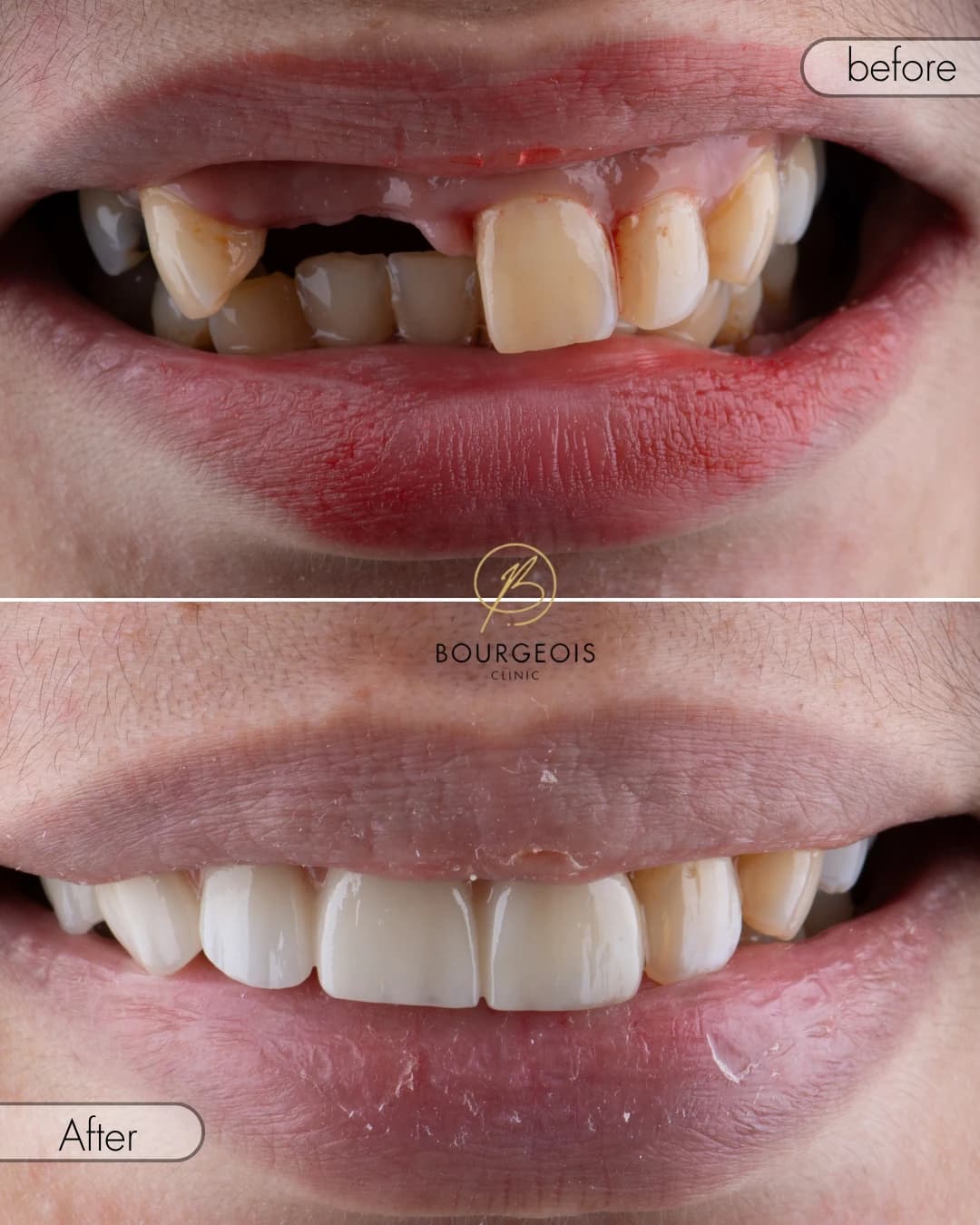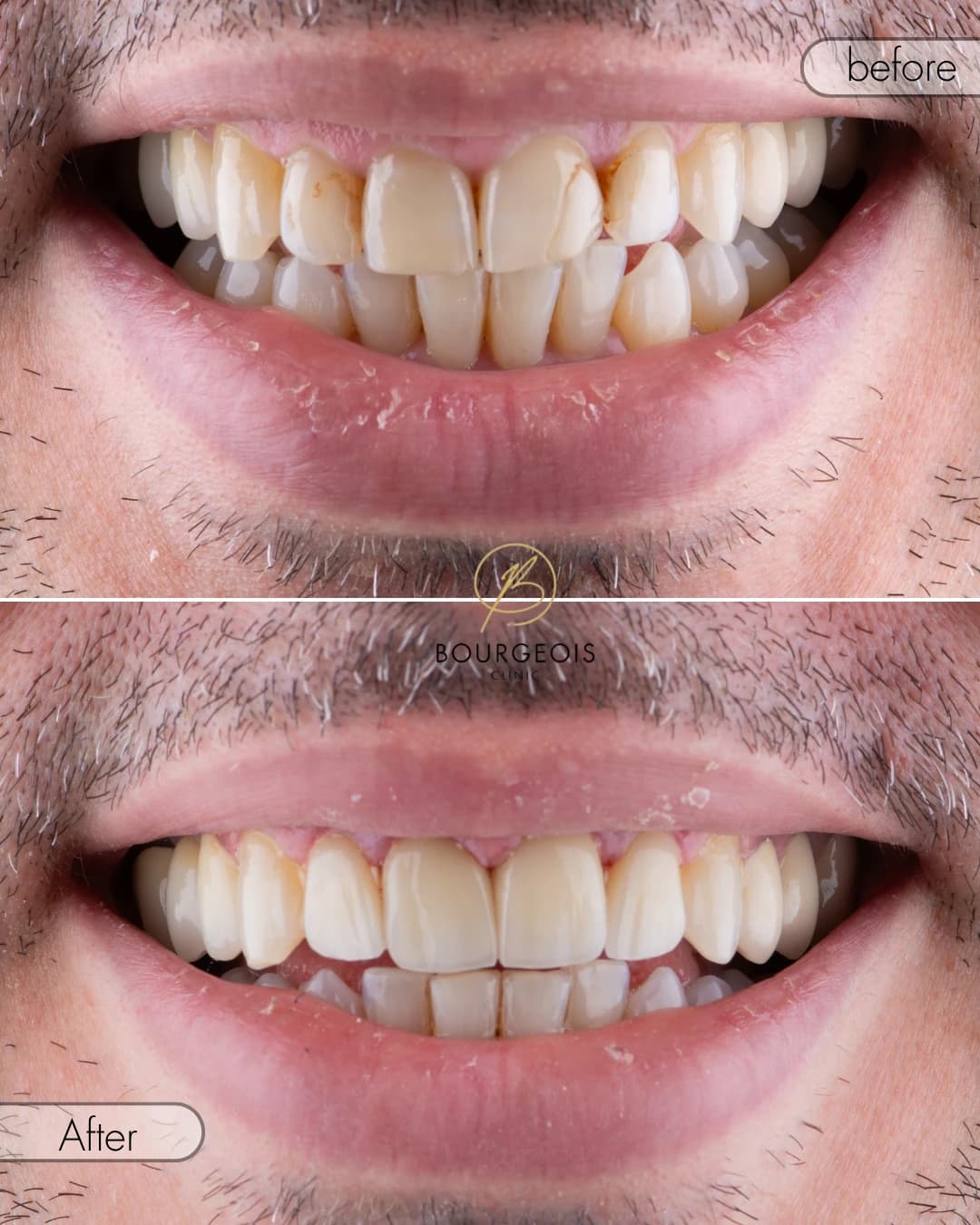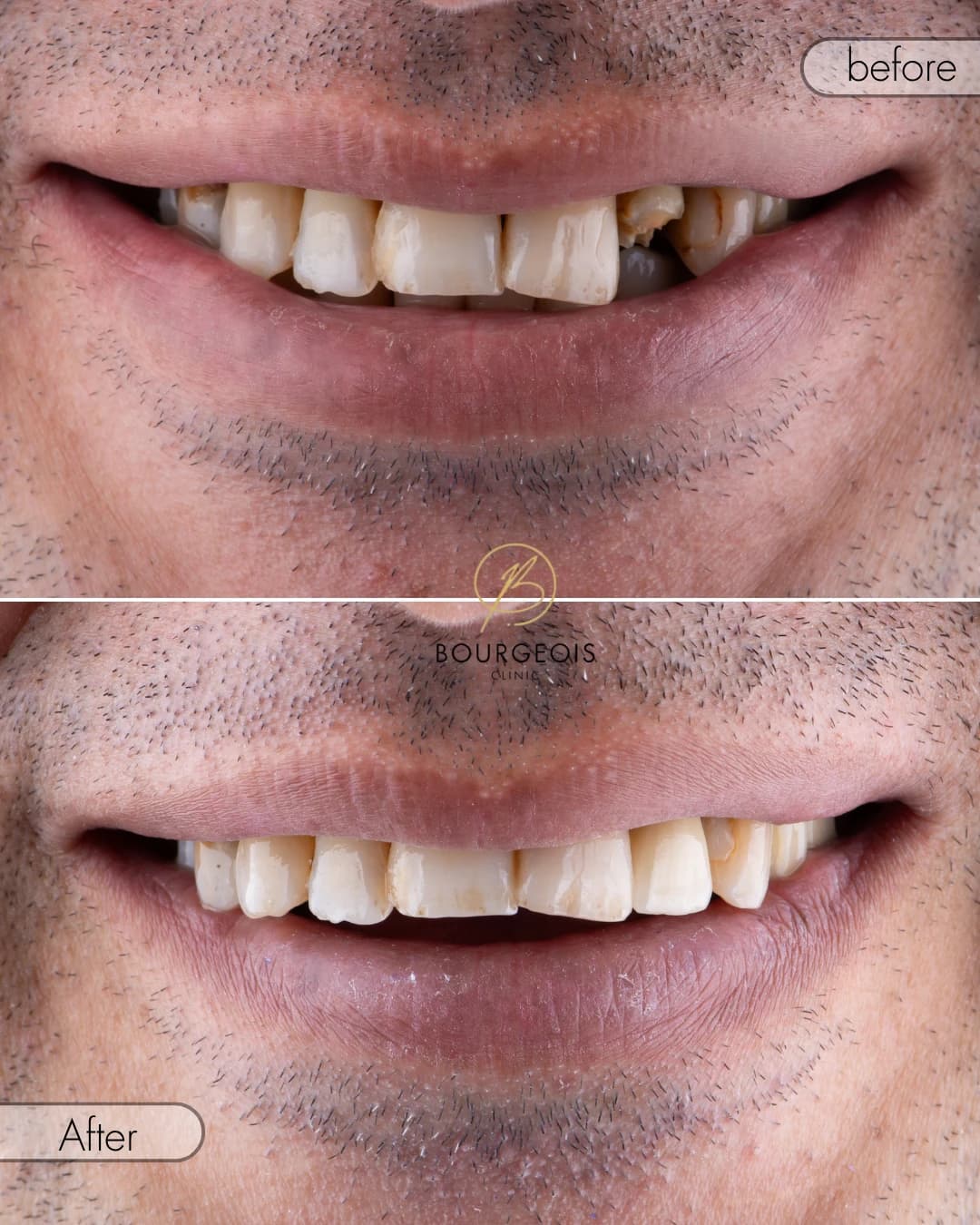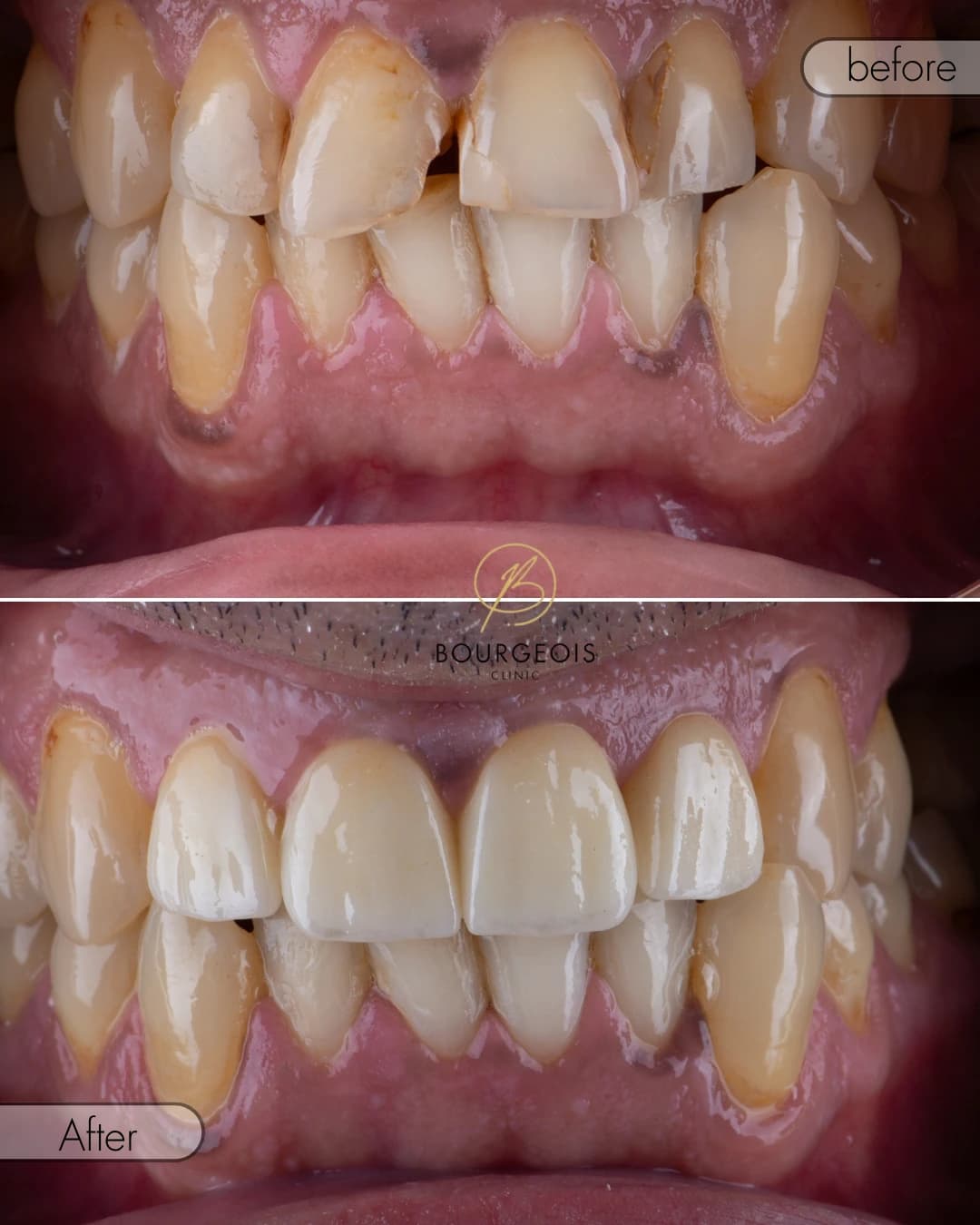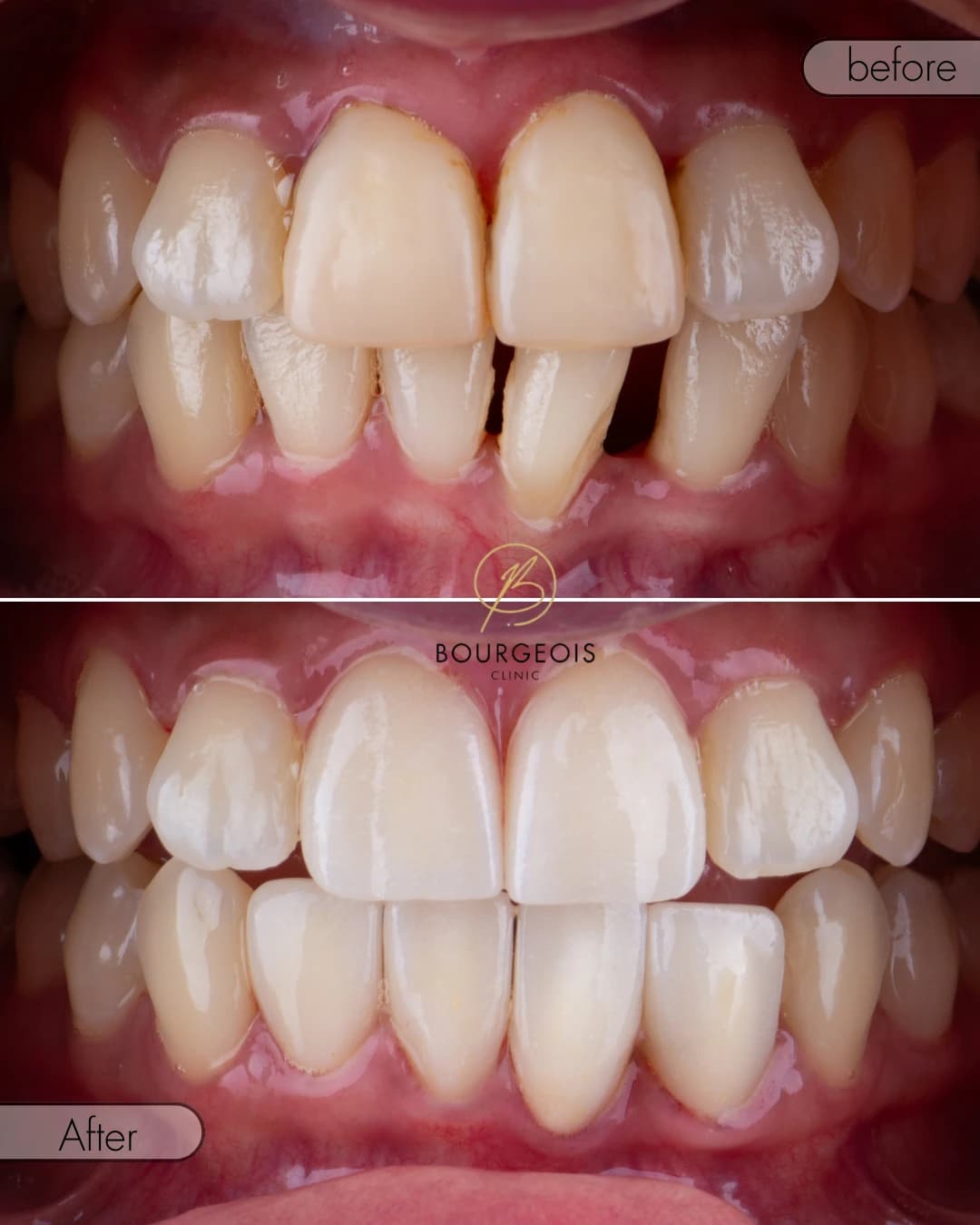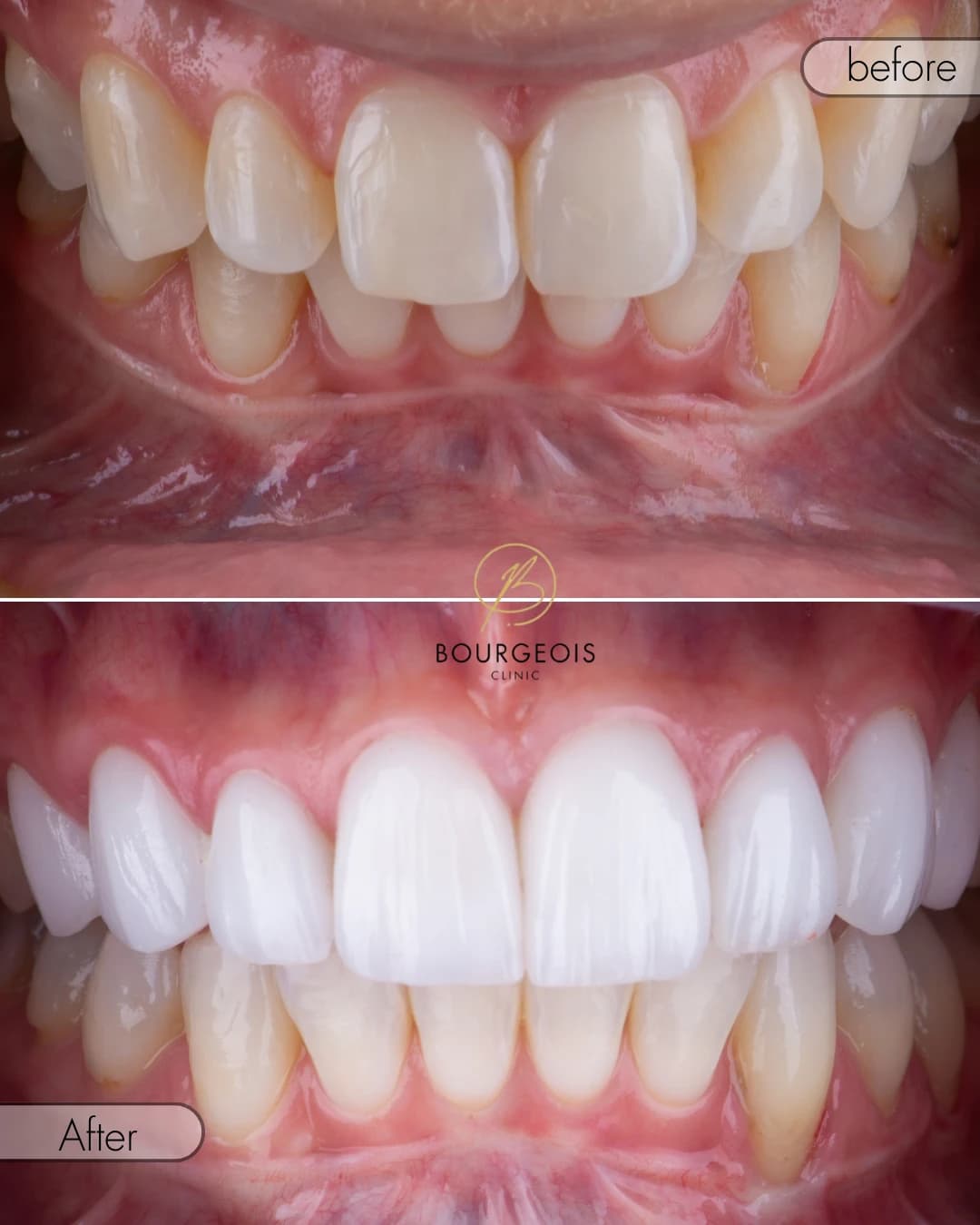


How Much Tooth Shaving Is Needed for Veneers in Dubai?

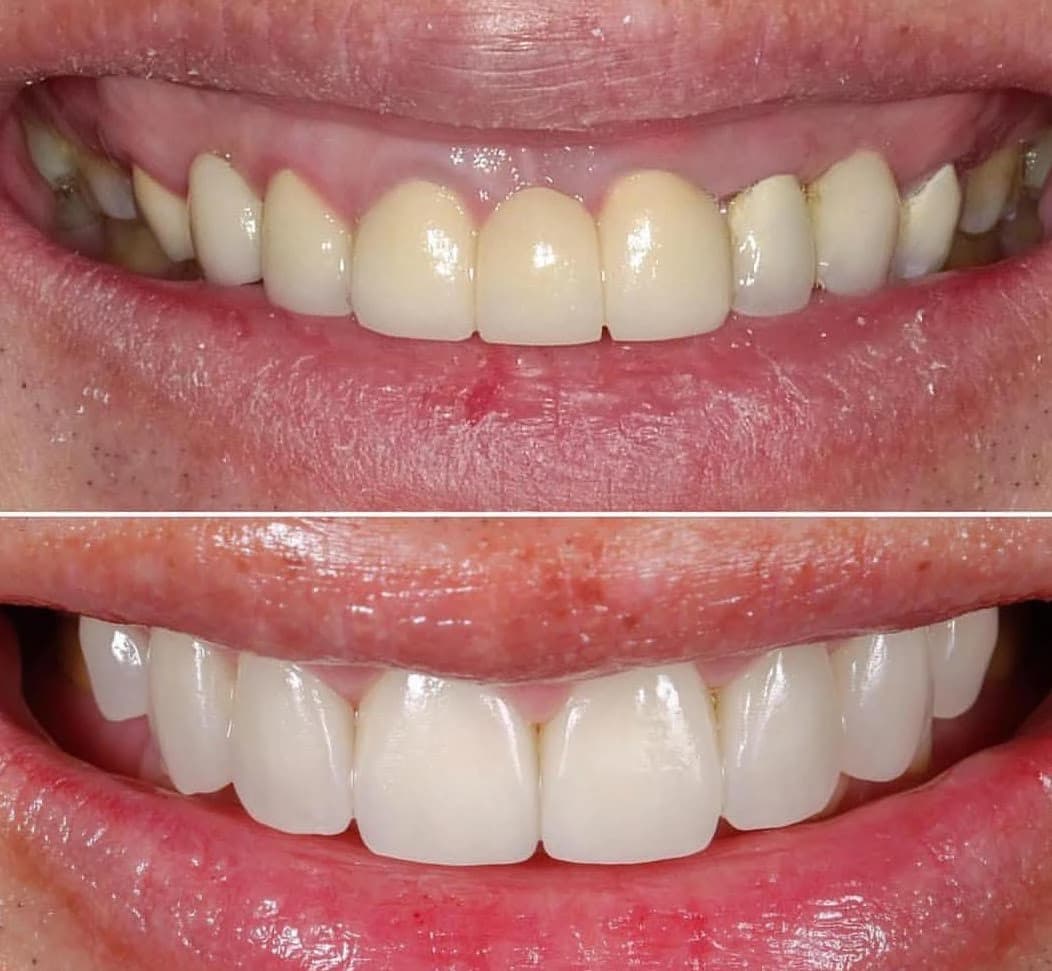
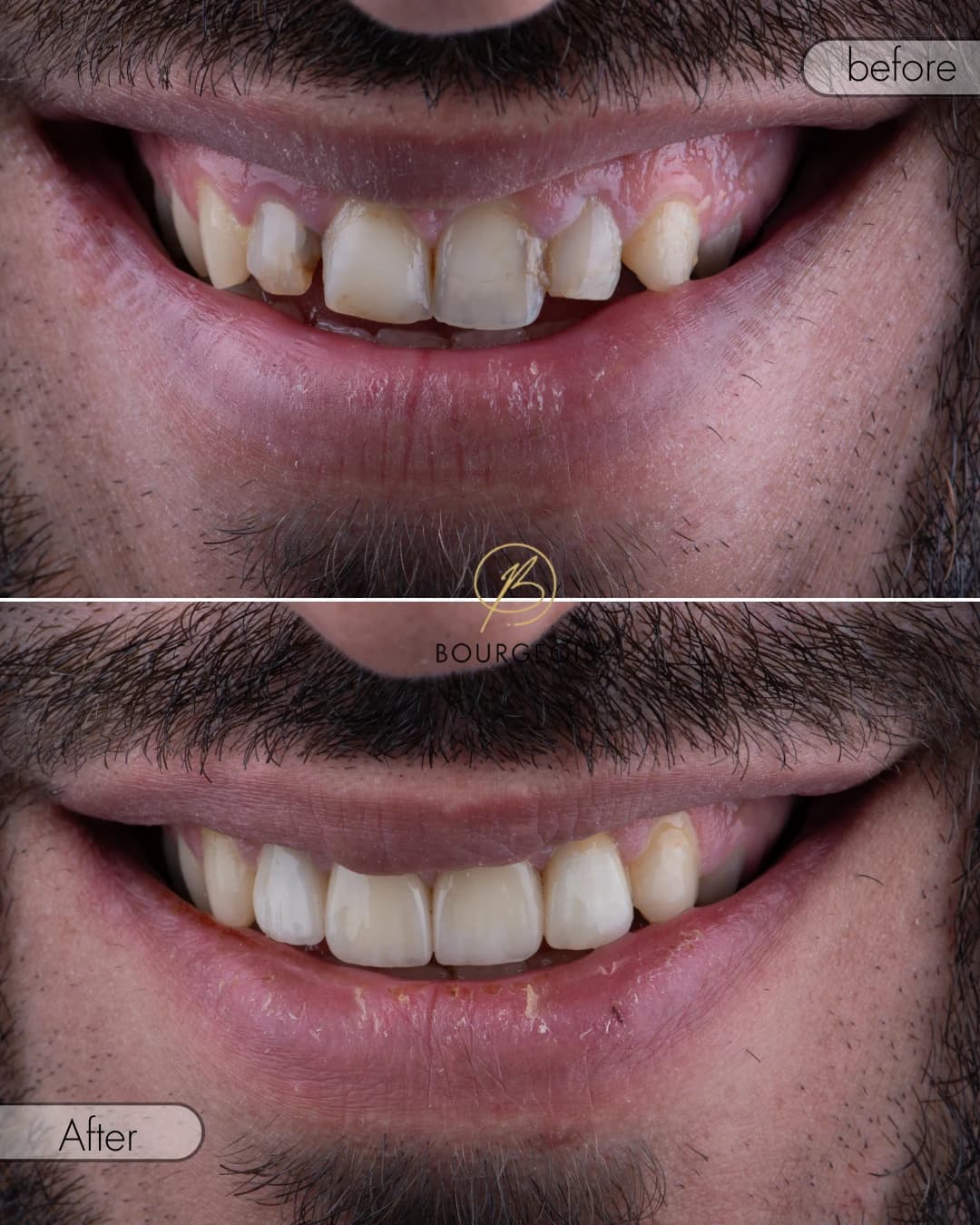
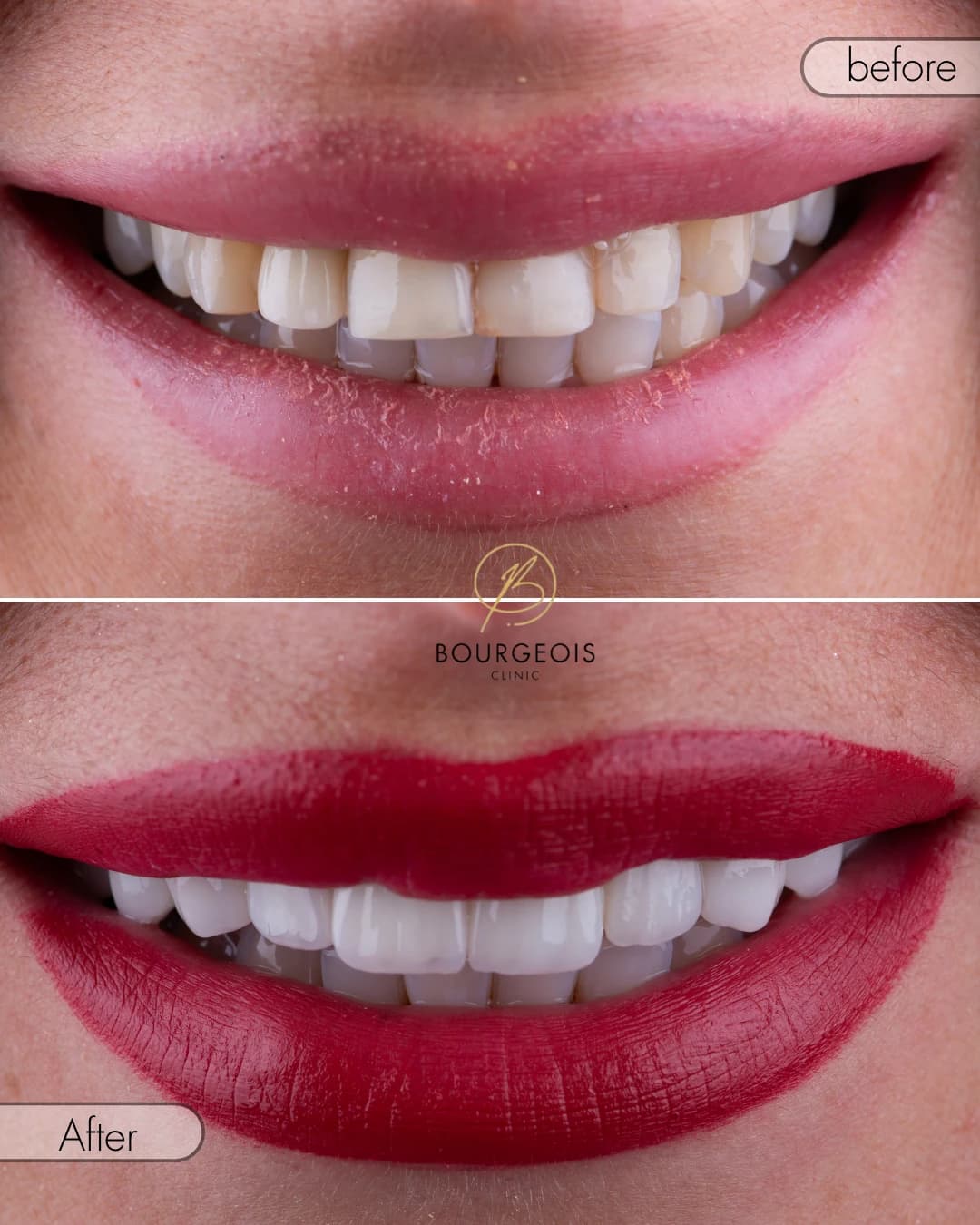
There is no fixed amount of tooth shaving required for every veneer. Some carefully selected teeth may need little or no reduction, while conventional porcelain veneers often require a limited layer of enamel to be removed so the restoration has space, fits accurately and does not look bulky. In some clinical settings, approximately 0.5–0.75 mm may be removed from the outer tooth surface, but this is only a general reference—not a treatment rule. The correct amount must be planned for each tooth after examining its position, colour, shape, enamel, bite and the intended material.
The goal should be to preserve as much healthy tooth structure as reasonably possible while creating enough space for a predictable veneer. “No-prep” is not automatically better, and aggressive shaving should never be accepted without a clear clinical explanation.
What does tooth shaving for veneers mean?
Tooth shaving, also called veneer preparation or enamel reduction, means reshaping selected areas of a tooth before a veneer is bonded. The dentist may reduce part of the front surface, the sides, the edge or a combination of these areas. Preparation is measured in fractions of a millimetre and should follow the planned final tooth shape rather than one identical depth across every tooth.
Preparation can serve several purposes:
- Create room for porcelain or another veneer material
- Prevent the final tooth from appearing thick or over-contoured
- Provide a clear finishing line for accurate fabrication and bonding
- Correct limited protrusion, uneven contour or damaged enamel
- Allow enough restorative material to mask selected discolouration
- Support a balanced bite and natural transition near the gums
Veneers cover mainly the visible surfaces of teeth. They generally require much less tooth reduction than full crowns, which surround more of the tooth. However, any irreversible enamel removal still deserves careful planning and informed consent.
How many millimetres are normally removed?
Patients often want one number, but the preparation may differ across the same tooth and from one tooth to the next. A tooth that sits inside the dental arch may need space added rather than heavily reduced. A tooth that protrudes may require more contour correction or may be better treated with orthodontics first.
For some conventional porcelain-veneer cases, a dentist may remove roughly 0.5–0.75 mm from parts of the front surface. Other designs can be more conservative, while greater reduction may be considered where tooth position, existing restorations, colour or shape makes it necessary. The biting edge may be left intact, lightly reduced or included in the preparation depending on the design and bite.
These figures cannot determine what your teeth need. A responsible plan should show where reduction is proposed and why, preferably using photographs, scans, a diagnostic design or a mock-up.
Minimal-prep, conventional and no-prep veneers
No-prep or additive veneers
A no-prep approach adds material without intentionally removing enamel, or with only very limited finishing. It may suit selected small teeth, spaces, teeth positioned slightly inward or cases where adding volume will produce a natural contour.
No-prep veneers are not suitable for everyone. Adding ceramic to a tooth that is already prominent, wide or correctly sized can create a bulky appearance, thick edges or difficult-to-clean areas near the gums. Significant discolouration may also require material thickness or preparation to manage the shade.
Minimal-prep veneers
Minimal preparation removes a very small, planned amount of enamel. It may provide space for the veneer, define the margin and improve the emergence profile while retaining substantial enamel for bonding. The term “minimal” should describe the actual tooth-by-tooth plan, not function as a marketing promise.
Conventional veneer preparation
A conventional preparation creates more deliberate space for ceramic and may be appropriate when changing contour, position or colour. It should still be conservative and guided by the desired final shape. The dentist should explain whether the preparation is expected to remain mainly within enamel and whether any areas may approach or expose dentine.
What determines how much enamel is removed?
1. Current tooth position
Prominent or rotated teeth may need more reduction if veneers alone are used to change their apparent alignment. In many cases, orthodontic treatment in Dubai can first reposition teeth and reduce the amount of healthy structure that would otherwise need to be removed.
2. The change in tooth shape and size
Closing a small space or lengthening a short tooth may be mainly additive. Narrowing a wide tooth or bringing a prominent surface inward usually needs more reshaping. Each tooth should be assessed within the full smile rather than prepared to a standard template.
3. Tooth colour
Mild shade changes may be managed with thin translucent material. A dark tooth or an existing restoration may need a different ceramic opacity, more restorative space or another treatment plan. Removing more enamel solely to force a very bright shade can create unnecessary biological cost, so expectations should be discussed carefully.
4. Veneer material
Material selection affects thickness, appearance, bonding and repair. Porcelain veneers in Dubai are laboratory-made shells, while E-max veneers use a particular lithium-disilicate ceramic system. Direct composite may allow a more additive approach in suitable cases. Our guide to porcelain, E-max and composite veneers explains these differences in detail.
5. Existing fillings, damage and enamel thickness
Large fillings, cracks, wear, erosion or naturally thin enamel can change the appropriate treatment. A veneer may not be the best restoration for a heavily damaged or structurally weak tooth. The dentist must assess the remaining tooth and choose between monitoring, bonding, a veneer, a crown or another option.
6. Bite and teeth grinding
A deep bite, edge-to-edge contact, clenching or grinding can place extra forces on veneers. Preparation and edge design cannot be planned safely without assessing how the teeth meet. Bite treatment, orthodontics or a night guard may be recommended depending on the findings.
Why preserving enamel matters
Enamel provides a favourable surface for adhesive bonding. Keeping preparation conservative can support bonding, reduce biological risk and preserve future treatment options. Once enamel is removed, it does not grow back, and prepared teeth will usually require ongoing restoration coverage and future maintenance.
Conservative dentistry does not mean refusing all preparation. Insufficient space can produce thick contours, poor shade control or compromised margins. The aim is the smallest appropriate preparation that supports the planned result—not zero reduction at any cost.
For a wider explanation of irreversibility, sensitivity and long-term care, read Do Veneers Damage Your Teeth?
Can a dentist know the amount before treatment?
The dentist can estimate and plan preparation before touching the teeth, but the final amount depends on clinical findings and the agreed design. A structured planning process may include:
- Oral-health, gum and bite examination
- Clinical photographs and digital scans or impressions
- X-rays when clinically indicated
- Smile and tooth-proportion analysis
- A diagnostic wax-up or digital design
- A trial mock-up placed over the teeth
- Preparation guides based on the approved mock-up
A mock-up can help you evaluate proposed length and contour. It can also help the dentist measure reduction relative to the intended final surface rather than cutting every tooth by an arbitrary amount.
Does tooth shaving hurt?
Experience varies according to the depth and location of preparation, tooth sensitivity and whether local anaesthesia is used. Some patients feel vibration or pressure rather than pain during treatment. Temporary sensitivity can occur after preparation or bonding. Persistent pain, a bite that feels high or worsening sensitivity should be assessed by the dentist.
A promise of “completely painless veneers” is not appropriate because individual responses and clinical requirements differ. Ask how comfort, temporary veneers and post-treatment sensitivity will be managed in your particular case.
Can veneers be done without shaving teeth?
Sometimes—but only when the existing tooth position and the planned added volume allow a healthy, natural contour. Suitable cases can include small teeth, selected spaces and teeth positioned slightly inward. No-prep treatment may be unsuitable for protruding teeth, crowded teeth, large colour changes or cases where adding material would interfere with the bite or gum health.
If preserving enamel is your priority, ask the dentist to compare no-prep veneers with composite bonding in Dubai, whitening or orthodontics. Composite bonding can often add shape directly with little or no drilling in suitable cases, although it has different stain, wear, polishing and repair requirements.
Alternatives that may avoid unnecessary tooth reduction
- Teeth whitening: for natural teeth where colour is the main concern
- Composite bonding: for selected gaps, chips, edges and shape changes
- Clear aligners or braces: when tooth position is the primary issue
- Enamel recontouring: for limited edge or shape differences
- Gum treatment: when inflammation or uneven gum levels affect the smile
- Monitoring: when the concern is minor and treatment would remove more tissue than the expected benefit justifies
The right option depends on oral health, the size of the desired change, maintenance expectations and the value you place on preserving natural tooth structure.
Warning signs before agreeing to veneer preparation
- The exact same shaving amount is proposed for every patient before an examination
- A fixed number of teeth is recommended without smile and bite assessment
- “No-prep” is promised without checking tooth position and final thickness
- Extensive reduction is proposed without explaining alternatives
- The dentist will not discuss how much enamel should remain
- No photographs, scan, design or mock-up is used for a major smile change
- Decay, gum disease, grinding or bite problems are ignored
- The treatment is described as fully reversible after enamel reduction
- You are pressured to approve preparation immediately
Questions to ask your veneer dentist in Dubai
- Will each tooth require preparation, and why?
- What approximate depth is planned on the front, sides and biting edge?
- Will the preparation remain mainly within enamel?
- Can you show the proposed changes using a mock-up or reduction guide?
- Would orthodontics, whitening or bonding preserve more tooth structure?
- Why is this veneer material suitable for my teeth and colour goals?
- How will my bite and any grinding be managed?
- Will I need temporary veneers?
- What sensitivity, repair and replacement risks should I understand?
- What happens if I choose not to proceed after the planning stage?
Conservative veneer planning at Bourgeois Dental Clinic
At Bourgeois Dental Clinic on Sheikh Zayed Road, veneer planning begins with an individual assessment of the teeth, gums, enamel, bite, tooth position and desired change. The available options may include porcelain veneers, E-max, composite veneers, bonding, whitening or orthodontic treatment within our cosmetic dentistry department in Dubai.
You can review Dr. Nour’s dentist profile and book a veneer consultation in Dubai to receive a tooth-by-tooth assessment and discuss conservative alternatives before making a decision.
This article provides general educational information and does not replace a dental examination, diagnosis or personalised treatment plan.