

Do Veneers Damage Your Teeth? What to Know Before Treatment in Dubai

Quick answer: Veneers do not automatically damage healthy teeth when they are correctly indicated, conservatively prepared and properly maintained. However, many porcelain veneers require some enamel removal, making treatment irreversible. Problems may arise from excessive preparation, untreated decay or gum disease, an unsuitable bite, poor-fitting restorations or inadequate aftercare. A complete dental examination is therefore essential before treatment.
What Happens to a Tooth When a Veneer Is Placed?
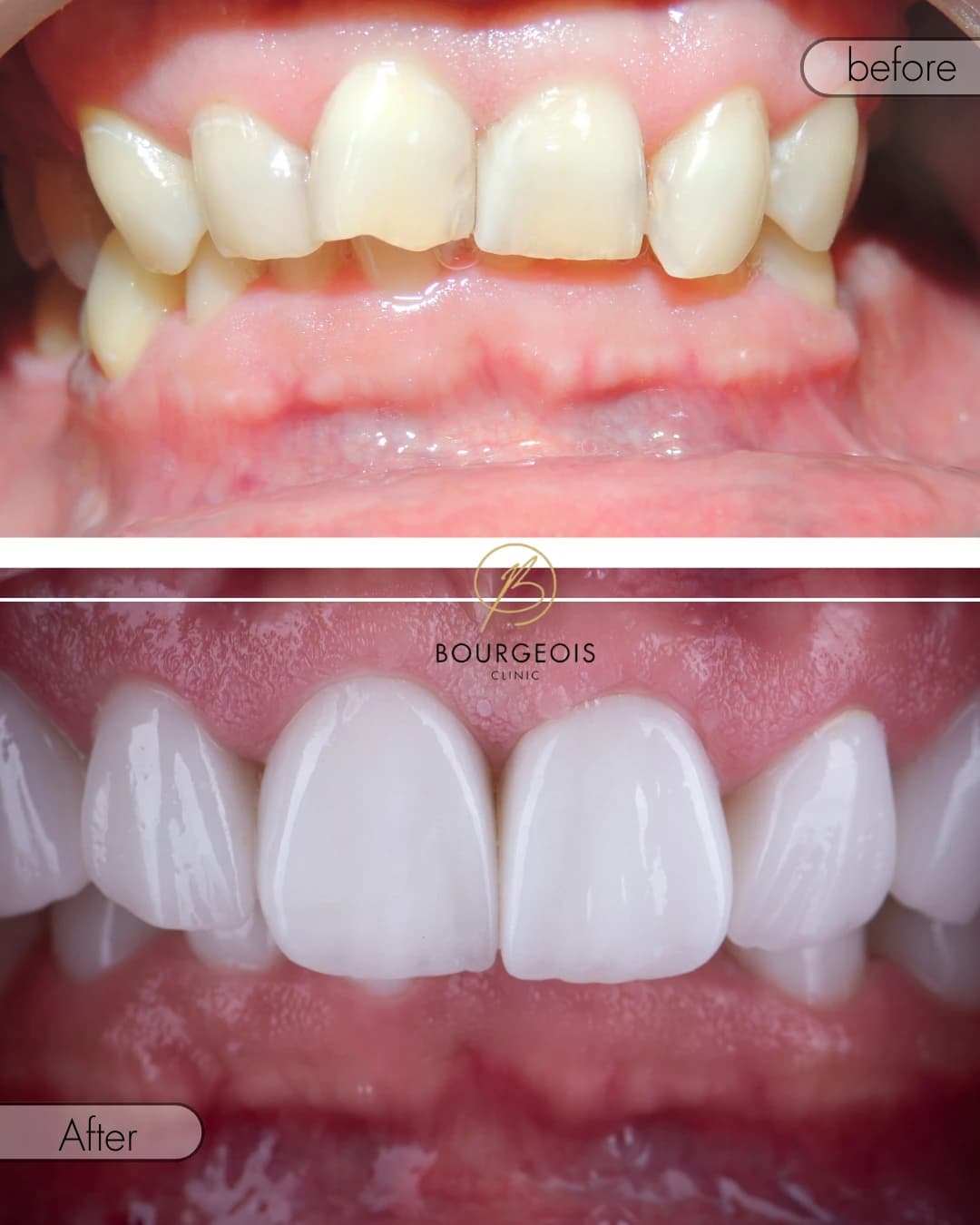
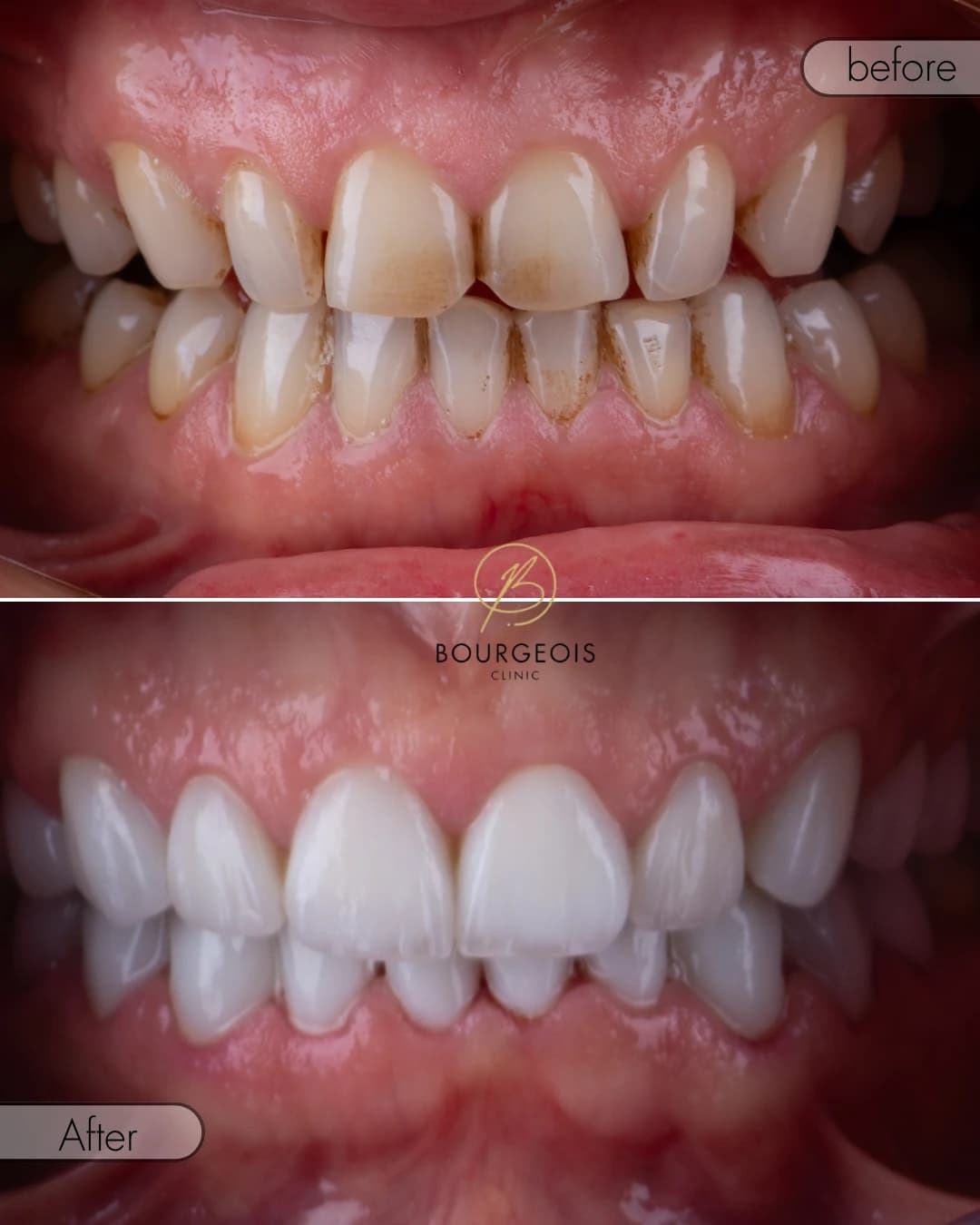
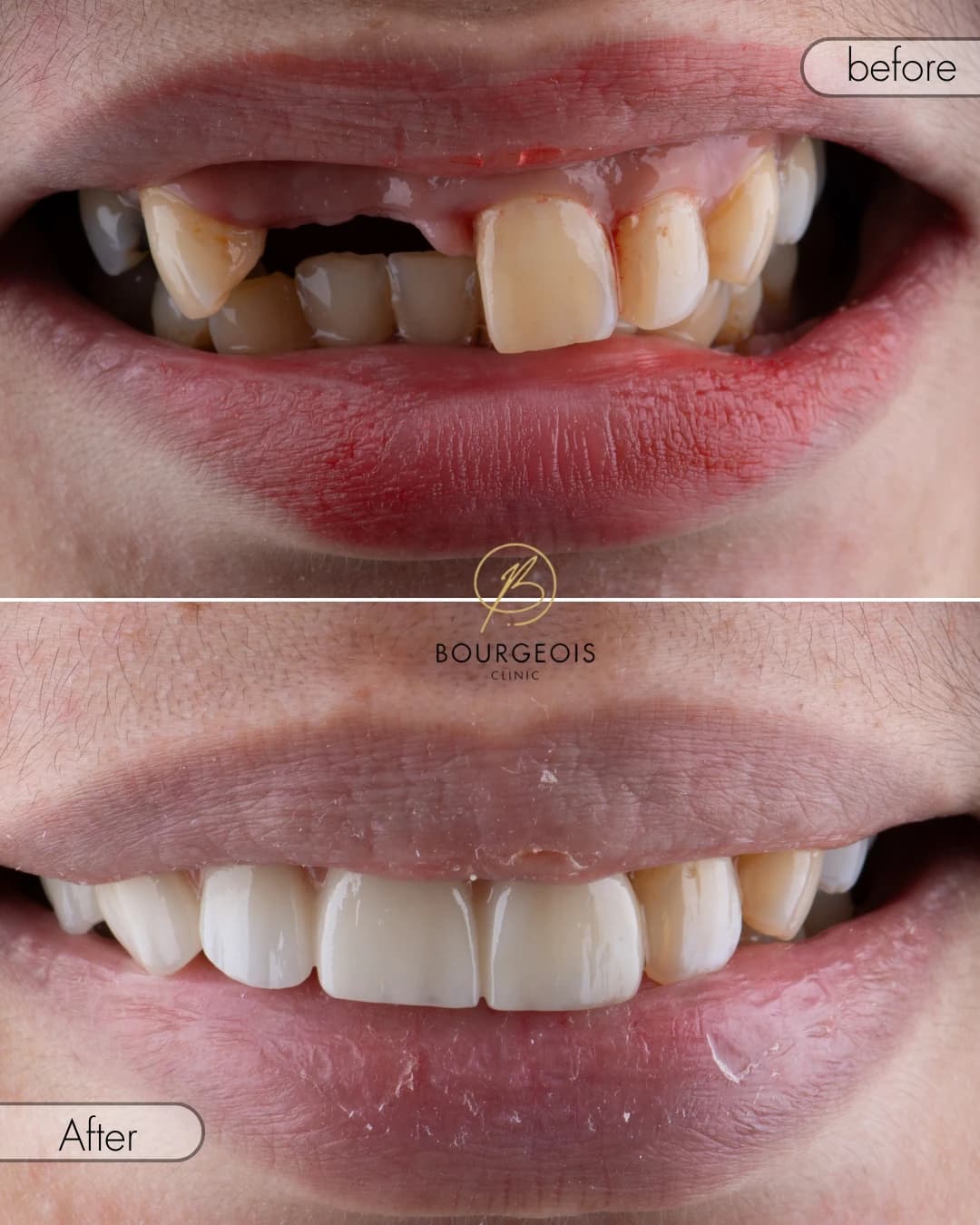
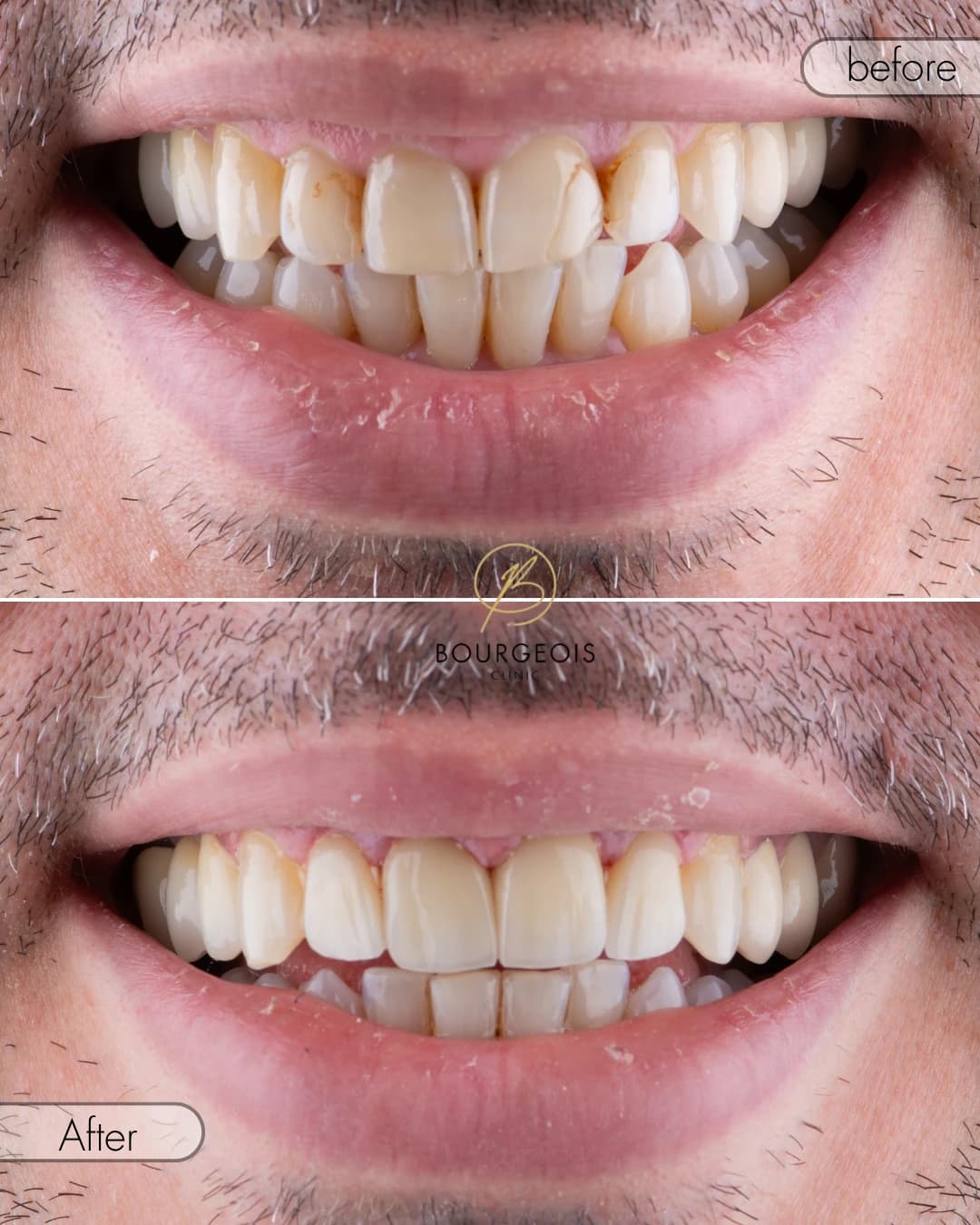
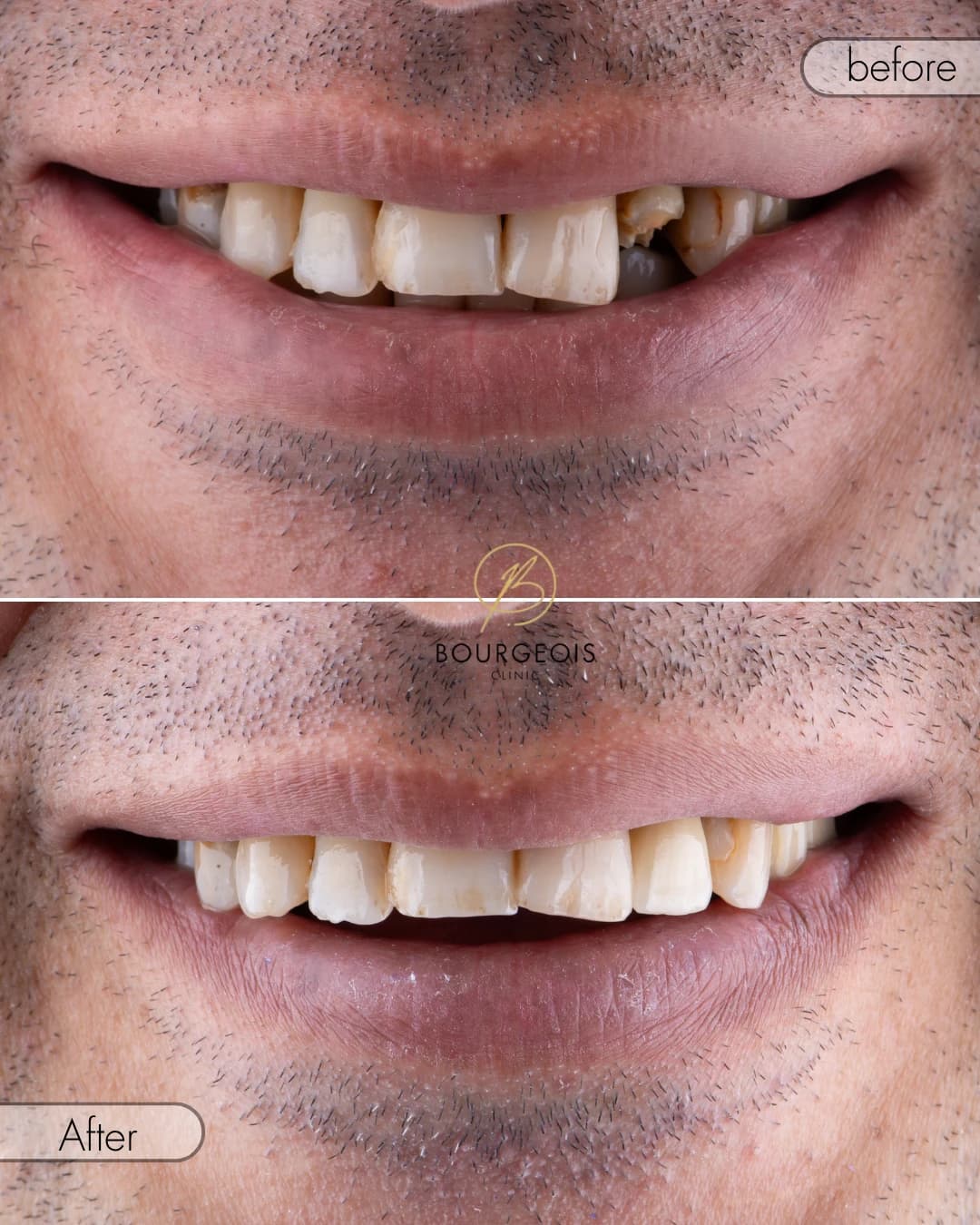
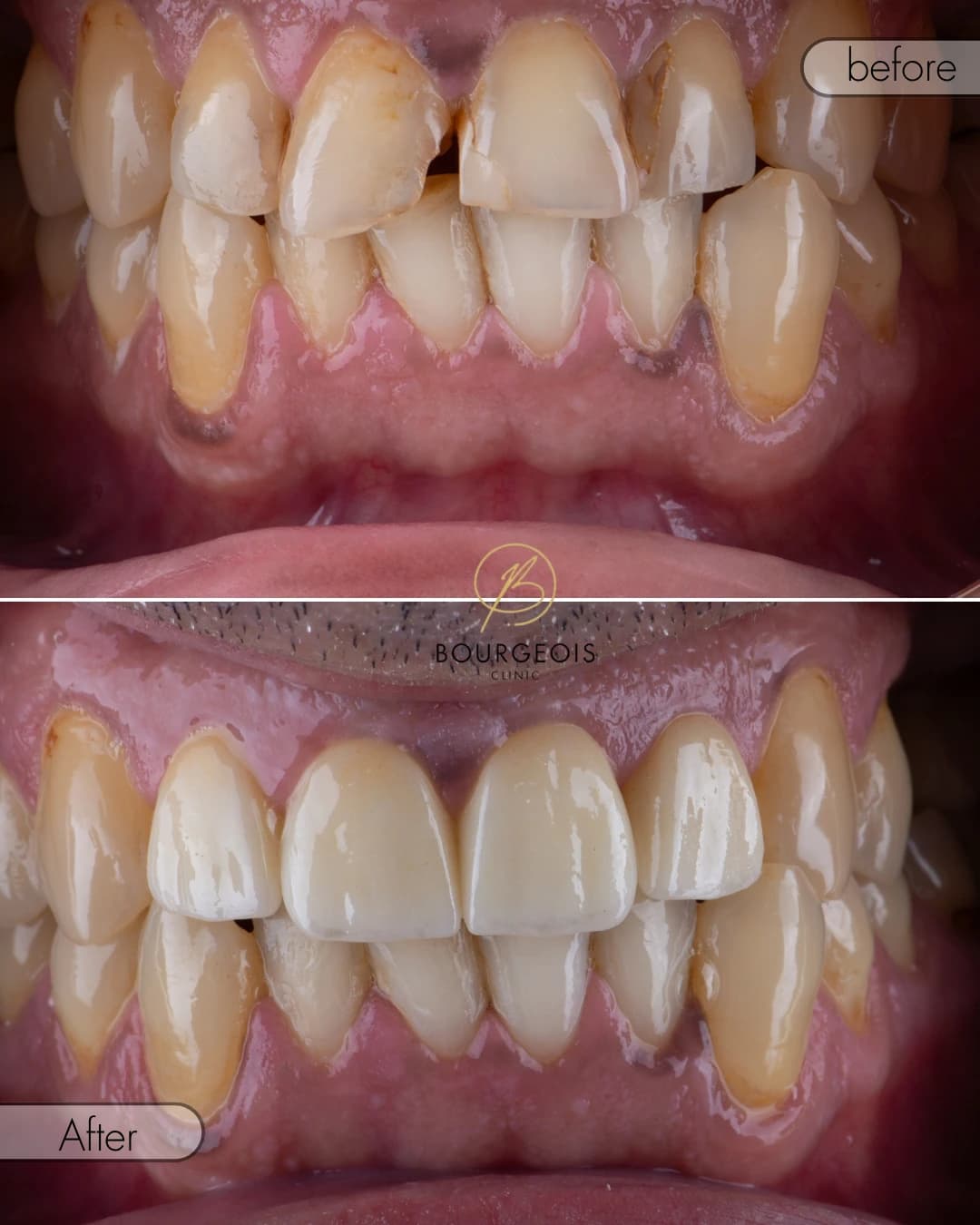
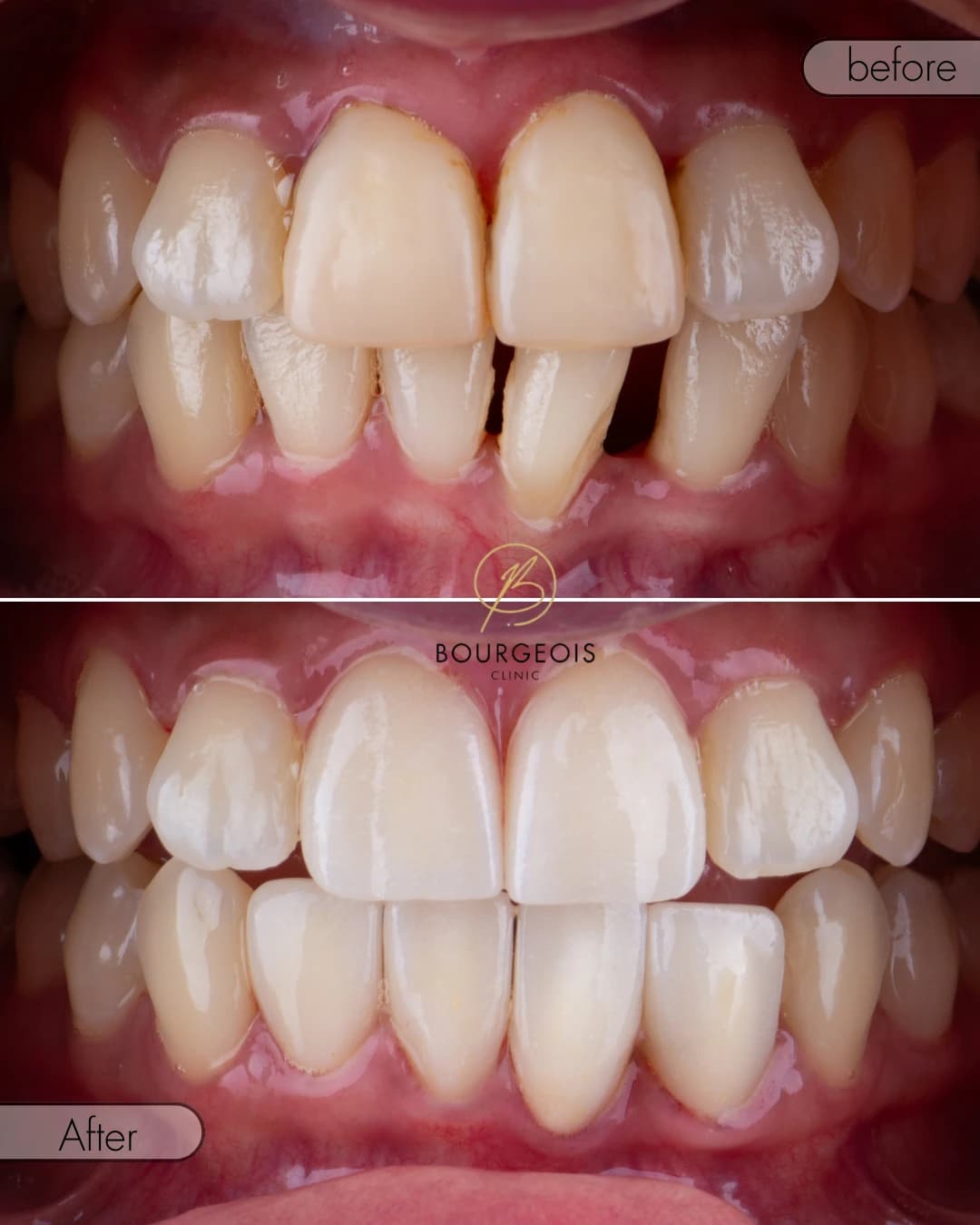
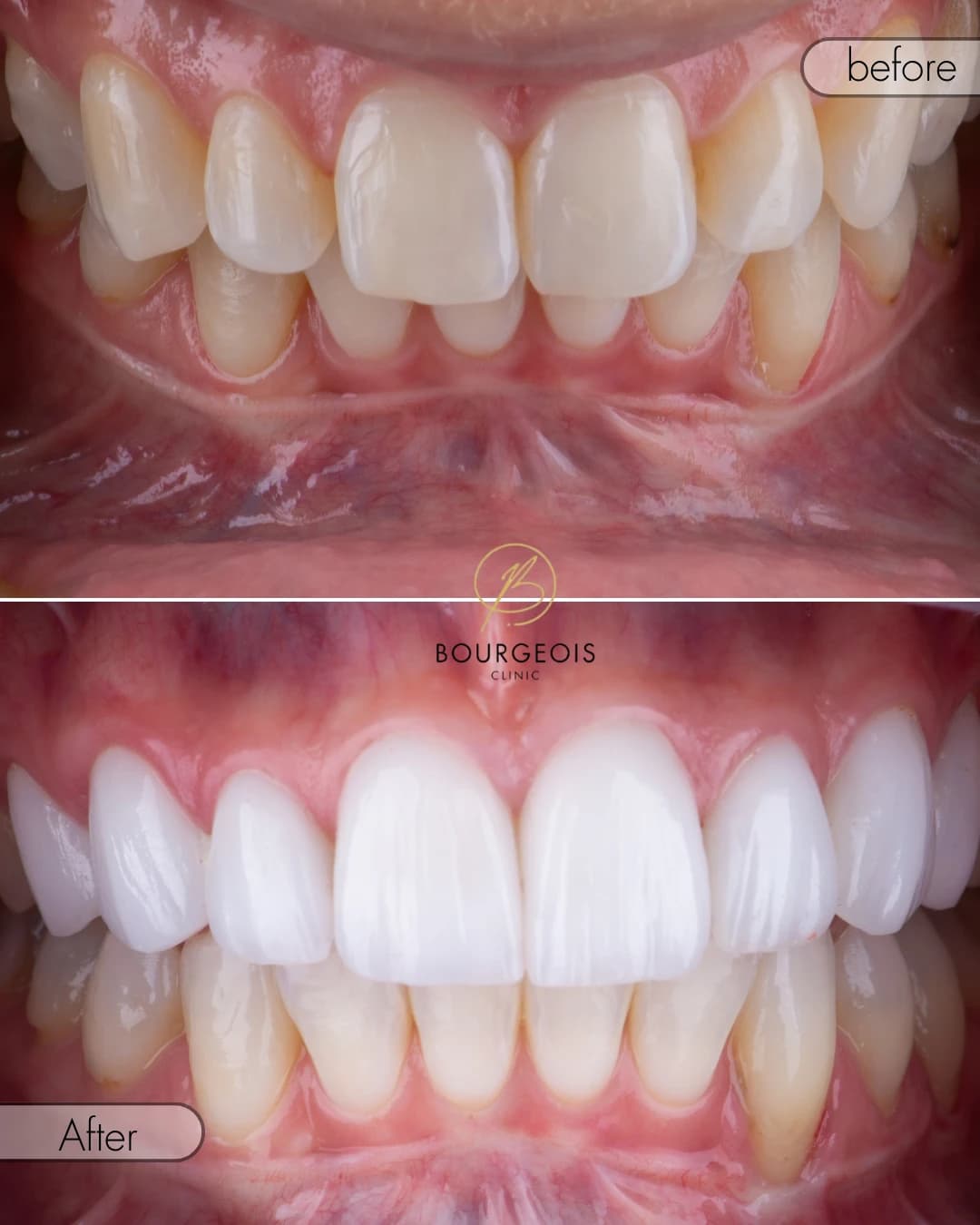
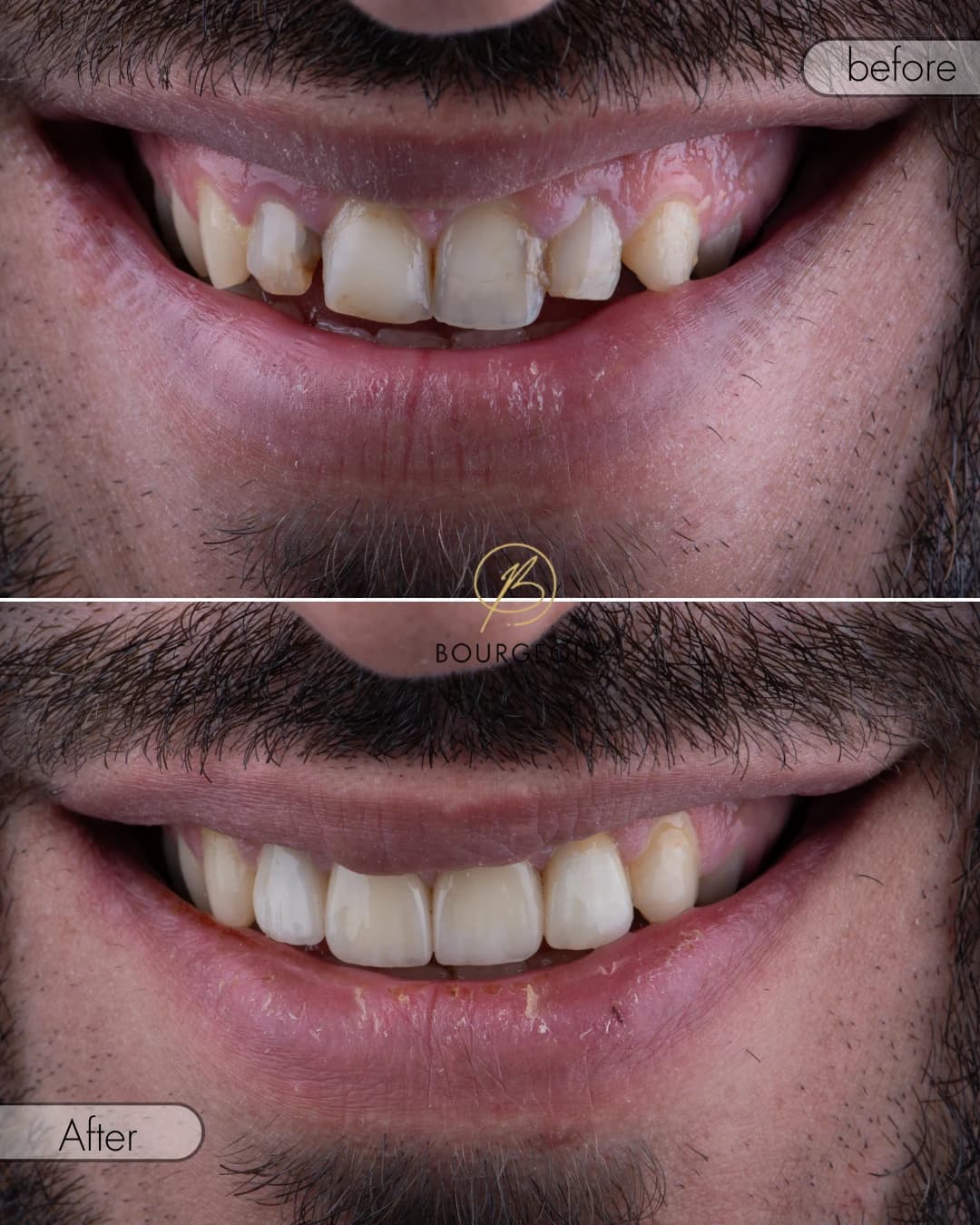
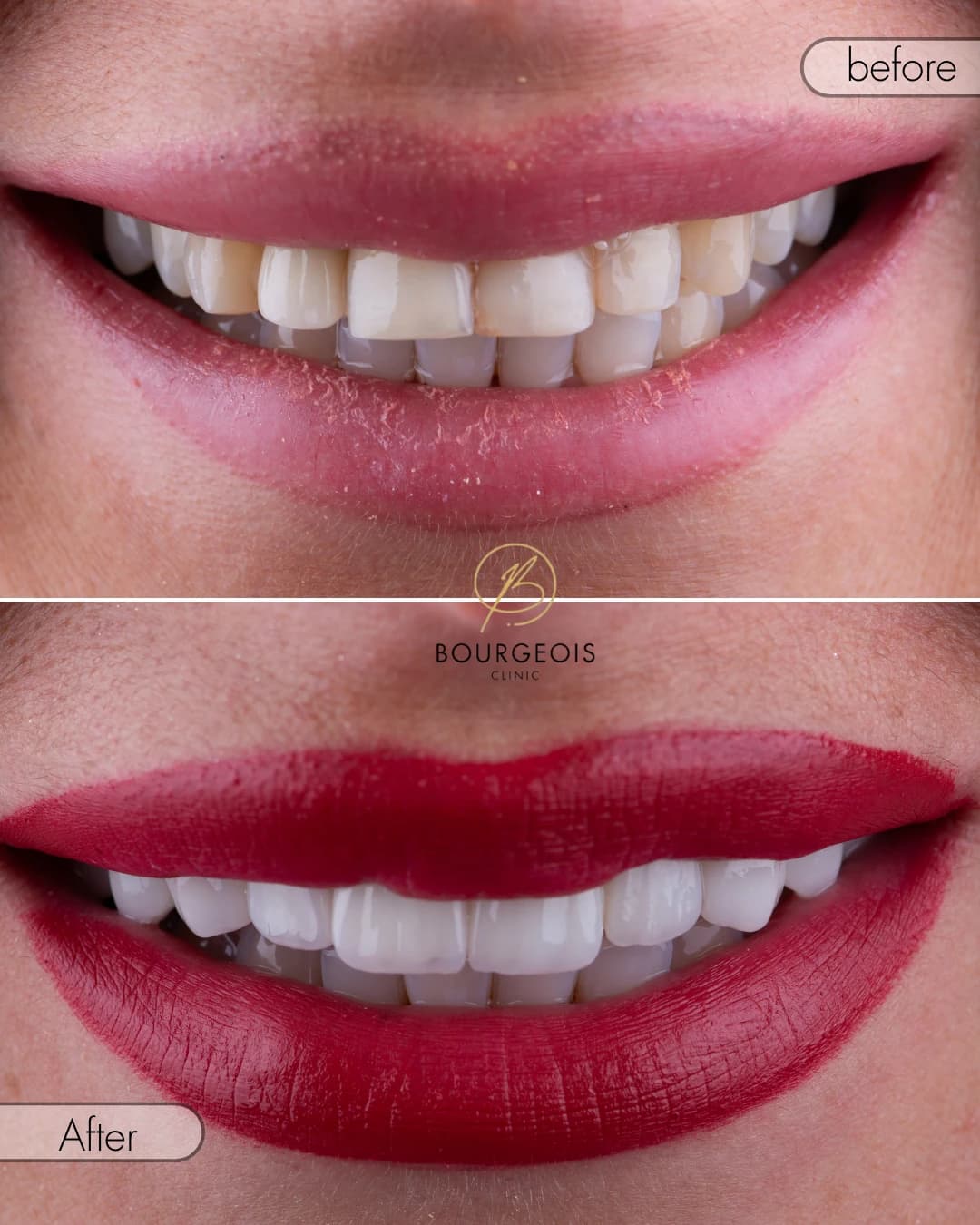
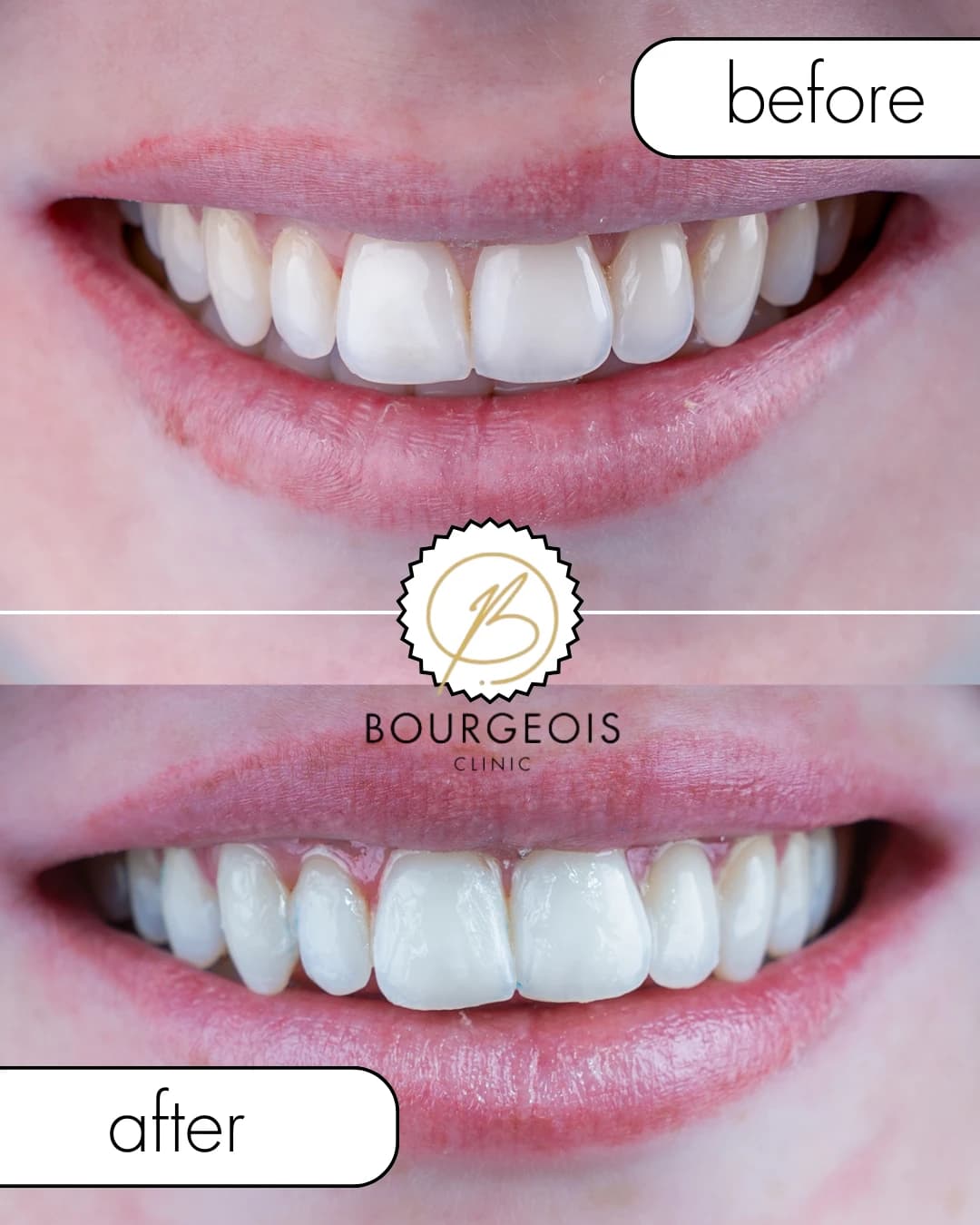
A dental veneer is a thin restoration bonded to the visible front surface of a tooth. It can change the tooth's colour, shape, length, proportions or surface appearance. Veneers may be made from dental ceramic, including porcelain or lithium-disilicate systems, or from tooth-coloured composite resin.
For many porcelain veneers in Dubai, the dentist removes a controlled amount of enamel to create space for the ceramic and avoid an over-contoured result. The amount varies from tooth to tooth and depends on the tooth's position, colour, shape, existing restorations and the planned design.
Because removed enamel does not grow back, prepared teeth will usually continue to require a veneer or another restoration in the future. This is why veneer treatment should be considered a long-term dental decision rather than a temporary beauty procedure.
Does Enamel Preparation Mean the Tooth Is Damaged?
Controlled preparation and accidental damage are not the same thing. Removing a clinically planned amount of enamel may be part of appropriate restorative treatment. Nevertheless, it permanently changes the tooth, and unnecessary or excessive reduction can weaken the remaining structure, increase sensitivity and make future treatment more complex.
A conservative veneer plan aims to preserve as much healthy enamel as possible. Bonding to enamel is generally important for a predictable adhesive result, so the dentist should not remove more tooth structure than the design requires.
Before agreeing to treatment, ask:
- Does every proposed tooth genuinely need a veneer?
- How much enamel is expected to be removed?
- Why is preparation required for my tooth position and design?
- Could whitening, bonding or orthodontics achieve the goal more conservatively?
- What restoration would the tooth need if the veneer were replaced later?
When Can Veneers Harm Teeth?
1. Excessive tooth preparation
Removing more tooth structure than necessary can expose deeper layers of the tooth, increase sensitivity and reduce the amount of enamel available for bonding. Preparation should be individually planned rather than performed to the same depth on every tooth.
2. Placing veneers over untreated dental problems
Veneers should not be used to cover active decay, inflamed gums or untreated infection. These conditions require assessment and treatment first. Covering an unhealthy tooth does not stop disease from progressing.
3. Using veneers to disguise significant crowding
Veneers can improve the appearance of selected minor position differences, but they do not move teeth. Attempting to mask moderate or severe crowding may require unnecessary tooth reduction or create bulky restorations. Braces or clear aligners may be the more conservative first step.
4. Ignoring the bite or teeth grinding
Clenching, grinding, a deep bite or unfavourable contact between the upper and lower teeth can place excessive force on veneers. This may contribute to chipping, cracking or debonding. Bite assessment, orthodontic treatment or a protective night guard may be recommended depending on the findings.
5. Poorly fitting or over-contoured veneers
Margins that are difficult to clean or veneers that create excessive bulk can irritate the gums and retain plaque. Accurate planning, preparation, impressions or scans, laboratory communication and final fitting all influence how the restoration relates to the tooth and gum.
6. Inadequate oral hygiene and follow-up
A veneer does not protect the entire tooth from decay. Plaque can still collect around its margins, and the uncovered parts of the tooth remain natural tooth structure. Daily cleaning, professional examinations and maintenance are necessary after treatment.
Can Teeth Decay Under Veneers?
Yes. The ceramic or composite facing cannot develop tooth decay, but the natural tooth supporting it can. Decay may begin around a margin if plaque accumulates, a gap develops, oral hygiene is poor or the patient has a high decay risk.
Possible warning signs include sensitivity, discomfort, a change near the veneer edge, persistent gum inflammation, unpleasant taste or a loose restoration. These symptoms do not always mean decay is present, but they should be examined rather than ignored.
Reducing the risk involves brushing with fluoride toothpaste, cleaning between the teeth, limiting frequent sugar exposure, attending dental reviews and avoiding the use of veneered teeth to bite hard objects.
Do Veneers Cause Tooth Sensitivity?
Some patients experience temporary sensitivity after tooth preparation or veneer bonding. The tooth may react to cold, air or pressure while the tissues settle. The degree and duration vary according to the amount of preparation, the condition of the tooth and the individual response.
Persistent, worsening or severe sensitivity needs assessment. It may relate to an exposed area, bite pressure, bonding issue, decay, a crack or inflammation within the tooth. Veneers should not be marketed as completely risk-free or guaranteed never to cause sensitivity.
Can Veneers Cause Gum Problems?
Well-designed veneers should allow the patient to clean the gum line. Gum redness, bleeding or swelling may occur when plaque accumulates, a margin is difficult to clean, the veneer is over-contoured or an existing gum condition was not stabilised before treatment.
Healthy gums are essential for accurate planning and a stable appearance. Gum disease and active inflammation should therefore be managed before definitive veneers are made.
Are No-Prep Veneers Safer for Teeth?
No-prep or minimal-preparation veneers may preserve more enamel in carefully selected cases, but they are not automatically safer or suitable for everyone. Adding ceramic without creating enough space can make teeth appear thick, affect the gum line or create an unnatural profile.
They may be considered when teeth are naturally small, positioned slightly inward or need limited additional volume. Teeth that already project forward, are crowded, heavily discoloured or contain large restorations may require a different plan.
The correct question is not whether one veneer system is universally better. It is whether the proposed design can achieve an acceptable result while preserving the greatest reasonable amount of healthy tooth structure.
Porcelain Veneers vs Composite Bonding: Which Is More Conservative?
Composite bonding often requires little or no enamel reduction in suitable cases because resin is applied directly to the tooth. It may be considered for small chips, minor gaps, worn edges and limited changes in shape. However, composite can stain, wear or lose polish and may require repairs or maintenance.
Porcelain veneers may require controlled enamel preparation but can provide a coordinated change in colour, shape, proportions and surface appearance across several teeth. The better option depends on the problem being treated, not only on the material.
Read the clinic's detailed comparison of composite bonding versus porcelain veneers in Dubai before deciding between the two approaches.
Who May Not Be a Suitable Candidate for Veneers?
Veneers may need to be postponed, modified or replaced by another treatment when a patient has:
- Active tooth decay or untreated gum disease
- Insufficient healthy enamel for predictable bonding
- Severe grinding or clenching that is not controlled
- An unstable or unfavourable bite
- Significant crowding or tooth-position problems
- Very weak teeth or extensive existing restorations
- Unrealistic expectations about colour, shape or permanence
- Oral-hygiene problems that increase decay and gum risk
A tooth with a large filling, fracture or major structural loss may require a different restoration, such as a crown. A healthy tooth with a small cosmetic concern may be better treated with whitening, bonding, orthodontics or no treatment.
What Are the Alternatives to Veneers?
A responsible cosmetic consultation should include reasonable alternatives. Depending on the concern, these may include:
- Professional teeth whitening: for selected stains and general darkening of natural teeth
- Composite bonding: for small chips, gaps, worn edges or shape differences
- Clear aligners or braces: when tooth position is the main issue
- Enamel reshaping: for limited differences in edges or contours
- Gum treatment: when inflammation or gum levels affect the smile
- Crowns: for teeth that need greater structural coverage
- No treatment: when the expected cosmetic benefit does not justify altering healthy teeth
The clinic's guide to how many veneers a patient may need also explains why a fixed package should not replace individual tooth-by-tooth assessment.
How Can You Reduce the Risk of Veneer Treatment?
- Choose a licensed dentist with relevant restorative and cosmetic experience.
- Have your teeth, enamel, gums, existing dental work and bite examined.
- Treat decay, gum disease or infection before cosmetic treatment.
- Ask the dentist to explain the preparation required for each tooth.
- Discuss whitening, bonding and orthodontic alternatives.
- Review a diagnostic design or trial smile when appropriate.
- Choose a natural shape and shade that suits your face and neighbouring teeth.
- Follow cleaning, maintenance and review recommendations.
- Use a night guard if prescribed for grinding or clenching.
- Do not bite ice, pens, packaging or other hard objects with veneers.
Questions to Ask Before Getting Veneers in Dubai
- Are my teeth and gums healthy enough for veneers?
- Which teeth need treatment, and why?
- How much enamel will be removed from each tooth?
- Is a minimal-preparation approach appropriate in my case?
- Could bonding, whitening or orthodontics preserve more tooth structure?
- How will my bite and any grinding be managed?
- What are the risks of sensitivity, chipping, decay and gum irritation?
- What maintenance and future replacement should I expect?
- Who will design and fabricate the veneers?
- What is included in the written treatment plan and fee?
Veneer Assessment at Bourgeois Dental Clinic in Dubai
Bourgeois Dental Clinic provides individual cosmetic dental assessments at Indigo Sky Building on Sheikh Zayed Road, Exit 41, near Al Thanya Street in Dubai. Planning considers the health of the teeth and gums, available enamel, existing restorations, tooth position, smile width, bite forces and the patient's realistic goals.
Depending on the examination, options within cosmetic dentistry in Dubai may include porcelain veneers, composite bonding, whitening, orthodontic treatment or a combined plan. Dr. Nour's approach includes smile planning, porcelain veneers, composite restorations and minimally invasive techniques when clinically appropriate. You can review Dr. Nour's dentist profile before arranging a consultation.
Book a veneer assessment in Dubai to understand whether veneers are appropriate for your teeth, how much preparation may be required and which alternatives should be considered.
This article provides general educational information and does not replace a dental examination, diagnosis or individual treatment plan.