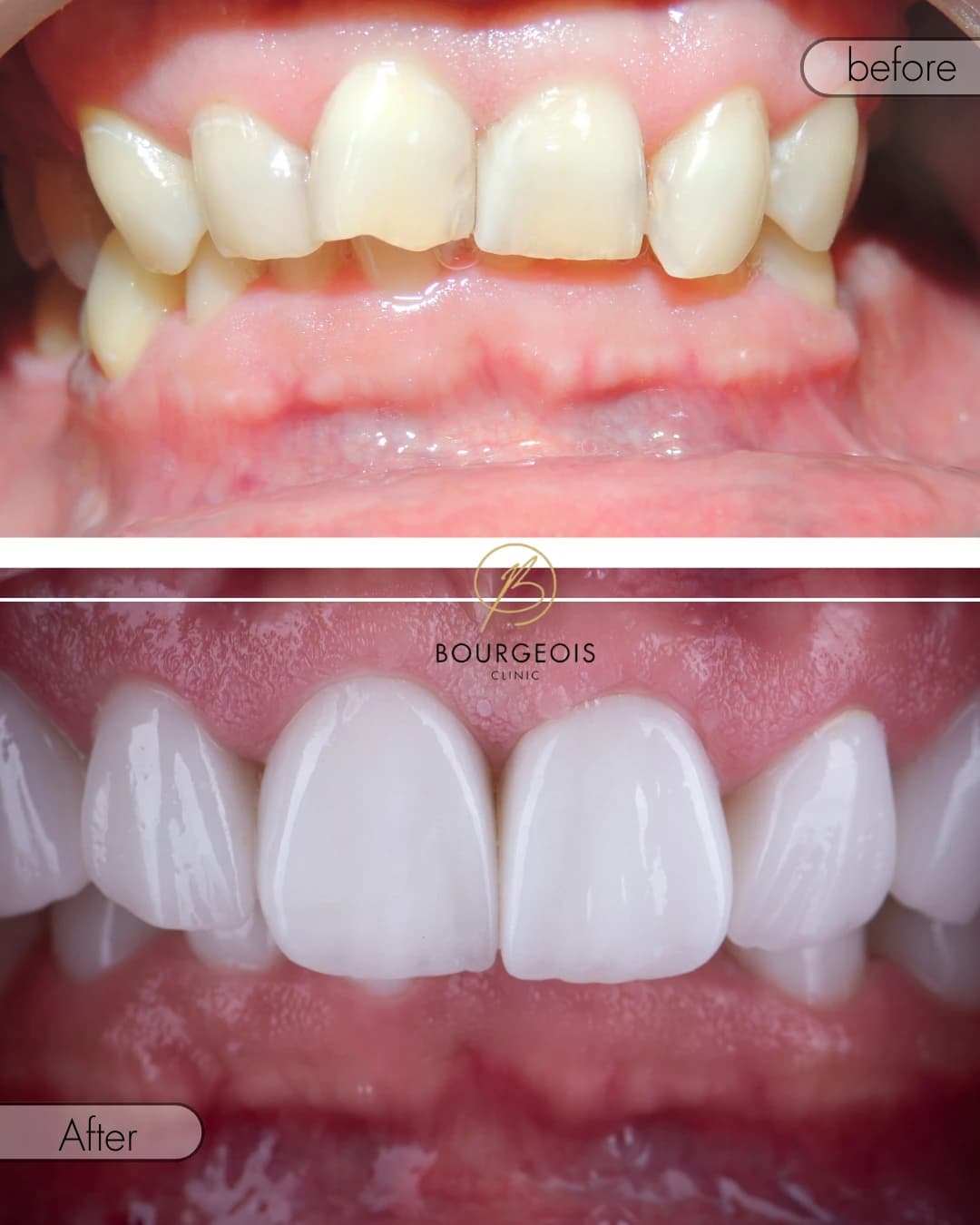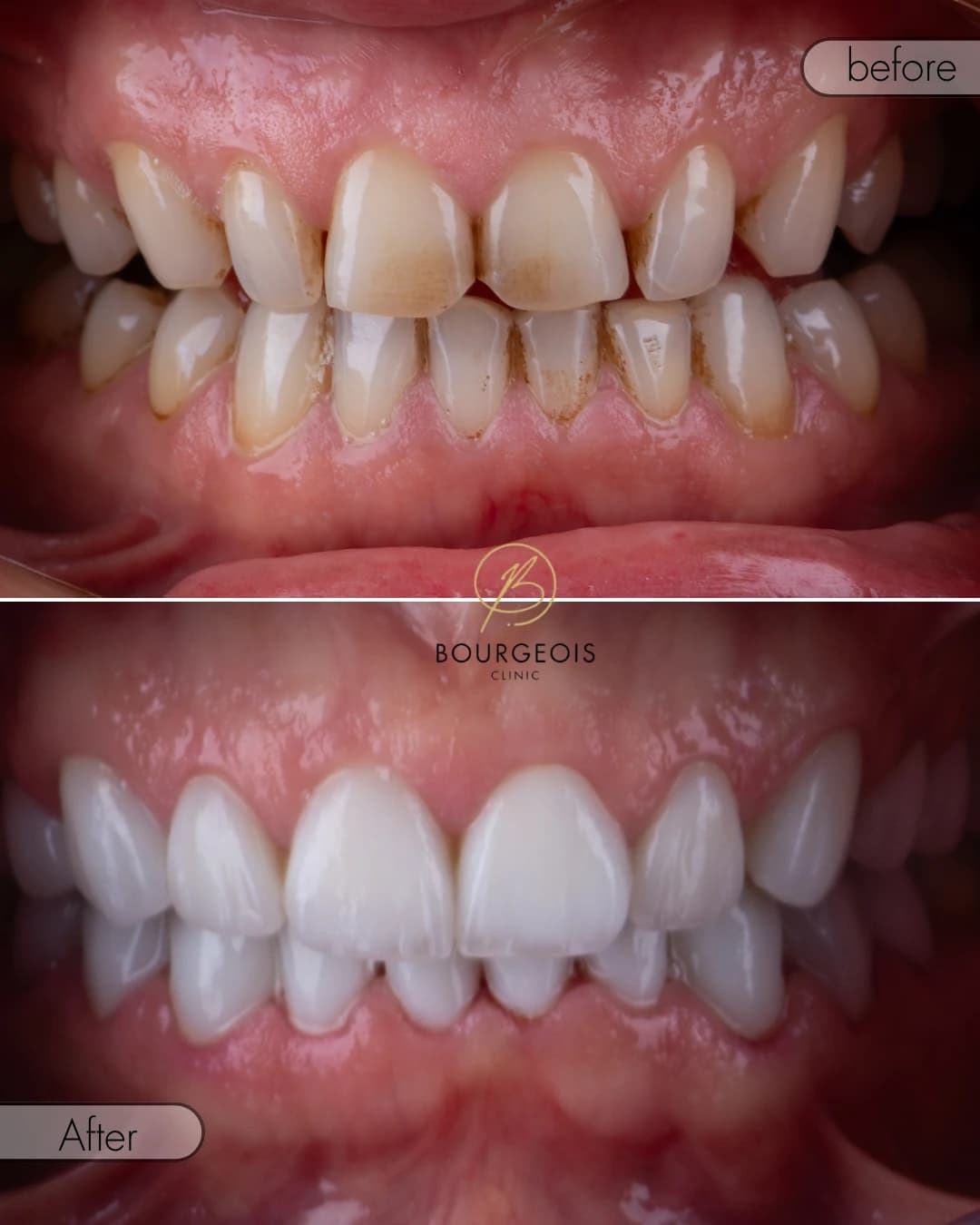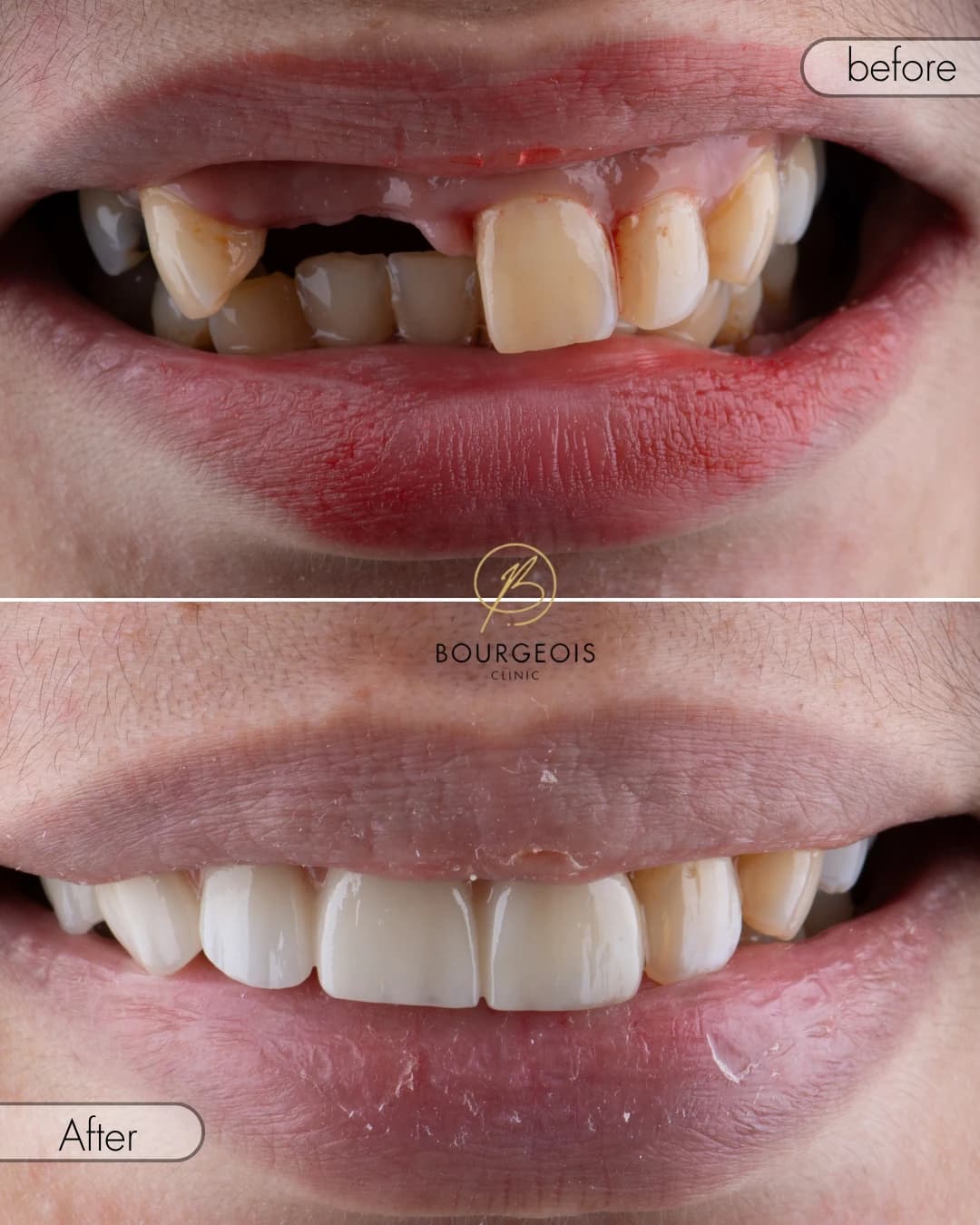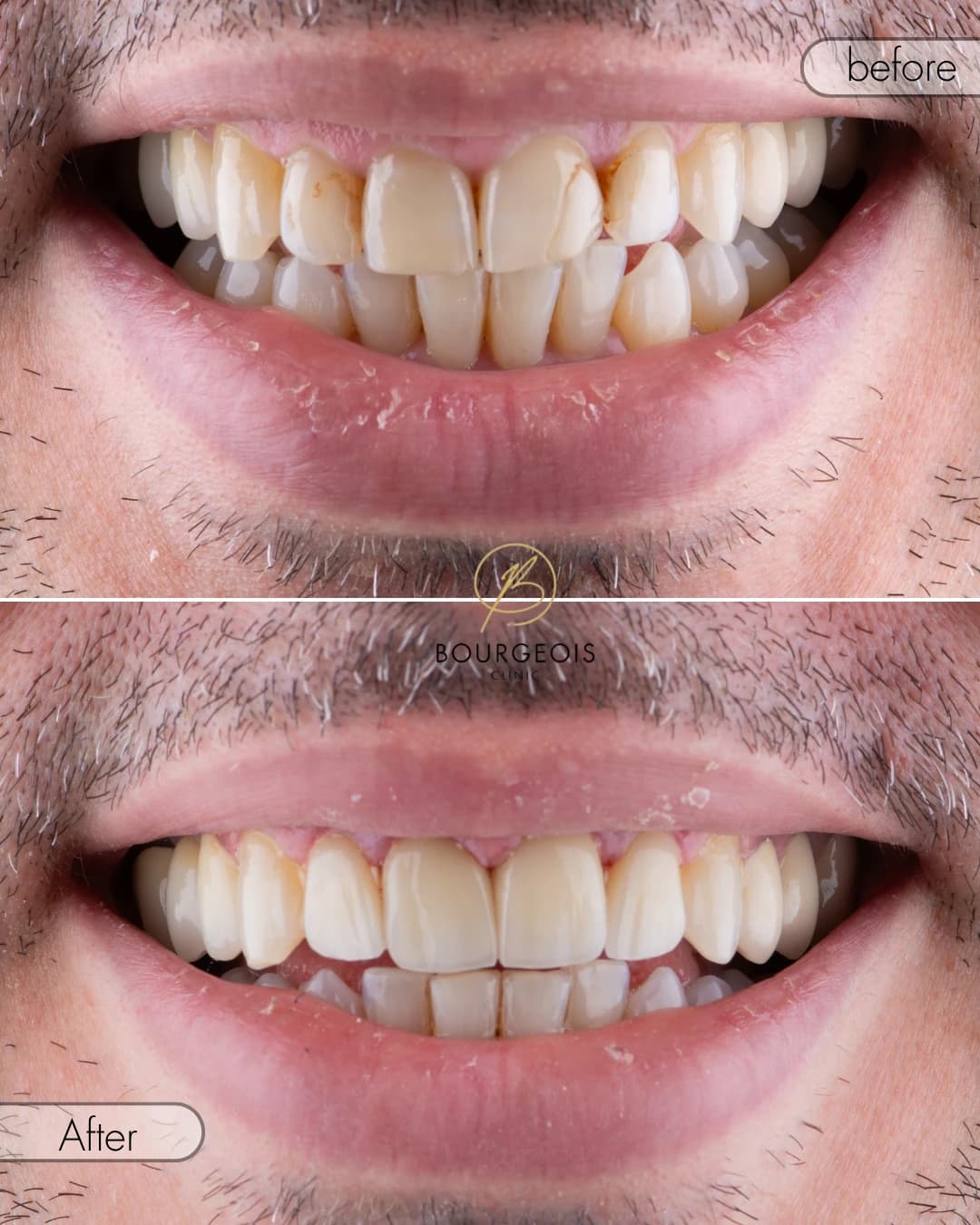


Uneven Tooth Edges in Dubai: Bonding, Reshaping or Veneers?
Why do front teeth develop uneven edges?
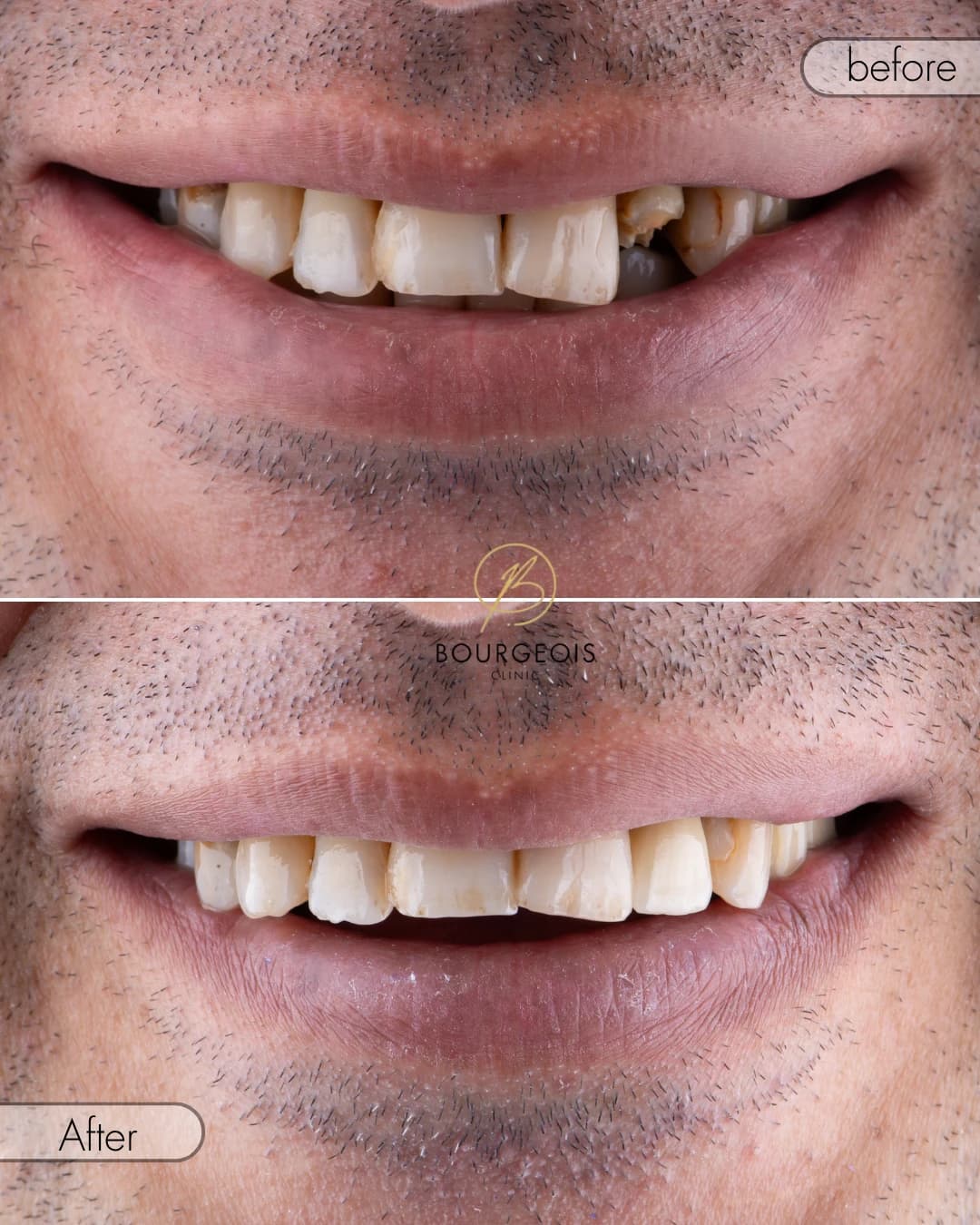
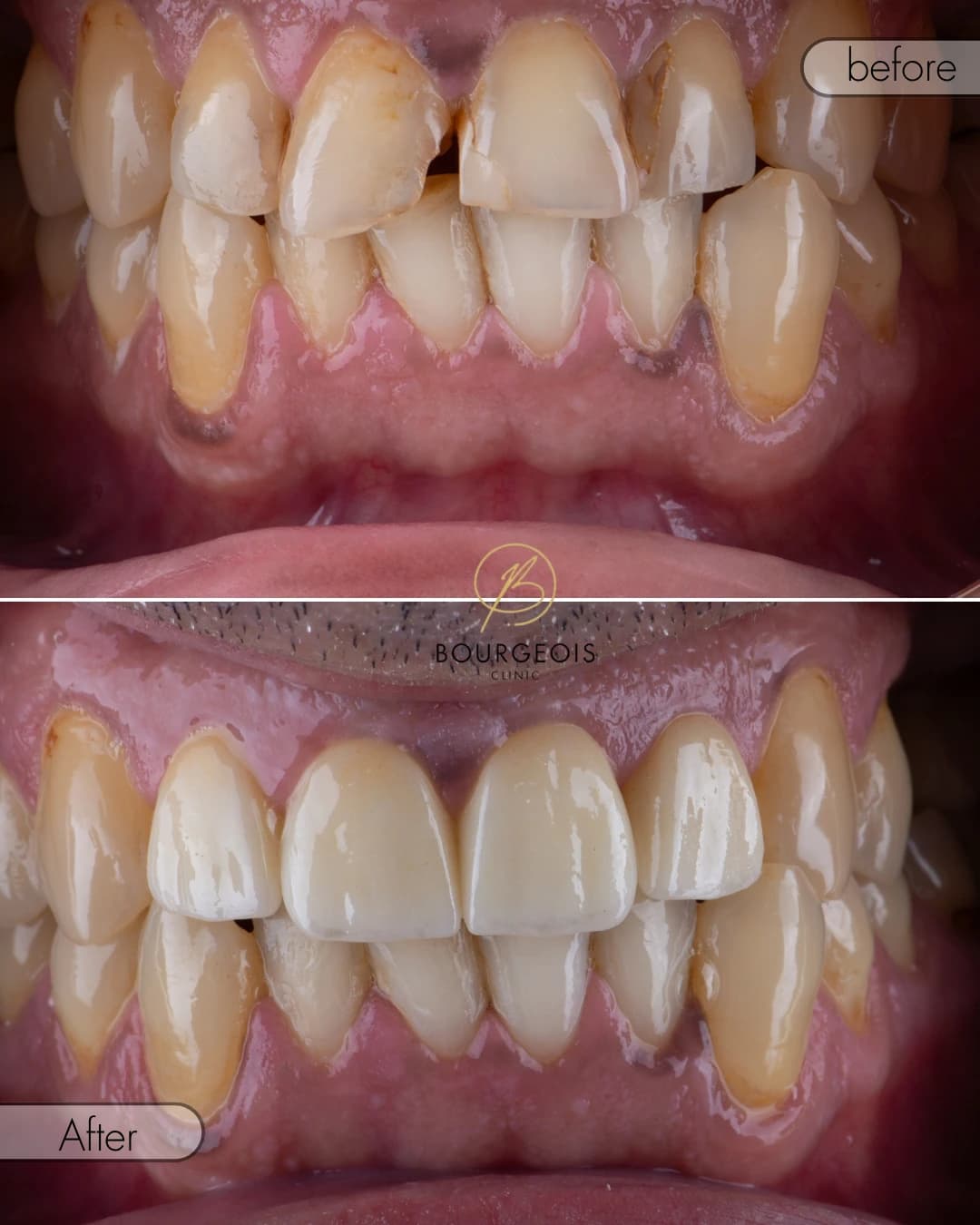
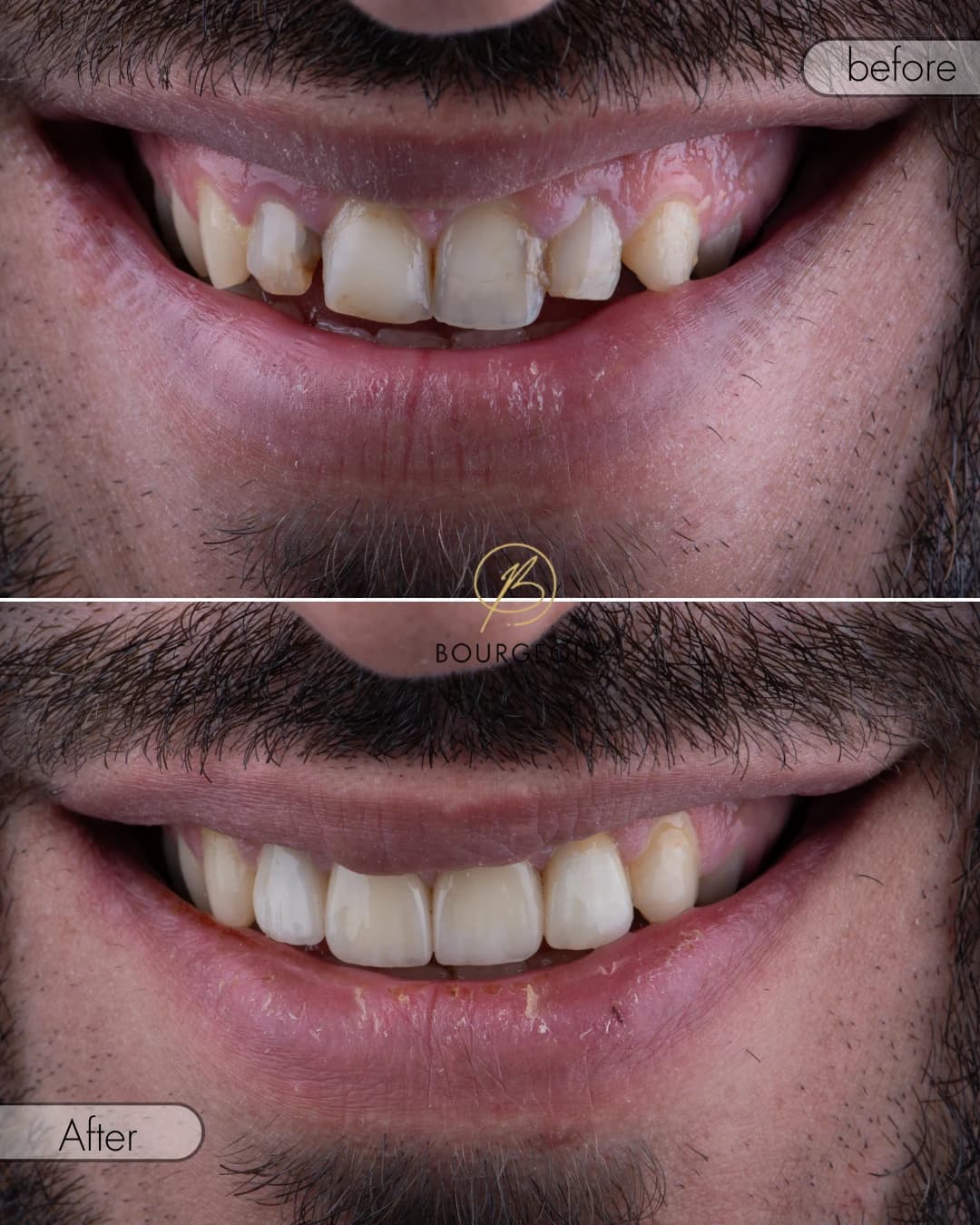
Uneven tooth edges are common, but the explanation is not always cosmetic. One incisor may have erupted in a slightly different position, natural scallops may remain after eruption, a corner may have chipped, or gradual wear may have shortened several teeth. Grinding, nail biting, chewing hard objects, acid erosion and an uneven bite can also change the edge line.
A careful assessment at Bourgeois Dental Clinic in Dubai separates stable shape differences from active damage. Patients considering a conservative aesthetic correction can learn about Dr. Nour, whose published scope includes general, aesthetic and prosthetic dental care.
The short answer
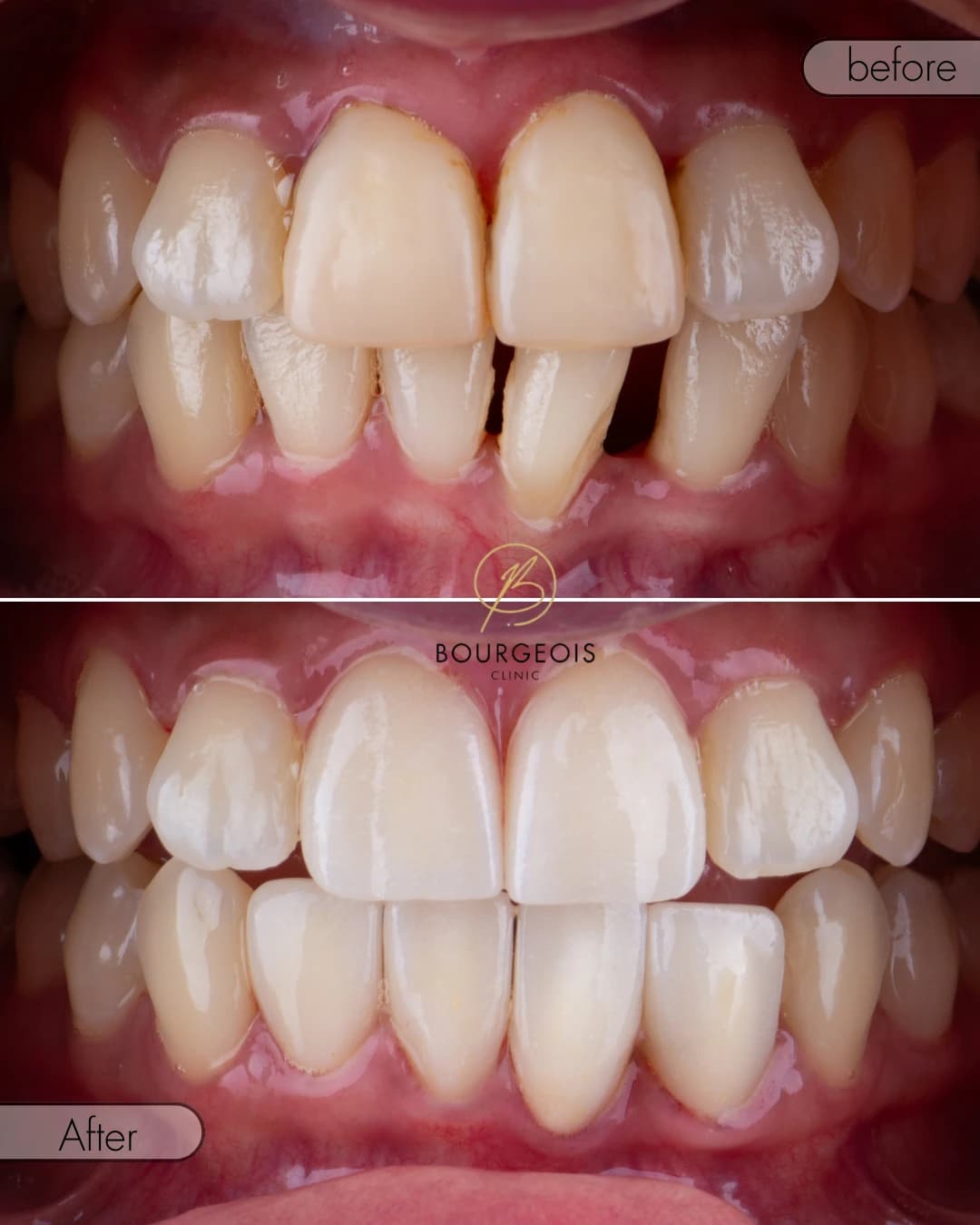
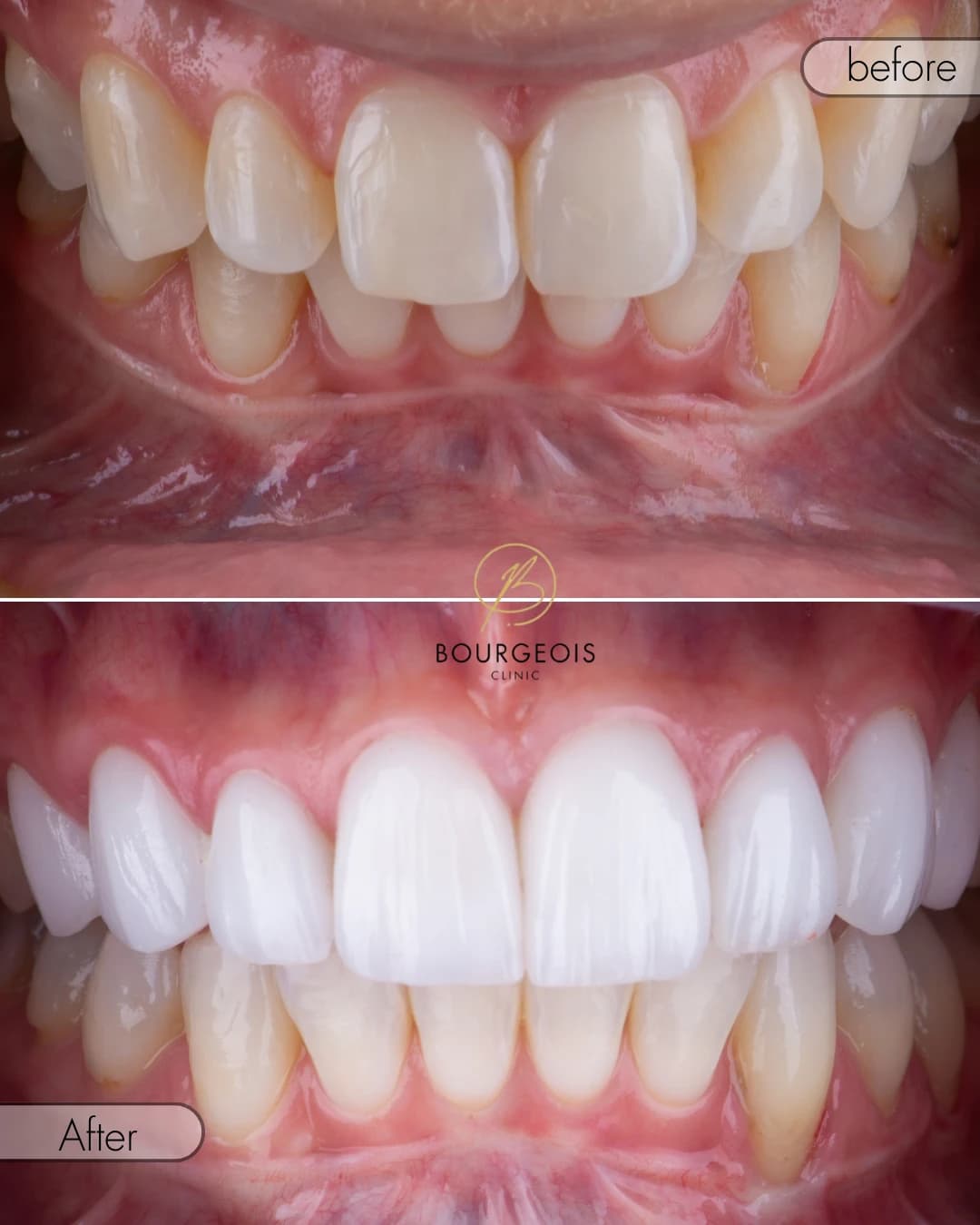
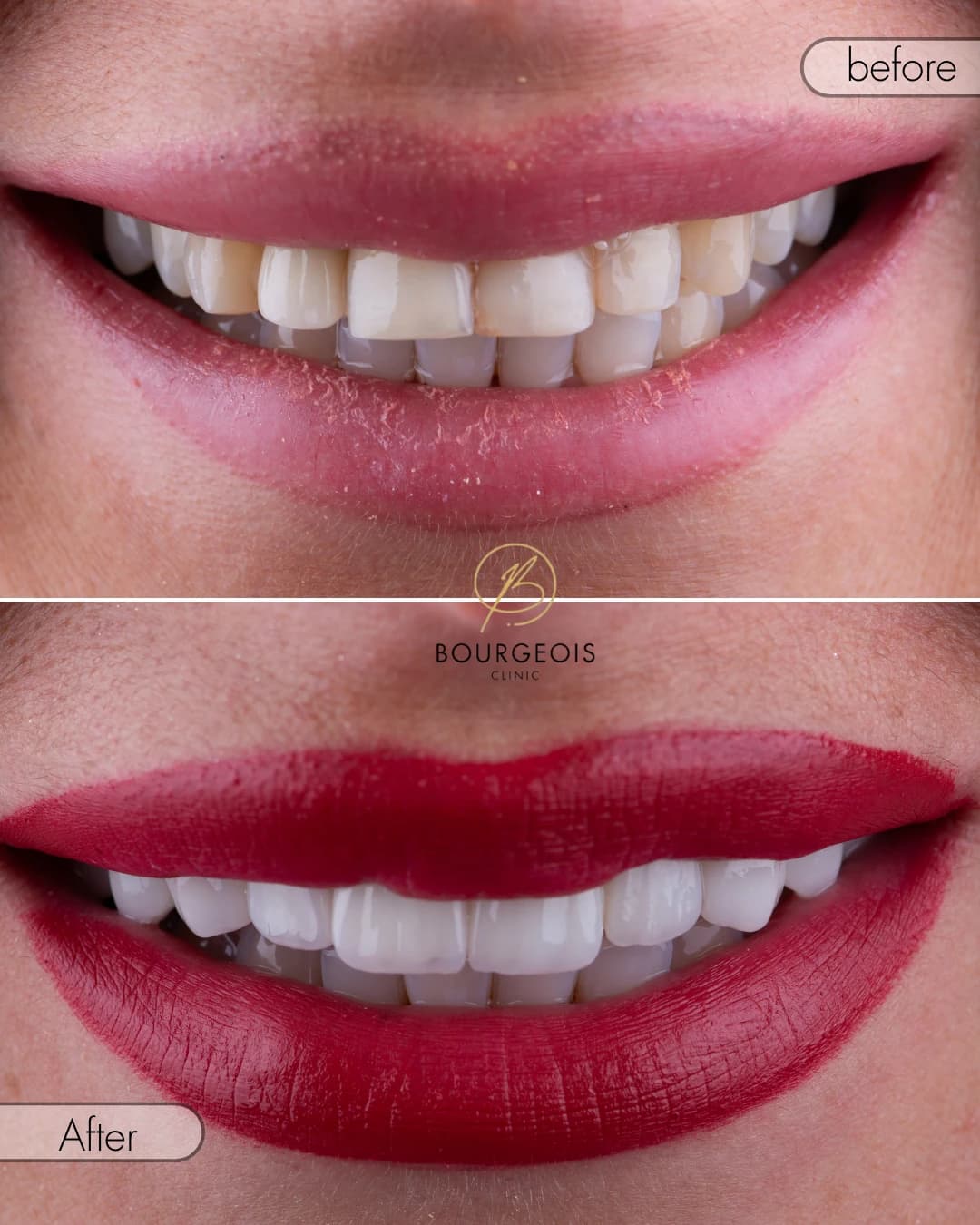
Small excesses may be improved with selective tooth reshaping. Missing corners or short edges may be rebuilt with composite bonding. Porcelain veneers may be considered when shape, colour and proportion require broader coordinated change. None of these choices is automatically best: the dentist must first check enamel, cracks, bite contacts, tooth position, gum levels and whether wear is still progressing.
Natural variation or active wear?
Young permanent incisors often erupt with small rounded projections called mamelons. These usually smooth with normal function but can remain if the teeth do not contact in the usual way. Natural asymmetry may also reflect small differences in tooth size or position and does not always require treatment.
Active wear is different. New flattening, repeated chipping, sensitivity, shortening or roughness can indicate grinding, erosion or heavy contact. Restoring an edge without addressing the cause may lead to another fracture. A tooth-wear assessment can help identify the pattern.
What the dentist evaluates
The examination considers the full smile rather than one edge in isolation. It includes tooth length, width, symmetry, midline, gum levels, colour, enamel thickness and how the upper and lower teeth meet during biting and side movements. Photos and a digital scan can help compare proportions and show whether an additive correction is possible.
The dentist also checks for decay, old fillings, hidden cracks, exposed dentine and sensitivity. If teeth are crowded or rotated, adding material could make them look too wide or create difficult cleaning areas. In such cases, alignment may be more conservative than masking the position.
Option 1: cosmetic tooth reshaping
Cosmetic tooth reshaping removes a very small, planned amount from selected enamel projections. It may smooth a rough corner, soften a point or improve minor asymmetry where enough enamel is present. The change is immediate and does not add restorative material.
Because removed enamel does not grow back, reshaping must remain limited. It cannot lengthen a short tooth, replace a missing corner or safely correct a major level difference. Excessive reduction can expose dentine, increase sensitivity or weaken an edge.
Option 2: composite bonding
Composite bonding adds tooth-coloured resin to an edge. It can lengthen a short incisor, rebuild a small chip, balance corners or improve the outline of selected front teeth. Many additive cases require little or no enamel removal, although surface preparation depends on the tooth.
Bonding is repairable and adaptable, but it is not maintenance-free. Thin incisal additions can chip under heavy bite forces, and resin may stain or lose polish. Patients who grind, bite pens or use their teeth to open packaging need realistic expectations and preventive advice.
Option 3: porcelain veneers
Porcelain veneers cover the visible front surface and edge of selected teeth. They may be considered when uneven edges occur together with unwanted colour, surface texture, proportion or multiple old restorations. Ceramic offers colour stability and detailed characterisation, but it may require enamel preparation and future replacement.
Using a veneer only to correct a tiny healthy edge difference can be disproportionate when reshaping or bonding could achieve the agreed goal. The decision should compare the expected benefit with the biological commitment.
Could alignment be the better first step?
If one edge looks longer because a tooth is tilted, rotated or positioned lower, removing or adding material may not correct the real cause. Clear aligners or another orthodontic approach may move suitable teeth before small finishing corrections. Complex bite or tooth-movement questions should be assessed by an orthodontist.
Can whitening be combined with edge correction?
Yes, when whitening is appropriate. Professional whitening is usually planned before colour-matched bonding or ceramic restorations because composite and porcelain do not whiten. After the natural shade settles, the dentist can select a closer restorative match.
Why a mock-up can help
An additive preview or digital design can show how proposed lengths and curves relate to the smile. It also helps the dentist test speech, lip movement and bite clearance. A preview is a planning aid, not a guarantee that every detail will look identical in the final material.
How to compare the three main options
Start with the direction of change. Reshaping only subtracts, so it suits a small projection when shortening will not disturb the smile or bite. Bonding mainly adds, so it can restore a missing corner or short edge while preserving enamel. A veneer combines broader colour and shape control but creates a greater long-term commitment. Ask how much enamel each plan changes, whether the design is repairable, what may happen if the bite changes and how future maintenance differs. A conservative plan may also combine limited reshaping on one tooth with a small additive correction on another.
Protecting the result
Long-term care depends on the cause and treatment. Avoid biting hard objects with restored edges, maintain cleaning around bonding or veneers, and attend reviews. If grinding is diagnosed, a custom night guard may be recommended to protect teeth and restorations; it does not cure every cause of bruxism.
Planning with Dr. Nour
Dr. Nour can assess front-tooth shape, enamel, colour and existing restorations and discuss whether observation, reshaping, bonding or ceramic treatment is proportionate. When the problem involves significant orthodontic movement, gum levels or advanced wear, planning can be coordinated with the appropriate member of the multidisciplinary team.
Book an assessment in Dubai
Seek prompt care if the edge changed suddenly, is sharp, painful or sensitive, or followed an injury. For stable unevenness, bring photographs of how the smile has changed and explain what specifically bothers you. Book a dental appointment to compare conservative options before removing healthy enamel.
This article provides general information and does not replace an individual diagnosis.