

Composite Bonding vs Porcelain Veneers in Dubai: Which Is Right for Your Smile?

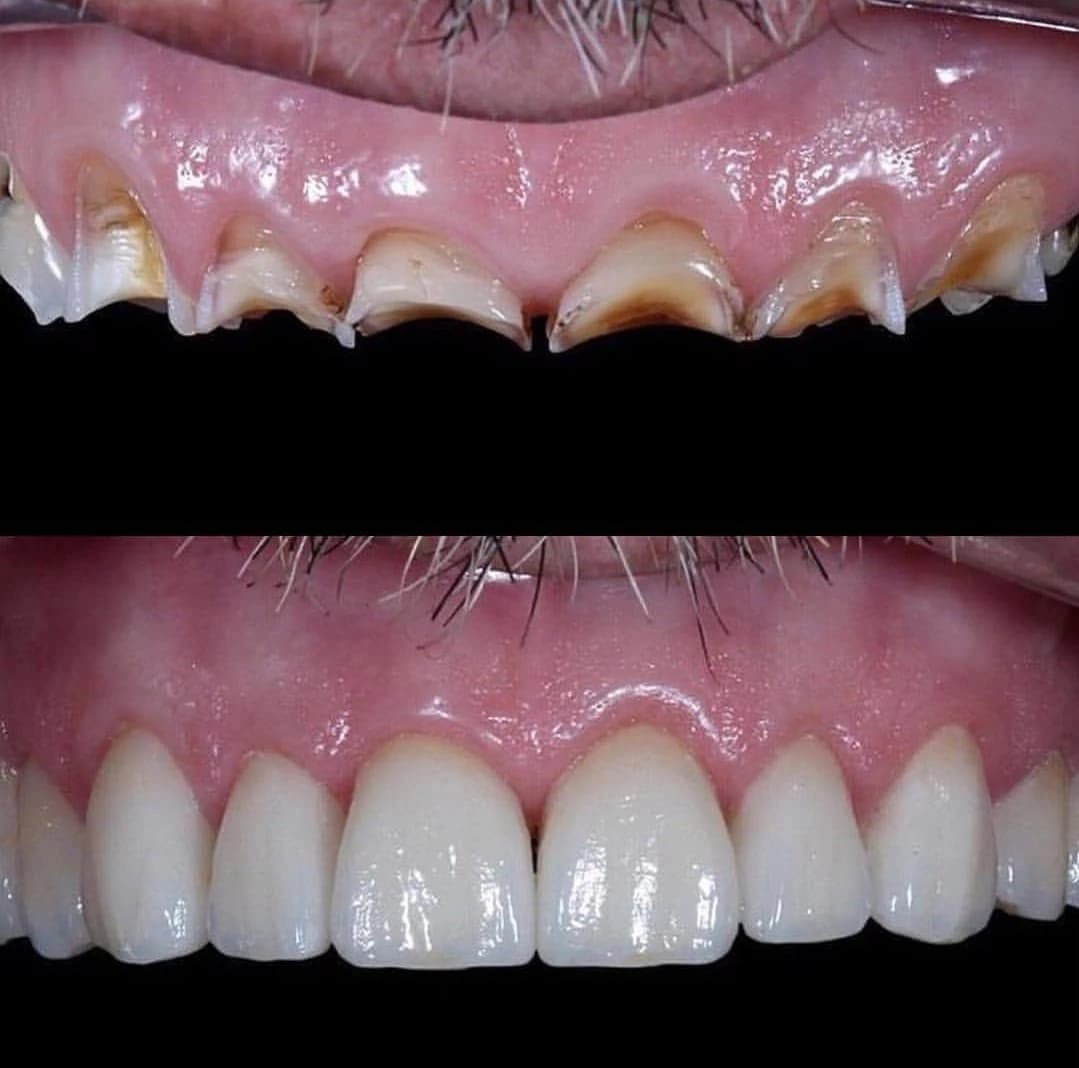
If you want to improve chipped, uneven, spaced or discoloured front teeth, composite bonding and porcelain veneers are two options your dentist may discuss. Both can enhance a smile, but they use different materials, follow different treatment processes and have different maintenance requirements.
The short answer: composite bonding is often considered for conservative changes, small defects and patients who want a treatment that can usually be completed directly on the teeth. Porcelain veneers may be considered when several visible teeth require a more comprehensive change in colour, shape, proportions or symmetry. Neither treatment is automatically better; the appropriate choice depends on your teeth, enamel, bite, gum health and cosmetic goals.
What Is Composite Bonding?
Composite bonding in Dubai uses tooth-coloured resin applied directly to selected teeth. The dentist chooses a suitable shade, places and shapes the material, hardens it with a curing light, adjusts the bite and polishes the restoration.
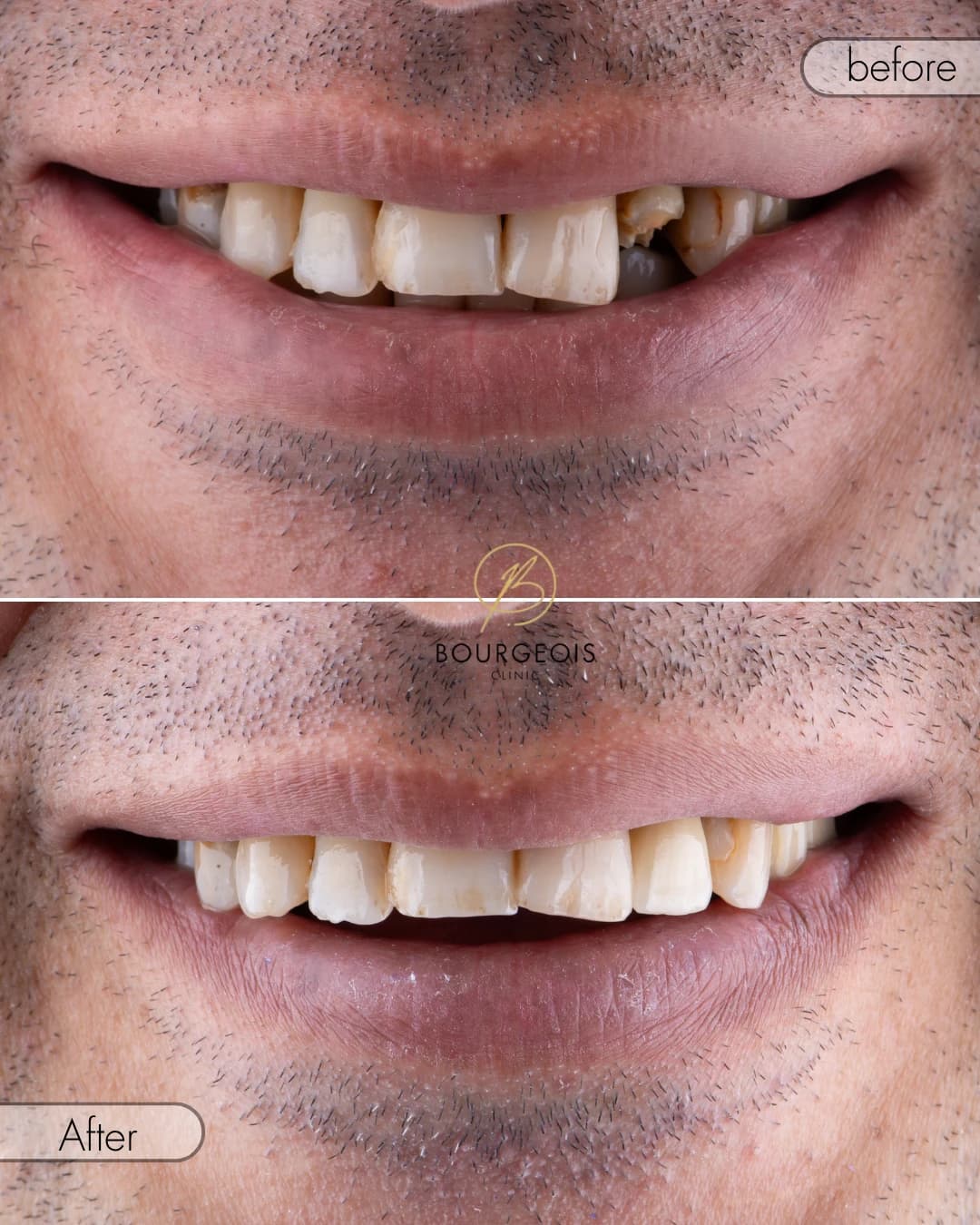
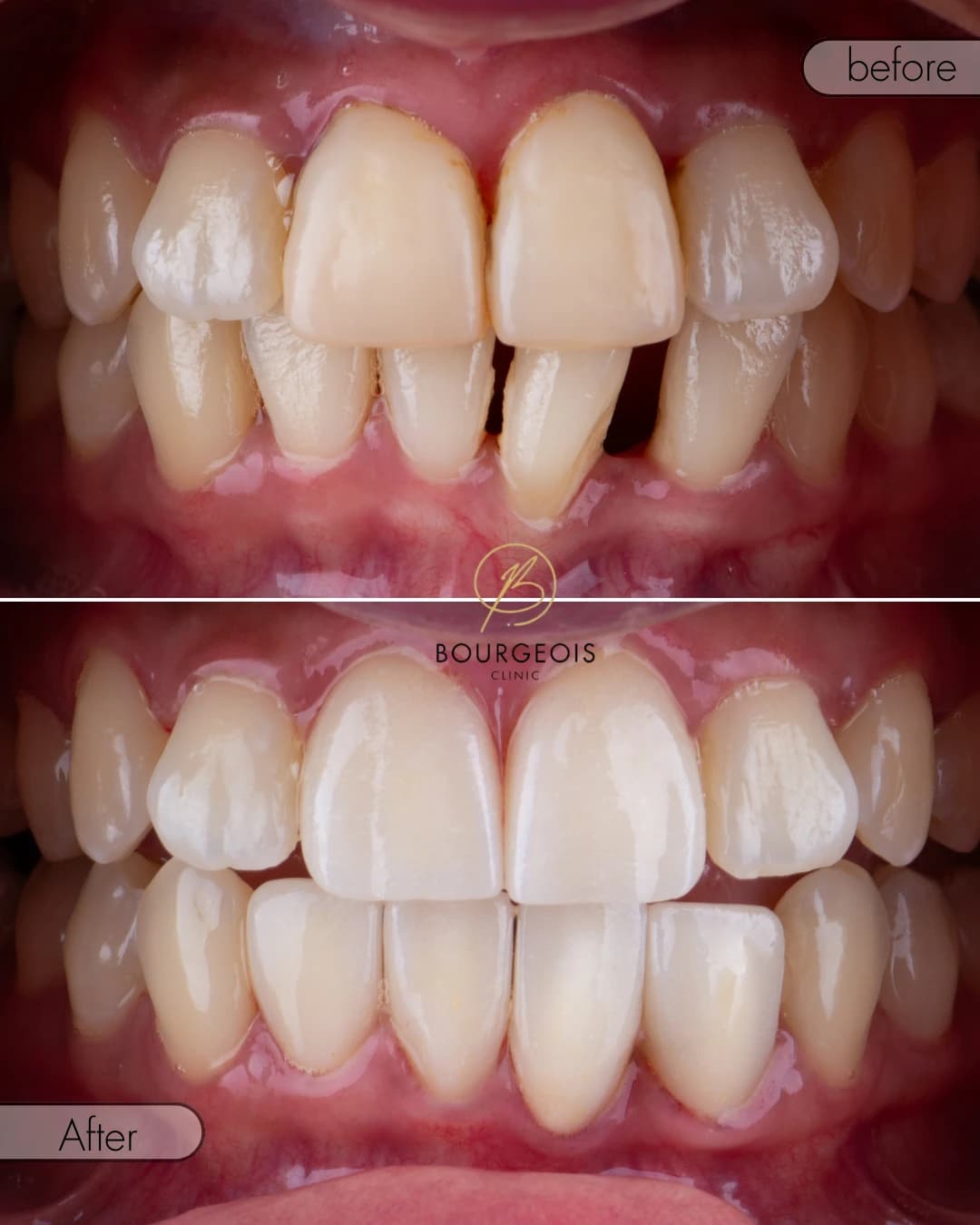
Bonding may be used to improve small chips, minor gaps, worn edges, uneven tooth lengths, selected areas of discolouration and minor differences in tooth shape. In suitable cases, it requires little or no removal of healthy enamel, although some surface preparation may still be necessary.
What Are Porcelain Veneers?
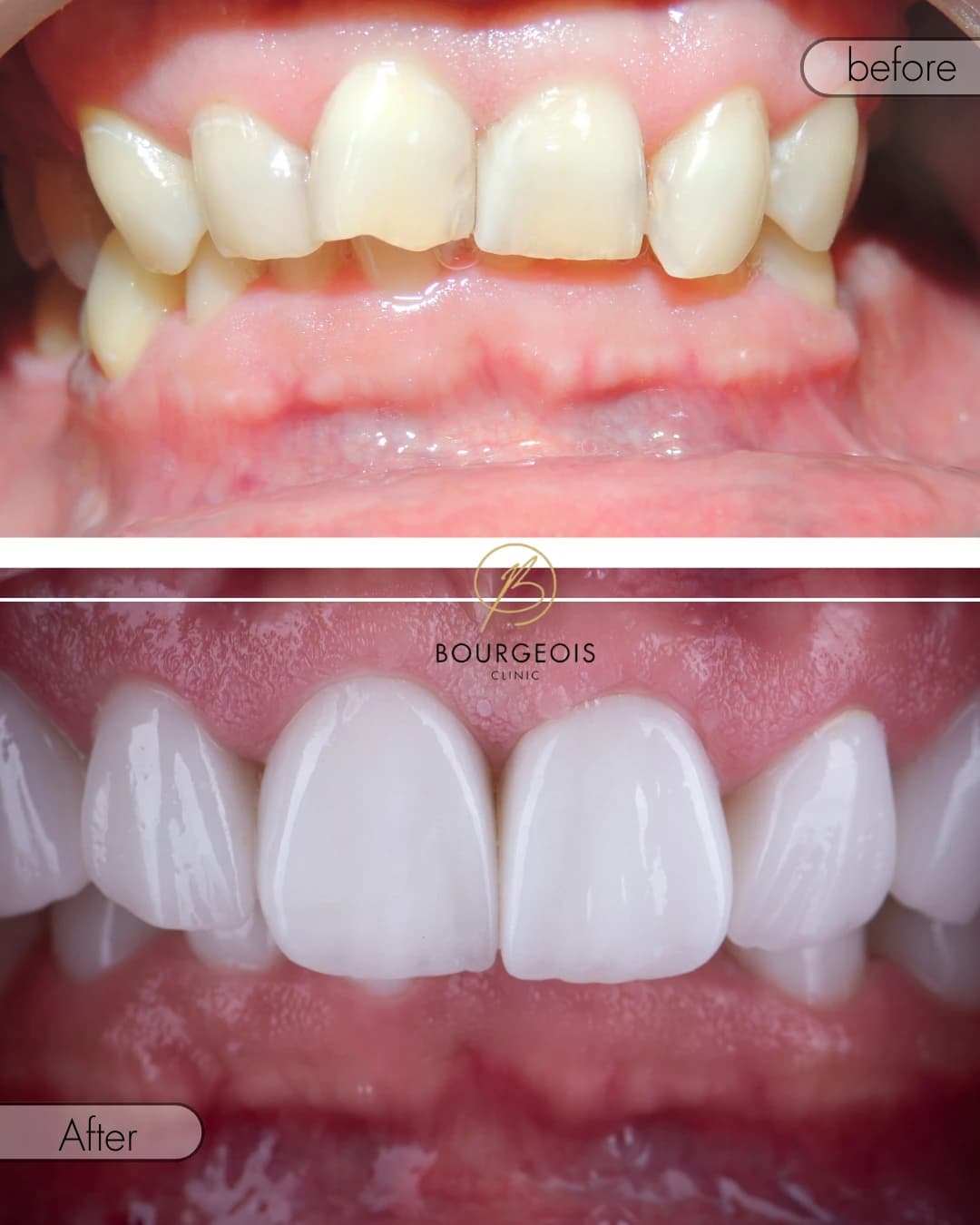
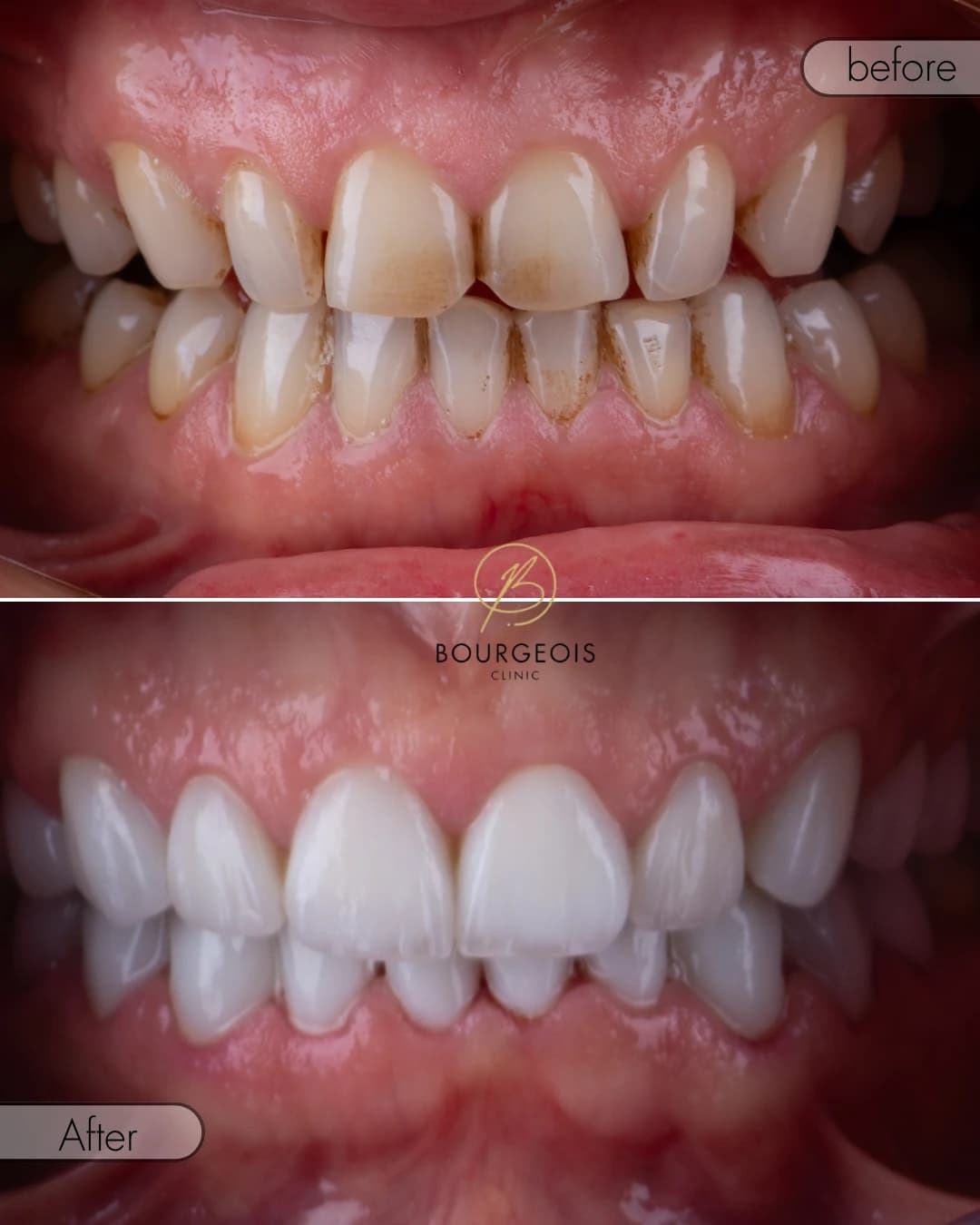
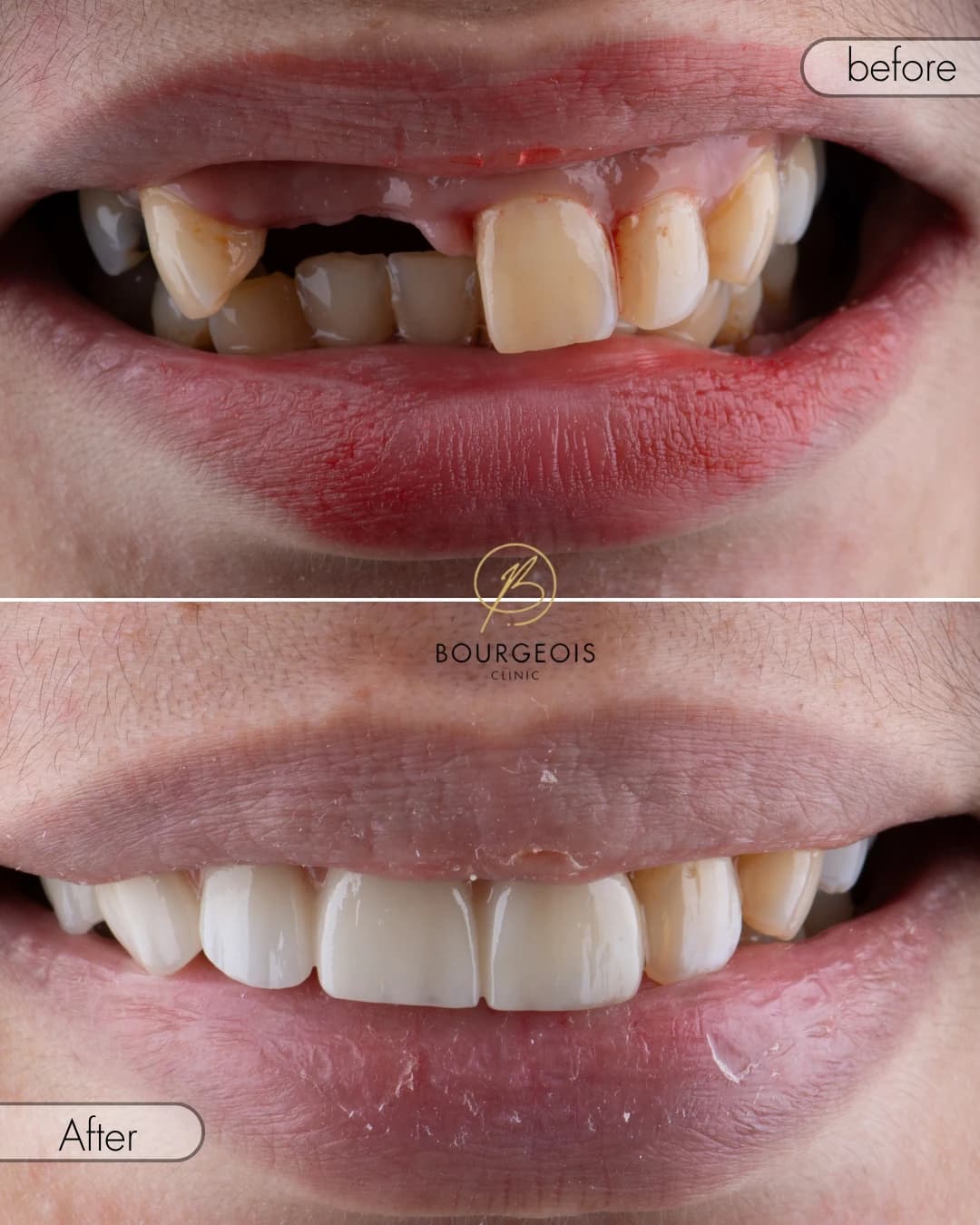
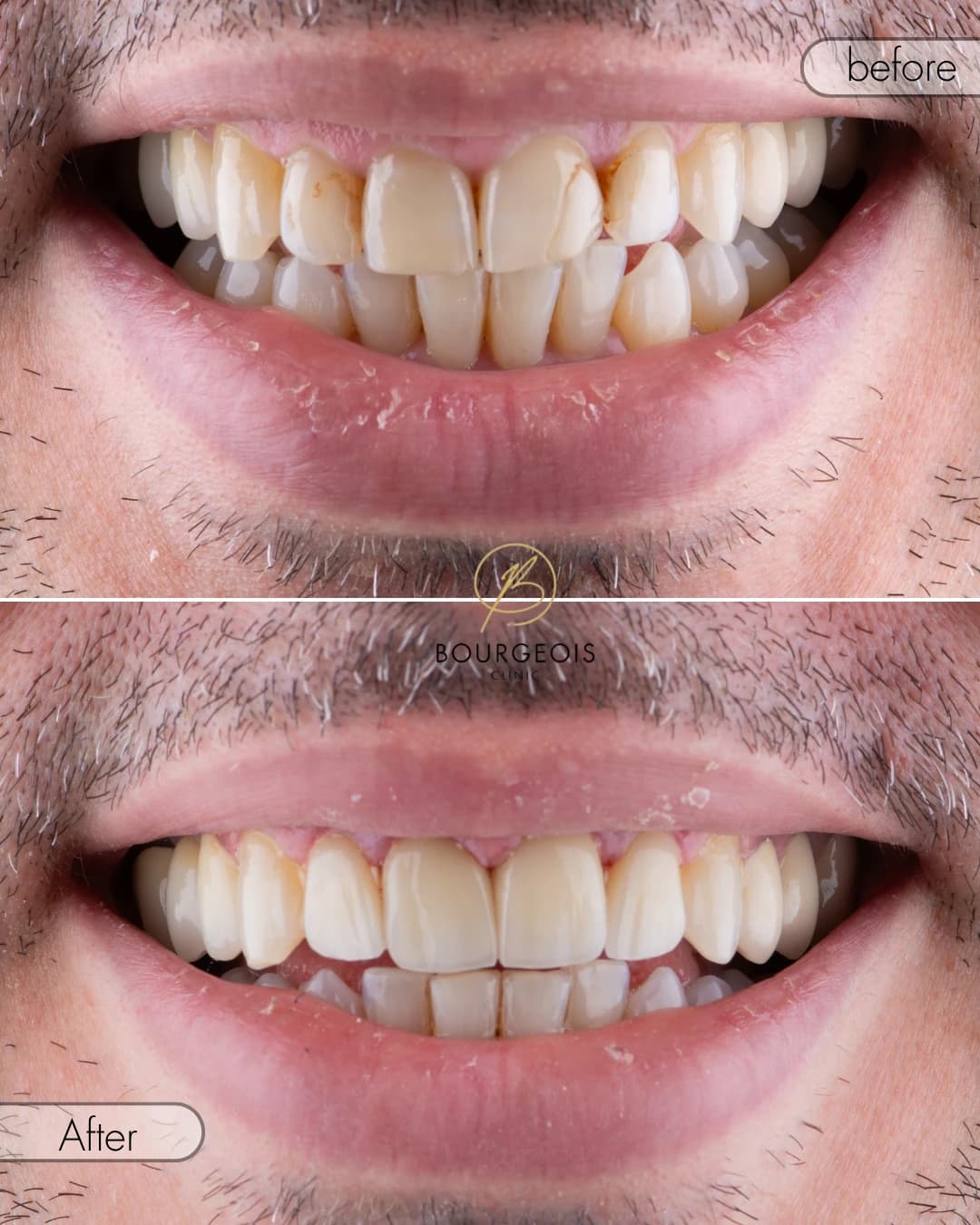
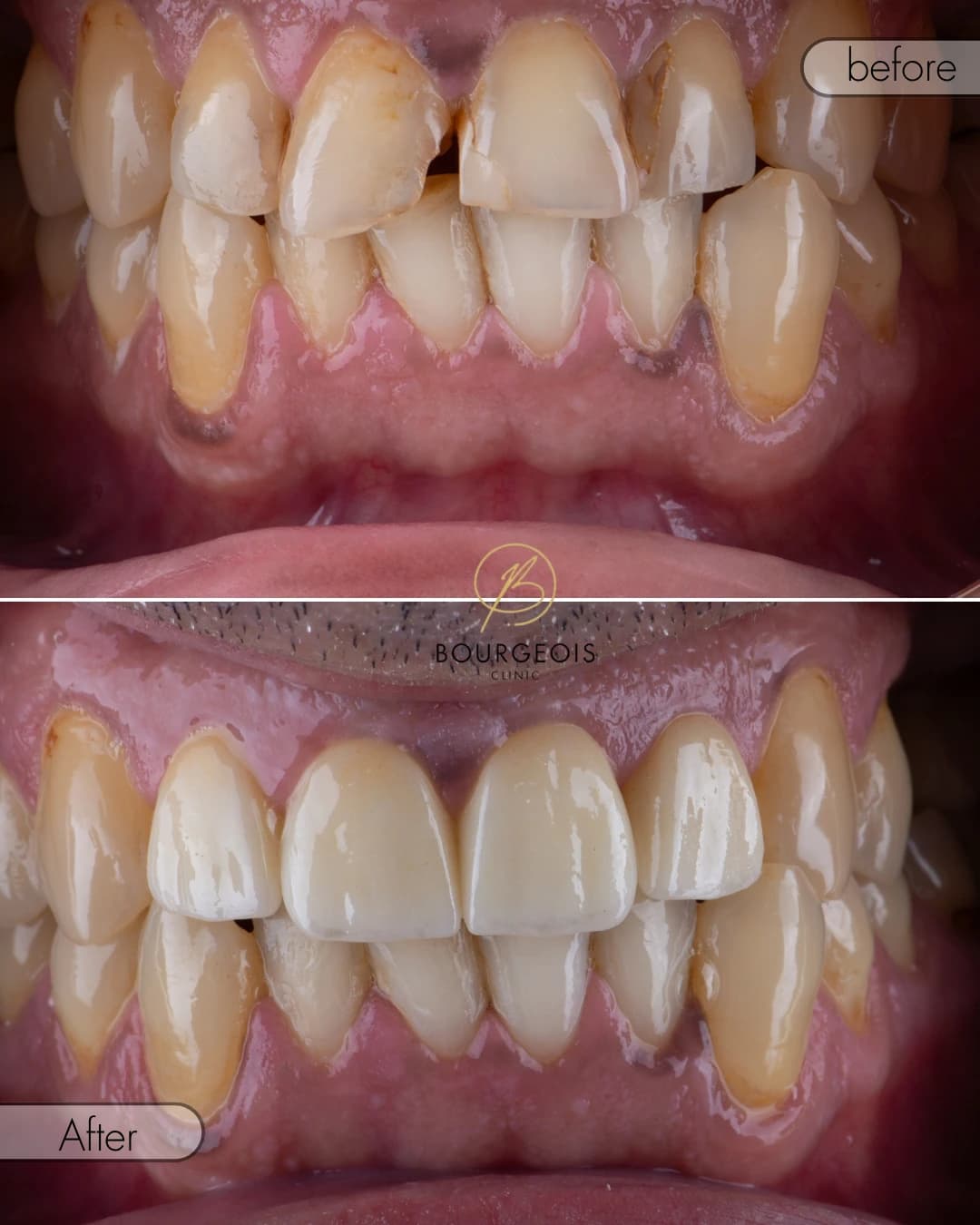
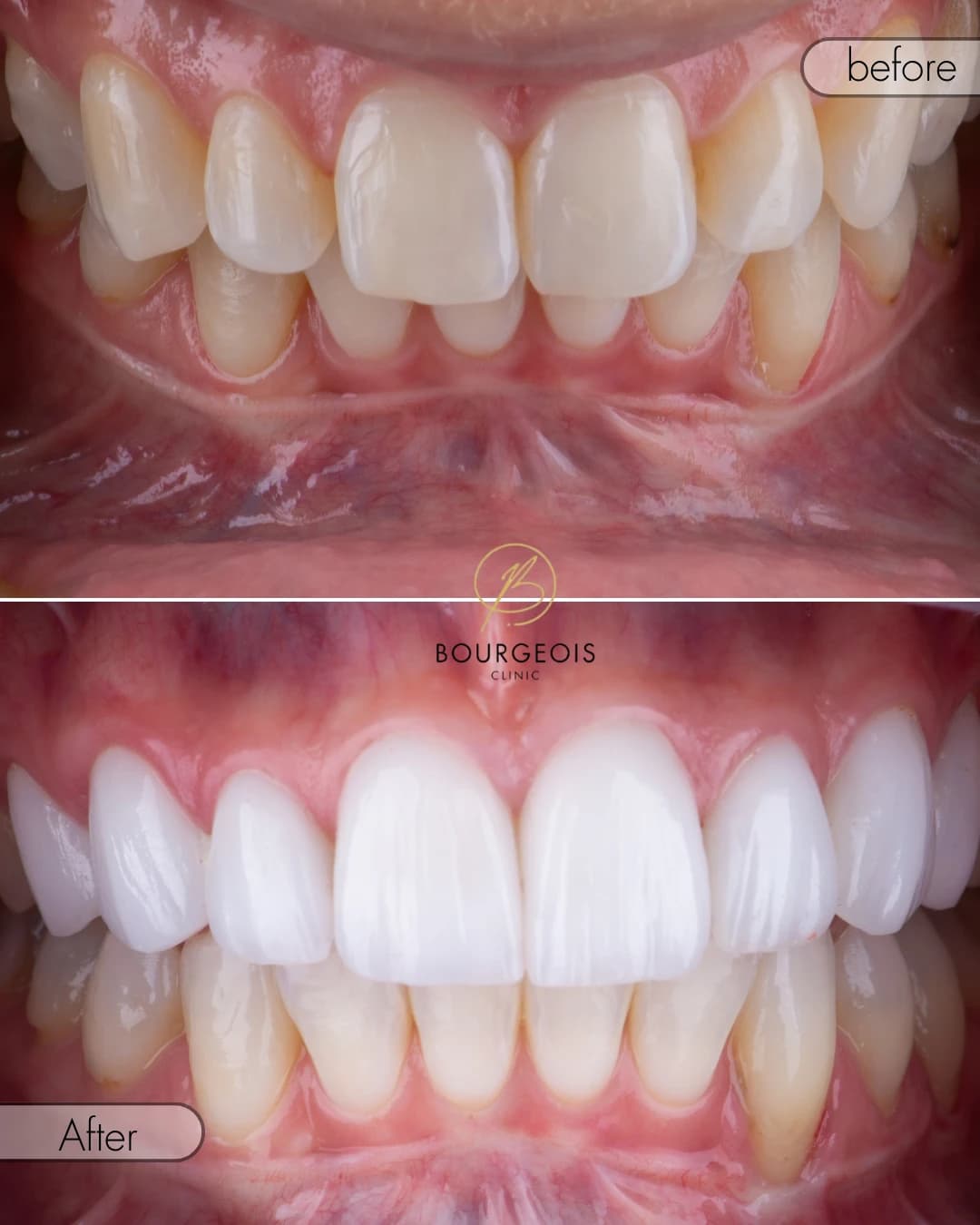
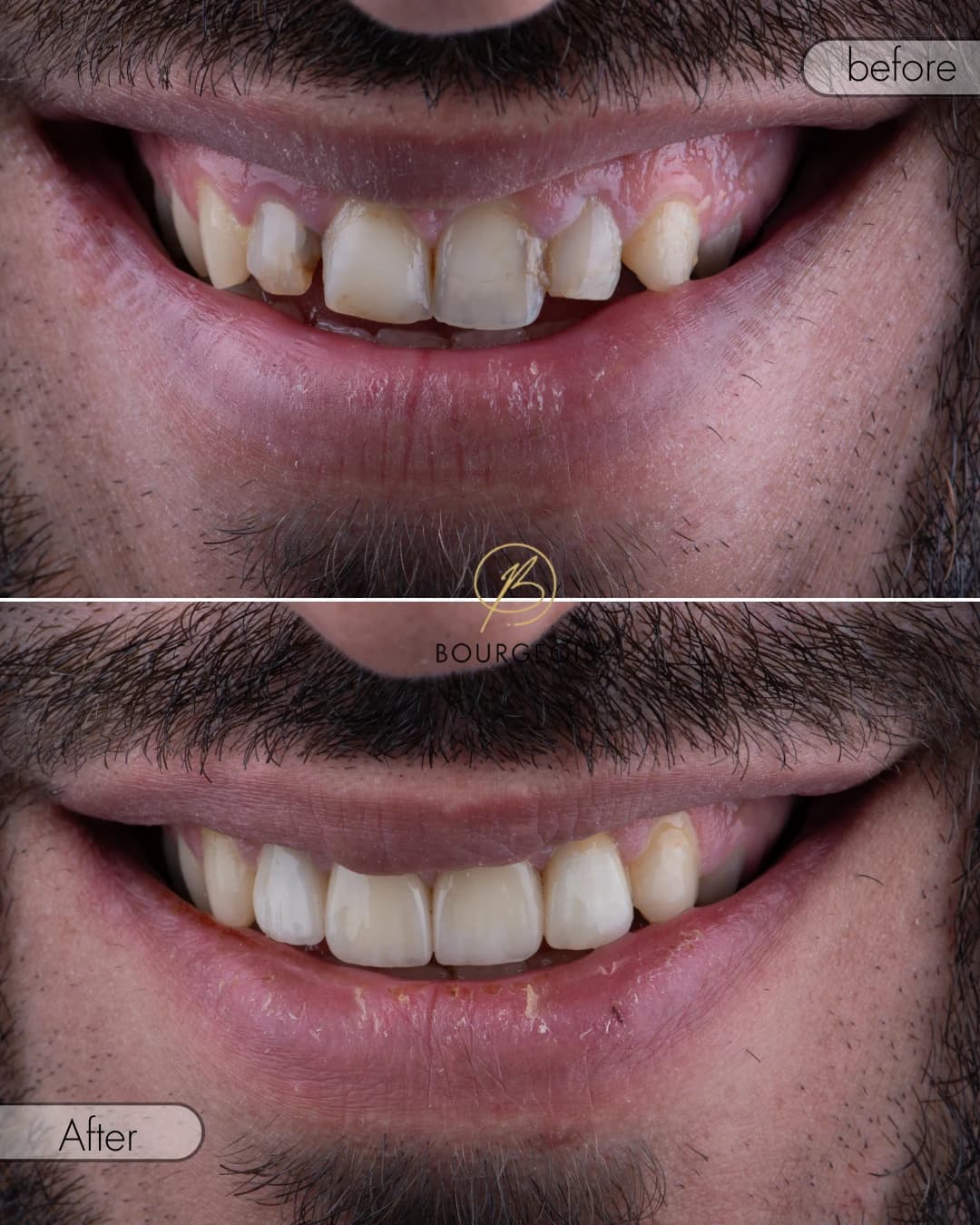
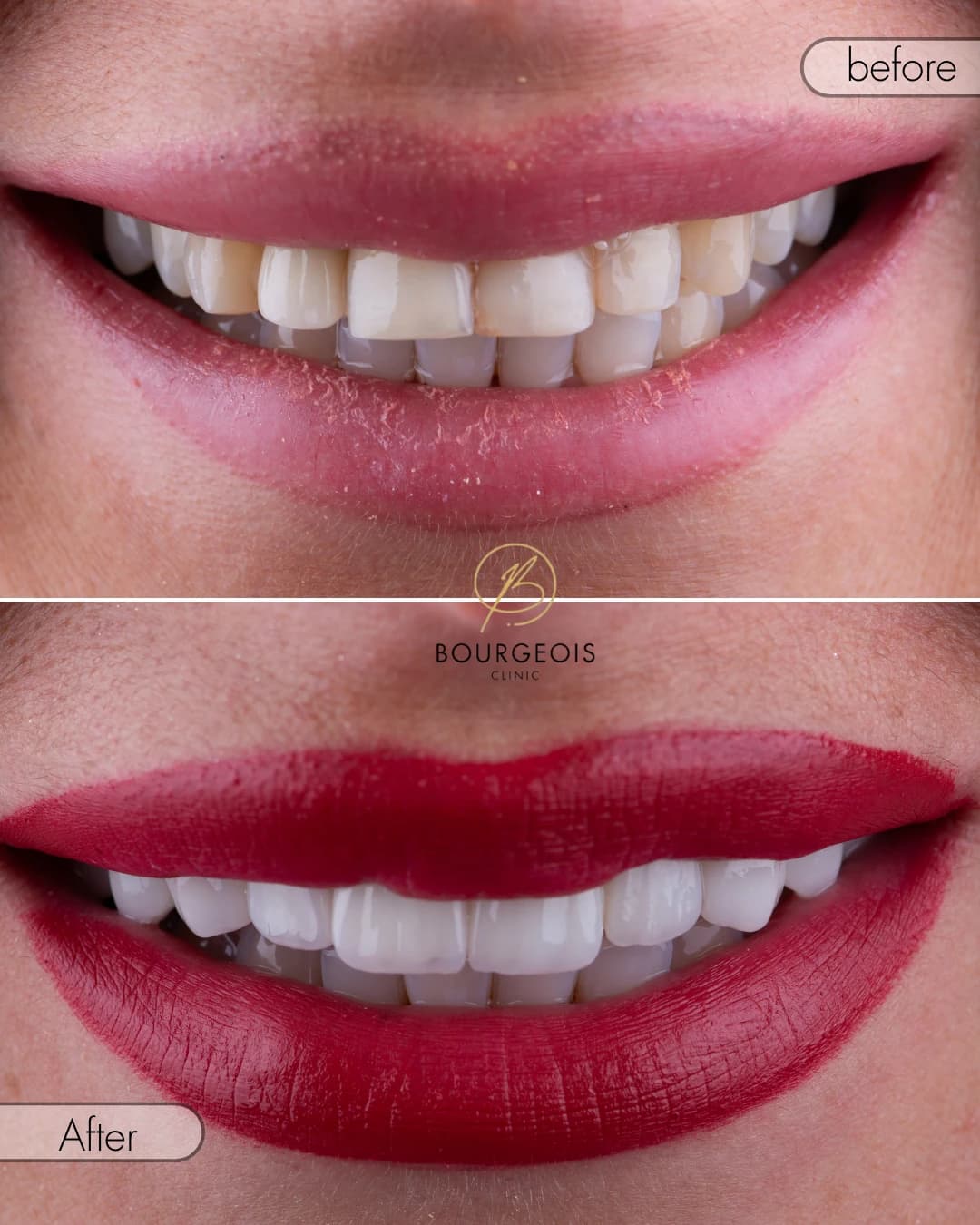
Porcelain veneers in Dubai are thin, individually designed ceramic restorations bonded to the visible surfaces of selected front teeth. They can change tooth colour, proportions, shape, spacing and overall smile symmetry.
Veneers are produced from impressions or digital scans and usually require more than one stage. Some cases need controlled enamel preparation to create space and achieve an appropriate fit. The amount of preparation depends on the position, shape and colour of the teeth and the planned veneer design. Veneer treatment should therefore be viewed as a long-term restorative decision rather than a temporary cosmetic procedure.
Composite Bonding vs Porcelain Veneers: Key Differences
| Factor | Composite Bonding | Porcelain Veneers |
|---|---|---|
| Material | Tooth-coloured composite resin | Individually fabricated dental ceramic |
| Typical use | Small chips, gaps, worn edges and conservative shape changes | More comprehensive changes in colour, shape, proportions and symmetry |
| Tooth preparation | Often minimal, although preparation depends on the case | May require controlled enamel reduction |
| Treatment process | Usually applied directly to the teeth | Designed and fabricated before final bonding |
| Appointments | May be completed in one visit for selected cases | Usually requires assessment, planning and fitting appointments |
| Colour stability | May stain or lose surface polish over time | Generally more resistant to staining |
| Repair | Can often be repaired or polished directly | Damage may require laboratory repair or replacement |
| Initial cost | Usually lower than porcelain treatment | Usually higher because of material and fabrication requirements |
| Maintenance | May need periodic polishing, repair or replacement | Requires excellent hygiene and regular assessment |
When Might Composite Bonding Be the Better Option?
Composite bonding may be considered when the planned change is relatively small and enough healthy tooth structure remains. It may suit patients with:
- One or more small chips in front teeth
- Minor spaces between otherwise well-positioned teeth
- Uneven or mildly worn tooth edges
- Teeth that appear slightly short or narrow
- Small differences in tooth shape
- A preference for a more conservative initial approach
- A need to repair an existing composite restoration
Bonding is not suitable for every cosmetic concern. Large restorations, severe discolouration, extensive damage, significant tooth-position problems or an unfavourable bite may require another approach.
When Might Porcelain Veneers Be the Better Option?
Porcelain veneers may be considered when a patient wants a coordinated change across several visible teeth or when colour and shape concerns cannot be predictably managed with bonding alone. Possible indications include:
- Multiple teeth with noticeable differences in colour or shape
- Discolouration that does not respond sufficiently to whitening
- Worn, chipped or irregular front teeth
- Small gaps combined with tooth-proportion concerns
- Existing veneers or visible restorations that require replacement
- A broader smile-design plan requiring consistent ceramic restorations
Healthy enamel remains important because veneers rely on adhesive bonding. Active gum disease, untreated decay, insufficient enamel, severe grinding or an unstable bite may need to be managed before veneers are considered.
Which Option Looks More Natural?
Both treatments can produce a natural-looking result when correctly selected, planned and finished. Composite resin can be layered and polished to reproduce different tooth shades and surface details. Porcelain can reproduce translucency, texture and colour while generally maintaining its surface finish more consistently.
A natural result depends on more than the material. The dentist must consider tooth proportions, smile width, lip movement, gum levels, facial features and the appearance of neighbouring teeth. Choosing an excessively bright shade or identical shapes for every tooth can make either treatment look artificial.
Which Treatment Requires Less Tooth Preparation?
Composite bonding is generally the more conservative option because the material is added directly to the tooth and selected cases require little or no enamel reduction. However, minor preparation may be needed to improve the shape, surface or bonding conditions.
Porcelain veneers may require enamel reduction, although the amount varies. Claims that all veneers are completely preparation-free should be treated cautiously. The dentist must decide what is clinically appropriate for each tooth rather than using one preparation method for every patient.
Which Option Is More Resistant to Staining?
Porcelain generally retains its colour and surface finish better than composite resin. Composite bonding may gradually absorb stains or lose polish, particularly with frequent coffee, tea, tobacco or strongly coloured foods.
This does not mean porcelain veneers cannot change in appearance. Staining may develop around their margins, neighbouring natural teeth may darken and gum recession can expose an edge. Good oral hygiene and regular dental examinations remain important for both options.
Can Bonding or Veneers Fix Crooked Teeth?
Bonding and veneers can improve the appearance of selected minor alignment concerns, but they do not physically move teeth. Using restorations to disguise moderate or severe crowding may require excessive changes to tooth shape or enamel.
When tooth position is the main concern, orthodontic treatment or clear aligners may be more appropriate. In some smile plans, teeth are aligned first and bonding or veneers are used afterwards for final shape or colour improvements.
What Happens During a Cosmetic Consultation?
A responsible recommendation begins with diagnosis rather than choosing a material from photographs alone. At Bourgeois Dental Clinic, an assessment may include:
- Discussing what you would like to change about your smile
- Examining the teeth, enamel, gums and existing restorations
- Checking the bite, tooth wear, clenching or grinding
- Taking photographs, scans or X-rays when clinically required
- Reviewing whitening, orthodontics and restorative alternatives
- Discussing the number of teeth that may need treatment
- Explaining preparation, maintenance, risks and likely future replacement
- Creating an individual treatment sequence
You can explore the clinic’s cosmetic dentistry services in Dubai before arranging an assessment.
What Are the Risks and Limitations?
Possible composite bonding limitations
- Staining or loss of surface polish
- Chipping, wear or roughness
- Need for maintenance or repair
- Limited ability to mask severe discolouration
- Bulkier contours if too much material is added
Possible porcelain veneer limitations
- Permanent alteration when enamel preparation is required
- Temporary sensitivity in some cases
- Chipping, cracking or debonding
- Difficulty repairing some ceramic damage directly
- Future replacement may be required
- Unsuitability when enamel, gum health or bite conditions are unfavourable
Neither option is guaranteed to last for a fixed number of years. Longevity depends on material selection, treatment design, bite forces, grinding, oral hygiene, diet, maintenance and regular dental care.
How Should You Care for Bonding or Veneers?
- Brush twice daily with fluoride toothpaste
- Clean between the teeth every day
- Avoid biting hard objects such as ice, pens or packaging
- Do not use restored teeth to open objects
- Attend examinations and professional cleaning as advised
- Have roughness, movement or a changed bite assessed promptly
- Discuss a protective night guard if you clench or grind your teeth
- Limit habits that contribute to staining, especially with composite bonding
How Much Do Composite Bonding and Veneers Cost in Dubai?
The cost varies according to the number of teeth, material, complexity, existing dental problems and whether additional treatment is required. Bonding typically has a lower initial cost because it is placed directly, while porcelain veneers include customised ceramic fabrication and additional treatment stages.
The lowest initial price is not always the lowest long-term cost. Ask what the treatment includes, what maintenance may be required and what could happen if a restoration chips, stains or needs replacement. A personalised quotation should follow a clinical assessment.
Choosing the Right Cosmetic Treatment in Dubai
The right option is the one that addresses your concern while preserving healthy tooth structure wherever clinically possible. Some patients benefit from bonding, others from porcelain veneers, and some may be better served by whitening, orthodontics or no cosmetic treatment at all.
Bourgeois Dental Clinic is located on the first floor of Indigo Sky Building, Sheikh Zayed Road, Exit 41, near Al Thanya Street in Dubai. The location is accessible from Al Barsha, Umm Al Sheif, Umm Suqeim, Jumeirah, Al Quoz, Barsha Heights, The Greens and Dubai Marina.
Book a cosmetic dental assessment to compare composite bonding and porcelain veneers based on your teeth, bite, oral health and treatment goals.
Clinical Information Sources
- American Dental Association: Materials for Direct Restorations
- American Dental Association: Materials for Indirect Restorations
- NHS: Dental Treatments and Veneers
This article provides general educational information and does not replace an examination, diagnosis or personalised treatment recommendation from a qualified dental professional.