

Porcelain vs E-max vs Composite Veneers in Dubai: Which Is Right for Your Smile?

Quick answer: Composite veneers are shaped directly from tooth-coloured resin and may suit conservative corrections, small defects and patients who accept periodic polishing or repair. Porcelain veneers are laboratory-made ceramic restorations that may suit broader changes in colour, shape and symmetry. E-max veneers are a specific type of ceramic veneer made from lithium-disilicate glass-ceramic; they are commonly discussed within the broader porcelain-veneer category. The right option depends on the teeth, enamel, bite, gum health, desired change, maintenance expectations and budget—not on one material being universally best.
First, Are Porcelain and E-max Really Different Categories?
Not in the same way that porcelain and composite are different. Composite veneers use a resin-based restorative material. Porcelain veneer is a broad patient-facing term for a thin ceramic restoration made outside the mouth and bonded to a tooth. E-max refers to a particular all-ceramic system whose veneer restorations may be fabricated from lithium-disilicate glass-ceramic.
This means a patient may be offered an E-max veneer as the specific ceramic used within a porcelain-veneer treatment plan. Other dental ceramics and fabrication methods also exist. A responsible recommendation should therefore name the proposed material, explain why it suits the case and avoid suggesting that every porcelain veneer is automatically E-max.
Patients researching porcelain veneers in Dubai should ask which ceramic system and laboratory workflow are being proposed rather than relying only on the general word “porcelain.”
What Are Porcelain Veneers?
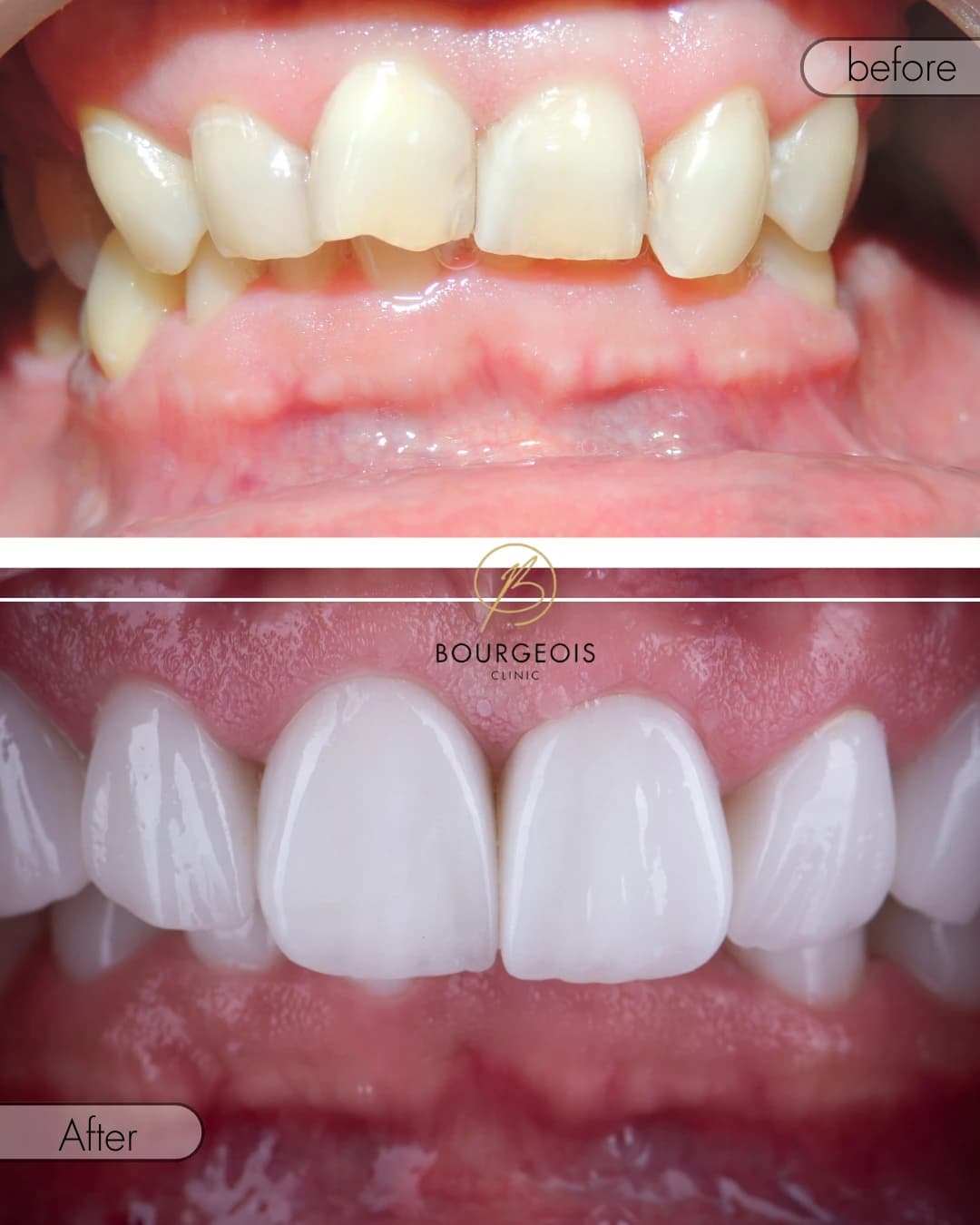
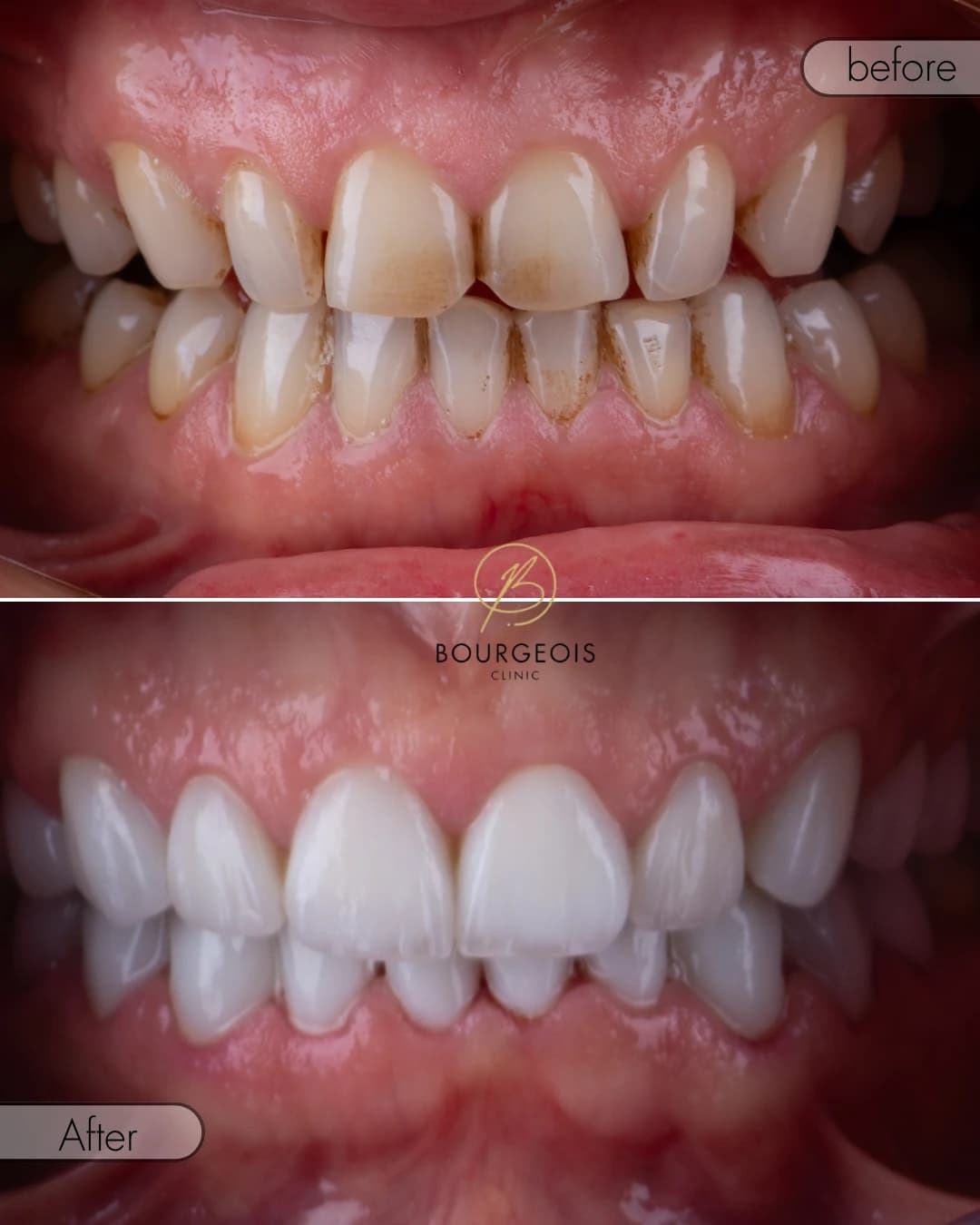
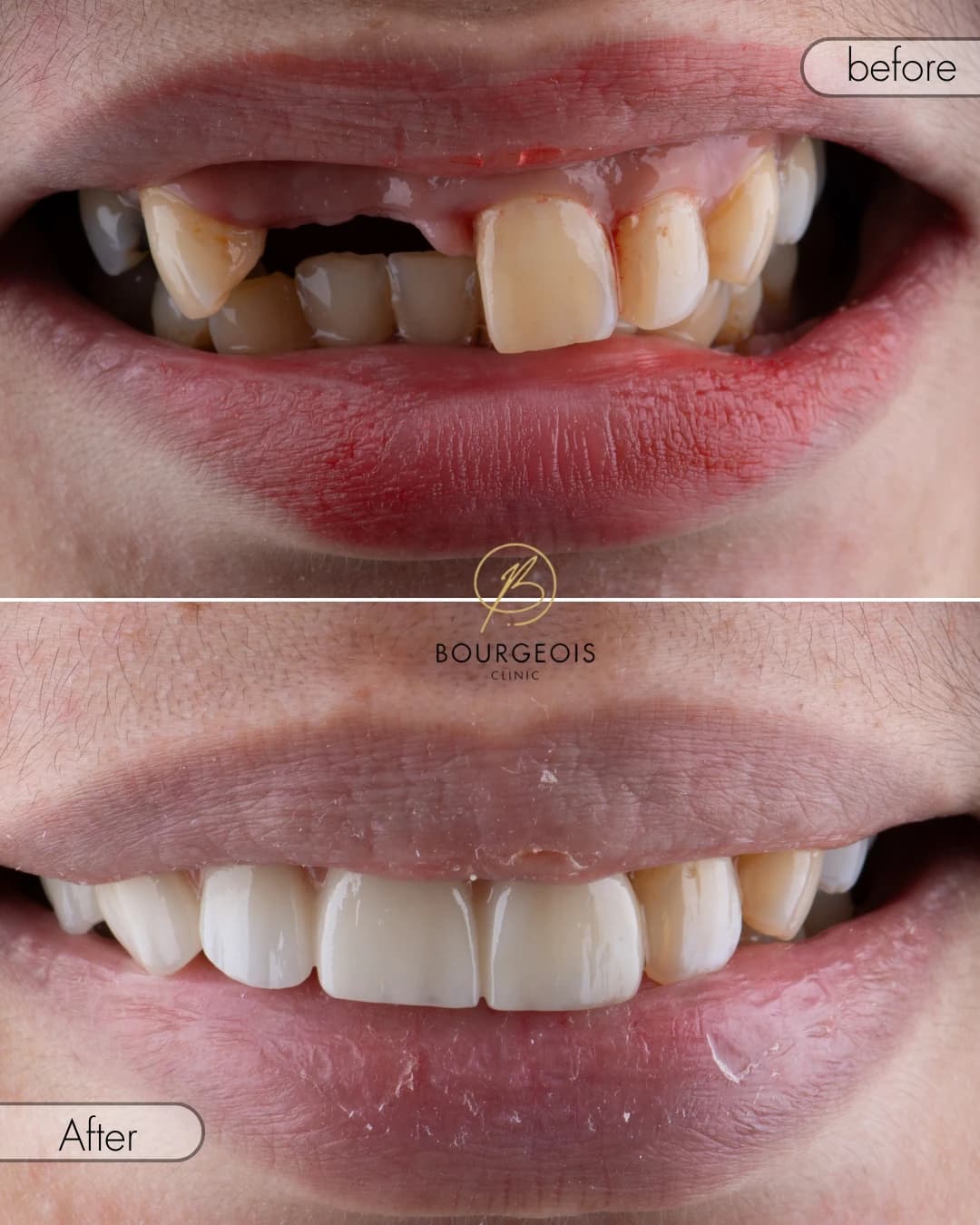
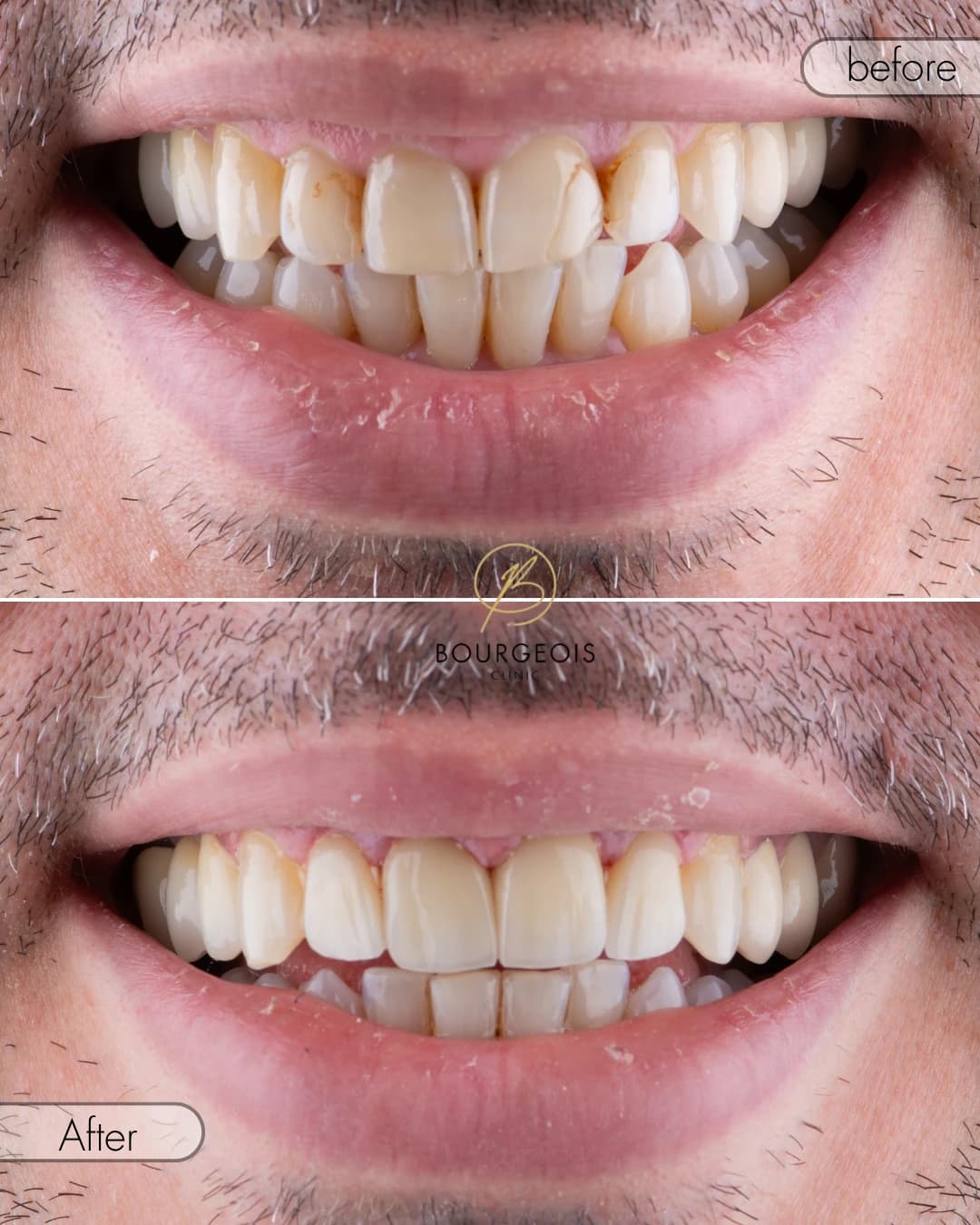
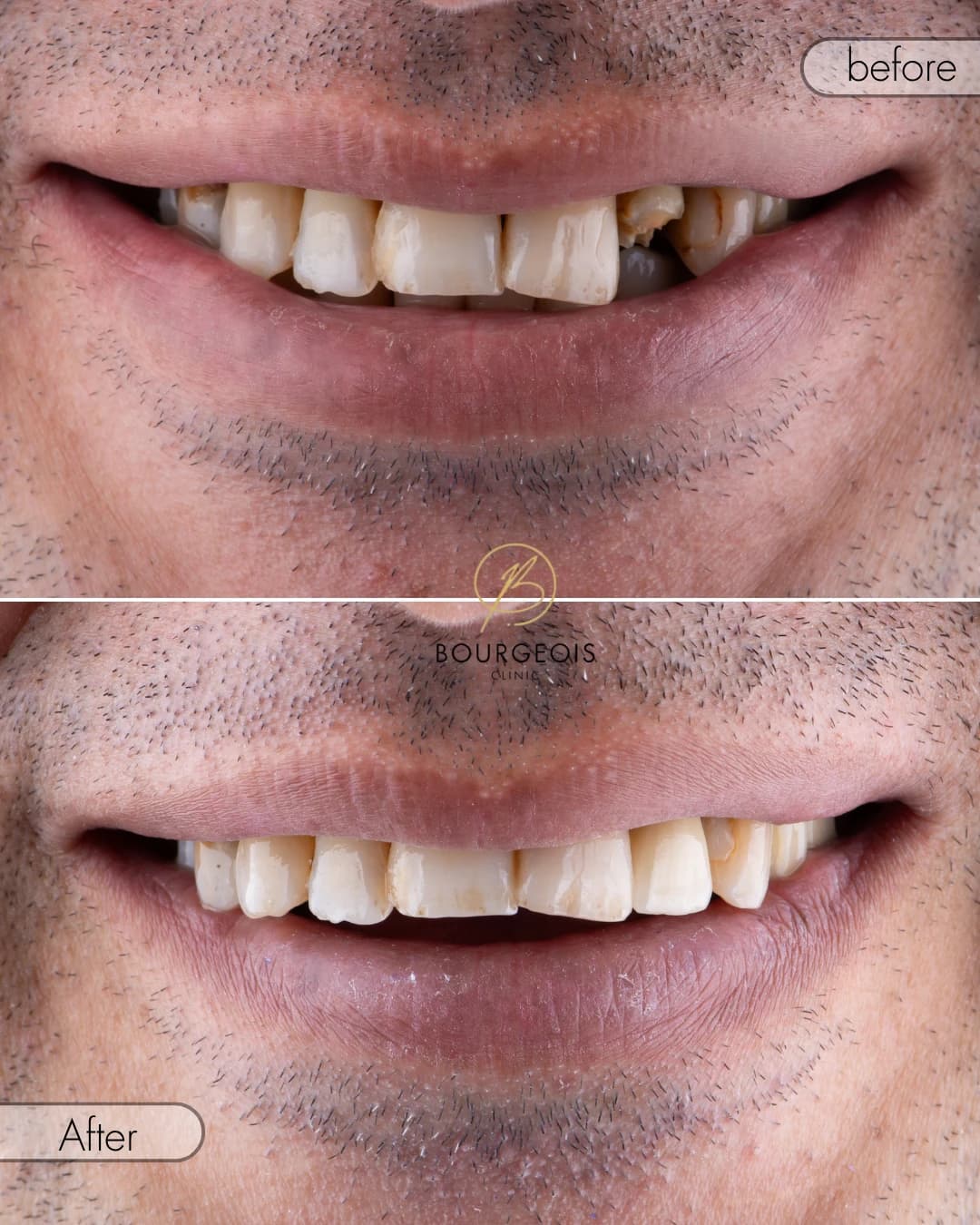
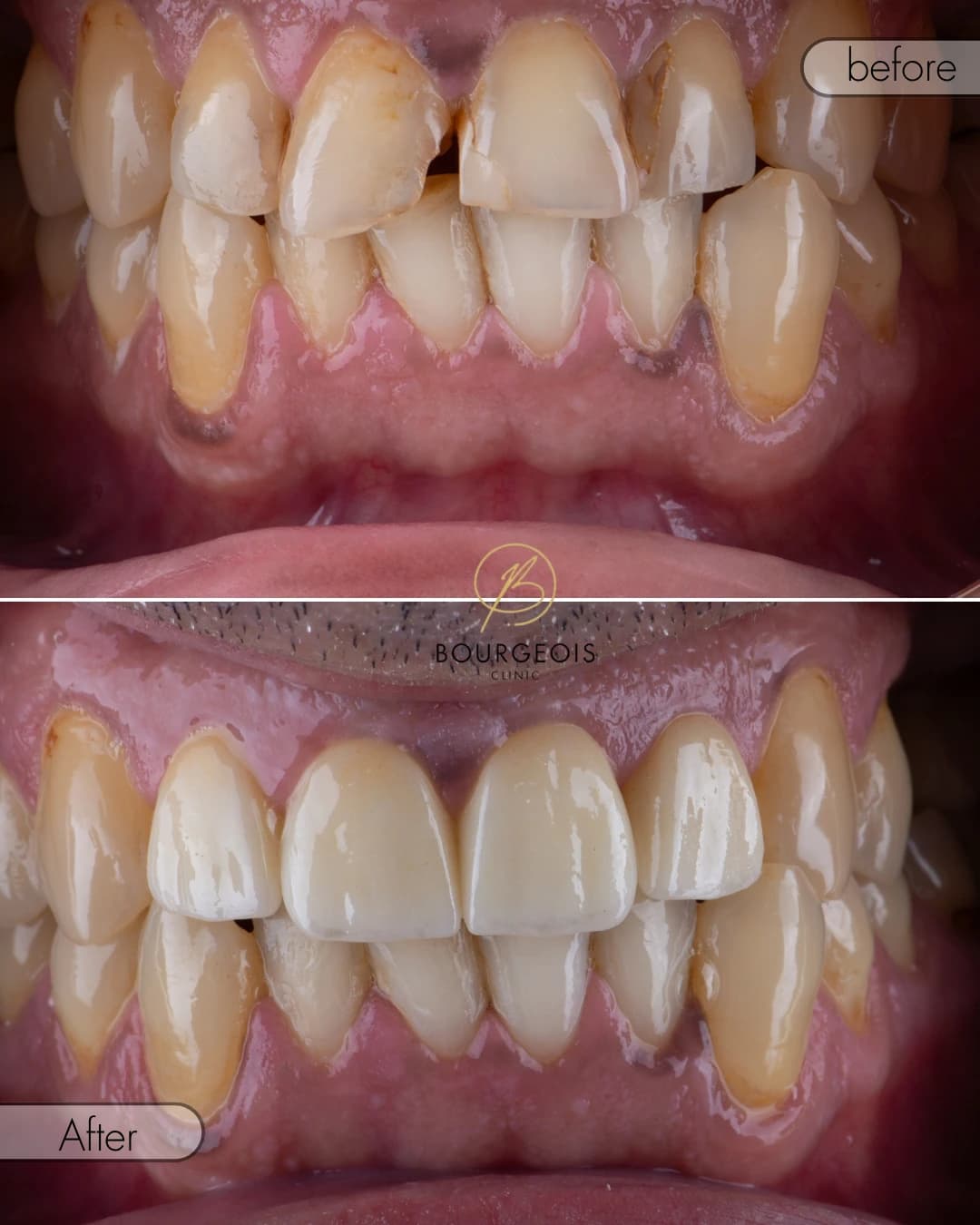
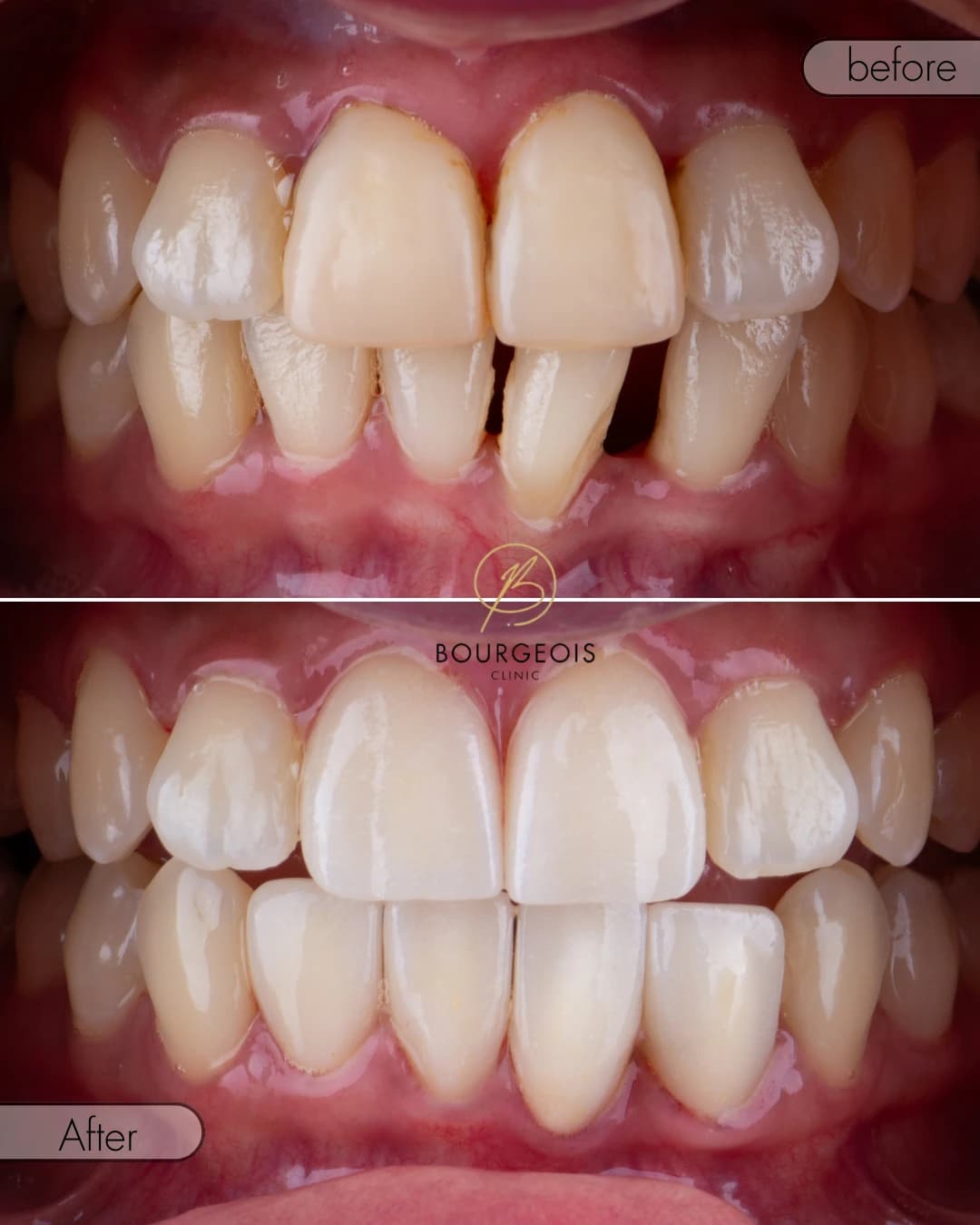
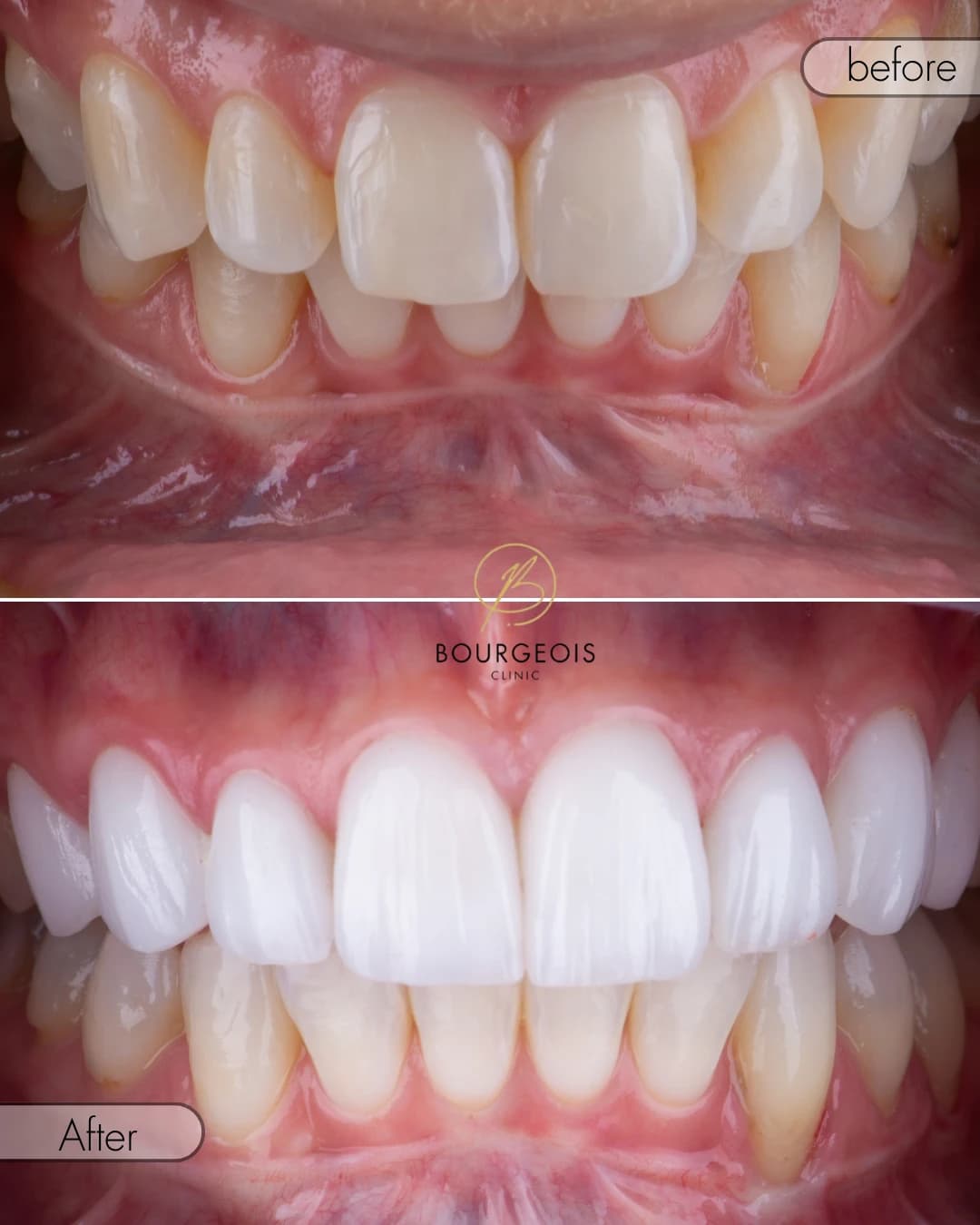
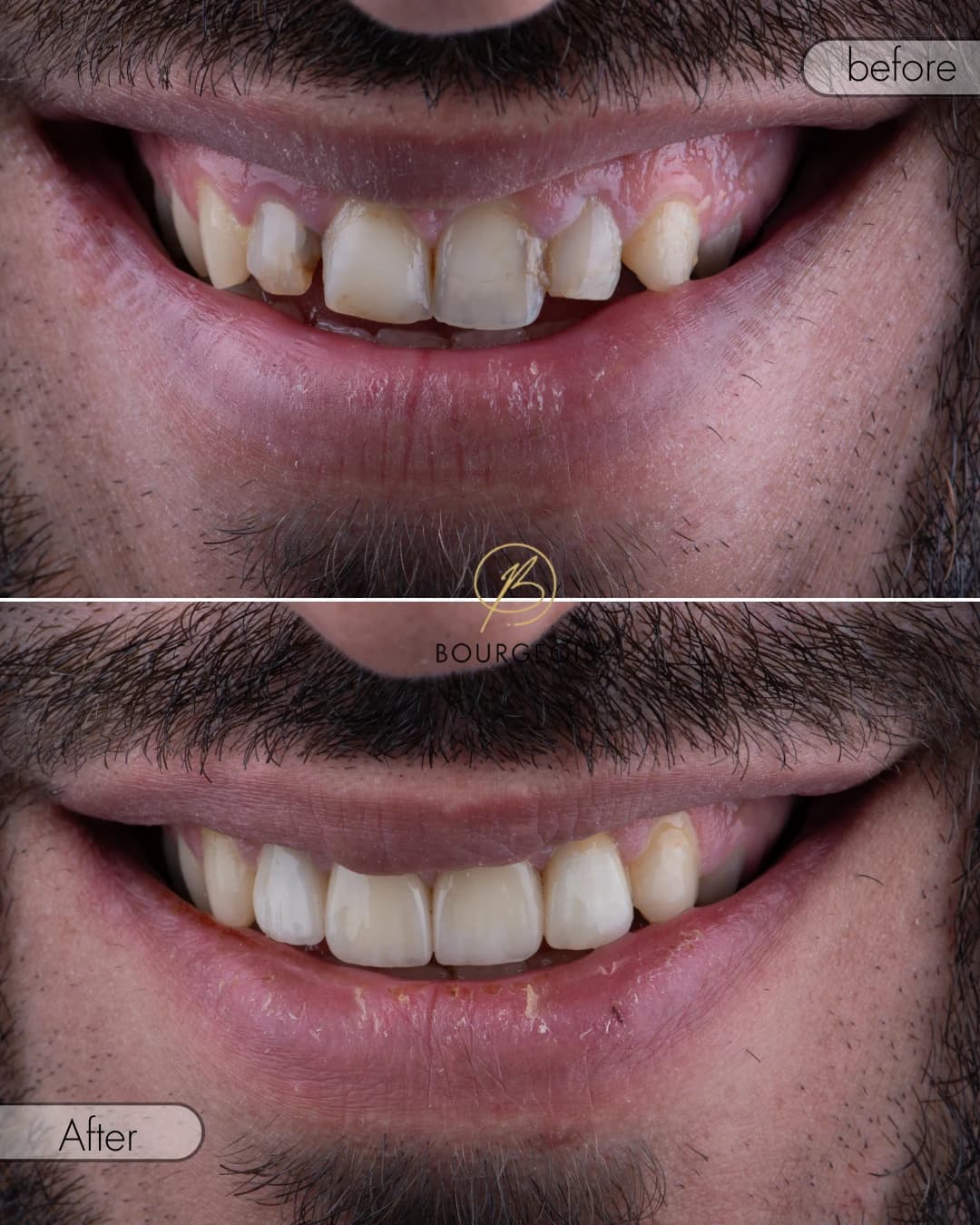
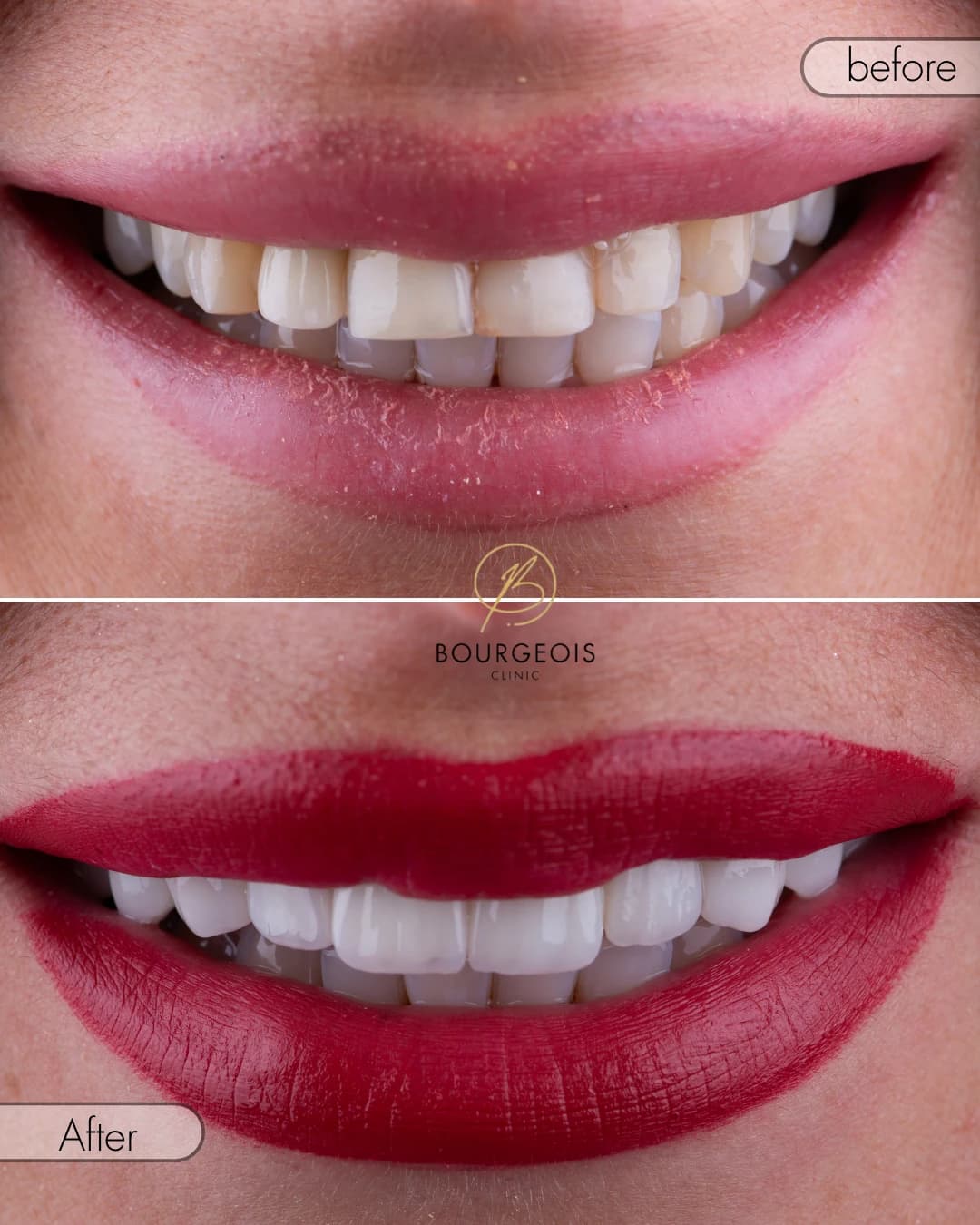
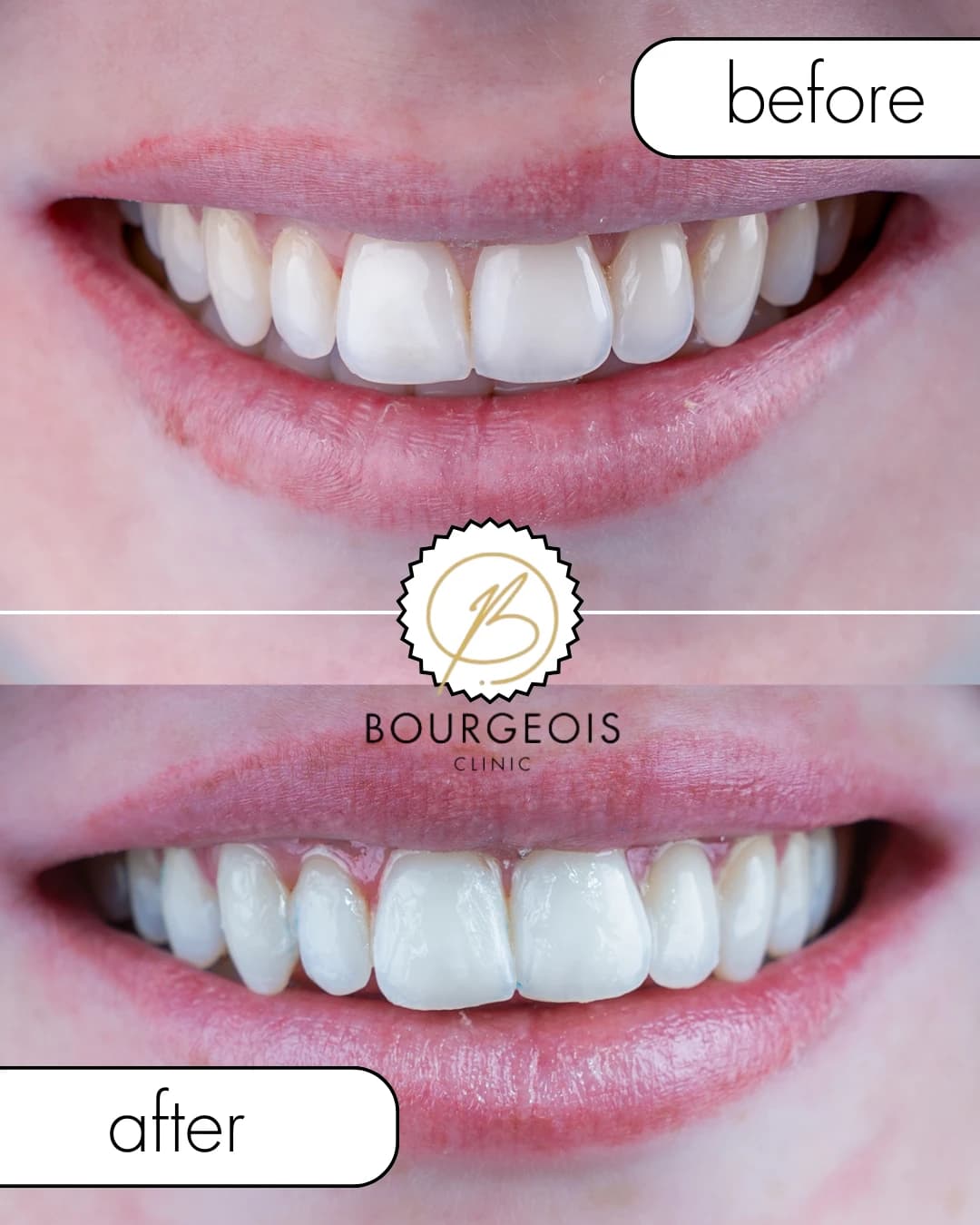
Porcelain veneers are thin, individually designed ceramic restorations bonded to the visible front surface of selected teeth. They can modify colour, shape, length, proportions, small spaces and smile symmetry when the teeth and bite are suitable.
The dentist first evaluates the teeth, gums, enamel, existing fillings, tooth position and bite. Photographs, digital scans, impressions, X-rays or a trial design may be used when clinically required. The veneers are then designed and fabricated before being tried, adjusted and bonded.
Some teeth require controlled enamel preparation to create space and achieve an appropriate emergence profile. Other selected teeth may need very little preparation. The amount should be planned tooth by tooth; the label “porcelain veneer” does not determine preparation by itself.
What Are E-max Veneers?
E-max veneers in Dubai are ceramic veneers produced using an IPS e.max lithium-disilicate material and an appropriate laboratory or digital workflow. Lithium disilicate is a glass-ceramic that can combine useful strength with optical qualities suitable for selected anterior restorations.
E-max veneers can be designed with different shades, translucencies, surface textures and characterisation. The final appearance still depends on several interacting factors: the underlying tooth colour, veneer thickness, preparation design, ceramic selection, laboratory technique, try-in material, bonding cement and the clinician-technician communication.
E-max is not automatically the correct option for every tooth. Marked discolouration, very limited space, heavy bite forces, insufficient enamel, large existing restorations or a need for greater structural coverage may change the material or treatment recommended.
What Are Composite Veneers?
Composite veneers in Dubai use tooth-coloured resin placed and shaped directly over much of the visible surface of a tooth. The material is applied in layers, contoured, hardened, adjusted and polished by the dentist.
Composite may be suitable for selected small gaps, chips, worn edges, narrow teeth, minor shape differences or conservative smile improvements. In many appropriate cases, little or no healthy enamel needs to be removed, although surface preparation or limited adjustment may still be required.
Because composite is placed directly, the dentist can often repair, add to or repolish it in the mouth. It is also more likely than ceramic to stain, lose surface gloss, wear or chip over time, so maintenance expectations should be discussed before treatment.
Porcelain vs E-max vs Composite Veneers: Key Differences
| Factor | Porcelain veneers | E-max veneers | Composite veneers |
|---|---|---|---|
| Material | Broad category of dental ceramic | Specific lithium-disilicate glass-ceramic system | Tooth-coloured resin composite |
| How made | Fabricated outside the mouth using the selected ceramic workflow | Pressed or digitally milled depending on the chosen E-max product and workflow | Usually shaped directly on the teeth |
| Typical scope | Coordinated changes in colour, shape, proportions and symmetry | Selected ceramic veneer cases requiring suitable optical and functional properties | Small defects, conservative additions and limited-to-moderate shape changes |
| Tooth preparation | May require controlled enamel reduction | May be minimal or more involved depending on the tooth and design | Often little or none in suitable additive cases |
| Stain behaviour | Generally more colour-stable than composite | Generally more colour-stable than composite | More likely to stain or lose polish |
| Repair | Minor issues may sometimes be repaired, but replacement can be necessary | Minor issues may sometimes be repaired, but replacement can be necessary | Often easier to add to, polish or repair directly |
| Maintenance | Hygiene, dental review and possible future replacement | Hygiene, dental review and possible future replacement | Hygiene plus possible polishing, repair or renewal |
| Treatment stages | Assessment, design, fabrication, try-in and bonding | Assessment, material planning, fabrication, try-in and bonding | Often completed directly, although planning visits may still be needed |
This comparison describes general tendencies, not guarantees. Preparation, appointments and maintenance vary with the number of teeth, existing dental work, bite, design complexity and the clinician's workflow.
Which Option Looks More Natural?
Natural appearance cannot be judged from the material name alone. A convincing result depends on appropriate tooth proportions, shade, translucency, surface texture, incisal detail, gum harmony and how the teeth fit the face and smile.
Ceramic veneers can provide stable surface texture and layered optical effects, which may be useful when several teeth need a coordinated transformation. E-max offers a range of translucency and opacity options, but the dental team must select them according to the underlying tooth colour and desired result.
Composite can also look natural, particularly for small additions and when the dentist carefully layers and polishes the resin. Its surface may require future repolishing to maintain gloss. The best-looking result is often the most appropriate and conservative design, not the whitest or most uniform one.
Which Veneer Requires the Least Tooth Shaving?
Composite veneers often allow the most additive approach in selected cases because resin can be placed directly onto intact enamel. This does not mean every composite case is completely preparation-free.
Porcelain and E-max veneers may require enamel reduction to provide space, control thickness, mask colour, correct contours or create a suitable finishing margin. Teeth that are small or positioned slightly inward may sometimes accept minimal-preparation ceramic additions, while prominent, crowded or strongly discoloured teeth may require a different plan.
Patients should ask how much preparation is proposed for each tooth and whether whitening, orthodontics or limited composite bonding in Dubai could meet the goal with less alteration.
Which Material Resists Staining Better?
Glazed and polished dental ceramics are generally more resistant to surface staining than composite resin. Composite can absorb or retain discolouration and may lose polish, particularly with frequent exposure to smoking, coffee, tea or other staining habits.
However, ceramic veneers are not immune to all colour concerns. Natural teeth can change, exposed margins may become visible, cement or underlying tooth colour may influence the result, and plaque can collect if cleaning is poor. Neither material removes the need for daily hygiene and professional maintenance.
Which Is Easier to Repair?
Composite veneers are usually easier to modify directly. A dentist may be able to polish a rough surface, add resin to a small defect or repair selected chips without replacing the whole restoration.
A small chip in a ceramic veneer may sometimes be repaired with composite, but the appearance and predictability depend on the location and extent of damage. A fractured, debonded or poorly fitting ceramic veneer may need to be remade. Patients who grind their teeth or have an unfavourable bite need functional assessment whichever material is selected.
How Long Do These Veneers Last?
No veneer has a guaranteed lifespan. Ceramic veneers may maintain colour and surface finish for longer than composite, but both can chip, debond, wear or need replacement. Longevity depends on the remaining tooth structure, enamel bonding, preparation, material thickness, bite, grinding, oral hygiene, diet, smoking, maintenance and unexpected trauma.
Composite may need more frequent polishing or repair. Ceramic damage can sometimes require replacement rather than a simple repair. The meaningful question is therefore not only “Which lasts longer?” but also “What maintenance and future treatment am I prepared to accept?”
How Do Costs Compare in Dubai?
Composite veneers commonly have a lower initial fee because they are placed directly and do not usually require a separate ceramic laboratory stage. Porcelain and E-max veneers commonly cost more initially because the fee may include diagnostic planning, temporary restorations when required, ceramic fabrication, laboratory work, try-in and bonding.
The lowest initial price does not necessarily mean the lowest long-term cost. Composite may require polishing, repair or replacement, while ceramic may also chip, debond or eventually require replacement. A written quotation should specify the number of teeth, material, preparation, temporary veneers, laboratory work, review visits, protective guard and repair policy.
A clinic should not recommend a fixed material or number of veneers solely from a photograph or package price. Examination and a tooth-by-tooth plan should come first.
When Might Composite Veneers Be Considered?
Composite may be discussed when a patient has:
- One or more small chips or worn edges
- Small spaces between otherwise suitable teeth
- Teeth that need limited additions in width or length
- Minor differences in tooth shape
- A preference for a conservative, directly repairable option
- A willingness to attend for polishing and maintenance
- Sufficiently healthy teeth, gums and bite for the proposed design
It may be less suitable when a very large colour change is required, several teeth need extensive transformation, the bite places high forces on the planned additions or the patient expects ceramic-like stain resistance.
When Might Porcelain or E-max Veneers Be Considered?
A ceramic option may be discussed when a patient has:
- Several visible teeth needing a coordinated change
- Discolouration that cannot be managed adequately with whitening alone
- Multiple worn, chipped or irregular front teeth
- Shape, proportion and colour concerns occurring together
- Existing veneers that require replacement
- A preference for ceramic surface properties and acceptance of the required preparation
- Suitable enamel, tooth structure, gum health and bite
Another ceramic, a crown, orthodontics, gum treatment or a combined plan may be preferable when tooth structure, colour, alignment or bite conditions fall outside the indications for a veneer.
Can Different Materials Be Combined?
Yes, but only when the materials can be matched acceptably and the plan remains maintainable. For example, a ceramic veneer may be used on a tooth requiring a major colour correction while composite repairs a small defect elsewhere. In other cases, using one coordinated material across the visible smile may produce more predictable shade and surface consistency.
Whitening is often considered before selecting the final shade because veneers and composite do not whiten like natural enamel. Orthodontics may also improve tooth positions before restorative work and reduce the amount of preparation required.
Questions to Ask at a Veneer Consultation
- Is my main concern colour, shape, position, wear or a combination?
- Can whitening, bonding or orthodontics treat it more conservatively?
- When you say porcelain, which exact ceramic are you proposing?
- Why is E-max appropriate—or not appropriate—for my teeth?
- How much enamel will be removed from each tooth?
- How will the underlying tooth colour affect the result?
- How will my bite and any grinding be managed?
- Can I review a diagnostic design or trial smile?
- What polishing, repair and replacement should I expect?
- What exactly is included in the written treatment cost?
Choosing Veneers at Bourgeois Dental Clinic in Dubai
Bourgeois Dental Clinic provides personalised assessments within its cosmetic dentistry department in Dubai. The clinic is located on the first floor of Indigo Sky Building, Sheikh Zayed Road, Exit 41, near Al Thanya Street.
Planning considers tooth and gum health, enamel, existing restorations, tooth position, smile width, bite forces, grinding, desired appearance and maintenance preferences. Depending on the findings, the treatment plan may involve porcelain veneers, E-max veneers, composite veneers, limited bonding, whitening, orthodontics or a combination.
Dr. Nour provides cosmetic and restorative smile planning using conservative options when clinically appropriate. You can review Dr. Nour's dentist profile and documented clinic cases before deciding whether to proceed.
Book a veneer consultation in Dubai to compare materials according to your teeth rather than choosing from a generic package.
This article provides general educational information and does not replace a dental examination, diagnosis or individual treatment plan.