


Knocked-Out Tooth in Dubai: What to Do in the First Hour
Handle a knocked-out permanent tooth by the crown, keep it moist and seek emergency dental care immediately. Do not replant a baby tooth.
Why is a knocked-out tooth an emergency?
When a permanent tooth is completely displaced from its socket, the cells on the root surface begin to deteriorate as they dry. Prompt handling, suitable storage and urgent dental care may improve the possibility of replantation and healing, although no outcome can be guaranteed.
Contact Bourgeois Dental Clinic in Dubai immediately while starting first aid. The emergency team can advise on arrival and prepare for assessment. Dr. Nour and the clinic’s dental team can coordinate initial care and the restorative or root-canal follow-up that may be needed after trauma.
The first-hour checklist
- Check the person first: Look for loss of consciousness, heavy bleeding, breathing difficulty or major facial injury.
- Find the tooth: Retrieve it only when it is safe to do so.
- Hold the crown: Touch the white chewing surface, not the root.
- Rinse briefly if dirty: Use a gentle brief rinse; do not scrub, scrape or use chemicals.
- Replant only when appropriate: A conscious, cooperative person may sometimes replace a permanent tooth gently without force.
- Keep it moist: If it cannot be replanted, use a suitable storage medium and do not let it dry.
- Seek emergency care now: Do not wait for pain or bleeding to settle.
Should you put the tooth back in the socket?
Immediate replantation of a permanent tooth may be appropriate when the person is conscious and cooperative, there is no risk of swallowing or inhaling the tooth, and major facial injury is not suspected. Hold the crown, orient the tooth correctly and guide it gently into the socket without forcing it.
If you are uncertain, the person is very young or distressed, the socket appears severely damaged, or replantation is unsafe, keep the tooth moist and go immediately. A dentist can assess the socket, contamination and associated injuries.
What liquid should be used to store the tooth?
A specialised tooth-preservation solution is preferred when available. Cold milk may be used as a practical temporary option. The tooth should not be allowed to dry or remain in plain tap water for an extended period because water is not suitable for root-surface cells.
Do not wrap the tooth in tissue, cotton or a dry cloth. Placing it inside the cheek is unsafe for a small child, unconscious person or anyone at risk of swallowing or inhaling it. Choose the safest available option and seek professional care immediately.
Why must you avoid touching the root?
The root surface carries delicate tissues important for healing. Scrubbing, scraping, brushing, disinfectants or prolonged handling can damage them. Hold the crown even if the root looks dirty. A brief gentle rinse is different from trying to make the root look perfectly clean.
Is a knocked-out baby tooth treated the same way?
No. A knocked-out primary or baby tooth should not be replanted because this can damage the developing permanent tooth underneath. The child still needs urgent dental assessment to check the lip, gum, bone, other teeth and the possibility that a fragment or tooth has been inhaled or swallowed.
If you cannot tell whether the tooth is primary or permanent, do not guess. Keep it safe, contact the clinic and follow immediate professional instructions.
When should you go to a hospital instead of a dental clinic?
Seek emergency medical care for loss of consciousness, vomiting after a head injury, confusion, severe headache, breathing difficulty, suspected neck injury, major facial wounds, uncontrolled bleeding, suspected jaw fracture or a missing tooth that may have been inhaled. Dental treatment is important, but the person’s airway, brain and general safety come first.
What happens during the emergency dental visit?
The clinician reviews the time since injury, storage medium, medical history and tetanus status, then examines the socket, tooth, gums, lips, bite and nearby teeth. Dental imaging may be needed to identify root or bone fractures, fragments or other displaced teeth.
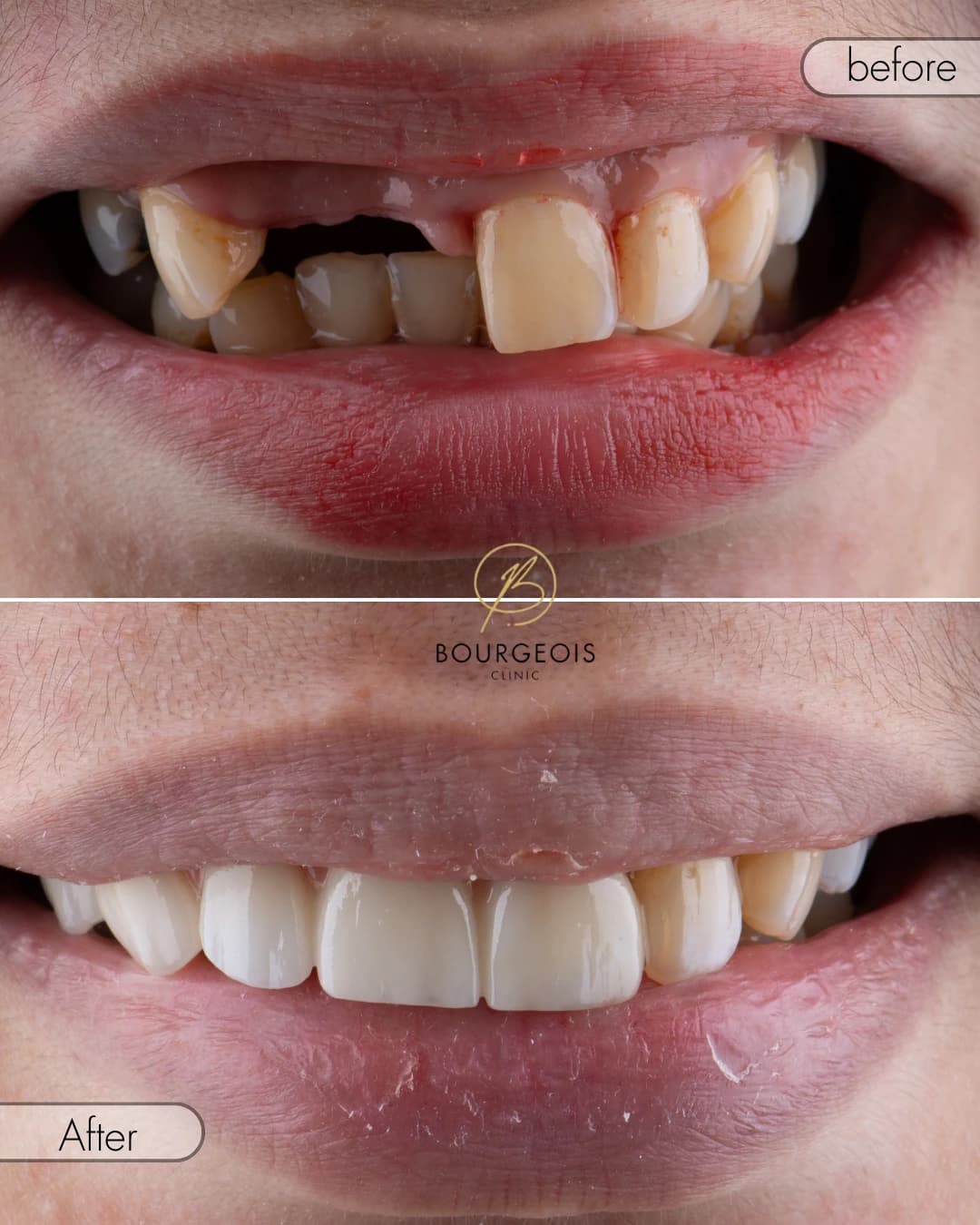
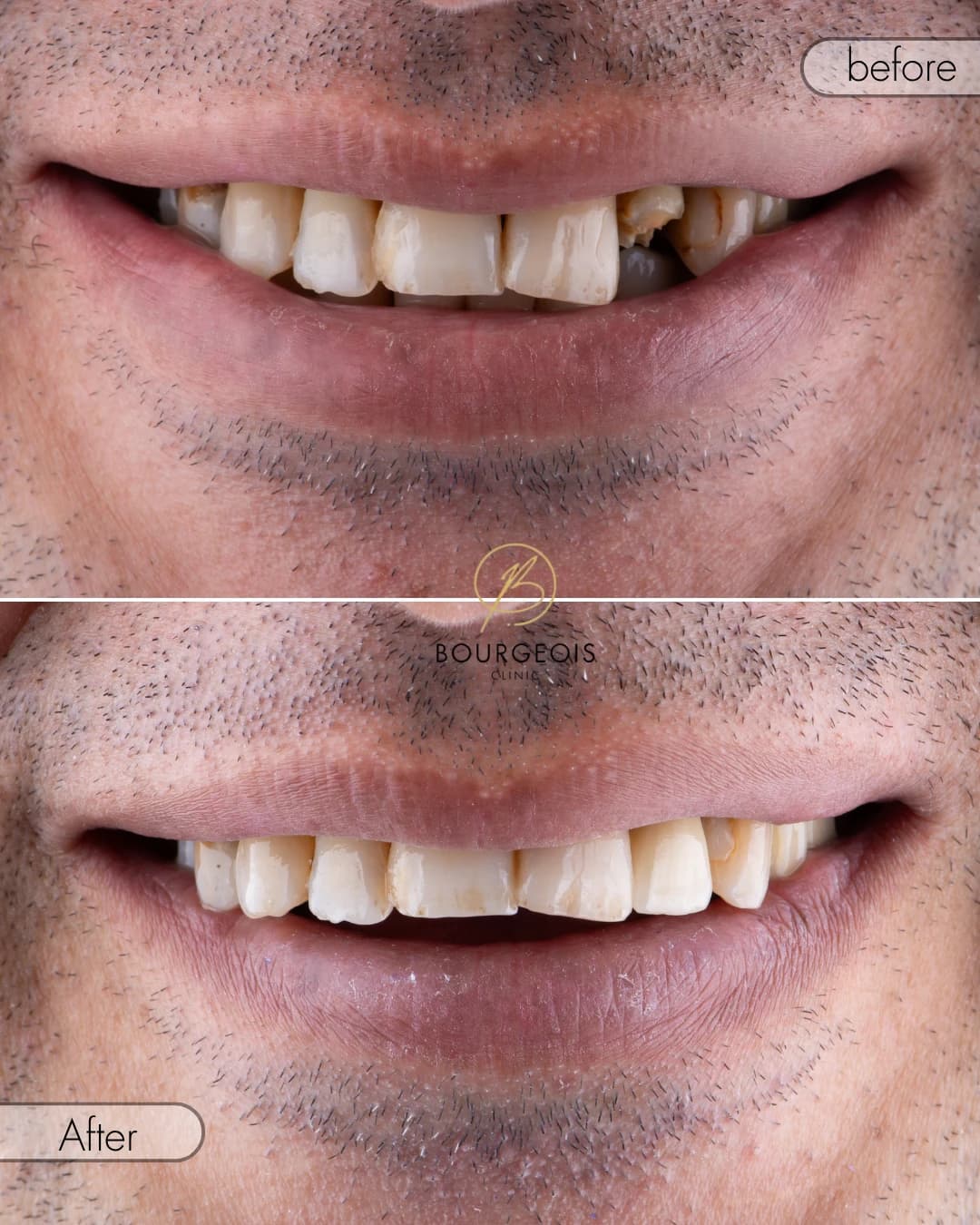
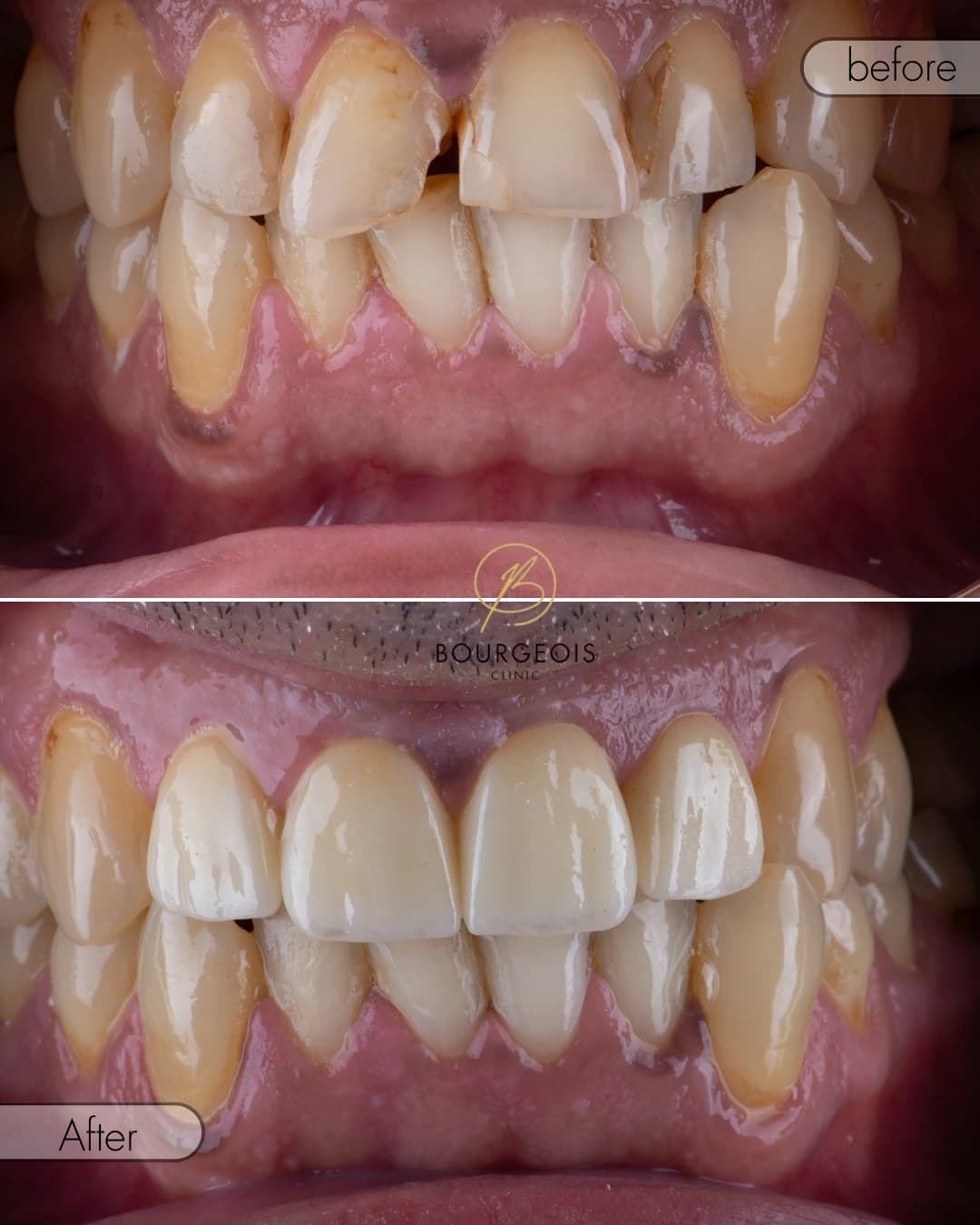
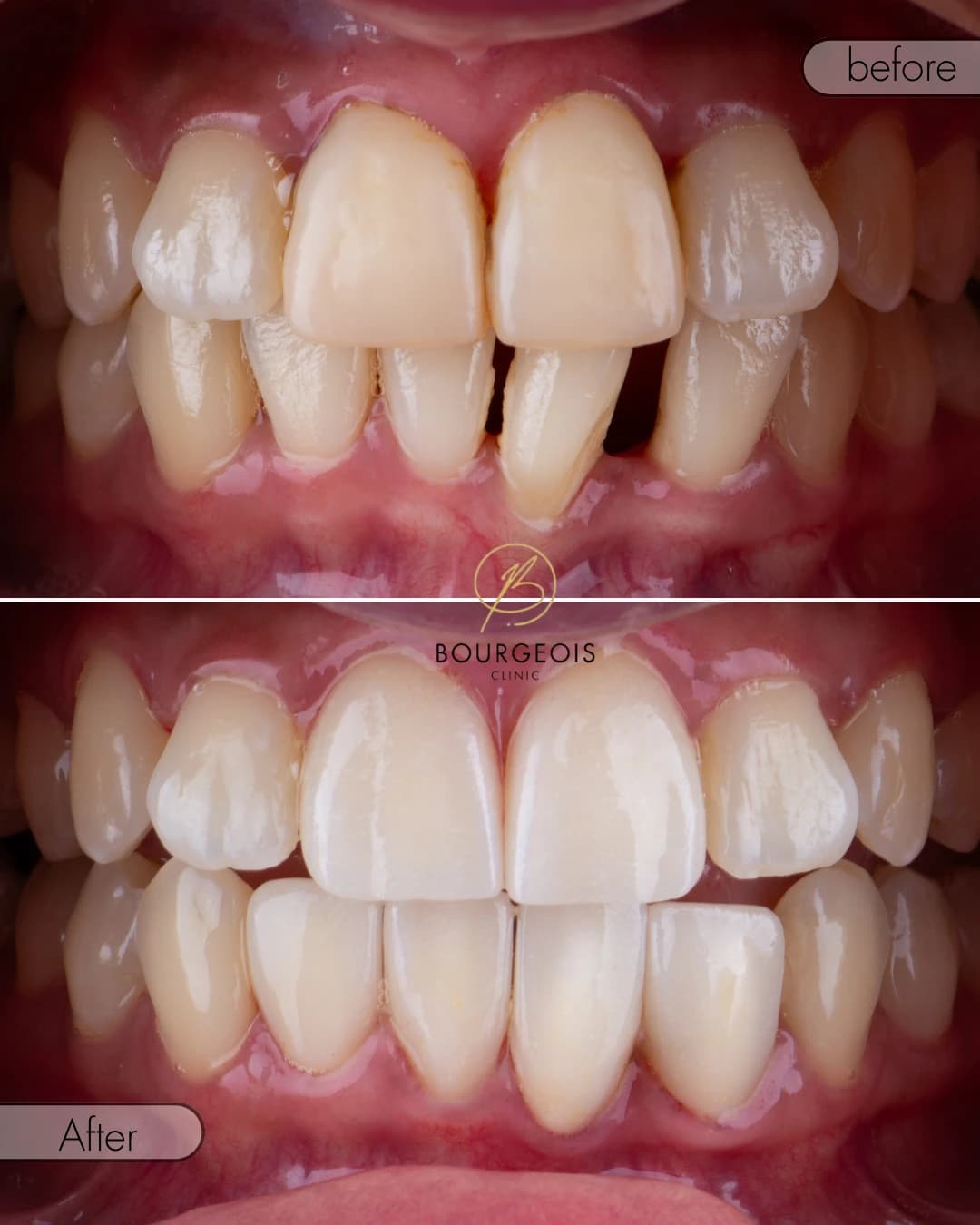
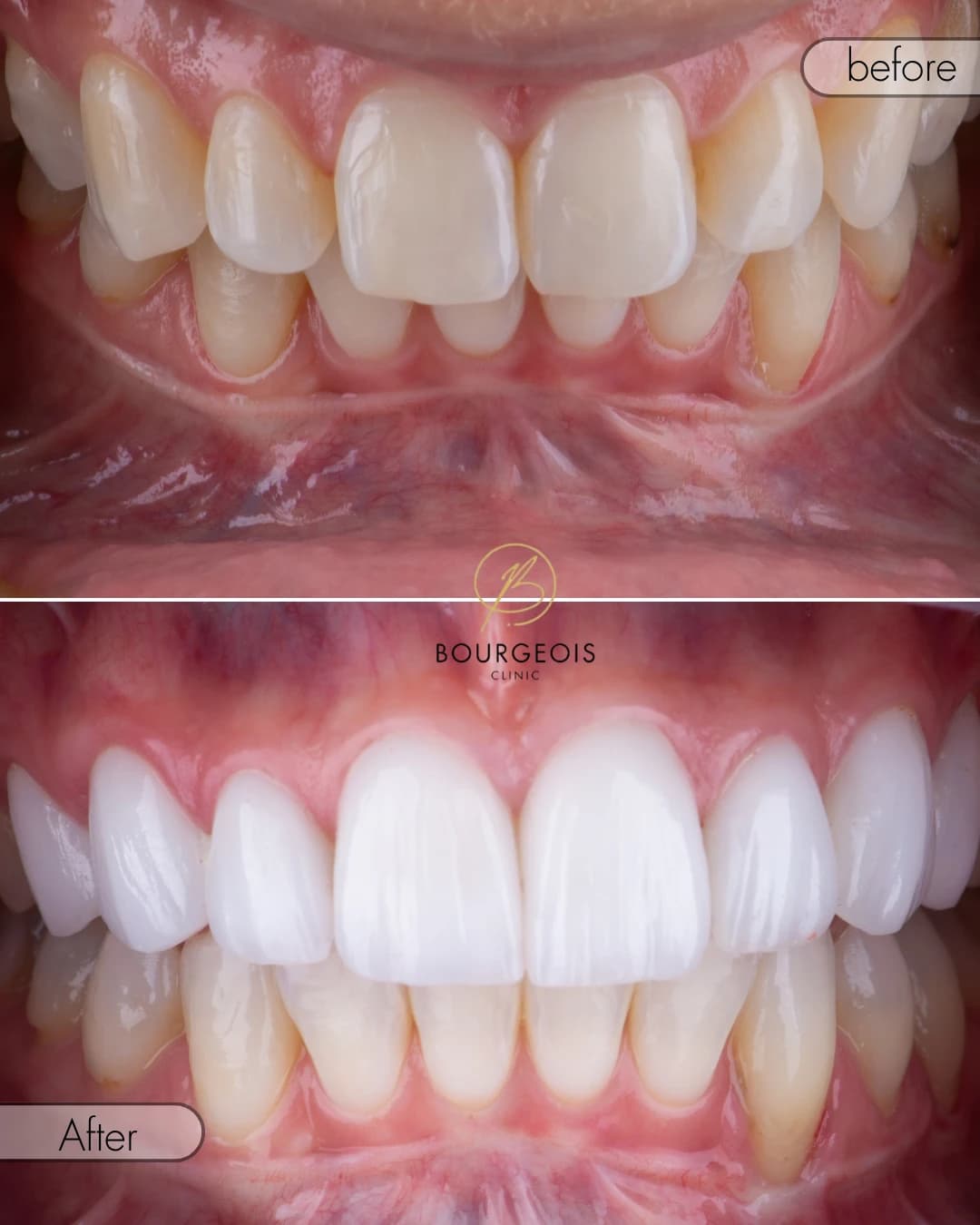
When replantation is appropriate, the tooth is positioned and may be stabilised with a flexible splint. The area is cleaned, soft-tissue injuries are managed and personalised instructions are provided. The exact plan depends on root development, dry time, contamination and associated trauma.
The clinic’s knocked-out permanent tooth emergency service provides the time-sensitive assessment pathway.
Will the tooth need root-canal treatment?
Many replanted mature permanent teeth require root-canal treatment, but timing and technique depend on root development and the injury. A young permanent tooth with an open root end may be managed differently. Trauma follow-up is essential even when the tooth feels normal.
Do not assume that replantation alone completes care. The tooth, surrounding bone and adjacent teeth can develop complications later, including pulp infection, root resorption, ankylosis, colour change or loss of vitality.
What if the tooth cannot be found?
A missing tooth may have been left at the accident site, swallowed, inhaled or pushed into the gum or bone rather than fully knocked out. Do not assume it was swallowed harmlessly. Tell the emergency team that the tooth is unaccounted for, especially when the person coughed, choked, lost consciousness or has breathing symptoms.
The clinician may use dental or medical imaging depending on the injury and symptoms. A tooth that has been driven into the socket requires a different trauma plan from an avulsed tooth and should not be pulled or repositioned at home.
Can every knocked-out tooth be saved?
No. Replantation may be unsuitable or may fail despite correct first aid. Dry time, root development, contamination, socket damage, fractures, general health and associated injuries all affect prognosis. The immediate aim is to preserve options safely, not to promise a permanent result.
If a tooth cannot be retained long term, replacement planning is usually delayed until the tissues are stable and the patient’s age, growth, bone, bite and neighbouring teeth can be assessed.
How long is follow-up needed?
Dental trauma needs a schedule of clinical and radiographic reviews. At different visits, the clinician may assess mobility, bite, gum healing, nerve response, root changes, bone and the condition of neighbouring teeth. Children and teenagers may need longer monitoring because growth affects treatment decisions.
Missed follow-up can allow a silent complication to progress. Attend even when swelling has resolved and the splint has been removed.
What should you do after replantation?
Follow instructions about soft foods, brushing, mouth rinses, medication, sport and splint care. Avoid biting directly on the injured tooth until advised. Keep the area clean gently and report increasing pain, swelling, pus, fever, a changed bite, splint damage or renewed mobility.
The Dental Emergencies and Urgent Dental Care Department can coordinate immediate treatment and later referrals.
How can dental trauma be prevented?
A custom sports mouthguard may reduce the risk and severity of injury during contact, collision or fall-risk activities. Seatbelts, helmets and safe play environments remain important because a mouthguard cannot prevent every facial injury.
Contact an emergency dentist in Dubai
For a knocked-out permanent tooth, call the clinic immediately and travel without delay. For other trauma, book an urgent dental appointment at Bourgeois Dental Clinic on Sheikh Zayed Road, Exit 41.