


Bad-Breath Assessment and Prevention
- 1Specialist
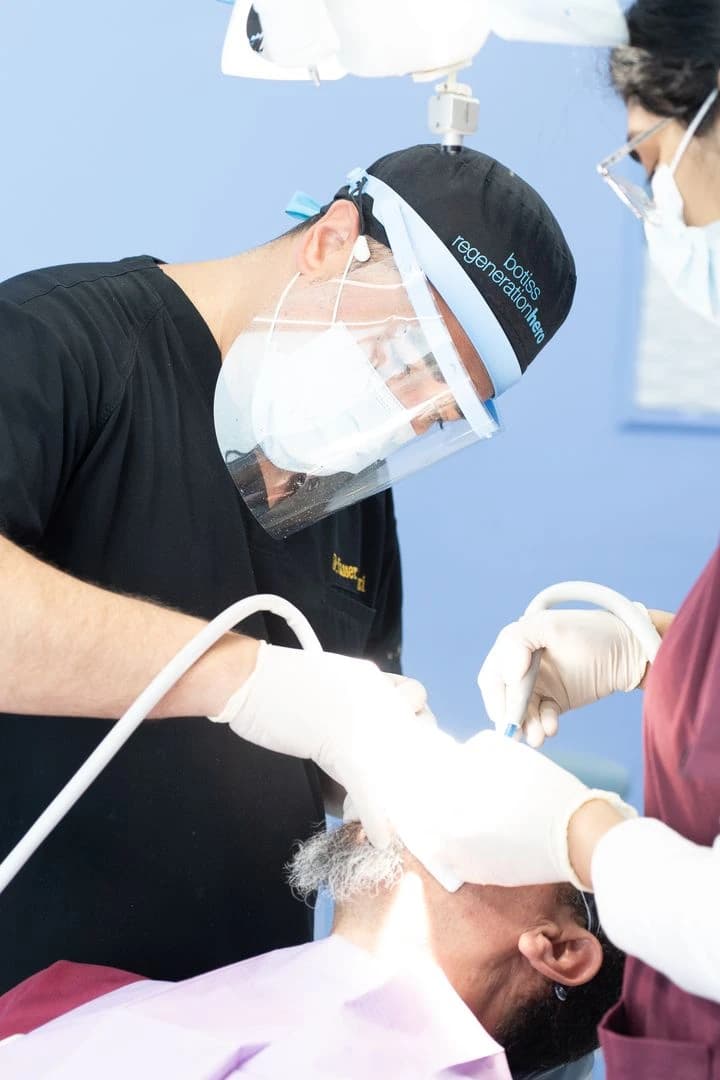
Bad-breath assessment identifies possible oral causes of persistent unpleasant breath and creates a personalised prevention and treatment plan. Common dental factors include plaque, tongue coating, gum inflammation, periodontal disease, decay, dental infection, dry mouth, food trapping, poorly cleaned dentures or appliances, and smoking.
At Bourgeois Dental Clinic in Dubai, the assessment considers the timing and duration of symptoms, oral hygiene, gum health, teeth and restorations, saliva, diet, medication, smoking, dental appliances, and whether a medical or other non-dental evaluation may be appropriate.
When Should Persistent Bad Breath Be Assessed?
A dental assessment may be useful when bad breath:
- Persists despite brushing and mouthwash
- Returns quickly after cleaning
- Occurs with bleeding or swollen gums
- Is associated with dry mouth
- Occurs with tooth pain, swelling, or a bad taste
- Is noticed around a bridge, implant, denture, or orthodontic appliance
- Is accompanied by repeated food trapping
- Affects confidence or social interaction
What Are Common Dental Causes?
- Plaque accumulation
- Tongue coating
- Gingivitis or periodontitis
- Dental calculus
- Untreated tooth decay
- Dental abscess or infection
- Food trapped between teeth or beneath bridges
- Dry mouth
- Poorly cleaned dentures or removable appliances
- Inflammation around dental implants
- Smoking or tobacco use
What Happens During the Assessment?
- History review: Discussing when the odour occurs, how long it lasts, oral-hygiene habits, diet, smoking, medication, medical conditions, and previous treatment.
- Teeth examination: Checking decay, fractures, food trapping, restorations, crowns, bridges, implants, and possible infection.
- Gum assessment: Evaluating plaque, calculus, bleeding, inflammation, recession, periodontal pockets, and implant tissues.
- Tongue and oral-tissue examination: Checking coating, dryness, ulcers, irritation, and visible abnormalities.
- Saliva review: Assessing dry-mouth symptoms and factors that may reduce saliva.
- Appliance review: Checking dentures, retainers, aligners, night guards, and other removable devices for cleanliness and fit.
- Imaging when indicated: Dental X-rays may be recommended when clinically justified to assess decay, roots, infection, bone, or hidden dental problems.
- Management plan: Recommending cleaning, gum treatment, decay care, dry-mouth support, hygiene instruction, appliance care, or medical referral when appropriate.
Can Gum Disease Cause Bad Breath?
Yes. Plaque, calculus, bleeding, periodontal pockets, food retention, and infection may contribute to persistent odour.
A gum-disease screening may be recommended when there is bleeding, swelling, recession, tooth mobility, or inflammation around implants.
Can Tooth Decay or Infection Cause Bad Breath?
Untreated decay, broken teeth, infected roots, and dental abscesses may produce unpleasant odour or taste.
Possible warning signs include:
- Toothache
- Pain when biting
- Swelling
- Pus
- A persistent bad taste
- A broken or loose restoration
- Sensitivity that is worsening
These problems require diagnosis and appropriate dental treatment rather than mouthwash alone.
Why Does the Tongue Cause Odour?
The tongue surface contains grooves that may retain bacteria, food debris, and dead cells. A visible coating can contribute to oral odour.
Gentle tongue cleaning may help, but aggressive scraping can cause irritation. Persistent coating, pain, ulcers, colour changes, or unexplained lesions require assessment.
How Does Dry Mouth Affect Breath?
Saliva helps clear food, lubricate tissues, and reduce bacterial accumulation. Reduced saliva may increase odour, plaque retention, cavity risk, and oral discomfort.
Dry mouth may be associated with:
- Medication
- Dehydration
- Smoking
- Mouth breathing
- Medical conditions
- Stress or anxiety
- Alcohol or excessive caffeine
- Selected medical treatments
Management may include hydration, fluoride support, saliva-support products, improved plaque control, and review of contributing medical factors with the appropriate clinician.
Can Dentures, Aligners, or Retainers Cause Bad Breath?
Removable appliances may retain plaque, food debris, and microorganisms when they are not cleaned or stored appropriately.
Patients should:
- Clean appliances according to their material
- Clean the teeth and gums before reinsertion
- Avoid using hot water on heat-sensitive appliances
- Clean storage cases regularly
- Replace damaged or heavily worn appliances when advised
- Attend reviews for poor fit or persistent odour
Can Food Trapping Cause Persistent Odour?
Yes. Food may become trapped between teeth, beneath bridges, around implants, under dentures, or beside damaged restorations.
Repeated food trapping may indicate:
- Open contacts between teeth
- Gum recession
- A damaged filling or crown
- Poor bridge design or cleaning access
- Tooth movement
- Periodontal disease
Does Mouthwash Cure Bad Breath?
Mouthwash may temporarily reduce odour or provide fluoride or plaque-control support, but it does not correct untreated decay, gum disease, infection, food trapping, or dry mouth.
Some products may cause staining, irritation, taste changes, or dryness when used incorrectly or for too long. Product selection should match the diagnosed cause.
How Can Daily Oral Hygiene Help?
- Brush twice daily with fluoride toothpaste
- Clean between teeth every day
- Clean beneath bridges and around implants
- Clean the tongue gently
- Clean dentures and removable appliances
- Replace worn toothbrush heads
- Attend professional cleaning according to risk
Visit oral-hygiene instruction for personalised brushing, flossing, and appliance-care guidance.
Can Diet Affect Bad Breath?
Garlic, onions, strongly flavoured foods, alcohol, coffee, and prolonged fasting may temporarily affect breath.
Frequent sugary foods may also support plaque growth and tooth decay. A diet and sugar consultation may help identify habits affecting oral health.
Can Smoking Cause Bad Breath?
Yes. Smoking and tobacco use can produce odour, dry the mouth, increase staining, contribute to gum disease, and reduce awareness of some periodontal symptoms.
Stopping tobacco use may improve oral and general health. Appropriate cessation support may be recommended through a suitable healthcare professional.
What if No Dental Cause Is Found?
Persistent odour can also be influenced by nasal, throat, respiratory, digestive, metabolic, medication-related, or other medical factors.
When the dental examination does not explain the symptoms, the patient may be advised to seek evaluation from an appropriate medical professional.
Can Bad Breath Be Completely Prevented?
Many oral causes can be reduced or controlled, but no treatment can guarantee permanently odour-free breath because saliva, diet, health, medication, smoking, hydration, and oral bacteria change over time.
What Are the Risks and Limitations?
- The cause may involve more than one factor
- Symptoms may return when daily care is inconsistent
- Mouthwash may only mask the odour temporarily
- Dental treatment may be required for decay, infection, or gum disease
- Dry-mouth management may require medical review
- A non-dental cause may require referral
- Some causes cannot be identified in one appointment
When Is Prompt Care Needed?
Arrange prompt dental assessment when bad breath occurs with severe pain, swelling, pus, fever with worsening dental symptoms, a loose tooth, difficulty chewing, or a persistent bad taste from a specific area.
Difficulty breathing or swallowing, rapidly spreading facial or neck swelling, swelling around the eye, severe weakness, confusion, or significant deterioration requires urgent medical care.
Bad-Breath Assessment on Sheikh Zayed Road
Bourgeois Dental Clinic is located on the first floor of Indigo Sky Building, Sheikh Zayed Road, Exit 41, near Al Thanya Street in Dubai. The clinic is accessible from Al Barsha, Umm Al Sheif, Umm Suqeim, Jumeirah, Al Quoz, Barsha Heights, The Greens, Dubai Marina, and nearby communities.
Book a bad-breath assessment for persistent oral odour, gum bleeding, tongue coating, dry mouth, food trapping, dental-appliance concerns, or a personalised prevention plan.
Department
Preventive Dentistry & Oral Hygiene
Related Doctors

FAQ
Frequently Asked Questions
BOOK AN
Appointment
Working Hours
We are here to serve you