


Gum-Disease Screening
- 1Specialist
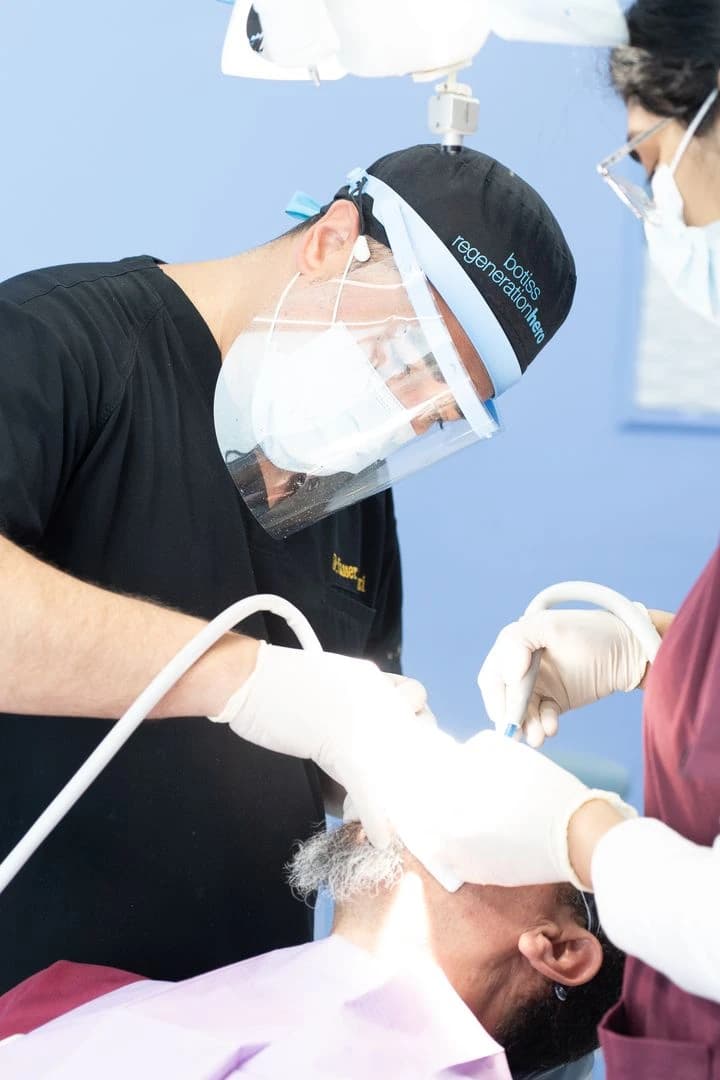
Gum-disease screening checks for early and advanced signs of inflammation or loss of support around the teeth and dental implants. The screening may identify bleeding, plaque, calculus, recession, periodontal pockets, tooth mobility, and tissue changes that require improved prevention, professional cleaning, or a complete periodontal assessment.
At Bourgeois Dental Clinic in Dubai, screening findings are interpreted with the patient’s medical history, smoking, diabetes or other relevant health conditions, medication, oral hygiene, previous gum treatment, dental restorations, implants, symptoms, and dental imaging when clinically justified.
Who May Benefit From Gum-Disease Screening?
Screening may be particularly useful for patients who:
- Have gums that bleed during brushing or flossing
- Notice red, swollen, or tender gums
- Have persistent bad breath
- Have gum recession
- Notice loose or moving teeth
- Have visible plaque or calculus
- Smoke or use tobacco
- Have diabetes or another relevant medical condition
- Have dental implants
- Have a family or personal history of periodontal disease
- Have not attended dental care regularly
- Are preparing for complex restorative, orthodontic, or implant treatment
What Is Gum Disease?
Gum disease includes inflammatory conditions affecting the tissues that surround and support the teeth.
Gingivitis
Gingivitis is inflammation mainly affecting the gums and is commonly associated with plaque accumulation. It may cause bleeding, redness, swelling, or tenderness without established loss of supporting bone.
Periodontitis
Periodontitis involves loss of attachment and supporting bone around the teeth. It may lead to deeper pockets, recession, tooth movement, chewing changes, and eventual tooth loss if it progresses.
Screening helps identify signs that require a more complete periodontal diagnosis.
What Happens During the Screening?
- History review: Discussing gum bleeding, pain, bad breath, smoking, medical conditions, medication, pregnancy where relevant, and previous gum treatment.
- Visual assessment: Checking gum colour, swelling, recession, plaque, calculus, and oral hygiene.
- Bleeding assessment: Identifying areas that bleed during gentle examination.
- Periodontal screening measurements: Checking selected or full areas around the teeth according to clinical need.
- Tooth-mobility assessment: Evaluating whether any teeth have increased movement.
- Implant-tissue review: Checking bleeding, inflammation, plaque, and cleaning access around implants.
- Imaging when indicated: Dental X-rays may be recommended to assess bone support or other concerns.
- Next-step planning: Recommending prevention, professional cleaning, periodontal charting, deep cleaning, maintenance, or referral when required.
What Are the Early Signs of Gum Disease?
- Bleeding during brushing or flossing
- Red or swollen gums
- Gum tenderness
- Persistent bad breath
- Plaque and calculus accumulation
- Gums appearing to pull away from the teeth
- Food trapping between teeth
- Changes around dental implants
Gum disease may also progress with limited pain, so absence of discomfort does not confirm that the gums are healthy.
What Are Signs of More Advanced Disease?
- Deep periodontal pockets
- Increasing gum recession
- Tooth mobility
- Changes in tooth position
- Pus around the gums
- Pain when chewing
- Loss of supporting bone
- Repeated gum abscesses
- A change in the bite
Why Do Gums Bleed?
Plaque-related inflammation is a common cause of bleeding, but other factors may contribute.
Possible causes include:
- Gingivitis
- Periodontitis
- Incorrect brushing or flossing technique
- Food trapping
- Poorly fitting restorations
- Hormonal changes
- Selected medication
- Medical or blood-related conditions
- Trauma to the gums
Persistent or unexplained bleeding should be assessed rather than ignored.
Is Gum Screening Painful?
Patients may feel pressure or mild tenderness during gum measurements, especially when the tissues are inflamed.
Severe discomfort, acute infection, or extensive inflammation may require modification of the assessment or staged treatment.
Are Dental X-Rays Needed?
Dental X-rays may be recommended when clinically justified to evaluate bone levels, root condition, calculus, dental infection, implants, and other structures not visible through examination alone.
Imaging is not required automatically at every screening.
Can Gum Disease Cause Bad Breath?
Yes. Plaque, calculus, bleeding, periodontal pockets, food retention, and infection may contribute to persistent oral odour.
Bad breath can also have other dental and non-dental causes. Visit bad-breath assessment and prevention for a broader evaluation.
Can Gum Disease Affect Dental Implants?
Yes. Plaque-related inflammation can develop around implant tissues.
- Peri-implant mucositis: Inflammation of the soft tissues around an implant without established supporting-bone loss.
- Peri-implantitis: Inflammation associated with progressive loss of supporting bone around an implant.
Early assessment is important when there is bleeding, swelling, pus, pain, or difficulty cleaning around an implant.
Can Gum Disease Make Teeth Loose?
Advanced loss of periodontal support may increase tooth mobility.
Mobility may also result from:
- Heavy bite forces
- Dental trauma
- Root fracture
- Infection
- Orthodontic movement
- Other dental conditions
The cause should be diagnosed before treatment is selected.
What Is the Difference Between Screening and a Full Periodontal Assessment?
- Screening: Identifies signs and risk indicators that suggest whether more detailed periodontal evaluation is needed.
- Full periodontal assessment: May include detailed measurements around every tooth, mobility, recession, bleeding, furcation involvement, imaging, diagnosis, and treatment planning.
Patients with abnormal screening findings may require a complete periodontal chart and separate treatment plan.
What Treatment May Be Recommended?
Recommendations depend on the diagnosis and may include:
- Personalised oral-hygiene instruction
- Professional teeth cleaning
- Scaling and root-surface treatment
- Management of plaque-retentive restorations
- Smoking-cessation support through an appropriate professional
- Medical review of relevant health factors
- Periodontal maintenance visits
- Additional periodontal or implant treatment
- Referral when clinically required
Can Gingivitis Be Reversed?
Plaque-related gingivitis may improve when plaque and calculus are controlled effectively and the patient maintains consistent daily cleaning.
Periodontitis involves loss of support that cannot simply be regrown through brushing. Treatment aims to control inflammation, slow progression, maintain teeth, and reduce future risk.
How Often Should Gum Health Be Checked?
The interval depends on current gum health, previous periodontal disease, smoking, implants, medical conditions, plaque control, restorations, and response to treatment.
Patients with established periodontal disease commonly require closer long-term maintenance than patients with consistently healthy gums.
How Can Gum-Disease Risk Be Reduced?
- Brush twice daily using an effective technique
- Clean between teeth every day
- Attend professional cleaning and maintenance
- Avoid smoking and tobacco use
- Manage relevant medical conditions with appropriate clinicians
- Clean around implants and bridges carefully
- Report gum bleeding, swelling, or mobility early
- Maintain suitable nutrition and hydration
What Are the Limitations of Screening?
Screening identifies risk and signs but may not provide a complete diagnosis in every case.
Additional periodontal measurements, dental imaging, monitoring, medical information, or referral may be needed before the condition and treatment requirements are fully understood.
When Is Prompt Care Needed?
Arrange prompt dental assessment for severe gum pain, pus, rapidly increasing swelling, loose teeth, a gum abscess, heavy bleeding, fever with worsening dental symptoms, or sudden changes around an implant.
Difficulty breathing or swallowing, rapidly spreading facial or neck swelling, swelling around the eye, uncontrolled heavy bleeding, severe weakness, or significant deterioration requires urgent medical care.
Gum-Disease Screening on Sheikh Zayed Road
Bourgeois Dental Clinic is located on the first floor of Indigo Sky Building, Sheikh Zayed Road, Exit 41, near Al Thanya Street in Dubai. The clinic is accessible from Al Barsha, Umm Al Sheif, Umm Suqeim, Jumeirah, Al Quoz, Barsha Heights, The Greens, Dubai Marina, and nearby communities.
Book a gum-disease screening for bleeding gums, recession, bad breath, plaque, calculus, loose teeth, implant inflammation, or a personalised periodontal-prevention and maintenance plan.
Department
Preventive Dentistry & Oral Hygiene
Related Doctors

FAQ
Frequently Asked Questions
BOOK AN
Appointment
Working Hours
We are here to serve you