


Oral-Hygiene Instruction
- 1Specialist
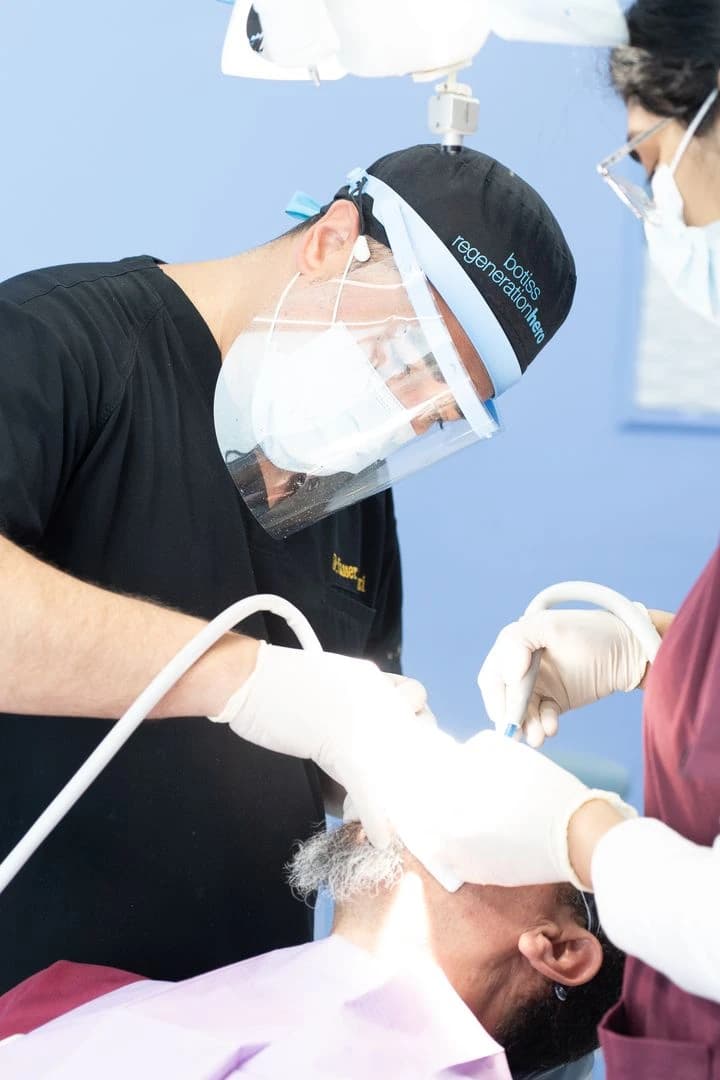
Oral-hygiene instruction provides personalised, practical guidance for removing plaque from the teeth, gumline, spaces between teeth, and areas around dental restorations or appliances. The recommended technique and tools should match the patient’s tooth arrangement, gum condition, restorations, dexterity, sensitivity, and ability to maintain a consistent daily routine.
At Bourgeois Dental Clinic in Dubai, oral-hygiene guidance may include brushing demonstrations, interdental-cleaning selection, fluoride advice, tongue cleaning, denture care, and cleaning around braces, clear aligners, bridges, crowns, veneers, and dental implants.
Who May Benefit From Oral-Hygiene Instruction?
Personalised guidance may be useful for patients who:
- Have bleeding or inflamed gums
- Develop plaque or calculus quickly
- Experience repeated cavities
- Find flossing difficult
- Have crowded or widely spaced teeth
- Wear braces or clear aligners
- Have dental implants, crowns, bridges, or veneers
- Wear complete or partial dentures
- Have reduced hand dexterity
- Have sensitive teeth or exposed roots
- Have dry mouth
- Want to improve a current cleaning routine
What Happens During the Appointment?
- History review: Discussing current products, brushing frequency, flossing habits, sensitivity, bleeding, dry mouth, restorations, appliances, and previous dental problems.
- Plaque assessment: Identifying areas where plaque repeatedly remains.
- Gum assessment: Checking bleeding, inflammation, recession, tenderness, and areas that require gentler or more effective cleaning.
- Technique demonstration: Showing brushing and interdental-cleaning methods appropriate for the patient.
- Tool selection: Recommending suitable toothbrushes, floss, holders, interdental brushes, or other aids.
- Fluoride review: Discussing toothpaste and additional fluoride products when clinically appropriate.
- Maintenance plan: Setting realistic daily goals and recommending follow-up according to dental risk.
How Should Teeth Be Brushed?
The most suitable technique depends on the patient’s gums, tooth position, orthodontic appliances, restorations, and manual ability.
General principles may include:
- Brush twice daily
- Use a suitable soft or medium-soft brush as advised
- Clean the outer, inner, and chewing surfaces
- Direct the bristles carefully toward the gumline
- Use gentle, controlled pressure
- Spend sufficient time reaching every area
- Avoid aggressive horizontal scrubbing
- Replace a worn toothbrush head
Excessive pressure may contribute to gum irritation, toothbrush abrasion, and sensitivity without improving plaque removal.
Manual or Electric Toothbrush?
Both manual and powered toothbrushes can be effective when used correctly.
A powered toothbrush may be helpful for patients who:
- Apply excessive pressure
- Have limited dexterity
- Find consistent movement difficult
- Wear braces
- Have multiple restorations or implants
- Benefit from timers or pressure sensors
The most useful toothbrush is one the patient can use correctly and consistently.
Why Is Cleaning Between Teeth Important?
A toothbrush may not remove plaque effectively from every space between teeth or beneath bridge replacements.
Interdental cleaning can help reduce:
- Plaque between teeth
- Gum bleeding
- Food trapping
- Decay on contact surfaces
- Inflammation around implants and restorations
- Unpleasant odour from retained debris
Which Interdental Tool Should Be Used?
The recommended tool depends on the size and shape of each space.
- Dental floss: May suit tight contacts between teeth.
- Floss holders: May help patients who find traditional floss difficult to control.
- Interdental brushes: May suit larger spaces, gum recession, braces, bridges, or implants.
- Floss threaders: May help clean beneath bridges or orthodontic wires.
- Water irrigation devices: May provide additional assistance but do not automatically replace mechanical plaque removal.
Using an interdental brush that is too small may be ineffective, while forcing one that is too large may injure the gums.
Should Mouthwash Be Used?
Mouthwash may provide additional support in selected situations, but it does not replace brushing or interdental cleaning.
The product should be selected according to the treatment objective, which may include:
- Fluoride support
- Temporary plaque control
- Dry-mouth comfort
- Management of selected gum conditions
- Breath-freshening support
Long-term use of therapeutic mouthwash should follow professional guidance because products differ in ingredients, indications, staining potential, and duration of use.
How Much Fluoride Toothpaste Should Adults Use?
Adults are generally advised to use a fluoride toothpaste suitable for their dental risk and to follow the product and professional instructions.
Patients with repeated cavities, dry mouth, exposed roots, braces, or extensive dental work may require additional fluoride support. Visit fluoride treatment for adults for more information.
How Should Bridges Be Cleaned?
Cleaning should include the supporting teeth, bridge margins, and the space beneath the replacement tooth.
Suitable tools may include:
- Floss threaders
- Super floss
- Interdental brushes
- Single-tuft brushes
- Water irrigation as an additional aid
Failure to clean beneath a bridge may contribute to gum inflammation, food trapping, unpleasant breath, and decay around supporting teeth.
How Should Dental Implants Be Cleaned?
Implants should be cleaned around the gumline, implant crown, bridge, and attachment areas using tools that fit the available spaces without damaging the tissues.
Daily implant care may include:
- Brushing around the implant restoration
- Interdental brushes of suitable size
- Floss or threaders when appropriate
- Cleaning beneath implant-supported bridges
- Cleaning attachment components of removable dentures
- Professional maintenance visits
Implants cannot develop tooth decay, but the gums and supporting bone around them can become inflamed or lose support.
How Should Braces and Clear Aligners Be Cleaned?
Brackets, wires, and attachments can retain plaque and food.
Patients with fixed braces may need:
- Brushing above and below brackets
- Interdental brushes beneath wires
- Floss threaders or orthodontic floss
- Fluoride support
- Closer professional cleaning
Clear aligners should be removed for eating unless instructed otherwise, cleaned according to the treatment plan, and placed only over cleaned teeth whenever practical. Visit preventive care for braces and aligners for further guidance.
How Should Dentures Be Cleaned?
- Remove and rinse the denture after meals when practical
- Brush the denture with a suitable denture brush
- Use cleaning products compatible with the material
- Clean the tongue, palate, gums, and remaining teeth
- Avoid hot water that may distort the appliance
- Clean clasps and attachment components carefully
- Store the denture as instructed
Regular toothpaste may be too abrasive for some denture materials.
Should the Tongue Be Cleaned?
Gentle tongue cleaning may reduce coating, food debris, and selected sources of oral odour.
Persistent bad breath should not be managed by tongue cleaning alone because gum disease, decay, dry mouth, infection, smoking, appliances, and non-dental conditions may also contribute. Visit bad-breath assessment and prevention when symptoms continue.
Why Do My Gums Bleed When I Floss?
Bleeding commonly occurs when plaque-related inflammation is present, although trauma from incorrect technique may also contribute.
Persistent bleeding may indicate:
- Gingivitis
- Periodontal disease
- Incorrect interdental-tool size
- Aggressive flossing
- Food trapping
- A restoration-related problem
- Selected medical or medication-related factors
Do not assume persistent bleeding is normal. A gum-disease screening may be appropriate.
How Quickly Can Gum Health Improve?
Plaque-related gum inflammation may begin to improve after more effective daily cleaning and professional care, but the response varies with disease severity, smoking, medical conditions, restoration design, and consistency.
Established periodontal disease cannot be managed through home-care instruction alone and may require deeper treatment and long-term maintenance.
What Are the Limitations?
- Instruction cannot remove established calculus
- It cannot repair cavities or broken teeth
- It cannot treat advanced gum disease alone
- Improvement depends on regular daily practice
- Some areas may remain difficult because of tooth position or restoration design
- Tools may need to change as the gums, teeth, or dental work change
- Professional cleaning and dental treatment may still be required
When Is Further Assessment Needed?
Arrange dental assessment for persistent gum bleeding, swelling, pus, severe sensitivity, tooth mobility, repeated cavities, pain, food trapping, a loose restoration, or a mouth ulcer that does not heal.
Difficulty breathing or swallowing, rapidly spreading facial or neck swelling, uncontrolled bleeding, or significant deterioration requires urgent medical care.
Oral-Hygiene Instruction on Sheikh Zayed Road
Bourgeois Dental Clinic is located on the first floor of Indigo Sky Building, Sheikh Zayed Road, Exit 41, near Al Thanya Street in Dubai. The clinic is accessible from Al Barsha, Umm Al Sheif, Umm Suqeim, Jumeirah, Al Quoz, Barsha Heights, The Greens, Dubai Marina, and nearby communities.
Book personalised oral-hygiene instruction for brushing, flossing, interdental cleaning, gum care, braces, aligners, implants, bridges, dentures, fluoride use, or difficult-to-clean areas.
Department
Preventive Dentistry & Oral Hygiene
Related Doctors

FAQ
Frequently Asked Questions
BOOK AN
Appointment
Working Hours
We are here to serve you