


Preventive Care for Braces and Aligners
- 1Specialist
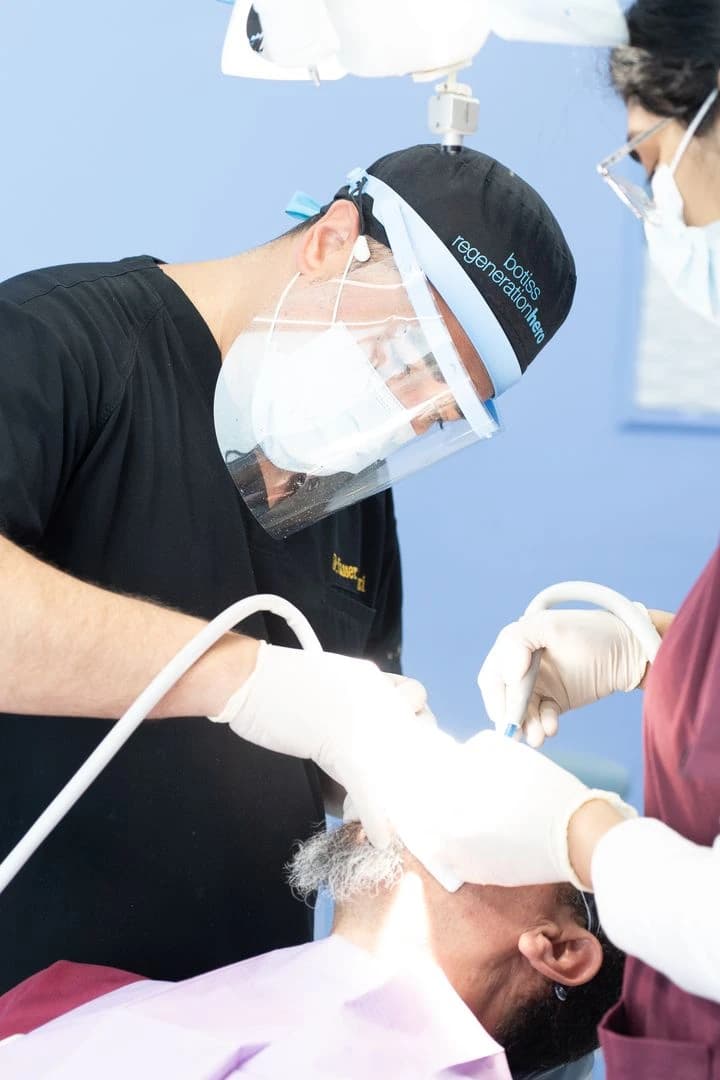
Preventive care during braces or clear-aligner treatment helps reduce plaque accumulation, gum inflammation, cavities, early enamel marks, bad breath, and appliance-related hygiene problems. Brackets, wires, attachments, elastics, and removable aligners can create additional plaque-retentive areas or change how the teeth are cleaned.
At Bourgeois Dental Clinic in Dubai, preventive recommendations are adapted to the appliance type, cavity risk, gum health, fluoride exposure, diet, oral-hygiene ability, existing restorations, dry mouth, and the orthodontic treatment plan.
Who May Benefit From Preventive Orthodontic Care?
Preventive support is relevant to patients who:
- Wear fixed braces
- Use clear aligners
- Have orthodontic attachments or elastics
- Develop plaque around brackets
- Experience bleeding or swollen gums
- Have repeated cavities
- Notice white or brown enamel marks
- Have dry mouth
- Find flossing difficult
- Need professional cleaning during orthodontic treatment
Why Do Braces Increase Plaque Retention?
Brackets, wires, bands, and attachments create additional edges and spaces where food and plaque may collect.
Without effective cleaning, patients may develop:
- Gum inflammation
- Bleeding
- Bad breath
- Calculus
- Early white enamel marks
- Cavities
- Food trapping
- Discolouration around brackets
What Happens During a Preventive Visit?
- History review: Discussing appliance type, discomfort, hygiene routine, diet, fluoride, breakages, dry mouth, and orthodontic instructions.
- Plaque assessment: Identifying deposits around brackets, attachments, wires, gum margins, and difficult-to-clean areas.
- Gum assessment: Checking bleeding, swelling, recession, tenderness, and calculus.
- Enamel review: Looking for early white marks, discolouration, surface changes, or suspected cavities.
- Professional cleaning: Removing accessible plaque, calculus, and selected stains when appropriate.
- Technique instruction: Demonstrating brushing and interdental cleaning around the appliance.
- Fluoride planning: Recommending toothpaste, professional fluoride, or additional products according to risk.
- Dietary guidance: Reviewing sugar frequency and acidic drinks.
- Follow-up: Planning maintenance with the dental and orthodontic teams.
How Should Fixed Braces Be Brushed?
Patients may need to clean above, below, and directly around each bracket.
Helpful steps may include:
- Brush along the gumline
- Angle the brush above and below brackets
- Clean the chewing and inner surfaces
- Use gentle pressure
- Check the teeth visually after cleaning
- Replace worn brush heads
- Use a single-tuft brush for difficult areas when advised
How Are Areas Beneath Wires Cleaned?
Suitable tools may include:
- Interdental brushes
- Orthodontic floss
- Floss threaders
- Single-tuft brushes
- Water irrigation as an additional aid
The correct tool size should be demonstrated because forcing a brush may injure the gums or damage the appliance.
How Should Clear Aligners Be Cleaned?
- Rinse aligners after removal
- Clean them using products compatible with the material
- Avoid hot water
- Clean the storage case regularly
- Brush and clean the teeth before reinsertion when practical
- Do not use highly abrasive products
- Report cracks, distortion, or persistent odour
Instructions may vary by aligner system. Visit clear and invisible aligners for treatment information.
Can Patients Drink While Wearing Aligners?
Plain water is generally the lowest-risk drink while aligners are worn. Sweetened, coloured, hot, or acidic drinks may stain or distort the aligners and can become trapped against the teeth.
Patients should follow the instructions provided by the treating dentist or orthodontic team.
What Are White Marks Around Brackets?
White enamel marks may represent early mineral loss associated with plaque and repeated acid exposure.
Management may include:
- Improved plaque control
- Fluoride toothpaste
- Professional fluoride
- Reduced sugar frequency
- Closer preventive monitoring
- Restorative or cosmetic assessment after orthodontic treatment when necessary
Not every white mark has the same cause, so diagnosis is important.
Can Fluoride Be Used During Orthodontic Treatment?
Yes. Fluoride may help increase enamel resistance and support remineralisation of selected early changes.
Options may include:
- Fluoride toothpaste
- Professional fluoride treatment
- Fluoride mouthwash in selected cases
- Prescription-strength products when clinically indicated
How Does Diet Affect Braces and Aligners?
Frequent sugar and acidic-drink exposure may increase cavity and erosion risk.
Patients may be advised to:
- Reduce frequent sweetened drinks
- Keep sweets with meals rather than between meals
- Avoid sipping acidic beverages over long periods
- Use water as the main drink
- Avoid eating while wearing clear aligners
- Follow appliance-specific restrictions for hard or sticky foods
Can Professional Cleaning Be Done With Braces?
Yes. Professional cleaning can remove accessible plaque, calculus, and selected stains around brackets, wires, bands, and gum margins.
The dental team should use techniques appropriate for the appliance and coordinate with the orthodontic plan when required.
How Often Should Preventive Visits Be Scheduled?
The interval depends on:
- Plaque levels
- Gum inflammation
- Previous cavities
- White enamel marks
- Dry mouth
- Diet
- Appliance type
- Home-care effectiveness
- Orthodontic treatment duration
Patients with higher risk may need closer preventive maintenance.
What if the Gums Bleed With Braces?
Bleeding often indicates plaque-related inflammation, although aggressive brushing, food trapping, or an appliance-related irritation may also contribute.
Persistent bleeding, swelling, recession, pus, or pain requires dental assessment. A gum-disease screening may be appropriate.
Can Braces Cause Bad Breath?
Braces do not directly create odour, but plaque, trapped food, gum inflammation, tongue coating, and poorly cleaned appliances can contribute.
Improved brushing, interdental cleaning, tongue cleaning, professional care, and management of gum disease or decay may help.
What if a Bracket or Wire Breaks?
Contact the orthodontic provider for advice. Avoid bending or cutting components unless instructed.
Prompt assessment may be needed when a wire causes tissue injury, a bracket becomes loose, the appliance interferes with biting, or a component creates a swallowing risk.
Can Preventive Care Guarantee No Cavities During Treatment?
No. It can reduce risk, but cavities and enamel changes are also influenced by plaque, diet, saliva, fluoride, tooth anatomy, treatment duration, medical factors, and daily habits.
What Are the Risks and Limitations?
- Plaque may remain in difficult areas
- Gum inflammation may continue if home care is inconsistent
- White enamel marks may still develop
- Professional cleaning cannot replace daily care
- Some cavities require restorative treatment
- Appliance damage may need orthodontic repair
- Dry mouth or medical factors may increase risk
- Close coordination with the orthodontic provider may be required
When Is Prompt Care Needed?
Arrange prompt dental or orthodontic assessment for severe pain, swelling, pus, a broken tooth, a loose bracket causing injury, a wire embedded in tissue, difficulty closing the teeth, or a loose component that may be swallowed.
Difficulty breathing or swallowing, rapidly spreading facial or neck swelling, uncontrolled bleeding, severe weakness, or significant deterioration requires urgent medical care.
Preventive Care for Braces and Aligners on Sheikh Zayed Road
Bourgeois Dental Clinic is located on the first floor of Indigo Sky Building, Sheikh Zayed Road, Exit 41, near Al Thanya Street in Dubai. The clinic is accessible from Al Barsha, Umm Al Sheif, Umm Suqeim, Jumeirah, Al Quoz, Barsha Heights, The Greens, Dubai Marina, and nearby communities.
Book preventive care for braces or aligners for plaque control, gum bleeding, professional cleaning, fluoride support, white enamel marks, appliance hygiene, or personalised dietary guidance.
Department
Preventive Dentistry & Oral Hygiene
Related Doctors

FAQ
Frequently Asked Questions
BOOK AN
Appointment
Working Hours
We are here to serve you