


Professional Teeth Cleaning
- 1Specialist
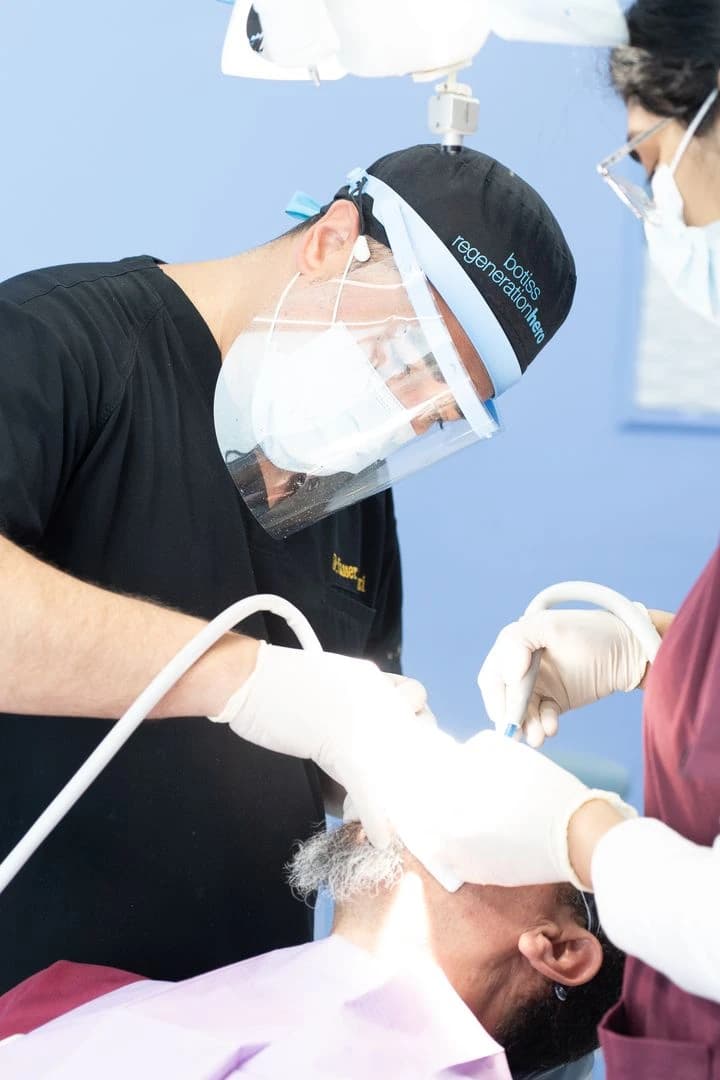
Professional teeth cleaning removes plaque, selected deposits, and external surface stains that may remain despite regular home care. The appointment also supports gum-health assessment, identification of difficult-to-clean areas, and personalised advice for brushing and interdental cleaning.
At Bourgeois Dental Clinic in Dubai, the cleaning method is selected according to plaque and calculus levels, gum condition, sensitivity, dental restorations, implants, orthodontic appliances, medical history, and previous periodontal treatment.
Who May Benefit From Professional Teeth Cleaning?
Cleaning may be recommended for patients who:
- Have visible plaque or calculus
- Experience gum bleeding
- Have surface staining
- Find certain areas difficult to brush
- Wear braces or clear aligners
- Have crowns, bridges, veneers, implants, or dentures
- Smoke or use tobacco
- Have a history of gum inflammation
- Have persistent food trapping
- Need regular preventive maintenance
What Is Removed During Professional Cleaning?
The appointment may address:
- Soft dental plaque
- Selected supragingival calculus
- Deposits around accessible tooth surfaces
- External stains from food, drinks, or smoking
- Plaque around crowns, bridges, implants, and orthodontic appliances
Deep deposits beneath the gums or established periodontal disease may require a different periodontal procedure rather than routine cleaning alone.
What Happens During the Appointment?
- History review: Discussing sensitivity, gum bleeding, medical conditions, medication, implants, restorations, and previous cleaning experiences.
- Oral assessment: Checking plaque, calculus, gum inflammation, recession, bleeding, restorations, and areas of food trapping.
- Deposit removal: Using suitable hand or powered instruments according to the clinical condition.
- Surface cleaning: Removing selected external stains and polishing surfaces when clinically appropriate.
- Interdental review: Evaluating cleaning between teeth and around bridges, implants, or orthodontic appliances.
- Home-care guidance: Recommending suitable brushes, floss, interdental tools, fluoride products, and maintenance intervals.
Is Professional Cleaning the Same as Scaling and Polishing?
The terms are sometimes used together. Professional cleaning may include plaque removal, scaling of selected deposits, stain removal, polishing, gum assessment, and hygiene instruction.
The dedicated scaling and polishing service focuses more specifically on calculus and external stain removal.
Is Routine Cleaning the Same as Deep Cleaning?
No.
- Routine professional cleaning: Supports maintenance in patients without untreated advanced periodontal disease.
- Periodontal deep cleaning: Treats diagnosed gum disease and may involve cleaning beneath the gumline and root-surface treatment.
The correct procedure depends on gum measurements, inflammation, bone support, deposit location, and periodontal diagnosis.
Does Teeth Cleaning Hurt?
Many patients experience mild pressure, vibration, or temporary sensitivity. Discomfort may be greater when:
- Gums are inflamed
- Calculus is extensive
- Root surfaces are exposed
- Teeth are already sensitive
- Cleaning has been delayed
- There are ulcers or oral-tissue irritation
The dental team can adjust the technique, use breaks, or discuss suitable comfort measures when clinically appropriate.
Can Cleaning Make Teeth Sensitive?
Temporary sensitivity may occur after deposits are removed, especially when gum recession or exposed root surfaces are present.
Helpful measures may include:
- Using a suitable sensitivity toothpaste
- Avoiding very cold foods temporarily
- Using fluoride treatment when recommended
- Brushing gently with an appropriate technique
- Arranging reassessment if sensitivity is severe or persistent
Does Professional Cleaning Whiten Teeth?
Cleaning may remove selected external stains and make the natural tooth surface appear cleaner or brighter.
It does not change the internal natural colour of teeth in the same way as professional teeth-whitening treatment.
Can Cleaning Remove All Stains?
Not always. The result depends on the source, depth, age, and location of the stain.
Some discolouration may be caused by:
- Internal tooth colour
- Old fillings or crowns
- Enamel changes
- Medication-related staining
- Tooth trauma
- Decay
These conditions may require a separate diagnosis or cosmetic and restorative discussion.
How Are Crowns and Bridges Cleaned?
Cleaning may focus on:
- Restoration margins
- Supporting teeth
- Areas beneath bridge replacements
- Food-trapping sites
- Gum inflammation
- Interdental-cleaning access
The patient may be shown floss threaders, interdental brushes, or other tools suitable for cleaning beneath a bridge.
How Are Dental Implants Cleaned?
Implants and their restorations require careful cleaning with instruments and home-care tools selected to protect implant surfaces and surrounding tissues.
The visit may assess:
- Plaque accumulation
- Bleeding or inflammation
- Cleaning access
- Food trapping
- Restoration stability
- Attachment components
- Bite forces
Visit preventive care for dental implants and restorations for long-term maintenance guidance.
Can Teeth Be Cleaned With Braces?
Yes. Brackets, wires, and attachments may create additional plaque-retentive areas that require professional and home-care attention.
Cleaning may include:
- Removal of plaque around brackets
- Cleaning near the gumline
- Review of interdental brushes
- Fluoride guidance
- Assessment of early enamel changes
- Advice about cleaning removable aligners
How Often Should Professional Cleaning Be Done?
The interval depends on:
- Rate of plaque and calculus accumulation
- Gum health
- Previous periodontal disease
- Smoking
- Implants and restorations
- Braces or aligners
- Medical conditions
- Home-care effectiveness
- Dry mouth
Some patients require closer maintenance, while others may be suitable for longer intervals.
Can Professional Cleaning Prevent Gum Disease?
Cleaning can reduce plaque and calculus and support gum health, but it cannot guarantee that gum disease will not develop.
Daily plaque control, smoking, medical conditions, genetics, restoration design, and regular assessment also influence periodontal risk.
What Should I Do After Teeth Cleaning?
- Continue brushing twice daily
- Clean between teeth as instructed
- Use recommended fluoride or sensitivity products
- Avoid smoking
- Follow advice about food or drinks if fluoride treatment was applied
- Report severe or persistent sensitivity
- Attend the recommended recall appointment
What Are the Risks and Limitations?
- Temporary sensitivity
- Minor gum bleeding
- Temporary tenderness
- Awareness of spaces previously filled by calculus
- Incomplete removal of deep deposits during routine cleaning
- Need for periodontal treatment
- Limited improvement in internal tooth colour
- Need for repeated maintenance
When Is Routine Cleaning Not Enough?
Additional assessment may be required for:
- Deep periodontal pockets
- Advanced gum disease
- Tooth mobility
- Persistent gum swelling or pus
- Severe pain
- Dental abscesses
- Loose implant restorations
- Unhealed ulcers or oral lesions
Difficulty breathing or swallowing, rapidly spreading facial or neck swelling, uncontrolled bleeding, or significant deterioration requires urgent medical care.
Professional Teeth Cleaning on Sheikh Zayed Road
Bourgeois Dental Clinic is located on the first floor of Indigo Sky Building, Sheikh Zayed Road, Exit 41, near Al Thanya Street in Dubai. The clinic is accessible from Al Barsha, Umm Al Sheif, Umm Suqeim, Jumeirah, Al Quoz, Barsha Heights, The Greens, Dubai Marina, and nearby communities.
Book professional teeth cleaning for plaque, calculus, surface stains, gum bleeding, braces hygiene, implant maintenance, restoration care, or personalised oral-hygiene guidance.
Department
Preventive Dentistry & Oral Hygiene
Related Doctors

FAQ
Frequently Asked Questions
BOOK AN
Appointment
Working Hours
We are here to serve you