


Broken or Fractured Tooth Emergency Care
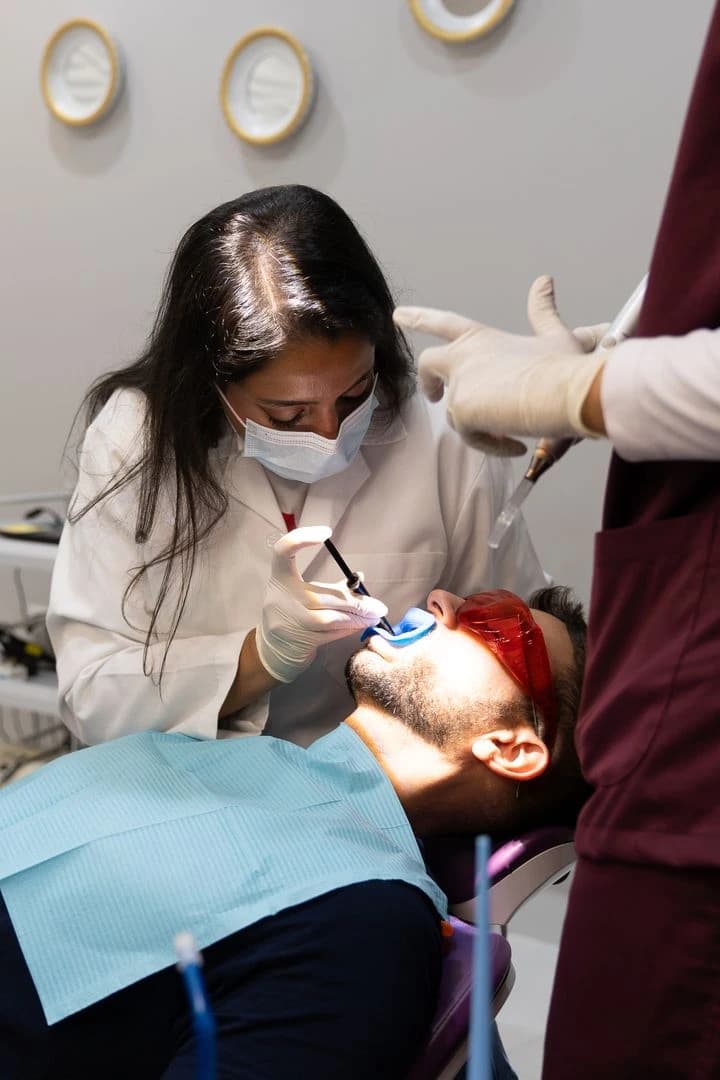
Emergency care for a broken or fractured tooth evaluates the extent of damage, pain, nerve involvement, root condition, gum and bone support, and whether the tooth can be repaired safely. Prompt assessment may help protect exposed tooth structure, reduce further fracture, treat infection, and identify injuries that require urgent specialist or hospital care.
At Bourgeois Dental Clinic in Dubai, the assessment considers how the tooth broke, whether trauma occurred, the location and depth of the fracture, sensitivity, biting pain, bleeding, swelling, tooth mobility, previous restorations, and the amount of healthy tooth structure that remains.
A broken tooth is not treated according to appearance alone. A small visible chip may hide a deeper crack, while a larger fracture may sometimes remain repairable depending on the root, pulp, supporting tissues, and restorative options.
What Can Cause a Tooth to Break?
- Biting hard food or objects
- Dental trauma or a fall
- Sports injuries
- Large or weakened fillings
- Deep decay
- Teeth grinding or clenching
- Extensive tooth wear
- Previous root-canal treatment
- Age-related structural changes
- Sudden temperature or loading stress
Which Symptoms Require Prompt Assessment?
- Severe or increasing pain
- Sharp edges cutting the tongue or cheek
- Visible loss of tooth structure
- Pain when biting or releasing pressure
- Long-lasting sensitivity to hot or cold
- Bleeding from inside the tooth
- A loose tooth after trauma
- Swelling or pus
- A sudden bite change
- A fracture involving a crown, veneer, bridge, or filling
What Happens During the Emergency Assessment?
- Urgency screening: Checking trauma severity, bleeding, swelling, breathing, swallowing, and possible jaw injury.
- History: Reviewing how and when the fracture occurred, pain, sensitivity, previous treatment, medical conditions, and medication.
- Clinical examination: Assessing the visible fracture, gum tissues, mobility, bite, restorations, and surrounding teeth.
- Pulp testing: Evaluating the response of the dental nerve when clinically appropriate.
- Imaging: Dental X-rays may be recommended to assess roots, bone, decay, previous treatment, and signs of deeper injury.
- Stabilisation: Smoothing sharp areas or placing a temporary protective restoration when suitable.
- Definitive plan: Discussing bonding, a filling, onlay, crown, root-canal treatment, gum treatment, monitoring, or extraction.
What Is the Difference Between a Chip, Crack, and Fracture?
- Small chip: Limited loss of enamel, often affecting an edge or corner.
- Cracked tooth: A crack may extend through enamel and dentine and may cause pain during biting.
- Fractured cusp: Part of the chewing surface breaks, often around a large filling.
- Deep crown fracture: The break extends close to or into the dental pulp.
- Root fracture: The fracture affects the root below the gum and may be associated with mobility or trauma.
- Split tooth: The tooth is divided into separate segments and may not be fully restorable.
Can a Broken Tooth Be Saved?
Possibly. Restorability depends on:
- How deeply the fracture extends
- Whether the root is intact
- How much healthy tooth remains
- Whether the pulp is healthy or infected
- Gum and bone support
- Location of the fracture relative to the gum
- Previous fillings, crowns, or root-canal treatment
- Ability to place a durable restoration
How Are Small Chips Treated?
Small chips may be managed by:
- Smoothing a sharp edge
- Composite bonding
- A small filling
- Monitoring when the defect is minor and stable
Colour, bite forces, available enamel, and the risk of repeated fracture influence the choice.
When Is a Crown Needed?
A crown may be considered when a tooth has lost substantial structure, contains a large filling, has weakened cusps, or requires protection after root-canal treatment.
A crown cannot strengthen an unrestorable root fracture or guarantee that a severely weakened tooth will never fracture again.
When Is Root-Canal Treatment Needed?
Root-canal treatment may be required when the fracture exposes or irreversibly damages the pulp, or when infection develops within the tooth.
Possible signs include:
- Severe spontaneous pain
- Prolonged temperature sensitivity
- Pulp exposure
- Pain when biting
- Swelling or infection
- Loss of pulp vitality
Visit emergency root-canal assessment when nerve involvement is suspected.
When Is Extraction Considered?
Extraction may be discussed when:
- The fracture extends deeply into the root
- The tooth is split into non-restorable segments
- Too little healthy structure remains
- There is inadequate bone or gum support
- Infection cannot be controlled through restorative treatment
- A durable and maintainable restoration cannot be provided
What Should I Do Before the Appointment?
- Rinse gently with clean water
- Keep any broken tooth fragment
- Avoid chewing on the affected side
- Protect the cheek or tongue from sharp edges without placing unsafe materials inside the tooth
- Use clean gauze for gentle bleeding control
- Seek prompt care if pain, swelling, mobility, or trauma is present
Do not use household glue or attempt to file the tooth at home.
Should I Bring the Broken Fragment?
Yes. Keep it clean and bring it to the appointment. In selected cases, a fragment may help with diagnosis or may be suitable for reattachment, although this cannot be guaranteed.
Can a Cracked Tooth Be Difficult to Diagnose?
Yes. Some cracks are very fine, extend below a restoration, or cause intermittent pain that is difficult to reproduce.
Diagnosis may require:
- Bite testing
- Magnification
- Removal of an old restoration
- Dental imaging
- Pulp testing
- Monitoring over time
Can a Broken Tooth Cause Infection?
Yes. A fracture may expose dentine or the dental pulp and allow bacteria to enter. Swelling, pus, fever, severe pain, or a bad taste requires prompt assessment.
Can a Tooth Break Under a Crown?
Yes. The supporting tooth may develop decay, a crack, root fracture, or structural failure beneath a crown.
Assessment may require crown removal, dental imaging, or evaluation of whether the crown and tooth can be repaired.
How Can Future Fractures Be Reduced?
- Treat decay and damaged restorations
- Avoid biting very hard objects
- Use a sports mouthguard during contact activities
- Assess grinding or clenching
- Use a night guard when clinically appropriate
- Maintain regular dental reviews
- Protect extensively restored teeth when indicated
Visit bruxism and teeth-grinding assessment when repeated fractures or tooth wear are present.
What Are the Risks and Limitations?
- The full depth of a crack may not be visible initially
- Pain may continue after temporary treatment
- Root-canal treatment may later become necessary
- Bonding or restorations may fracture again
- Some teeth cannot be saved
- Several treatment stages may be required
- Extraction may require later replacement planning
- No result can be guaranteed before full assessment
When Is Hospital Care Required?
Seek urgent hospital care for major facial trauma, suspected jaw fracture, uncontrolled bleeding, loss of consciousness, breathing or swallowing difficulty, rapidly spreading swelling, severe neurological symptoms, or significant deterioration.
Broken-Tooth Emergency Care on Sheikh Zayed Road
Bourgeois Dental Clinic is located on the first floor of Indigo Sky Building, Sheikh Zayed Road, Exit 41, near Al Thanya Street in Dubai. The clinic is accessible from Al Barsha, Umm Al Sheif, Umm Suqeim, Jumeirah, Al Quoz, Barsha Heights, The Greens, Dubai Marina, and nearby communities.
Book emergency care for a broken or fractured tooth if you have pain, sensitivity, sharp edges, visible damage, trauma, swelling, or difficulty biting.
Department
Dental Emergencies & Urgent Dental Care
FAQ
Frequently Asked Questions
BOOK AN
Appointment
Working Hours
We are here to serve you