


Children’s Oral Hygiene and Diet Guidance
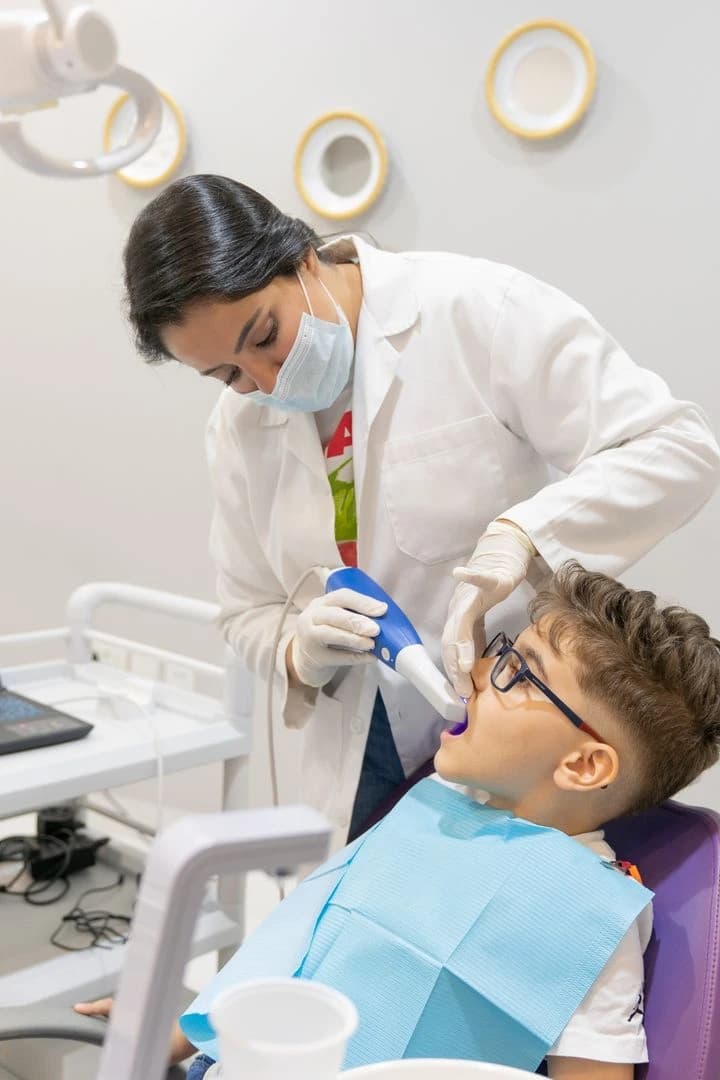
Children’s oral-hygiene and diet guidance helps families build realistic routines that reduce plaque, support healthy gums, strengthen cavity prevention, and protect developing teeth. Advice should be adapted to the child’s age, brushing ability, cavity risk, medical needs, school schedule, diet, fluoride exposure, orthodontic appliances, and previous dental history.
At Bourgeois Dental Clinic in Dubai, guidance is personalised rather than based on a single routine for every child.
Why Is Oral-Hygiene Guidance Important?
Children may miss areas because of limited coordination, crowded teeth, loose baby teeth, braces, discomfort, or lack of supervision.
Effective guidance may help reduce:
- Dental plaque
- Tooth decay
- Gum inflammation
- Unpleasant breath
- Food trapping
- Enamel marks around braces
- New decay around fillings or crowns
- Dental emergencies caused by untreated disease
How Often Should Children Brush?
A regular twice-daily brushing routine is commonly advised, including brushing before sleep. The exact method and level of supervision depend on age and ability.
Children generally need help or supervision until they can clean all tooth surfaces reliably and spit appropriately.
How Much Toothpaste Should a Child Use?
The amount and fluoride concentration should be selected according to age, cavity risk, ability to spit, local guidance, and the dentist’s recommendation.
Parents should supervise toothpaste use and prevent the child from swallowing large amounts.
How Should Parents Help With Brushing?
- Choose a suitable toothbrush for the child’s age and mouth size
- Use gentle circular or short controlled movements
- Brush the front, back, and chewing surfaces
- Clean carefully along the gumline
- Pay attention to back molars
- Brush around fillings, crowns, and orthodontic appliances
- Use good lighting and a consistent position
- Replace worn toothbrushes
When Should Children Start Cleaning Between Their Teeth?
Cleaning between teeth becomes important when neighbouring teeth touch and a toothbrush cannot clean the contact area adequately.
Depending on age and spacing, the dentist may recommend:
- Dental floss
- Floss holders
- Interdental brushes
- Other child-appropriate tools
Young children usually require adult assistance.
Why Does Sugar Frequency Matter?
Every exposure to fermentable carbohydrates may allow plaque bacteria to produce acids. Frequent snacks and drinks can create repeated acid attacks even when the total amount seems small.
Reducing frequency may be more practical than focusing only on occasional treats.
Which Eating Habits Increase Cavity Risk?
- Frequent sugary snacks
- Sipping sweet drinks over long periods
- Sweetened milk or drinks at bedtime
- Sticky foods that remain on teeth
- Frequent grazing between meals
- Sugary medicines taken repeatedly without preventive planning
- Using sweets as regular rewards
- Drinking juice or flavoured drinks frequently
Medical and nutritional needs vary, so dietary changes should remain appropriate for the child’s overall health.
What Are Better Drink Choices for Teeth?
Plain water between meals is generally a tooth-friendly choice. Milk may also be suitable within an appropriate dietary routine.
Frequent juice, soft drinks, sweetened tea, flavoured milk, sports drinks, and other sweet or acidic beverages may increase decay or erosion risk.
What School Snacks Are More Tooth Friendly?
Options depend on allergies, medical needs, school policy, and the child’s nutrition plan. Practical choices may include:
- Water
- Plain dairy products when suitable
- Fresh vegetables
- Whole fruit as part of a meal or planned snack
- Unsweetened foods
- Foods that are not repeatedly sticky on the teeth
The goal is not to label every food as good or bad but to reduce frequent sugar exposure and build a balanced routine.
Does Fruit Cause Cavities?
Whole fruit can be part of a balanced diet. Cavity risk depends on frequency, form, stickiness, acidity, brushing, fluoride, and the child’s overall diet.
Dried fruit and fruit-based snacks may remain on teeth longer, while juice exposes teeth to sugar and acid differently from whole fruit.
How Should Teeth Be Cared For With Braces?
Brackets and wires create additional plaque-retentive areas. Children with braces may need:
- Careful brushing around every bracket
- Cleaning beneath the wire
- Interdental brushes or flossing aids
- Fluoride support when appropriate
- Reduced frequency of sugary and acidic foods
- Professional cleaning
- Regular checks for enamel marks and gum inflammation
Visit children’s dental cleaning when professional plaque or deposit removal is indicated.
How Can Families Prevent Early Childhood Cavities?
- Begin cleaning when the first teeth appear
- Use age-appropriate fluoride toothpaste as advised
- Supervise brushing
- Avoid prolonged exposure to sweetened bottles or cups
- Reduce frequent sugary snacks and drinks
- Encourage water between meals
- Attend early dental checkups
- Ask about fluoride treatment and dental sealants when appropriate
What if the Child Refuses to Brush?
Families may try:
- A predictable routine
- Giving the child a limited choice of toothbrush or toothpaste
- Using a timer or song
- Brushing together
- Positive reinforcement
- Keeping explanations simple
- Breaking the task into short stages
- Seeking dental guidance when pain, sensitivity, or developmental needs interfere
Sudden refusal may be caused by tooth pain, ulcers, sensitivity, or gum inflammation and should be assessed when persistent.
Can Mouthwash Replace Brushing?
No. Mouthwash does not mechanically remove plaque and should not replace brushing or cleaning between teeth.
Any mouthwash should be selected according to age, swallowing ability, dental risk, and professional advice.
How Can Bad Breath Be Improved?
Bad breath may be associated with plaque, tongue coating, food trapping, gum inflammation, cavities, dry mouth, mouth breathing, infection, or another medical cause.
Helpful steps may include:
- Improved brushing
- Cleaning between teeth
- Cleaning the tongue gently when appropriate
- Drinking adequate water
- Treating cavities or gum inflammation
- Professional dental cleaning
- Medical assessment when dental causes are not found
How Often Should a Child Have a Dental Review?
The interval depends on cavity risk, gum health, dental development, previous treatment, braces, diet, brushing, and medical needs.
A child with repeated cavities or limited home care may require closer preventive monitoring.
What Are the Limitations of Home Care?
Effective home care reduces risk but cannot guarantee that cavities or gum problems will never occur.
Professional assessment remains important because decay can develop between teeth, beneath restorations, or in areas that appear normal at home.
When Should Parents Arrange a Dental Assessment?
Book a dental examination for:
- Visible cavities or white, brown, or black tooth changes
- Persistent gum bleeding
- Tooth pain or sensitivity
- Difficulty brushing because of pain
- Persistent bad breath
- Food trapping
- Broken fillings or crowns
- Facial or gum swelling
- Dental trauma
- Concerns about eruption or bite development
Children’s Oral-Hygiene and Diet Guidance on Sheikh Zayed Road
Bourgeois Dental Clinic is located on the first floor of Indigo Sky Building, Sheikh Zayed Road, Exit 41, near Al Thanya Street in Dubai. The clinic is accessible from Al Barsha, Umm Al Sheif, Umm Suqeim, Jumeirah, Al Quoz, Barsha Heights, The Greens, Dubai Marina, and nearby communities.
Book a children’s preventive-care consultation for brushing instruction, fluoride guidance, school-snack planning, cavity-risk reduction, braces hygiene, gum care, or support with a child who resists toothbrushing.
Department
Pediatric Dentistry & Children’s Dental Care
FAQ
Frequently Asked Questions
BOOK AN
Appointment
Working Hours
We are here to serve you