


Dental Sealants for Children
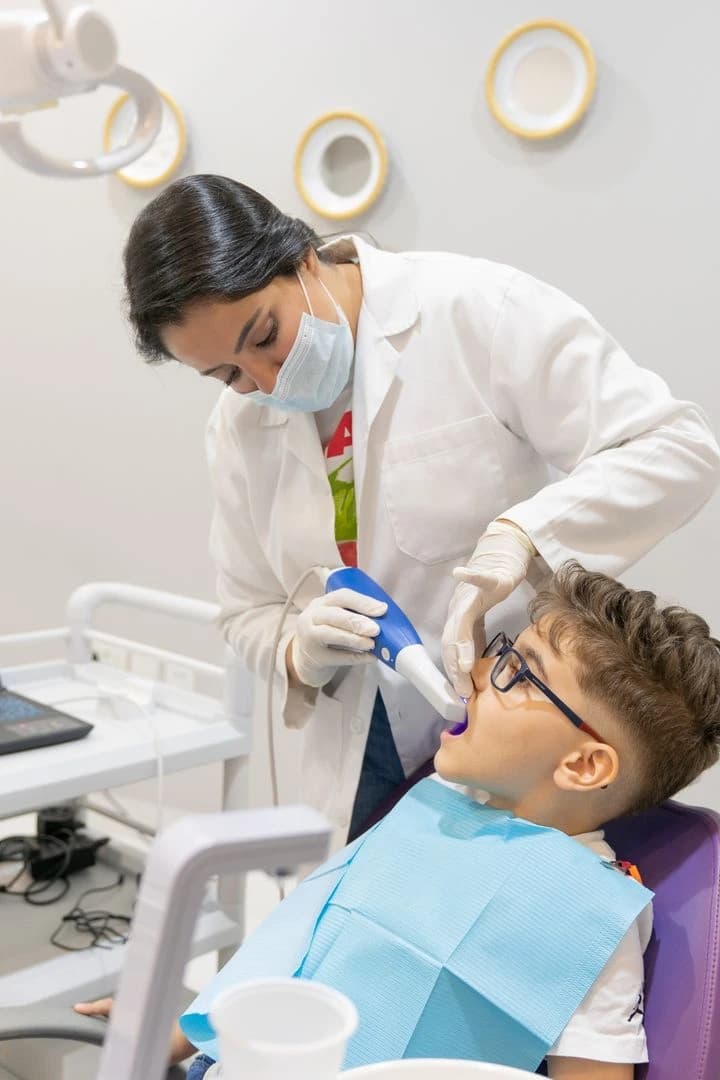
Dental sealants are thin protective coatings placed over suitable grooves and pits in children’s back teeth to make these areas easier to clean and less likely to trap plaque and food. They are mainly used as part of a preventive plan for teeth with deep grooves or an increased risk of decay.
At Bourgeois Dental Clinic in Dubai, sealants are recommended only after examining the tooth surface, eruption stage, enamel condition, cavity risk, moisture control, oral hygiene, and the child’s ability to cooperate.
What Are Dental Sealants?
Molars and premolars may have narrow grooves that are difficult for toothbrush bristles to reach. A sealant flows into selected grooves and hardens to create a smoother protective surface.
Sealants reduce risk but do not make a tooth permanently resistant to decay. Brushing, fluoride, suitable dietary habits, and dental reviews remain necessary.
Which Teeth May Benefit From Sealants?
Sealants may be considered for:
- Newly erupted permanent molars
- Permanent premolars with deep grooves
- Selected baby molars expected to remain for several years
- Teeth with difficult-to-clean pits and fissures
- Children with previous cavities
- Children with increased decay risk
- Teeth that remain healthy but are vulnerable to groove decay
Not every tooth requires a sealant. Smooth or shallow grooves may be kept healthy through brushing and fluoride without additional coating.
When Should Permanent Molars Be Assessed?
Permanent molars should be checked after eruption because their grooves may be vulnerable before the child has developed reliable brushing skills.
A partially erupted tooth may be difficult to isolate from saliva. The dentist may monitor it until placement becomes more predictable or use another preventive approach.
What Happens During Sealant Placement?
- Examination: The tooth is checked for decay, enamel defects, previous restoration, and eruption stage.
- Cleaning: Plaque and debris are removed from the selected grooves.
- Isolation: The tooth is kept as dry as possible.
- Surface preparation: The enamel is prepared according to the selected material.
- Sealant application: The material is placed into the pits and fissures.
- Hardening: The sealant is set according to the product used.
- Bite and coverage check: The dentist confirms that the sealant is secure and does not interfere with the bite.
Does Applying a Dental Sealant Hurt?
Sealant placement is generally non-invasive and usually does not require drilling or local anaesthesia when the tooth is healthy.
Some children may find keeping the mouth open or maintaining a dry tooth difficult. The procedure can be adapted according to age and cooperation.
Can Sealants Be Placed Over Tooth Decay?
A tooth should be assessed carefully before sealing. Some very early, non-cavitated enamel changes may be managed through a preventive sealing approach when clinically appropriate.
A visible cavity, softened tooth structure, pain, or deeper decay may require a filling or another treatment rather than a routine sealant.
How Long Do Dental Sealants Last?
Sealants can remain for several years, but their lifespan varies according to:
- The tooth and groove shape
- The quality of moisture control during placement
- Bite forces
- Grinding or clenching
- Chewing habits
- Material wear
- Dental trauma
- Attendance at follow-up visits
Sealants should be checked periodically and repaired or replaced if worn, chipped, or partly lost.
Can a Sealed Tooth Still Develop a Cavity?
Yes. Decay may develop around a damaged sealant, between teeth, near the gumline, or on another tooth surface.
Daily brushing, suitable fluoride exposure, cleaning between touching teeth, dietary control, and dental checkups remain important.
Are Sealants Better Than Fluoride?
They work in different ways:
- Dental sealants: Protect selected deep grooves by creating a physical barrier.
- Fluoride treatment: Supports enamel strength and remineralisation on exposed tooth surfaces.
Both may be recommended when the child’s individual risk supports their use.
Are Sealants Suitable for Baby Teeth?
They may be considered for selected baby molars with deep grooves, high cavity risk, and sufficient time remaining before natural tooth loss.
The decision depends on the tooth’s condition, eruption, cooperation, and the likelihood that the sealant can be placed and maintained successfully.
Can Children With Braces Have Dental Sealants?
Yes. Sealants may be considered for suitable tooth surfaces before or during orthodontic treatment.
They do not replace careful cleaning around brackets, wires, and gumlines.
What Should Children Do After Sealant Placement?
The child can usually return to normal activities according to the dentist’s instructions. The tooth may feel slightly different at first, but the bite should not remain uncomfortable.
Continue normal brushing, fluoride toothpaste, suitable diet habits, and scheduled dental reviews.
What Are the Risks and Limitations?
- Partial or complete sealant loss
- Wear or chipping over time
- Difficulty achieving a dry surface
- Need for repair or replacement
- Decay developing on unsealed surfaces
- Progression of existing decay that was not detectable initially
- Temporary awareness of the material
- Limited benefit without effective brushing and dietary care
When Should a Sealed Tooth Be Rechecked?
Arrange a dental review if the child develops pain, sensitivity, a visible hole, food trapping, a rough or missing sealant, swelling, or difficulty biting.
Dental Sealants for Children on Sheikh Zayed Road
Bourgeois Dental Clinic is located on the first floor of Indigo Sky Building, Sheikh Zayed Road, Exit 41, near Al Thanya Street in Dubai. The clinic is accessible from Al Barsha, Umm Al Sheif, Umm Suqeim, Jumeirah, Al Quoz, Barsha Heights, The Greens, Dubai Marina, and nearby communities.
Book a dental-sealant assessment for your child to evaluate newly erupted molars, deep grooves, previous cavities, enamel risk, fluoride needs, and an individual cavity-prevention plan.
Department
Pediatric Dentistry & Children’s Dental Care
FAQ
Frequently Asked Questions
BOOK AN
Appointment
Working Hours
We are here to serve you