


Fluoride Treatment for Children
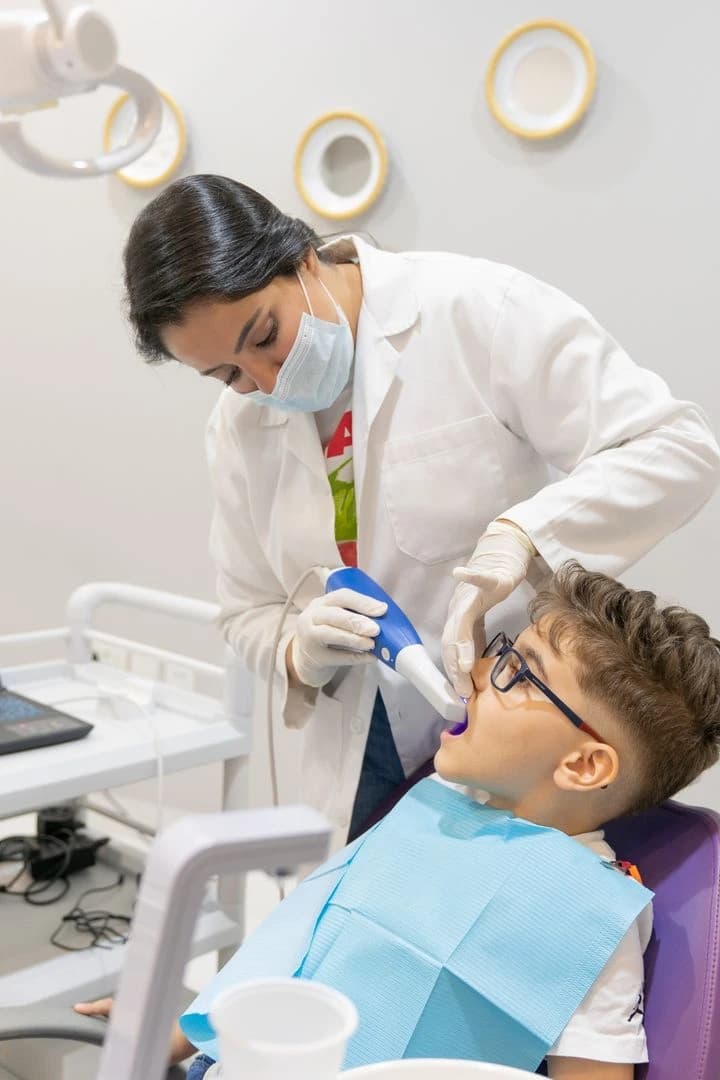
Professional fluoride treatment may help strengthen tooth enamel and reduce the risk or progression of tooth decay in suitable children. It is applied directly to the teeth using a product and technique selected according to the child’s age, cavity risk, oral health, fluoride exposure, and ability to cooperate.
At Bourgeois Dental Clinic in Dubai, fluoride is recommended as part of an individual prevention plan rather than automatically for every child.
What Is Fluoride?
Fluoride is a naturally occurring mineral that can support enamel remineralisation and make teeth more resistant to acid produced by dental plaque.
Fluoride helps reduce decay risk but does not replace brushing, a suitable diet, dental checkups, sealants, or treatment of established cavities.
Which Children May Benefit From Fluoride Treatment?
Professional fluoride may be considered for children with:
- Previous or active tooth decay
- Early enamel changes
- Frequent sugary snacks or drinks
- Visible plaque or limited brushing ability
- Deep grooves in back teeth
- Braces or orthodontic appliances
- Dry mouth caused by medical conditions or medication
- Enamel-development concerns
- Limited exposure to suitable fluoride sources
- A high cavity-risk assessment
What Happens During Fluoride Treatment?
- Dental assessment: The dentist checks the teeth, gums, enamel, visible decay, plaque, and cavity risk.
- Cleaning or drying: The teeth may be cleaned or dried according to the product used.
- Application: Fluoride is placed on selected tooth surfaces using a brush, tray, gel, foam, or varnish technique when appropriate.
- Post-treatment instructions: The parent and child receive guidance about eating, drinking, brushing, and the next review.
The exact steps vary according to the fluoride product and the child’s clinical needs.
Is Fluoride Treatment Painful?
Professional fluoride application is generally non-invasive and does not usually require drilling or local anaesthesia.
Some children may dislike the taste, texture, or sensation. The appointment can be adapted to the child’s age and cooperation.
How Does Fluoride Help Prevent Cavities?
Fluoride may:
- Support remineralisation of weakened enamel
- Increase enamel resistance to acid
- Slow selected early decay processes
- Support prevention around braces
- Reduce risk in children with previous cavities
Fluoride cannot rebuild a large cavity or treat a dental abscess.
Can Fluoride Reverse Early Tooth Decay?
Selected early enamel lesions that have not formed a cavity may improve or become more stable with fluoride, plaque control, dietary changes, and monitoring.
Once tooth structure has broken down into a cavity, a filling or another restorative treatment may be required.
How Often Is Professional Fluoride Needed?
The interval depends on:
- The child’s cavity risk
- Previous decay
- Enamel condition
- Diet and snack frequency
- Brushing and plaque levels
- Fluoride exposure at home
- Orthodontic treatment
- Medical conditions or medication
Some children may need periodic application, while others may not require professional fluoride at every visit.
Is Fluoride Safe for Children?
Fluoride products should be selected and applied according to the child’s age, risk, medical history, and ability to follow instructions.
Parents should prevent children from swallowing toothpaste or fluoride products and follow the recommended amount and supervision guidance.
Can Young Children Receive Fluoride Varnish?
Fluoride varnish may be considered for selected young children because only a small amount is applied directly to the teeth.
Suitability depends on the child’s age, oral health, allergy history, cavity risk, and clinical assessment.
Does Fluoride Cause Tooth Discolouration?
Professional topical fluoride used appropriately does not normally change the natural colour of erupted teeth.
Dental fluorosis develops while permanent teeth are forming and is associated with excessive ingestion of fluoride over time, not with a single professionally applied treatment.
Can Children With Braces Have Fluoride Treatment?
Yes. Brackets and wires can make plaque control more difficult and increase the risk of enamel demineralisation around appliances.
Fluoride may be part of prevention, together with careful brushing, interdental cleaning, dietary control, and professional monitoring.
Is Fluoride Enough Without Brushing?
No. Fluoride works best as part of a complete prevention routine that includes:
- Twice-daily brushing according to age and ability
- Suitable fluoride toothpaste
- Parental supervision where needed
- Cleaning between touching teeth
- Limiting frequent sugary foods and drinks
- Regular dental checkups
- Professional cleaning when indicated
- Sealants for suitable teeth
Can Fluoride Be Used With Dental Sealants?
Yes. Fluoride protects exposed enamel surfaces, while dental sealants may protect selected deep grooves in back teeth.
The two preventive methods may be used together when clinically appropriate.
What Happens if a Child Already Has a Cavity?
The dentist assesses the cavity’s depth, symptoms, tooth type, remaining structure, and infection risk.
A tooth-coloured filling, pulp treatment, crown, extraction, or another option may be required. Fluoride alone is not sufficient for every cavity.
What Should Parents Do After Treatment?
Follow the instructions provided for the specific product. These may include temporary guidance about eating, drinking, brushing, or avoiding certain foods.
Continue the child’s normal preventive routine once advised.
What Are the Risks and Limitations?
- Temporary taste or texture concerns
- Difficulty cooperating with application
- Temporary surface appearance depending on the product
- Rare sensitivity to an ingredient
- Incomplete benefit without effective home care
- Progression of decay despite prevention in high-risk children
- Need for fillings or other treatment when cavities are established
- Risk from swallowing excessive fluoride products at home
When Is Dental Assessment Needed Instead of Fluoride Alone?
Arrange a dental examination when the child has tooth pain, visible holes, swelling, pus, broken teeth, sensitivity that persists, difficulty eating, facial swelling, or fever associated with dental symptoms.
Children’s Fluoride Treatment on Sheikh Zayed Road
Bourgeois Dental Clinic is located on the first floor of Indigo Sky Building, Sheikh Zayed Road, Exit 41, near Al Thanya Street in Dubai. The clinic is accessible from Al Barsha, Umm Al Sheif, Umm Suqeim, Jumeirah, Al Quoz, Barsha Heights, The Greens, Dubai Marina, and nearby communities.
Book a fluoride assessment for your child to discuss cavity prevention, early enamel changes, braces protection, previous decay, brushing, diet, and an individual preventive-care plan.
Department
Pediatric Dentistry & Children’s Dental Care
FAQ
Frequently Asked Questions
BOOK AN
Appointment
Working Hours
We are here to serve you