


Dental Recall and Maintenance Visits
- 1Specialist
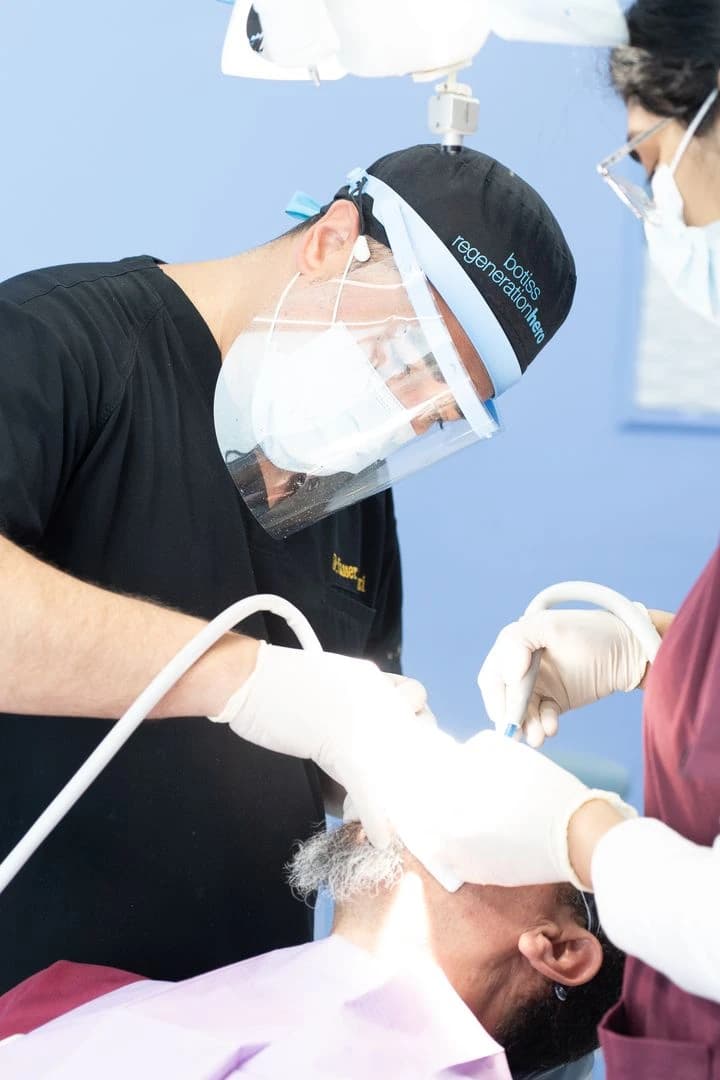
Dental recall and maintenance visits are planned follow-up appointments used to monitor changes in the teeth, gums, restorations, implants, dentures, bite, and oral tissues over time. They allow the preventive plan to be adjusted as cavity risk, gum health, medical conditions, medication, diet, oral hygiene, and dental work change.
At Bourgeois Dental Clinic in Dubai, the recall interval is personalised rather than based on one fixed schedule for every patient. Patients with repeated cavities, periodontal disease, implants, braces, extensive restorations, dry mouth, smoking, or limited cleaning access may require closer monitoring.
What Is a Dental Recall Visit?
A recall visit is a planned review after a previous examination, cleaning, or course of dental treatment.
It may include:
- Updating the medical and dental history
- Examining teeth and restorations
- Reviewing gum health
- Checking dental implants
- Assessing dentures or removable appliances
- Monitoring tooth wear and bite changes
- Reviewing plaque control
- Professional cleaning when indicated
- Fluoride or other preventive support
- Planning future maintenance
Who May Need Regular Maintenance Visits?
Recall care is relevant to most patients and may be especially important for those who:
- Have a history of repeated cavities
- Have gingivitis or periodontitis
- Have dental implants
- Wear braces or clear aligners
- Have crowns, bridges, veneers, or extensive fillings
- Wear complete or partial dentures
- Have dry mouth
- Smoke or use tobacco
- Have medical conditions that affect oral health
- Have difficulty maintaining home care
- Have completed full-mouth rehabilitation
- Have a history of dental emergencies
What Happens During the Visit?
- History update: Reviewing new symptoms, medical conditions, medication, allergies, smoking, pregnancy where relevant, and treatment completed elsewhere.
- Teeth examination: Checking decay, cracks, wear, sensitivity, fillings, crowns, bridges, and missing teeth.
- Gum assessment: Evaluating plaque, calculus, bleeding, recession, inflammation, mobility, and periodontal risk.
- Implant and restoration review: Checking stability, cleaning access, components, margins, food trapping, and bite forces.
- Denture or appliance review: Assessing fit, wear, damage, cleanliness, and oral tissues.
- Oral-tissue examination: Inspecting visible areas of the tongue, cheeks, lips, palate, and floor of the mouth.
- Imaging when indicated: Dental X-rays may be recommended when clinically justified.
- Professional cleaning: Removing plaque, calculus, or selected stains according to need.
- Prevention review: Updating brushing, interdental cleaning, fluoride, diet, and follow-up recommendations.
How Is the Recall Interval Decided?
The interval may be influenced by:
- Current cavity risk
- Previous dental disease
- Gum and bone health
- Plaque and calculus levels
- Dental implants
- Braces or aligners
- Restoration complexity
- Dry mouth
- Smoking
- Medical conditions and medication
- Dietary habits
- Home-care effectiveness
- Ability to attend appointments
The recommended interval may become shorter or longer as the patient’s risk changes.
Does Every Patient Need a Six-Month Checkup?
No single interval is suitable for everyone. Some patients may be appropriate for six-month reviews, while higher-risk patients may require closer monitoring and consistently low-risk patients may be suitable for a different interval.
The schedule should be based on clinical assessment rather than a universal rule.
Does a Recall Visit Include Teeth Cleaning?
Professional cleaning may be included when clinically indicated, but not every recall visit requires the same procedure.
Cleaning needs depend on:
- Plaque and calculus accumulation
- Gum health
- Periodontal history
- Implants
- Braces
- Restorations
- Smoking
- Home care
Visit professional teeth cleaning for more information.
Are Dental X-Rays Taken at Every Recall?
No. Imaging should be recommended only when it is expected to provide diagnostic benefit.
The decision may depend on:
- Cavity risk
- Symptoms
- Existing restorations
- Gum and bone concerns
- Implants
- Root or infection concerns
- Previous imaging
- Current treatment needs
What Is Checked Around Dental Implants?
The visit may assess:
- Plaque and calculus
- Gum bleeding and swelling
- Cleaning access
- Implant-crown or bridge stability
- Screws and attachment components
- Food trapping
- Bite forces
- Bone support when imaging is justified
Visit preventive care for implants and restorations for detailed maintenance guidance.
How Are Crowns, Bridges, and Fillings Monitored?
The dentist may review:
- Marginal fit
- Decay around supporting teeth
- Fracture or chipping
- Looseness
- Wear
- Food trapping
- Gum inflammation
- Cleaning access
- Bite contacts
Not every old restoration needs replacement. Monitoring, cleaning, adjustment, repair, recementation, or replacement may be discussed according to the findings.
How Are Dentures Reviewed?
Denture maintenance may include:
- Fit and stability
- Pressure areas
- Cracks or wear
- Clasp condition
- Attachment components
- Cleanliness
- Remaining teeth
- Oral-tissue changes
- Need for adjustment, repair, relining, or replacement
Can Recall Visits Detect Cavities Before Pain Develops?
Yes. Early cavities may cause no symptoms and may be identified through examination or imaging when indicated.
Early detection may allow:
- Preventive monitoring
- Fluoride support
- Dietary changes
- Sealants on suitable surfaces
- Smaller restorative treatment when a filling is required
Can Gum Disease Progress Between Visits?
Yes. Gum disease may progress with limited pain. Bleeding, recession, mobility, bad breath, and inflammation around implants should not be ignored.
Patients with established periodontal disease commonly require closer maintenance and detailed gum measurements.
What If My Dental Risk Changes?
The preventive plan may be updated after:
- Starting new medication
- Developing dry mouth
- Starting orthodontic treatment
- Receiving implants or extensive restorations
- Changing diet or work routine
- Developing a medical condition
- Stopping or starting smoking
- Improving or struggling with oral hygiene
- Experiencing new cavities or gum disease
How Should I Prepare for a Recall Visit?
- Bring an updated medication list when relevant
- Report medical changes
- Mention new pain, bleeding, sensitivity, or swelling
- Bring dentures, retainers, night guards, or sports mouthguards
- Explain any cleaning difficulties
- Report loose restorations or food trapping
- Ask about changes in fluoride or hygiene products
What Are the Benefits of Consistent Maintenance?
Regular reviews may help:
- Identify disease earlier
- Monitor dental work
- Maintain gum health
- Improve home-care methods
- Reduce plaque and calculus
- Update fluoride and dietary advice
- Detect appliance wear or poor fit
- Plan treatment before symptoms become severe
Maintenance reduces risk but does not guarantee that dental disease or restoration problems will never occur.
What Are the Limitations?
- Problems may still develop between appointments
- Some conditions require imaging or specialist assessment
- Professional cleaning cannot replace daily home care
- Recall visits cannot prevent every fracture or infection
- Risk changes with health, medication, habits, and age
- Dental work may still require repair or replacement
- Attendance alone is not effective without recommended treatment and home care
When Should I Not Wait for the Next Recall?
Arrange prompt care for severe or persistent tooth pain, facial or gum swelling, pus, dental trauma, uncontrolled bleeding, a loose tooth, a broken denture, or a loose crown, bridge, implant component, or orthodontic appliance.
Difficulty breathing or swallowing, rapidly spreading facial or neck swelling, swelling around the eye, severe weakness, confusion, or significant deterioration requires urgent medical care.
Dental Recall and Maintenance on Sheikh Zayed Road
Bourgeois Dental Clinic is located on the first floor of Indigo Sky Building, Sheikh Zayed Road, Exit 41, near Al Thanya Street in Dubai. The clinic is accessible from Al Barsha, Umm Al Sheif, Umm Suqeim, Jumeirah, Al Quoz, Barsha Heights, The Greens, Dubai Marina, and nearby communities.
Book a dental recall and maintenance visit to monitor teeth, gums, restorations, implants, dentures, oral tissues, plaque, cavities, bite, and changing preventive-care needs.
Department
Preventive Dentistry & Oral Hygiene
Related Doctors

FAQ
Frequently Asked Questions
BOOK AN
Appointment
Working Hours
We are here to serve you