


Emergency Dental Care for Children
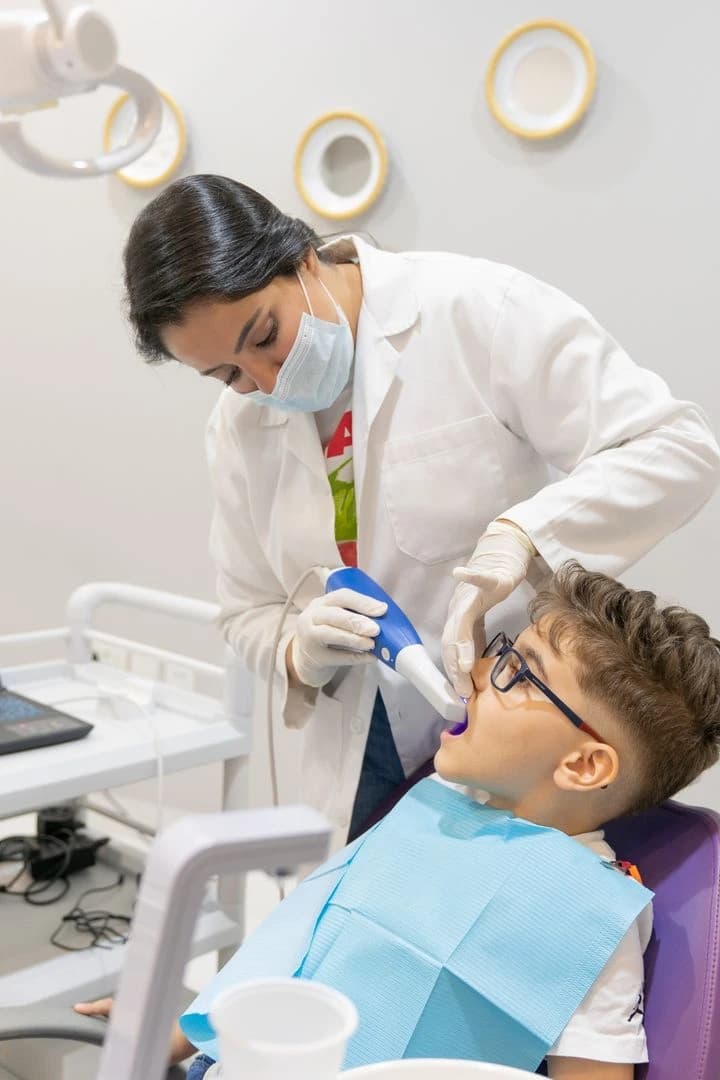
Emergency dental care for children evaluates sudden pain, swelling, infection, dental trauma, bleeding, broken teeth, and other urgent oral problems. Prompt assessment can help identify the source of the problem, relieve symptoms, control infection, protect injured teeth, and determine whether definitive treatment or referral is required.
At Bourgeois Dental Clinic in Dubai, emergency care is planned according to the child’s age, symptoms, medical history, type of tooth, dental development, time since the problem began, and ability to cooperate safely.
What Is a Children’s Dental Emergency?
Urgent dental assessment may be needed for:
- Severe or persistent toothache
- Facial or gum swelling
- Dental abscess or pus
- A broken, chipped, or cracked tooth
- A loose or displaced tooth after trauma
- A tooth pushed into the gum
- A knocked-out permanent tooth
- Uncontrolled oral bleeding
- A lost filling or crown associated with pain
- Difficulty eating or sleeping because of dental symptoms
- An object trapped between teeth that cannot be removed gently
- Injury to the lips, tongue, cheeks, or gums
When Does a Child Need Urgent Medical Care?
Seek urgent medical care rather than waiting for a routine dental appointment when the child has:
- Difficulty breathing
- Difficulty swallowing or inability to swallow saliva
- Rapidly spreading facial or neck swelling
- Swelling around the eye
- Loss of consciousness
- Confusion or unusual behaviour
- Repeated vomiting after a head or facial injury
- Suspected jaw or neck injury
- Uncontrolled heavy bleeding
- Severe weakness, collapse, or significant deterioration
- A serious allergic reaction
What Should Parents Do for Severe Toothache?
- Contact the dental clinic promptly
- Help the child clean the area gently
- Remove trapped food carefully when possible
- Avoid placing aspirin or household substances directly on the tooth or gum
- Use pain medicine only according to appropriate medical or dental guidance
- Avoid very hot, cold, hard, or sugary foods if they worsen symptoms
Toothache may be caused by decay, pulp inflammation, infection, a fracture, food trapping, eruption, or gum problems. Pain relief does not replace dental diagnosis and treatment.
What if the Child Has Facial or Gum Swelling?
Swelling may indicate infection, trauma, an erupting tooth, or another oral condition. The dentist may assess the tooth, gums, face, lymph nodes, temperature, pain, and ability to open the mouth.
Treatment may involve:
- Drainage when clinically appropriate
- Dental treatment of the affected tooth
- Pulp treatment
- Extraction
- Cleaning of the affected area
- Medication when medically and clinically indicated
- Referral for hospital or specialist care when required
Antibiotics are not automatically required and do not replace treatment of the source of infection.
What Should You Do if a Permanent Tooth Is Knocked Out?
A knocked-out permanent tooth requires immediate dental attention. Hold the tooth by the crown rather than the root, avoid scrubbing it, prevent it from drying, and obtain urgent professional instructions.
A knocked-out baby tooth should generally not be placed back into the socket because this may damage the developing permanent tooth. Prompt assessment is still required.
What if a Tooth Is Broken or Chipped?
Find and keep any tooth fragment when it can be located safely. Rinse the child’s mouth gently and arrange an assessment.
Treatment depends on fracture depth and may include:
- Smoothing a sharp edge
- Protecting exposed tooth structure
- Tooth-coloured bonding or filling
- Reattaching a suitable fragment
- Pulp treatment
- A crown
- Extraction when the tooth cannot be maintained
Visit children’s dental-trauma treatment for a complete assessment of injured baby or permanent teeth.
What if a Tooth Is Loose or Displaced After an Accident?
Do not repeatedly move the tooth or ask the child to push it back into position. A displaced tooth may also have root, bone, gum, or pulp damage.
Management may involve monitoring, repositioning, temporary splinting, pulp monitoring, restorative care, or extraction in selected baby-tooth injuries.
What if a Filling or Crown Falls Out?
A lost filling or crown may expose sensitive tooth structure or allow further damage.
- Keep the restoration when possible
- Do not use household glue
- Avoid chewing hard foods on the affected side
- Contact the clinic promptly
- Bring the lost crown or filling to the appointment
Replacement, repair, pulp assessment, or another treatment may be required.
What Happens During an Emergency Dental Visit?
- Urgency assessment: Checking breathing, swelling, bleeding, trauma, pain severity, and general condition.
- Medical and dental history: Reviewing allergies, medication, medical conditions, recent illness, and previous dental treatment.
- Clinical examination: Assessing teeth, gums, bite, soft tissues, swelling, fractures, and infection.
- Imaging when indicated: Dental X-rays may be recommended to evaluate decay, roots, infection, fractures, or developing teeth.
- Immediate care: Managing pain, bleeding, sharp edges, swelling, dental trauma, or infection where possible.
- Definitive plan: Discussing filling, pulp treatment, crown, extraction, trauma follow-up, space maintenance, or referral.
Can Emergency Treatment Be Completed in One Visit?
Sometimes. The clinic may complete definitive treatment when the diagnosis, cooperation, time, and clinical conditions allow it.
In other cases, the first visit may focus on diagnosis, pain control, infection management, temporary protection, or planning a follow-up procedure.
What if the Child Is Very Anxious?
The dentist may use age-appropriate explanations, gradual familiarisation, positive reinforcement, shorter stages, or another suitable behaviour-support approach.
Laughing-gas sedation may be considered for selected children after medical and clinical assessment, but it is not appropriate for every child or emergency.
Are Antibiotics Always Prescribed?
No. Antibiotics are not routinely required for every toothache, cavity, broken tooth, or localised dental problem.
They may be considered when infection is spreading, the child has systemic symptoms, or another medical indication exists. Definitive treatment of the affected tooth may still be required.
How Can Dental Emergencies Be Reduced?
- Attend regular dental checkups
- Treat cavities before pain or infection develops
- Supervise age-appropriate brushing
- Limit frequent sugary foods and drinks
- Use suitable sports protection when recommended
- Avoid chewing ice, hard objects, and pens
- Report loose crowns, fillings, or appliances early
- Seek assessment after dental trauma even when symptoms appear mild
What Are the Risks of Delaying Emergency Dental Care?
- Increasing pain
- Spread of infection
- Facial swelling
- Difficulty eating, drinking, or sleeping
- Loss of tooth structure
- Need for more extensive treatment
- Premature loss of a baby tooth
- Effects on the developing permanent tooth
- Dental-arch space loss
- Medical complications from a spreading infection
Emergency Dental Care for Children on Sheikh Zayed Road
Bourgeois Dental Clinic is located on the first floor of Indigo Sky Building, Sheikh Zayed Road, Exit 41, near Al Thanya Street in Dubai. The clinic is accessible from Al Barsha, Umm Al Sheif, Umm Suqeim, Jumeirah, Al Quoz, Barsha Heights, The Greens, Dubai Marina, and nearby communities.
Contact Bourgeois Dental Clinic for a children’s emergency dental assessment for severe pain, swelling, infection, broken teeth, dental trauma, bleeding, a lost restoration, or difficulty eating because of dental symptoms.
Department
Pediatric Dentistry & Children’s Dental Care
FAQ
Frequently Asked Questions
BOOK AN
Appointment
Working Hours
We are here to serve you