


Routine Dental Checkup
- 1Specialist
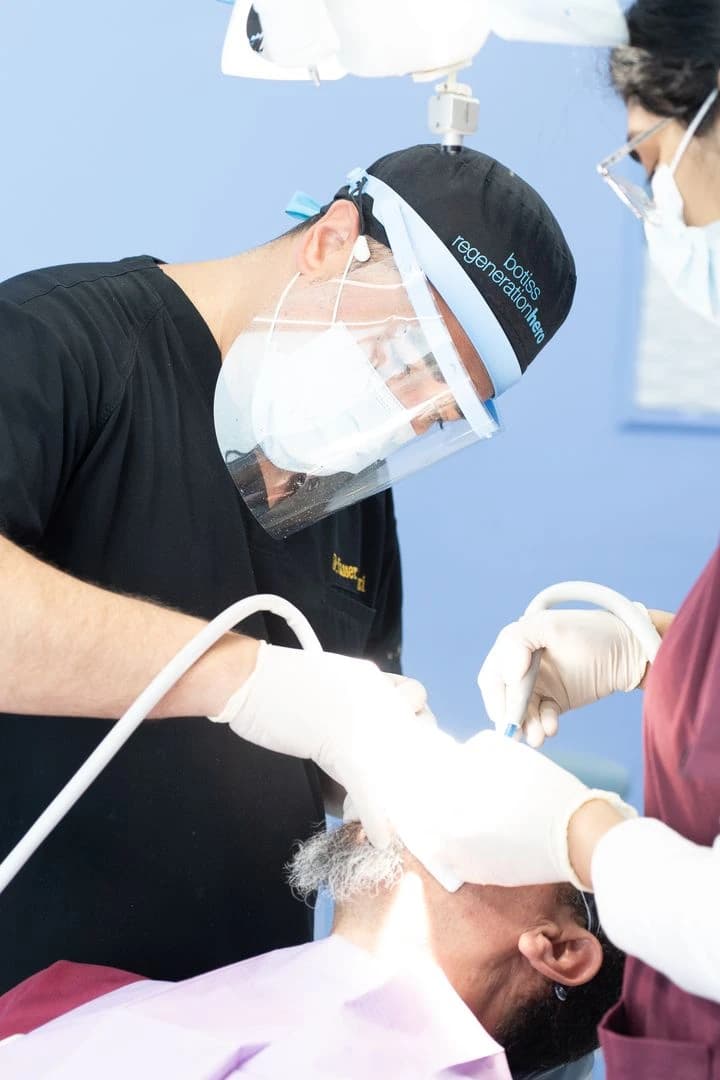
A routine dental checkup evaluates the teeth, gums, bite, oral tissues, and existing dental work to identify early changes before they become painful or require more extensive treatment. The examination may detect cavities, gum inflammation, tooth wear, cracks, loose restorations, dental infections, and problems around implants or dentures.
At Bourgeois Dental Clinic in Dubai, the checkup interval and examination are personalised according to previous dental disease, gum health, restorations, medical history, symptoms, smoking, dry mouth, diet, oral-hygiene ability, and individual risk.
What Is Checked During a Routine Dental Examination?
The dentist may assess:
- Visible tooth decay
- Cracks, fractures, and tooth wear
- Tooth sensitivity
- Fillings and bonded restorations
- Crowns and dental bridges
- Dental implants and surrounding tissues
- Missing teeth and tooth movement
- Gum bleeding, inflammation, and recession
- Plaque and calculus
- Changes in the bite
- Jaw movement and selected muscle or joint symptoms
- Tongue, cheeks, lips, palate, and other oral tissues
- Denture fit, wear, and cleanliness
Who Should Have Routine Dental Checkups?
Routine examinations are relevant to patients who:
- Have natural teeth
- Wear complete or partial dentures
- Have dental implants
- Have crowns, bridges, veneers, or extensive fillings
- Wear braces or clear aligners
- Have a history of tooth decay or gum disease
- Experience dry mouth
- Smoke or use tobacco
- Have medical conditions that may affect oral health
- Have completed major restorative or implant treatment
What Happens During the Appointment?
- History update: Reviewing new symptoms, medical changes, medication, allergies, pregnancy where relevant, and recent dental treatment.
- Dental examination: Checking each tooth, existing restorations, missing areas, sensitivity, fractures, and wear.
- Gum assessment: Reviewing plaque, calculus, bleeding, recession, inflammation, mobility, and periodontal risk.
- Oral-tissue examination: Inspecting the tongue, lips, cheeks, palate, floor of the mouth, and other visible tissues.
- Bite assessment: Evaluating tooth contacts, movement, wear, grinding signs, and changes in chewing.
- Imaging when indicated: Dental X-rays may be recommended when expected to provide useful diagnostic information.
- Discussion: Explaining findings, preventive recommendations, treatment priorities, alternatives, and follow-up timing.
Can a Checkup Detect Cavities Before They Hurt?
Yes. Early cavities may cause no pain and may not be visible to the patient.
The dentist may identify:
- Early enamel changes
- Cavities in visible grooves or surfaces
- Decay around fillings or crowns
- Possible decay between teeth
- Areas requiring monitoring
Some cavities between teeth or beneath restorations may require dental imaging for diagnosis.
How Are Fillings, Crowns, and Bridges Checked?
The examination may assess:
- Marginal gaps
- Fracture or chipping
- Wear
- Looseness
- Food trapping
- Decay around supporting teeth
- Gum inflammation
- Bite contacts
- Cleaning access
Not every old restoration requires replacement. Monitoring, cleaning, adjustment, repair, recementation, or replacement may be discussed according to the findings.
How Are Dental Implants Checked?
Implant maintenance may include assessment of:
- Gum bleeding or inflammation
- Plaque and calculus
- Cleaning access
- Implant-crown or bridge stability
- Screw or attachment concerns
- Bite forces
- Bone support when imaging is justified
Implants cannot develop tooth decay, but the tissues and bone around them can become inflamed or lose support.
Are the Gums Examined at Every Checkup?
Gum assessment is an important part of routine dental care. The dentist may check for bleeding, plaque, calculus, recession, periodontal pockets, tooth mobility, and inflammation around implants.
Patients with signs of gum disease may require a separate gum-disease screening or periodontal treatment plan.
Are Dental X-Rays Taken at Every Visit?
No. Imaging frequency should be based on individual need rather than taken automatically at every appointment.
The decision may consider:
- Cavity risk
- Symptoms
- Existing restorations
- Gum and bone condition
- Impacted teeth
- Root or infection concerns
- Implant monitoring
- Previous imaging and current treatment needs
Does a Routine Checkup Include Cleaning?
A checkup and cleaning are related but separate parts of preventive care. Professional teeth cleaning may be completed during the same appointment or scheduled separately.
The appropriate cleaning depends on plaque, calculus, gum inflammation, periodontal history, implants, braces, and available appointment time.
How Often Should a Checkup Be Scheduled?
The interval varies according to individual risk. Patients with repeated cavities, gum disease, implants, extensive restorations, dry mouth, smoking, braces, or limited home care may need more frequent review.
Patients with stable oral health and consistently low risk may be suitable for a different interval. The schedule should be reviewed as risk changes.
Can a Dental Checkup Find Oral-Tissue Changes?
The dentist examines visible oral tissues and may identify ulcers, irritation, infections, colour changes, swellings, or other abnormalities that require monitoring or further assessment.
A mouth ulcer, lump, red or white patch, or unexplained change that persists should be assessed and may require referral or additional investigation.
What Should I Tell the Dentist?
Inform the dental team about:
- New pain or sensitivity
- Bleeding gums
- Loose teeth or restorations
- Jaw discomfort or locking
- Dry mouth
- Bad breath
- Changes in medication or medical conditions
- Pregnancy when relevant
- Allergies
- Grinding or clenching
- Difficulty chewing or swallowing
- Recent dental or facial injury
What Happens if a Problem Is Found?
The dentist may recommend:
- Monitoring
- Improved home care
- Professional cleaning
- Fluoride treatment
- Dental sealants
- A filling or restoration repair
- Gum treatment
- Root canal treatment
- Replacement of a failing restoration
- Additional imaging
- Referral when required
The benefits, limitations, urgency, and alternatives should be discussed before treatment.
What Are the Limitations of a Routine Checkup?
A dental checkup reduces the risk of undetected disease but cannot guarantee that every condition will be diagnosed at the earliest possible stage.
Some problems may develop between appointments or require imaging, follow-up, laboratory tests, specialist evaluation, or changes over time before a clear diagnosis is possible.
When Should I Not Wait for a Routine Appointment?
Arrange prompt dental care for:
- Severe or persistent tooth pain
- Facial or gum swelling
- Pus or a dental abscess
- A broken, displaced, or knocked-out tooth
- Uncontrolled bleeding
- A loose crown, bridge, implant component, or denture
- Dental trauma
- Difficulty eating because of pain
Difficulty breathing or swallowing, rapidly spreading facial or neck swelling, swelling around the eye, uncontrolled heavy bleeding, severe weakness, or significant deterioration requires urgent medical care.
Routine Dental Checkups on Sheikh Zayed Road
Bourgeois Dental Clinic is located on the first floor of Indigo Sky Building, Sheikh Zayed Road, Exit 41, near Al Thanya Street in Dubai. The clinic is accessible from Al Barsha, Umm Al Sheif, Umm Suqeim, Jumeirah, Al Quoz, Barsha Heights, The Greens, Dubai Marina, and nearby communities.
Book a routine dental checkup to assess your teeth, gums, restorations, implants, bite, oral tissues, and personalised preventive-care requirements.
Department
Preventive Dentistry & Oral Hygiene
Related Doctors

FAQ
Frequently Asked Questions
BOOK AN
Appointment
Working Hours
We are here to serve you