


Space Maintainers for Children
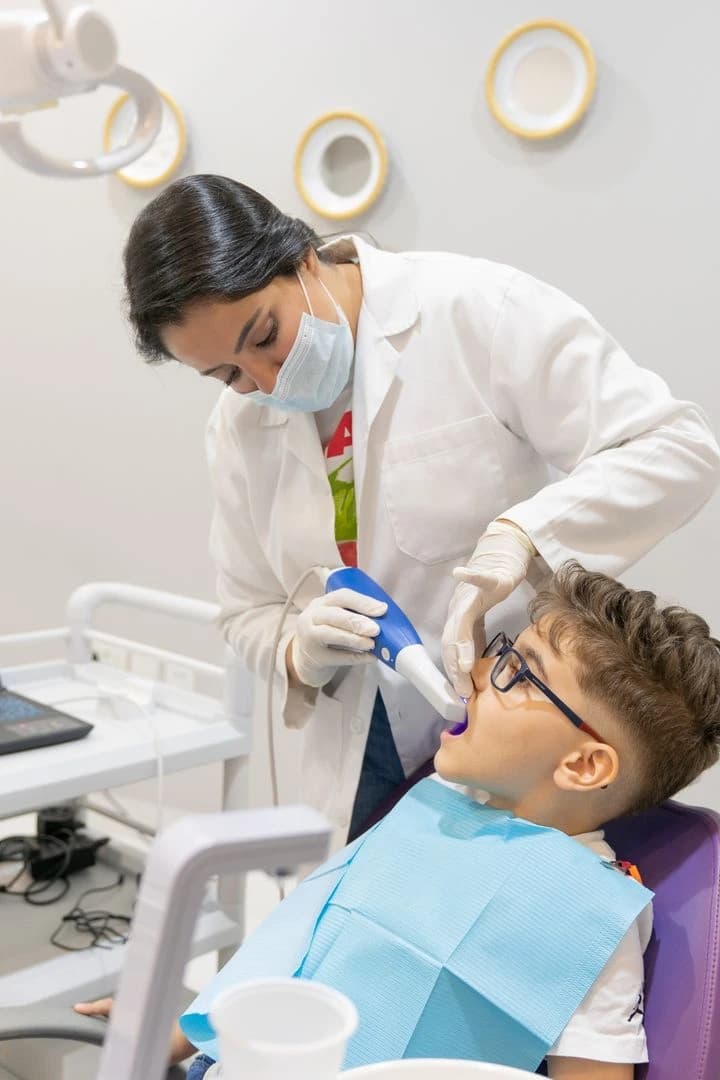
A space maintainer is a fixed or removable dental appliance used in selected children after a baby tooth is lost earlier than expected. Its purpose is to reduce unwanted movement of neighbouring teeth and preserve suitable room for the developing permanent tooth.
At Bourgeois Dental Clinic in Dubai, a space maintainer is recommended only after evaluating which tooth was lost, the child’s age, dental development, available space, crowding, bite, permanent-tooth position, oral hygiene, and expected eruption timing.
Why Is Space Important After Losing a Baby Tooth?
Baby teeth help guide permanent teeth and support the shape of the dental arch. When a baby tooth is lost prematurely, neighbouring teeth may tilt, drift, or rotate into the available space.
This movement may contribute to:
- Reduced space for the permanent tooth
- Crowding
- Delayed or displaced eruption
- Changes in the bite
- Food trapping
- Difficulty cleaning
- Need for more complex orthodontic treatment later
Not every early tooth loss causes these problems, so individual assessment is necessary.
When Might a Child Need a Space Maintainer?
A space maintainer may be considered after premature tooth loss caused by:
- Severe tooth decay
- Baby-tooth extraction
- Dental infection
- Dental trauma
- A fractured baby tooth
- A missing baby tooth
- Failure of a filling, crown, or pulp treatment
- Another developmental or clinical concern
Does Every Extracted Baby Tooth Need a Space Maintainer?
No. A space maintainer may not be necessary when:
- The permanent tooth is expected to erupt soon
- The lost tooth does not usually create a significant space problem
- There is already insufficient space or significant crowding requiring another plan
- The neighbouring teeth are stable
- The permanent tooth position makes space loss less likely
- The child’s bite or dental development indicates a different approach
- Oral hygiene or cooperation makes the appliance difficult to maintain safely
The decision should be based on examination and, when indicated, dental imaging.
What Types of Space Maintainers Are Available?
Fixed Space Maintainers
Fixed appliances are attached to selected teeth and remain in place until removal is recommended. They may be used for one missing tooth or several missing teeth depending on the treatment plan.
Removable Space Maintainers
Removable appliances can be taken out for cleaning. They require reliable wear, safe storage, and cooperation from the child and family.
The most suitable design depends on the missing tooth, remaining teeth, bite, eruption stage, and oral hygiene.
What Happens During the Assessment?
- Dental examination: Checking the missing-tooth area, neighbouring teeth, gums, bite, and available space.
- Eruption review: Assessing the development and expected timing of the permanent tooth.
- Space analysis: Evaluating crowding, drifting, arch shape, and tooth positions.
- Imaging when indicated: Dental X-rays may help assess the developing permanent tooth and remaining roots.
- Oral-hygiene assessment: Determining whether the appliance can be maintained safely.
- Treatment planning: Discussing appliance type, monitoring, alternatives, risks, and removal timing.
How Is a Fixed Space Maintainer Made?
- The child’s teeth and gums are examined.
- A digital scan or dental impression may be taken.
- The appliance is designed for the selected teeth and space.
- Fit, bite, and gum contact are checked.
- The appliance is secured to the supporting tooth or teeth.
- Cleaning and food instructions are explained.
- Follow-up visits are scheduled to monitor eruption and appliance condition.
Does Placing a Space Maintainer Hurt?
Fitting the appliance is usually well tolerated, although the child may initially notice pressure, tightness, increased saliva, or a change in speech.
Persistent pain, gum injury, difficulty chewing, or an appliance that feels loose requires review.
How Long Does a Child Wear a Space Maintainer?
The appliance is generally monitored until:
- The permanent tooth begins erupting into the space
- The appliance is no longer required
- Dental development changes the treatment plan
- The appliance becomes loose, damaged, or unsuitable
- Another orthodontic treatment begins
Wearing time varies between children and cannot be predicted from age alone.
How Is a Space Maintainer Cleaned?
- Brush carefully around the supporting teeth and appliance
- Clean along the gumline
- Use suitable interdental tools when recommended
- Remove trapped food after meals
- Limit frequent sugary snacks and drinks
- Attend professional cleaning and reviews when advised
Plaque accumulation around a fixed appliance may increase the risk of gum inflammation, cavities, unpleasant breath, and appliance failure.
What Foods Should Be Avoided?
Children with fixed space maintainers may be advised to avoid:
- Very sticky sweets
- Chewing gum when instructed
- Very hard foods
- Chewing ice
- Biting pens or objects
- Foods that repeatedly pull or bend the appliance
Food can often be cut into smaller pieces and chewed carefully.
What Happens if the Appliance Becomes Loose?
A loose appliance may trap food, irritate the gum, create a swallowing risk, or stop preserving the intended space.
Do not pull, bend, or secure it with household materials. Contact the clinic promptly and bring any detached part to the appointment.
Can a Space Maintainer Break?
Yes. Breakage may occur because of hard or sticky foods, tooth movement, natural eruption, grinding, trauma, or material wear.
The appliance may require adjustment, repair, replacement, or removal depending on the problem and the child’s development.
Can Cavities Develop Around a Space Maintainer?
Yes. The supporting teeth remain vulnerable to plaque and decay.
Regular brushing, suitable fluoride toothpaste, dietary control, dental reviews, and professional cleaning are important throughout treatment.
Does a Space Maintainer Straighten Teeth?
No. A space maintainer primarily preserves existing space. It does not generally create major new space or correct established crowding, rotations, or jaw problems.
An early orthodontic assessment may be recommended when alignment or bite concerns are present.
What Are the Alternatives?
Depending on the child’s dental development, alternatives may include:
- Monitoring without an appliance
- Allowing natural eruption when the permanent tooth is close
- Orthodontic space management
- Space regaining when movement has already occurred
- A removable appliance
- A different fixed-appliance design
What Are the Risks and Limitations?
- Plaque and tartar accumulation
- Gum irritation
- Decay around supporting teeth
- Appliance loosening or breakage
- Food trapping
- Difficulty cleaning
- Changes in bite or eruption
- Failure to preserve all required space
- Need for repair, replacement, or removal
- Need for later orthodontic treatment despite appliance use
When Is Prompt Assessment Needed?
Arrange a review when the appliance becomes loose, broken, painful, sharp, embedded in the gum, difficult to clean, or when a permanent tooth begins erupting near it.
Difficulty breathing or swallowing after appliance breakage requires urgent medical care.
Space Maintainers for Children on Sheikh Zayed Road
Bourgeois Dental Clinic is located on the first floor of Indigo Sky Building, Sheikh Zayed Road, Exit 41, near Al Thanya Street in Dubai. The clinic is accessible from Al Barsha, Umm Al Sheif, Umm Suqeim, Jumeirah, Al Quoz, Barsha Heights, The Greens, Dubai Marina, and nearby communities.
Book a space-maintainer assessment after early loss or extraction of a baby tooth, dental trauma, infection, crowding, or concern about permanent-tooth eruption.
Department
Pediatric Dentistry & Children’s Dental Care
FAQ
Frequently Asked Questions
BOOK AN
Appointment
Working Hours
We are here to serve you