

Black Triangles Between Teeth in Dubai: Causes and Treatment Options
Black triangles are small dark spaces that appear between teeth near the gumline. Dentists may describe them as open gingival embrasures. They can become noticeable gradually, after gum inflammation settles, following orthodontic tooth movement or when tooth shape leaves the contact point too far from the gum. At Bourgeois Dental Clinic, treatment selection begins by identifying why the space is present rather than immediately filling it.
Quick answer: can black triangles between teeth be treated?
Many black triangles can be reduced, but the appropriate method depends on the cause. Improved gum health and professional cleaning may be the first step when inflammation is active. Composite bonding may reshape selected teeth and move the contact point closer to the gum. Orthodontic movement may alter root position and spacing. Dental veneers may be considered when broader changes in colour or shape are also required. Gum grafting helps selected recession problems but cannot predictably fill every space between teeth.
What exactly is a black triangle?
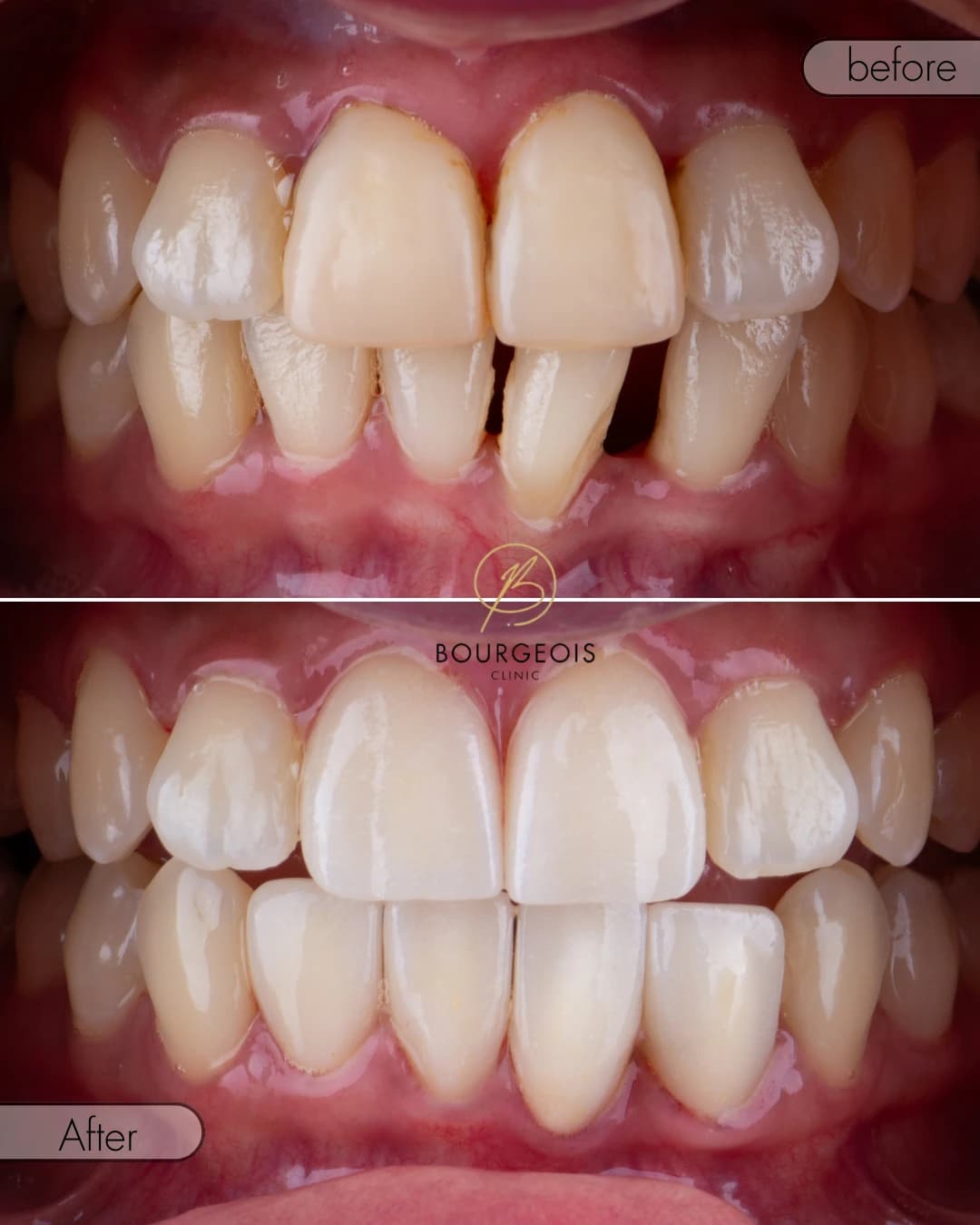
The gum tissue that normally fills the space beneath the contact between two teeth is called the interdental papilla. When this tissue does not fully occupy the embrasure, the mouth behind it appears as a dark triangular area. The appearance may be cosmetic, but some spaces also trap food, affect speech or make cleaning feel more difficult.
A black triangle is different from a cavity. It can occur beside healthy tooth surfaces, although decay, overhanging fillings or gum disease may exist in the same area and must be checked.
Why do black triangles develop?
- Gum recession or loss of the tissue between teeth
- Periodontal bone and attachment loss
- Triangular tooth shapes that narrow toward the gumline
- A contact point positioned too far from the supporting bone
- Roots that diverge rather than run in parallel
- Crowding or tooth rotation
- Changes after orthodontic alignment
- Reduction of swollen gums after professional treatment
- Age-related changes in gum shape and tissue volume
- Restorations with unsuitable contours or contact areas
More than one factor may be present. Closing the visible space without understanding gum health and root position can create a bulky restoration or make cleaning harder.
Why should the gums be assessed first?
New spaces between teeth can be a sign of gum recession or loss of periodontal support. A periodontal consultation may include gum measurements, bleeding assessment, evaluation of tooth mobility and radiographs when bone support needs review. If active gingivitis or periodontitis is present, health and stability take priority over cosmetic closure.
When swollen gums become healthier after treatment, a triangle may temporarily look more visible because the inflammation has reduced. This does not mean the gum treatment created the disease. It can reveal the true tissue level after swelling subsides.
Can professional cleaning remove black triangles?
Scaling and polishing remove plaque, hardened tartar and selected surface stains, but they do not add missing gum tissue. Cleaning may improve inflammation and is essential when deposits are present. The final appearance is assessed after the gums have stabilised. Deeper periodontal treatment may be required when deposits and pockets extend below the gumline.
How can composite bonding close a black triangle?
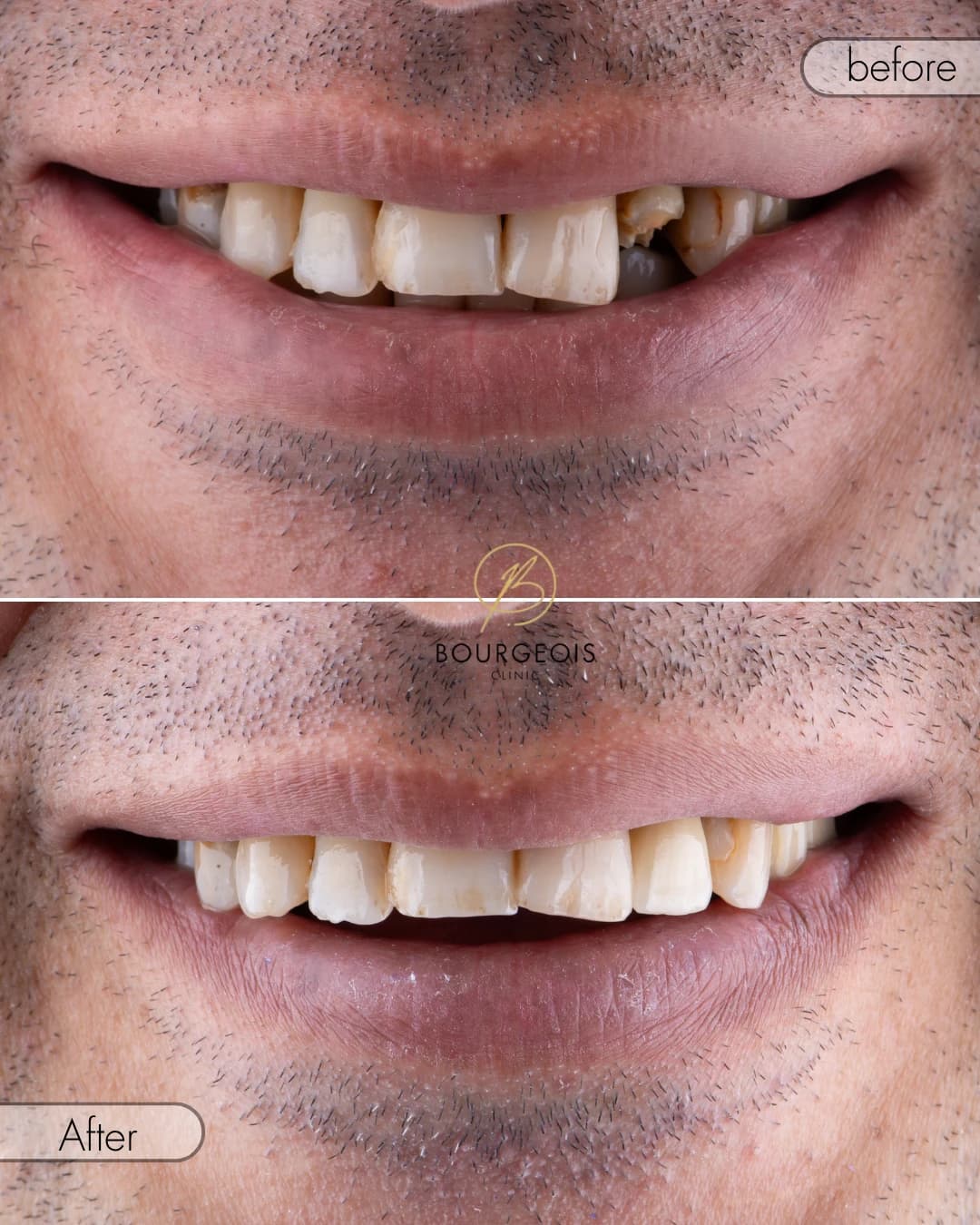
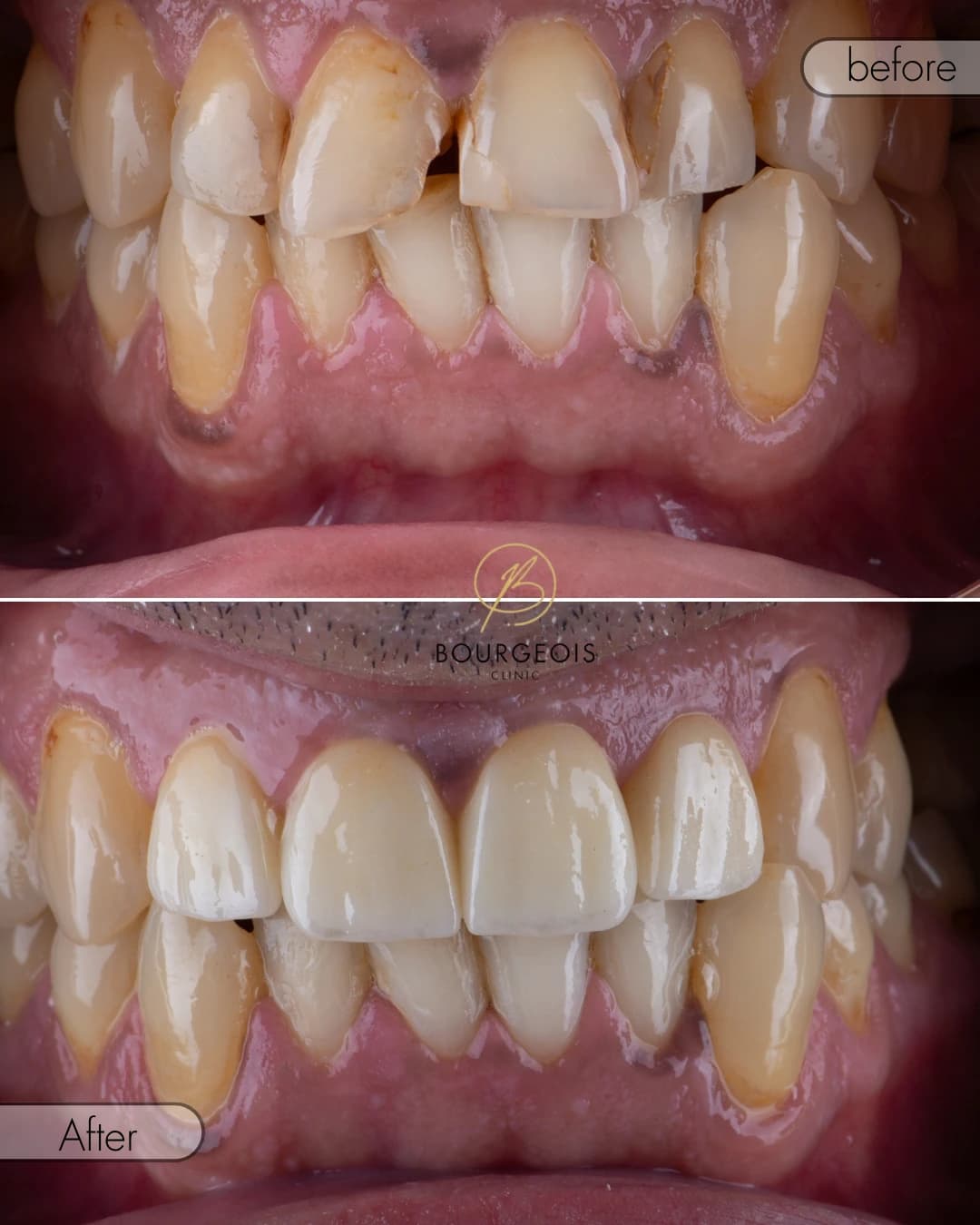
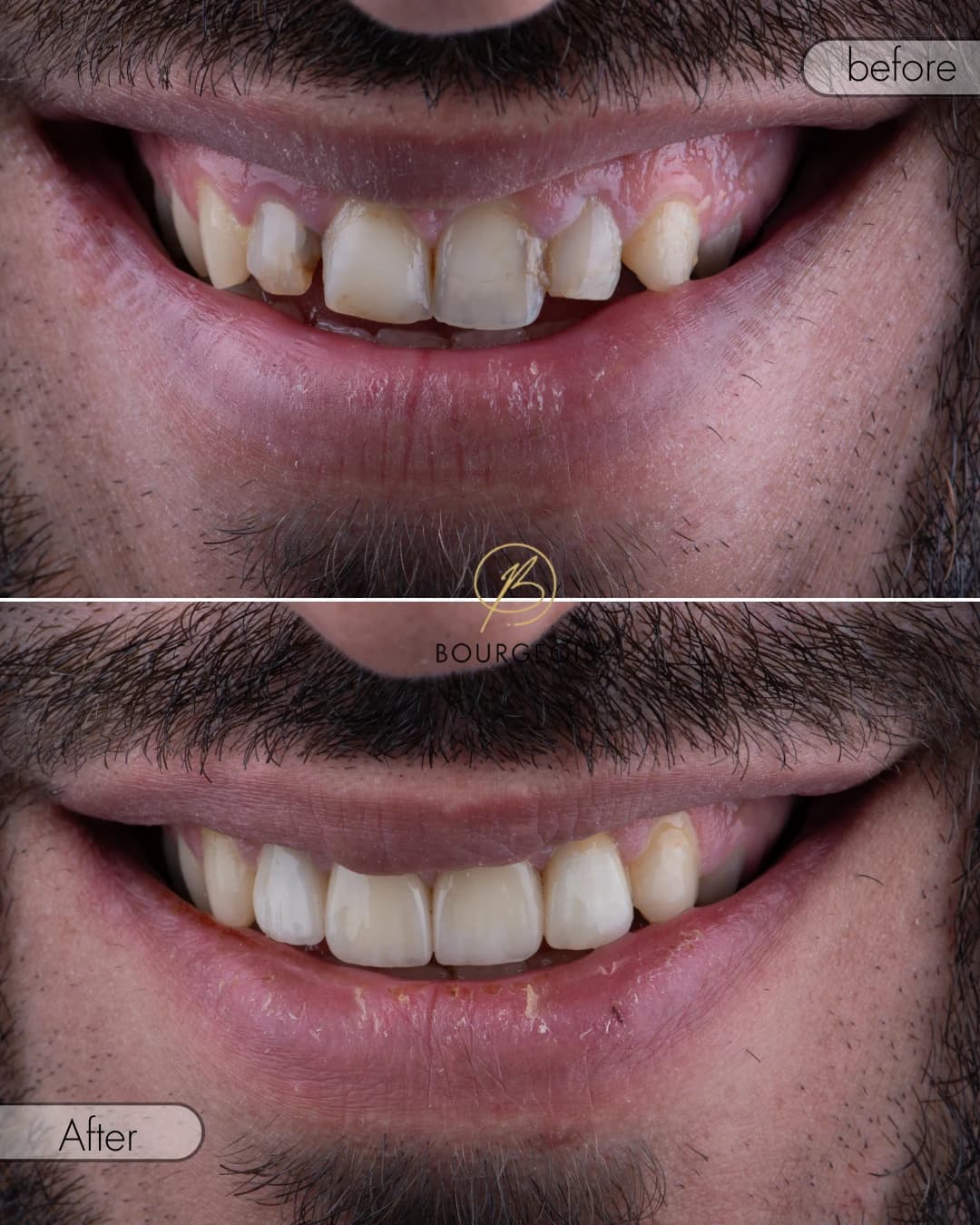
Composite bonding uses tooth-coloured resin to alter the shape of one or both teeth beside the space. The dentist can extend the contour toward the gum and redesign the contact area so the visible triangle becomes smaller. This approach may be conservative when the teeth are healthy and the required addition is limited.
The restoration must not be overcontoured. A bulky or rough margin can trap plaque, irritate the gums and prevent effective flossing. Shade, surface texture, contact strength and the relationship with the bite also require careful control. Composite may stain, chip or wear and can need repair or polishing over time.
Can orthodontics improve black triangles?
Orthodontic treatment can change tooth and root positions. In selected cases, moving roots more parallel or redistributing space allows the contact point to move closer to the gum. Minor reshaping between teeth may sometimes be planned as part of orthodontic treatment, but it is not suitable for every patient.
An orthodontic consultation is particularly relevant when black triangles accompany crowding, rotation, relapse or bite problems. Cosmetic bonding alone cannot correct the underlying tooth position.
Can veneers be used for black triangles?
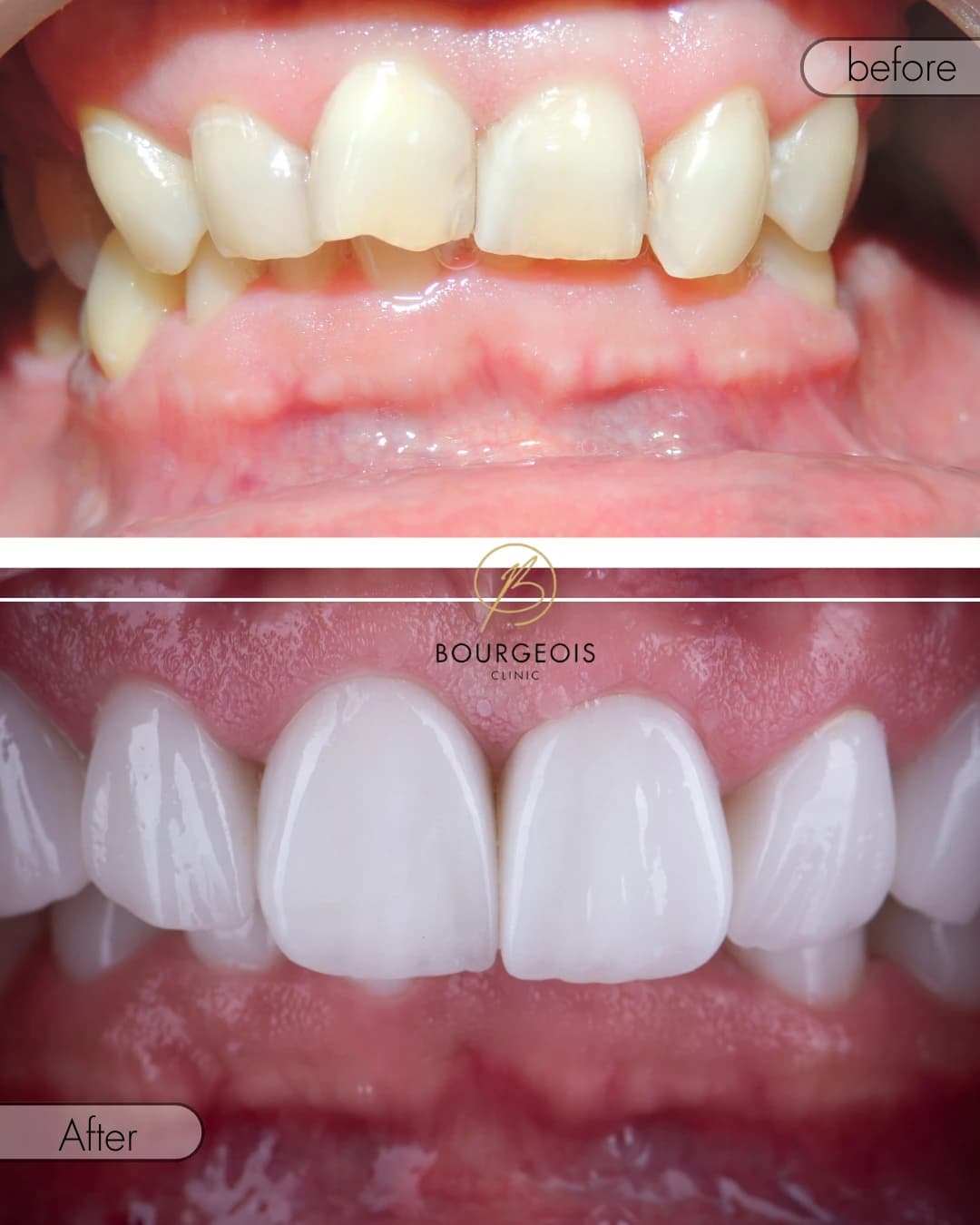
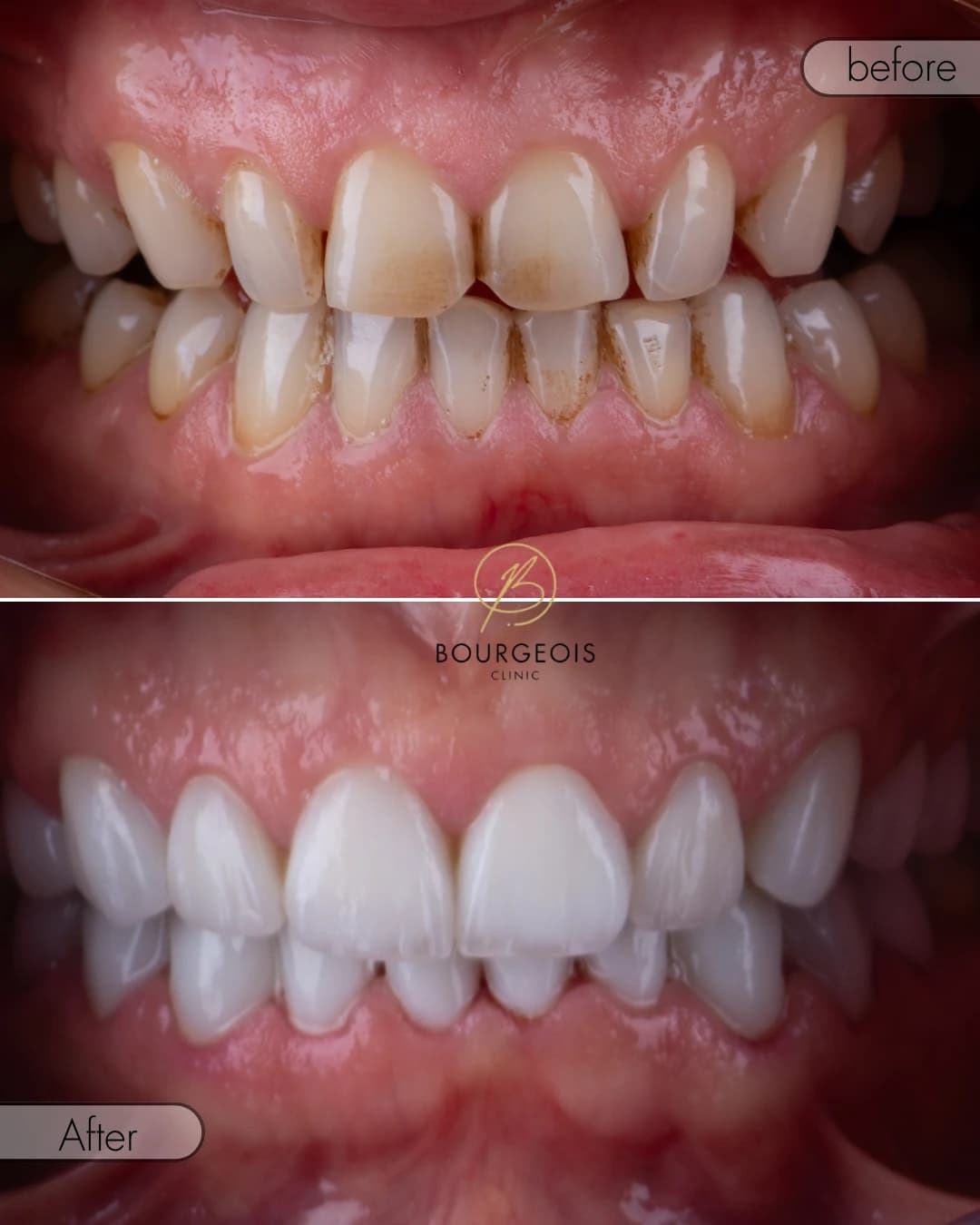
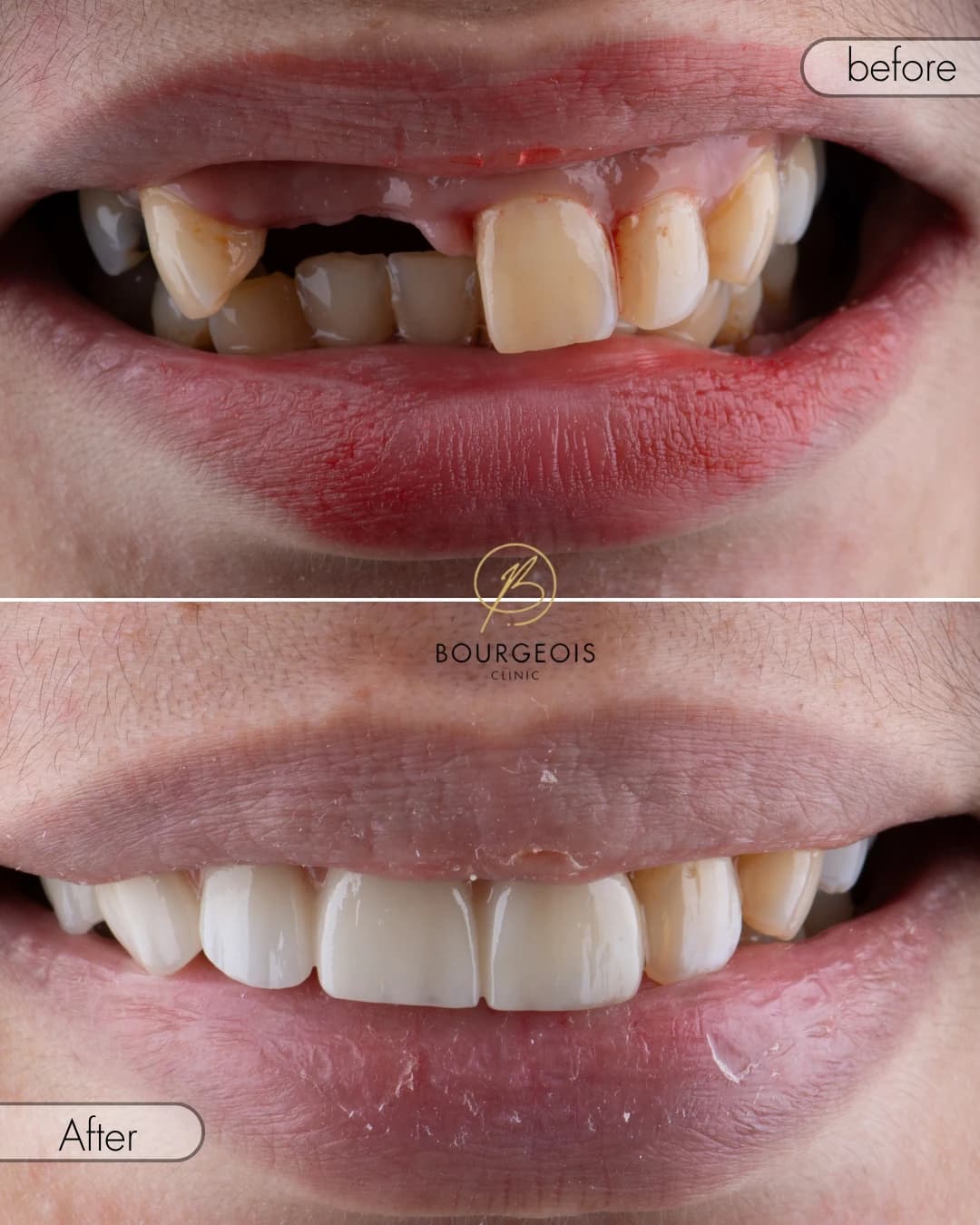
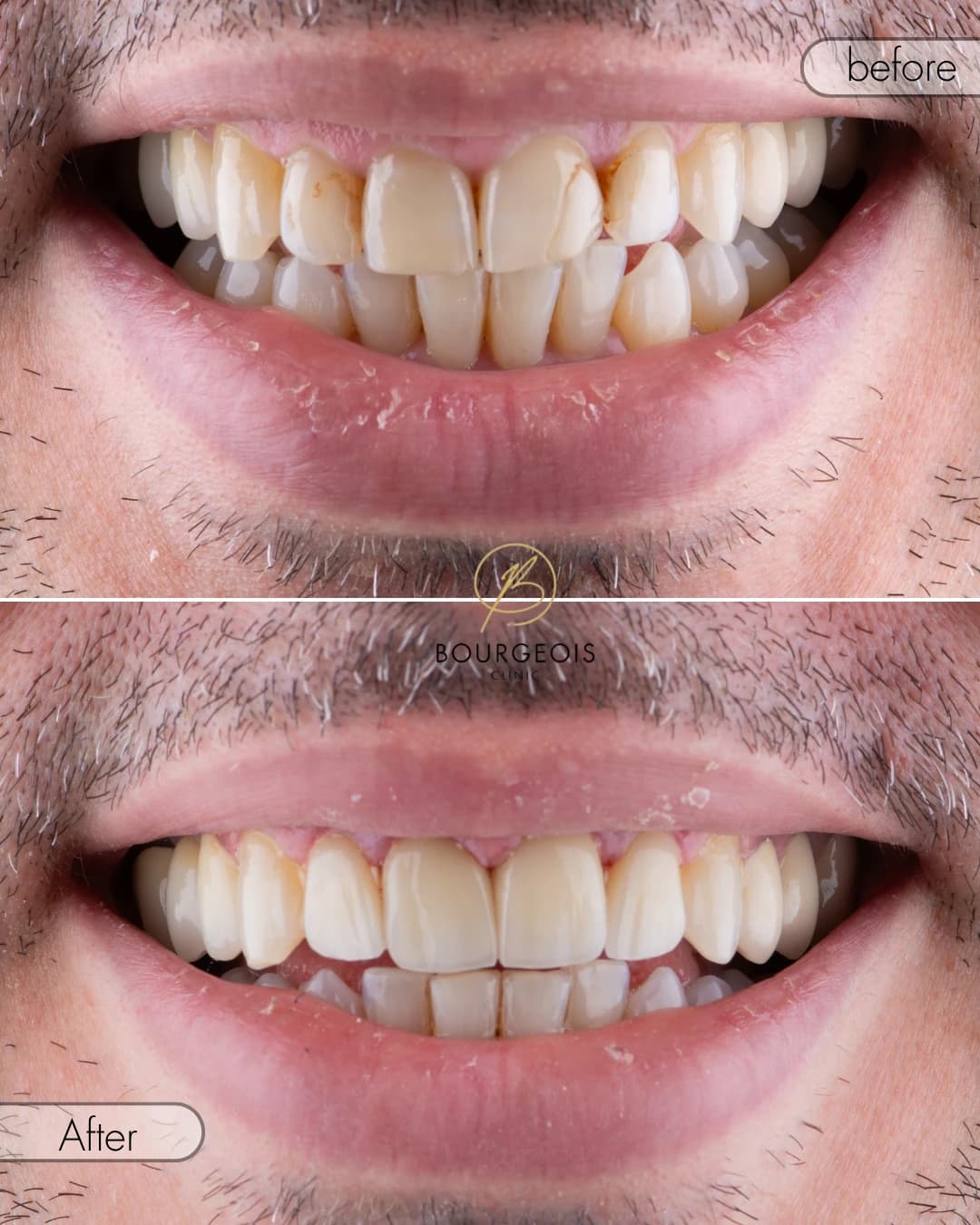
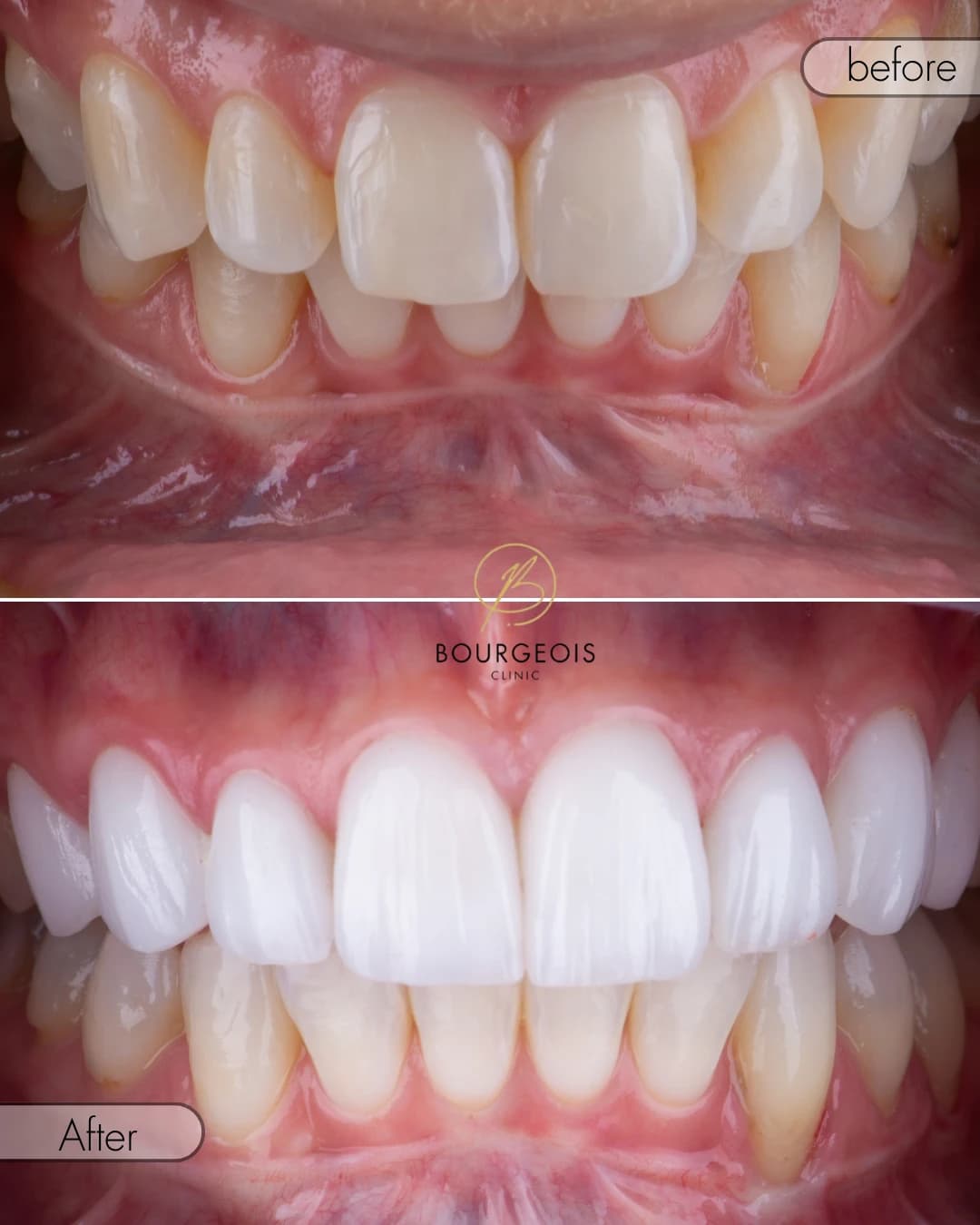
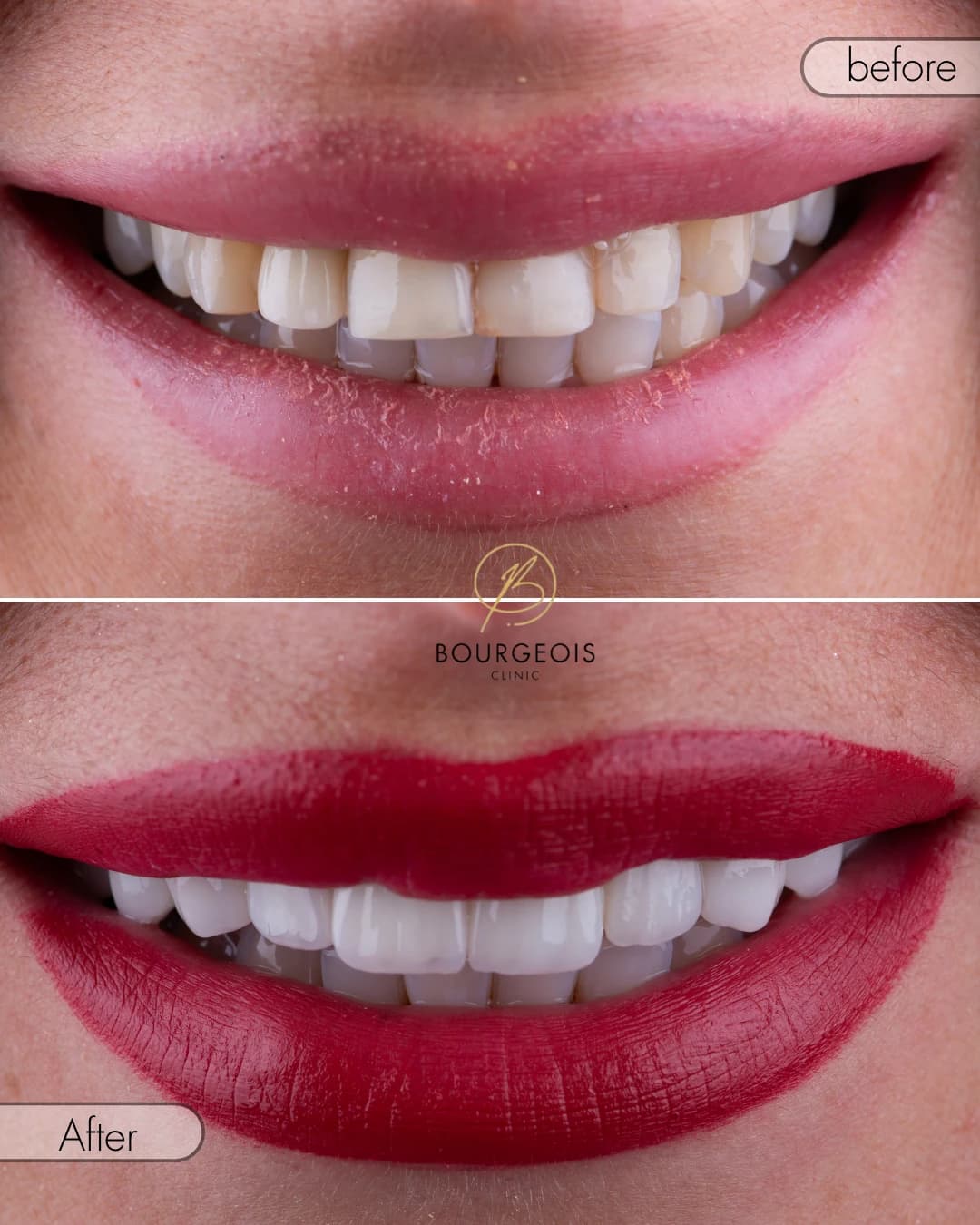
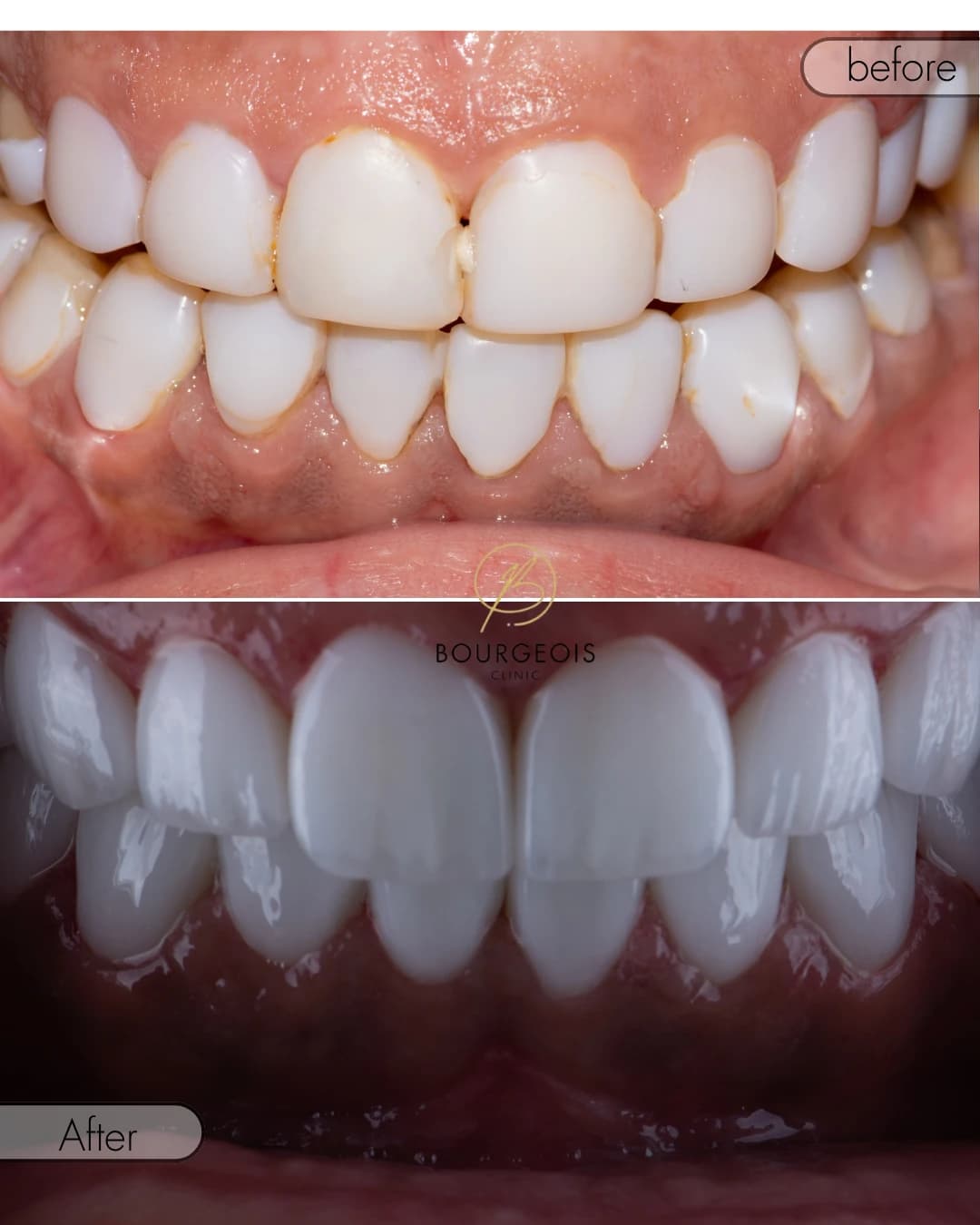
Porcelain, E-max or composite veneers may alter tooth width, shape, colour and contact areas. They may be considered when the patient has several cosmetic concerns and when the teeth are suitable for veneer treatment. Veneers should not be recommended solely because a small dark space exists if a more conservative option can achieve the objective.
The dentist must assess enamel, tooth position, existing restorations, gum health and the amount of material needed. Adding excessive width near the gumline can make teeth look unnatural and reduce cleaning access.
Will gum grafting fill the space?
Gum grafting may increase tissue thickness or cover selected exposed roots, but rebuilding the pointed papilla between teeth is less predictable. Bone support, blood supply, space dimensions and tissue shape influence the result. A periodontal clinician should explain whether the objective is root coverage, tissue reinforcement, cosmetic improvement or a combination.
When is observation reasonable?
A small, stable space may need no cosmetic treatment if the gums are healthy, the patient can clean the area and the appearance is acceptable. Monitoring may be preferable when closing the space would require disproportionate tooth preparation, create poor contours or interfere with cleaning.
How does the dentist choose the treatment?
- Confirm gum health: check inflammation, recession, pockets and bone support.
- Assess tooth shape: determine whether triangular crowns or worn contours create the space.
- Evaluate root and tooth position: identify crowding, divergence or relapse.
- Review restorations: inspect fillings, crowns, bonding and veneers beside the area.
- Test cleaning access: ensure the proposed change will allow daily plaque removal.
- Define the patient’s priority: appearance, food trapping, speech or multiple concerns may lead to different plans.
- Compare conservative options: monitoring, gum care, orthodontics, bonding and veneers are discussed according to the findings.
Can black triangles return after treatment?
They can reappear or change if gum recession progresses, periodontal support is lost, teeth move, bonding wears or restorations fracture. Retainers, periodontal maintenance, effective home care and repair of damaged restorations may be important depending on the treatment used. No method can prevent every future tissue or tooth change.
How should you clean around black triangles?
Use a soft toothbrush with fluoride toothpaste and clean between teeth daily with the device recommended for the space. This may be floss, an interdental brush or another aid selected by the dental team. Forcing an oversized brush can traumatise tissue, while a device that is too small may not clean effectively. Persistent bleeding, swelling, bad breath, sensitivity or increasing spaces should be examined.
What should you avoid?
- Do not apply household glue or unregulated filling materials
- Do not force the gums with sharp objects
- Do not assume a new space is only cosmetic
- Do not begin veneers before gum health and tooth position are assessed
- Do not expect whitening to close a physical gap
- Do not stop periodontal care because the space looks more visible after swelling reduces
Black-triangle assessment with Dr. Nour
Dr. Nour, CEO, Founder and Lead Dentist at Bourgeois Dental Clinic, provides general and cosmetic dental assessment. She can evaluate tooth shape, existing restorations, visible spacing and smile goals, then coordinate periodontal or orthodontic assessment when gum support or tooth position is central to the problem.
A responsible plan may involve no cosmetic treatment, limited bonding, tooth movement, gum care or a staged combination. The decision should protect cleanability and tissue health while addressing the concern the patient actually notices.
Consultation on Sheikh Zayed Road
Bourgeois Dental Clinic is located on the first floor of Indigo Sky Building, Sheikh Zayed Road, Exit 41, near Al Thanya Street in Dubai. The clinic is accessible from Al Barsha, Umm Al Sheif, Umm Suqeim, Jumeirah, Al Quoz, Barsha Heights, The Greens, Dubai Marina and nearby communities.
Begin with a dental check-up or book an appointment to identify why the space is present and which treatment, if any, is appropriate.