


Cracked Tooth in Dubai: Can It Be Saved?
Some cracked teeth can be preserved, while others cannot be predictably restored. The crack type, pulp health, remaining tooth and gum support guide the decision.
A cracked tooth can cause sharp pain on biting, sensitivity that comes and goes, or no obvious symptoms at all. Some cracks are limited to the outer enamel, while others extend into the pulp or below the gumline. That difference determines whether the tooth can be monitored, restored or cannot be predictably saved.
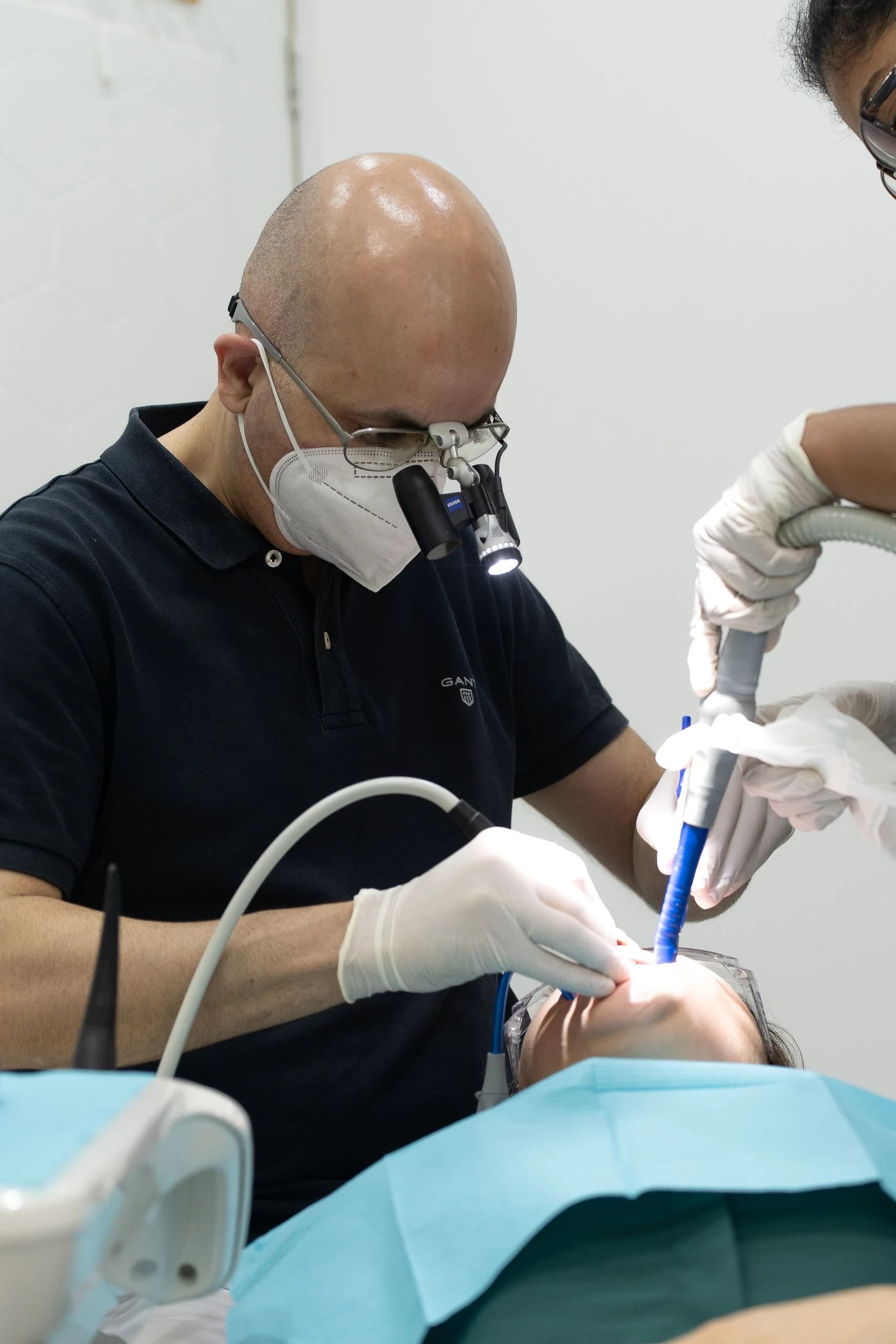
At Bourgeois Dental Clinic in Dubai, cracked-tooth planning begins by identifying the affected tooth, the crack pattern, the condition of the pulp and the amount of sound structure remaining. Treatment should match the diagnosis. A crown is not necessary for every fine line, and a filling cannot stabilise every deep fracture.
Quick Answer: Can a Cracked Tooth Be Saved?
Many cracked teeth can be preserved when the fracture is diagnosed early and sufficient healthy tooth and periodontal support remain. Treatment may range from smoothing or bonding a small chip to an onlay or crown that protects weakened cusps. If the crack has irreversibly damaged or infected the pulp, root-canal treatment may be needed before the final restoration.
A tooth may not be saveable when it has split into separate segments, when a vertical root fracture is present, or when the crack extends so deeply below the gum that a predictable seal and stable restoration cannot be achieved. No examination can promise that every crack will stop progressing; the realistic goal is to reduce movement, control disease and protect the tooth where possible.
Crack, Chip, Craze Line or Split Tooth?
Patients often use “cracked tooth” for several different problems:
- Craze lines: shallow enamel lines that are common in adult teeth and often have no health consequence.
- Chipped enamel: loss of a small edge or corner, often after biting something hard or trauma.
- Fractured cusp: part of a chewing cusp breaks, frequently beside a large filling.
- Cracked tooth: a fracture begins at the chewing surface and extends toward the root without completely separating the tooth.
- Split tooth: the crack has progressed so that segments can move separately.
- Vertical root fracture: a fracture starts in the root and may produce few symptoms until the surrounding gum and bone become inflamed.
These labels affect prognosis, but the exact path of a crack is not always fully visible. The diagnosis combines symptoms, examination, imaging and what the dentist observes during treatment.
Common Symptoms of a Cracked Tooth
- Sharp pain when chewing or when releasing the bite
- Sensitivity to cold, heat or sweet foods that may be intermittent
- Pain that is difficult to locate to one tooth
- Discomfort with hard, fibrous or sticky food
- A rough edge or a piece of tooth that has broken away
- Swelling, a gum spot or tenderness near one root
- Spontaneous or night pain when the pulp becomes more inflamed
- No pain, with the crack found during examination
A crack is only one possible cause of these symptoms. A loose filling, decay, gum inflammation, bite trauma, sinus-related pain and pulp disease can feel similar. Repeatedly avoiding one side without assessment can delay treatment while the defect progresses.
Why a Cracked Tooth Can Hurt Only Sometimes
Chewing can cause microscopic movement between cracked segments. This may irritate fluid within dentine and the pulp, creating a brief sharp sensation. Because pressure direction changes with different foods and jaw movements, the pain can be unpredictable.
As pulp inflammation increases, sensitivity may linger or pain may occur without chewing. If bacteria reach the pulp, infection can develop around the root. A symptom-free period does not prove the crack has healed; tooth cracks do not repair themselves like broken bones.
How Dentists Diagnose Tooth Cracks
A cracked-tooth assessment in Dubai may include:
- A detailed history of pain triggers, duration and previous treatment
- Visual inspection with magnification and strong illumination
- Bite tests applied to individual cusps
- Cold or other pulp-sensibility tests
- Checking the gum around the tooth for an isolated deep pocket
- Transillumination or selective removal of a defective restoration
- Dental radiographs and, in selected cases, three-dimensional imaging
- Evaluation of bite forces, grinding and neighbouring teeth
Conventional radiographs may show decay, infection or bone changes but often do not show the crack itself. Three-dimensional scans can help in selected cases, yet very fine fractures can remain difficult to visualise. The dentist should explain what is known, what remains uncertain and how that uncertainty affects treatment.
When a Small Chip May Need Bonding or a Filling
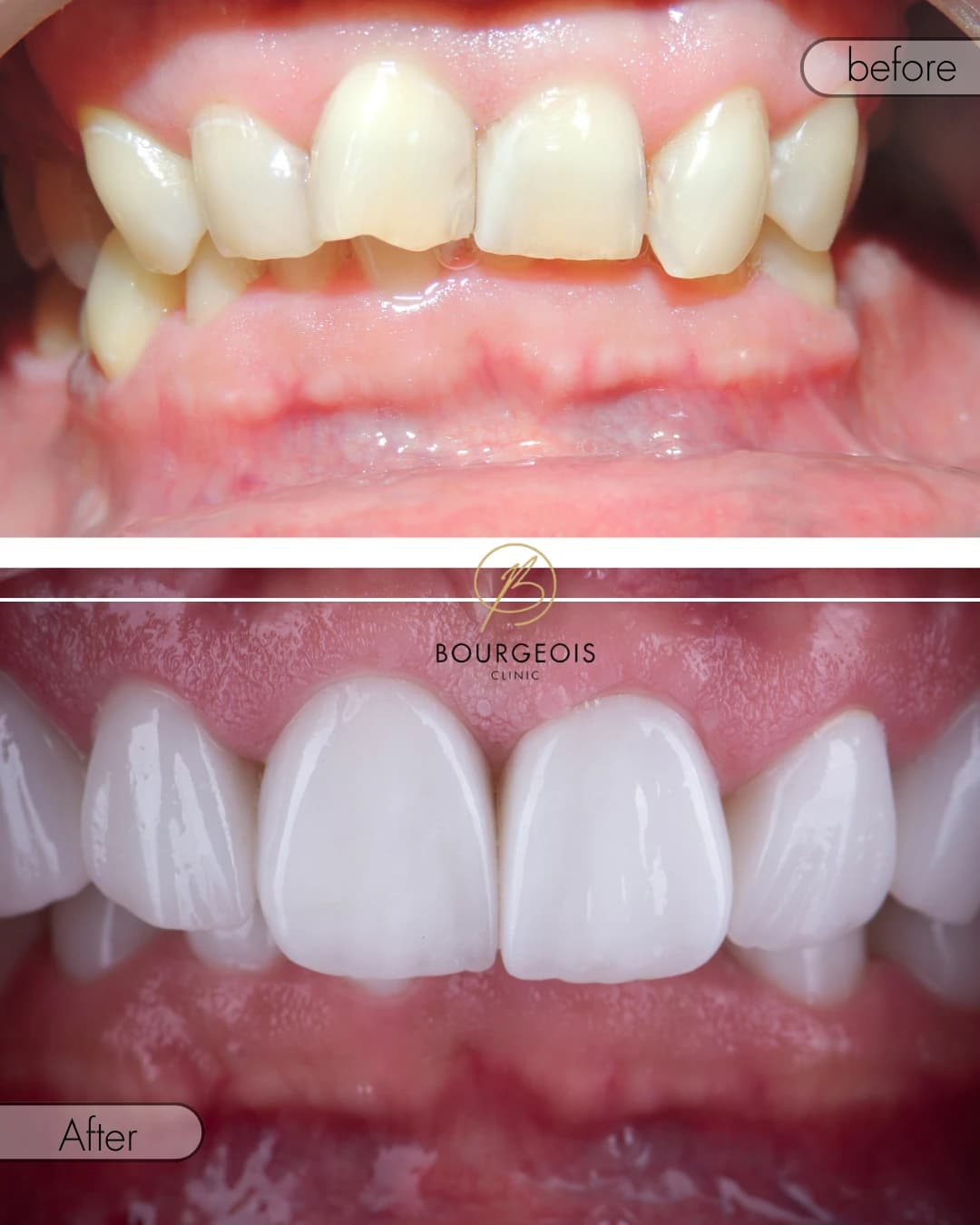
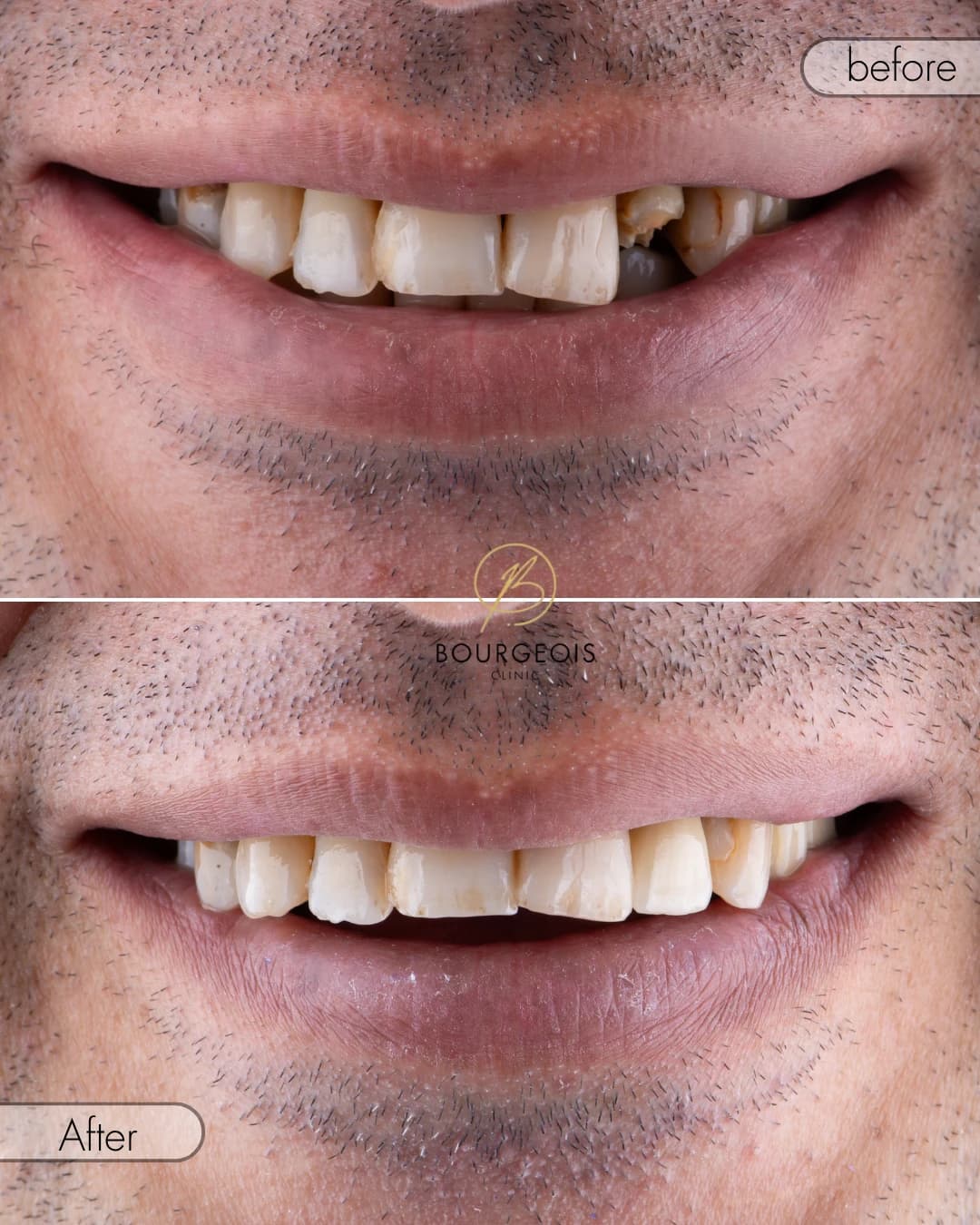
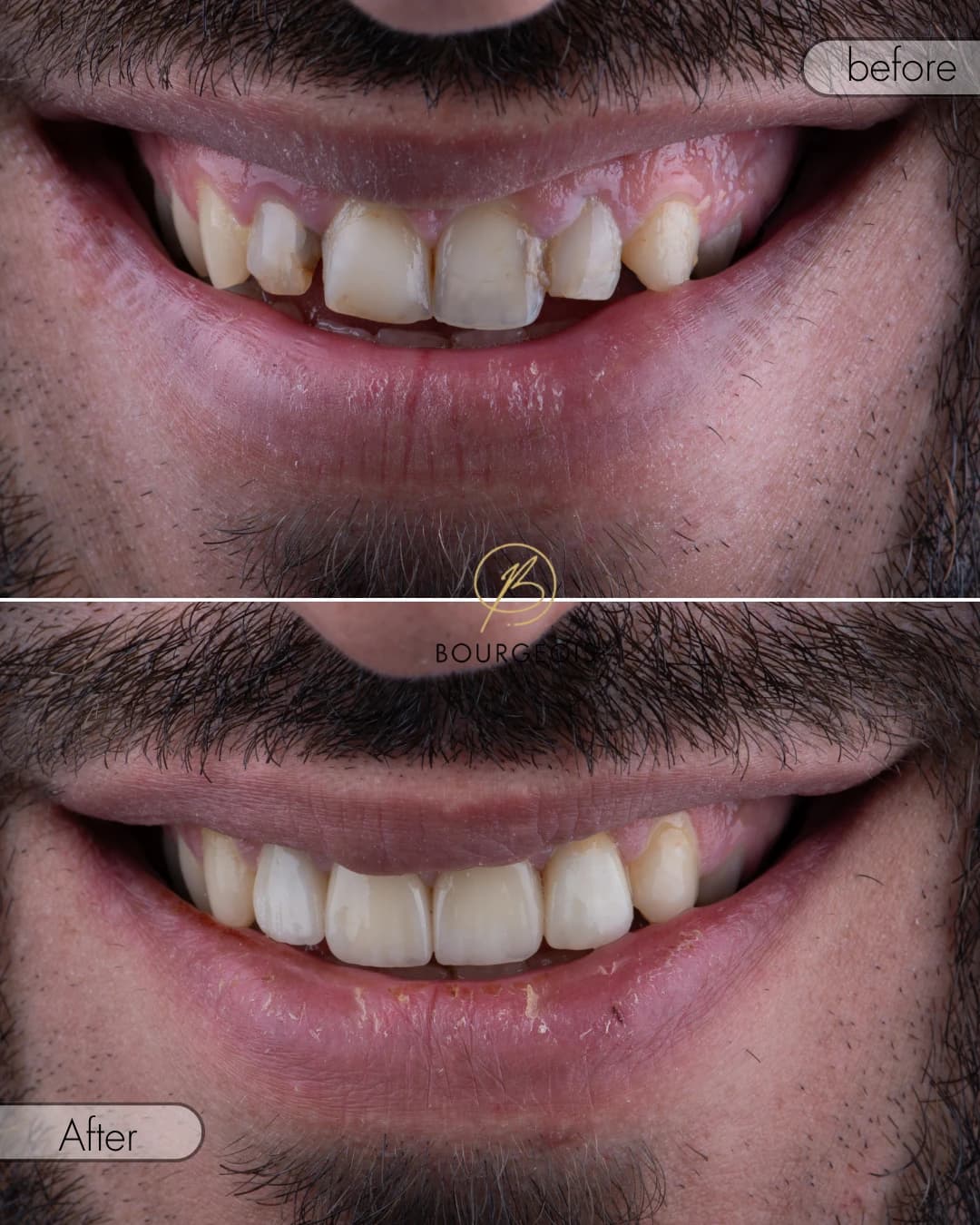
A limited chip that affects enamel or a small area of dentine may be smoothed, rebuilt with a tooth-coloured filling or treated with bonding. The choice depends on size, location, appearance, bite and whether an intact fragment is available.
Broken-tooth restoration aims to restore a cleanable contour and comfortable bite while preserving sound structure. Before adding material, the clinician checks whether the visible chip is the entire problem or a sign of a deeper crack.
When an Inlay, Onlay or Crown May Be Recommended
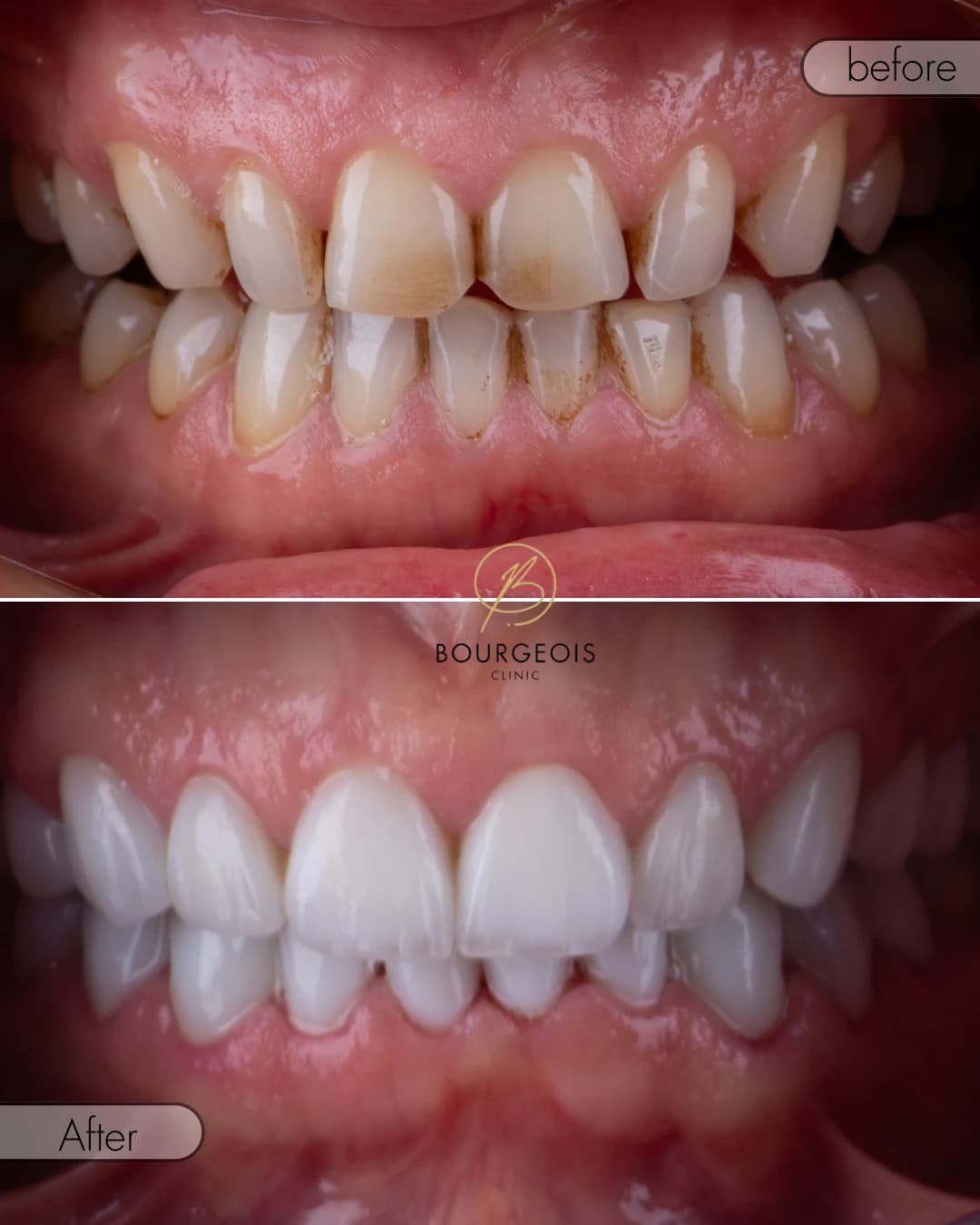
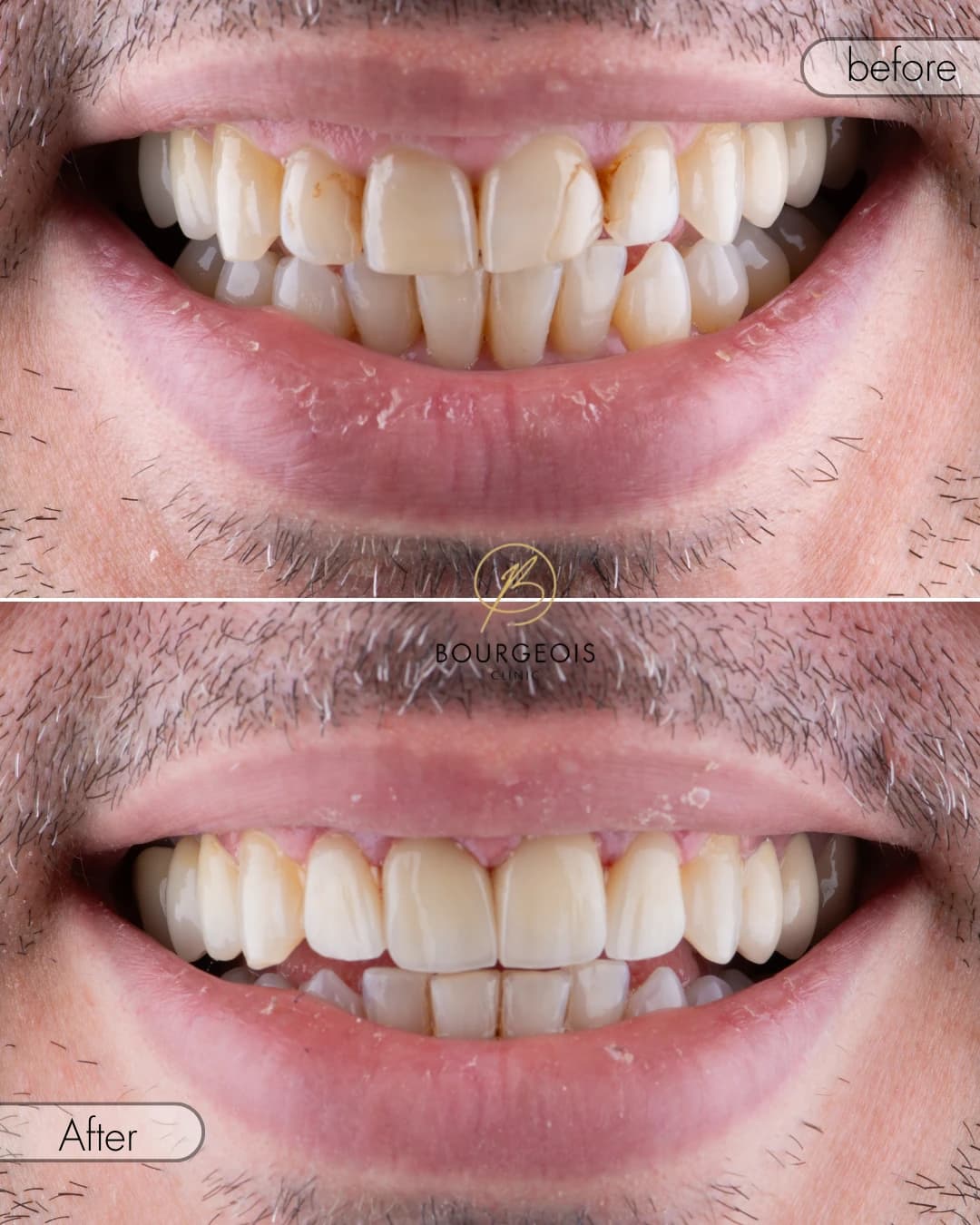
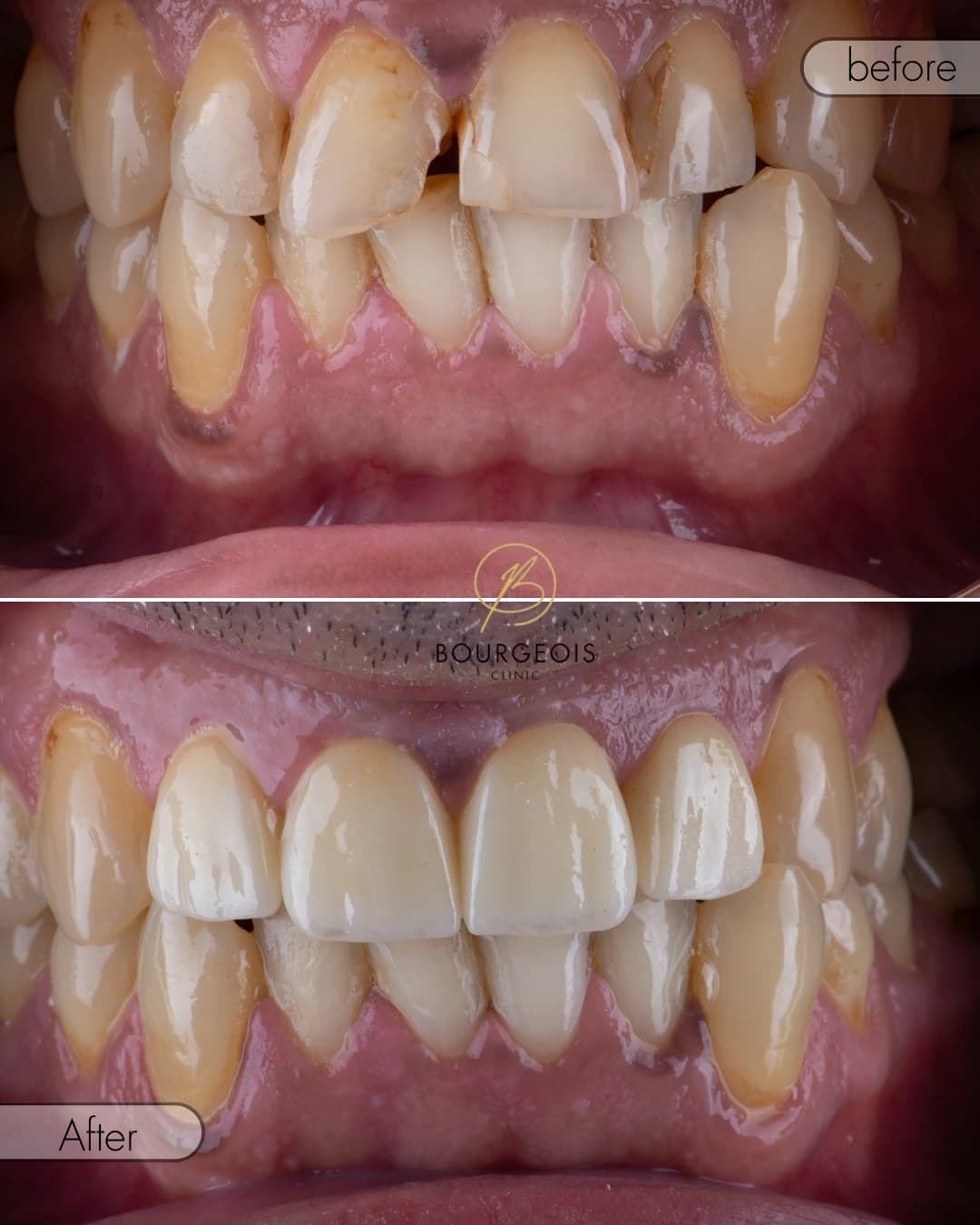
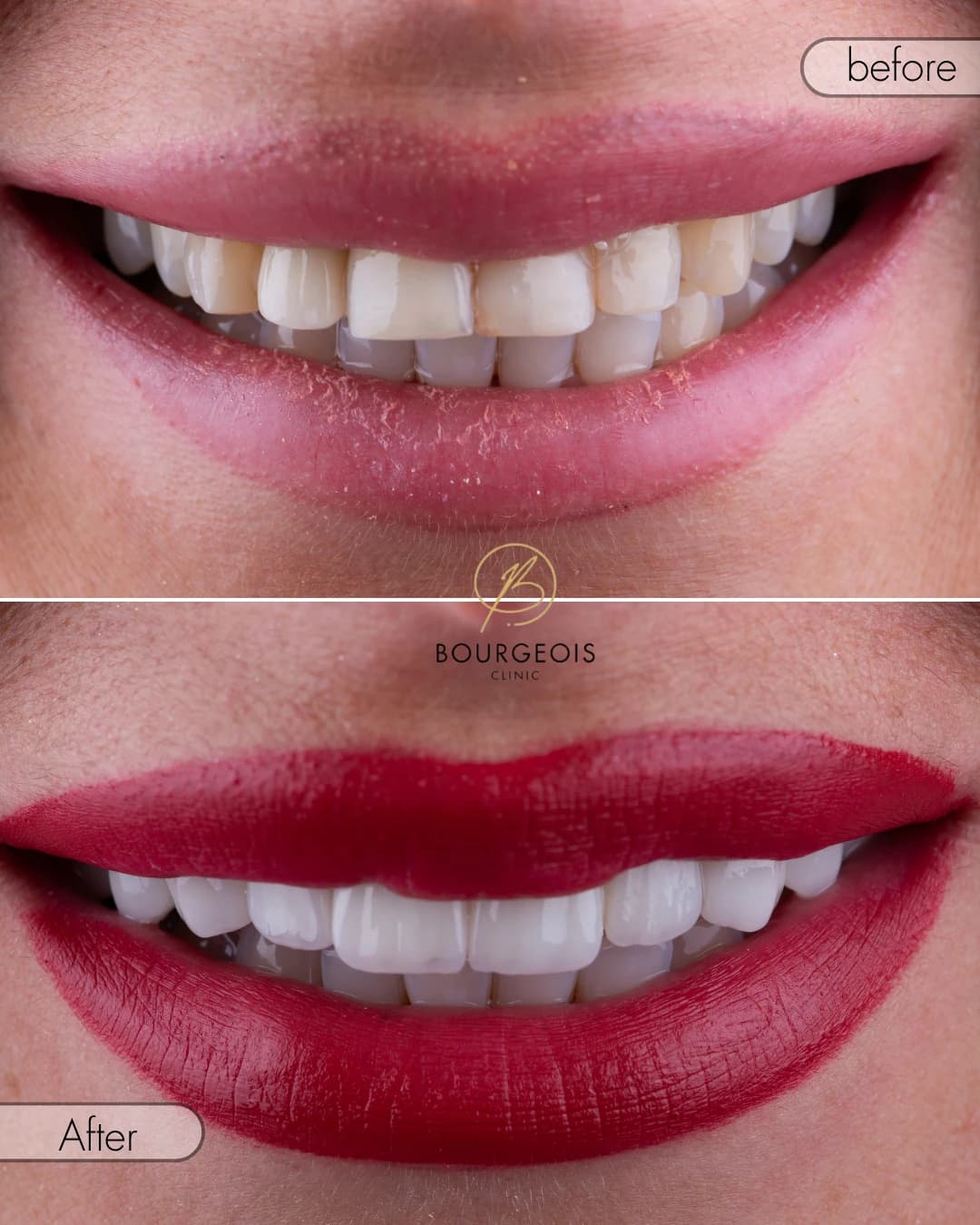
A fractured or undermined cusp may need more protection than a direct filling can provide. A dental onlay can cover selected weakened cusps while preserving other parts of the tooth. A dental crown covers more of the prepared tooth and may be considered when damage or an existing restoration is extensive.
These restorations can reduce flexing and redistribute chewing forces, but they do not make a crack disappear and cannot guarantee that it will never progress. The dentist balances the protection gained against the additional tooth preparation required.
When Root-Canal Treatment May Be Needed
If the pulp remains healthy or only mildly irritated, stabilising the tooth may allow symptoms to settle without root-canal treatment. If the pulp is irreversibly inflamed or infected, the inflamed tissue inside the tooth must be treated before the final seal can be completed.
Signs can include lingering temperature pain, spontaneous pain, night pain, marked tenderness or infection near the root. The endodontic team evaluates pulp and root status, restorability and crack extent. Root-canal treatment addresses pulp disease; it does not repair the fracture itself, so a protective restoration is commonly part of the overall plan.
When Extraction May Be the More Predictable Choice
Extraction may be discussed when the tooth is split, a vertical root fracture compromises the root, the crack extends beyond a restorable margin, decay and fracture leave too little sound structure, or periodontal support is severely damaged. Repeatedly treating an unrestorable tooth can prolong symptoms and reduce bone or gum conditions for later replacement.
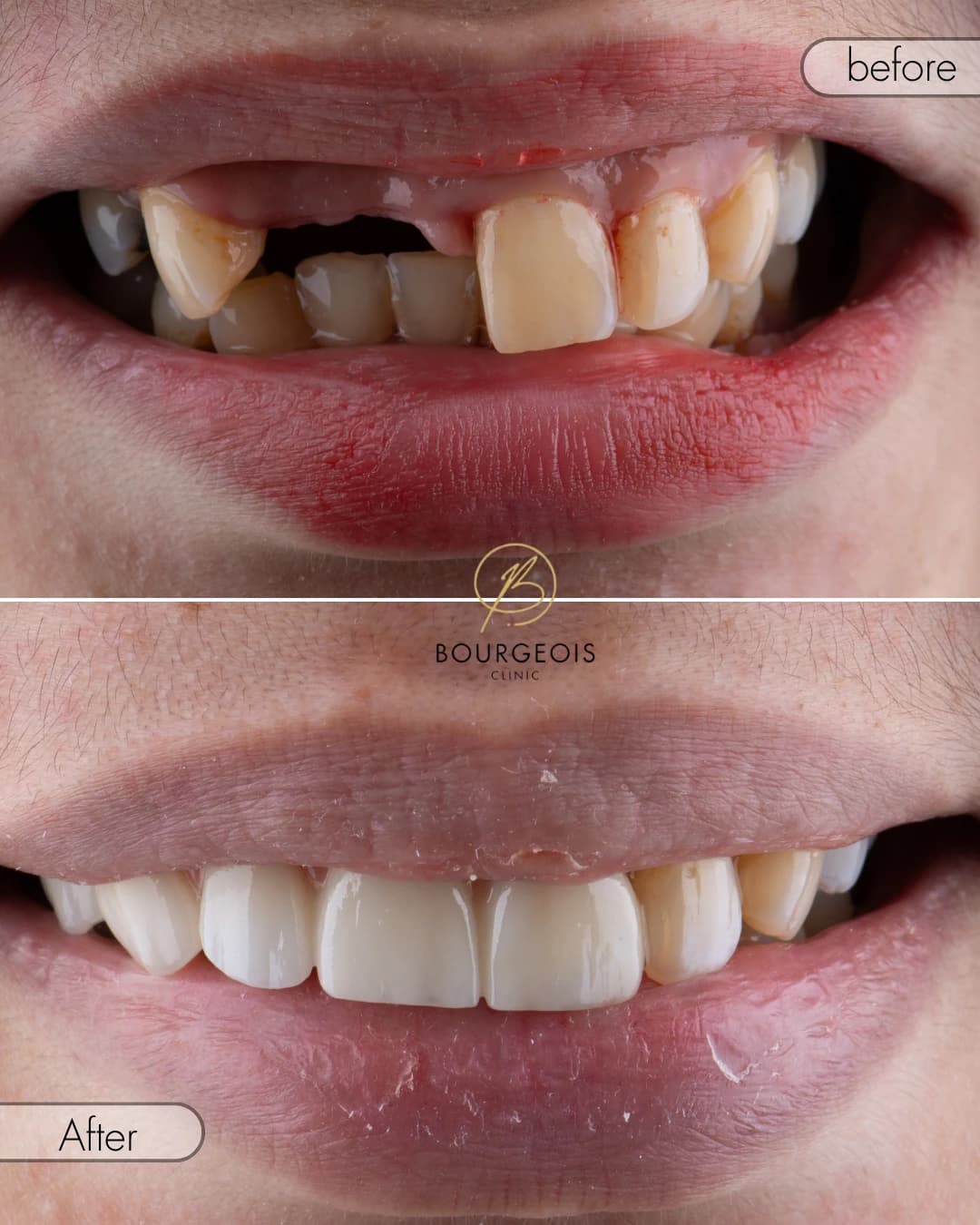
The reason for extraction should be explained clearly, along with the uncertainty and any preservation alternatives. If removal is necessary, replacement options can include an implant, bridge or removable prosthesis depending on the site, neighbouring teeth, bone, gums, bite and patient preference.
Can a Crack Be Sealed Before It Reaches the Nerve?
Some incomplete cracks may be stabilised with adhesive restoration and cuspal coverage before the pulp is irreversibly damaged. Timing matters because repeated movement can deepen the fracture and allow bacterial leakage. However, the exact path may be uncertain and some treated cracks continue to progress.
A staged approach may sometimes be used: removing a defective restoration, assessing the internal tooth, placing a stabilising restoration and monitoring symptoms before the definitive onlay or crown. The appropriate sequence depends on risk and pulpal findings.
What Happens If a Tooth Is Cracked Under an Old Filling?
Large fillings can leave cusps thin and exposed to stress. A crack may develop beside or beneath the restoration. The dentist checks the filling, bite, remaining walls and pulp response. Removing the old material may reveal that the tooth needs a repair, onlay, crown or root-canal assessment.
The size of the final cavity cannot always be known in advance. Consent should include the possibility that treatment changes when hidden decay, unsupported enamel or a deeper fracture is found. The dentist should stop and explain if the tooth becomes less restorable than expected.
Cracked Front Teeth and Dental Trauma
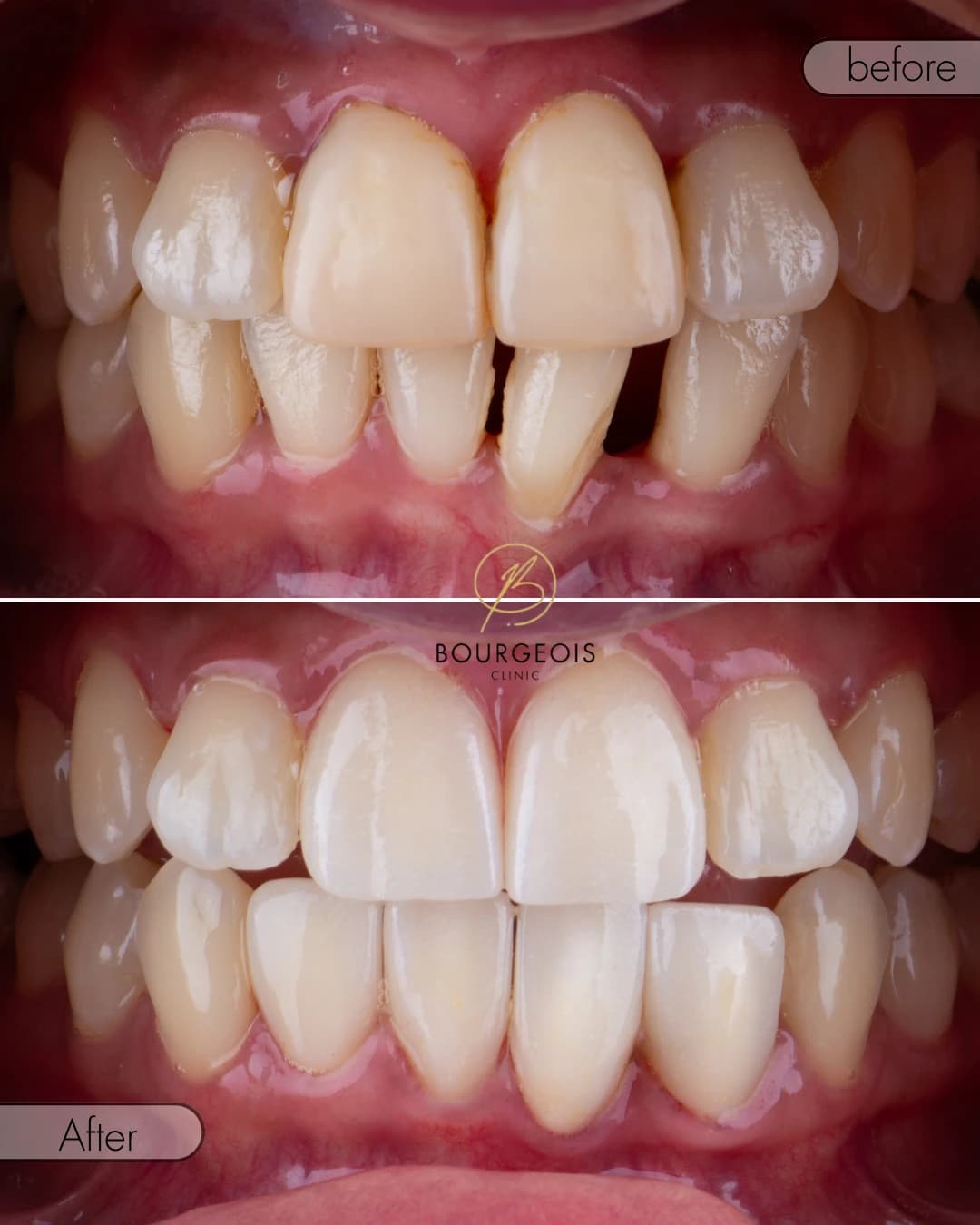
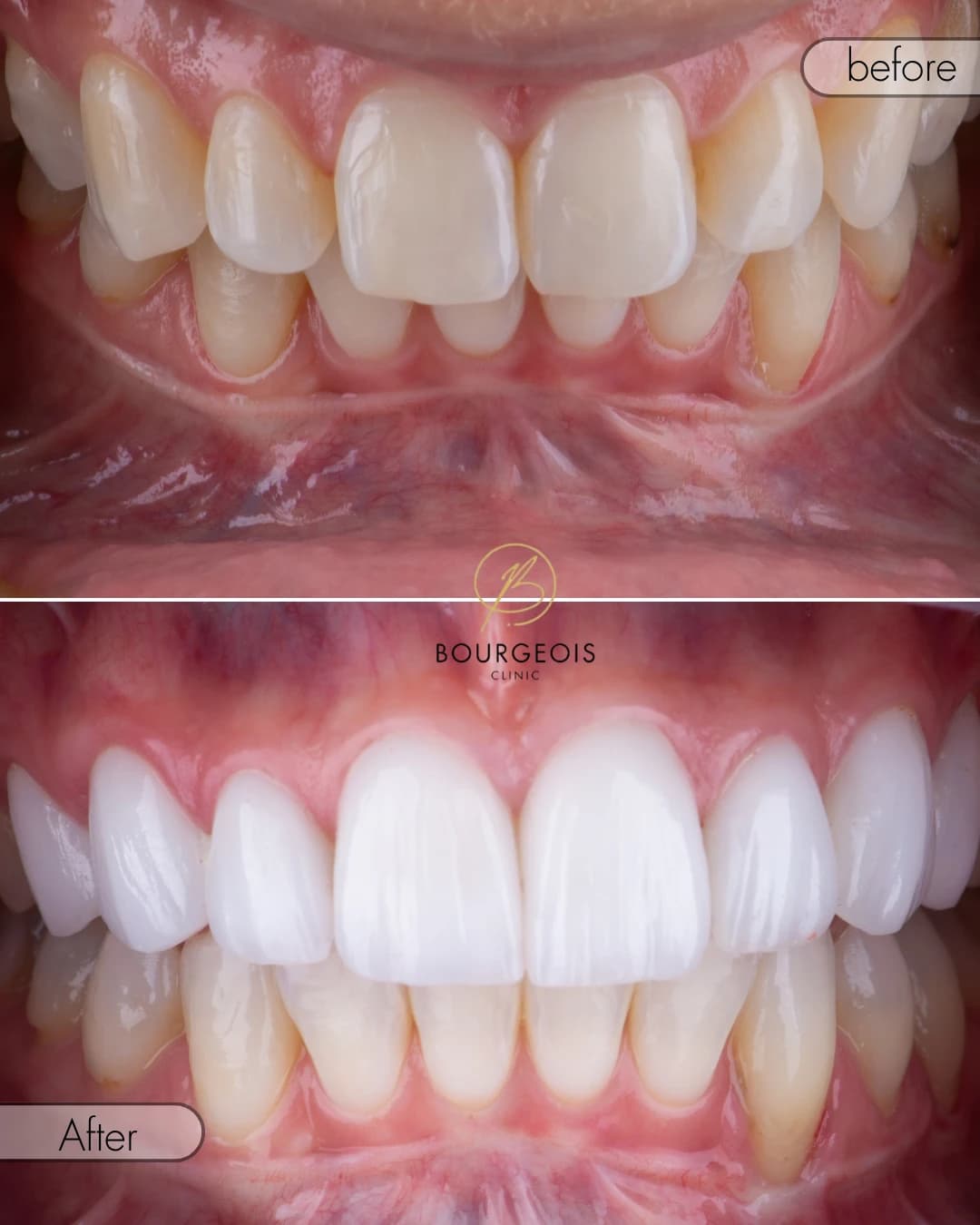
A front-tooth crack may affect appearance, speech and sensitivity as well as structure. Treatment can range from reattaching a fragment or composite bonding to a veneer, crown or root-canal treatment. The pulp can deteriorate later even if the tooth initially appears stable, so follow-up may be required.
After a significant impact, the dentist also checks tooth mobility, root injury, the surrounding bone and soft tissues. A knocked-out or displaced tooth is time-sensitive. Contact an emergency dental service promptly rather than waiting for a routine cosmetic consultation.
Grinding, Clenching and Crack Risk
Grinding and clenching can increase repetitive load on teeth and restorations. Signs may include flattened or chipped teeth, worn enamel, fractured fillings, muscle fatigue and morning jaw discomfort. Not every crack is caused by bruxism, and not every person who grinds develops fractures.
If heavy forces contributed, the plan may include bite assessment, daytime habit awareness and protection for dental restorations. A night guard may protect vulnerable teeth but does not guarantee that sleep grinding stops.
What to Do Before Your Appointment
- Avoid chewing hard foods on the affected side
- Keep the area clean without aggressively probing the crack
- Save any broken fragment in a clean container
- Note whether pain occurs on biting, release, cold, heat or spontaneously
- Do not place aspirin, glue or household products on the tooth
- Seek urgent care for swelling, fever, trauma, uncontrolled bleeding or severe pain
If cold air or liquid triggers pain after a fracture, gently cover the area with clean moist gauze while arranging care. Over-the-counter pain medicine may not be suitable for everyone, so follow the label and seek medical or dental advice when unsure.
What to Expect After Treatment
Some tenderness can follow stabilisation, crown preparation or root-canal treatment. The bite should feel even. Contact the clinic if pain intensifies, swelling develops, the temporary restoration moves, or the tooth feels higher than the others.
Long-term review is important because cracks can progress. The dentist monitors symptoms, restoration integrity, gum findings and bone where indicated. Protection also includes avoiding hard-object habits, managing decay risk and addressing clenching or grinding when relevant.
Planning Care with Dr. Nour
Dr. Nour’s profile includes general, aesthetic and restorative dentistry. She can evaluate chipped or cracked teeth, assess restorative options and coordinate with endodontic or other colleagues when the pulp, root or fracture complexity requires specialist input.
This coordinated approach matters because the best-looking restoration is not useful if the underlying crack, pulp condition or bite risk is missed. The treatment sequence should first establish whether the tooth can be predictably preserved, then choose the least invasive restoration that provides suitable protection.
Questions to Ask About a Cracked Tooth
- What type of crack do you suspect, and how certain is the diagnosis?
- Is the pulp healthy, inflamed or infected?
- Can the tooth be monitored or does it need stabilisation now?
- Would a filling, onlay or crown protect the remaining structure?
- Why is root-canal treatment recommended or not recommended?
- What findings would make the tooth unrestorable?
- Could grinding or bite forces affect the prognosis?
- What symptoms require urgent review after treatment?
Book a Cracked-Tooth Assessment in Dubai
Bourgeois Dental Clinic is located on Sheikh Zayed Road, Exit 41, near Al Thanya Street in Dubai. Patients from Umm Al Sheif, Al Barsha, Umm Suqeim, Jumeirah, Al Quoz, Barsha Heights, The Greens and Dubai Marina can access restorative, endodontic and emergency dental assessment.
Book a dental appointment if you feel sharp bite pain, have lost part of a tooth or suspect a crack. Earlier assessment may increase the options available, but individual prognosis can only be discussed after examination and appropriate tests.
Editorial note: This article provides general information. It cannot identify the type or extent of an individual tooth crack or guarantee that a tooth can be saved.