

Dental Bridge vs Implant in Dubai: Which Replaces a Missing Tooth?
What is the main difference between a dental bridge and an implant?
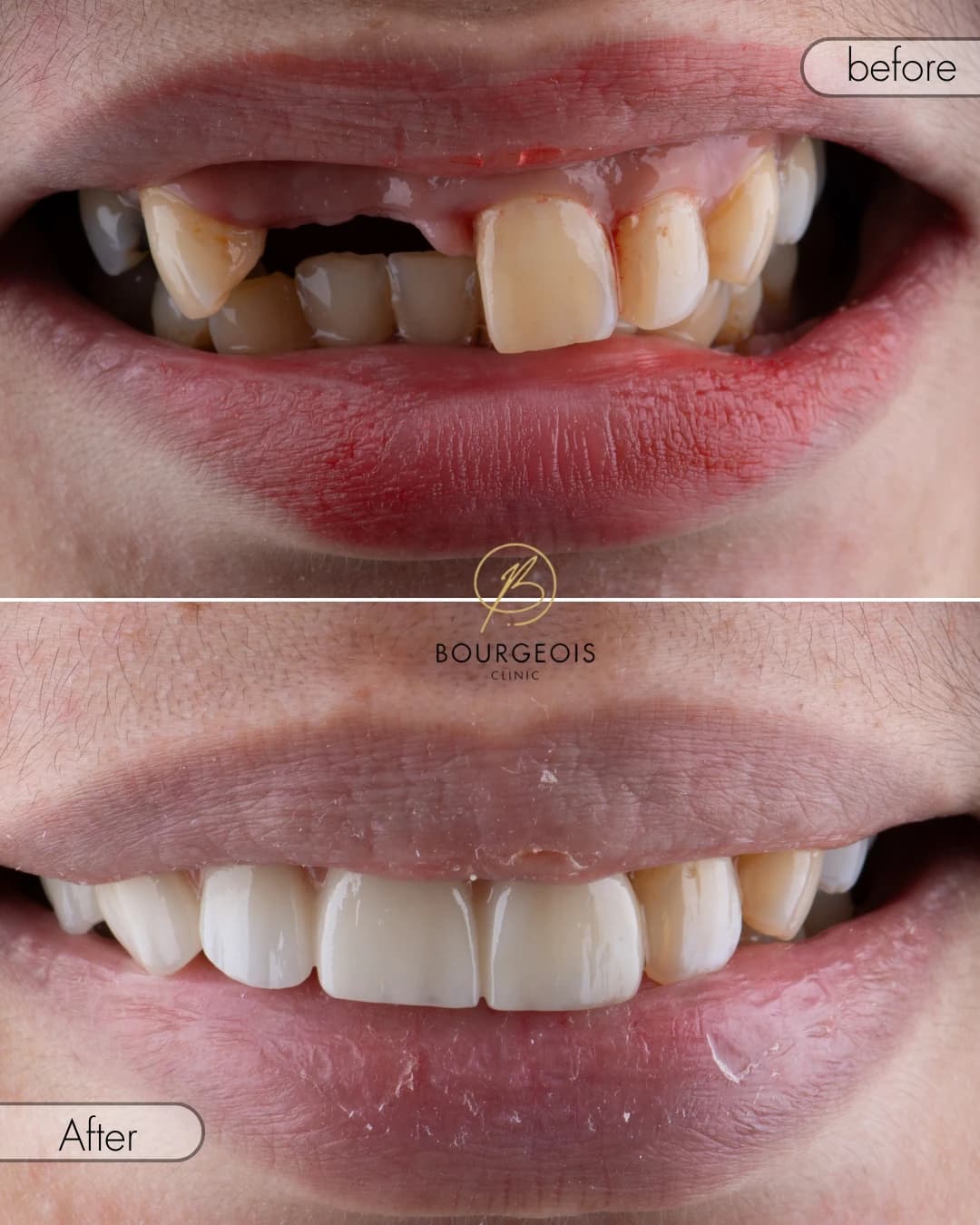
A dental bridge and a dental implant can both fill the space left by a missing tooth, but they use different forms of support. A conventional bridge places a replacement tooth between crowns fitted over the neighbouring teeth. A single-tooth implant is placed in the jawbone and later supports its own crown.
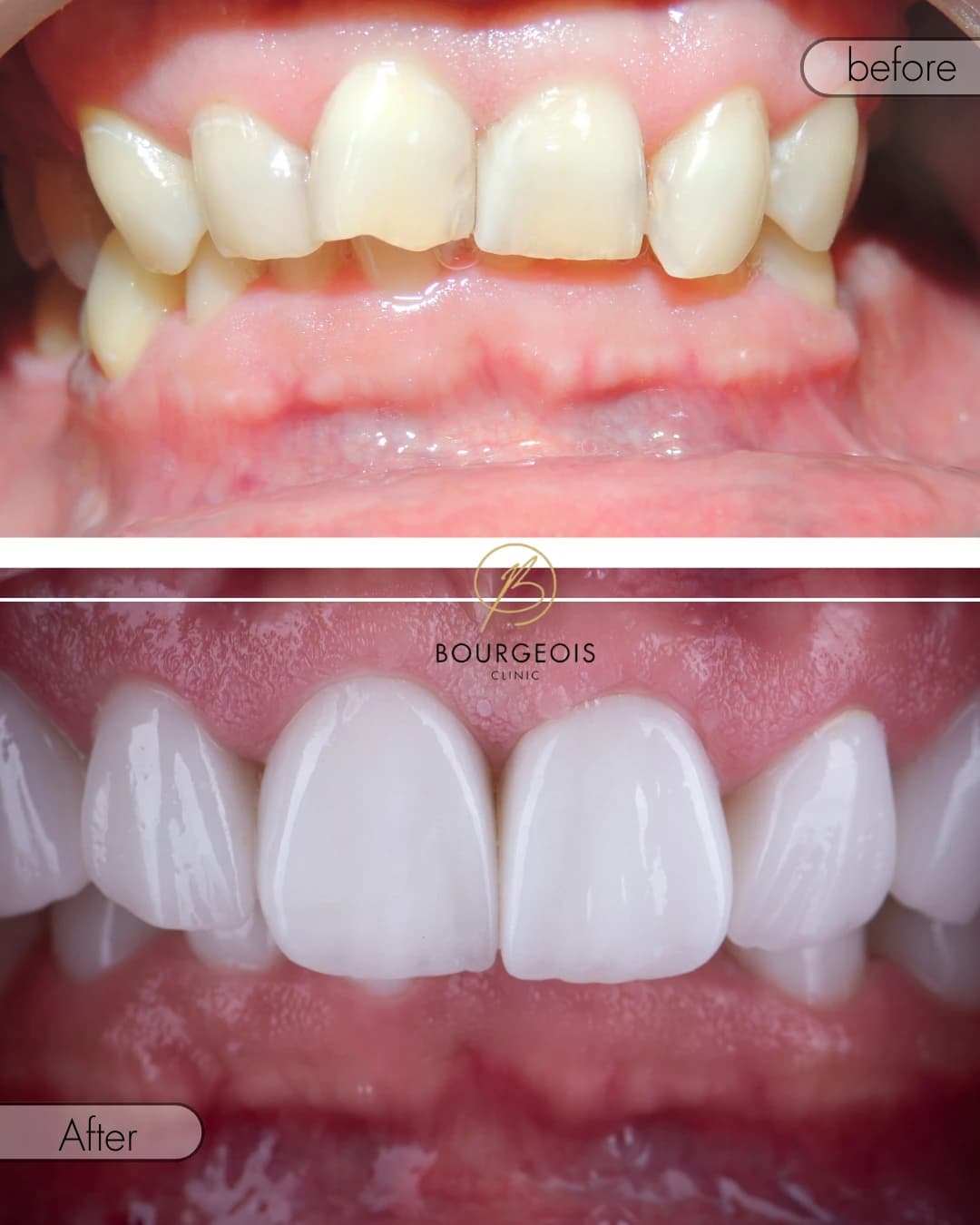
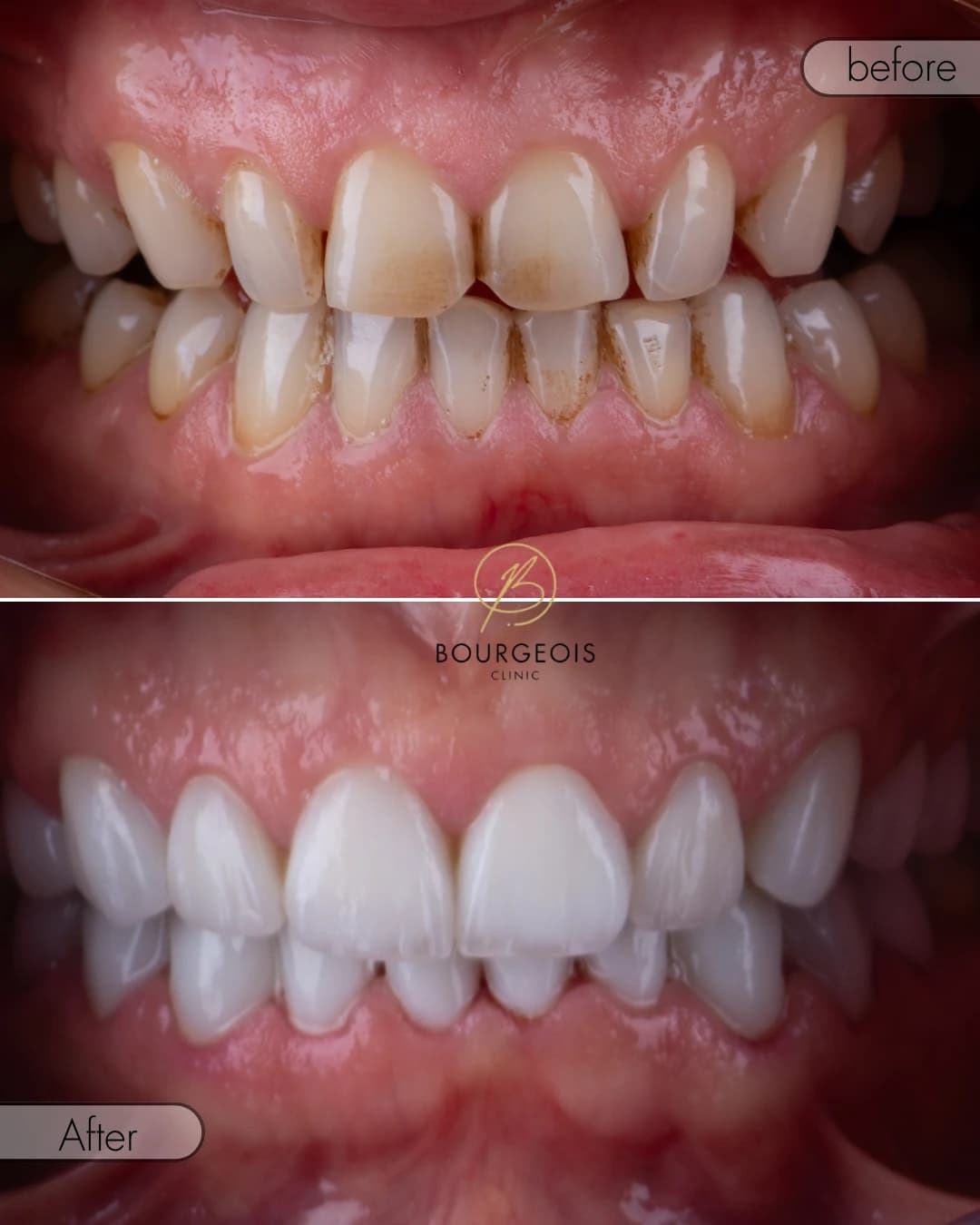
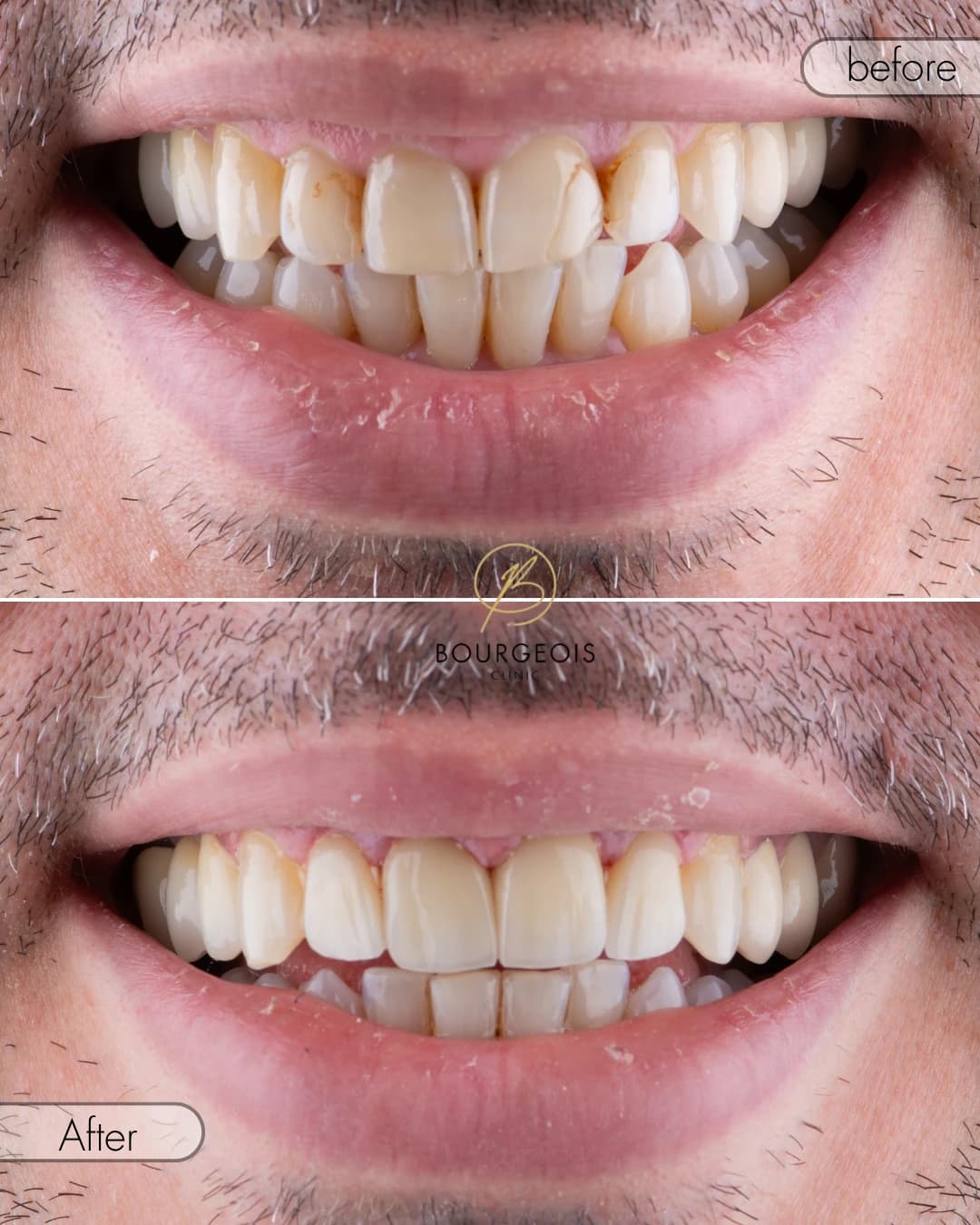
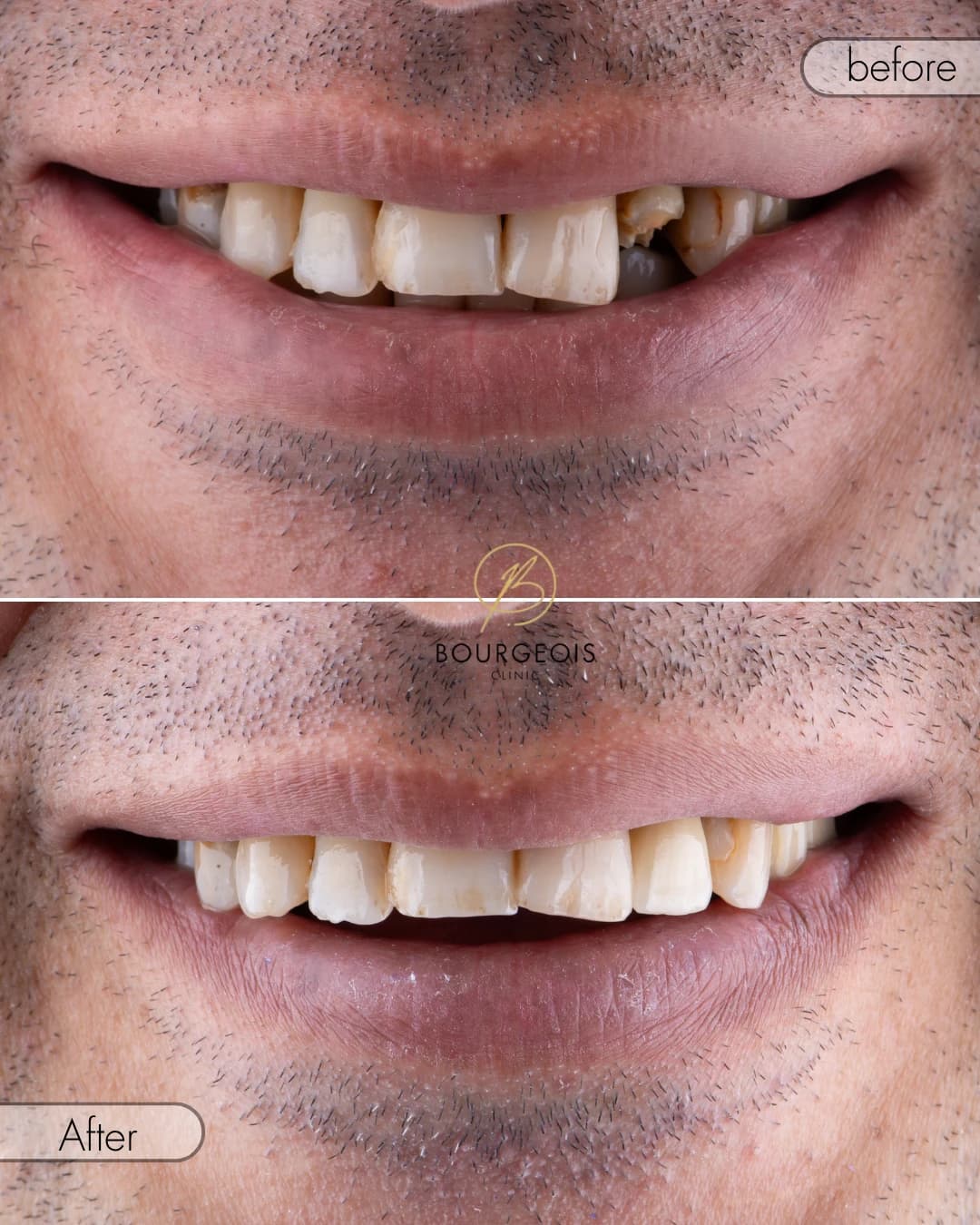
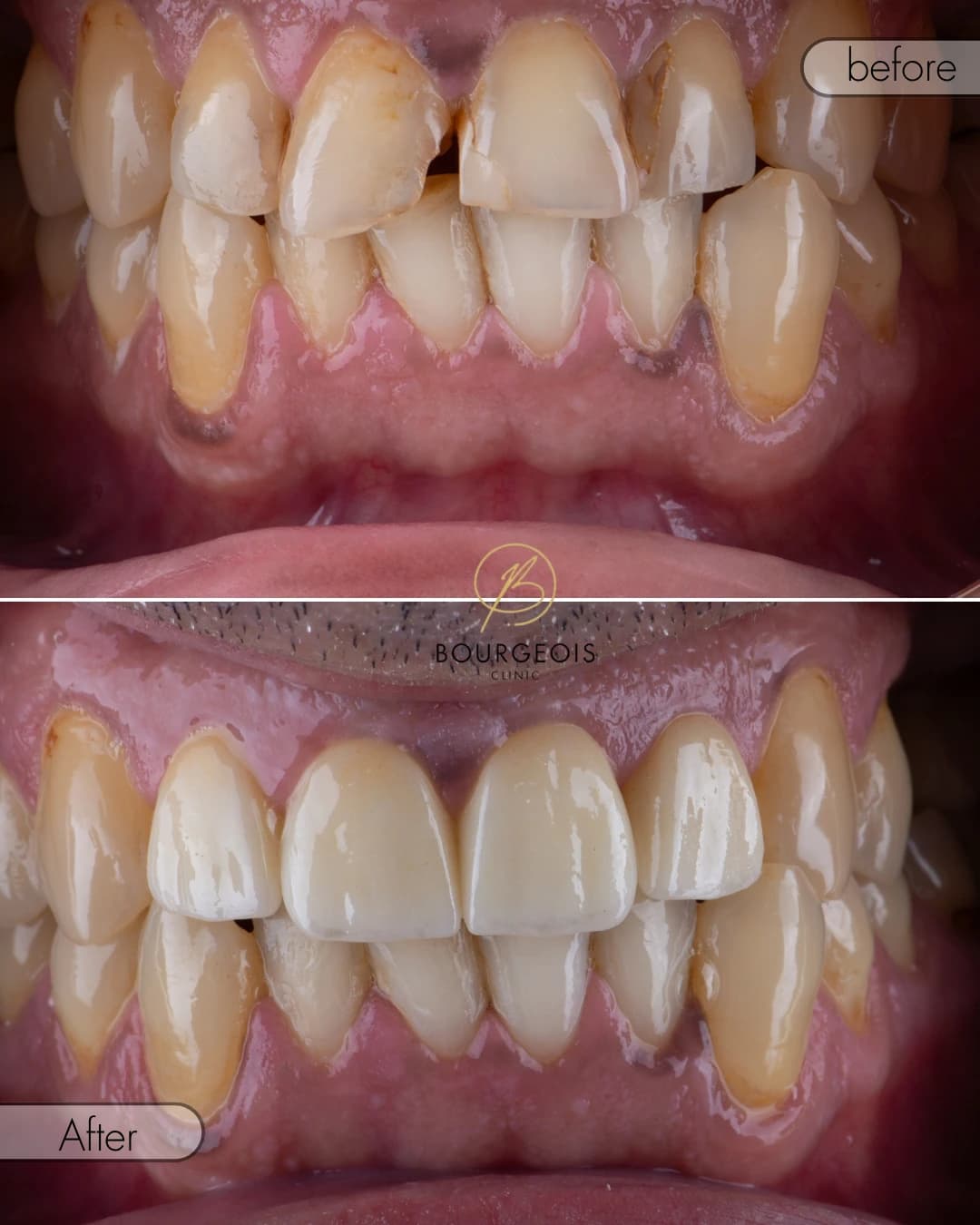
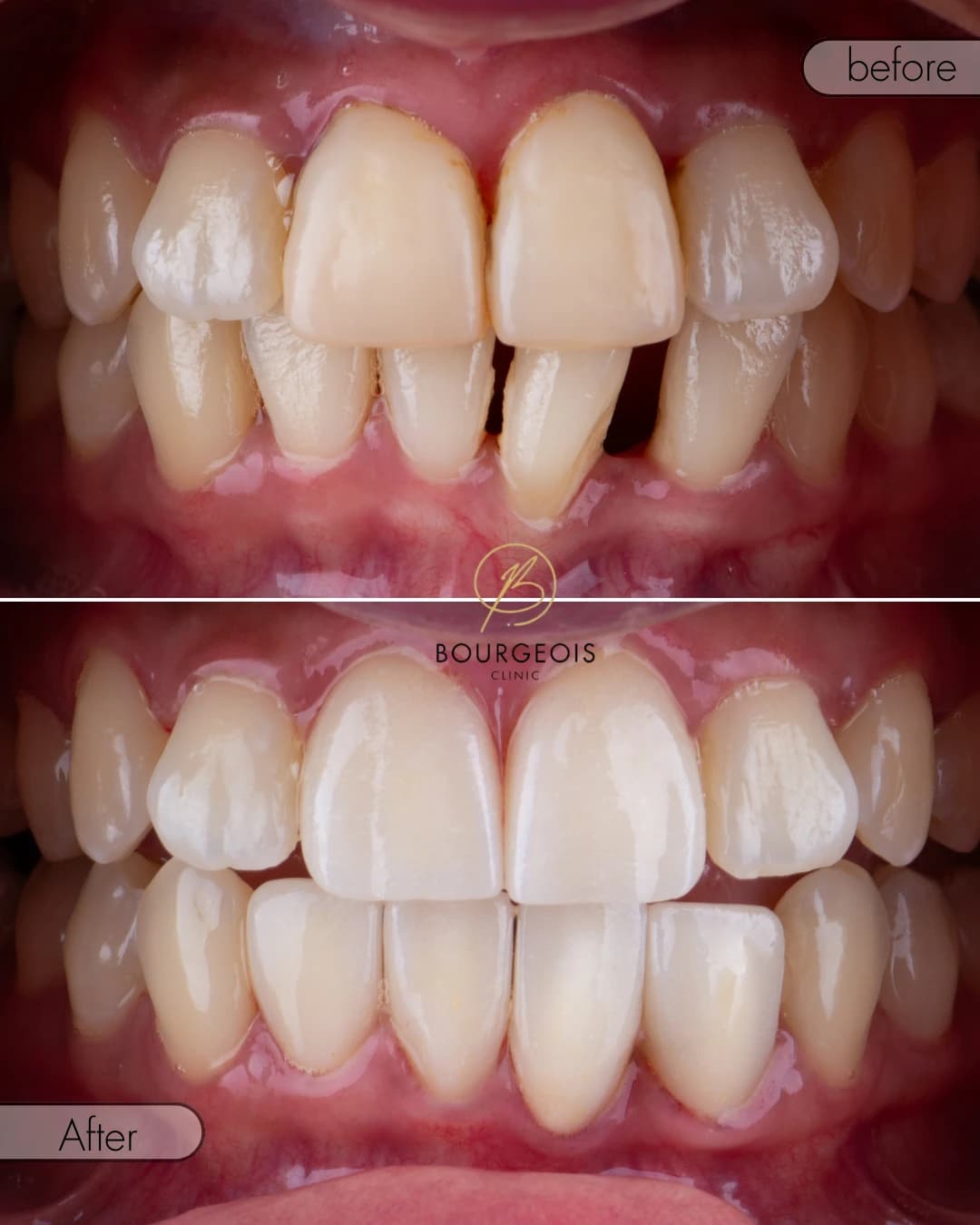
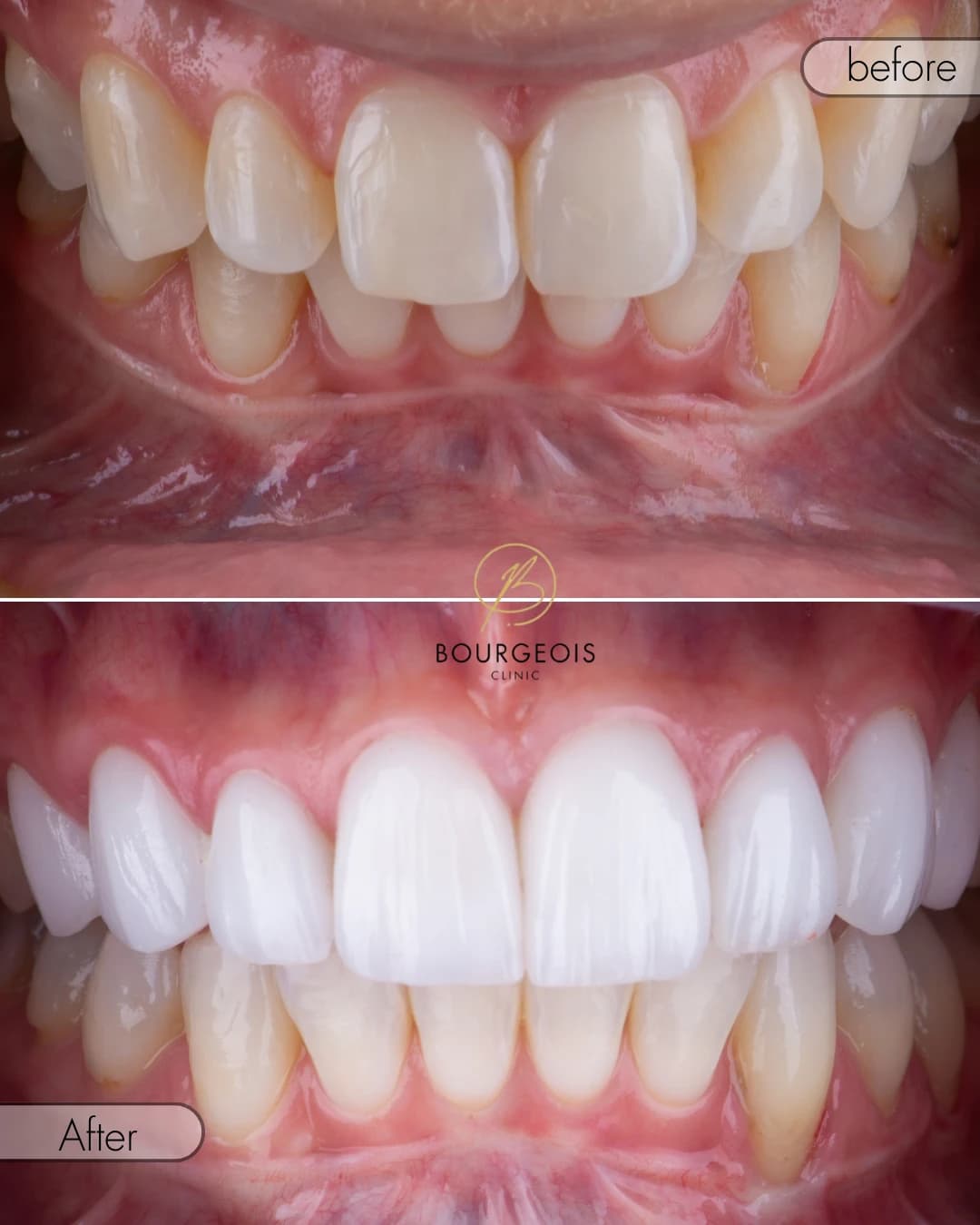
At Bourgeois Dental Clinic in Dubai, the decision is made after assessing the entire space rather than comparing two treatments in isolation. Dr. Nour can examine the neighbouring teeth, gums, bite and existing restorations, then coordinate implant or prosthodontic planning when needed.
The short answer
An implant may preserve the neighbouring teeth because they do not usually need to be prepared to support it. A bridge may avoid implant surgery and can be particularly reasonable when the adjacent teeth already need crowns. Neither option is automatically better. Bone volume, gum health, medical suitability, tooth condition, smile position and maintenance all affect the choice.
How does a dental bridge replace a tooth?
A conventional bridge generally includes a false tooth, called a pontic, joined to crowns on the teeth beside the gap. Those supporting teeth are shaped so the connected restoration can fit over them. Other bridge designs exist, but their suitability depends on the location, bite and available support.
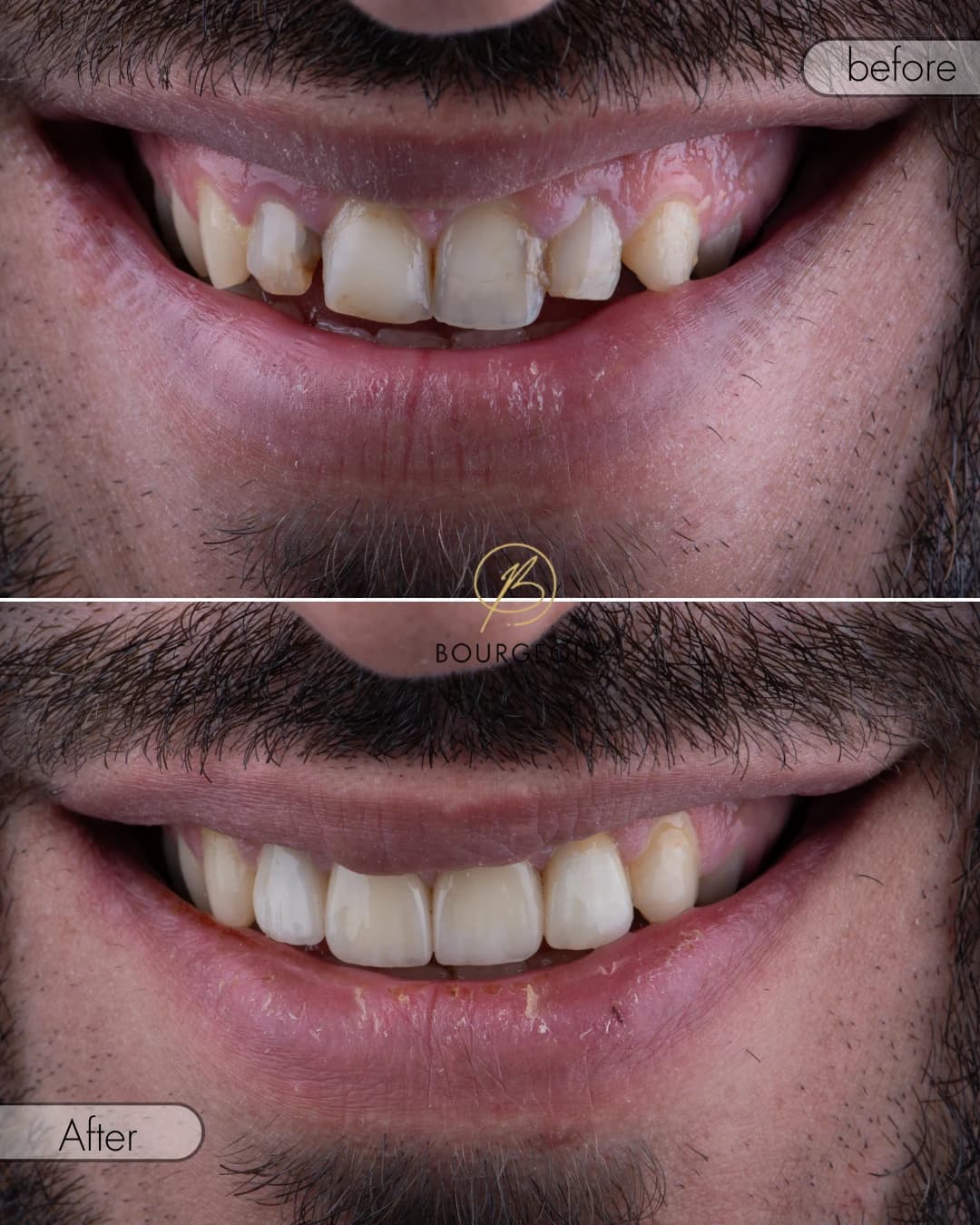
Dental bridges in Dubai may be considered when the neighbouring teeth have large fillings, fractures, wear or crowns that already need replacement. A bridge can restore appearance and chewing contact, but the supporting teeth carry additional responsibility and must remain healthy.
How does a single-tooth implant work?
A dental implant is a fixture placed in bone to act as an artificial root. After the implant is stable and the tissues have healed appropriately, a connector and crown are used to restore the visible tooth. Timing varies according to bone, gum condition, infection history and implant stability.
The clinic’s single-tooth implant service begins with diagnosis and restorative planning. The implant position must support a crown that can be cleaned, looks appropriate in the smile and meets the opposing tooth comfortably.
Which option preserves more natural tooth structure?
An implant commonly avoids preparing sound adjacent teeth. This can be an important advantage when those teeth are healthy and unrestored. However, implant placement involves the gum and bone, so preservation must be considered across the whole site rather than only the visible teeth.
A bridge requires preparation of its supporting teeth. If those teeth are already heavily restored or need crowns for independent reasons, the additional sacrifice may be smaller. If they are completely healthy, preparing them is a more significant and usually irreversible decision.
What if there is not enough bone for an implant?
Bone can shrink after tooth loss, and the amount and shape of remaining bone influence implant placement. Imaging may show that implant treatment is possible as planned, possible with additional procedures, or not advisable. Gum thickness and the position of nearby anatomical structures also matter.
A bridge does not require an implant fixture in the gap, but it still needs strong supporting teeth and a design that allows cleaning. A lack of implant bone does not automatically make a bridge suitable; both plans require their own assessment.
How do the treatment stages differ?
Bridge treatment usually involves preparation, impressions or digital scanning, a temporary restoration when indicated, laboratory production and final fitting. Implant treatment may include extraction-site healing, three-dimensional assessment, implant placement, healing, restorative records and delivery of the implant crown.
Immediate implant placement or a temporary tooth may be possible in selected cases, but neither should be promised before assessment. A temporary solution may also be needed while an implant heals, especially in a visible area.
Which feels and looks more natural?
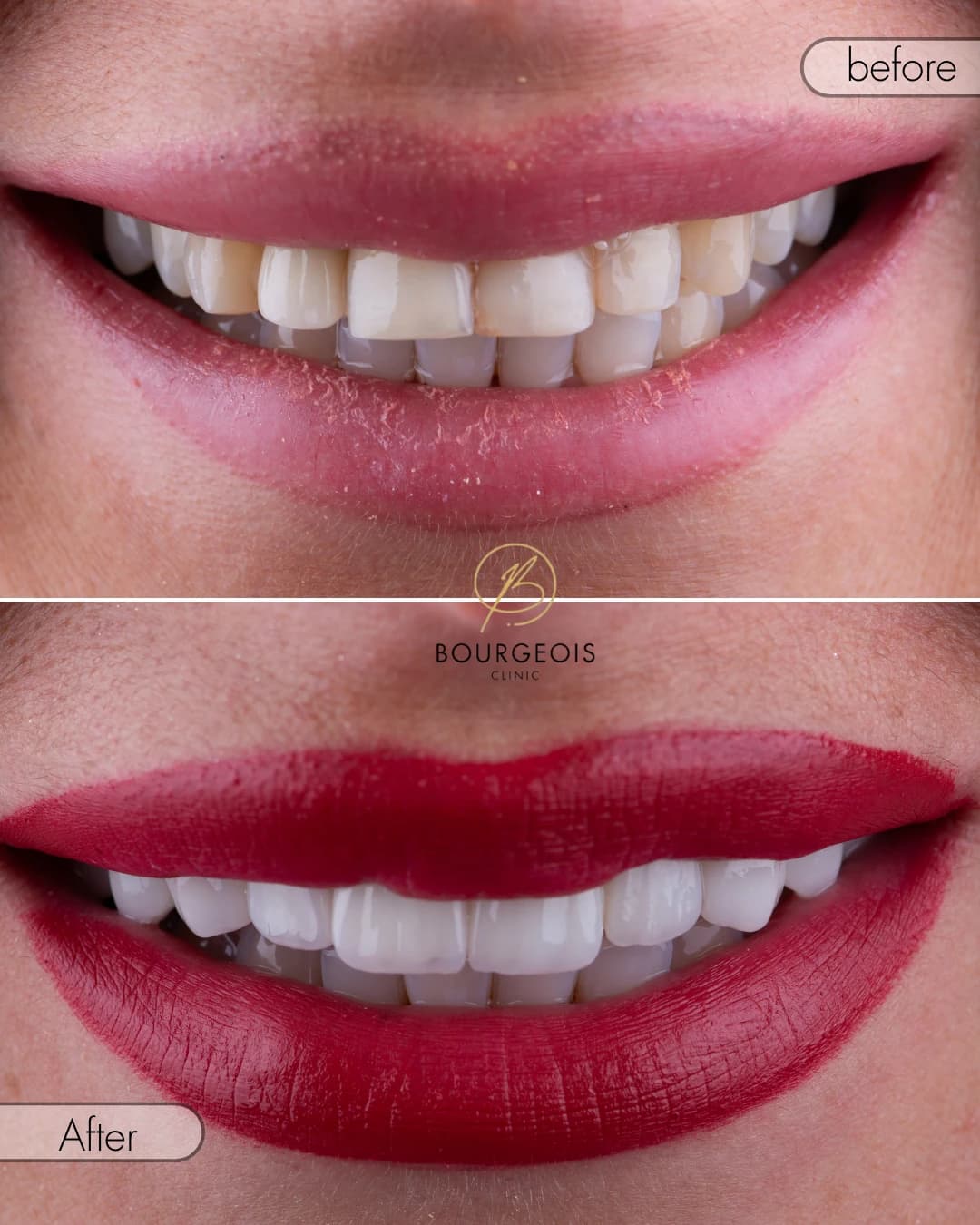
Both options can provide a natural appearance when they are well planned. The result depends on tooth proportions, shade, gum shape, available space and laboratory execution. An implant crown emerges independently from the gum, whereas a bridge connects the replacement tooth to its supporting crowns.
In the front of the mouth, gum architecture and bone position can strongly affect the result. In the back, strength, cleansability and bite forces may receive greater emphasis. The treatment must be designed for the individual site.
How is cleaning different?
An implant crown is cleaned around the gumline and between neighbouring teeth, although special brushes or floss may be recommended. A bridge requires cleaning under the false tooth because ordinary floss cannot pass vertically between its connected units. Floss threaders, super floss or interdental brushes may be advised.
Neither restoration is immune to problems. Natural supporting teeth can develop decay or root issues, while implants can develop inflammation in the surrounding tissues. Professional reviews and effective daily cleaning remain important for both.
When might a bridge be preferred?
- The adjacent teeth already need crowns.
- Implant surgery is medically or anatomically unsuitable.
- The patient prefers a non-implant restorative approach after understanding the trade-offs.
- The bone or gum situation makes predictable implant treatment difficult.
- A carefully designed bridge offers reasonable support and cleansability.
When might an implant be preferred?
- The neighbouring teeth are healthy and should remain untouched.
- Bone and gum conditions are suitable.
- The patient is medically suitable for implant treatment.
- There is enough space for an implant and crown.
- The patient can maintain the site and attend follow-up care.
What if more than one tooth is missing?
The comparison changes when several teeth are absent. Options may include a tooth-supported bridge, an implant-supported bridge, individual implants or a removable partial denture. The number of implants does not always equal the number of missing teeth. The broader plan should consider the full arch, remaining teeth and future maintenance.
Complex cases may involve the clinic’s prosthodontics and full-mouth rehabilitation department and implant dentistry department.
Planning the decision with Dr. Nour
Dr. Nour can evaluate the missing-tooth space, the condition of the adjacent teeth, gum health, bite and the patient’s priorities. She can explain restorative choices and coordinate with the clinic’s implant team when surgical assessment is appropriate. This shared planning helps ensure that the implant or bridge is selected for the clinical situation, not simply because it is familiar.
Book a missing-tooth consultation in Dubai
Bring any previous X-rays or implant records if available and mention medical conditions, medicines, smoking and previous problems with crowns or gum disease. Book a dental appointment at Bourgeois Dental Clinic on Sheikh Zayed Road, Exit 41, for an individual assessment.