

How to Choose the Best Dental Implant Dentist in Dubai
Choosing the best dental implant dentist in Dubai is not about accepting a promotional ranking or selecting the clinic with the lowest advertised price. The right implant dentist for you should have an appropriate professional licence, experience relevant to your case, a diagnosis-led approach and a clear plan for both the implant and the final replacement tooth.
At Bourgeois Dental Clinic’s dental implant department in Dubai, implant care is provided by a multidisciplinary team that includes Dr. Yasser Al Niazi, Dr. Allaa and Dr. Mohsin Khlaifawi. Each dentist has a verified implant-related clinical scope, but the most suitable clinician and treatment plan still depend on your examination, medical history, bone, gums, bite and restorative needs.
Quick Answer: What Makes a Good Implant Dentist?
A strong dental implant dentist evaluates the whole case before recommending surgery. This includes the missing or failing tooth, gum health, available bone, nearby roots and nerves, bite forces, medical risks, aesthetic expectations and the design of the final crown, bridge or full-arch restoration. The dentist should explain alternatives, limitations, stages, expected costs and maintenance requirements without promising a guaranteed result.
What Does “Best Dental Implant Dentist” Really Mean?
There is no universal dentist who is best for every implant patient. A straightforward single-tooth implant is different from a front-tooth aesthetic case, immediate placement after extraction, severe bone loss, a failed implant or a full-arch reconstruction. The best match is the appropriately qualified dentist whose experience and treatment approach fit your particular condition.
Use the following criteria to make an evidence-based decision.
1. Verify the Dentist’s Licence and Professional Title
Confirm that the dentist is licensed to practise in Dubai and review the registered professional title. A website description, social-media biography or patient review should not replace licence verification. You can check the official Dubai medical professional registry and ask the clinic to clarify the dentist’s current role and scope.
Titles matter, but they are only the starting point. Relevant training, clinical experience, treatment planning, communication and coordination with restorative or gum-care colleagues also influence the quality of implant care.
2. Match the Dentist’s Experience to Your Implant Case
Ask how frequently the dentist treats cases similar to yours. The useful question is not simply, “How many implants have you placed?” It is whether the dentist has experience with your clinical situation and can explain how it changes the plan.
| Your situation | Experience to look for |
|---|---|
| One missing tooth | Implant position, neighbouring roots, bite and individual crown design |
| Missing front tooth | Smile-line assessment, gum contour, provisional tooth and aesthetic restoration |
| Tooth requiring extraction | Extraction-site evaluation, socket preservation and immediate-versus-delayed placement |
| Bone loss | Bone-volume assessment, grafting options, staged treatment and risk discussion |
| Several missing teeth | Implant distribution, bridge design, cleaning access and force control |
| Full arch | Comprehensive rehabilitation, implant distribution, bite, speech and maintenance planning |
| Existing implant problem | Assessment of infection, bone loss, restoration, components and retrievability |
3. Look for Restorative-First Implant Planning
An implant is the foundation for a replacement tooth; it is not the visible tooth itself. Good planning starts with the intended final crown, bridge or full-arch restoration, then determines where and how an implant can support it safely.
The plan should consider tooth position, gumline, smile, bite, space, cleaning access and the relationship to neighbouring teeth. Placing an implant only where bone happens to be available can compromise the final restoration. Ask who will design and fit the final tooth and how the surgical and restorative stages will be coordinated.
4. Expect a Complete Clinical and Diagnostic Assessment
A responsible dental implant consultation should review your concern, dental history, medical conditions, medications, smoking, diabetes, previous gum disease, grinding and expectations. The examination may include the teeth, gums, bite, available restorative space and the proposed implant site.
Appropriate imaging is selected according to the case. Three-dimensional imaging may be needed to evaluate bone dimensions, nearby anatomical structures and implant positioning, but imaging should support clinical judgment rather than replace it.
5. Check How the Dentist Assesses Bone and Gum Health
Healthy supporting tissues are central to implant treatment. The dentist should assess gum inflammation, periodontal disease, bone quantity and quality, soft-tissue thickness and hygiene. Active infection or uncontrolled gum disease may need treatment before implant placement.
Not every patient needs grafting. When bone is insufficient, the dentist should explain why bone grafting for dental implants is being considered, whether another option exists and how grafting changes time, cost and risk.
6. Ask About Alternatives to Dental Implants
A trustworthy consultation should not assume that an implant is automatically the best solution. Depending on the remaining teeth, bone, health, budget and priorities, alternatives may include preserving and restoring the natural tooth, a conventional bridge, an adhesive bridge, a partial denture or no immediate replacement.
The dentist should explain the advantages, limitations, biological cost, maintenance and expected treatment time of reasonable options. Informed consent means understanding alternatives as well as the proposed implant.
7. Review Cases Carefully, Not Just Photographs
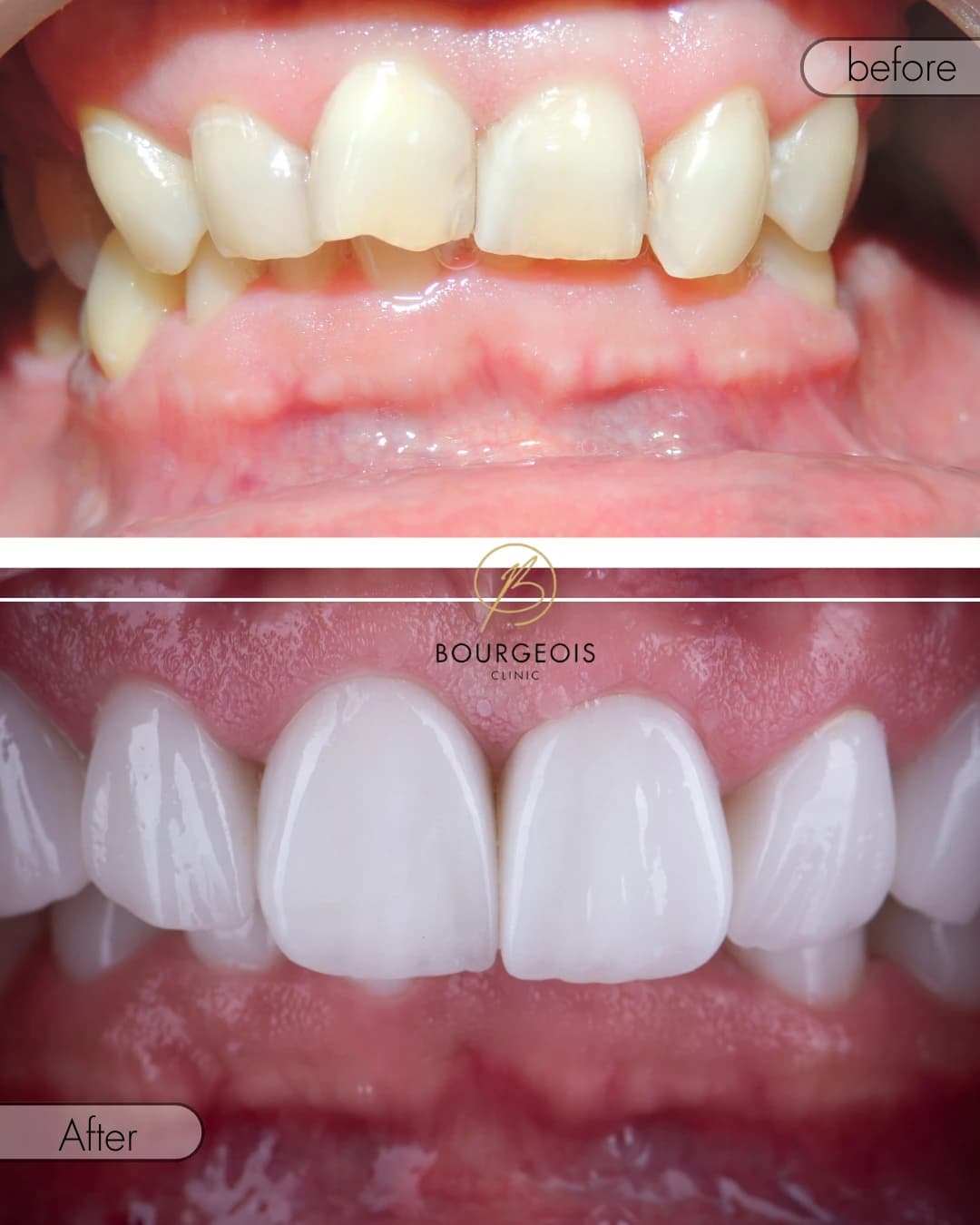
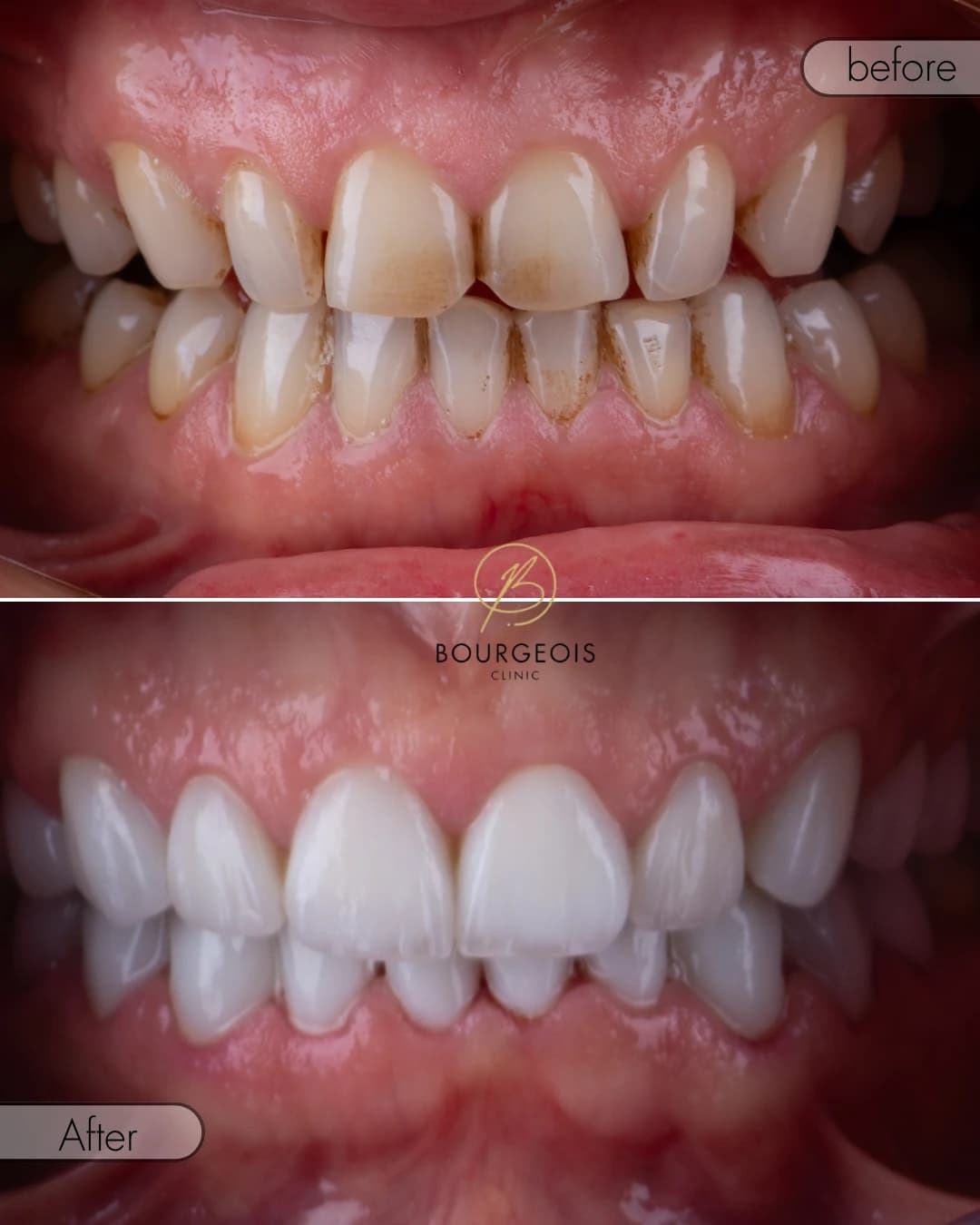
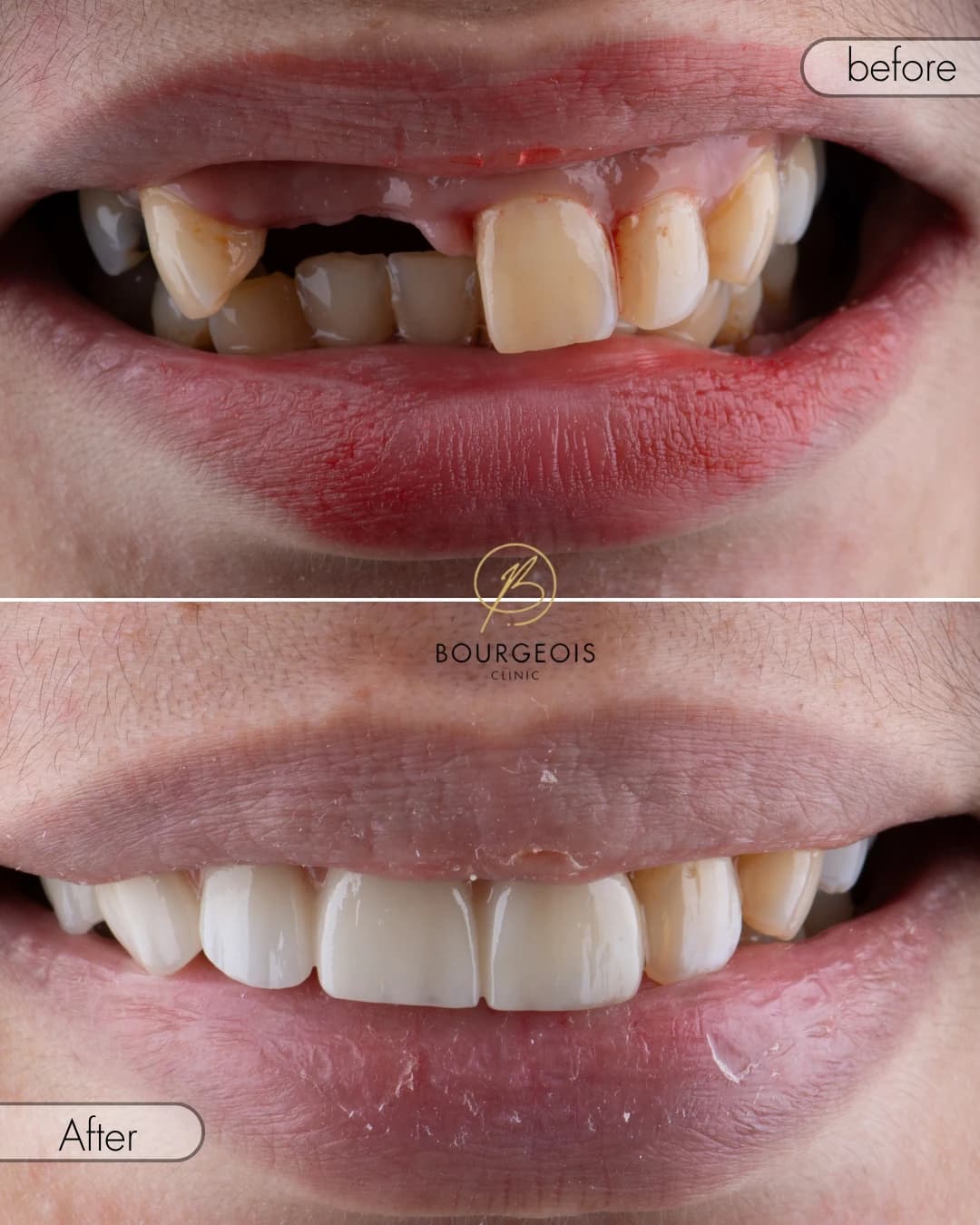
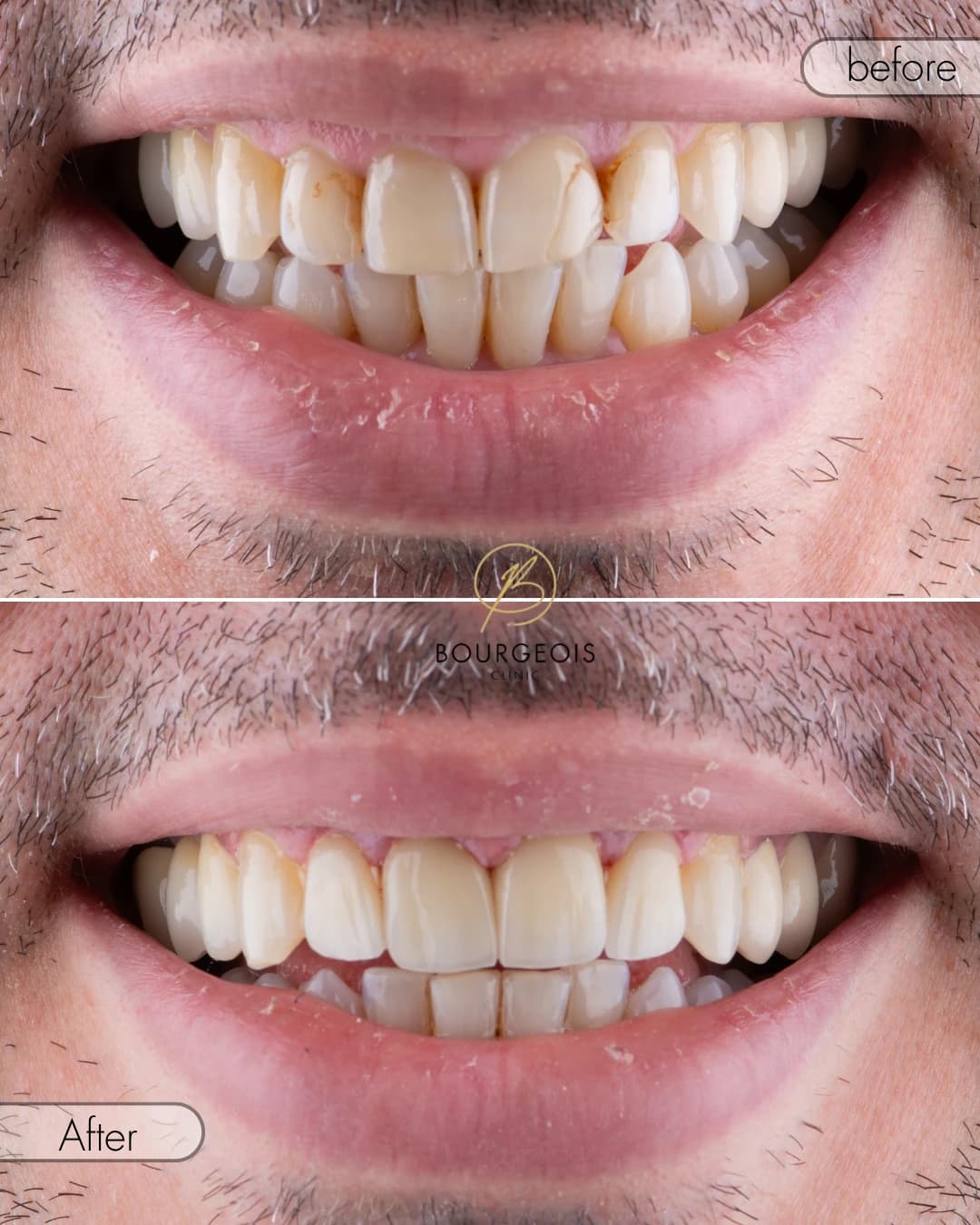
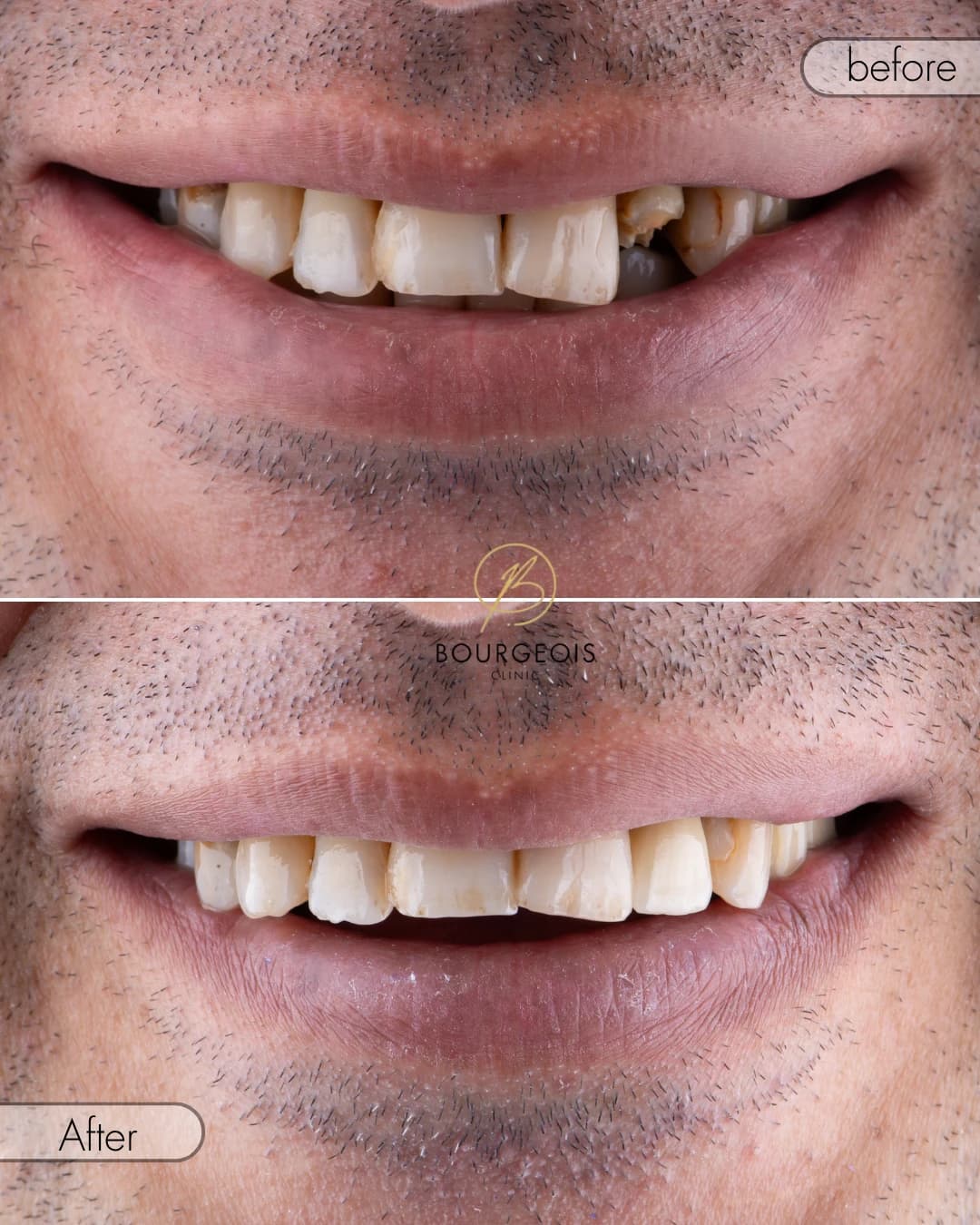
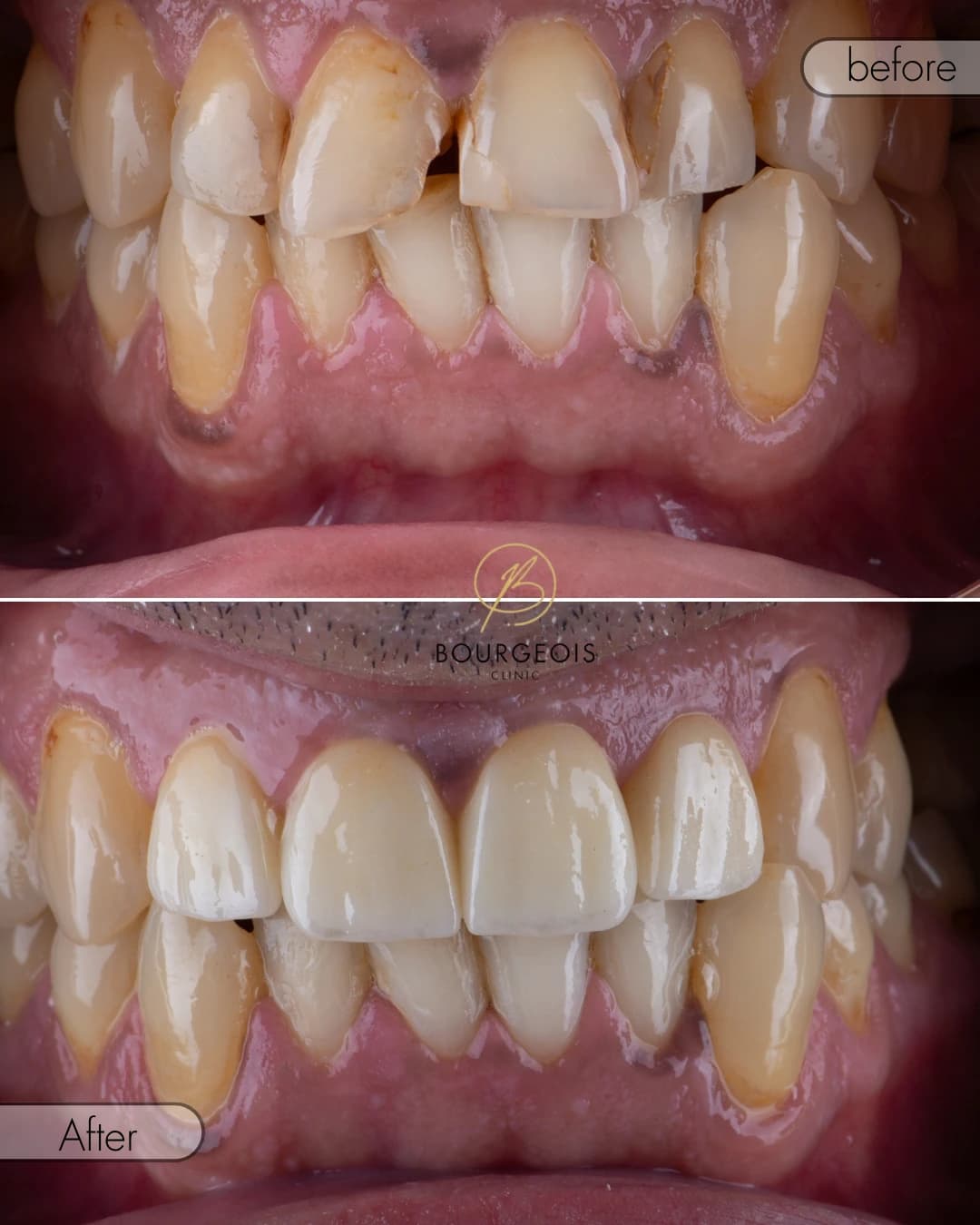
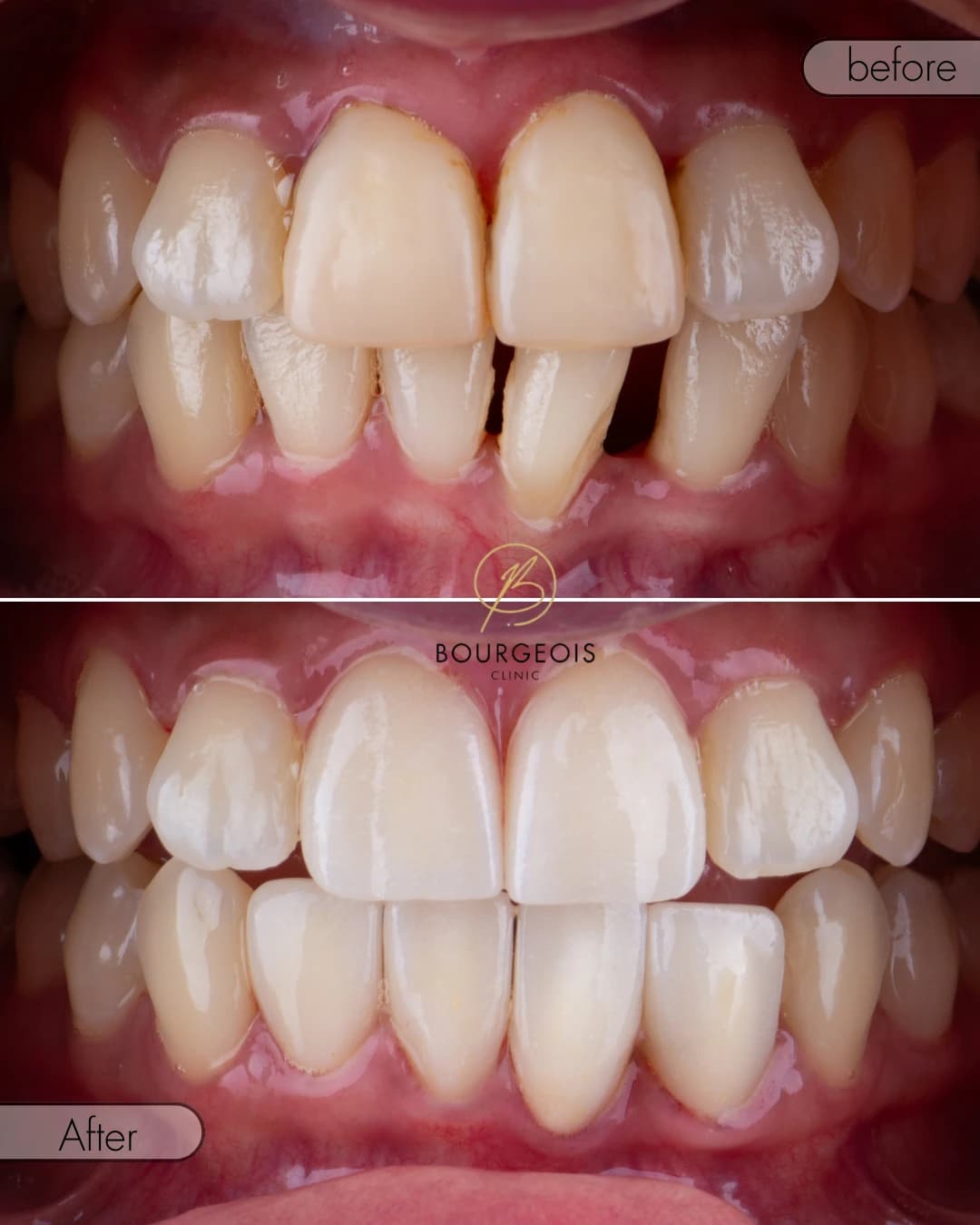
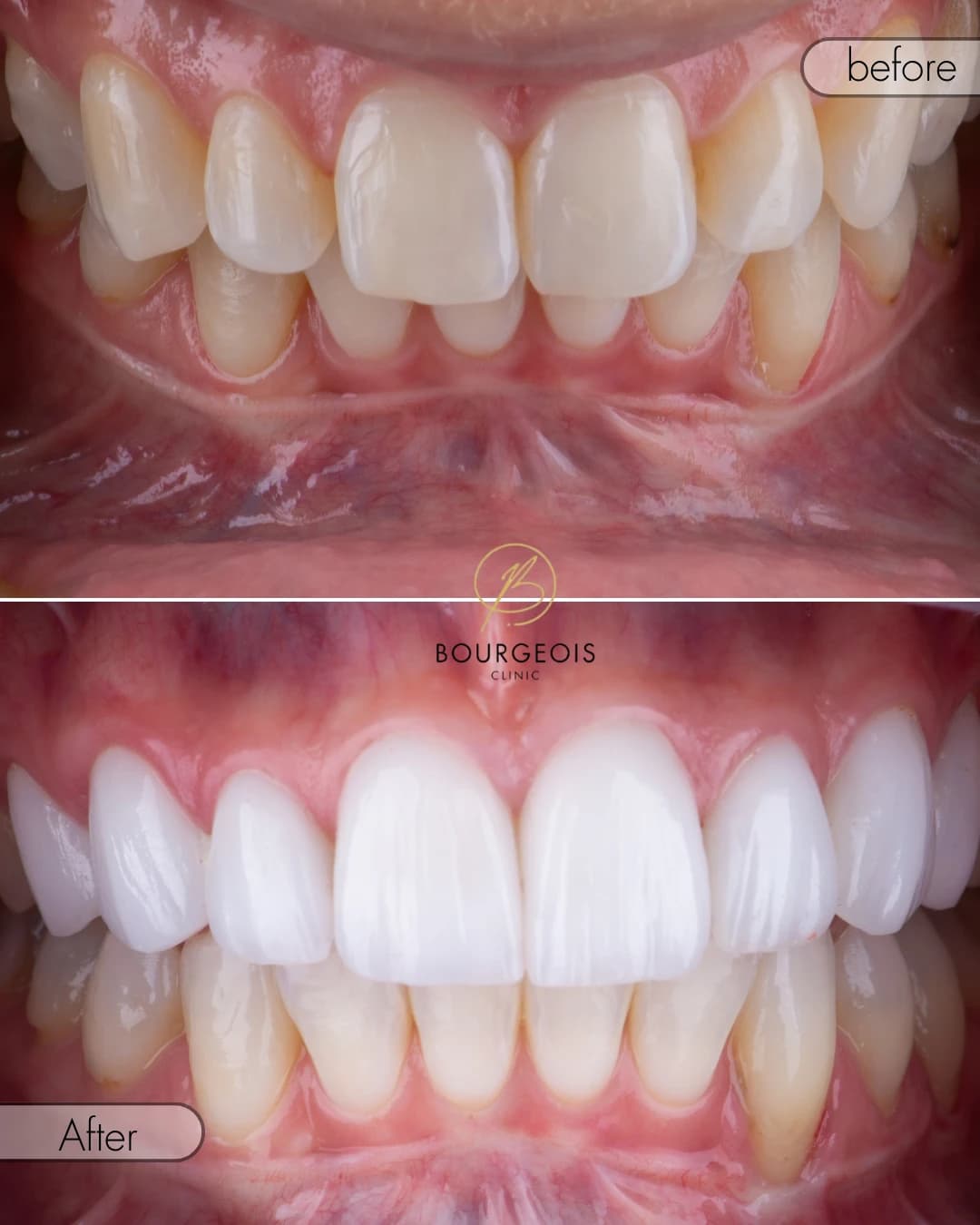
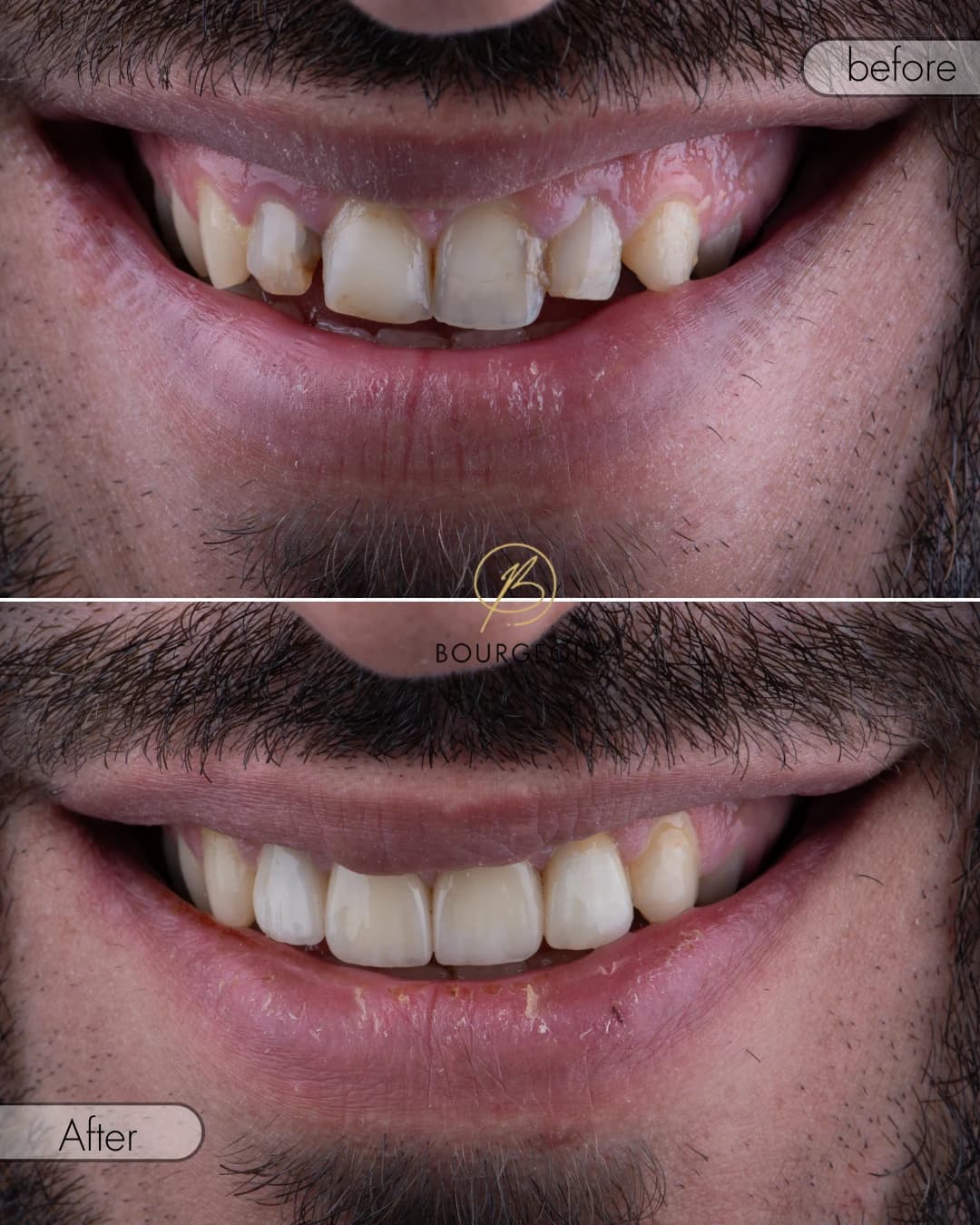
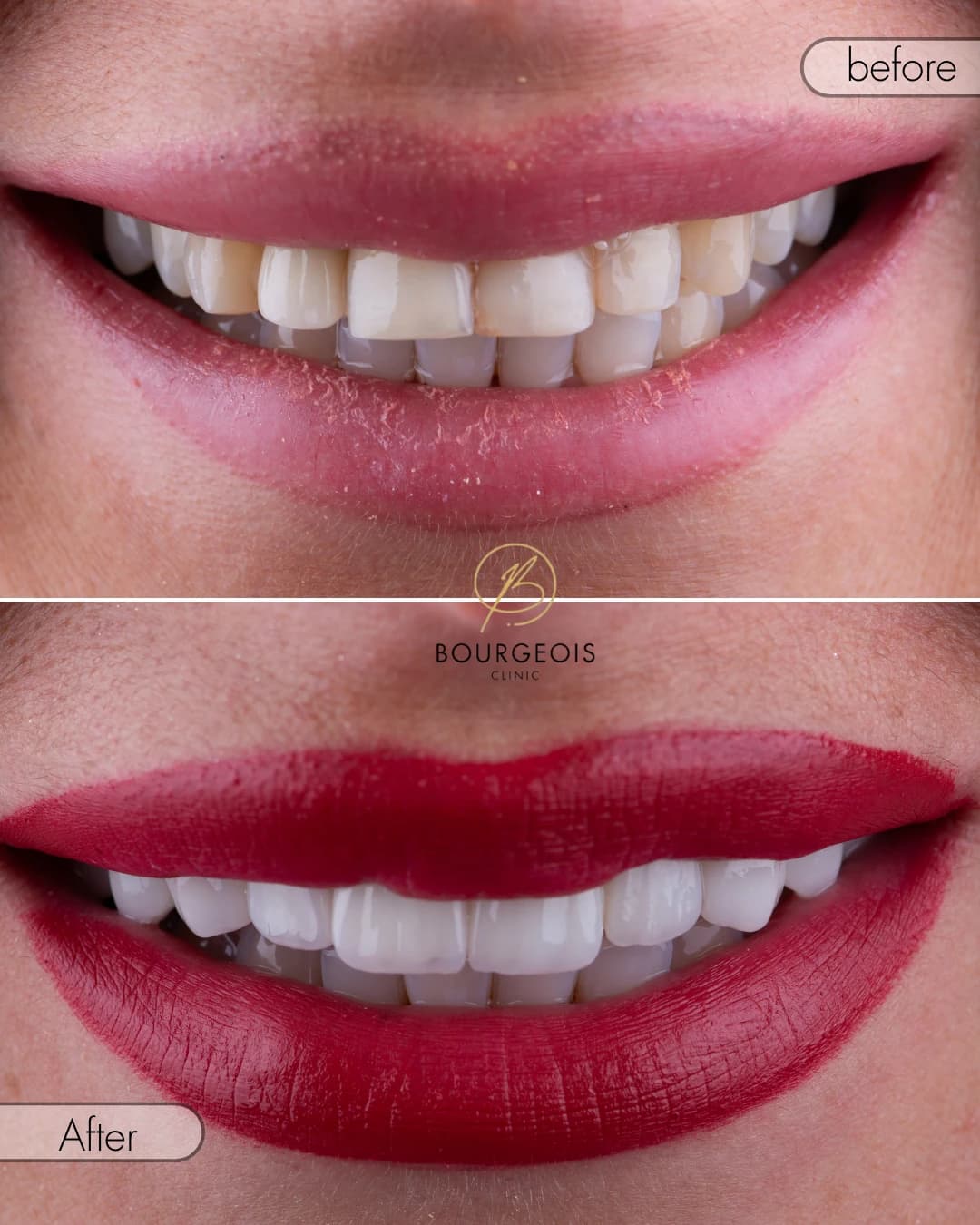
Before-and-after images may help you understand a dentist’s work, but photographs alone do not prove long-term success. Ask whether the example is comparable to your case, how long after treatment the final photograph was taken and whether the case required grafting, gum treatment or provisional restorations.
For complex cases, useful documentation may include diagnostic images, digital planning, provisional stages, final restorations and follow-up. Patient privacy and consent should always be respected.
8. Compare Written Treatment Plans, Not Headline Prices
The lowest implant advertisement may exclude essential components. Request an itemised plan showing what is included, such as consultation, imaging, extraction, grafting, implant fixture, abutment, temporary tooth, final crown, laboratory work, medication and follow-up.
Costs vary with the number of implants, restorative design, site complexity, bone or gum procedures, materials and laboratory requirements. Compare like-for-like plans based on the same diagnosis. Avoid choosing only by a headline offer or assuming that the highest fee guarantees the best outcome.
9. Understand the Implant System and Final Restoration
Ask which implant system is proposed, why it suits the case and whether replacement components and documentation will be available in the future. You should receive clear records of the implant and relevant components after treatment.
The final crown or bridge also matters. Discuss the material, connection design, appearance, bite, cleaning access, laboratory process and what may require maintenance or replacement over time.
10. Evaluate Communication, Consent and Expectations
Your dentist should explain the diagnosis and plan in language you understand. You should have time to ask questions and should not feel pressured to begin surgery immediately for a non-urgent condition.
Be cautious of guaranteed lifetime results, promises that treatment is risk-free or claims that every patient can receive an implant immediately. Implant outcomes depend on individual biology, health, habits, planning, treatment, restoration and maintenance.
11. Confirm Follow-Up and Long-Term Maintenance
Implant care continues after the implant and crown are fitted. Ask who will manage post-operative checks, restoration reviews and professional maintenance. Learn how to clean the implant at home and what signs should prompt assessment.
Dental implant maintenance helps monitor the gums, bone, bite, crown, bridge, screws and cleaning access. Bleeding, swelling, persistent bad taste, pain, recession or movement should be assessed. Existing inflammation may require a dedicated peri-implantitis evaluation.
Meet the Implant Dentists at Bourgeois Dental Clinic
Dr. Yasser Al Niazi — Dental Surgeon & Implantologist
Dr. Yasser Al Niazi has more than two decades of dental experience. His published clinical profile includes dental implantology, aesthetic dentistry, crowns and comprehensive rehabilitation of complex cases. His scope can be relevant when missing teeth form part of a broader restorative or full-mouth treatment plan.
Dr. Allaa — Dental Surgeon & Implantologist
Dr. Allaa has more than 20 years of dental experience in Germany. His profile includes dental implantology, prosthetic and restorative dentistry, periodontology, minimally invasive care and microscope-assisted endodontics. This multidisciplinary background supports assessment of whether a tooth can be preserved or should be replaced.
Dr. Mohsin Khlaifawi — Aesthetic Dentist, Oral Rehabilitation Dentist & Implant Surgeon
Dr. Mohsin Khlaifawi has more than 10 years of dental experience. His clinical work combines implant surgery with aesthetic and restorative planning, including rehabilitation for patients with missing, damaged or heavily restored teeth.
These profiles help you identify a suitable starting point, but they do not replace an examination. The clinic may coordinate care among dentists when surgical, restorative, gum, endodontic or aesthetic needs overlap.
Questions to Ask an Implant Dentist Before Treatment
- What is the exact diagnosis, and why is an implant recommended?
- Can the natural tooth be predictably preserved?
- What alternatives are reasonable in my case?
- Who will place the implant and who will make the final tooth?
- Do I need extraction, grafting or gum treatment first?
- Is immediate placement appropriate, or is delayed treatment safer?
- What implant system and restoration are proposed?
- What is included in the written cost?
- What are the main risks and limitations in my case?
- How long might each stage take?
- What happens if the implant does not integrate or a component fails?
- What maintenance will I need after treatment?
Red Flags When Choosing an Implant Provider
- A diagnosis or firm price offered without examining you
- Pressure to accept surgery immediately for a non-urgent problem
- No discussion of saving the natural tooth or other replacement options
- Guaranteed success or lifetime claims without clear conditions
- No assessment of gums, bone, bite or medical history
- No explanation of who provides the final crown or bridge
- Unclear implant-system records or component information
- An incomplete quote that excludes important stages
- No structured follow-up or maintenance plan
What Happens During an Implant Consultation in Dubai?
Your first visit usually begins with a discussion of the missing or failing tooth and your goals. The dentist reviews your medical and dental history, examines the site, gums, neighbouring teeth and bite, and recommends relevant imaging. You should then receive an explanation of findings, suitability, alternatives, proposed stages, risks, likely timeline and itemised costs.
If a tooth must be removed, the dentist will assess whether implant placement after extraction can be considered or whether healing, socket preservation or grafting is preferable. For patients missing most or all teeth, full-arch implant treatment requires broader evaluation of bone, bite, speech, appearance, hygiene and long-term maintenance.
Book a Dental Implant Assessment in Dubai
Bourgeois Dental Clinic is located on the first floor, Office No. 5, Indigo Sky Building, Sheikh Zayed Road, Exit 41, near Al Thanya Street in Dubai. The location is convenient for patients from Al Barsha, Umm Al Sheif, Umm Suqeim, Jumeirah, Al Quoz, Barsha Heights, The Greens, Dubai Marina and surrounding communities.
Book a dental implant consultation to assess a missing tooth, a failing tooth, several missing teeth, bone-grafting needs, full-arch treatment or an existing implant concern. A clinical assessment is required before confirming suitability, timing or cost.
Editorial note: This guide explains how to compare implant dentists and does not rank any individual dentist as universally best. Professional titles, experience and treatment suitability should be verified for the patient’s specific needs.