


Dental Checkup in Dubai with Dr. Nour: What to Expect at Your First Visit
A first dental checkup should establish a clear oral-health baseline, explain priorities and create a personalised next-step plan—not rush every patient into treatment.
A first dental visit should give you more than a quick look at your teeth. It is an opportunity to understand your current oral health, discuss symptoms and priorities, identify problems that may not yet be painful, and agree on the next appropriate step. A structured checkup also creates baseline records that make future changes easier to monitor.
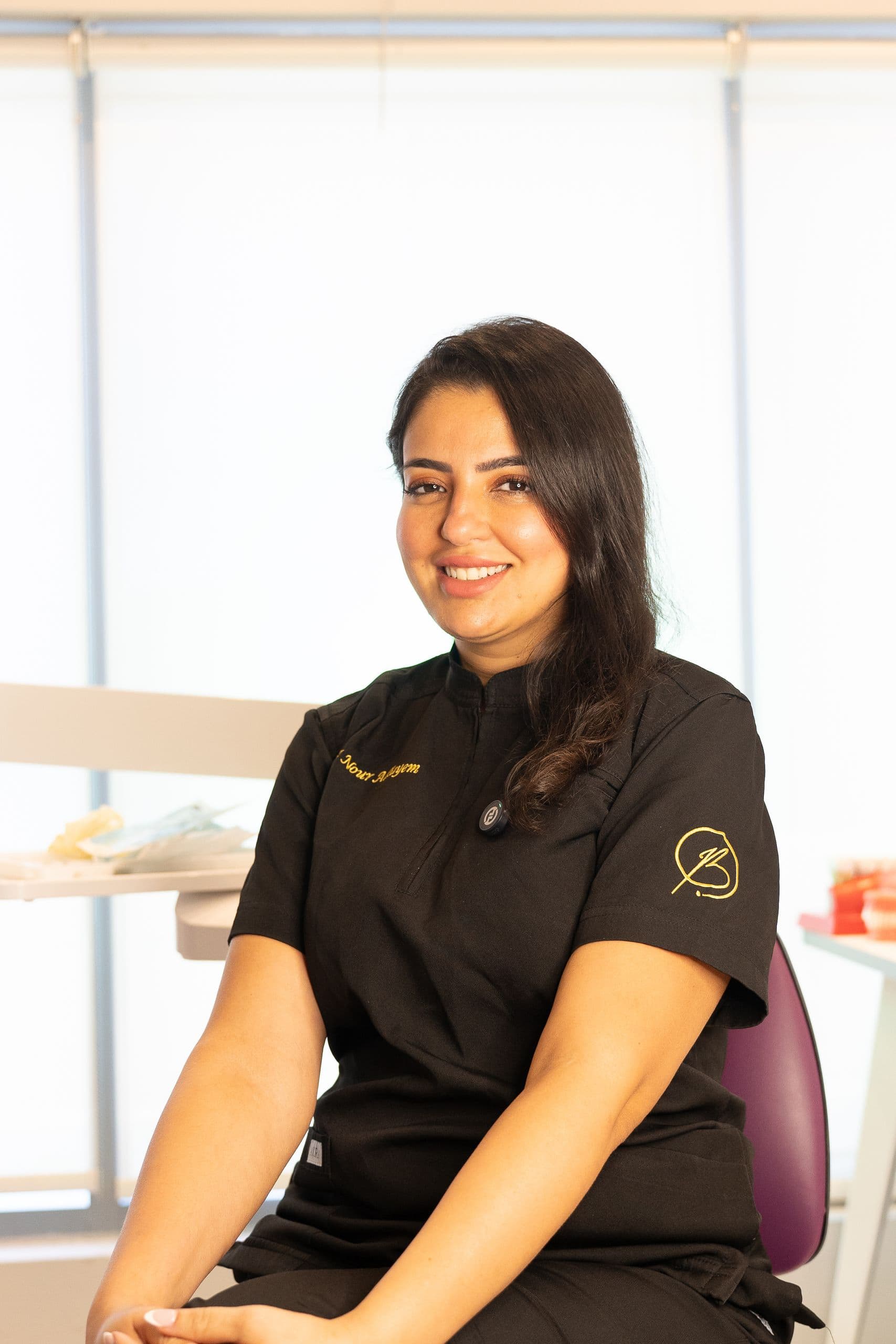
At Bourgeois Dental Clinic in Dubai, the visit is guided by your needs rather than a one-size-fits-all checklist. Dr. Nour provides general, cosmetic and prosthetic dental care and can assess the whole mouth, explain her findings and coordinate specialist input when a case falls outside general dentistry.
Quick Answer: What Happens at a Dental Checkup?
A complete checkup usually includes a review of your medical and dental history, a conversation about symptoms and goals, examination of the teeth and restorations, assessment of the gums and soft tissues, and diagnostic records when clinically indicated. The dentist then explains what appears healthy, what needs monitoring and what may need treatment.
Not every patient requires the same tests or procedures at every visit. Dental radiographs, photographs, scans, sensitivity tests and other records are selected according to clinical findings, previous records and individual risk.
Before the Examination: Your Health and Dental History
Your mouth is connected to your general health, so the dentist may ask about medical conditions, allergies, pregnancy, previous operations and current medicines. Bring an accurate medication list and mention any recent health change. Do not stop or alter prescribed medicine without speaking to the clinician responsible for it.
Your dental history is equally useful. Tell Dr. Nour about previous treatment, dental anxiety, difficulty becoming numb, jaw discomfort, tooth sensitivity, bleeding gums, grinding, snoring concerns, previous injuries and any changes you have noticed. If you have recent dental records or images from another clinic, bringing them may reduce unnecessary repetition and help establish continuity.
Discussing Your Main Concern
Some patients attend because of pain; others want prevention, a second opinion or advice about their smile. Start with the issue that matters most to you. Explain when it began, what triggers it, whether it is getting worse and how it affects eating, sleeping or confidence.
A useful consultation separates urgent health needs from optional improvements. A painful or infected tooth, active decay or unstable gum condition should not be hidden behind a cosmetic request. Once health is stable, whitening, bonding, veneers, alignment or other aesthetic options can be considered more predictably.
Examination of the Teeth and Existing Dental Work
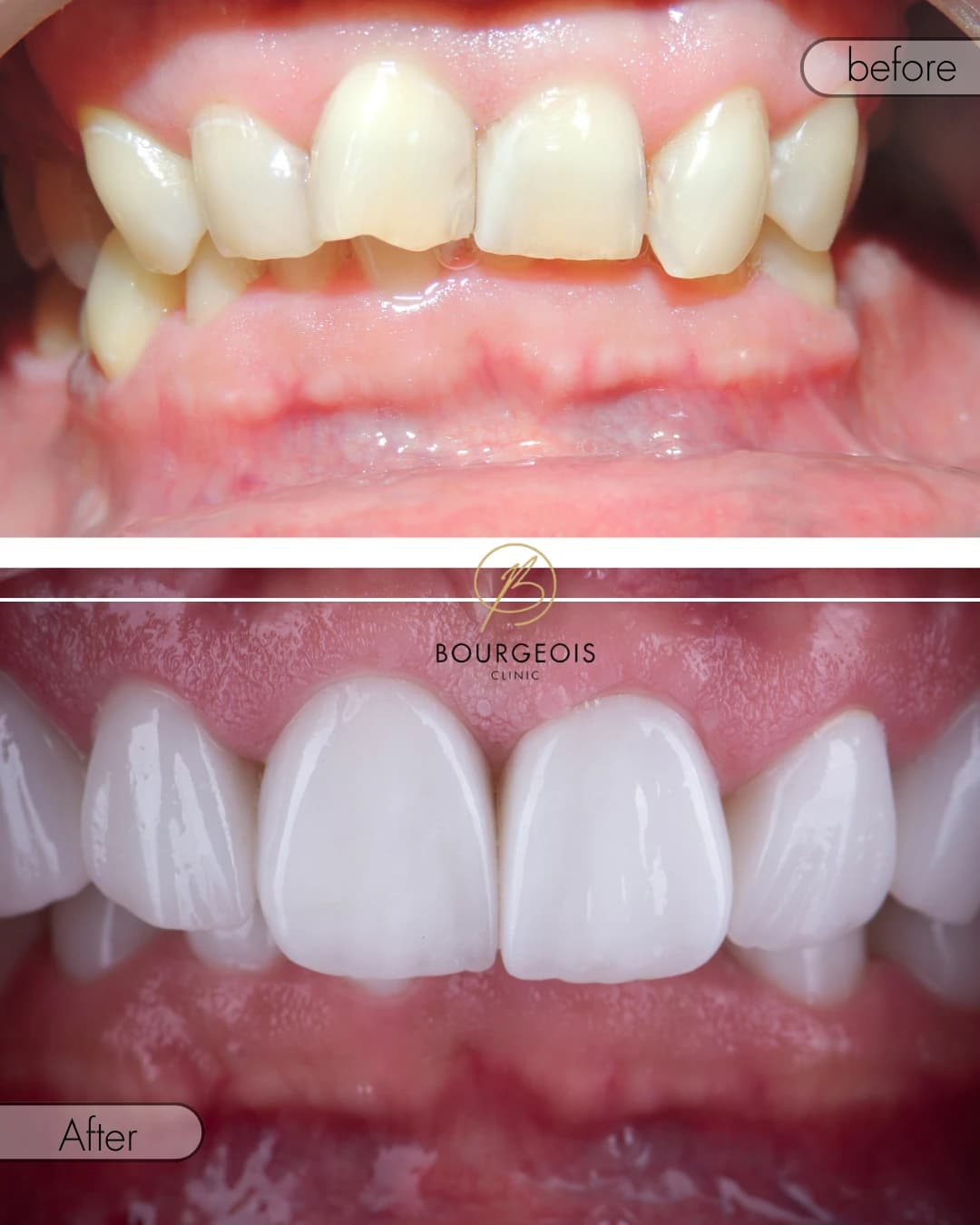
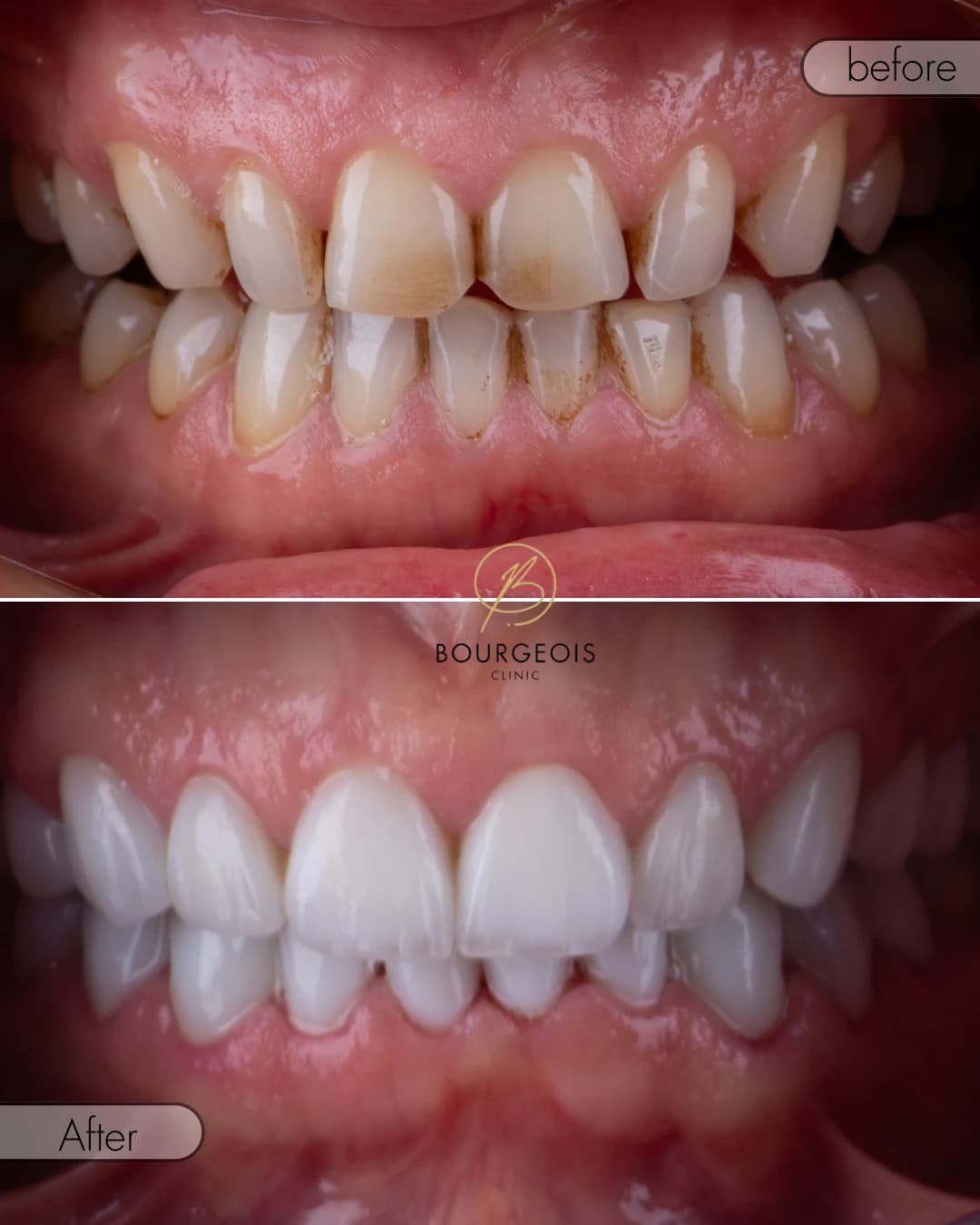
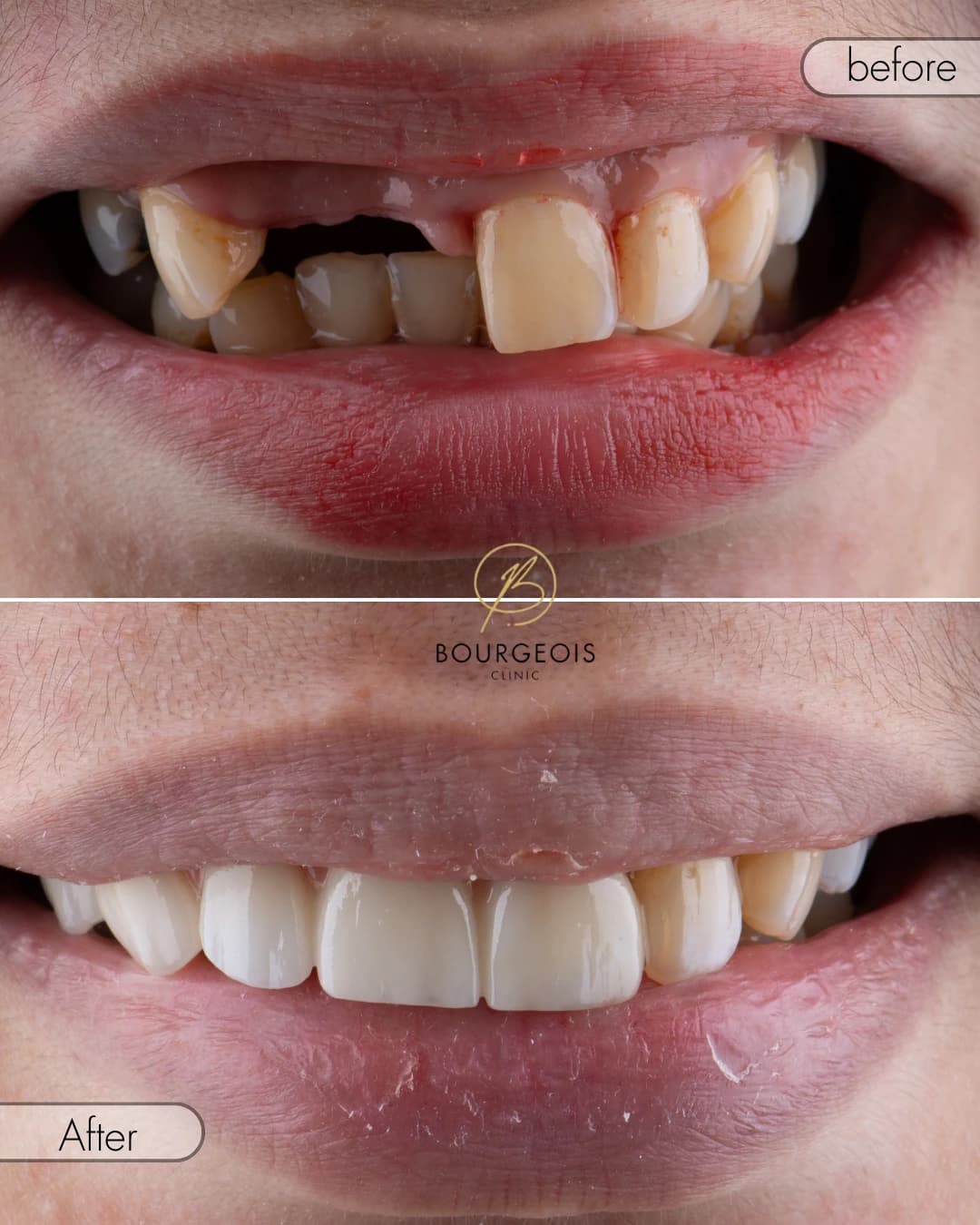
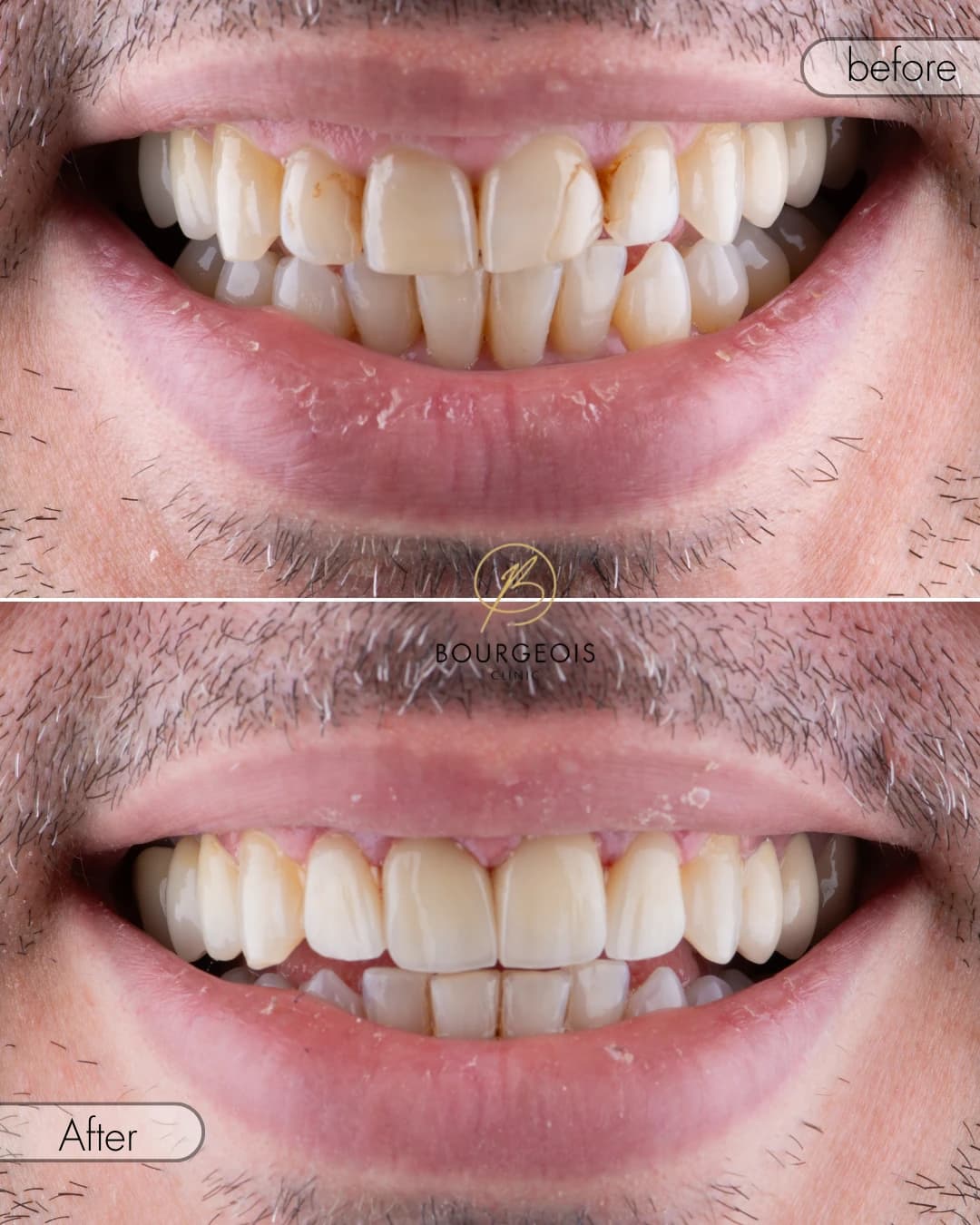
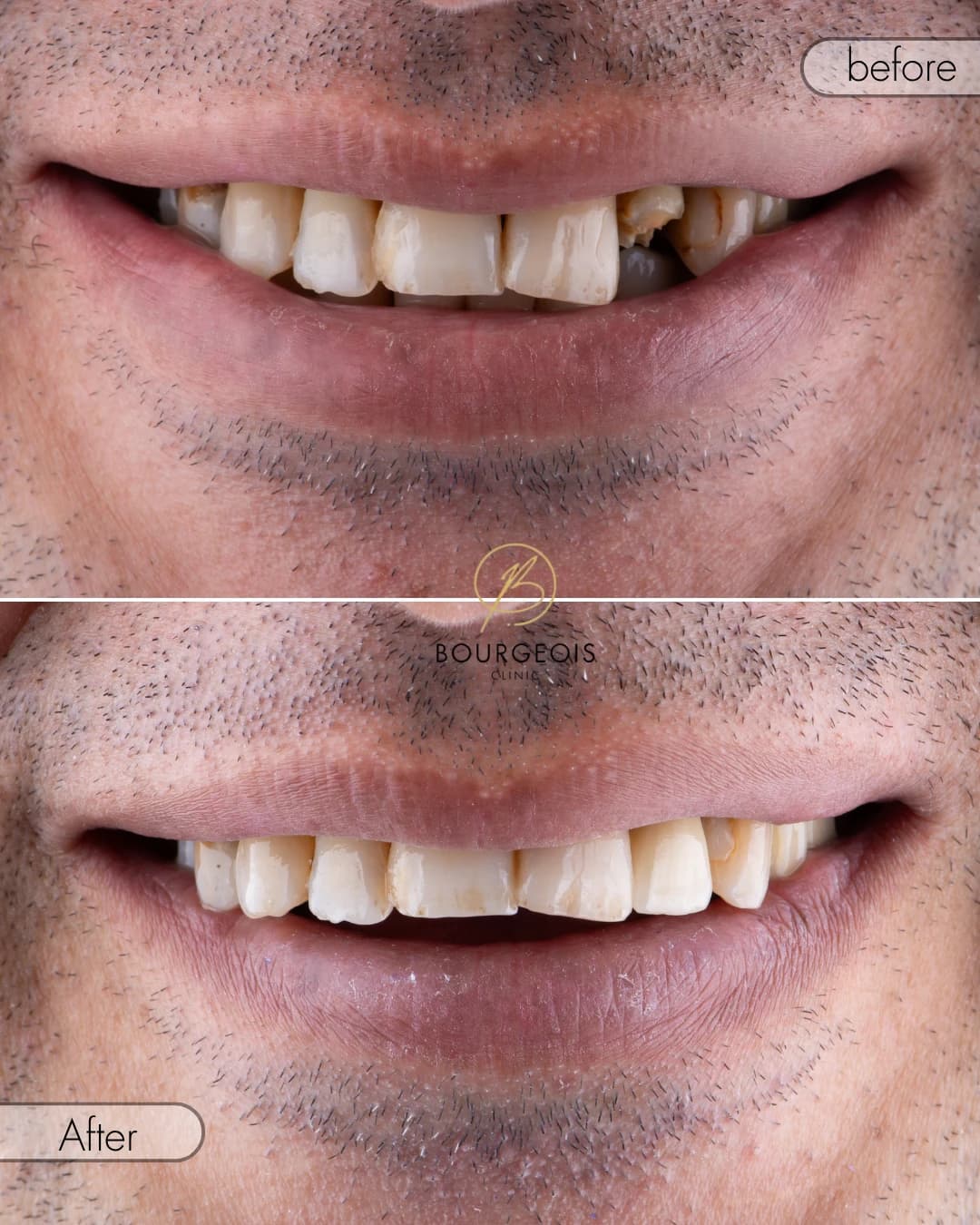
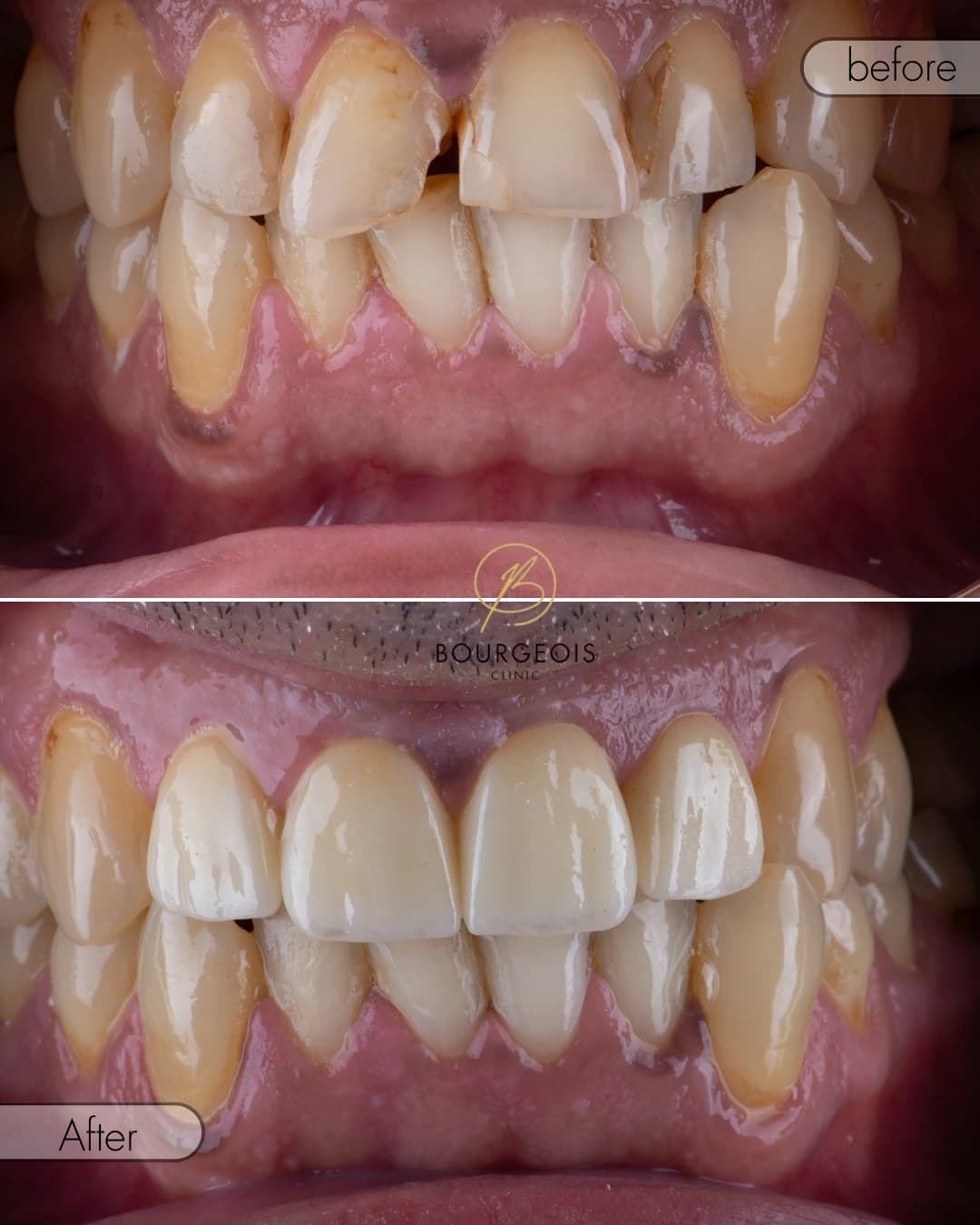
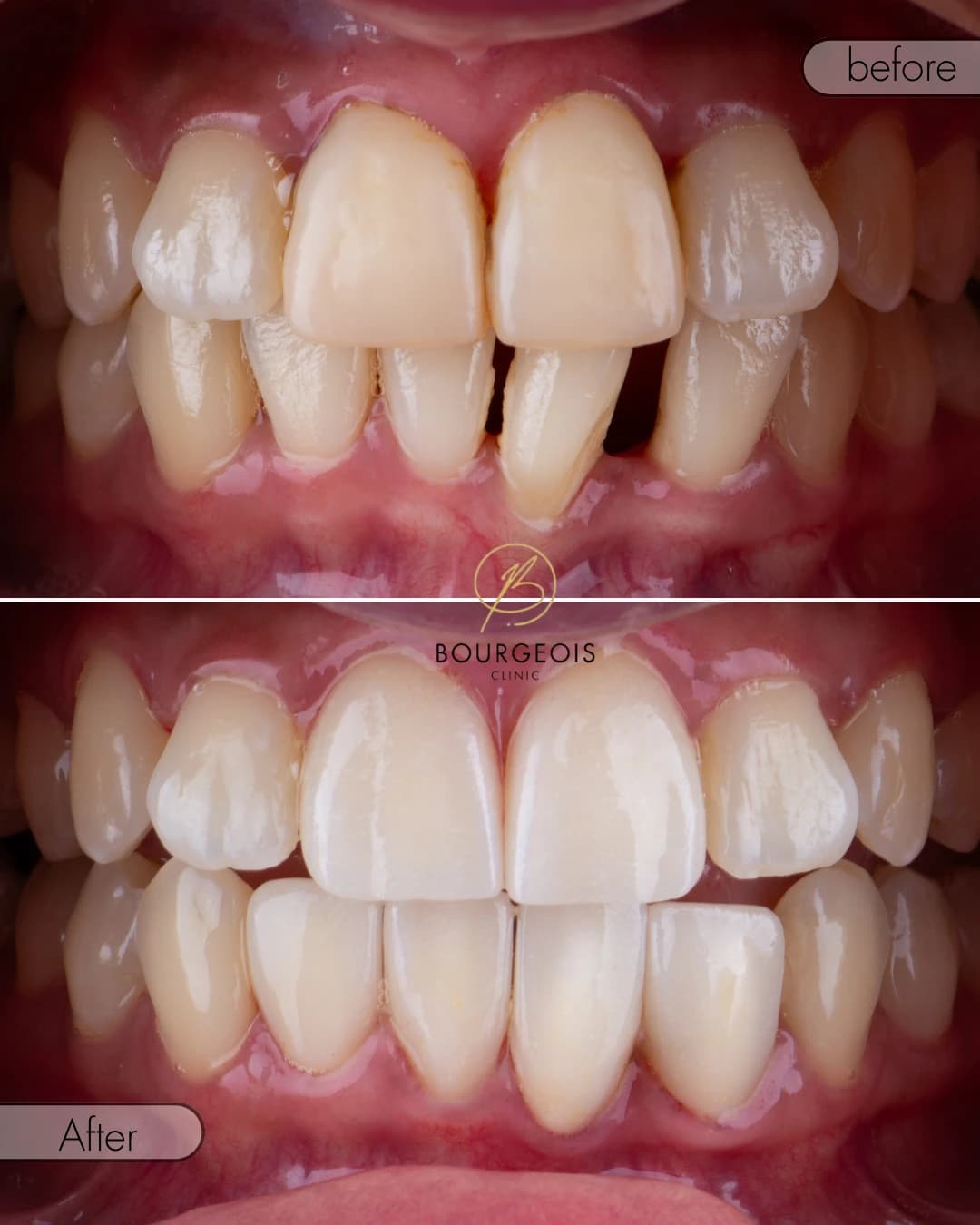
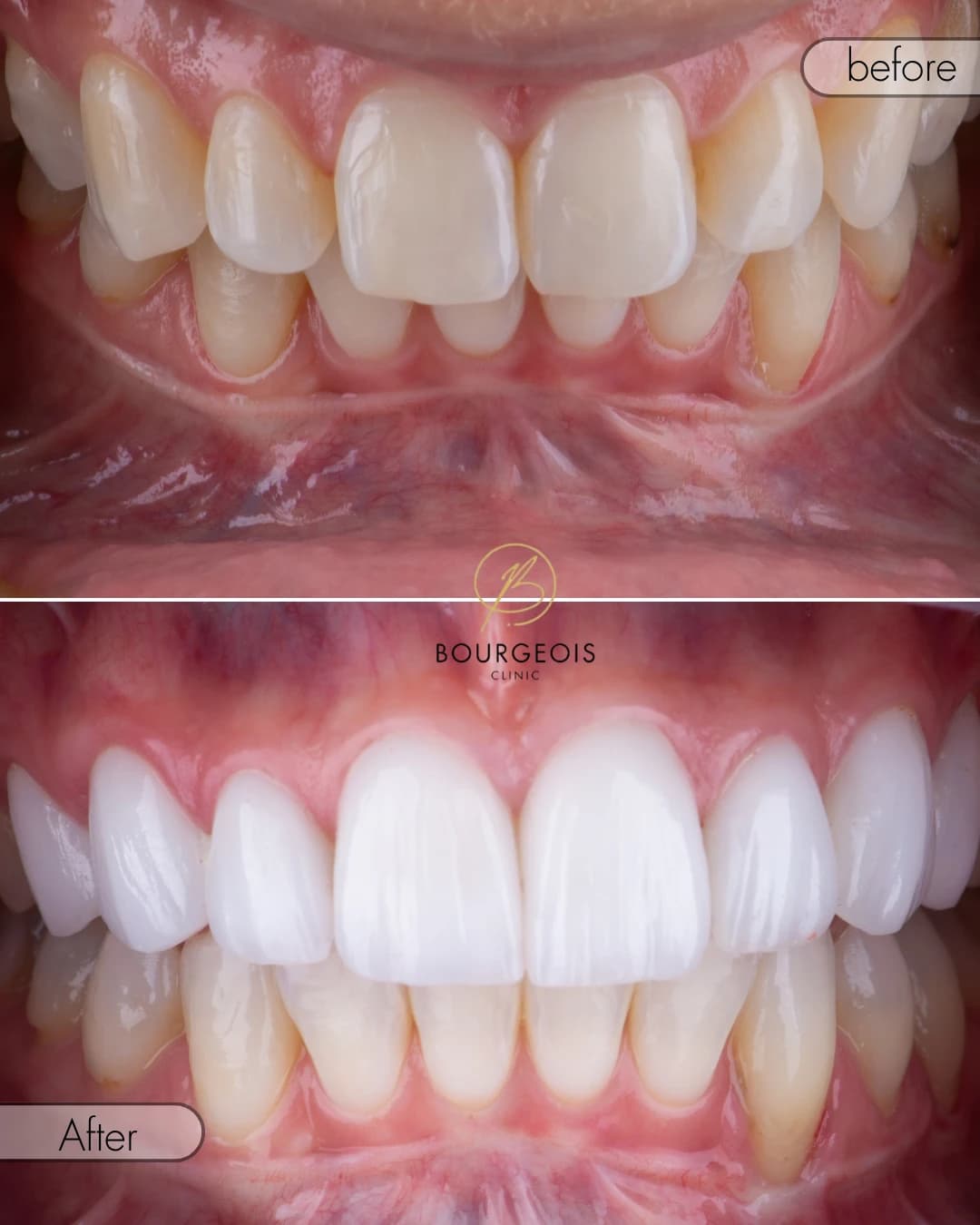
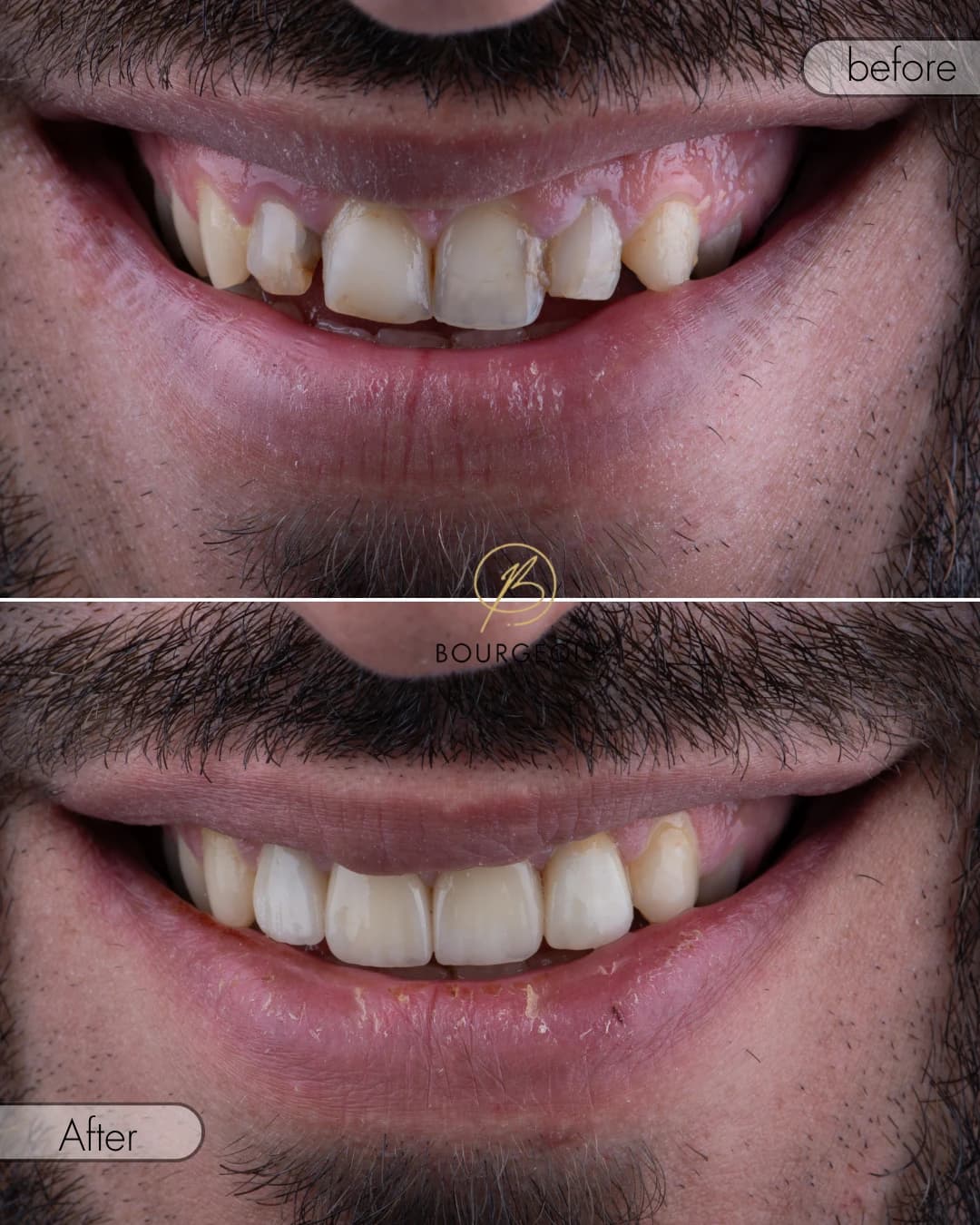
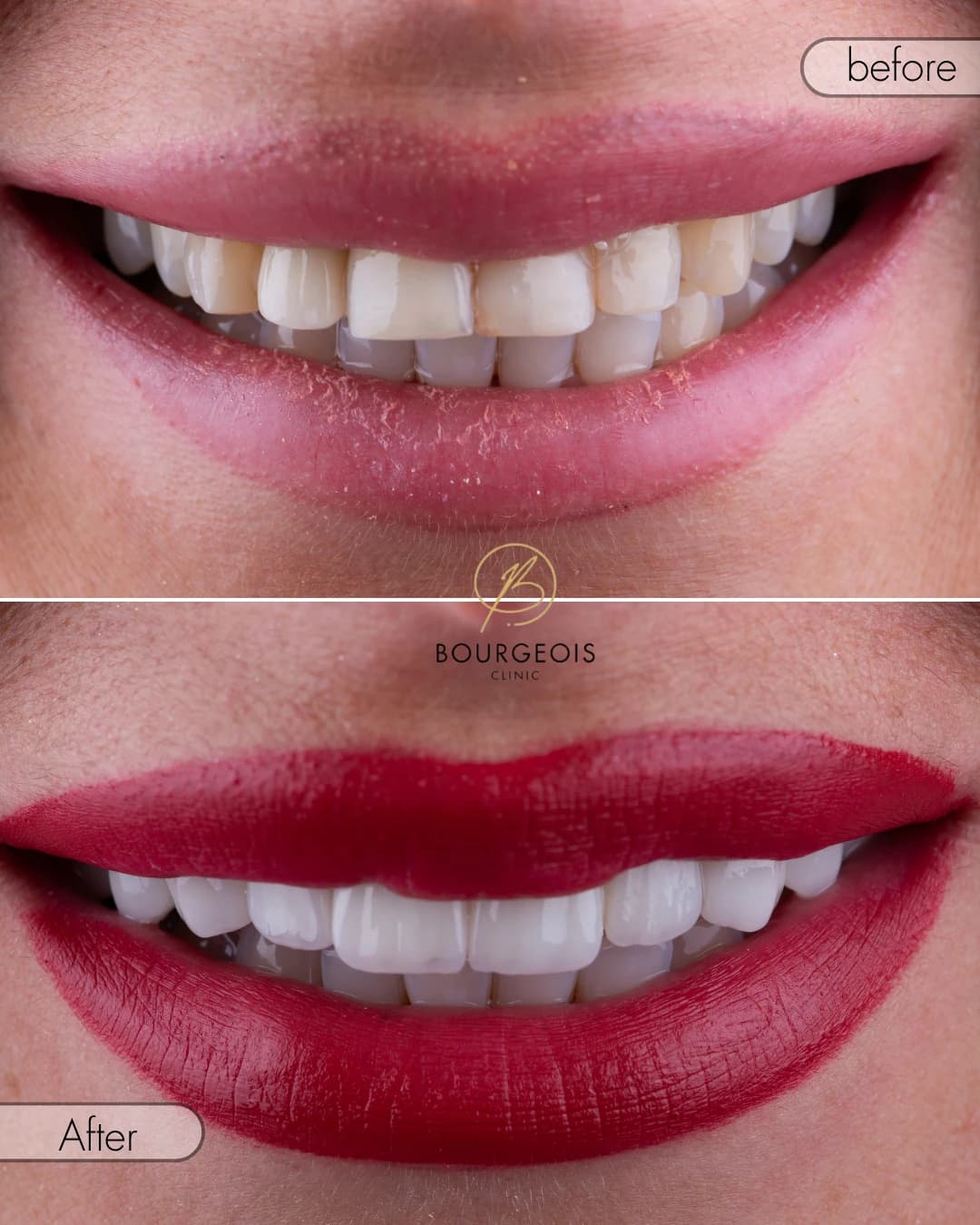
During a dental checkup in Dubai, the dentist examines tooth surfaces for signs of decay, wear, fractures, erosion and developmental changes. Existing fillings, crowns, veneers, bridges, implants and removable appliances are reviewed for condition, function and cleanability.
This does not mean that every old restoration needs replacement. A restoration can remain serviceable for many years when it is healthy and functioning. The dentist looks for specific reasons to intervene, such as recurrent decay, fracture, loss of seal, poor contour, gum irritation or functional problems. Findings that are uncertain may be monitored with records rather than treated immediately.
Gum and Periodontal Screening
Healthy teeth need healthy supporting tissues. The dentist checks for plaque, calculus, redness, swelling, bleeding, recession and other periodontal signs. Measurements around the teeth may be recorded when indicated, and tooth mobility or bone support may also be assessed.
A gum-disease screening helps distinguish routine preventive needs from conditions requiring more detailed periodontal assessment. Bleeding should not be dismissed as normal, but it also does not allow a diagnosis without examination.
Soft-Tissue and Oral Cancer Screening
A dental examination includes more than teeth. The lips, cheeks, tongue, floor of the mouth, palate and other accessible tissues may be inspected for ulcers, colour changes, swellings or persistent abnormalities. Many findings are harmless, but a lesion that does not heal or has concerning features may require review or referral.
Oral cancer screening is a visual and tactile assessment; it cannot guarantee that every disease is absent. Tell the dentist about a mouth ulcer, lump, red or white patch, unexplained bleeding, swallowing difficulty or voice change that persists.
When Are Dental X-Rays or Digital Records Needed?
Some areas cannot be assessed fully by sight alone. Dental radiographs may help evaluate decay between teeth, roots, bone levels, impacted teeth or other structures when there is a clinical reason. The type and timing should reflect your age, symptoms, risk, treatment history and available recent images.
Photographs or digital scans may document tooth position, wear, gum levels, shade or existing restorations. They can improve explanation and comparison over time. Having advanced equipment available does not mean every technology must be used for every patient; records should answer a real diagnostic or planning question.
Checking the Bite, Jaw and Tooth Wear
The way teeth meet can influence wear, fractures, jaw comfort and restorative planning. Dr. Nour may ask about clenching, grinding, morning jaw fatigue, headaches, clicking or difficulty opening. She may examine tooth-wear patterns and jaw movement.
These signs do not always prove that one condition is responsible. Tooth wear, for example, can have mechanical and chemical contributors. The purpose of the checkup is to identify patterns, decide whether monitoring or protection is appropriate, and refer when specialist assessment is needed.
Cleaning Is Not Automatically the Same as a Checkup
A checkup establishes diagnosis and risk; cleaning removes selected deposits. They often complement one another but are not interchangeable. If plaque, calculus or external stain is present, professional teeth cleaning may be recommended. If deeper periodontal findings exist, a different gum-care plan may be needed.
Likewise, teeth that look clean can still have decay between them, cracks, defective restorations or bite concerns. A polish alone cannot replace an examination.
How Dr. Nour Explains the Findings
After the assessment, Dr. Nour should explain the findings in plain language. A clear discussion identifies which areas are healthy, which require prevention or monitoring, which need timely care and which are elective. Images can be used to show rather than simply tell.
You should understand why a recommendation is being made, its alternatives, likely limitations and what may happen if the condition is monitored. When more than one issue is present, treatment can be organised into sensible phases: urgent disease control, stabilisation, function and then optional aesthetic refinement.
When Specialist Referral Is the Right Next Step
Good general dentistry includes knowing when specialist input will improve planning. Orthodontic bite problems may be referred to the Specialist Orthodontist; implant or surgical questions may involve an implant dentist or surgeon; complex gum findings may need periodontal expertise; and unusual soft-tissue changes may need another appropriate clinician.
A referral does not mean the first visit failed. It means the checkup identified the correct pathway and allows Dr. Nour to coordinate the patient’s overall care.
If You Feel Nervous About Dental Visits
Tell the clinic before or at the beginning of the appointment. Agree on a stop signal, ask for explanations in manageable stages and let the dentist know which part worries you most. A first visit can focus on conversation and examination before treatment decisions are made, unless urgent care is needed.
Dr. Nour’s published profile includes certification in nitrous oxide sedation. Suitability still requires individual assessment, informed discussion and appropriate monitoring; it should not be presented as necessary for every nervous patient.
How to Prepare for Your First Visit
- Bring a current list of medicines, allergies and relevant health conditions.
- Bring recent dental images or records if they are available.
- Write down your main symptoms, goals and questions.
- Mention pregnancy or possible pregnancy before radiographic decisions.
- Tell the team about dental anxiety or previous difficult experiences.
- Continue normal brushing and interdental cleaning; there is no need to hide areas that concern you.
- Bring removable appliances, retainers or night guards if they need evaluation.
- Allow enough time for a careful discussion rather than expecting every treatment to be completed immediately.
What Happens After the Checkup?
You may leave with reassurance and a preventive recall plan, a recommendation for cleaning, monitoring records, a focused treatment plan or a specialist referral. The timing of future reviews should reflect oral-health risk, not an identical schedule imposed on everyone.
If a new symptom develops between planned reviews—such as pain, swelling, trauma or a broken restoration—contact the clinic instead of waiting for the next routine visit. The emergency dental consultation pathway is intended for concerns that need earlier assessment.
Questions Worth Asking Dr. Nour
- Which parts of my mouth are healthy?
- What needs treatment, monitoring or prevention?
- Which finding is the priority, and why?
- Do I need any diagnostic records today?
- Are my existing restorations functioning well?
- How is my gum health?
- Could my sensitivity, grinding or dry mouth need further assessment?
- When would specialist referral be appropriate?
Book a Dental Checkup with Dr. Nour in Dubai
A well-structured first visit gives you a clear baseline and a plan based on evidence from your own mouth. Book an appointment at Bourgeois Dental Clinic for a dental checkup with Dr. Nour. Bring your questions and relevant history so the consultation can focus on your health, priorities and appropriate next steps.