


Dental Cleaning in Dubai: Scaling, Polishing or Deep Cleaning?
Routine scaling, polishing and periodontal deep cleaning are different procedures. Learn how gum findings—not a package name—determine the appropriate care.
Booking a dental cleaning can sound straightforward until you see terms such as scaling, polishing, deep cleaning and root planing. These are not interchangeable names for one procedure. They address different areas of the mouth and different levels of gum health.
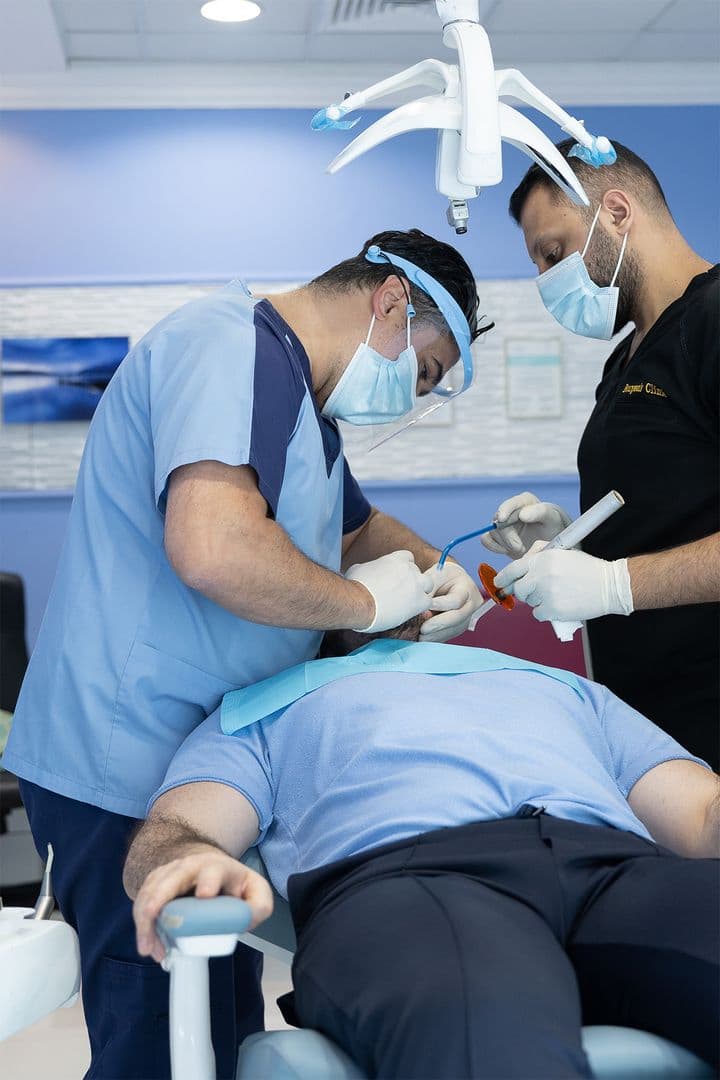
At Bourgeois Dental Clinic in Dubai, the appropriate type of cleaning is selected after the teeth and gums are assessed. A routine visit may be enough for surface deposits in a healthy mouth, while signs of periodontitis can require treatment below the gumline. The important first step is diagnosis, not simply requesting the strongest-sounding option.
Quick Answer: Which Type of Dental Cleaning Do I Need?
Scaling and polishing generally removes plaque, hardened calculus and external stain from accessible tooth surfaces, then smooths selected areas. It is commonly used as part of preventive care when the gums are healthy or when inflammation is limited and there is no evidence of deeper periodontal destruction.
Deep cleaning usually refers to scaling and root planing for gum disease. It reaches below the gumline to disrupt deposits and bacterial biofilm around affected roots. It may be completed by area over more than one appointment and is followed by reassessment. A cosmetic polish cannot substitute for periodontal treatment, and deep cleaning is not automatically needed just because someone has visible tartar.
What Is Plaque and Why Does Calculus Form?
Dental plaque is a sticky bacterial biofilm that continually develops on teeth. Daily brushing and interdental cleaning help remove it, but plaque left in place can mineralise into calculus, also called tartar. Calculus cannot be reliably brushed away at home and its rough surface can make further plaque retention easier.
Deposits may collect near the gumline, between teeth and around crowded areas, restorations, orthodontic appliances or implants. Smoking, dry mouth, cleaning technique and individual saliva characteristics can also influence how quickly deposits build. The amount of visible calculus alone does not show whether supporting bone has been affected, which is why a gum examination matters.
What Happens During Scaling and Polishing?
During scaling and polishing in Dubai, the clinician may use ultrasonic and hand instruments to remove deposits from the teeth. Polishing can reduce selected external stains and smooth areas after scaling. The visit may also include personalised advice about brushing, interdental brushes, floss or cleaning around dental work.
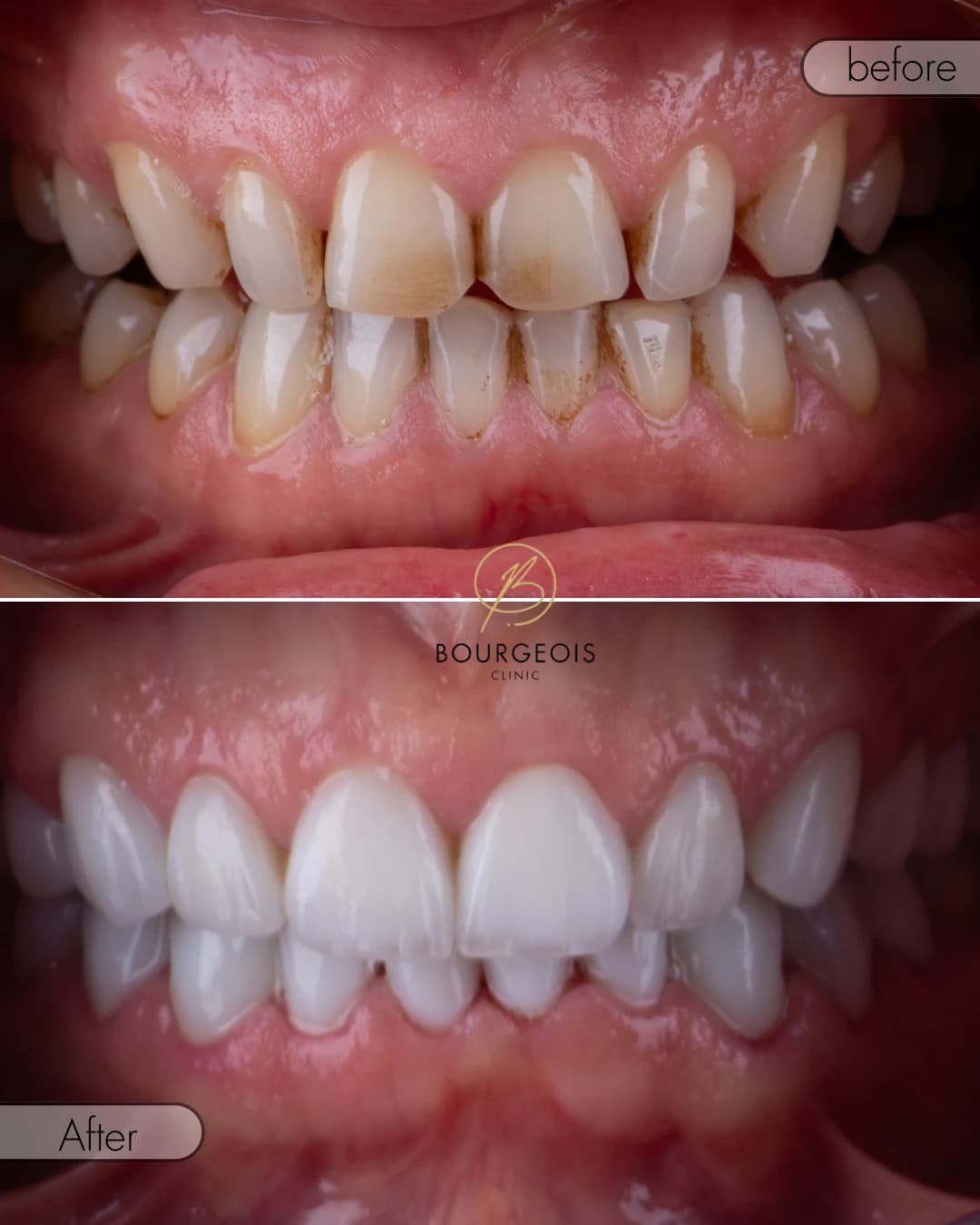
Scaling is a clinical procedure, not tooth whitening. It can reveal the natural tooth colour after surface stain and deposits are removed, but it does not bleach the enamel. Likewise, polishing is not intended to reshape teeth or remove internal discolouration.
What Does “Deep Cleaning” Mean in Dentistry?
Deep teeth cleaning in Dubai commonly means non-surgical periodontal treatment. Scaling removes deposits above and below the gumline, while root planing addresses contaminated or rough root surfaces where clinically indicated. The goal is to help control inflammation and create conditions that are easier to keep clean.
Deep cleaning is prescribed for affected sites rather than used as a premium version of a routine clean. The number of areas treated, use of local anaesthetic and number of visits depend on pocket depths, bleeding, deposits, root anatomy, sensitivity and the extent of disease. More advanced or complex periodontal problems may need specialist evaluation or additional treatment.
How Does a Dentist Decide Between Them?
A cleaning recommendation should follow a periodontal assessment. Depending on the findings, this may include:
- Reviewing bleeding, swelling, bad breath, sensitivity and previous gum treatment
- Examining plaque and calculus above and below the gumline
- Measuring the spaces between the teeth and gums at appropriate sites
- Checking recession, tooth mobility and areas where the bite may add stress
- Assessing implants, crowns, bridges, fillings and orthodontic appliances
- Using dental radiographs when clinically indicated to evaluate supporting bone
- Reviewing smoking, diabetes, medications, dry mouth and other relevant factors
A single symptom does not determine the diagnosis. Bleeding gums can occur with gingivitis, periodontitis, local irritation or changes in cleaning habits. Conversely, gum disease can progress with limited discomfort. Measurements and appropriate imaging help distinguish surface inflammation from loss of periodontal support.
Routine Cleaning, Gingivitis and Periodontitis
Healthy gums are generally firm, comfortable and do not bleed repeatedly during gentle cleaning. Gingivitis is inflammation confined to the gums without the attachment and bone loss associated with periodontitis. It may improve with effective home plaque control and professional care.
Periodontitis affects the tissues supporting the teeth. Pockets can deepen, bone can be lost and teeth may eventually loosen or move. Deep cleaning may form part of treatment, but long-term control also depends on daily plaque removal, risk-factor management and maintenance. The periodontics and gum-treatment team can assess cases needing focused periodontal care.
Signs That You Should Arrange a Gum Assessment
- Bleeding that continues with gentle brushing or interdental cleaning
- Red, swollen or tender gums
- Persistent bad breath or an unpleasant taste
- Gums that appear to be receding
- New spaces, tooth movement or a change in the bite
- Pus, swelling or discomfort around a tooth or implant
- Food repeatedly trapping below the gumline
- A previous diagnosis of gum disease or missed maintenance visits
These signs warrant assessment, but they do not prove that deep cleaning is required. Rapid facial swelling, fever, difficulty swallowing or breathing, or uncontrolled bleeding requires urgent care rather than a routine cleaning appointment.
Will Dental Cleaning Make My Teeth Sensitive?
Temporary sensitivity can occur after deposits are removed, particularly when roots are exposed or the gums are inflamed. Deep cleaning may also leave treated areas tender for a short period. Local anaesthetic can be considered during periodontal treatment where appropriate.
Tell the clinician about existing sensitivity before treatment. Tooth wear, decay, cracked teeth, gum recession and recent whitening can all contribute, so persistent or severe pain should not automatically be attributed to cleaning. The cause should be assessed and aftercare adapted to the individual.
Does Bleeding During Cleaning Mean the Procedure Caused Damage?
Inflamed gums can bleed when plaque and deposits are disrupted. The bleeding often reflects existing inflammation rather than injury from careful cleaning. However, technique and tissue condition still matter, and the clinician should explain what was found.
Do not stop all home cleaning because of mild bleeding unless advised. Gentle, consistent plaque removal is usually important, while aggressive scrubbing can traumatise the gums. Seek review if bleeding is heavy, spontaneous, persistent, or associated with medication or a medical condition.
How Often Should Teeth Be Professionally Cleaned?
There is no single interval suitable for everyone. Recall timing may be influenced by gum health, previous periodontitis, deposit rate, smoking, diabetes, dry mouth, dexterity, orthodontic appliances, implants and the quality of daily cleaning.
Some patients remain stable with a longer preventive interval, while others need more frequent periodontal maintenance. After deep cleaning, a reassessment helps show how the tissues responded and whether pockets, bleeding or deposits remain. The next visit should be based on these findings rather than an automatic package.
Cleaning Around Crowns, Veneers, Braces and Implants
Dental work does not eliminate the need for plaque control. Crown and veneer margins, bridge connectors, implant restorations and orthodontic attachments can create areas that need specialised home-cleaning tools. Instruments and techniques may be adapted to the restoration and tissue condition.
Implants cannot develop tooth decay, but the tissues around them can become inflamed. Bleeding, swelling, discharge, recession or a change in how an implant crown feels should be assessed. Routine polishing alone is not a substitute for diagnosing peri-implant disease.
Can Cleaning Remove Every Stain?
Professional cleaning may reduce external stains from tea, coffee, tobacco and some foods, but results vary. Stain within enamel or dentine, colour differences between teeth and existing restorations, and white or brown developmental marks may remain.
If colour is the main concern, complete the health assessment and cleaning first. The dentist can then distinguish removable surface stain from discolouration that might be considered for whitening, bonding or another cosmetic approach. Healthy gums and clean surfaces also make cosmetic planning more predictable.
What to Expect After Scaling or Deep Cleaning
After routine cleaning, most people return to normal activities immediately. The teeth may feel smoother and the spaces between them may feel more noticeable when calculus has been removed. After deep cleaning, the clinician may give site-specific advice about eating, cleaning, sensitivity and any prescribed products.
Follow-up is especially important after periodontal treatment. Reduced bleeding is encouraging, but treatment success is assessed through tissue response, pocket measurements, plaque control and stability over time. Areas that do not respond may require further non-surgical care, specialist review or another approach.
How to Maintain the Result at Home
- Brush twice daily with fluoride toothpaste using a technique suited to your gums
- Clean between teeth daily with floss or appropriately sized interdental brushes
- Use tools recommended for bridges, implants, braces or limited dexterity
- Avoid tobacco and discuss support for stopping if needed
- Manage dry mouth and relevant health conditions with professional advice
- Attend the examination and maintenance interval recommended for your risk
- Report recurring bleeding, swelling, pain, mobility or bad taste promptly
Mouthwash can be useful in selected situations, but it does not mechanically remove established plaque or calculus. Long-term medicated rinses should not be started simply because the gums bleed; the cause and appropriate duration should be discussed.
Choosing Dental Cleaning in Dubai
Look for a clinic that evaluates gum health before treatment, explains whether the recommendation is preventive or periodontal, and provides a plan for reassessment. Be cautious if “deep cleaning” is offered without periodontal findings or if polishing is presented as treatment for established gum disease.
Dr. Nour’s dentist profile outlines her general and preventive dental scope at Bourgeois Dental Clinic. If the examination identifies more advanced gum needs, care can be coordinated with the clinic’s periodontal team. This allows the cleaning plan to follow the diagnosis rather than a one-size-fits-all label.
Questions to Ask at Your Appointment
- Are my gums healthy, inflamed or showing periodontal attachment loss?
- Is the recommended procedure routine scaling and polishing or periodontal deep cleaning?
- Which teeth or areas need treatment, and why?
- Do I need local anaesthetic or more than one visit?
- How will my gum response be reassessed?
- Which home-cleaning tools fit my teeth and dental work?
- What maintenance interval is appropriate for my risk?
- Which symptoms should prompt an earlier review?
Book a Dental Cleaning Assessment in Dubai
Bourgeois Dental Clinic is located on Sheikh Zayed Road, Exit 41, near Al Thanya Street in Dubai. Patients from Umm Al Sheif, Al Barsha, Umm Suqeim, Jumeirah, Al Quoz, Barsha Heights, The Greens and Dubai Marina can access preventive and periodontal services in one clinic.
Book a dental appointment for an examination and cleaning recommendation based on your current gum health. If you have previous gum charts or recent dental radiographs, bring them to help the team understand earlier findings and maintenance history.
Editorial note: This article provides general education. The appropriate cleaning procedure and recall interval require an individual dental and periodontal assessment.